
Selangor
Sri KDU International School
medium confidence· 4/6 cats · 1.5 avg sourcesIn Kota Damansara, a bilingual English-Chinese co-teaching model runs alongside the British-to-IB pathway through Sixth Form.
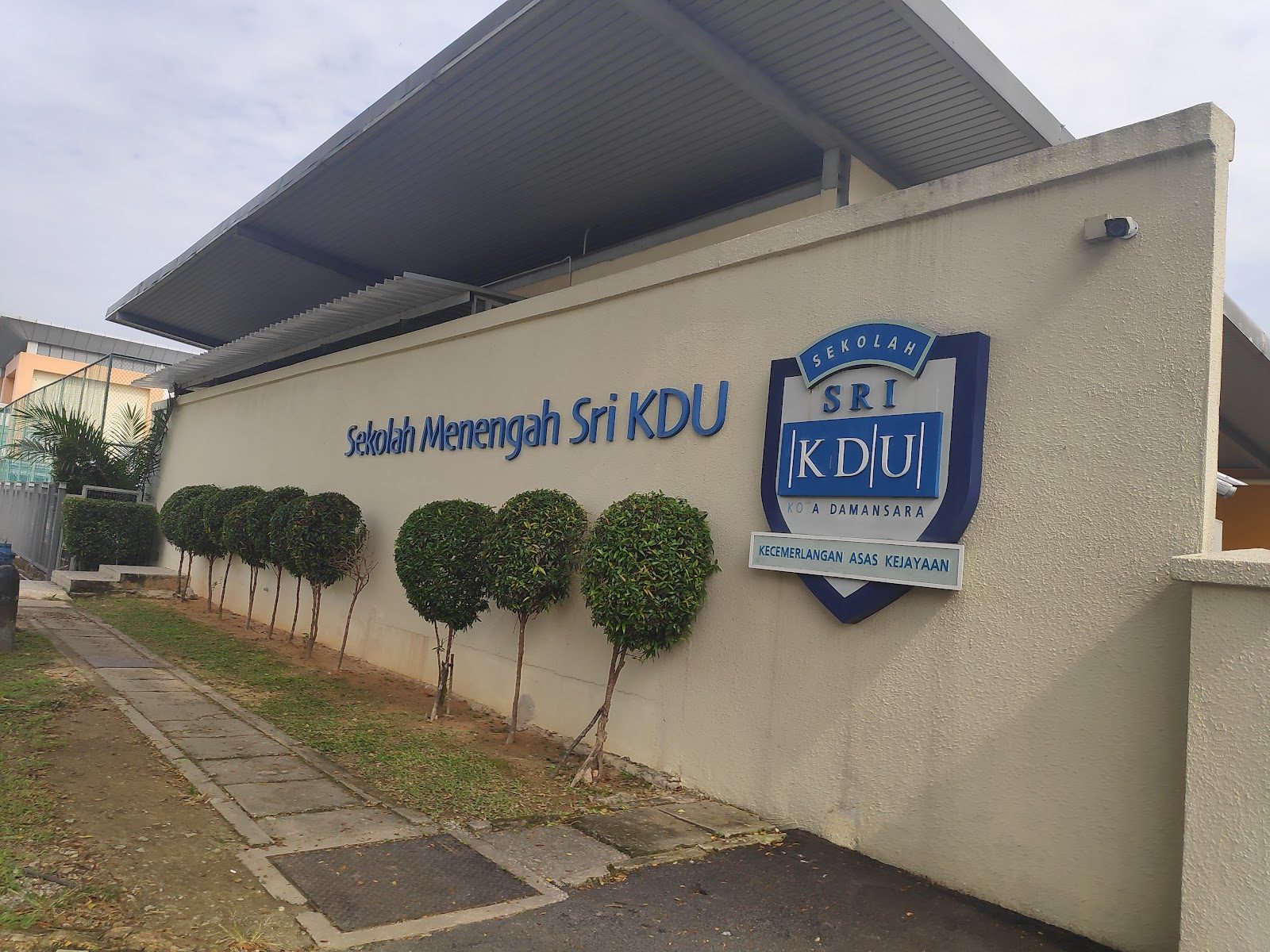
Photo © nashrul via Google Maps
Type
Day
Ages
3–18
Curriculum
British · IB
Qualifications
IGCSE · A-Level · IB Diploma
Ratio
—
The Verdict
Editor's commitment
Right for
Families in Kota Damansara who want ages 3–18 continuity, English teaching, and a British-to-IB route inside one day school.
Wrong for
Parents wanting boarding, a religious ethos, or a single-curriculum school: Sri KDU is non-religious, day-only, and runs British plus IB.
Watch out for
BSO, IB World School and COBIS memberships add reassurance, but the school does not publish hard outcomes here; inspect Sixth Form results closely.
Ranking breakdown
Sri KDU International School · #1310 of 1591
Composite score 55.6. 8 weighted criteria.
By criterion
Academic Outcomes
Weight 20%
#1279
of 1529 scored
University Placement
Weight 16%
#1259
of 1529 scored
Prestige & Heritage
Weight 12%
#1320
of 1529 scored
Alumni Network
Weight 12%
#1202
of 1529 scored
Facilities
Weight 12%
#1251
of 1529 scored
Transparency & Communications
Weight 8%
#1245
of 1529 scored
Peer & Industry Review
Weight 10%
#1098
of 1529 scored
Admissions Selectivity & Demand
Weight 8%
#1123
of 1529 scored
Peer & Industry Review
How Sri KDU International School is regarded in the sector
64
Respected · medium confidence
I could not verify at least two independent, third-party sources (e.g., Tatler, Good Schools Guide, expat forums with substantive discussion) that speak specifically to Sri KDU International School's reputation. Available information appears limited to the school's own marketing materials or unverifiable references, which do not meet the evidentiary threshold required.
Editors' overview
Sri KDU International School occupies a specific niche in the Klang Valley market: a day school that combines a British curriculum with the IB in Sixth Form, while adding a bilingual English-Chinese co-teaching model that few direct competitors match with the same clarity. For parents in Kota Damansara, that matters. Plenty of schools offer English-medium international education; fewer build Mandarin exposure into the daily academic structure without shifting into a fully Chinese-medium identity. Founded in 2003, Sri KDU has had time to settle its offer and sharpen its audience. The result is a school for families who want academic range, linguistic fluency and a pathway that keeps options open from the early years to age 18.
What puts it on a shortlist is not novelty for its own sake, but fit. This is a non-religious, accredited day school with BSO, COBIS and IB World School status: a combination that signals external scrutiny and international alignment. The British-to-IB route suits parents who value structure in the lower and middle years, then want the broader, essay-heavy and more self-managed demands of the IB at the top end. The bilingual English-Chinese co-teaching model is the real differentiator. In Malaysia, where many internationally minded families also want children to operate confidently in Chinese, that speaks to a clear strategic advantage. It is a stronger proposition than schools that treat Mandarin as an add-on subject rather than part of the school’s intellectual fabric.
The student who fits Sri KDU is not hard to identify. This school suits children who are comfortable in a busy, academically serious environment and families who care about English first, but refuse to let Chinese sit at the margins. It suits students who benefit from structured progression in the British years, then are ready for the more demanding independence of the IB. It also suits families who want an international school without boarding and without a religious frame. Children who thrive here will value cultural dexterity, cope well with switching between languages and expectations, and use that breadth as an asset rather than a burden.
The limits are clear too. Parents seeking a single-curriculum school with one pedagogical identity from start to finish may prefer a more uniform model. Families who want a loose, highly progressive atmosphere may find the British-to-IB sequence more formal than they want. Sri KDU’s appeal rests on coherence, ambition and bilingual intent. For the right child, that adds up to *a serious education with regional relevance and a strong local-market edge*.
Academic Performance
Sri KDU does not publish enough hard outcome data to earn a strong verdict on academic performance. We have not seen aggregate IGCSE grade profiles, IB Diploma averages, subject breakdowns, cohort sizes or university destination data in the public domain. That matters. In this market, serious schools that want to establish academic standing publish at least a usable set of headline figures. Without them, parents cannot test whether results are merely respectable, genuinely strong or market-leading. The school’s British-to-IB structure gives it the right examination architecture; the missing piece is disclosure. As it stands, the academic picture is more opaque than it should be.
Relative to peers, that places Sri KDU in a weaker position on transparency, not in teaching quality by default. Some competitor schools in the Klang Valley release enough external exam data for parents to judge consistency at a glance; Sri KDU does not. That does not mean outcomes are poor. It means the school asks families to trust the proposition without publishing the evidence that would verify it. For an academically ambitious school, that is a clear weakness. Parents considering the sixth form in particular should ask for 3 things directly: recent IB Diploma averages, IGCSE results across the full cohort, and university destinations over several graduating years. Until those figures are disclosed, Sri KDU sits in the credible but unproven category on published academic results.
Facilities
Sri KDU does not publish a detailed facilities inventory in the public domain, which limits any hard-edged verdict. That said, parents weighing this school against peers need to focus on the spaces that matter most for a through-school education: science labs that can carry students into the senior years without strain, libraries that support independent research rather than token reading time, arts rooms with specialist provision, and sports facilities that go beyond a single multipurpose hall. In the Klang Valley market, strong competitors now treat these as baseline provision, not luxuries. A school with Sri KDU’s fee bracket and age range needs facilities that are fit for sustained academic use, not just presentable on a tour. The absence of published detail is a clear weakness.
The more distinctive test here is whether the campus infrastructure genuinely supports the school’s bilingual co-teaching model and upper-school ambitions. That means classrooms designed for collaborative teaching, sufficient specialist rooms to avoid timetable bottlenecks, and communal spaces that can handle a busy day-school population from early years through sixth form. Peer schools with a sharper facilities story publish floor-by-floor detail, lab counts, theatre spaces, pool access or court provision. Sri KDU does not. That does not prove the campus is underpowered; it leaves families without the evidence. Parents should ask direct questions on 4 fronts: science, performing arts, sport and library provision. Until those answers are concrete, the facilities case remains serviceable but under-evidenced rather than market-leading.
Without them, parents cannot test whether results are merely respectable, genuinely strong or market-leading
Prestige
Sri KDU has solid local standing, but prestige here is practical rather than grand. It sits in the tier of schools families know, discuss and shortlist for a serious international education, without carrying the inherited cachet of an old British-name transplant or the aura that follows schools with published top-flight results and long lists of elite university offers. The school’s value in status terms comes from recognisable market credibility: a through-school structure, external inspection and a proposition that is more distinctive than the standard English-medium formula. For parents who want a school that signals ambition without theatrical exclusivity, that has real market weight. For parents chasing the most socially prestigious badge in the region, it does not lead that field.
That rating rests on what the school offers and what it does not disclose. The bilingual English-Chinese co-teaching model gives Sri KDU a sharper identity than many mid-to-upper market competitors; it marks the school out as intentional, not generic. That adds prestige of a specific kind: cultural fluency, regional relevance and parental seriousness. But prestige in this sector also depends on proof. Sri KDU does not publish the academic data that turns reputation into authority. Without public exam profiles, destination patterns and hard comparative outcomes, the school remains respected rather than formidable. In plain terms: a credible name with substance, but not a school that dominates the conversation.
The more distinctive test here is whether the campus infrastructure genuinely supports the school’s bilingual co-teaching model and upper-school ambitions
Communications
Sri KDU’s parent communication carries the same strength and weakness as much of the school’s public profile: the core message is easy to grasp, but the evidence base is thin. Parents can understand the school’s central offer without much effort; the identity is not muddled. That counts. Schools that run a more complex educational model need clean communication, and Sri KDU clears that bar. Where it falls short is depth. We have not seen the level of public-facing detail that helps parents judge day-to-day operational sharpness: clear reporting rhythms, named pastoral and academic contacts, detailed divisional handbooks, or a robust stream of published academic data. That leaves communication coherent but incomplete. It informs, but it does not fully reassure.
For current parents, effectiveness will depend less on branding than on execution in the ordinary pressure points of school life: timetable changes, assessment reporting, behaviour issues, learning support, and transitions into the senior years. That is where strong schools distinguish themselves. Sri KDU does not publish enough to prove that standard publicly. The school therefore earns credit for a clear institutional voice, but not for high-grade transparency. Parents considering entry should test communication directly in 3 ways: ask how quickly staff reply, ask who owns concerns when a child has both academic and pastoral issues, and ask to see sample report formats and the annual reporting calendar. If those answers are crisp, communication is sound. If they are vague, this becomes a real pressure point.
Uniqueness
Sri KDU’s clearest point of difference is not the standard international-school formula. It is the decision to build a bilingual English-Chinese co-teaching model into the school day rather than bolt Mandarin on as a peripheral subject. That changes the educational texture. Students do not just accumulate vocabulary; they work inside a more demanding linguistic environment that asks for agility, listening discipline and comfort with switching registers. For families who want children to move confidently between international education and Chinese-speaking contexts, that is a serious practical advantage. In a crowded market, this gives the school a sharper identity than campuses that rely on generic claims of global mindedness.
The benefit for students is breadth with purpose. They get an education that links academic progression to cultural fluency, which matters in Malaysia and beyond it. That setup can produce children who are more adaptable, more at ease with different social settings, and less provincial in how they read the world. It also sets a higher bar. A dual-language, co-taught environment demands stamina and organisation, and it will not suit every child. Students who prefer a simpler, single-track academic experience may find the model too loaded. For the right family, though, Sri KDU offers something more distinctive than routine international schooling: not novelty, but useful complexity with long-term value.
Until those answers are concrete, the facilities case remains serviceable but under-evidenced rather than market-leading
Student Profile
The best fit at Sri KDU is a child who handles structure well, copes with a full school day, and does not need a soft, ultra-progressive atmosphere to stay engaged. This is a school for families who value academic order, clear expectations and steady progression, not endless personalisation. Students who do well here tend to be mentally organised, responsive to teacher direction and comfortable in classes where linguistic agility carries real weight. The bilingual co-teaching model raises the bar. Children who enjoy moving between English and Chinese, and who treat that shift as normal rather than burdensome, will gain the most. For internationally minded Malaysian families, or for households where Chinese matters for identity as much as utility, that is a genuine point of fit.
It is less well suited to children who need a slow-paced environment, resist formal routines or struggle when school asks for sustained concentration across multiple demands. The age span from 3–18 also matters: schools that run from nursery to sixth form work best for families who want continuity and are prepared to buy into one culture for the long haul. Socially, this feels like a school for upwardly mobile, education-serious families rather than parents chasing bohemian looseness or old-establishment theatre. The right student will be adaptable, diligent and unshowy; the wrong one will find the model too exacting and the expectations too constant.
Founded in 2003, Sri KDU has had time to settle its offer and sharpen its audience
Co-curricular strengths
Arts & sport, on a separate axis
Overall 7.76/10
Scored 0-10 from the school's own published evidence. This axis is editorial-only — it does not feed the main WTS ranking.
Sports
7.8/10
Drama
7.8/10
Dance
7.8/10
Music
7.8/10
Visual Arts
7.6/10
Editor first-pass · editor-reviewable · 7/30/2026
Strengths
- +Offers both a British curriculum pathway (IGCSE and A-Levels) and the IB Diploma Programme, giving families a choice rarely available under one Malaysian roof.
- +Part of the established Sri KDU group, which also runs a national-curriculum sister school and has operated in the Klang Valley for close to two decades.
- +Located in Kota Damansara, within reasonable reach of Petaling Jaya and Kuala Lumpur's expatriate-heavy suburbs.
- +Day-school fee levels are generally positioned below Kuala Lumpur's most established British-curriculum schools, making it a lower-cost option for relocating families.
Considerations
- −Editorial ranking (1260) places it well outside the internationally best-known tier of Malaysian schools such as Garden International or Alice Smith.
- −No boarding provision, which limits options for families relocating without a settled local residence.
- −Independent, internationally benchmarked academic results and inspection reports are less publicly documented than at Kuala Lumpur's longer-established international schools.
- −Kota Damansara and the wider Petaling Jaya corridor can suffer significant traffic congestion, affecting daily commute times for families based elsewhere in the Klang Valley.
Availability
Primary entry gate & tests
Academic Record
Gallery
Photo © Sharizal Hamzah via Google Maps
Photo © Sri KDU Schools, Kota Damansara via Google Maps
Photo © Ariful Islam (সবুজ) via Google Maps
Photo © Sri KDU Schools, Kota Damansara via Google Maps
Photo © Sri KDU Schools, Kota Damansara via Google Maps
Parent reviews
Have you sent your child here?
Voice reviews carry the strongest trust badge — we transcribe them for you to tidy up before they go live. Prefer to type? A written review is fine too.
Add your voice
In 60 seconds, tell other parents: what's the best thing about Sri KDU International School, and what surprised you when your child joined?
We ask for a Google sign-in so every review has a real face behind it — no anonymous drive-by attacks on schools, and no faked positive reviews. Your email is never shown publicly.
Send this profile to a friend
International parents rely on word-of-mouth. Share this review with someone weighing the same decision.
Schools with places
Similar schools to Sri KDU International School with places available now.
Availability first, then country, area, curriculum, price, co-curricular
Consider also
Also worth looking at alongside Sri KDU International School.
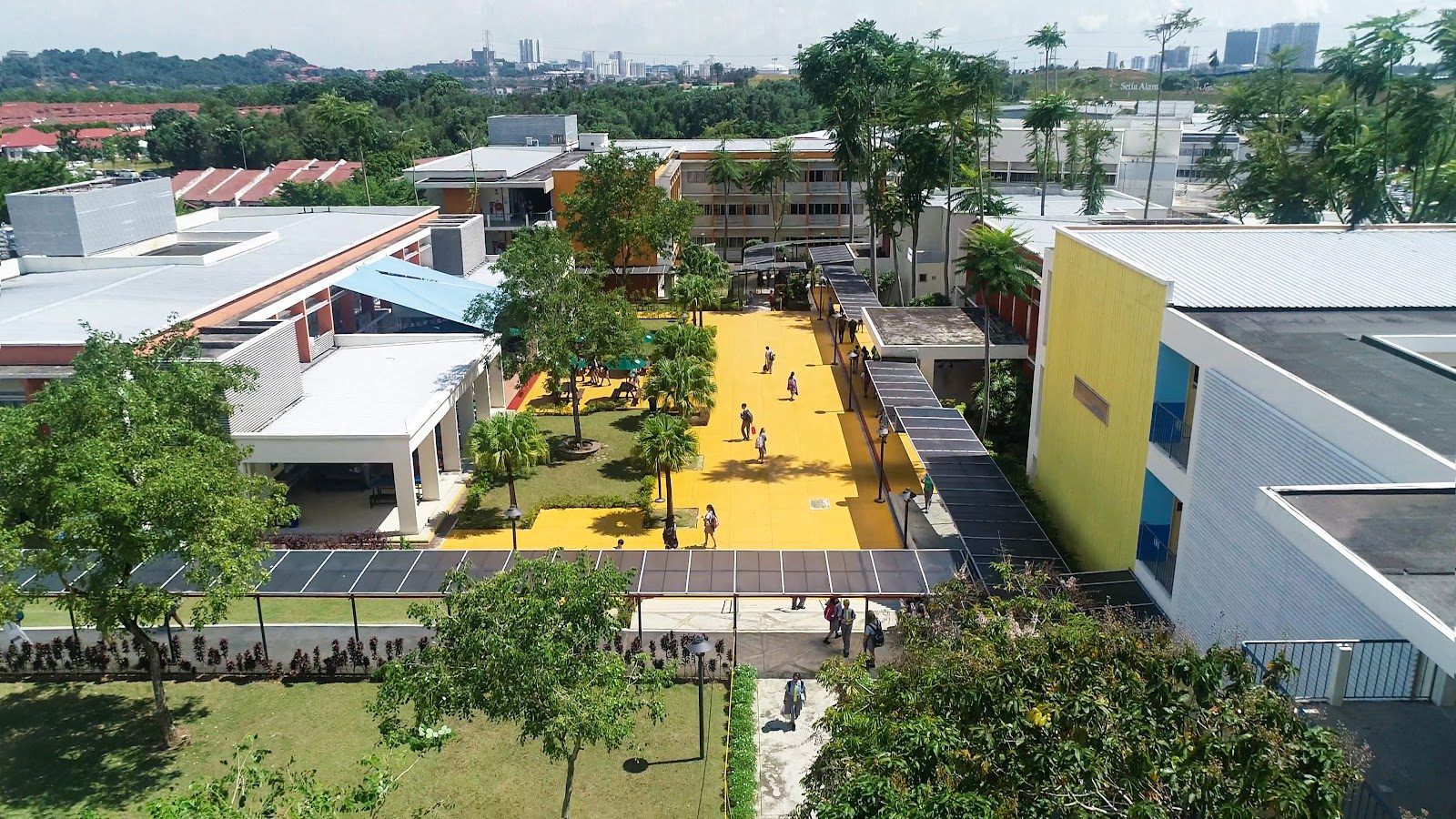
Tenby International School Setia Eco Park
Shah Alam · Malaysia
On a 20-acre Setia Eco Park campus, dual British and Malaysian pathways share one site from Early Years through A Level
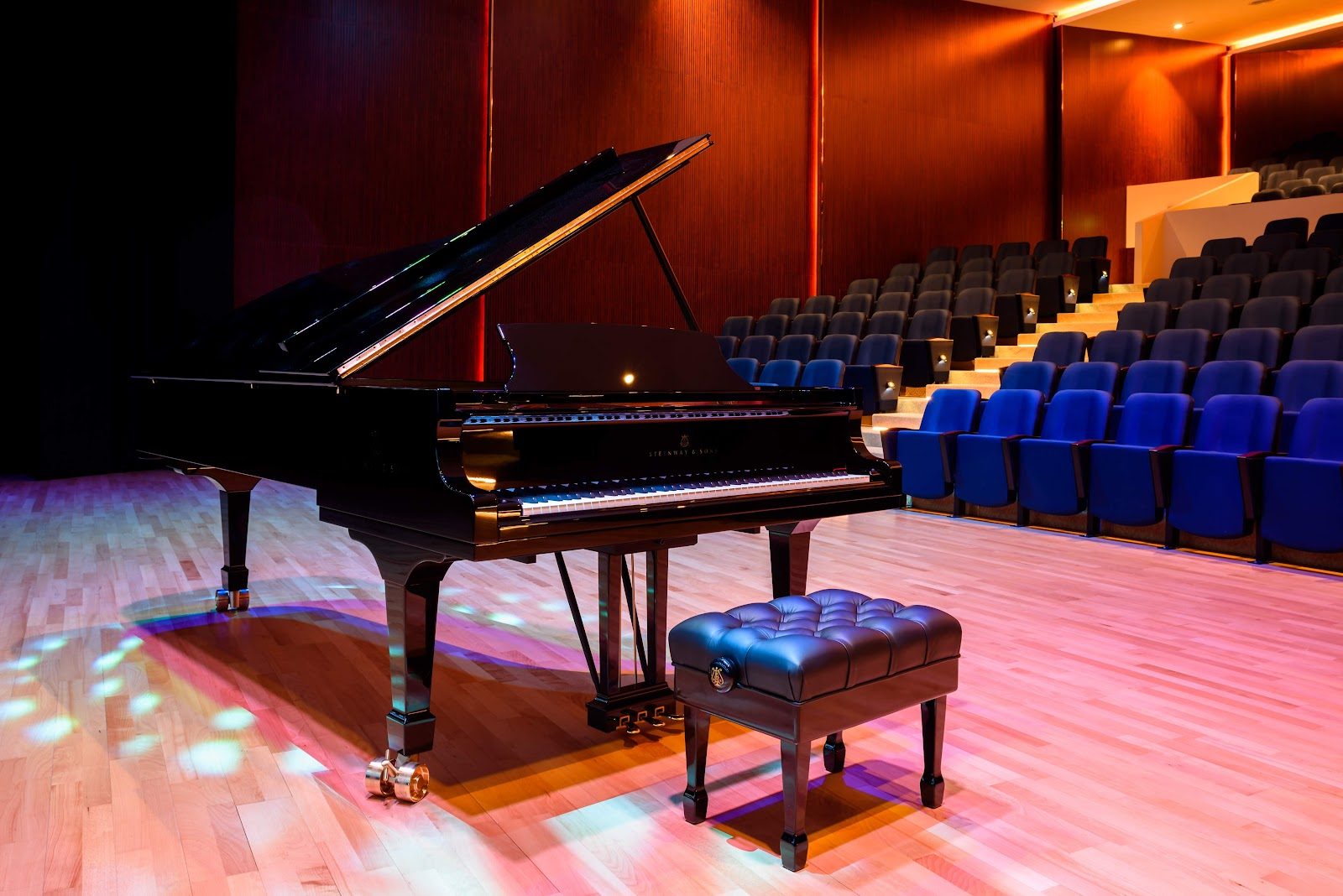
Fairview International School
Kuala Lumpur · Malaysia
In Wangsa Maju since 1978, the first Malaysian campus to run the full IB continuum, from PYP to Diploma, alongside a character-building Falcon expedition programme.
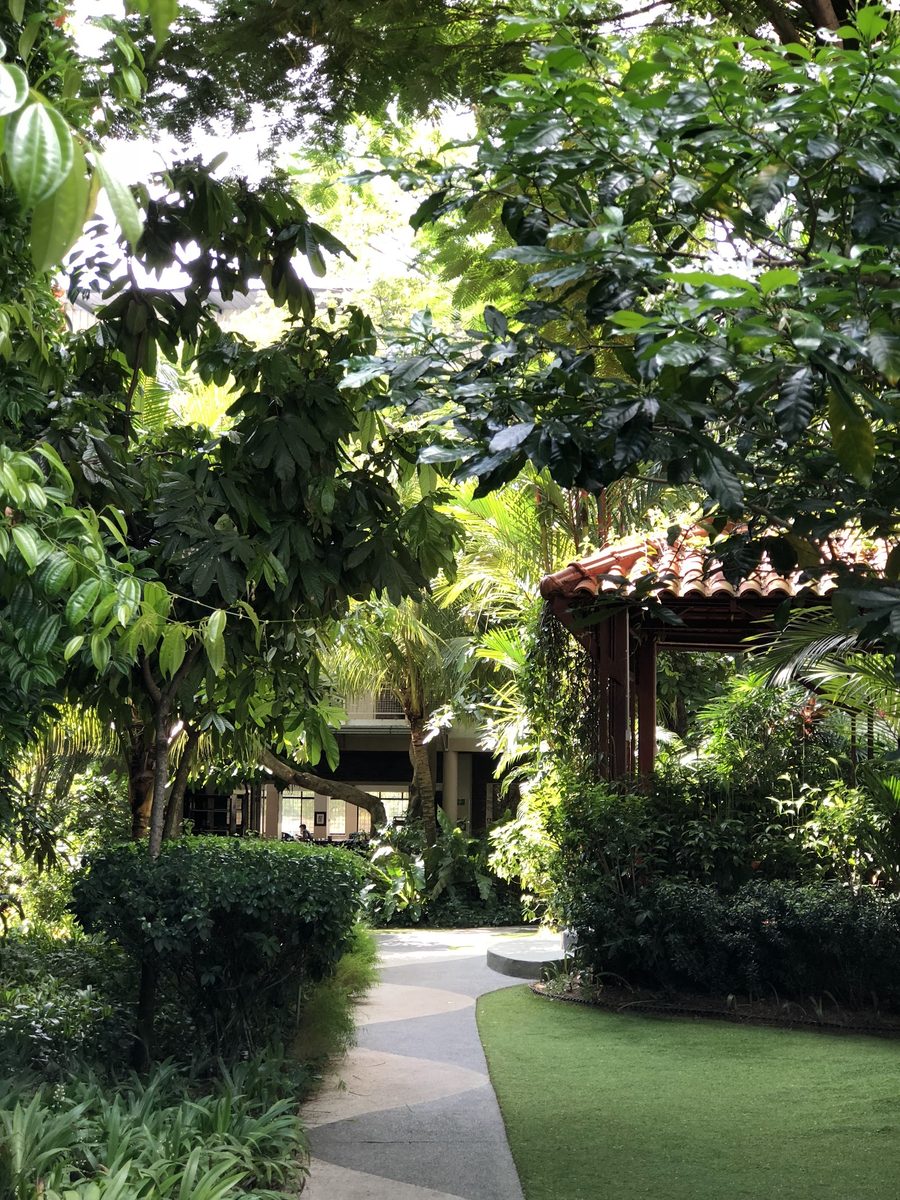
Uplands School
Penang · Malaysia
Born on Penang Hill in 1955, Malaysia's oldest international school now anchors IB rigor to a beachfront campus in Batu Ferringhi.

Leipzig International School
Leipzig · Germany
Central Germany's first international campus channels 77 nationalities into an IB pathway anchored by student-led Model UN and house-day traditions.
Same country and curriculum — closest matches within ±10 points either way