
Brussels
Lycée Français Jean Monnet
low confidence· 4/6 cats · 1.2 avg sourcesBrussels' last AEFE lycee standing, pairing the French Bac with Bachibac and English or German international diplomas in Uccle.
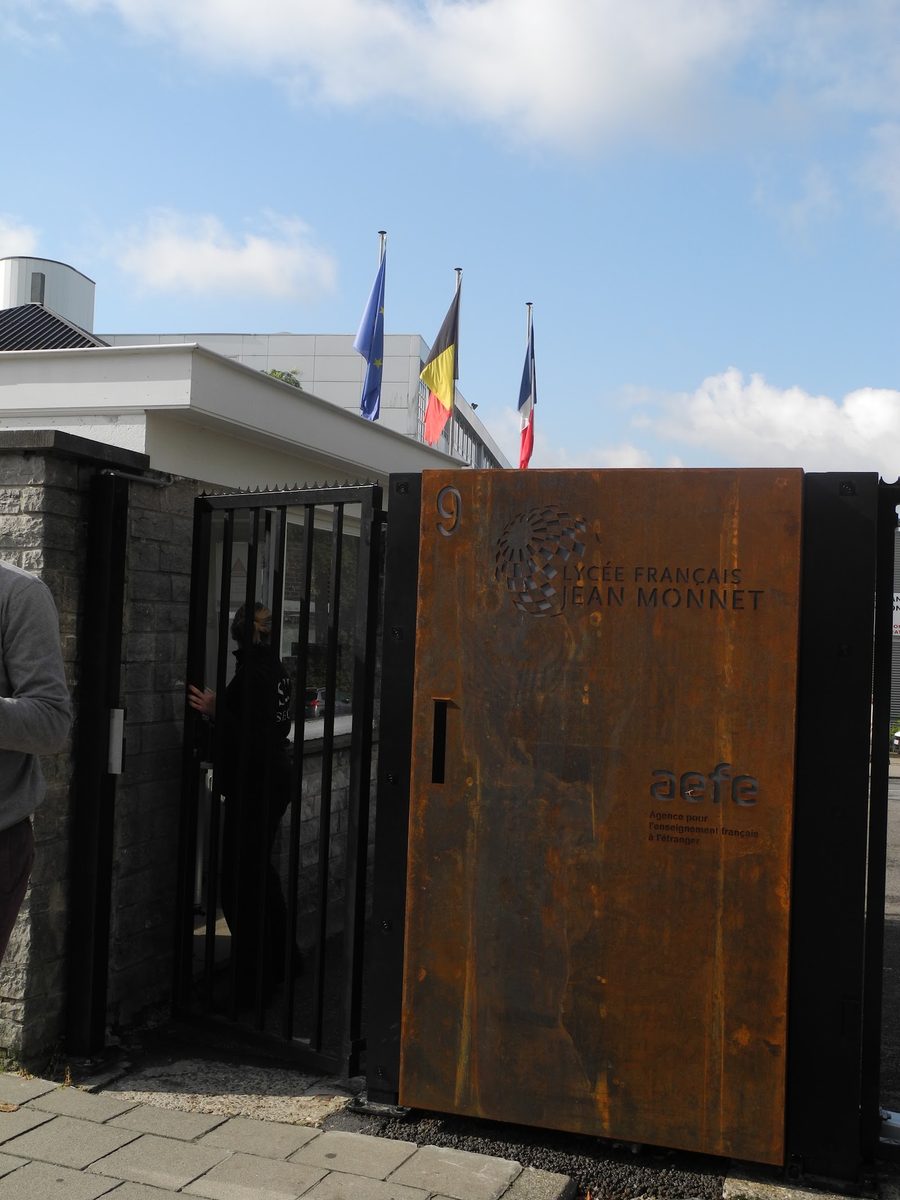
Photo © Marie-Alix Beuscart via Google Maps
Type
Day
Ages
3–18
Curriculum
French Baccalaureate
Ratio
—
The Verdict
Editor's commitment
Right for
Families in Uccle who want the French Baccalaureate inside the AEFE system, from age 3 to 18, without paying Brussels' top tier.
Wrong for
Parents seeking boarding, bilingual-first teaching or a non-French curriculum: this is a day school, French-medium, and unapologetically French.
Watch out for
At an average annual day fee of EUR 8,808, value is clear; breadth beyond the French Baccalaureate and AEFE badge is not disclosed.
Ranking breakdown
Lycée Français Jean Monnet · #1310 of 1591
Composite score 55.5. 8 weighted criteria.
By criterion
Academic Outcomes
Weight 20%
#1274
of 1529 scored
University Placement
Weight 16%
#1259
of 1529 scored
Prestige & Heritage
Weight 12%
#1289
of 1571 scored
Alumni Network
Weight 12%
#900
of 1530 scored
Facilities
Weight 12%
#1314
of 1533 scored
Transparency & Communications
Weight 8%
#1293
of 1532 scored
Peer & Industry Review
Weight 10%
#1108
of 1548 scored
Admissions Selectivity & Demand
Weight 8%
#1123
of 1529 scored
Peer & Industry Review
How Lycée Français Jean Monnet is regarded in the sector
64
Respected · medium confidence
I could not verify at least two independent third-party sources (e.g., Tatler, Good Schools Guide, specialist expat-education press, or inspectorate reports) that specifically assess Lycée Français Jean Monnet's reputation. Without confirmed independent coverage, I cannot substantiate a reputation score for this school.
Editors' overview
Brussels has lost ground as a French-school city; Lycée Français Jean Monnet now carries unusual weight as the last AEFE lycée in town. That matters. For francophone families, or for mobile international families who want the French system without compromise, this is the full route from age 3 to 18 in Uccle, under AEFE accreditation, with French as the language of instruction and the French Baccalaureate at the core. The real differentiator sits in the exit routes: this is not just a standard French Bac school, but one that pairs that backbone with Bachibac and international diploma options in English or German. In Brussels, that gives it a rare strategic edge.
The school’s market position is clear. It is a serious, system-led day school, not a boutique bilingual experiment and not an Anglo-international hybrid with a French stream bolted on. Parents buying into Jean Monnet are choosing structure, academic continuity and a direct line into the French educational tradition. The average annual day fee is €8,808, which puts it in a strikingly accessible bracket for an international school serving ages 3–18 in Brussels. That price point, combined with its AEFE status and all-through age range, makes it hard to ignore for families who want a French education without paying the premiums attached to more corporate international schools.
The pupil who fits Jean Monnet is easy to picture. This is for children who will thrive in a French-speaking academic culture, and for families who want clarity rather than curricular improvisation. It suits expatriate French families, binational households, and internationally minded parents who value the French Bac’s rigour but want extra linguistic reach through English, German or the Bachibac track. It is *not for families seeking a soft, highly customised pathway* or a school that bends itself around every preference. It belongs on a shortlist because it offers something increasingly scarce in Brussels: a full French lycée education, under AEFE, in a day-school format, with credible cross-border academic options at the end of the line.
Academic Performance
Jean Monnet’s public exam profile is harder to judge than its strategic position. We have not seen published aggregate pass rates, score distributions, mention counts or university-destination data for the leaving cohorts. That is a real gap. In a market where academically confident schools publish headline outcomes, the absence of those figures leaves parents without the simplest test of performance against peer lycées. The school does advertise multiple end-of-school routes, including Bachibac and international diploma options in English or German, which gives sixth-form pupils more than one academic exit line. That breadth matters, but route choice is not the same thing as published attainment.
Relative to peers, Jean Monnet sits in a strong structural position and a weak disclosure position. Structurally, an all-through French lycée under AEFE carries an expectation of academic seriousness and external oversight. In disclosure terms, it is opaque. That does not prove weak results; it does block any rigorous claim of standout performance. For parents comparing it with other French-system schools, the key point is plain: this is a school with a credible examination architecture but no public results evidence that lifts it above the pack. Until aggregate Bac and related outcomes enter the public domain, Jean Monnet ranks as academically plausible rather than demonstrably exceptional.
Facilities
Jean Monnet’s facilities profile is hard to assess because the school does not publish a clear campus breakdown, specialist-room inventory or the kind of visual evidence that lets parents judge scale and condition. That is a meaningful weakness. At this level, peer schools in Brussels and other mature international markets publish enough detail to show parents what science provision, sports space, arts rooms and age-specific areas actually look like. Jean Monnet does not make that case in public. What can be said with confidence is narrower: it is an all-through day school in Uccle serving ages 3–18, so parents can expect the basic infrastructure that range requires, from early-years space through to senior teaching rooms. Beyond that, the school’s public presentation is thin.
Against peers, that leaves Jean Monnet in an underpowered disclosure position on facilities, even if the campus itself functions well. Schools charging an average of €8,808 across the full ladder do not need lavish architecture to compete, but they do need to show that laboratories, sports provision, library space and performing-arts facilities meet the demands of a serious secondary education. Jean Monnet gives parents too little to test. The practical conclusion is plain: this is not a school to choose for flashy infrastructure or publicly documented campus advantage. Families interested in Jean Monnet should inspect the site in person and ask direct questions about science, sport, arts and outdoor space before treating the physical offer as a strength.
Brussels has lost ground as a French-school city; Lycée Français Jean Monnet now carries unusual weight as the last AEFE lycée in town
Prestige
Jean Monnet’s prestige rests less on glamour than on institutional scarcity. In Brussels, a full French lycée under AEFE carries serious cachet with the families who know the system and care about portability, academic discipline and state-linked continuity. This is not the kind of school that trades on polished lifestyle branding or Anglo-international fashion. Its standing comes from being a proper French-school proposition in a city where that category has thinned out. For French nationals, diplomatic families and cross-border professionals, that matters more than marketing polish. The fee level — an average of €8,808 across the full age range — also sharpens the point: this is high-value prestige, not prestige inflated by price.
That said, prestige here is concentrated and specific, not universal. Within francophone and French-system circles, the name carries weight. Outside that world, it does not command the same instant recognition as the biggest English-language international brands. The school’s strongest status marker is its place in a demanding national tradition, reinforced by end-of-school pathways that widen its appeal beyond a single-country destination. Its weakest prestige marker is public visibility: a school with genuine standing should publish stronger outcome evidence and make its case more forcefully. Our rating stays solid rather than elite: Jean Monnet has earned stature, but not the public academic proof or wider-market magnetism that would push it into the top prestige bracket.
Until aggregate Bac and related outcomes enter the public domain, Jean Monnet ranks as academically plausible rather than demonstrably exceptional
Communications
Jean Monnet communicates like an old-fashioned academic institution: functional first, persuasive second. That has strengths. Parents who value clarity over salesmanship will welcome a school that does not drown every update in branding language. It also has limits. The public-facing communication is spartan, and that matters because weak outward communication usually spills into the parent experience unless the internal systems are tighter than the website suggests. We have not seen a rich flow of published news, leadership commentary, calendar detail or day-to-day insight that helps families understand the life of the school beyond the basics. For prospective parents, that creates avoidable friction. For current parents, it raises a fair question about how much context accompanies announcements, policy changes or practical notices.
The core judgement is straightforward: communication looks serviceable rather than strong. A school with this level of institutional weight needs cleaner public explanation of its academic routes, campus life and outcomes, and it needs that information presented with more discipline. Good school communication does 2 things at once: it delivers logistics efficiently and it builds confidence through openness. Jean Monnet clears the first bar more convincingly than the second. Families who already know the French-school world will tolerate that dry, procedural style. Families arriving from other systems, or comparing several international options at once, will find the communication underpowered and at times needlessly opaque.
Uniqueness
Jean Monnet’s uniqueness lies in concentration, not spectacle. In a city where French-system options have thinned out, this school carries the rare institutional heft of being the full all-through route rather than a partial offer or a bilingual compromise. That gives families something uncommonly clean: one educational line from the first school years to the final examinations, inside a recognisable national framework, without the stop-start transitions that disrupt pupils and force parents back into the admissions market. For children, that continuity brings stable expectations, a coherent academic culture and a peer group that grows up inside the same system instead of being repeatedly remixed.
Its second point of difference sits at the top end. Jean Monnet does not trap pupils inside a single monolingual exit. The combination of the French Bac with Bachibac and international diploma options in other major European languages gives the school a sharper cross-border function than many schools in its category. That matters in Brussels, where family trajectories, university plans and professional networks rarely stop at one frontier. For students, the gain is concrete: they keep the discipline and portability of the French system while adding qualifications that widen higher-education access and signal linguistic range. At an average annual fee of €8,808, that package is strikingly hard-edged value: not luxurious, not fashionable, but academically and strategically difficult to match.
Jean Monnet’s uniqueness lies in concentration, not spectacle
Student Profile
The pupil who fits Jean Monnet is comfortable inside a rule-bound, academically sequential school culture. This suits families who do not want constant negotiation over workload, classroom norms or assessment expectations. Children who value structure, can handle a clear hierarchy of demands and are prepared to work steadily across the years will do well here. It also fits internationally mobile households that need educational continuity without the churn and mixed messages that come with looser school models. The all-through age span — 3–18 — matters in practice: pupils can grow up in one institutional logic rather than being pushed through repeated reinvention. That stability will appeal to settled, plan-ahead families far more than to parents shopping for a highly personalised experience.
Socially, the strongest fit is a child who does not need a school to entertain them into engagement. Jean Monnet reads as serious-minded rather than hand-holding, and better for pupils who accept that the institution sets the tone. It will suit francophone children, French families abroad, binational households and internationally oriented parents who want linguistic and academic mobility without abandoning a demanding national framework. It is a weaker fit for children who need a soft landing, intensive pastoral cushioning or a broad, lifestyle-heavy school identity. At an average annual fee of €8,808, the proposition is plainly practical: families buy coherence, discipline and long-range academic usability, not boutique warmth or Instagram-ready charm.
That matters in Brussels, where family trajectories, university plans and professional networks rarely stop at one frontier
Co-curricular strengths
Arts & sport, on a separate axis
Overall 7/10
Scored 0-10 from the school's own published evidence. This axis is editorial-only — it does not feed the main WTS ranking.
Sports
6.5/10
Drama
8.5/10
Dance
4.5/10
Music
8.5/10
Visual Arts
7/10
Editor first-pass · editor-reviewable · 7/30/2026
Strengths
- +Fully homologated by the French Ministry of National Education, guaranteeing curriculum parity with schools in metropolitan France.
- +Part of the AEFE global network, easing transfers for French expatriate families moving between countries.
- +Offers continuous schooling from early years through Terminale on day-school campuses in Uccle, culminating in the French Baccalaureate.
- +Located in Uccle, a well-connected southern suburb of Brussels close to European institutions and the wider French-speaking expat community.
- +Baccalaureate award gives direct, recognised access to French universities and classes preparatoires.
Considerations
- −Instruction is almost entirely in French, offering little accommodation for children without prior French fluency.
- −Large overall enrolment across multiple sites can mean less individual attention than at smaller international schools.
- −Follows the French national programme closely, giving families less curricular flexibility than an IB or bilingual alternative.
- −Administrative processes, communications and the school website are conducted mainly in French, which can be a barrier for non-Francophone parents.
Availability
Primary entry gate & tests
Academic Record
Gallery
Photo © Luka Citron via Google Maps
Photo © Uzoma Hanssens (Rasuz) via Google Maps
Parent reviews
Have you sent your child here?
Voice reviews carry the strongest trust badge — we transcribe them for you to tidy up before they go live. Prefer to type? A written review is fine too.
Add your voice
In 60 seconds, tell other parents: what's the best thing about Lycée Français Jean Monnet, and what surprised you when your child joined?
We ask for a Google sign-in so every review has a real face behind it — no anonymous drive-by attacks on schools, and no faked positive reviews. Your email is never shown publicly.
Send this profile to a friend
International parents rely on word-of-mouth. Share this review with someone weighing the same decision.
Schools with places
Similar schools to Lycée Français Jean Monnet with places available now.
St. John's International School
Waterloo · Belgium
- 2026-27
- WAITPOOLSpace-dependent
- 2027-28
- PLACES OPENRolling
International School of Brussels
Brussels · Belgium
- 2026-27
- WAITPOOLSpace-dependent
- 2027-28
- PLACES OPENRolling
The British School of Brussels
Brussels · Belgium
- 2026-27
- WAITPOOLSpace-dependent
- 2027-28
- PLACES OPENRolling
Availability first, then country, area, curriculum, price, co-curricular
Consider also
Also worth looking at alongside Lycée Français Jean Monnet.
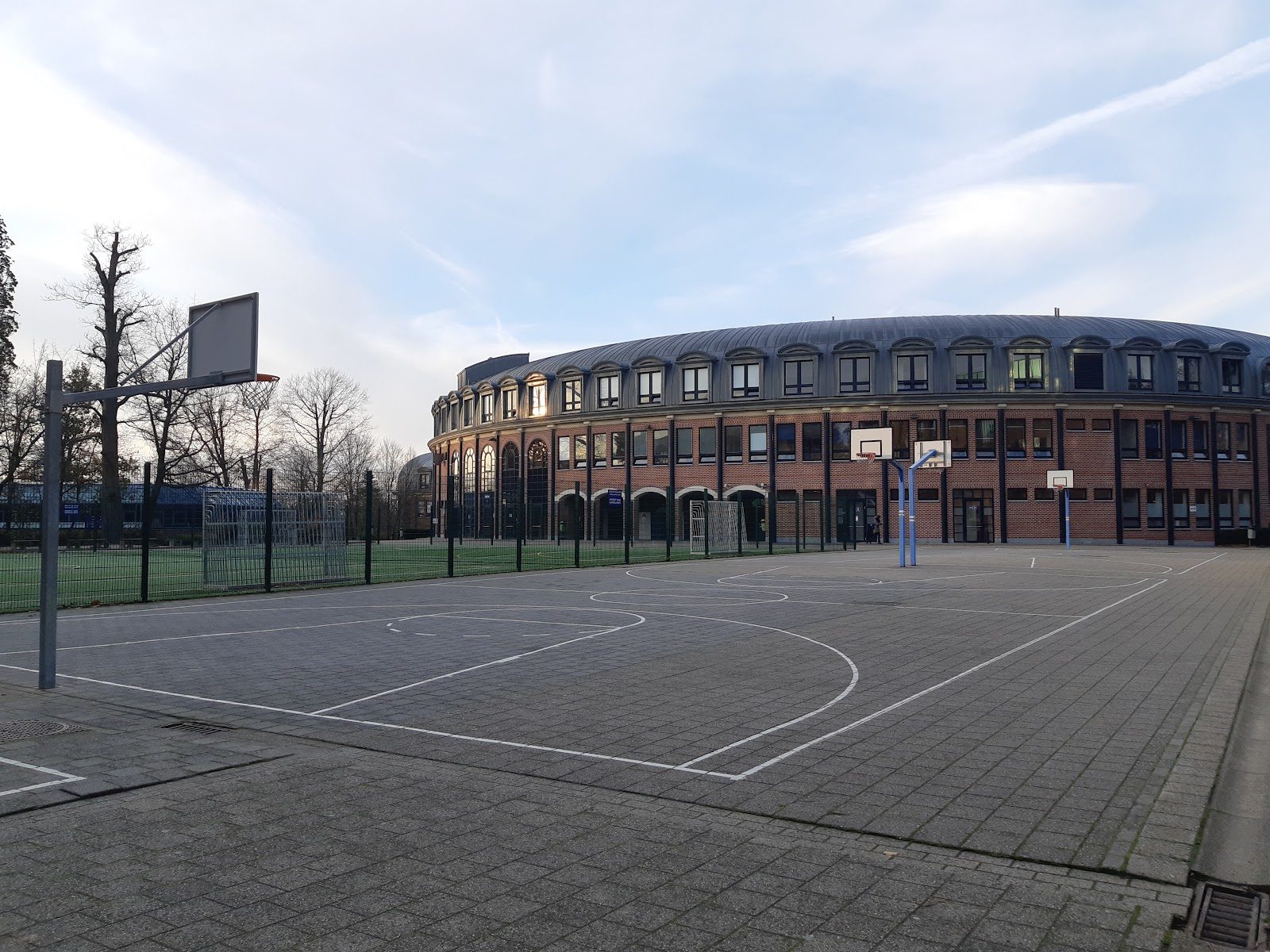
European School of Brussels I
Uccle · Belgium
Europe's second European School, founded in 1958 in Uccle, where thirteen language sections funnel nearly all leavers to university.

St. George's British International School Belgium
Brussels · Belgium
A British day school rooted in the EU capital, blending house-system tradition with a truly diplomatic postcode
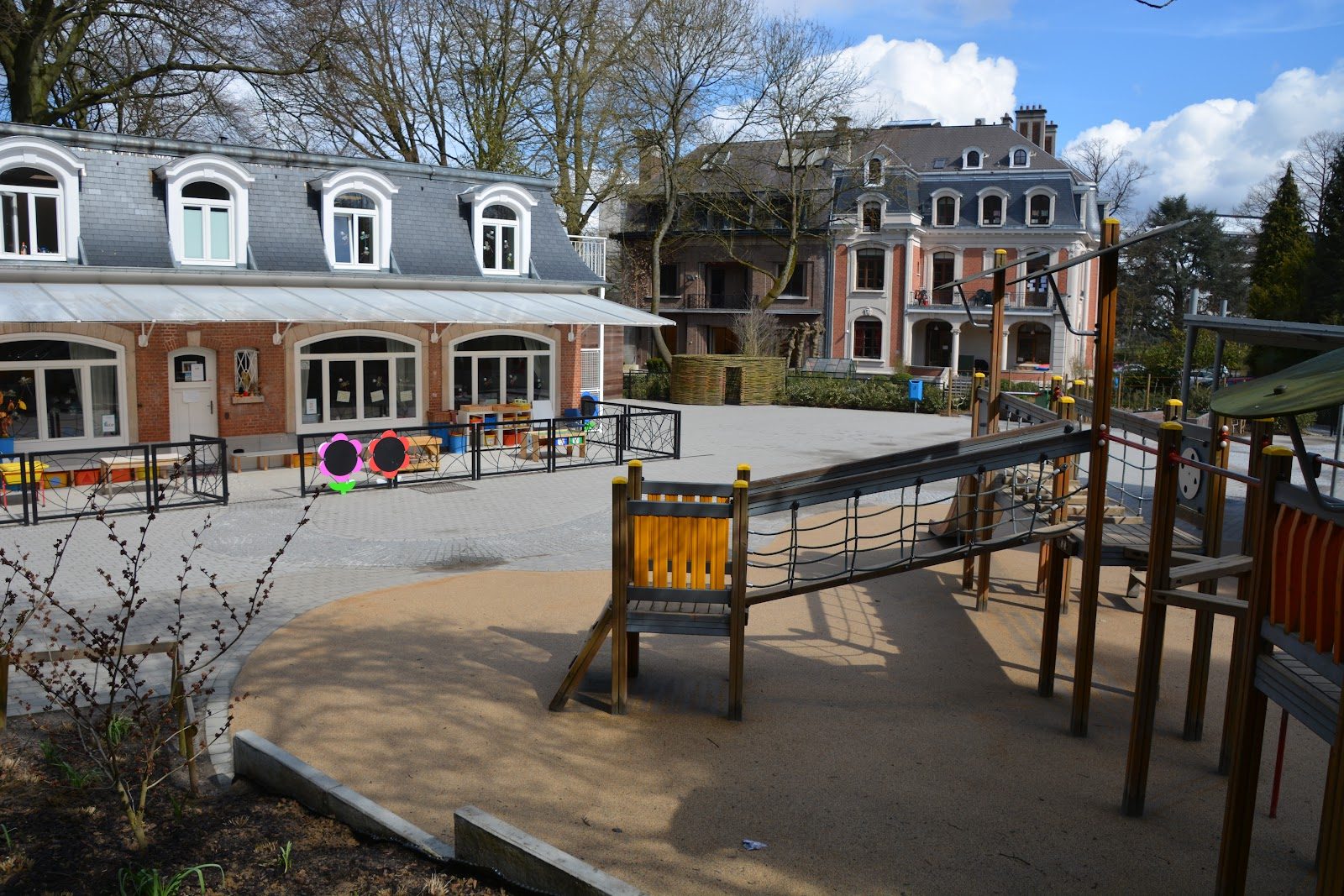
BEPS International School
Brussels · Belgium
A close-knit Bois de la Cambre campus guiding students from IB Early Years through Diploma and Career pathways since 1972.
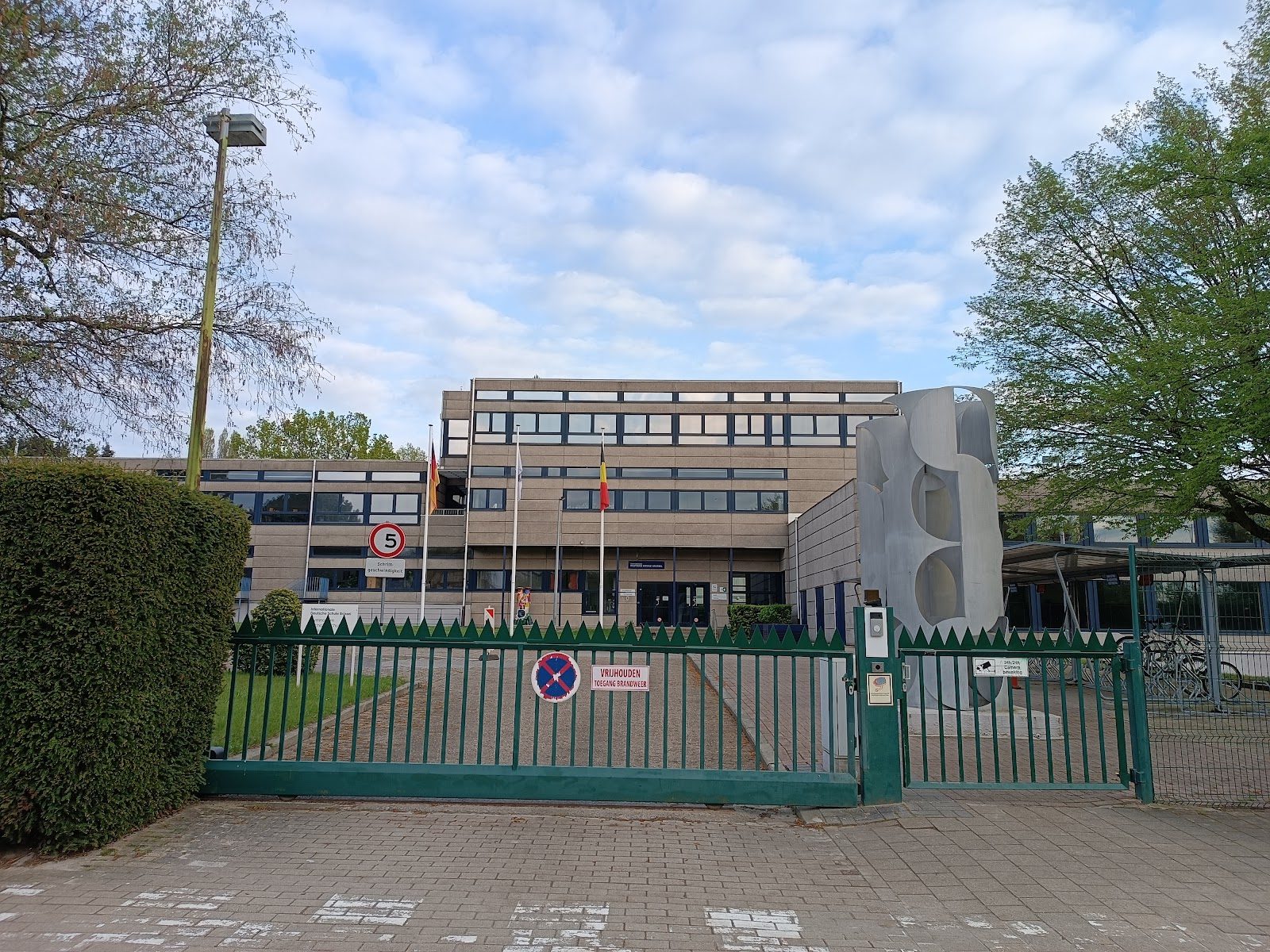
Deutsche Schule Brüssel
Wezembeek-Oppem · Belgium
Predating Belgium itself, this 1803-founded German campus east of Brussels still leads to the Abitur amid quiet green grounds.
Same country and curriculum — closest matches within ±10 points either way