Flemish Brabant
Deutsche Schule Brüssel
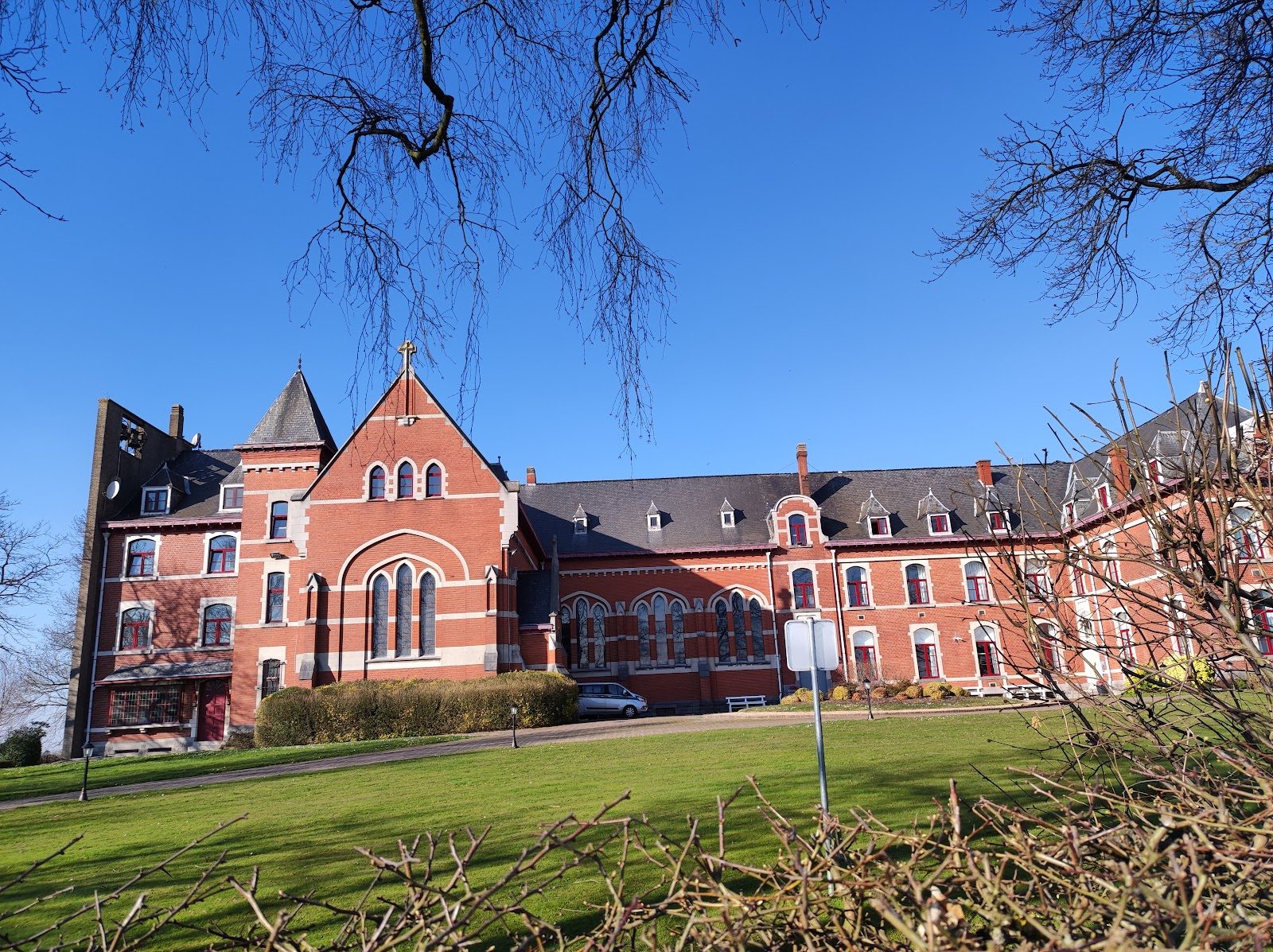
low confidence· 4/6 cats · 1.2 avg sourcesPredating Belgium itself, this 1803-founded German campus east of Brussels still leads to the Abitur amid quiet green grounds.
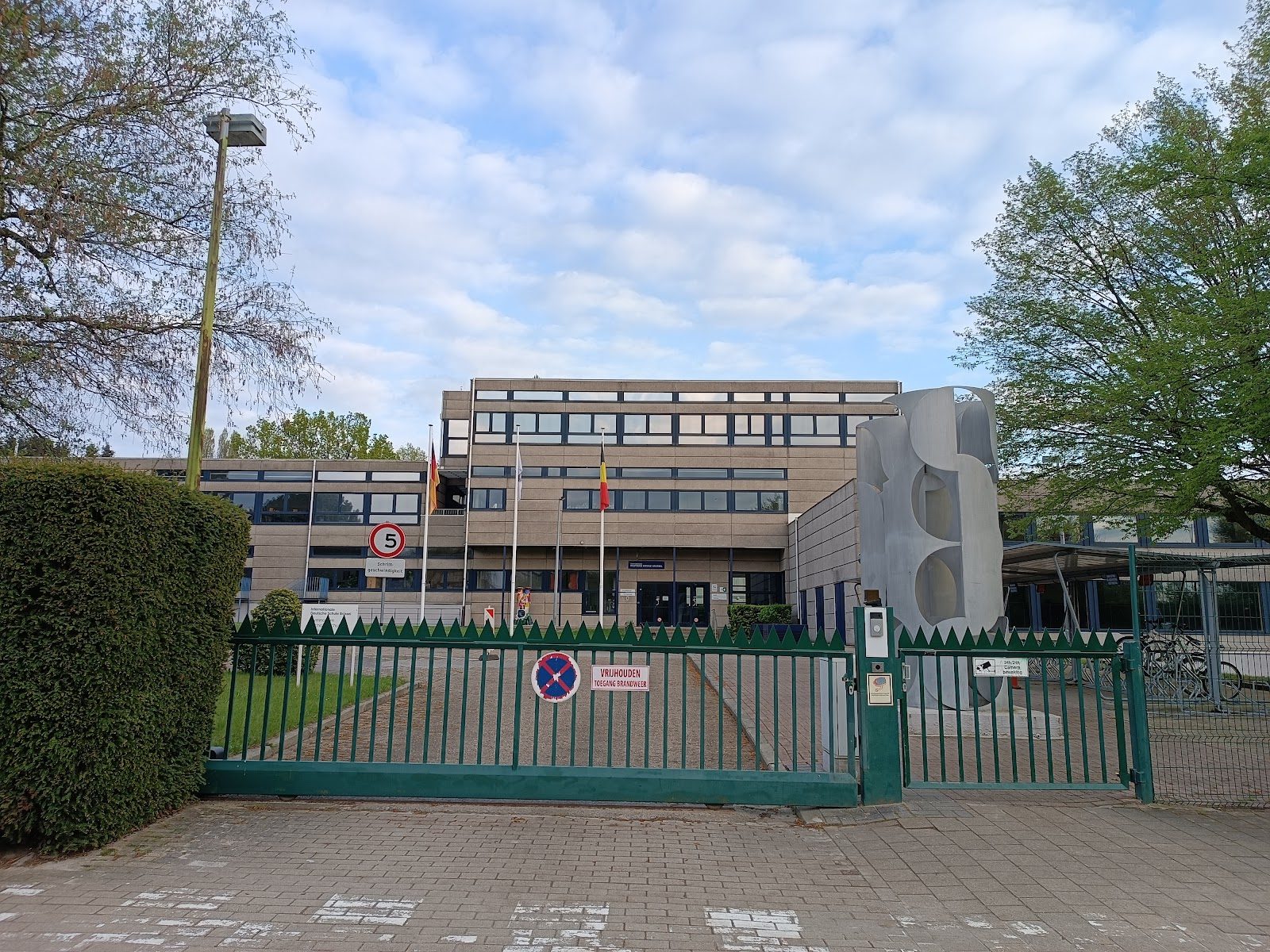
Photo © Valentin via Google Maps
Type
Day
Ages
3–18
Curriculum
German Abitur
Ratio
—
The Verdict
Editor's commitment
Right for
Families who want the German Abitur in Belgium, taught in German and English, on a day-school campus for ages 3 to 18.
Wrong for
Parents chasing boarding, religious formation or a Belgian curriculum; this is a non-religious day school in Wezembeek-Oppem with a German track.
Watch out for
Founded in 1974 and carrying Excellent German School Abroad accreditation, it offers clear academic direction; the average annual fee is €17,447.
Ranking breakdown
Deutsche Schule Brüssel · #1428 of 1591
Composite score 50.5. 8 weighted criteria.
By criterion
Academic Outcomes
Weight 20%
#1386
of 1529 scored
University Placement
Weight 16%
#1371
of 1529 scored
Prestige & Heritage
Weight 12%
#1426
of 1529 scored
Alumni Network
Weight 12%
#1350
of 1529 scored
Facilities
Weight 12%
#1467
of 1529 scored
Transparency & Communications
Weight 8%
#1436
of 1529 scored
Peer & Industry Review
Weight 10%
#1203
of 1529 scored
Admissions Selectivity & Demand
Weight 8%
#1326
of 1529 scored
Peer & Industry Review
How Deutsche Schule Brüssel is regarded in the sector
63
Respected · medium confidence
I could not locate at least two independent third-party sources (e.g., Tatler, Good Schools Guide, expat forums like Brussels Expat/Internations, or specialist education press) that specifically assess the reputation of Deutsche Schule Brüssel in Wezembeek-Oppem. Available information appears limited to the school's own materials or general directory listings without independent editorial evaluation.
Editors' overview
Set in Wezembeek-Oppem rather than central Brussels, Deutsche Schule Brüssel offers a German-school route that remains distinctive in this market: a non-religious day school for ages 3 to 18, taught in German and English, and leading to the German Abitur. That alone narrows the field. Brussels has no shortage of international schools with English-medium pathways; far fewer schools ask families to commit to a German academic culture from the early years through to university entrance. For parents who want that continuity, this school earns a place on the shortlist quickly. Its “Excellent German School Abroad” accreditation matters too. It marks the school as part of a recognised German overseas network rather than a loose international imitation of one.
The other point in its favour is price. An average annual fee of €17,447 across the full age range puts it in a strikingly good-value bracket by Brussels international-school standards. That does not make it cheap in any absolute sense, but it does make it more accessible than many expatriate-facing competitors charging premium Anglo-international rates. Parents paying those fees are buying a clear academic proposition, not a lifestyle campus or a grab-bag of curricular options. The school is day-only, non-religious and tightly defined. That focus will appeal to families who want substance, order and a qualification with weight in German-speaking higher education.
This is not the school for parents who want a soft, highly flexible international model with endless subject pathways and constant hand-holding. The Abitur route suits students who are comfortable in a structured, academically serious environment and who can work in German at a high level as they move up the school. Bilingual or internationally mobile families with German connections will find the proposition unusually coherent. So will parents who value green, quieter surroundings over urban buzz: Wezembeek-Oppem gives the school a more settled feel than many city campuses. Students who thrive here will be those who value routine, intellectual discipline and a clear endpoint. Students who want a looser, more buffet-style international education will fit better elsewhere.
Academic Performance
The school does not publish enough aggregate attainment data for a strong independent verdict on exam performance. We have not seen cohort-level Abitur averages, subject distributions, university destinations by volume, or multi-year trends. That matters. In a market where academically serious schools trade on hard outcomes, opaque results reporting is a weakness, not a detail to brush aside. Parents weighing this school against Brussels competitors with fuller disclosures will need to ask direct questions: pass rates over several years, average Abitur grades, the size of each graduating cohort, and how many pupils complete the full route rather than leaving earlier.
That said, the qualification itself sets a demanding academic bar. The Abitur is not a soft-leaving certificate, and schools that deliver it credibly tend to run a structured, content-heavy programme with less room for drift than many broader international pathways. That places Deutsche Schule Brüssel in a serious academic bracket by design, even if the public evidence stops short of proving standout outcomes against peers. Relative to Brussels schools built around IB or British examinations, its appeal rests less on published league-table style data and more on the integrity of the route and the fit for families who want a German university entrance qualification. Until the school releases headline results, the academic proposition remains credible but insufficiently evidenced.
Facilities
The campus’s main asset is space. Set in a greener, quieter pocket outside the city, it offers the kind of grounds that many Brussels schools struggle to match on tighter urban plots. That matters day to day: more room for play in the early years, more breathing space between buildings, and a less compressed feel than the dense multi-block campuses common in this market. For families choosing between central convenience and a calmer school day, that trade-off is real. What is less clear is the specialist infrastructure. The school does not publish a detailed public account of its science laboratories, performing arts provision, sports facilities or design and technology spaces, and that limits confidence. At this price point, that opacity is a notable weakness.
Against Brussels peers, the picture is mixed. The setting itself is an advantage: schools with larger grounds and a more settled physical environment are in short supply. That supports outdoor time and gives older pupils a campus that feels purpose-built for schooling rather than adapted around city constraints. But the absence of clear published detail leaves Deutsche Schule Brüssel behind competitors that document their theatres, pools, fabrication labs, specialist sports halls and sixth-form study spaces in depth. Parents do not need glossy rhetoric; they need a plain list. Until the school provides one, the facilities verdict rests on one obvious strength — the site — and one equally obvious gap: insufficient disclosure about what sits on it.
That places Deutsche Schule Brüssel in a serious academic bracket by design, even if the public evidence stops short of proving standout outcomes against peers
Prestige
Deutsche Schule Brüssel carries real niche prestige, not broad social glamour. In Brussels, that distinction matters. The school’s status rests on membership of the German overseas-school ecosystem and on the seriousness of the route it offers, not on celebrity alumni, elite networking theatre or the cachet that attaches to the city’s most expensive Anglo-American names. For families who want a German academic formation from the start of school to university entrance, that is a stronger signal of substance than polish. The school’s fee level also changes the prestige equation. At an average of €17,447 a year across the full ladder, this is not a luxury brand purchase; it is an academically purposeful one. That keeps it out of the stratospheric fee-prestige bracket, but it also protects it from the suspicion that families are paying for image over outcomes.
The school therefore sits in a specialist upper tier rather than the top rung of Brussels social prestige. Among internationally mobile German families, diplomats, EU professionals and parents who value educational continuity with the German system, the name carries weight. Outside that circle, it has less instant recognition than the city’s flagship anglophone schools. That is not a flaw. It is the mark of a school with a defined constituency and a clear academic identity. Prestige here is earned through institutional seriousness, continuity and cultural specificity, not through mass-market visibility or conspicuous exclusivity.
Deutsche Schule Brüssel carries real niche prestige, not broad social glamour
Communications
The school’s parent communication has a functional, old-school character rather than a polished international-sales tone. That is not a criticism in itself. Families choosing this school are not buying brand theatre, and the communication style fits that reality. The public-facing website does the core jobs: it identifies the school clearly, sets out practical entry points, and gives parents direct routes into admissions and day-to-day contact. What it does not do is over-explain. For some families, that brevity will read as refreshingly unslick; for others, it will feel too sparse for comfort. The same pattern runs through the school’s public disclosures more widely. There is enough to establish institutional seriousness, but not enough to satisfy a parent who wants exhaustive published detail before making contact.
That matters because effective communication is not only about warmth; it is about transparency, speed and completeness. Here, the school looks stronger on clarity of identity than on depth of information. We have not seen the level of granular public guidance that top-tier parent communication now includes: detailed explanations of assessment, richer reporting on outcomes, fuller facility maps, or a consistently expansive account of school life across all ages from 3 to 18. Parents who value plain dealing and are comfortable asking direct questions will cope well. Parents who expect every query answered online in advance will find the school less forthcoming than the best operators in this market.
Uniqueness
What sets Deutsche Schule Brüssel apart is not novelty but clarity. In a Brussels market crowded with international schools that promise flexibility above all else, this school offers a single coherent track with a clear academic destination and a culture shaped by the German school tradition from the first years to graduation. That gives pupils something many “international” campuses do not: continuity. Expectations do not shift every few years with a change of programme or pedagogical fashion. Families who want one system, one intellectual logic and one institutional culture get exactly that. The fee level sharpens the point. At an average of €17,447 a year, the school delivers a specialist European education without the premium pricing that often attaches to Brussels international schooling.
That distinctiveness brings concrete advantages for the right child. Pupils grow up in a setting that is more culturally specific than the broad, buffet-style international model, and that specificity can be academically strengthening. It builds confidence in students who value order, subject discipline and a stable sense of what the school is for. The campus setting adds another layer: a calmer, greener daily rhythm than many city-based competitors, with less of the churn and performative bustle that can dominate big international schools. The trade-off is obvious. This is not a place built around endless choice or reinvention. Its uniqueness lies in institutional consistency, and students who benefit most from that are those who want firmness, continuity and a defined path rather than educational theatre.
What sets Deutsche Schule Brüssel apart is not novelty but clarity
Student Profile
The best fit is a child who does not need schooling to entertain them. This is a place for pupils who can work within a clear framework, accept adult authority and tolerate a pace that rewards consistency over display. Children from German or binational families will find an obvious cultural fit, but the school also suits internationally mobile households that want educational continuity without the glossy international-school performance found elsewhere in Brussels. Socially, it will appeal to families who prefer a quieter, more self-contained peer group to the broad social marketplace of the city’s big anglophone names. Students who thrive on structure, routine and intellectual discipline will settle well; students who need constant novelty, pastoral hand-holding or a highly customised menu of options will not.
The age span from 3 to 18 also shapes the student body. All-through schools create a strong internal culture, and that tends to favour families willing to commit early and stay the course. The result is a pupil profile that is steady rather than flashy: less transient than parts of the expatriate market, more anchored, and more tolerant of institutional habits that do not bend to every parental preference. That can be a strength. It gives children a serious, grown-up environment in which academic purpose stays at the centre. It also means that teenagers who reject rules, resist sustained study or want a looser social atmosphere will chafe. This is a school for pupils with stamina, order and direction.
Bilingual or internationally mobile families with German connections will find the proposition unusually coherent
Co-curricular strengths
Arts & sport, on a separate axis
Overall 6.8/10
Scored 0-10 from the school's own published evidence. This axis is editorial-only — it does not feed the main WTS ranking.
Sports
7/10
Drama
7/10
Dance
5.5/10
Music
7.5/10
Visual Arts
7/10
Editor first-pass · editor-reviewable · 7/30/2026
Strengths
- +Follows the German state curriculum through to the Abitur, a qualification recognised for direct university entry across Germany and the EU.
- +Located in Wezembeek-Oppem, part of Brussels' established international-school belt with good transport links to the EU quarter and NATO.
- +As a German school abroad, it typically maintains a formal link to Germany's Federal Foreign Office schooling network (Auslandsschulwesen), giving continuity with the German system.
- +Provides a natural continuation route for German-speaking families posted to Brussels for EU institutions, NATO or German corporate assignments.
- +Day-school structure keeps children embedded in family life locally rather than in a boarding environment.
Considerations
- −Instruction is German-medium and follows the German curriculum exclusively, which narrows the pool of families for whom it is a realistic fit.
- −No boarding option, so it only serves families already resident in or near Brussels.
- −Editorial visibility and international brand recognition are modest compared with larger, more globally marketed Brussels international schools.
- −Location in Wezembeek-Oppem means a commute for families not settled in the eastern Brussels suburbs.
Availability
Primary entry gate & tests
Academic Record
Gallery
Photo © Paul Hartmann via Google Maps
Photo © Paul Hartmann via Google Maps
Photo © Paul Hartmann via Google Maps
Photo © Bogdan Musat via Google Maps
Photo © paul hart via Google Maps
Parent reviews
Have you sent your child here?
Voice reviews carry the strongest trust badge — we transcribe them for you to tidy up before they go live. Prefer to type? A written review is fine too.
Add your voice
In 60 seconds, tell other parents: what's the best thing about Deutsche Schule Brüssel, and what surprised you when your child joined?
We ask for a Google sign-in so every review has a real face behind it — no anonymous drive-by attacks on schools, and no faked positive reviews. Your email is never shown publicly.
Send this profile to a friend
International parents rely on word-of-mouth. Share this review with someone weighing the same decision.
Schools with places
Similar schools to Deutsche Schule Brüssel with places available now.
St. John's International School
Waterloo · Belgium
- 2026-27
- WAITPOOLSpace-dependent
- 2027-28
- PLACES OPENRolling
International School of Brussels
Brussels · Belgium
- 2026-27
- WAITPOOLSpace-dependent
- 2027-28
- PLACES OPENRolling
The British School of Brussels
Brussels · Belgium
- 2026-27
- WAITPOOLSpace-dependent
- 2027-28
- PLACES OPENRolling
Availability first, then country, area, curriculum, price, co-curricular
Consider also
Also worth looking at alongside Deutsche Schule Brüssel.
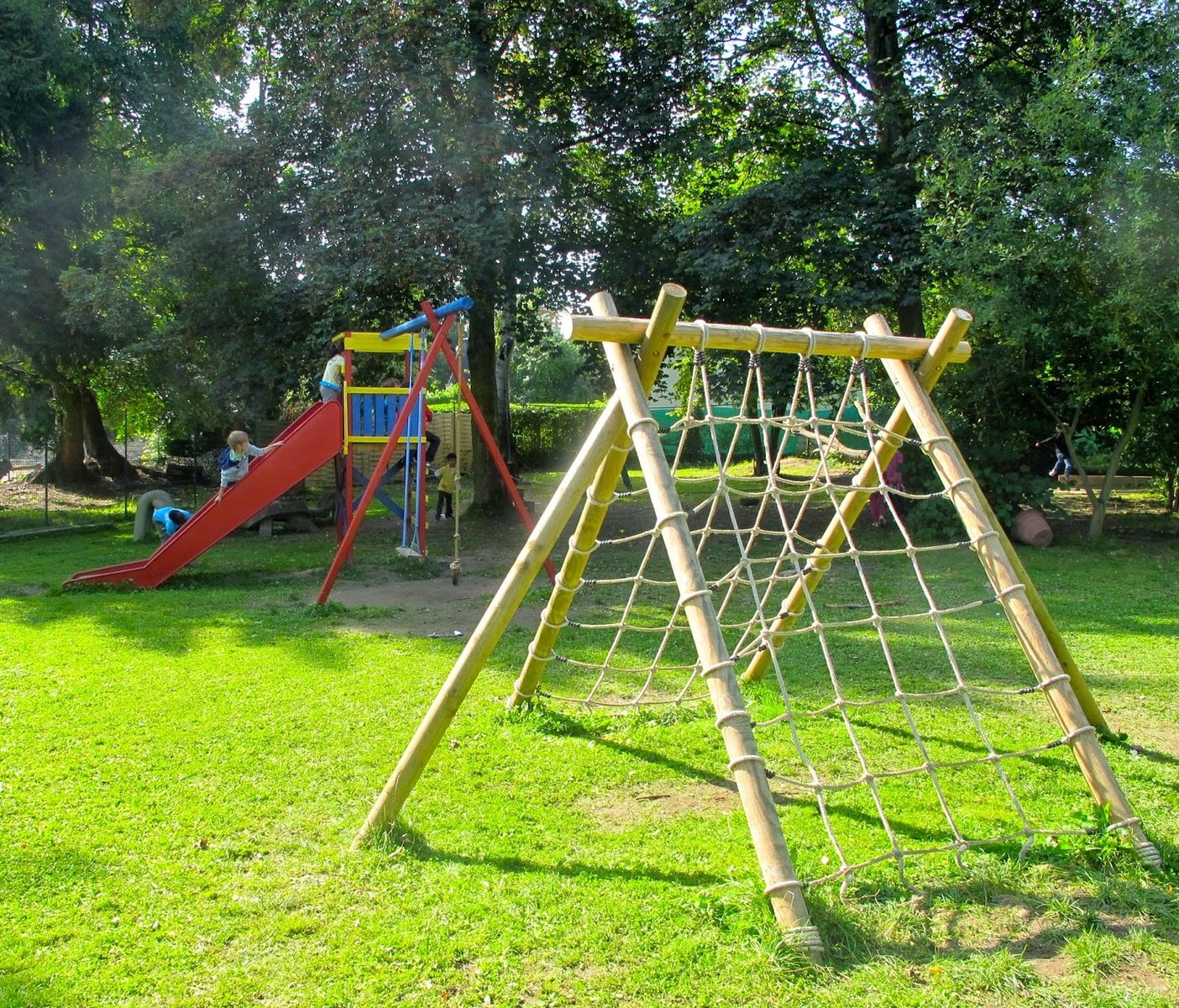
International School of Flanders
Waterloo · Belgium
South of Brussels, classes capped at eighteen students back one of the only schools locally holding CIS, BSO and COBIS accreditation together.
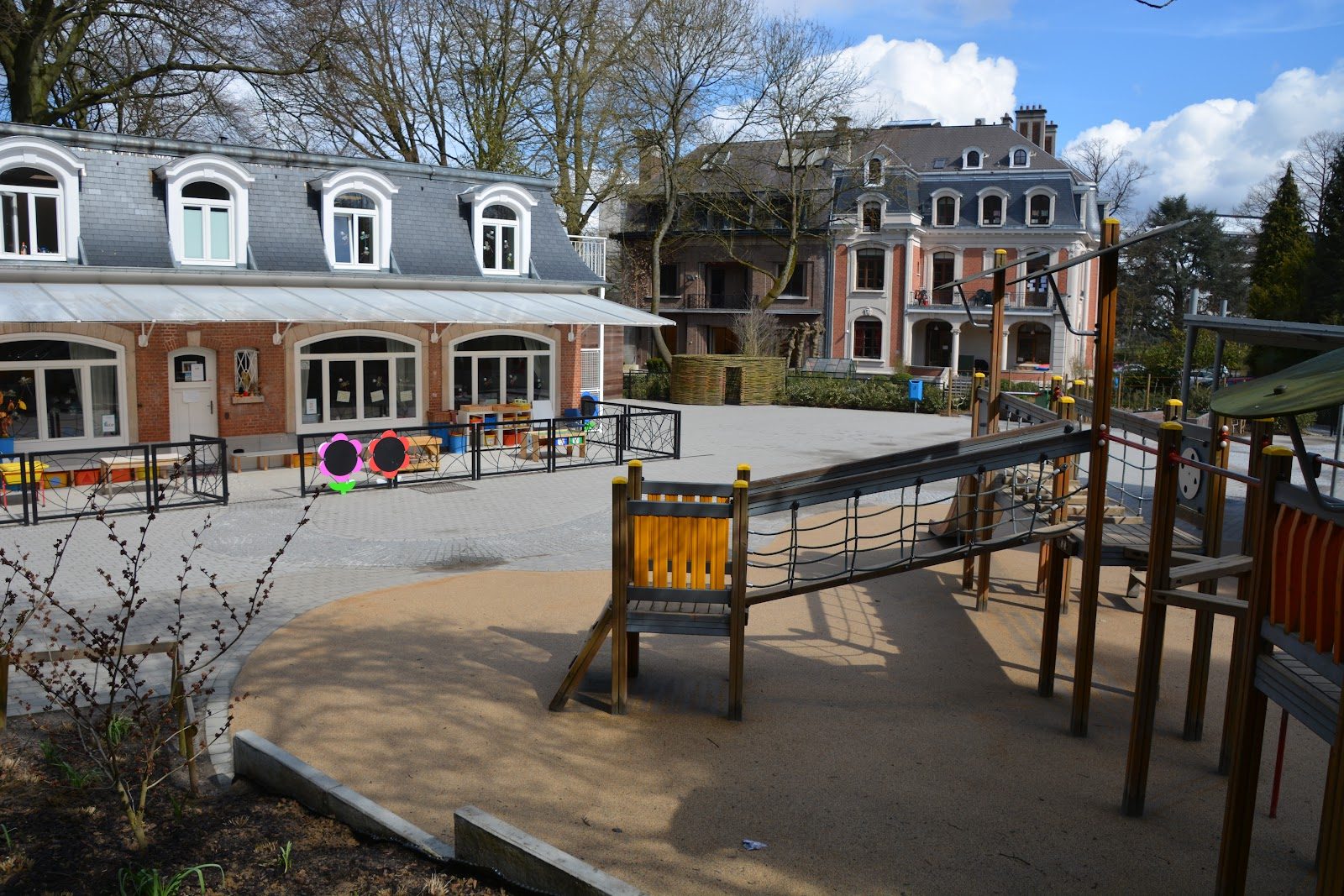
BEPS International School
Brussels · Belgium
A close-knit Bois de la Cambre campus guiding students from IB Early Years through Diploma and Career pathways since 1972.

St. George's British International School Belgium
Brussels · Belgium
A British day school rooted in the EU capital, blending house-system tradition with a truly diplomatic postcode
Musica Mundi School
Waterloo · Belgium
Inside a converted monastery near Brussels, Cambridge academics share the daily timetable with professional violin, cello and piano training.
Same country and curriculum — closest matches within ±10 points either way