
Walloon Brabant
Musica Mundi School
Inside a converted monastery near Brussels, Cambridge academics share the daily timetable with professional violin, cello and piano training.
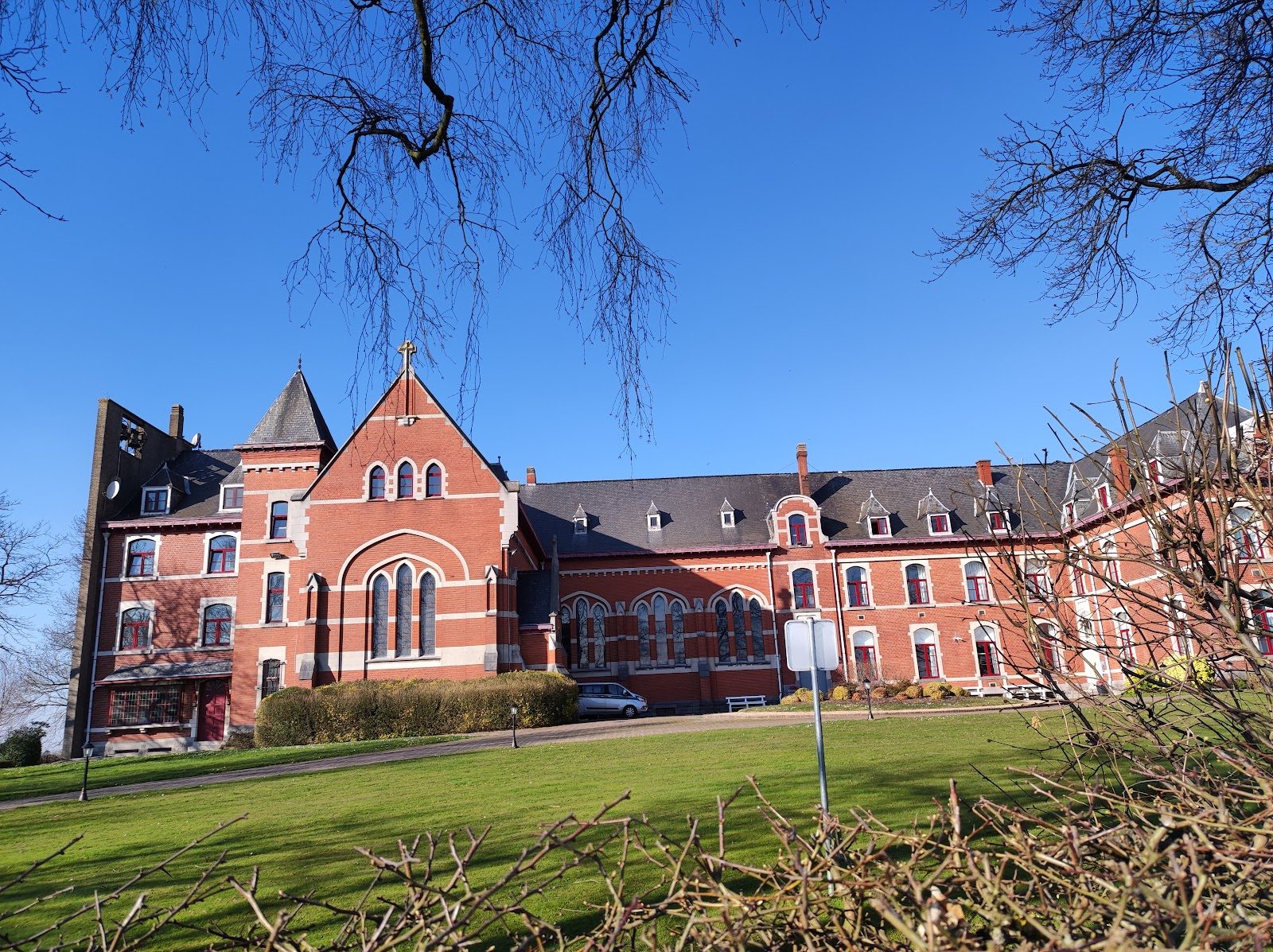
Photo © Didier Misson via Google Maps
Type
Day + Boarding
Ages
6–18
Curriculum
Cambridge Pathway · IGCSE · A-Level
Ratio
—
The Verdict
Editor's commitment
Right for
Young musicians aged 6–18 who need serious violin, cello or piano training without dropping Cambridge Pathway, IGCSE and A-Level academics.
Wrong for
Families in Waterloo who want a conventional bilingual school first; French and English teaching here share space with a conservatoire timetable.
Watch out for
Day and boarding in Waterloo narrows the field, but the school does not publish destination or aggregate exam data.
Ranking breakdown
Musica Mundi School · #1358 of 1591
Composite score 53.7. 8 weighted criteria.
By criterion
Academic Outcomes
Weight 20%
#1481
of 1529 scored
University Placement
Weight 16%
#1371
of 1529 scored
Prestige & Heritage
Weight 12%
#1150
of 1571 scored
Alumni Network
Weight 12%
#1224
of 1530 scored
Facilities
Weight 12%
#1333
of 1533 scored
Transparency & Communications
Weight 8%
#1508
of 1532 scored
Peer & Industry Review
Weight 10%
#38
of 1548 scored
Admissions Selectivity & Demand
Weight 8%
#198
of 1529 scored
Peer & Industry Review
How Musica Mundi School is regarded in the sector
82
Strong · medium confidence
Musica Mundi School occupies a narrow niche as a specialist music boarding school rather than a conventional academic institution, so it sits outside the mainstream league-table ecosystem used to benchmark Belgian and international schools. It does not appear in general independent-school comparison sites such as WhichSchoolAdvisor or the Good Schools Guide, which focus on broad curriculum providers, and it is not referenced in Belgian national newspaper school rankings (De Tijd, Le Soir) that cover international and bilingual schools in the Brussels-Waterloo corridor. Its reputation instead circulates within the classical-music training world, where it is known primarily through its founders' and faculty's links to the Queen Elisabeth Competition circuit and European conservatoire networks, and through alumni progressing to conservatoires rather than to the university destinations tracked by mainstream admissions officers. Coverage is largely confined to classical-music press and competition programme notes rather than education journalism. This means peer regard among elite academic schools and university admissions offices is effectively undocumented in public sources, while its standing among music-education specialists appears solid but narrowly reported.
Award
Elite Music 50
World's Top School · The Global Ranking
Musica Mundi School is featured on our Global Top 50 ranking at #5. This seal is available for the school's marketing team to use on their website, prospectus and social channels.
Editors' overview
Musica Mundi School occupies a narrow, valuable niche: serious general education for children whose real centre of gravity is high-level classical performance. The proposition is clear. This is not a conventional international school with a strong music department, nor a conservatoire with academics bolted on. It is a day and boarding school in Waterloo for ages 6–18 where Cambridge Pathway, IGCSE and A-Level sit alongside intensive violin, cello and piano training. The setting matters too: a converted monastery near Brussels gives the school a monastic intensity that suits disciplined practice better than glossy campus theatre. For families balancing academic credibility against the demands of elite instrumental study, that combination earns a place on the shortlist.
What distinguishes Musica Mundi is the timetable, not the prospectus language. Young musicians need hours, expert coaching, accompaniment, ensemble work and a peer group that treats practice as normal. Most schools cannot accommodate that without forcing compromises in one direction or the other. Musica Mundi is built around that tension. The result is a school for children who want a double life done properly: Cambridge academics in 2 teaching languages, English and French, and conservatoire-track music training under one roof. That focus brings clarity, but also limits. This is not a broad church for every kind of young performer. Families seeking a big-team-sports culture, a wide spread of arts specialisms, or a socially loose boarding experience will find the school’s single-minded culture too narrow.
Its market position is therefore precise. Musica Mundi sits between the standard premium international school and the full pre-college music route. In Belgium, and within reach of Brussels, that is a rare offer. It will suit the student who already knows that music is not an extracurricular hobby but the main line of ambition: the child who practises without being chased, wants to live among other dedicated players, and can cope with the daily pressure of excellence. Boarding from 6–18 creates continuity, and the age span allows younger pupils to grow into the institution’s expectations rather than parachuting in at the end. For the right child, that creates a protective artistic bubble; for the wrong child, it creates confinement.
Parents should shortlist Musica Mundi if they want a school shaped around a musician’s life rather than one that merely tolerates it. The school’s attraction rests on fit, not scale. A student who thrives here will be ambitious, resilient, technically serious and comfortable in a setting where peers are direct competitors as well as collaborators. A student who wants variety for its own sake, lighter expectations, or room to drift between interests will be happier elsewhere. Musica Mundi’s strength is its unsentimental specialism: it knows exactly whom it serves, and that precision is its selling point.
A Global Elite 50 Music school
Musica Mundi School sits in Tier 1, Band 1-10, of the Global Elite 50 Music Schools — the Pinnacle Candidates group — because, despite opening only in 2018, it has already established the most concentrated per-capita elite string and piano training environment in continental Europe outside the Russian and Chinese conservatoire subdivisions. It is essentially a year-round residential extension of the celebrated Musica Mundi masterclasses that have brought Maxim Vengerov, Ivry Gitlis, Miriam Fried and Menahem Pressler to Waterloo for two decades.
Its specialisms are deliberately narrow: elite solo and chamber work in strings and piano, with an aggressively selective enrolment held below 50 pupils across the whole school. Faculty is drawn directly from the Musica Mundi masterclass roster and the Belgian Royal Chapel Queen Elisabeth. The Integrated Specialist academic day operates on the International Baccalaureate Middle Years and Diploma programmes in English, giving overseas families a fully accredited academic route alongside conservatoire-preparation musical training.
Progression evidence is strong for the school's short history. Recent graduates have matriculated into the Royal Academy of Music, the Juilliard School, the Curtis Institute, Berlin's Hanns Eisler and the Guildhall via straight competitive auditions. Prize-winners on the Menuhin, Wieniawski and Long-Thibaud-Crespin competition trails have used Musica Mundi as their teenage development environment, and several alumni are now on ATP-tier international competition circuits — an early conversion rate that positions the school firmly alongside the more established British specialist music schools.
International openness is a defining feature. Boarding is standard, the school is fully accredited by both the Council of International Schools and the International Baccalaureate Organization, and Belgian residence permits for pupils are handled in-house. Roughly 25 nationalities are represented on campus in a typical intake, with no residency or citizenship gates. Full boarding and tuition fees sit in the €60,000-70,000 band, with a limited number of talent bursaries available.
Academic Performance
Musica Mundi does not publish the kind of exam data that allows a clean comparison with strong academic peers. We have not seen aggregate IGCSE or A-Level pass rates, top-grade percentages, subject-by-subject breakdowns, university destinations by cohort, or multi-year trend data. That opacity matters. In a school asking families to trust a demanding dual track, public results need to do more than reassure; they need to prove that academic standards hold under the pressure of elite music training. Here, the proof is thin. The school’s academic case rests on the credibility of the Cambridge route itself and on the logic of a highly selected, highly driven pupil body, not on published outcome tables.
That places Musica Mundi in a distinct but awkward bracket. Against specialist music schools and pre-conservatoire settings, the very existence of a full external academic pathway is a serious strength. Against top international schools selling academic excellence as their core product, the school is at a disadvantage because families cannot inspect the numbers. The most reasonable conclusion is also the most unsentimental: this is a school chosen for fit and artistic intensity first, with academics required to stay credible rather than dominate the story. Parents who want hard performance evidence should ask for recent IGCSE and A-Level results across at least 3 years, grade distributions, cohort sizes, and destination lists before treating the academic offer as fully proven.
Facilities
The crucial facilities here are the ones that make the school’s dual brief workable: practice rooms, teaching studios, rehearsal space and a boarding setup that supports long, structured days rather than treating music as an after-school extra. That sounds obvious, but it is the dividing line between a genuine specialist school and a standard campus with a recital hall. Musica Mundi’s converted-monastery setting gives it a disciplined, enclosed feel that suits repetitive technical work, chamber rehearsals and the concentration serious players need. For the target child, that environment is an asset, not a compromise. For families expecting the sprawling sports grounds, design-led science blocks and glossy multi-purpose centres of a big premium international school, the campus will read as functional rather than expansive.
Against specialist music peers, that trade-off makes sense. A young violinist, cellist or pianist needs dependable access to instruments, coaching space and quiet more than spectacle. On that measure, Musica Mundi’s facilities fit the brief. Where it trails the top all-through international boarding schools is breadth: this is not the place for a grand facilities arms race across every sport, lab discipline and creative field. Nor is it a full conservatoire campus with the scale and technical infrastructure of a tertiary institution. It sits in the middle: purpose-built in spirit, if not in monumental size, and strongest where music students spend their real working hours. For the right family, that focus is exactly the point.
Musica Mundi School occupies a narrow, valuable niche: serious general education for children whose real centre of gravity is high-level classical performance
Prestige
Musica Mundi carries real prestige, but it is specialist prestige, not the broad social or academic cachet of a famous old boarding school. Its status rests on selectivity of purpose: this is a place built for young classical musicians whose working day has to accommodate serious instrumental development without dropping general education altogether. That makes it impressive in a narrow, demanding field. Among families, teachers and conservatoire-minded circles, a school that can sustain that balance for pupils from 6–18 has weight. Outside that circle, the name lacks the instant recognition of the big international brands, and that limits its wider prestige.
The rating therefore sits in the upper tier for a serious niche, not at the summit of mainstream independent schooling. The converted monastery setting adds atmosphere, but the stronger prestige marker is cultural: a pupil body organised around practice, discipline and artistic ambition rather than polished campus spectacle. That gives the school a hard-earned credibility with the right audience. It also keeps the institution deliberately narrow. Prestige here does not come from scale, historic social networks or published academic dominance; it comes from the fact that the school is willing to shape itself around a difficult double track and attract families who accept that intensity. For a young string player or pianist with genuine pre-professional intent, that is high-value prestige. For everyone else, it is a small, exacting world.
Against top international schools selling academic excellence as their core product, the school is at a disadvantage because families cannot inspect the numbers
Communications
Musica Mundi’s parent communication has to do more work than it does in a standard school, because families are not tracking one timetable but 2 demanding ones at once: academic progress and instrumental development. That raises the bar. Parents need clear reporting on lesson schedules, performance expectations, practice structures, travel for concerts or competitions, pastoral oversight and the practical friction points of a highly regimented day. The school’s public-facing communication gives a strong sense of mission and culture, but less operational detail than exacting parents will want. That matters. In a specialist environment, clarity is not a luxury; it is part of the safeguarding of both child and ambition.
The tone is coherent and the message is unmistakable: this is a serious place for serious young musicians. That consistency counts in its favour. Families are not left guessing about the school’s priorities, and the institution communicates its single-track seriousness with conviction. Where the picture weakens is transparency. We have not seen much publicly available evidence of the routine mechanics that matter most once a child is enrolled: how progress is reported across the dual track, how quickly concerns reach home, how boarding-house and teaching staff coordinate, or how parents are kept informed when pressure rises. The communication style therefore reads as strong on identity, thinner on proof. For some families, that will be enough. For others, especially those handing over a child to a high-pressure specialist setting, it is not enough without direct answers.
Uniqueness
Musica Mundi is unusual because it does not treat musical ambition as a scheduling problem to be managed around school life; it makes that ambition the organising principle of school life. That is a rare distinction. In most schools, even strong ones, the serious young instrumentalist ends up negotiating for practice time, missing lessons for coaching, or living in permanent compromise between academic routine and artistic development. Here, that conflict is built into the design and resolved in the pupil’s favour. The result is a community where intensive work on violin, cello and piano is normal, not exceptional, and where a child’s closest peers understand the grind of repetition, the competitive psychology of auditions and the daily discipline required for technical progress.
That brings clear advantages for the right student. Progress accelerates when practice is embedded, standards are shared and talented children live among others who treat excellence as routine. It also brings emotional and social clarity: students do not have to split themselves into a “school self” and a “musician self”. At the same time, this is a narrow ecosystem. The school’s age span from 6–18 creates continuity, but it also deepens the institution’s insularity. Children here grow up inside a high-pressure artistic enclave where comparison is constant and identity can attach too tightly to performance. For the committed young player, that intensity is the whole point. For any child with mixed priorities, it is the wrong environment.
This is not a conventional international school with a strong music department, nor a conservatoire with academics bolted on
Student Profile
The right student for Musica Mundi is not the child who “likes music” or wants a strong co-curricular programme. It is the child whose instrument already organises the day: practice before prompting, tolerance for repetition, and the stamina to keep working when progress turns slow and technical. Because the school concentrates on just 3 instrumental routes, it suits young violinists, cellists and pianists with pre-professional intent, not the broader arts enthusiast sampling options. These students need structure more than variety and gain energy from peers who treat scales, repertoire and performance pressure as normal. They also need a thick skin. In a small specialist environment, comparison is constant, talent is visible and praise is earned. A child who needs anonymity, endless second chances or a loose social rhythm will find the culture tight, demanding and exposed.
Temperament matters as much as ability. The best fit is disciplined, self-correcting and comfortable with adults who set exacting standards. Socially, this school suits children who do not need a huge field of identities to move between; music will dominate friendships, status and daily conversation. That can be deeply sustaining for the right student and claustrophobic for the wrong one. Age range matters too: entry as young as 6 means some pupils grow up inside this system and absorb its norms early, while older joiners need fast adaptation. Families should view Musica Mundi as a place for the single-minded young musician, not the undecided all-rounder.
It is a day and boarding school in Waterloo for ages 6–18 where Cambridge Pathway, IGCSE and A-Level sit alongside intensive violin, cello and piano training
Co-curricular strengths
Arts & sport, on a separate axis
Overall 5.4/10
Scored 0-10 from the school's own published evidence. This axis is editorial-only — it does not feed the main WTS ranking.
Sports
3.5/10
Drama
4.5/10
Dance
3.5/10
Music
10/10
Visual Arts
5.5/10
Strengths
- +Combines a full Cambridge Pathway academic track (IGCSE, A-Level) with daily individual instrumental tuition from professional musicians.
- +Small student numbers allow timetables to be built around concert, competition and masterclass commitments rather than the reverse.
- +Offers both day and boarding places, drawing an international cohort of string and piano students at pre-conservatory level.
- +Location just outside Brussels gives easy access to concert halls, orchestras and the Queen Elisabeth Competition ecosystem.
- +Founded and staffed by working musicians with direct links to major European conservatories.
Considerations
- −The specialist intake means a narrow peer group, with little of the social or subject diversity found at larger international schools.
- −The classical-instrumental focus offers limited value for students without an already advanced level of musical practice.
- −Fee schedules are not published transparently on the school website, requiring direct enquiry for cost planning.
- −Very small overall school size restricts the range of extracurricular activities outside music.
Gallery
Photo © Didier Misson via Google Maps
Photo © Didier Misson via Google Maps
Photo © chris dewinter via Google Maps
Photo © Patrick VAN BUNNEN via Google Maps
Photo © Luc Keuleers via Google Maps
Photo © Sébastien Combéfis (林盛宝) via Google Maps
Photo © Ruben Jacobs via Google Maps
Parent reviews
Have you sent your child here?
Voice reviews carry the strongest trust badge — we transcribe them for you to tidy up before they go live. Prefer to type? A written review is fine too.
Add your voice
In 60 seconds, tell other parents: what's the best thing about Musica Mundi School, and what surprised you when your child joined?
We ask for a Google sign-in so every review has a real face behind it — no anonymous drive-by attacks on schools, and no faked positive reviews. Your email is never shown publicly.
Send this profile to a friend
International parents rely on word-of-mouth. Share this review with someone weighing the same decision.
Schools with places
Similar schools to Musica Mundi School with places available now.
Availability first, then country, area, curriculum, price, co-curricular
Consider also
Also worth looking at alongside Musica Mundi School.
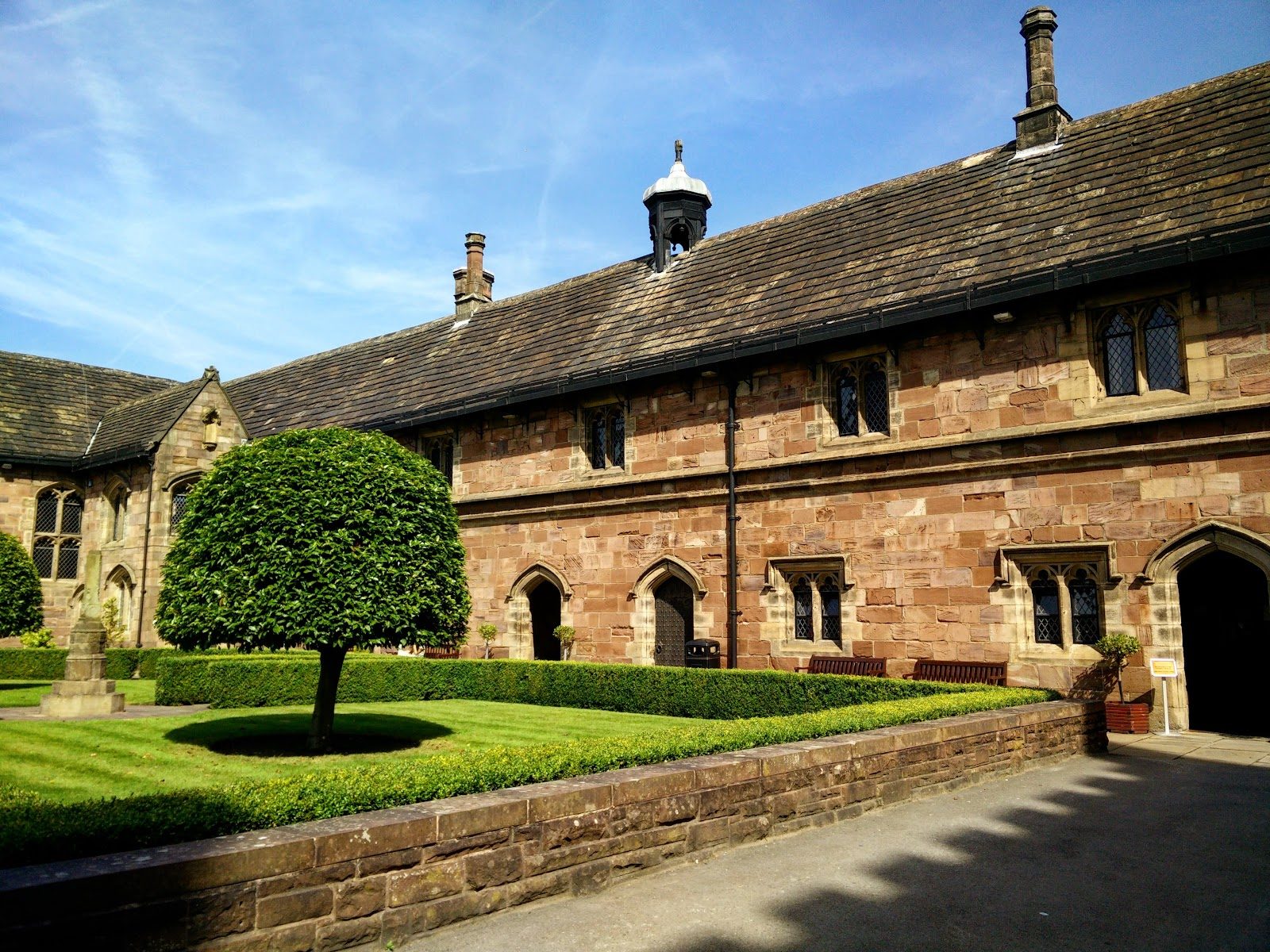
Chetham's School of Music
Manchester · United Kingdom
Set on a medieval site by Manchester Cathedral, entry here turns on musical audition, not fees, at the north's only specialist music school.
The Purcell School for Young Musicians
Bushey, Hertfordshire · United Kingdom
Britain's oldest specialist music school, home to the first Fazioli Pianoforti Centre of Excellence and talent-blind admissions.
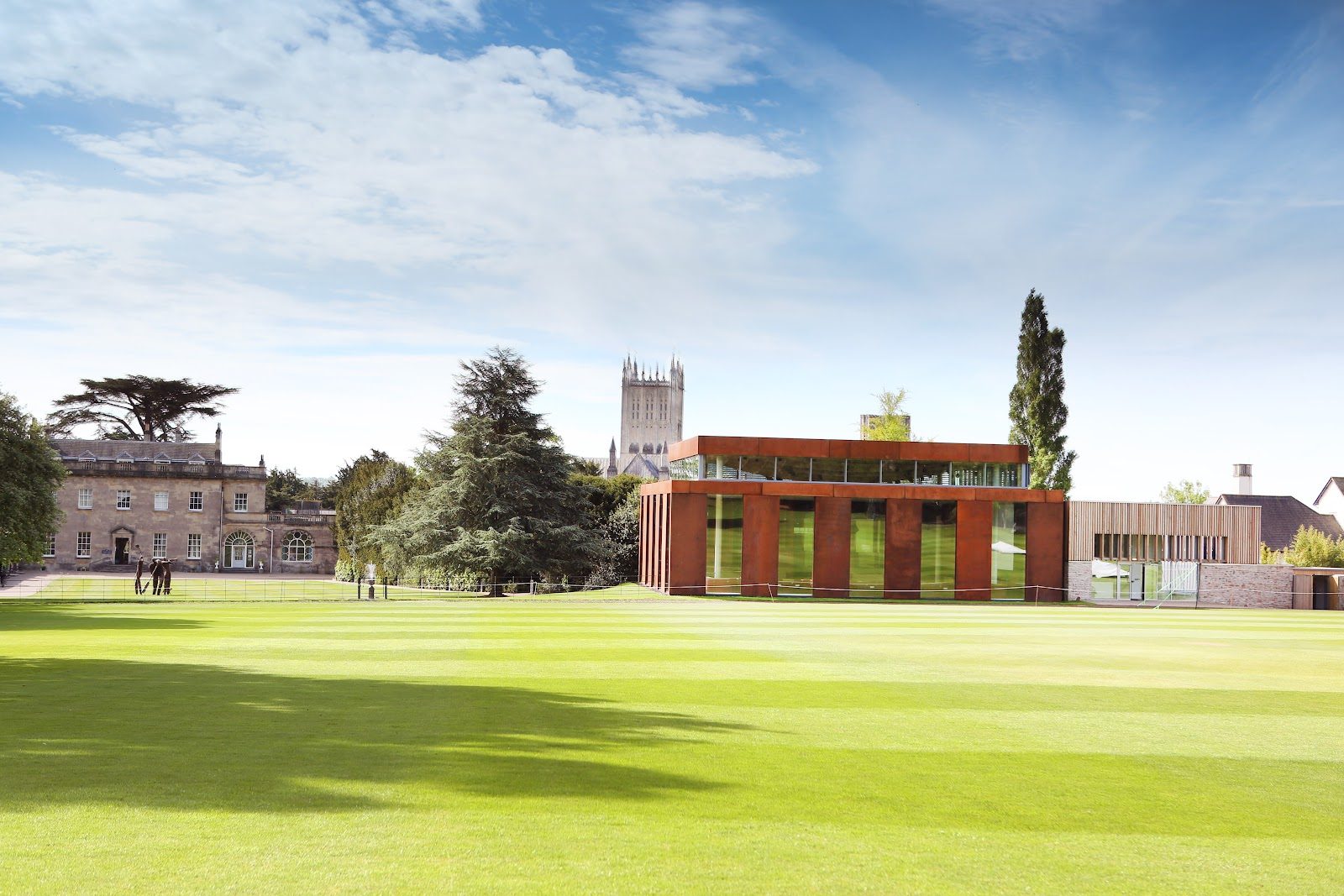
Wells Cathedral School
Wells, Somerset · United Kingdom
A thousand years of choral tradition anchors one of Britain's five specialist music schools, tucked beside a medieval cathedral close.
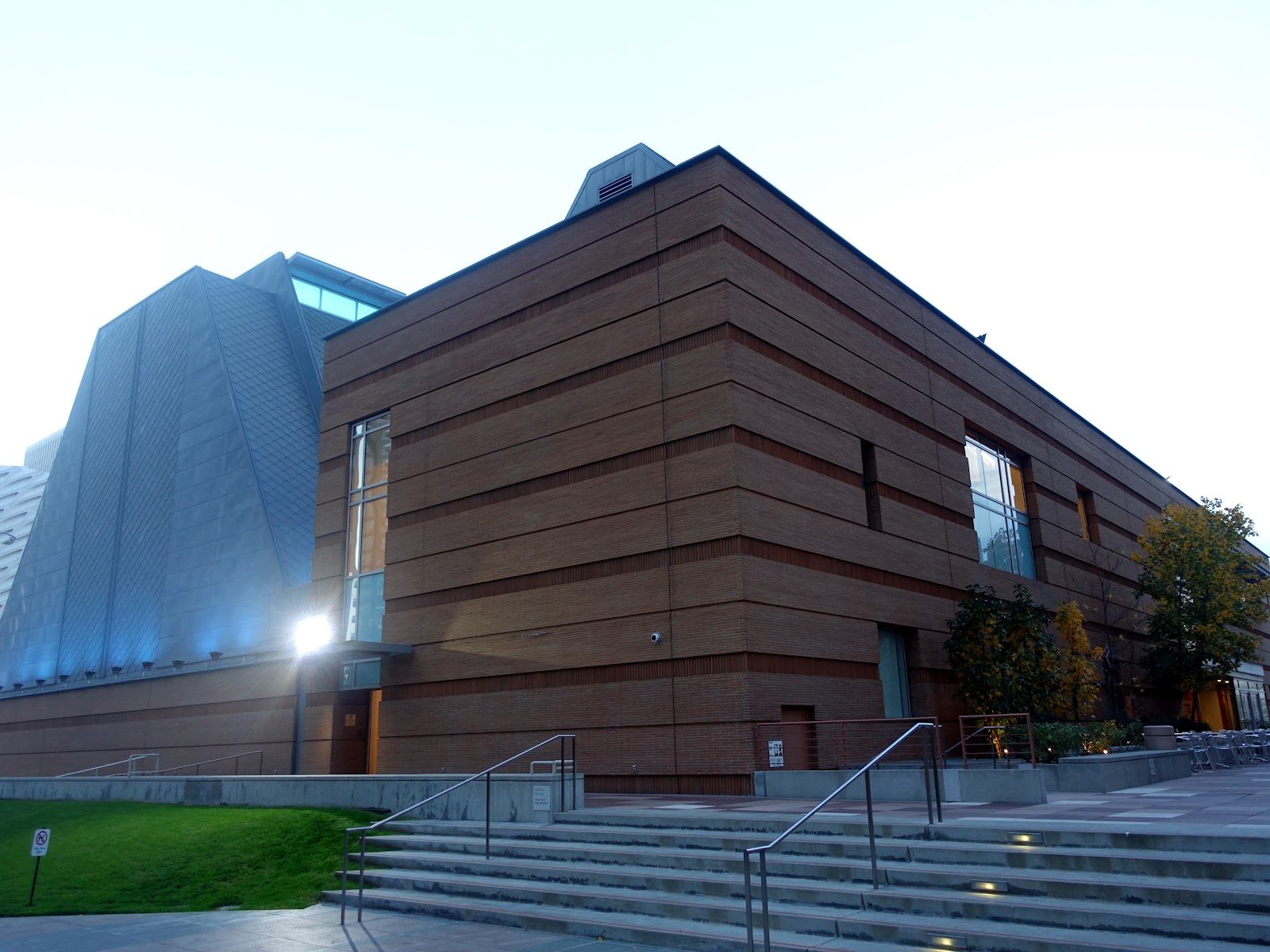
Colburn Music Academy
Los Angeles, CA · United States
Downtown LA's highly selective pre-college conservatory track pairs LA Phil-taught private lessons with an outside high school diploma.
Same specialism, country and curriculum — closest matches within ±10 points either way