
California
Colburn Music Academy
Downtown LA's highly selective pre-college conservatory track pairs LA Phil-taught private lessons with an outside high school diploma.

Photo © Luis Fernando Grillo Jiménez via Google Maps
Type
Day
Ages
7–18
Curriculum
US High School Diploma
Ratio
—
The Verdict
Editor's commitment
Right for
Young musicians aged 7–18 who want a highly selective downtown Los Angeles conservatory track, with LA Phil-taught private lessons at its core.
Wrong for
Families wanting one school to do everything: this is a day-only music academy, and the high school diploma sits outside Colburn.
Watch out for
The declared academic route is a US High School Diploma, but the central proposition is specialist training; the average annual fee is not published clearly enough to anchor value.
Ranking breakdown
Colburn Music Academy · #1323 of 1591
Composite score 54.9. 8 weighted criteria.
By criterion
Academic Outcomes
Weight 20%
#1220
of 1529 scored
University Placement
Weight 16%
#1089
of 1529 scored
Prestige & Heritage
Weight 12%
#818
of 1571 scored
Alumni Network
Weight 12%
#1468
of 1530 scored
Facilities
Weight 12%
#967
of 1533 scored
Transparency & Communications
Weight 8%
#1528
of 1532 scored
Peer & Industry Review
Weight 10%
#792
of 1548 scored
Admissions Selectivity & Demand
Weight 8%
#3
of 1529 scored
Peer & Industry Review
How Colburn Music Academy is regarded in the sector
89
Strong · medium confidence
Colburn is consistently grouped with Juilliard Pre-College and the Curtis Institute as one of America's three most selective pre-collegiate classical training grounds, a comparison repeatedly made in classical-music press (Musical America, LA Times, KUSC) because of its fully endowed, tuition-free model funded by the Colburn Foundation. Faculty draw heavily from Los Angeles Philharmonic principals and USC Thornton School of Music, giving it strong informal standing with that conservatory and with the LA Phil's own education office, which regularly co-programs recitals with Academy students. Admissions officers at Juilliard, Curtis, New England Conservatory and Colburn's own Conservatory of Music treat Academy alumni as pre-vetted, competition-tested applicants, since many finalists at YoungArts, the Menuhin Competition and similar circuits pass through the Academy first. Independent guides rarely rank pre-college conservatory programs on par with academic-school league tables (no WhichSchoolAdvisor or Good Schools Guide entry exists), so its reputation is carried almost entirely by conservatory-world word of mouth and music-press profiles rather than formal press rankings.
Award

Elite Music 50
World's Top School · The Global Ranking
Colburn Music Academy is featured on our Global Top 50 ranking at #20. This seal is available for the school's marketing team to use on their website, prospectus and social channels.
- Ray Chen — Violinist, Classical Music
- Simone Porter — Violinist, Classical Music
- Charlie Albright — Pianist, Classical Music
Editors' overview
Colburn Music Academy sits in a narrow niche: a pre-college conservatory track inside a larger performing arts institution in downtown Los Angeles, for students aged 7 to 18, with music training at the centre and a US high school diploma handled outside that specialist core. That structure is the point. This is not a conventional independent school with strong music on the side; it is a serious training route for young musicians whose main educational priority is instrumental development. The academy forms part of the Colburn School, a private performing arts school founded in 1950, and its focus is unapologetically specialist. For the right child, that clarity of purpose matters more than broad campus life, sport or the usual American high-school theatre of electives and mascots.
What puts Colburn on a shortlist is the calibre and concentration of the offer. The academy’s draw lies in elite pre-professional music study in Los Angeles, with private lessons taught by players from the LA Phil and a daily environment built around disciplined practice, ensemble work and technical progression. That makes it highly selective by nature, even if the school does not publish acceptance rates or aggregate academic outcomes in the public domain. Parents also need to understand the academic model plainly: the context given here lists a US High School Diploma, but the defining feature is that students pursue their general schooling alongside the conservatory track rather than through a full-spectrum standalone school experience on one campus. For families who want one institution to do everything under one roof, that is a constraint. For families chasing top-level music training, it is the attraction.
The fee point underlines Colburn’s unusual market position. At an average annual day fee of $9,500, this sits far below the standard price of a full US private day school, because it is not selling the standard private-school package. It is selling specialist tuition, access and intensity. That makes it exceptional value for families who can use the model well, and a poor fit for those who need extensive wraparound academics, mainstream extracurricular breadth or a conventional teenage social ecosystem. The student who will want Colburn is single-minded, technically advanced, comfortable with pressure and already committed to music as more than an after-school interest. For that child, and for parents who know exactly what they are buying, Colburn is not for dabblers.
A Global Elite 50 Music school
The Colburn Music Academy sits in Tier 2, Band 11-30, of the Global Elite 50 Music Schools because it is, quite simply, one of the most selective pre-college classical music programmes anywhere in the world — and one of only a small handful of American programmes whose graduating class routinely converts, in significant numbers, directly into the Colburn Conservatory, Juilliard, Curtis and the New England Conservatory. Based in downtown Los Angeles as the pre-college wing of the Colburn School, it takes an unusually small enrolment of around 30 pupils.
Its specialisms are narrow and elite: strings (violin, viola, cello, double bass), piano, and — in smaller numbers — brass, woodwind and percussion. Instrumental faculty is drawn directly from the Colburn Conservatory and adjacent Los Angeles Philharmonic and LA Chamber Orchestra rosters, giving academy pupils daily access to teachers of a calibre normally reserved for Bachelor's and Master's students. The Hybrid Elite Pre-College model — academics delivered through an approved external partner and coordinated with the specialist music timetable — gives pupils flexibility while maintaining full US high-school diploma accreditation.
Progression evidence is dense. Academy alumni routinely matriculate into the Colburn Conservatory itself, the Juilliard School, the Curtis Institute, the New England Conservatory and the Cleveland Institute of Music. Prize-winners on the Menuhin, Tchaikovsky Junior and Cliburn Junior competition trails have used the academy as their teenage development environment, and multiple current Los Angeles Philharmonic and San Francisco Symphony players are alumni.
International openness is genuine but selective. The academy admits overseas applicants each year, with F-1 student visas handled by the Colburn School's international office and residential accommodation available in Colburn-arranged housing. The academy is tuition-free for accepted pupils, though residential accommodation and living costs (approximately USD 25,000-30,000 per year) are the family's responsibility. Admission is by highly competitive audition — a video pre-screen followed by an on-campus recall — and standards approach conservatoire Bachelor's entry level.
Academic Performance
Academic performance here resists the normal schoolyard scoreboard. Colburn Music Academy does not publish aggregate SAT, ACT, AP or diploma results, and that matters: against conventional US independent schools, this leaves parents without the comparative data most schools use to prove academic strength. The reason sits in the model itself. General schooling is not the main institutional product; advanced music training is. Judging Colburn by the public exam grid used for mainstream college-prep schools misses the point, but the absence of published outcomes still leaves an opaque academic picture. Families need to do their own diligence on where students complete their diploma studies, how timetables work in practice, and what academic support exists when rehearsals and practice intensify.
Relative to specialist pre-college conservatory routes, the more relevant performance question is progression in music rather than headline school exams. On that measure, the academy’s seriousness is clear from its selectivity, faculty profile and the intensity expected of students. This is a professional-track environment, not a broad academic institution with strong instrumental tuition attached. That makes Colburn academically narrow and musically exacting. For a young player aiming at elite conservatory-level development, that trade-off is rational. For families who want published external exam results, broad sixth-form-style subject choice and a school that can demonstrate outcomes across the full academic range, Colburn sits outside the mainstream and offers little conventional reassurance.
Facilities
For facilities, the key point is not scale but purpose. Colburn Music Academy sits inside a dedicated performing-arts institution with multiple music and dance divisions, so students work in an environment built for rehearsal, lesson delivery and artistic training rather than for the full spread of mainstream school amenities. That matters more here than acres of playing fields or glossy science blocks. The essential facility is access to specialist teaching space that supports intensive one-to-one instruction, practice and ensemble work, all within a campus culture organised around performance. Against peer pre-college conservatory tracks, that puts Colburn in the serious specialist bracket. Against conventional independent schools, the offer is deliberately narrow: families choosing this route are not buying a broad adolescent campus with expansive sports provision, laboratories and social infrastructure under one roof.
The comparative advantage lies in concentration. A young musician benefits from being surrounded by other dedicated performers and by institutional resources shared with a larger arts organisation, rather than being parked in the music wing of a general school. That creates a work-focused atmosphere and gives the academy more professional alignment than many schools where music is one strength among many. The trade-off is plain. Parents who expect the facilities list of a standard college-prep day school will find this stripped back outside the artistic core. Parents who want rooms, routines and staff geared to musical development at an average annual fee of $9,500 will find the physical offer fit for purpose and competitively priced for its niche.
What makes Colburn Music Academy unusual is the split architecture of the offer
Prestige
Prestige here rests on scarcity, standards and institutional company, not on the trappings of a conventional elite school. Colburn Music Academy sits inside a specialist performing-arts institution with dedicated music and dance divisions, and that matters: students train in an ecosystem built for serious young performers, not amateur enrichment. The strongest prestige signal is the teaching line. Private lessons from Los Angeles Philharmonic players place students close to the top end of professional practice while they are still school-age. That is genuine conservatoire-adjacent capital. Add the age range — from 7 to 18 — and the academy reads as a long-form talent pipeline rather than a casual weekend programme. In music circles, that carries weight.
The prestige is also narrow by design. This is not the kind of name that impresses every dinner party guest in the way a famous all-round school does. Its status lands with families, teachers and institutions that understand pre-professional music training. That makes the badge specialist rather than universal, but not weaker. In its field, it is strong because entry is selective, the purpose is exact, and the surrounding institution has breadth across performance training that reinforces seriousness. The limit is plain: prestige in music does not convert automatically into prestige in mainstream academics or broader school life. Parents buying Colburn are buying musical credibility, professional proximity and a route that means something to the right audience.
The right student for Colburn Music Academy is not the rounded all-purpose school star
Communications
Parent communication here needs to do one hard job well: coordinate a specialist training schedule with a child’s separate academic life. That raises the bar. Families need clear timetables, punctual notice of rehearsals, lesson changes, performances and absences, and direct access to the adults running the programme. Colburn’s structure makes that administrative discipline non-negotiable. The school’s public-facing communication is functional rather than expansive. It tells parents what the academy is for, who it serves and why the model is different. That clarity counts. So does the fee signal: at an average annual charge of $9,500, parents are not buying a white-glove independent-school communications machine with endless pastoral wrapping and glossy parent-engagement theatre.
The limit is breadth and transparency. We have not seen the kind of published parent information that answers every operational question in advance: no rich public detail on reporting cycles, no substantial explanation of academic coordination, and no deep view of how pastoral communication works when training pressure rises. That leaves the school’s outward communication lean and, in places, too spare for families new to this world. For parents who already understand conservatory-track study, that sparseness will feel efficient and adult. For parents expecting a conventional school’s hand-holding, it will feel abrupt and under-explained. The judgement is straightforward: communication is effective on mission, thinner on process, and strongest with families who need precision more than reassurance.
Uniqueness
What makes Colburn Music Academy unusual is the split architecture of the offer. Most schools bolt serious music on to a mainstream timetable; Colburn reverses the order. The academy treats advanced instrumental training as the central enterprise and lets general schooling sit alongside it. That creates a rare degree of focus for children who already know that music is the main thing, not one strong interest among several. The age span, from 7 to 18, also matters. Students can enter young and grow inside a single specialist culture shaped by disciplined practice, close technical correction and high-performance expectations. Add private tuition from LA Phil musicians and the distinction sharpens: this is professional exposure at school age, not aspirational branding.
For students, that model brings two clear gains. First, it accelerates musical development by placing teaching, peer standards and daily routines in single-minded alignment. A talented player does not have to fight for time or legitimacy inside a general school culture dominated by sport, social life and broad extracurricular display. Second, it normalises seriousness. Young musicians work among peers for whom scales, repertoire, auditions and rehearsal discipline are ordinary, not eccentric. That can be formative and demanding in equal measure. The cost is breadth. Students gain an elite specialist lane and lose the fuller, messier experience of a conventional school. For the right child, that trade is the whole point.
For families chasing top-level music training, it is the attraction
Student Profile
The right student for Colburn Music Academy is not the rounded all-purpose school star. This is for a young musician with serious technical intent, the patience for repetitive practice, and the temperament to accept correction without drama. The age span — 7–18 — means the school can take children who start early and stay inside a performance-led culture for years, but fit depends less on age than on mindset. Students who thrive here are disciplined, self-directed and happy in a peer group where talent is common and comparison is constant. They do not need sport, school spirit or a wide menu of clubs to validate their week. They need lessons, repertoire, rehearsal and a clear sense that artistic progress matters.
That profile cuts both ways. Colburn suits children who already know that music is the main axis of their education and identity. It does not suit dabblers, status-seekers or families trying to keep every option open with minimum sacrifice. The strongest candidates will have real stamina, high frustration tolerance and the maturity to manage a split life between specialist training and outside academic study. Socially, this is a narrow-band tribe: committed young performers who will find one another normal and everyone else intense. For the right child, that concentration is liberating. For a child who wants a broad, forgiving, all-round school life, it is too exacting by half.
Private lessons from Los Angeles Philharmonic players place students close to the top end of professional practice while they are still school-age
Co-curricular strengths
Arts & sport, on a separate axis
Overall 10/10
Scored 0-10 from the school's own published evidence. This axis is editorial-only — it does not feed the main WTS ranking.
Sports
—
Drama
—
Dance
—
Music
10/10
Visual Arts
—
Strengths
- +Operates within the Colburn School, giving students access to Colburn Conservatory faculty, recital halls, and performance opportunities alongside academic classes.
- +Small cohort sizes allow individualized scheduling that balances core academics with several hours of daily instrumental study and ensemble work.
- +Located in the Bunker Hill arts district of downtown Los Angeles, steps from Walt Disney Concert Hall and The Broad museum.
- +Colburn's institutional endowment supports financial aid, with the school stating a commitment to keep music training accessible regardless of family income.
- +Students benefit from a newly expanded Frank Gehry-designed campus (Colburn Center), completed in 2024, adding rehearsal and academic space.
Considerations
- −Admission requires a competitive musical audition in addition to academic review, so the school is not an option for students without advanced instrumental proficiency.
- −The Academy is a relatively new program (launched in the early 2020s), so it lacks a long track record of graduating classes or verifiable long-term outcomes data.
- −Very small enrollment limits the range of extracurricular clubs, sports, and elective subjects compared with larger comprehensive private schools.
- −Urban downtown campus offers limited outdoor recreational space relative to suburban day schools.
Gallery
Photo © Colburn School via Google Maps
Photo © Colburn School via Google Maps
Photo © 김현영 via Google Maps
Photo © Colburn School via Google Maps
Photo © Colburn School via Google Maps
Photo © T. Farris via Google Maps
Photo © Steve Emahiser via Google Maps
Parent reviews
Have you sent your child here?
Voice reviews carry the strongest trust badge — we transcribe them for you to tidy up before they go live. Prefer to type? A written review is fine too.
Add your voice
In 60 seconds, tell other parents: what's the best thing about Colburn Music Academy, and what surprised you when your child joined?
We ask for a Google sign-in so every review has a real face behind it — no anonymous drive-by attacks on schools, and no faked positive reviews. Your email is never shown publicly.
Send this profile to a friend
International parents rely on word-of-mouth. Share this review with someone weighing the same decision.
Schools with places
Similar schools to Colburn Music Academy with places available now.
Head-Royce School
Oakland · United States
- 2026-27
- CLOSEDRegular cycle
- 2027-28
- OPENS SOONOpens Sept '26
The Webb Schools
Claremont · United States
- 2026-27
- CLOSEDRegular cycle closed
- 2027-28
- PLACES OPENPortal live
The Branson School
Ross · United States
- 2026-27
- CLOSEDRegular cycle
- 2027-28
- OPENS SOONOpens Sept '26
Crystal Springs Uplands School
Hillsborough · United States
- 2026-27
- CLOSEDRegular cycle
- 2027-28
- OPENS SOONOpens Sept '26
Availability first, then country, area, curriculum, price, co-curricular
Consider also
Also worth looking at alongside Colburn Music Academy.
UNCSA High School, School of Music
Winston-Salem, NC · United States
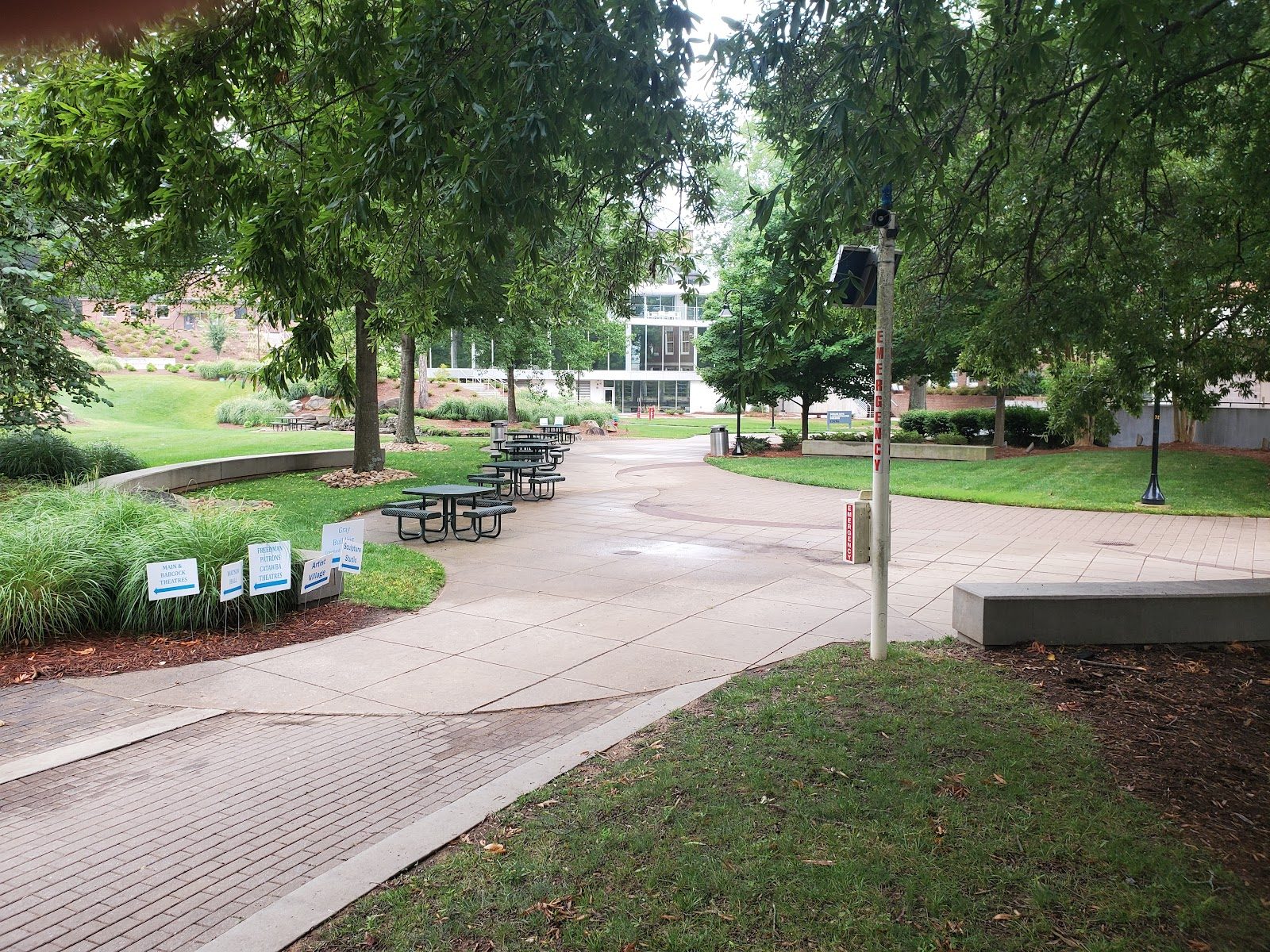
Born from America's first public arts conservatory, pairing pre-professional music training with a rare four-year residential high school track.

Idyllwild Arts Academy
Idyllwild, CA · United States
A mile-high pine forest campus houses the West Coast's only boarding arts high school, pairing conservatory training with college-prep rigor.

Walnut Hill School for the Arts
Natick, MA · United States
A weekly commute to Boston's Jordan Hall pairs New England Conservatory training with a full college-prep diploma.
Chetham's School of Music
Manchester · United Kingdom
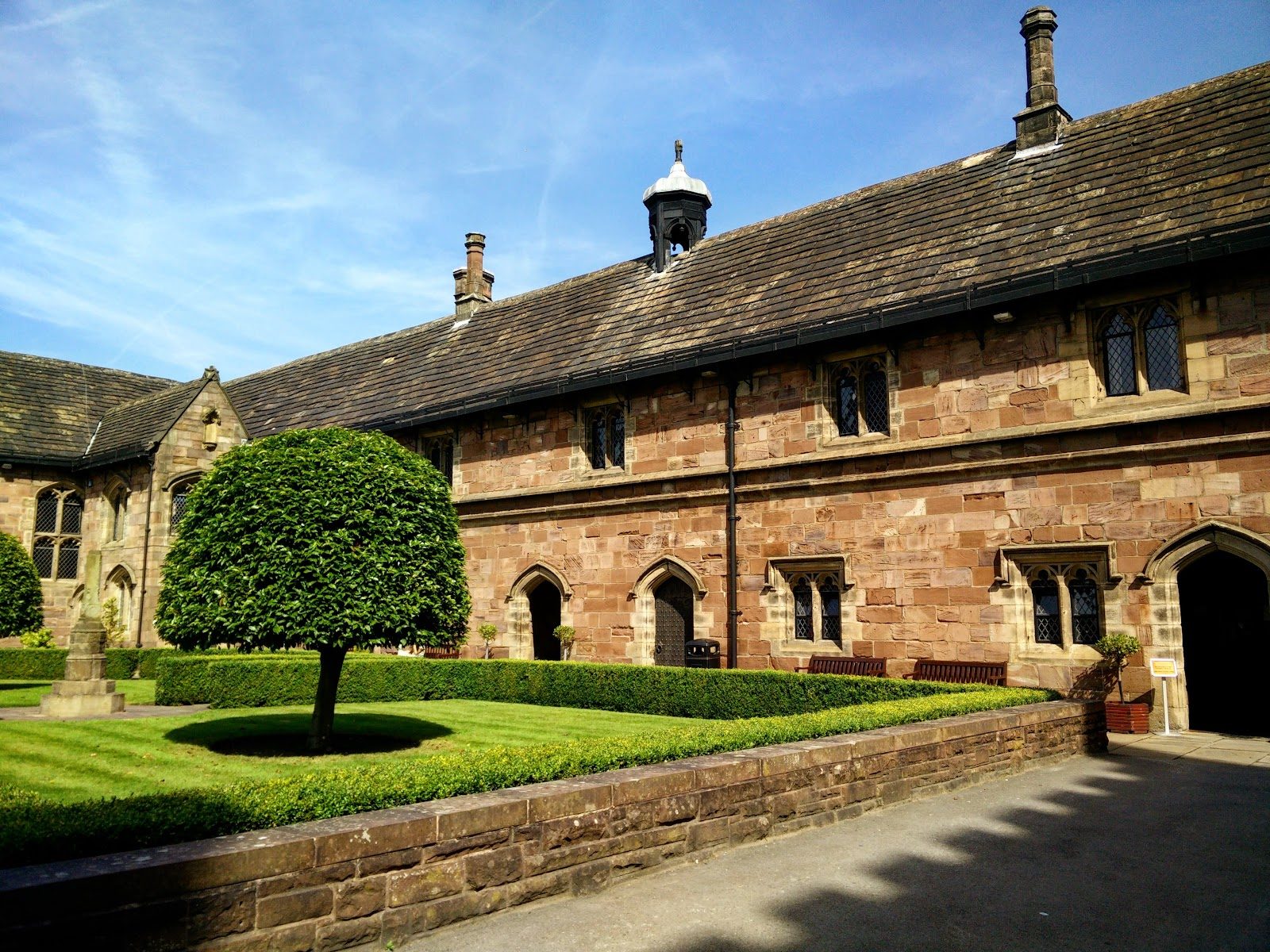
Set on a medieval site by Manchester Cathedral, entry here turns on musical audition, not fees, at the north's only specialist music school.
Same specialism, country and curriculum — closest matches within ±10 points either way