North Carolina
UNCSA High School, School of Music
Born from America's first public arts conservatory, pairing pre-professional music training with a rare four-year residential high school track.
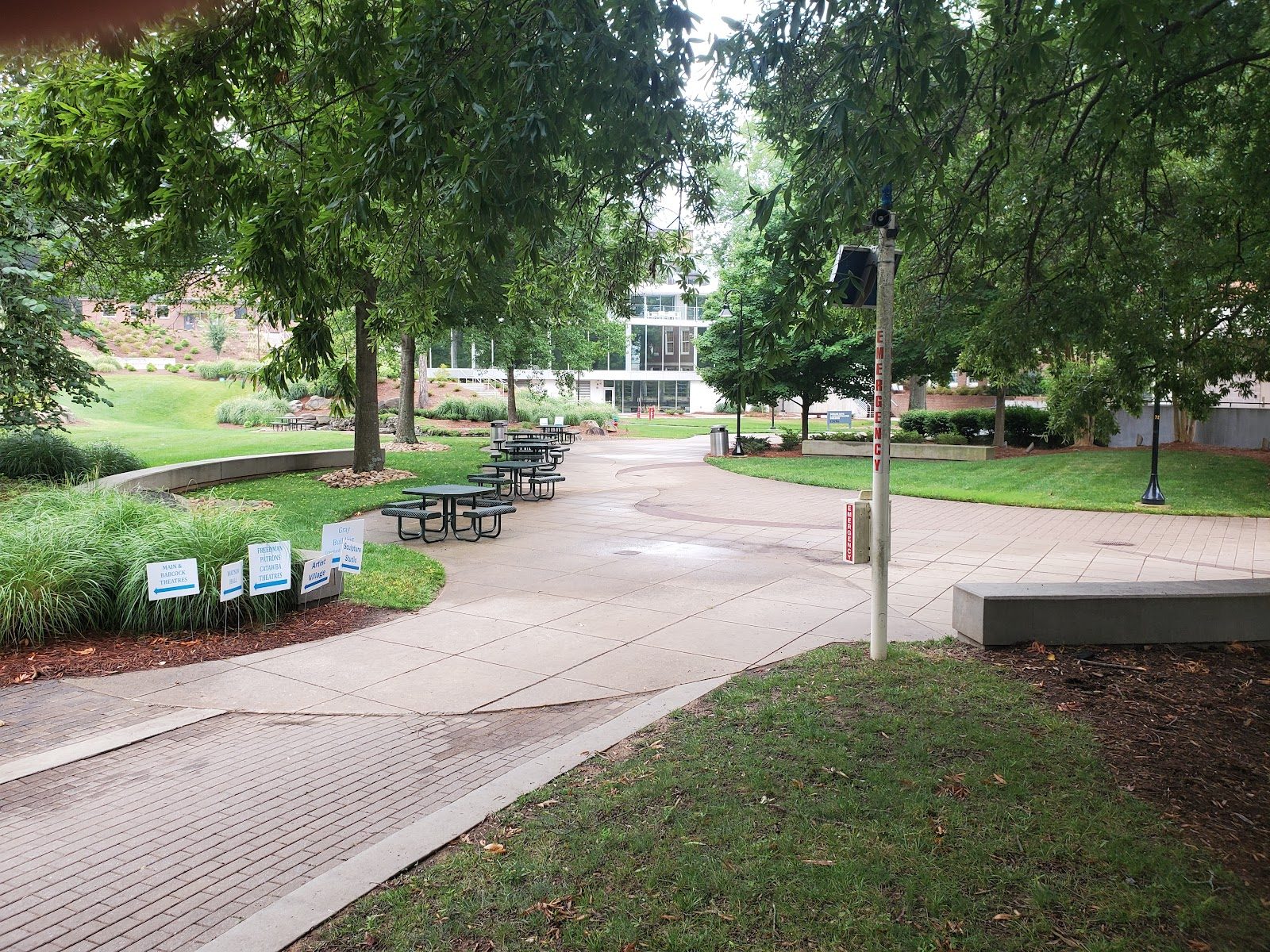
Photo © Ron Reed via Google Maps
Type
Boarding + Day
Ages
14–18
Curriculum
US High School Diploma
Ratio
13:1
The Verdict
Editor's commitment
Right for
Young musicians, 14–18, who want a US high school diploma inside America’s first public arts conservatory, founded in 1963.
Wrong for
Families wanting a conventional secondary school with broad extracurricular balance; this is a secular music track inside a specialist conservatory, not that.
Watch out for
The 13:1 ratio helps, but the real test is specialisation: boarding averages $21,380, day $15,078, and NASM plus Cognia signal vocational seriousness.
Ranking breakdown
UNCSA High School, School of Music · #740 of 1591
Composite score 50.3. 8 weighted criteria.
By criterion
Academic Outcomes
Weight 20%
#1313
of 1529 scored
University Placement
Weight 16%
#1164
of 1529 scored
Prestige & Heritage
Weight 12%
#1323
of 1571 scored
Alumni Network
Weight 12%
#1477
of 1530 scored
Facilities
Weight 12%
#1407
of 1533 scored
Transparency & Communications
Weight 8%
#778
of 1532 scored
Peer & Industry Review
Weight 10%
#477
of 1548 scored
Admissions Selectivity & Demand
Weight 8%
#400
of 1529 scored
Peer & Industry Review
How UNCSA High School, School of Music is regarded in the sector
82
Strong · medium confidence
Among specialized arts high schools, UNCSA's School of Music is most often benchmarked against Interlochen Arts Academy, Idyllwild Arts and Walnut Hill, with college counselors and arts-education writers treating it as one of the few public, tuition-subsidized conservatories offering pre-professional training on par with private peers. Admissions staff at major conservatories (Juilliard, Curtis, New England Conservatory) and university schools of music routinely note that UNCSA graduates arrive with unusually strong technical grounding and performance experience, reflecting its status as the first state-supported arts school in the US. Education press coverage (NPR, Washington Post, regional NC outlets) frames it as a national model for public arts education rather than a boutique private academy, which sets it apart from typical elite prep-school league tables. It rarely appears in mainstream 'best boarding schools' rankings dominated by Northeastern prep schools, but within specialist arts-education and conservatory-feeder circles it holds a consistently strong, if narrower, reputation.
Award
Elite Music 50
World's Top School · The Global Ranking
UNCSA High School, School of Music is featured on our Global Top 50 ranking at #20. This seal is available for the school's marketing team to use on their website, prospectus and social channels.
- Mary-Louise Parker — Actress, Film/TV
- Terrence Mann — Actor/Singer, Theatre
- Mary Stuart Masterson — Actress, Film
Editors' overview
UNCSA’s School of Music offers a route that very few American schools can match: a four-year high school embedded inside America’s first public arts conservatory, founded in 1963, with students training on the same campus as undergraduates and postgraduates. That matters. This is not a conventional college-prep school with a good orchestra bolted on; it is a specialist conservatory environment that awards a US High School Diploma while treating music as the centre of the week, not an extracurricular afterthought. The boarding option, rare for a public conservatory-linked high school in the US, gives it national reach and makes it a serious proposition for families who want pre-professional training before university, not at university.
Its market position is distinctive rather than broad. With a 13:1 student-teacher ratio, accreditation from NASM and Cognia, and an age range of 14 to 18, UNCSA sits in a narrow band between arts magnet schools, specialist boarding schools and junior conservatories. The fees reinforce that point, but also complicate it. The published averages — $15,078 a year for day students and $21,380 for boarders — are strikingly low for a US boarding school and far below private conservatory-prep pricing. That makes UNCSA an unusually accessible option in a niche that often prices families out. It also means parents should read it in the right category: this is a public institution with conservatory ambitions, not a gilded independent school selling small seminars and manicured prestige.
The right student for UNCSA is clear. This school suits a teenager who already knows that music is the main event, wants intensive training during the high school years, and can handle a campus culture built around disciplined practice and performance. It will appeal to serious instrumentalists, singers and composers who want immersion, not balance for balance’s sake. It will not suit a student who wants expansive mainstream school life, a long menu of non-arts identities, or a gentler pace. In editorial terms, this is a focused, demanding school with a very specific promise: serious young musicians can start conservatory-level formation at 14, in residence if needed, without waiting for college. That alone puts it on a shortlist for families hunting genuine pre-professional music training rather than school-concert gloss.
A Global Elite 50 Music school
The UNCSA High School, School of Music sits in Tier 2, Band 11-30, of the Global Elite 50 Music Schools because it is the only state-funded conservatory-model high school in the United States and one of a very small group of American schools where a full boarding specialist music training environment is delivered inside an accredited high-school diploma programme. Founded in 1963 by the North Carolina General Assembly, its High School division serves grades 9-12 across five arts schools; the School of Music enrols approximately 100 pupils.
Its specialisms are broad and delivered at genuine conservatoire preparation standard: orchestral performance (all orchestral strings, brass, woodwind and percussion), classical guitar (an unusually strong and long-established programme), voice, and composition. Instrumental faculty is shared with the UNCSA College of Music, meaning high-school pupils are taught by the same conservatoire-level teachers as UNCSA's undergraduates, and orchestral experience is delivered through combined high-school and college ensembles that regularly perform at a college-orchestra standard.
Progression evidence is strong. UNCSA High School Music alumni routinely matriculate into UNCSA's own conservatory (a genuine peer of Juilliard for orchestral training), Juilliard, Curtis, the New England Conservatory, the Peabody Institute, the Cleveland Institute of Music, Eastman and the Manhattan School of Music. Alumni across generations include multiple current members of major American orchestras — the New York Philharmonic, the Los Angeles Philharmonic, the Boston Symphony, the Chicago Symphony and the Metropolitan Opera Orchestra.
International openness is high for a state institution. UNCSA operates a formal International Department, F-1 student visas are handled in-house, and boarding is standard. Approximately 5-10% of high-school pupils in a typical year are non-US, with strong feeder pipelines from East Asia, Europe and Latin America. Overseas families pay a full non-resident published fee of approximately USD 35,000-40,000 per year all-in — meaningfully below equivalent US private boarding conservatoire high schools. Admission is by competitive audition, with video pre-screens and on-campus recalls.
Academic Performance
Judging UNCSA’s academic performance by the standard school metrics is difficult because the school does not publish aggregate external examination data: no SAT or ACT profile, no AP summary, no IB results, no class-wide university-admissions grid. That is a real limitation for parents trying to compare it with selective US independents that trade heavily on score reporting. In that narrow sense, UNCSA is less transparent than it should be. The academic proposition also differs from mainstream college-prep schools. Students are working towards a US High School Diploma inside a conservatory structure, and the institution’s public language centres on training artists for professional careers in music and the other performing arts. That gives the school a clear vocational seriousness, but it also shifts the measure of success away from published testing tables.
Relative to peers, the more relevant comparison group is not the standard academic boarding school but the small band of specialist performing-arts schools and junior conservatory pathways. In that company, UNCSA has a strong structural advantage: teenagers train within a larger arts institution rather than in a school where music sits at the edge of the timetable. For families who want proof in exam-score form, the absence of published aggregate outcomes remains a weakness. For families who judge performance by the depth of pre-professional formation, access to conservatory culture and the discipline of sustained artistic work, the school sits in a rarefied category. Academic results are not foregrounded here; artistic development is.
Facilities
The crucial facility here is not a single building but the conservatory campus itself. For a music pupil, that changes the quality of day-to-day training: performance spaces, rehearsal rooms and the wider infrastructure of a professional arts institution sit inside the normal school week rather than at the edge of it. The public site makes clear that music operates alongside dance, drama, filmmaking, design and production, with a high school programme and higher-level study on the same campus. Against peer schools, that is a serious institutional advantage. Many arts-focused schools have strong ensembles and serviceable practice provision; far fewer place teenagers inside a full specialist conservatory where performances, visiting artists and cross-arts activity are part of the working environment. The result is immersion, not enrichment.
That said, the school does not publish the kind of granular facilities breakdown that exacting parents now expect. We have not seen a clear public inventory of practice-room stock, recording resources, instrument collections, recital venues or music-technology provision dedicated to the high school cohort. That opacity matters, because specialist music schools live or die on access: enough rooms, enough time, enough acoustic quality, enough performance opportunities. So the verdict is mixed but clear. The broader arts campus is a genuine asset and a rare piece of educational infrastructure for adolescents; the lack of precise published detail leaves families to probe harder than they should at audition and visit stage.
That makes UNCSA an unusually accessible option in a niche that often prices families out
Prestige
Prestige here rests on institutional context, not on the usual private-school signals. UNCSA’s School of Music sits inside a state conservatory with a national brief, and that gives the high school division a serious artistic legitimacy that many specialist schools cannot match. Teenagers are not playing at conservatoire culture; they are inside it. That matters more than glossy branding. In the American arts world, the UNCSA name carries weight because it belongs to a professional training institution rather than a conventional school with strong ensembles. The four-year residential route strengthens that standing: there are very few places in the US where a musician can enter at this age and train in a fully specialist environment through the whole of high school. The low average fees, especially the $21,380 boarding figure, make that access more unusual still.
The limit to that prestige is clear. This is niche prestige, not universal prestige. Outside music and the performing arts, the name does not carry the instant social recognition of an elite New England boarding school or a headline Ivy feeder. Families chasing broad-status school branding will find less of that here. Families chasing pre-professional credibility in music will find much more. We rate it highly because the school’s reputation grows from its place in a conservatory ecosystem, its selective artistic purpose and its willingness to organise adolescence around disciplined training. That is hard-earned prestige, not decorative prestige, and for the right student it counts for more than mainstream cachet.
It will appeal to serious instrumentalists, singers and composers who want immersion, not balance for balance’s sake
Communications
UNCSA communicates like a working arts institution, not a polished independent school. The public site is active and current, with a steady stream of event listings, performance notices, campus announcements and school-wide news. That gives parents a real sense of institutional rhythm: this is a place run around rehearsals, productions, visiting artists and deadlines. It also signals scale. Music sits inside a broader conservatory ecosystem rather than inside a self-contained school bubble, so families get visibility into the artistic life around their child, not just the narrow mechanics of term dates and uniform reminders. That is useful, and in cultural terms far richer than the anaemic parent communications many specialist schools produce.
The weakness is precision. We have not seen much public-facing evidence of how the high school music division communicates with parents in the granular, practical sense families care about most: academic tracking, pastoral escalation, residence routines, health support, timetable changes, audition expectations or who answers what. The website tells you plenty about performances and institutional activity; it tells you less about the parent experience once a teenager is enrolled. For a school taking students from age 14 and, in many cases, housing them away from home, that gap matters. The outward communication is lively, artistically serious and institution-first; it is not yet parent-transparent in the way a residential specialist school needs to be. Families should press hard on channels, response times and who owns day-to-day communication before signing.
Uniqueness
What sets UNCSA’s School of Music apart is the age at which it asks students to commit. Most serious young musicians in the US patch together school, private tuition, youth ensembles and weekend conservatory work. Here, that split life collapses into one structure. A teenager enters a dedicated high school track and trains inside a professional arts institution from the start, with residence available rather than bolted on as an afterthought. That is genuinely rare. It creates a week in which music does not compete with school life; music drives school life. For the right student, that brings clarity, intensity and momentum. For the wrong one, it brings pressure and a narrow lane. This is not a halfway-house for children who merely enjoy performing.
The benefit to students is straightforward: earlier artistic formation in an environment built for disciplined young specialists, not hobbyists. The institution’s public mission is explicit about preparing emerging artists with the experience, knowledge and skills to excel in their disciplines and in their lives, and that matters because it frames adolescence around serious artistic labour. Being part of a larger conservatory also places music students near dancers, actors, filmmakers and designers, which adds a working-artist culture rather than a standard school atmosphere. Combined with the school’s low staffing ratio of 13:1 and average annual boarding fee of $21,380, the proposition is unusually accessible as well as highly specialised: a public-sector route into pre-professional training that few American schools can match.
It will not suit a student who wants expansive mainstream school life, a long menu of non-arts identities, or a gentler pace
Student Profile
The pupils who fit here are the ones who have already moved past “keen school musician” and into something more exacting. They practise without being chased, take correction well, and do not need a broad adolescent menu to stay engaged. A conservatory setting rewards self-direction, stamina and a high tolerance for repetition; it punishes drift. The best fit is a teenager who wants music to organise the week, not decorate it. That includes students who are ambitious about performance, composition or serious ensemble work, and who can handle being surrounded by other gifted young artists without falling apart under comparison. The residential route matters here: some pupils will thrive on early independence and the discipline of living where they train; others will find that intensity claustrophobic.
Socially, this suits a young person who is comfortable in a purpose-built, adult-leaning environment where identity grows from work. They do not need Friday-night football culture, a giant spread of non-arts electives or the soft cushioning of a conventional school atmosphere. They do need resilience, emotional steadiness and the ability to hear “not good enough yet” as instruction rather than insult. The low staffing ratio of 13:1 helps, and the fees remain strikingly accessible at $21,380 for boarders and $15,078 for day pupils, but accessibility does not make the place easy. This school fits serious young musicians, not dabblers, and it is not for the faint-hearted.
That alone puts it on a shortlist for families hunting genuine pre-professional music training rather than school-concert gloss
Co-curricular strengths
Arts & sport, on a separate axis
Overall 8.52/10
Scored 0-10 from the school's own published evidence. This axis is editorial-only — it does not feed the main WTS ranking.
Sports
4.5/10
Drama
9.5/10
Dance
9.6/10
Music
9.7/10
Visual Arts
9.3/10
Strengths
- +Founded in 1965 as one of the first public arts-focused residential high schools in the United States, predating most private US arts boarding schools.
- +Music instruction is delivered by faculty from UNCSA's affiliated college conservatory, giving high schoolers access to university-level teaching and ensembles.
- +The School of Music program is accredited by the National Association of Schools of Music (NASM), providing external quality benchmarking.
- +As a public University of North Carolina System institution, in-state tuition is materially lower than comparable private conservatory boarding schools.
- +Offers both day and boarding options, serving local Winston-Salem families as well as relocating or international students.
Considerations
- −Admission is audition-based per instrument, so the number of available places varies year to year and can be very narrow for popular instruments such as piano, voice or violin.
- −Non-resident and international tuition is substantially higher than the in-state rate, a structural feature of US public university pricing.
- −Winston-Salem is a mid-sized city with more limited direct international flight access than schools located near major US hub cities.
- −The daily schedule is built around conservatory rehearsal and performance demands, which may leave less room for a broad, general liberal-arts high school experience.
Gallery
Photo © Ron Reed via Google Maps
Photo © Jordan Burleson via Google Maps
Photo © baron young via Google Maps
Photo © The Hunter via Google Maps
Photo © Mircea Ionescu via Google Maps
Photo © John Z via Google Maps
Photo © Kayla Charles via Google Maps
Parent reviews
Have you sent your child here?
Voice reviews carry the strongest trust badge — we transcribe them for you to tidy up before they go live. Prefer to type? A written review is fine too.
Add your voice
In 60 seconds, tell other parents: what's the best thing about UNCSA High School, School of Music, and what surprised you when your child joined?
We ask for a Google sign-in so every review has a real face behind it — no anonymous drive-by attacks on schools, and no faked positive reviews. Your email is never shown publicly.
Send this profile to a friend
International parents rely on word-of-mouth. Share this review with someone weighing the same decision.
Schools with places
Similar schools to UNCSA High School, School of Music with places available now.
Germantown Friends School
Philadelphia · United States
- 2026-27
- CLOSEDRegular cycle closed
- 2027-28
- OPENS SOONOpens Sept '26
Poly Prep Country Day School
Brooklyn · United States
- 2026-27
- CLOSEDRegular cycle closed
- 2027-28
- OPENS SOONOpens Sept '26
Marymount School of New York
New York City · United States
- 2026-27
- CLOSEDConfirmed full
- 2027-28
- PLACES OPENApplications opened 1 Aug '26
Boston University Academy
Boston · United States
- 2026-27
- CLOSEDRegular cycle closed
- 2027-28
- OPENS SOONOpens Sept '26
Availability first, then country, area, curriculum, price, co-curricular
Consider also
Also worth looking at alongside UNCSA High School, School of Music.
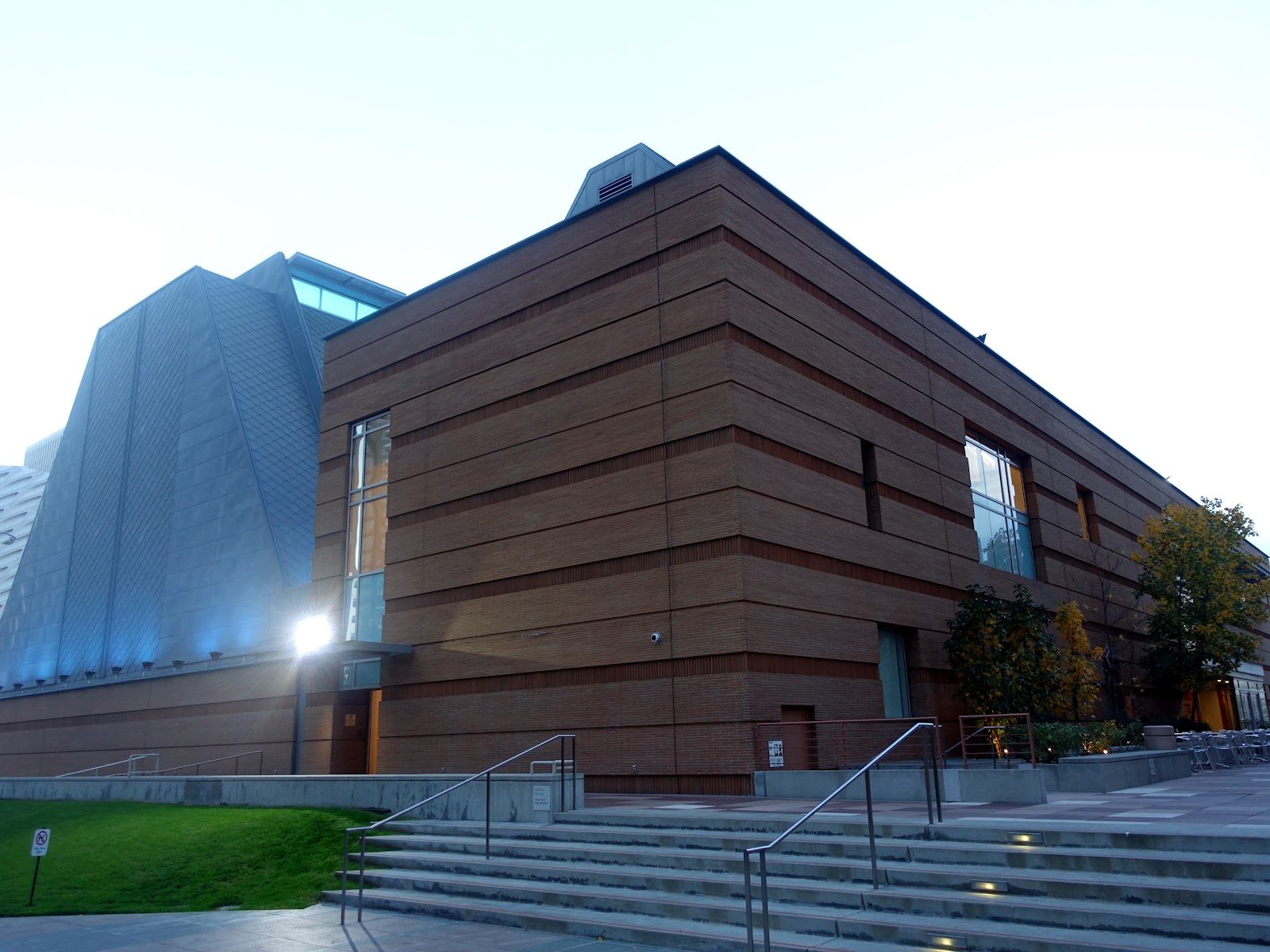
Colburn Music Academy
Los Angeles, CA · United States
Downtown LA's highly selective pre-college conservatory track pairs LA Phil-taught private lessons with an outside high school diploma.
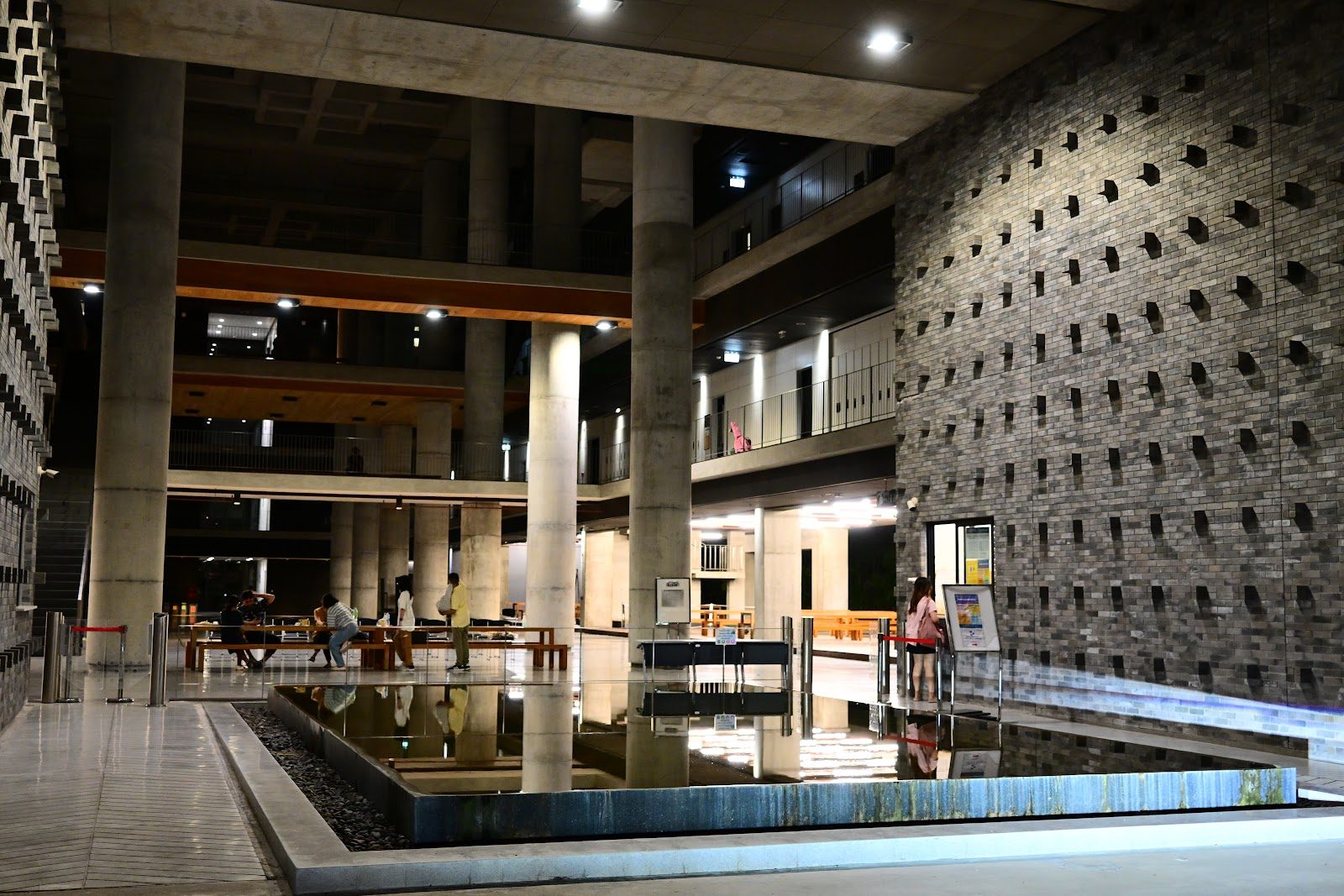
Young Artist Music Program (YAMP), Mahidol University
Salaya, Nakhon Pathom · Thailand
At Thailand's first music school, pre-college students devote 70 percent of class time to private lessons and ensemble performance.
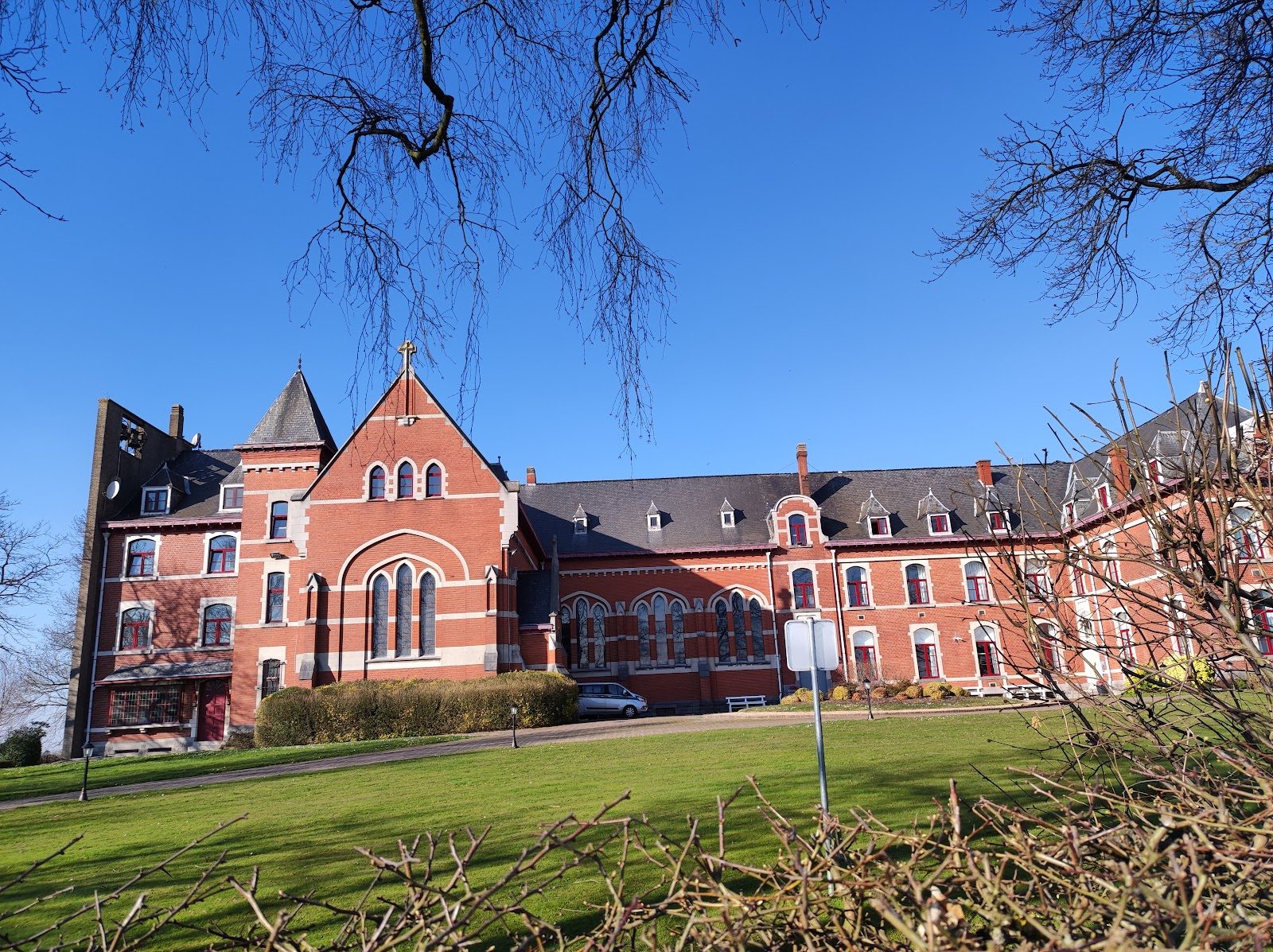
Musica Mundi School
Waterloo · Belgium
Inside a converted monastery near Brussels, Cambridge academics share the daily timetable with professional violin, cello and piano training.
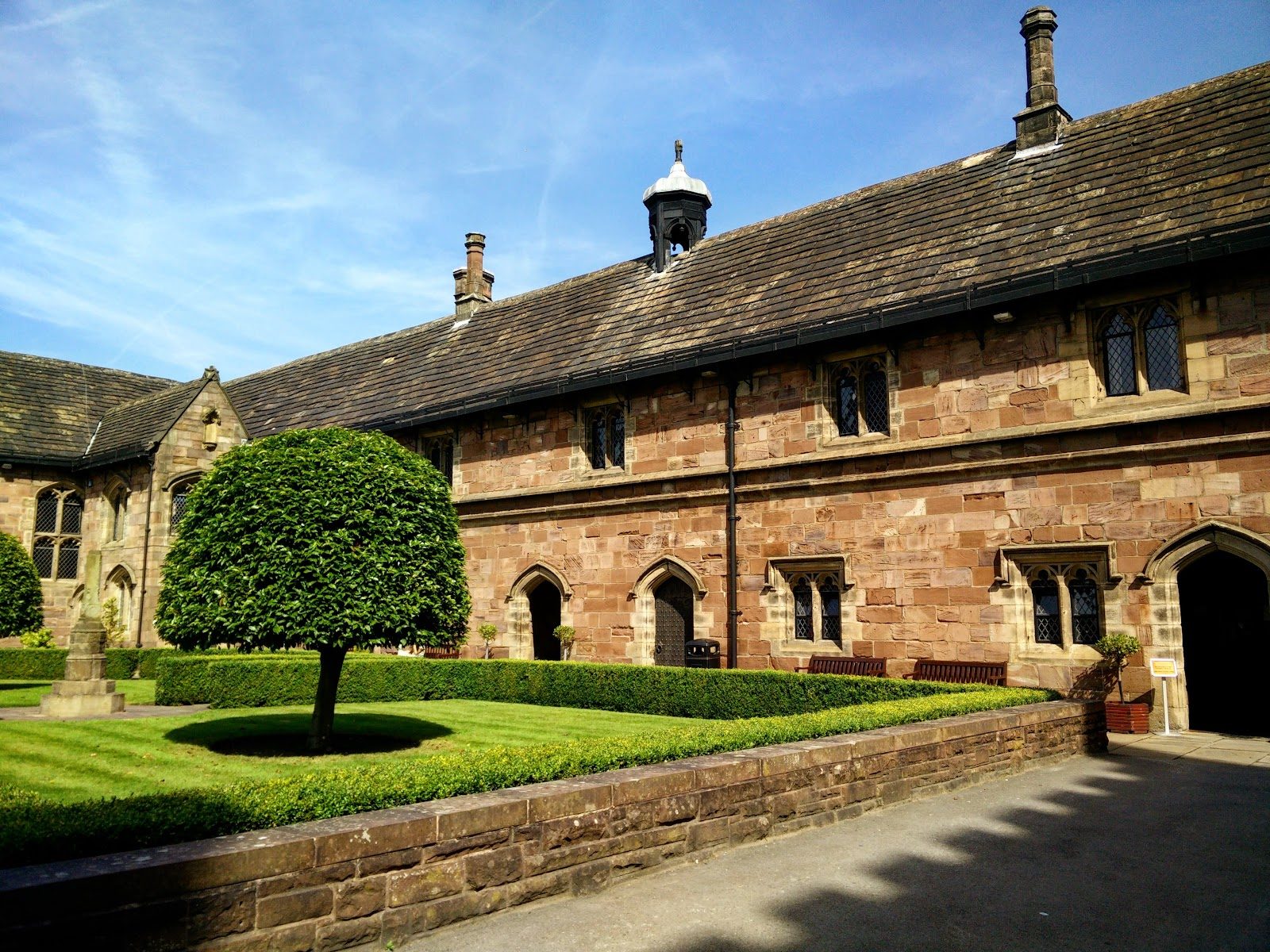
Chetham's School of Music
Manchester · United Kingdom
Set on a medieval site by Manchester Cathedral, entry here turns on musical audition, not fees, at the north's only specialist music school.
Same specialism, country and curriculum — closest matches within ±10 points either way