
Mutuelleville
Lycée Pierre Mendès France
low confidence· 4/6 cats · 1 avg sourcesSince 1956 in Mutuelleville, this AEFE lycee pairs the French Baccalaureate with an Arabic international OIB track.
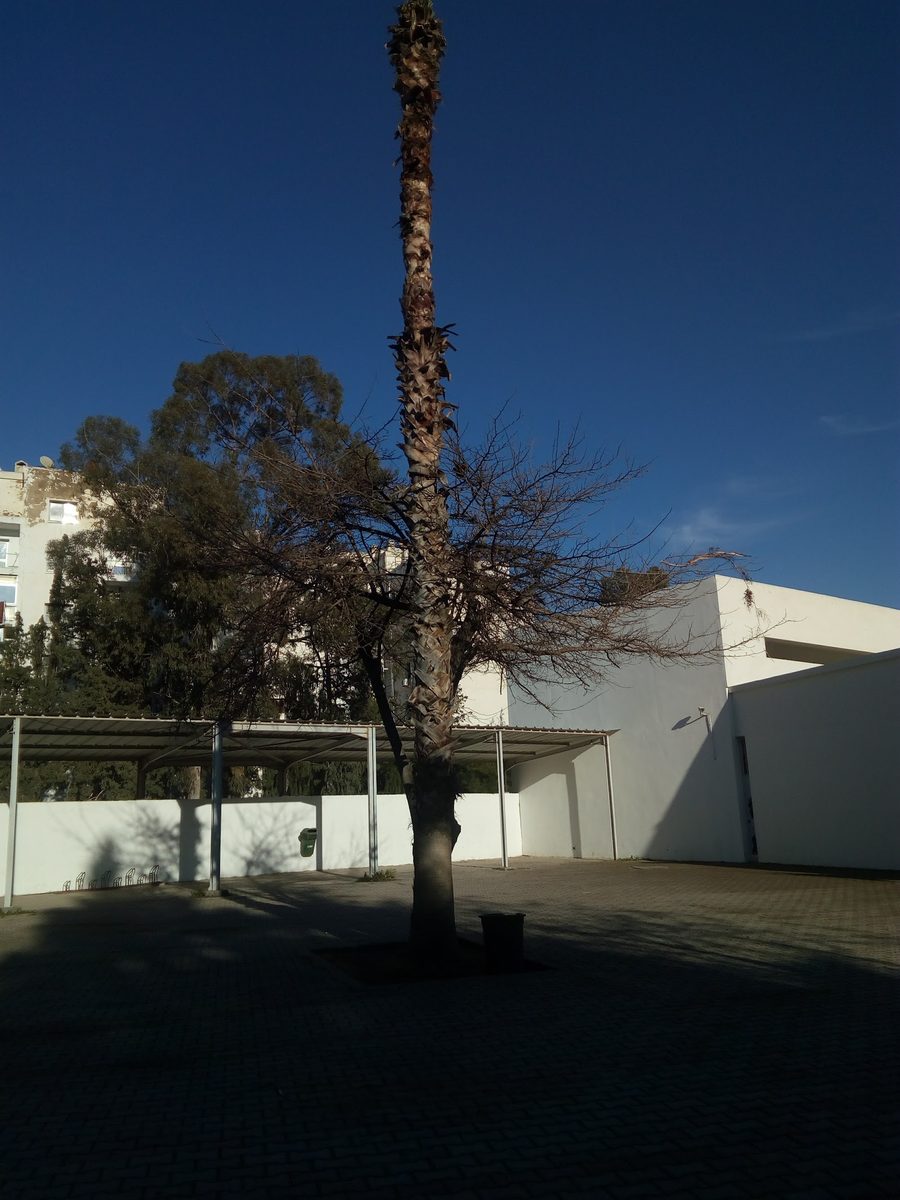
Photo © Elyes Ayadi via Google Maps
Type
Day
Ages
11–18
Curriculum
French Baccalaureate
Qualifications
Brevet
Ratio
—
The Verdict
Editor's commitment
Right for
Families in Tunis who want the French Baccalaureate inside the AEFE network, with French, Arabic and English used across school life.
Wrong for
Parents seeking boarding, a faith-based ethos or schooling below age 11; Lycée Pierre Mendès France is a non-religious day school for 11–18.
Watch out for
The average annual day fee is 12,598 TND, but the school publishes no public data here on results, destinations or cohort size.
Ranking breakdown
Lycée Pierre Mendès France · #1359 of 1591
Composite score 53.6. 8 weighted criteria.
By criterion
Academic Outcomes
Weight 20%
#1299
of 1529 scored
University Placement
Weight 16%
#1313
of 1529 scored
Prestige & Heritage
Weight 12%
#1357
of 1571 scored
Alumni Network
Weight 12%
#995
of 1530 scored
Facilities
Weight 12%
#1422
of 1533 scored
Transparency & Communications
Weight 8%
#1370
of 1532 scored
Peer & Industry Review
Weight 10%
#1216
of 1548 scored
Admissions Selectivity & Demand
Weight 8%
#1156
of 1529 scored
Peer & Industry Review
How Lycée Pierre Mendès France is regarded in the sector
63
Respected · medium confidence
I could not identify at least two independent, third-party sources (e.g., Tatler, Good Schools Guide, specialist education press, expat forums) that substantively discuss Lycée Pierre Mendès France in Tunis. Without such corroborating evidence, a reliable reputation score cannot be established.
Editors' overview
Lycée Pierre Mendès France sits in Mutuelleville and has done so since 1955, which matters: this is an established French lycee in Tunis, not a recent international entrant borrowing the language of rigour. It runs as a day school for ages 11 to 18, teaches in French with Arabic and English in the mix, and works within the French Baccalaureate framework under AEFE and Homologué status. The distinctive feature is the Arabic international OIB track attached to that French academic spine. For parents who want a school anchored in the French system without cutting students off from serious Arabic study, that is the point of difference and a genuinely useful one.
The market position is clear. This is a French state-network style school abroad, not an Anglo-international all-rounder and not a boutique school selling small-class intimacy or lavish facilities. Families choosing it are buying academic structure, curricular continuity and a route through to the French Baccalaureate, with the added attraction of Arabic internationalisation. The average annual day fee is 12,598 TND, which places it in an accessible bracket for an overseas French lycee of this type. That fee point strengthens its appeal to families who want a serious academic offer without the premium pricing attached to many private international schools.
It belongs on a shortlist for parents who value intellectual discipline, a recognisable French educational culture and formal bilingual or trilingual exposure. It suits students who are comfortable in a structured system, can handle the demands of French-medium secondary education, and will benefit from the OIB’s added Arabic dimension. It is a strong fit for Franco-Tunisian families, French expatriates, and internationally minded local families who want public-system French credentials with stronger regional relevance. It is a weaker fit for children who need a broad menu of curriculum pathways, a softly progressive classroom culture, or the looser atmosphere of an English-medium international school. In plain terms, this is for the academically committed, not the path-of-least-resistance crowd.
Academic Performance
Academic transparency is the weak point. We have not seen published aggregate French Baccalaureate results, no school-level pass rate, no mention of honours distribution, and no destination data that would let parents place Lycée Pierre Mendès France cleanly against stronger-reporting French lycées in the region. That matters. In a system where selective schools and high-performing AEFE institutions often use exam outcomes to signal standards, the absence of those figures leaves a conspicuous gap. Parents can infer a demanding academic culture from the school’s structure and from the presence of the Arabic OIB route, which adds intellectual load rather than reducing it, but inference is not data. On performance disclosure, the school is opaque.
Relative to peers, that puts it at a disadvantage against French international schools that publish clear Bac results and distinctions year by year. The school still carries the credibility of a formal French overseas framework and a long-established academic identity, which gives it a serious baseline; it does not read like a lightweight operator. But without hard outcomes, there is no basis for calling it a top-results school, an average-results school, or a turnaround story. The prudent conclusion is simple: treat it as an institution with a credible academic proposition and no public results record robust enough for comparative ranking. Parents who care about sixth-form outcomes need to ask for recent Bac pass rates, mentions, and post-school destinations before committing.
Facilities
Facilities are the least documented part of this school’s public profile, and that limits any hard verdict. We have not seen a published campus inventory, specialist-centre list, theatre specification, sports build-out, or the kind of virtual tour that stronger communicators now provide as standard. That absence matters because peers in the French international market often spell out their science labs, arts rooms, libraries, indoor sport, and technology provision in detail. Here, parents do not get that clarity. The school reads as a function-first institution: a place built around teaching and academic routine rather than a facility-led sales pitch. At an average annual fee of 12,598 TND, that balance is not surprising, but it still leaves a real information gap.
Against peer schools, the key question is not whether the site has the basics; it is whether it offers the depth of specialist provision that older students need in the sciences, arts and sport. Premium international competitors now use facilities as a statement of ambition. This school does not. That does not mean weak provision; it means opaque provision. For some families, that is acceptable if the priority is academic structure over campus theatre. For others, especially those comparing laboratories, performance space or athletics infrastructure across schools, it is a handicap. The sensible conclusion is blunt: treat the facilities as serviceable until proved otherwise, and ask for a direct campus visit before making any serious judgement.
That gives Lycée Pierre Mendès France more standing than a newer private international school still trying to establish academic credibility
Prestige
The prestige here is real but bounded. Within the French overseas-school world, an AEFE lycee with a long local footing carries institutional weight: parents know what it is, universities know what it is, and families moving through the francophone system know how to read it. That gives Lycée Pierre Mendès France more standing than a newer private international school still trying to establish academic credibility. The fee level — an average of 12,598 TND a year — also matters in an unfashionable but important way: this is not prestige built on price inflation, marble foyers or boutique scarcity. It is prestige built on belonging to a recognised public-system tradition abroad. The Arabic international track adds a serious intellectual edge and lifts it above the standard template of a French lycee serving expatriate continuity alone.
That said, this is not elite glamour. It does not carry the aura of the most internationally famous Parisian names, and the school’s weak public reporting on outcomes limits how far prestige can travel beyond families already fluent in the French system. Prestige without published results has a ceiling. The school still holds substantial cultural capital in its own lane: for Franco-Tunisian families, French expatriates, and parents who value a disciplined academic identity over Anglo-brand polish, the name has force. Our rating sits in the upper-middle tier: respected, established and credibly demanding, but not a school with indisputable top-table status.
The distinctive feature is the Arabic international OIB track attached to that French academic spine
Communications
Parent communication is hard to rate highly because the public-facing picture is thin. The school has a website and the essentials are there, but not with the depth or discipline that strong communicators now treat as basic. We have not seen a clear stream of news, a robust archive of parent-facing updates, or the kind of detailed explanatory pages that help families understand daily school life before they are already inside it. That leaves outsiders with a patchy view of how the school speaks to its community. For a secondary school covering 11–18, that matters: parents need clarity not only on admissions and calendars, but on assessment rhythms, student support, university guidance and how issues are escalated. On public communication, the school is serviceable rather than sharp.
That does not mean internal communication is weak; it means the school does not publish enough to prove it is strong. Established institutions can fall into a closed-door habit: current families know the routines, while prospective ones get only the outline. The result is a communications model built more for an existing community than for scrutiny. Some parents will tolerate that if they value institutional solidity over polish. Others will read it as a warning sign, because opaque outward communication often tracks with slower responses, less transparency and a take-us-as-we-are stance. Before enrolment, ask to see parent circulars, reporting calendars and examples of routine home-school messaging. Without that, communications remain a live question mark.
Uniqueness
What marks this school out is not novelty but combination. In Tunis, plenty of schools offer French academic continuity and plenty treat Arabic as part of local life; far fewer bind the two into a single high-demand academic proposition. The Arabic international OIB strand is the point. It asks students to do more than keep a functional second language ticking over. It pushes them towards literary, cultural and analytical command in Arabic alongside the main academic programme, which gives the school a sharper regional relevance than a standard French overseas lycée. For Franco-Tunisian families, and for students who will live between francophone and Arab worlds, that matters more than glossy extras or imported branding. The fee level — 12,598 TND on average across the school — also makes that proposition strikingly attainable.
What students gain is substance, not theatre. They leave with a schooling experience that treats Arabic as an intellectual subject, not a token local add-on, while keeping them inside a recognised French route to university. That combination builds serious linguistic range, stronger cultural literacy, and a habit of working across more than one frame of reference. It also raises the academic temperature: this is not the easy version of bilingual schooling, and students who thrive here need stamina as well as aptitude. For the right child, that yields a more grounded form of internationalism than the standard English-medium global-school template.
But without hard outcomes, there is no basis for calling it a top-results school, an average-results school, or a turnaround story
Student Profile
The best fit is a student who works well inside a rule-bound academic culture and does not need constant hand-holding to stay on track. This school suits children who can cope with formal expectations, steady written work and the cumulative pressure that builds across the secondary years. It will reward intellectual stamina more than charm, and consistency more than flashes of brilliance followed by drift. The strongest candidates are students already comfortable moving between linguistic worlds, or families ready to commit to that demand in earnest. For them, the school offers a serious bicultural education at an average annual fee of 12,598 TND, without the social packaging and lifestyle extras that drive up costs elsewhere.
The weaker fit is just as clear. Children who need a softly managed environment, extensive pastoral signalling, or a broad menu of alternative academic routes will find the culture narrow. So will students who want school to feel socially loose, highly personalised or organised around confidence-building first and academic pressure second. This is a place for self-command, for pupils who can take correction without drama and who understand that effort is the baseline, not the exception. In social terms, expect a mix shaped by families who value educational substance over display: ambitious, disciplined and comfortable with standards that are not for the faint-hearted.
Our rating sits in the upper-middle tier: respected, established and credibly demanding, but not a school with indisputable top-table status
Co-curricular strengths
Arts & sport, on a separate axis
Overall 7.42/10
Scored 0-10 from the school's own published evidence. This axis is editorial-only — it does not feed the main WTS ranking.
Sports
7.3/10
Drama
7.6/10
Dance
7.5/10
Music
7.3/10
Visual Arts
7.4/10
Editor first-pass · editor-reviewable · 7/30/2026
Strengths
- +Follows the official French national curriculum, culminating in the French Baccalaureate, which is recognised for direct entry to universities in France and many other countries.
- +Located in Tunis, the school serves French and international families as part of the wider network of French curriculum schools operating in Tunisia.
- +A day-school structure keeps the institution embedded in family and community life rather than requiring boarding, which suits expatriate postings of varying length.
- +The French Baccalaureate pathway offers a well-defined, internationally portable qualification with established equivalencies across French-speaking and European university systems.
- +Operating under the French curriculum framework means academic standards, textbooks and exam structures are centrally set rather than locally improvised.
Considerations
- −Public verifiable data on this specific school's examination pass rates, class sizes, fee schedule and staff qualifications is limited, making independent comparison difficult for prospective families.
- −As a French-curriculum school, instruction is conducted primarily in French, which can disadvantage families without prior French-language exposure, particularly at secondary level.
- −The school's editorial rank (1292) and 'candidate' tier status indicate it has not yet been extensively benchmarked against peer international schools in the region.
- −Families seeking an English-medium or IB pathway will need to look elsewhere, as the curriculum is fixed to the French national system with no dual-track option confirmed.
Availability
Primary entry gate & tests
Academic Record
Gallery
Photo © Mohamed Bdioui via Google Maps
Photo © Mehdi Belkaaloul via Google Maps
Photo © sara ben mustapha via Google Maps
Photo © Iyed Taboui via Google Maps
Photo © Rabia Abidi via Google Maps
Parent reviews
Have you sent your child here?
Voice reviews carry the strongest trust badge — we transcribe them for you to tidy up before they go live. Prefer to type? A written review is fine too.
Add your voice
In 60 seconds, tell other parents: what's the best thing about Lycée Pierre Mendès France, and what surprised you when your child joined?
We ask for a Google sign-in so every review has a real face behind it — no anonymous drive-by attacks on schools, and no faked positive reviews. Your email is never shown publicly.
Send this profile to a friend
International parents rely on word-of-mouth. Share this review with someone weighing the same decision.
Schools with places
Similar schools to Lycée Pierre Mendès France with places available now.
Lycée Libanais Francophone Privé
Dubai · United Arab Emirates
- 2026-27
- PLACES OPENApps open / space-dependent
- 2027-28
- WAITPOOL2027/28 timetable TBC
Bilingual French International School Dubai
Dubai · United Arab Emirates
- 2026-27
- PLACES OPENApps open / space-dependent
- 2027-28
- WAITPOOL2027/28 timetable TBC
École Alsacienne
Paris · France
- 2026-27
- CLOSEDStandard route
- 2027-28
- OPENS SOONOpens Sept/Oct '26
The British School of Paris
Paris · France
- 2026-27
- WAITPOOLSpace-dependent
- 2027-28
- PLACES OPENRolling
Availability first, then country, area, curriculum, price, co-curricular
Consider also
Also worth looking at alongside Lycée Pierre Mendès France.
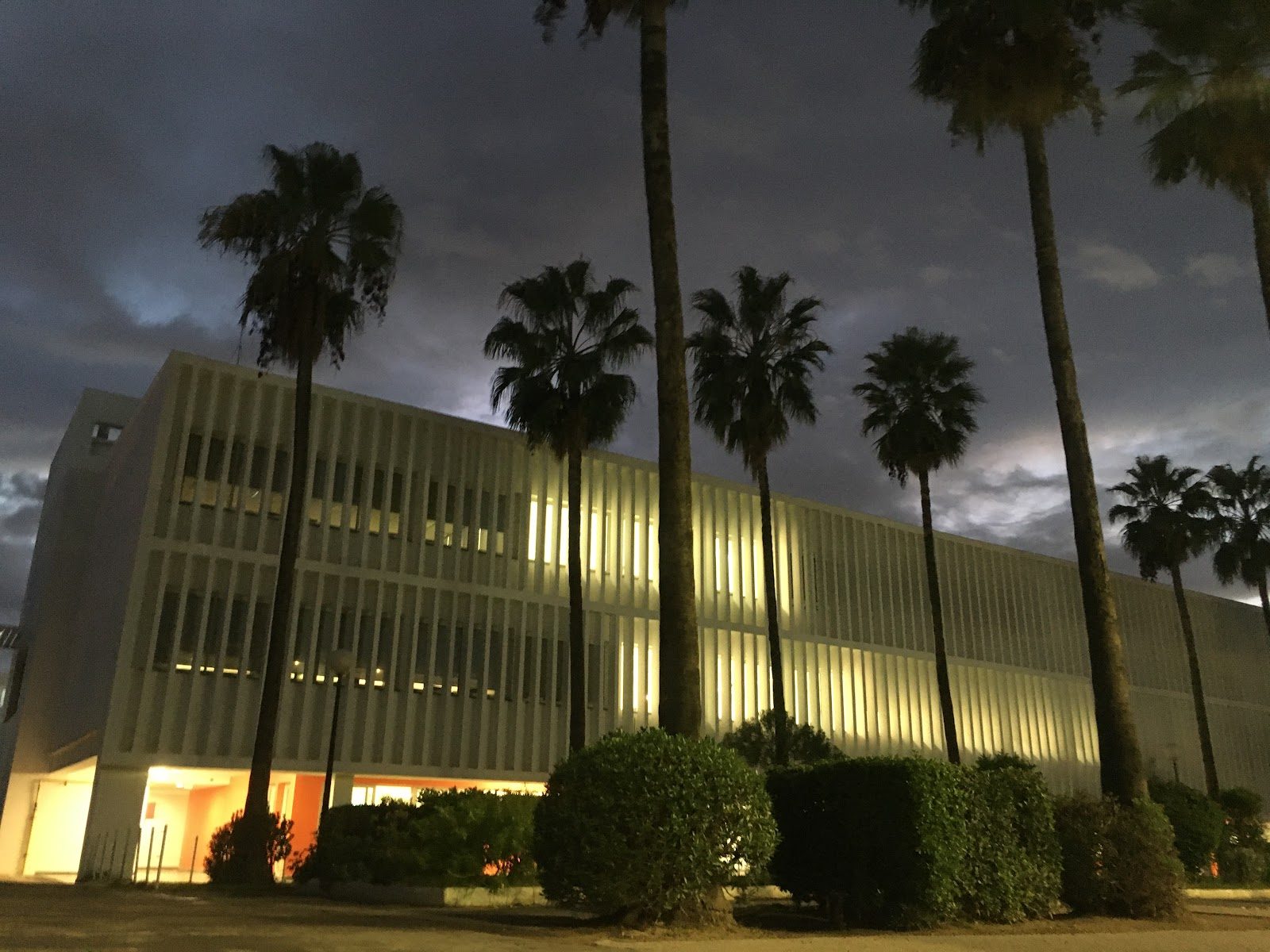
Lycée Gustave Flaubert
La Marsa · Tunisia
A five-hectare Mediterranean garden campus near Tunis, where AEFE's French Baccalaureate meets a genuinely mixed Franco-Tunisian student body.
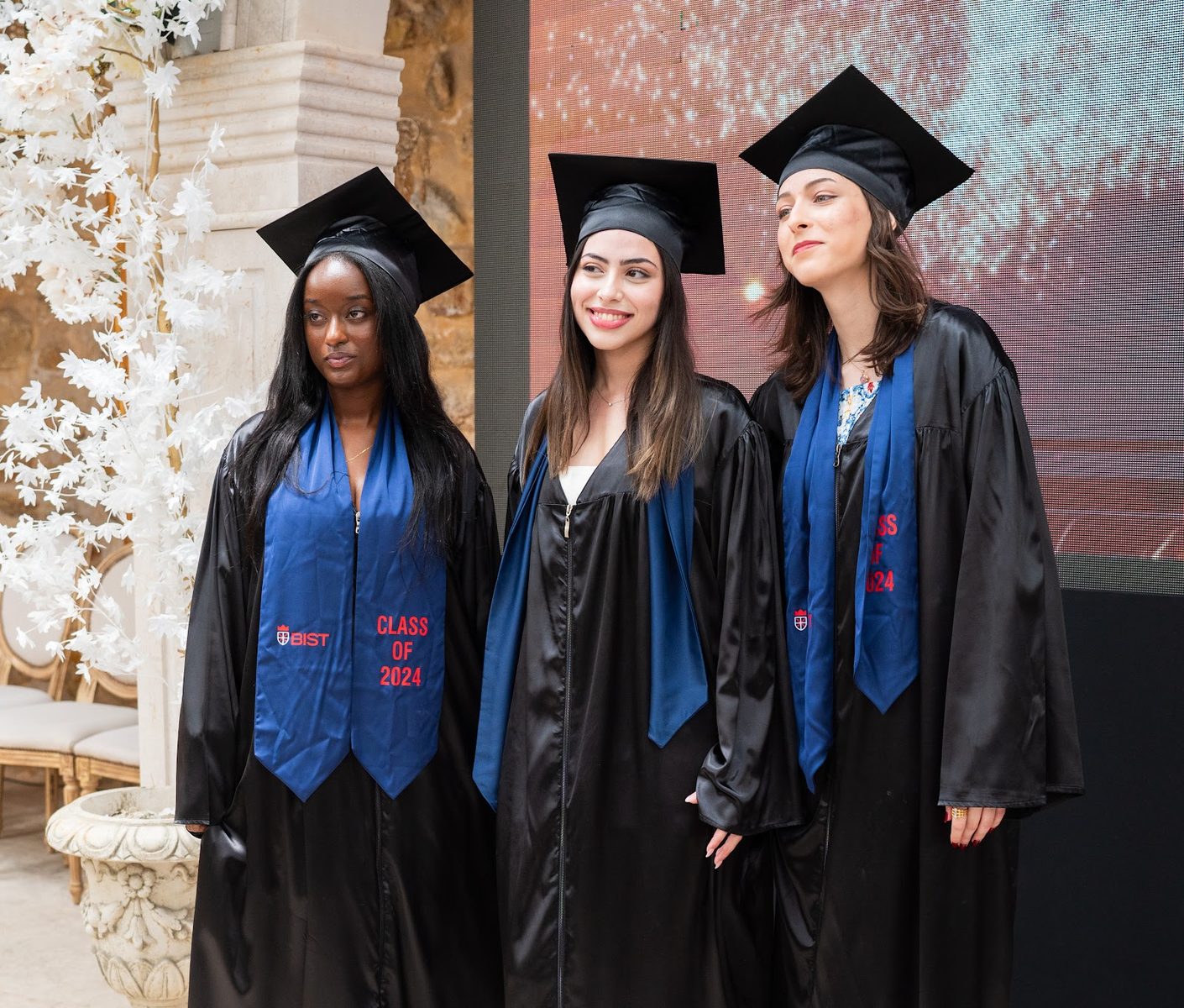
British International School of Tunis
Tunis · Tunisia
House names spanning Boudicca to Hannibal frame a British curriculum steps from ancient Carthage's ruins.
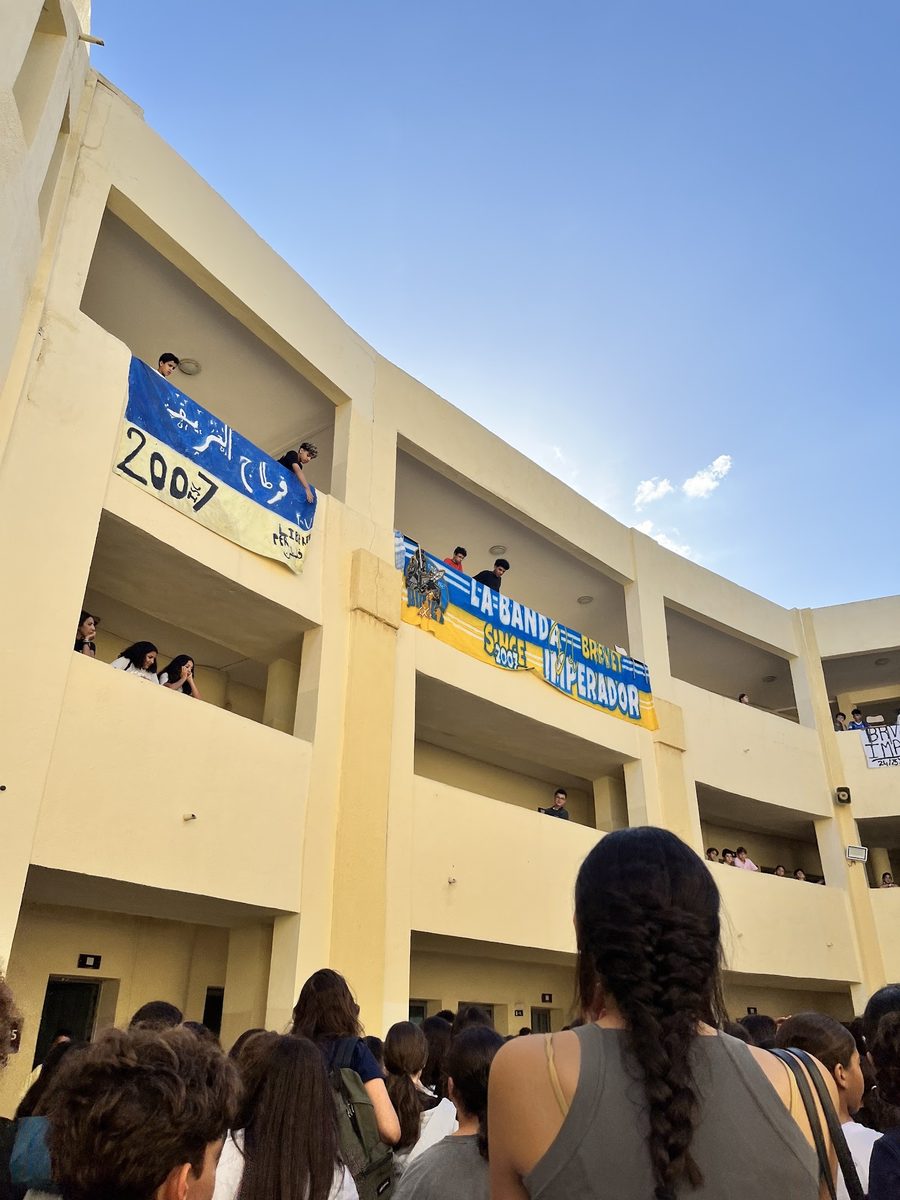
International School of Carthage
Carthage · Tunisia
In the shadow of Carthage's ruins, an American-IB day school built its own tradition of blue-and-yellow school pride from scratch.
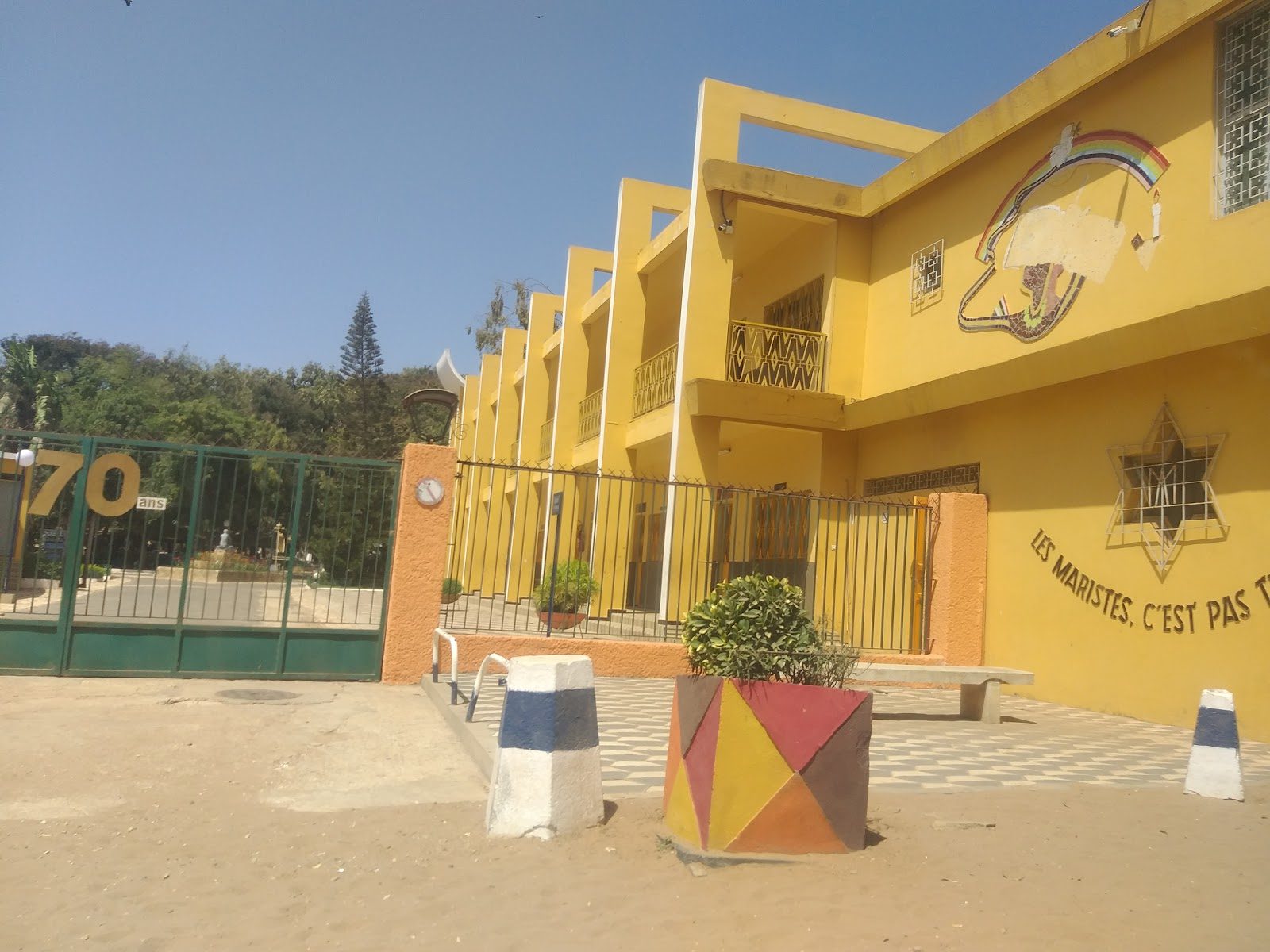
Cours Sainte-Marie de Hann
Dakar · Senegal
A Marist compound in Hann where a Muslim-majority student body earned Senegal's first UNESCO Prize for Peace Education
Same country and curriculum — closest matches within ±10 points either way