
El Menzah
British International School of Tunis
low confidence· 4/6 cats · 1 avg sourcesHouse names spanning Boudicca to Hannibal frame a British curriculum steps from ancient Carthage's ruins.
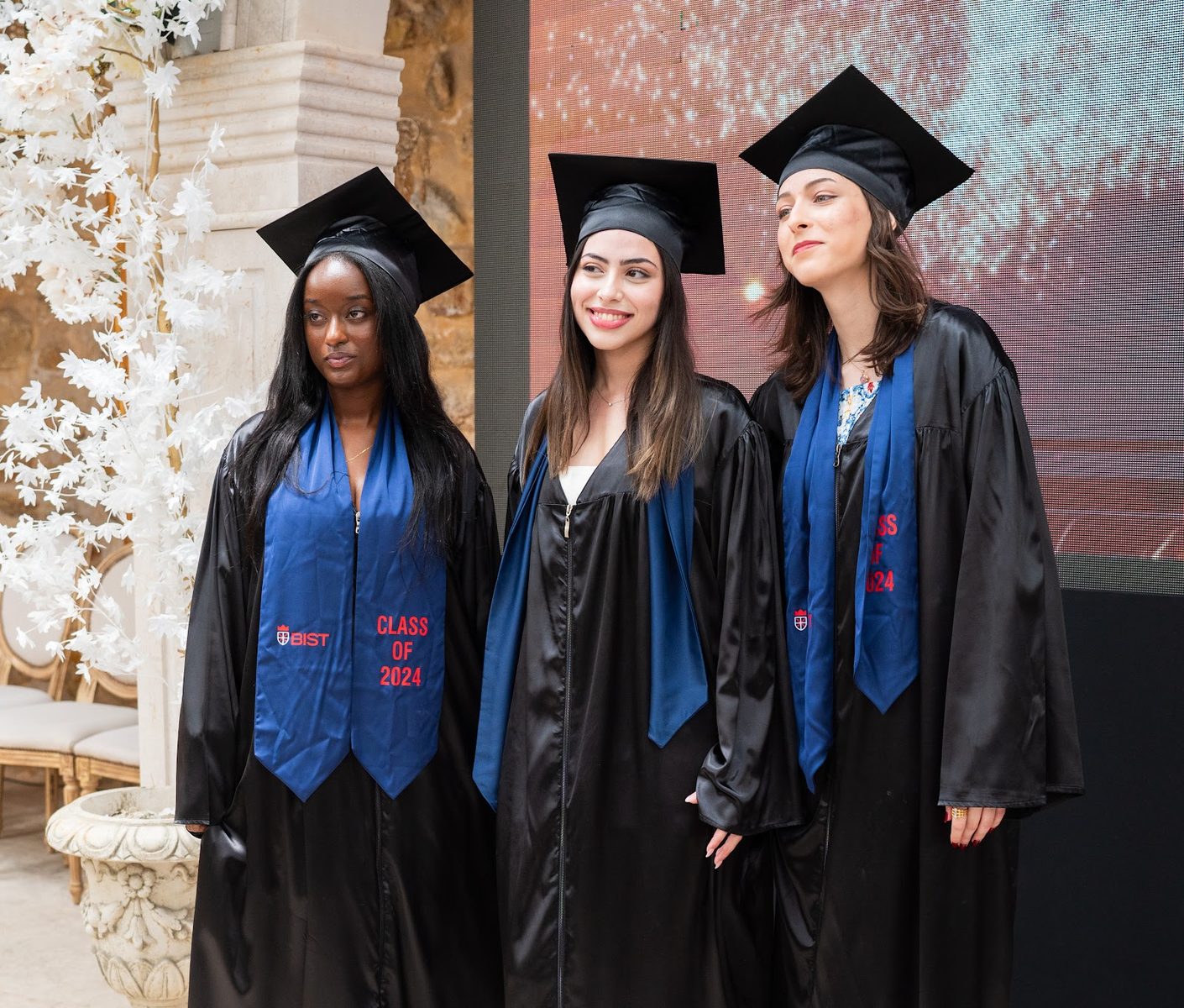
Photo © Anis Ourabi via Google Maps
Type
Day
Ages
3–18
Curriculum
British
Qualifications
IGCSE · A-Level
Ratio
—
The Verdict
Editor's commitment
Right for
Families wanting a small English-medium day school in Tunis: about 250 pupils, ages 3–18, on a declared British curriculum.
Wrong for
Anyone demanding breadth, boarding or a long-proven sixth form; this day school only opened sixth form in 2020.
Watch out for
Accreditations are a mixed bag: BSO and Cambridge International in the listing, COBIS and IAPS on Wikipedia — verify current status.
Ranking breakdown
British International School of Tunis · #1344 of 1591
Composite score 53.9. 8 weighted criteria.
By criterion
Academic Outcomes
Weight 20%
#1299
of 1529 scored
University Placement
Weight 16%
#1300
of 1529 scored
Prestige & Heritage
Weight 12%
#1373
of 1571 scored
Alumni Network
Weight 12%
#1013
of 1530 scored
Facilities
Weight 12%
#1314
of 1533 scored
Transparency & Communications
Weight 8%
#1309
of 1532 scored
Peer & Industry Review
Weight 10%
#1353
of 1548 scored
Admissions Selectivity & Demand
Weight 8%
#1205
of 1529 scored
Peer & Industry Review
How British International School of Tunis is regarded in the sector
61
Respected · medium confidence
I could not identify at least two independent, credible third-party sources (e.g., Tatler, Good Schools Guide, expat forums with substantive discussion, or specialist education press) that specifically assess the British International School of Tunis's reputation. Available information is largely limited to school-provided materials or unverifiable directory listings.
Editors' overview
British International School of Tunis occupies a narrow but valuable niche: a small, English-medium British day school in greater Tunis, with classes from age 3 to 18 and a sixth form added only in 2020. That matters. Families no longer need to treat the senior years as an afterthought or plan an exit at 16. The setting adds texture without turning into a gimmick: the school sits close to Carthage, and its house names — Boudicca, Hannibal, Cleopatra and Caesar — give the place a faint air of classical theatre and local-historical wit. This is not a sprawling mega-campus operation. At about 250 pupils, it is small, personal and exposed: strengths are visible, and gaps are harder to hide.
Its appeal rests on clarity and manageability. Parents who want a British curriculum in English, in a non-religious setting, without the scale and impersonality of a larger international school, will find a serious option here. BSO accreditation gives it weight; Cambridge International adds curricular legitimacy. The small roll cuts both ways. It allows for close adult oversight, easier relationship-building and a stronger chance that families know who is teaching their child. It also means a thinner peer set, fewer subject combinations in the sixth form, and less room for anonymity if a pupil wants to disappear into the crowd. That trade-off sits at the centre of the school’s market position.
What puts BIST on a shortlist is not spectacle. It is continuity, human scale and a straightforward proposition for internationally minded families in Tunis who want their children educated in English from nursery through school-leaving age. The school will suit pupils who thrive in a contained environment, value teacher attention and do not need the social mass or programme breadth of a giant embassy-style school. It will also suit families arriving from other British-system schools who want an easier academic landing. Pupils who crave a huge campus, a vast sports programme or endless subject choice will hit the limits of a 250-student school. Pupils who prefer a tighter community and clear pastoral visibility will get more from it.
Academic Performance
Academic transparency is thin. The school does not publish aggregate IGCSE or A level outcomes, subject-by-subject results, university destinations, value-added data or any year-on-year attainment trend. For parents trying to judge academic strength against British schools in the region, that is a real weakness. A sixth form added only recently also means there is less public track record at the top end than at longer-established British schools with settled post-16 cohorts and routine disclosure of leavers’ destinations. In this area, BIST asks families to trust the proposition more than the numbers. That is not enough for hard-nosed comparison.
Where does that leave it relative to peers? In academic terms, it sits in the opaque middle: credible because it operates within recognised British and Cambridge structures, but unproven in public because the headline evidence is missing. The school’s scale points to a narrower sixth-form offer than bigger competitors, which can affect subject choice, cohort depth and the texture of classroom competition. That does not preclude strong individual results; small schools can produce them. But without published outcomes, BIST does not earn a place among the data-secure academic leaders in the market. Parents who prioritise exam performance need to ask for the last 3 years of IGCSE and A level results, plus destination lists, before treating academic quality as established fact.
Facilities
Facilities are the area where the limits of a small school bite first. Parents should expect the essentials for daily teaching and school life, not the arms-race spectacle now common in larger international campuses. We have not seen a published inventory that sets out specialist assets in detail — no clear public breakdown of science labs, performing arts spaces, indoor sports provision, design technology, swimming or theatre infrastructure. That matters, because peer schools competing for expatriate families now spell this out room by room. At BIST, the physical offer reads as functional rather than expansive. For younger pupils and families who value containment over scale, that can work well. For older pupils with serious ambitions in competitive sport, technical subjects or production-heavy arts, it leaves obvious questions.
Against peers, the benchmark is straightforward: larger British international schools in North Africa and the Gulf tend to offer broader specialist provision, more dedicated senior facilities and stronger separation between primary and secondary spaces. BIST’s advantage lies elsewhere — a campus that is easier to navigate, less anonymous and less prone to the logistical sprawl that weakens supervision. Its weakness is breadth. The school’s roll of about 250 does not support the same range of venue types, equipment depth or extracurricular infrastructure as a bigger operation. Parents should ask directly for a campus tour focused on labs, libraries, sports areas and sixth-form study space. On facilities, this is a compact school with practical strengths, not a destination campus.
Nor does it give parents the level of routine public evidence that would mark it out as exceptionally open
Prestige
Prestige here is local and practical, not elite in the way parents use that word when they mean old networks, selective admissions and destination power. In Tunis, a British day school that carries recognised external oversight occupies a useful niche and commands respect among internationally mobile families who need continuity without diplomatic-compound scale. That gives BIST standing. It does not give it cachet on the level of the best-known British schools in Europe, the Gulf or Asia. The school’s estimated annual revenue of US$4.5 million and enrolment of about 250 pupils place it in the small-school bracket, which brings intimacy but not institutional heft. Prestige built on size, historic reputation, sporting renown or a vast alumni base is absent.
Why rate it this way? Because prestige in international education rests on three things: brand recognition, published outcomes and social pull. BIST has some recognition inside its market, but little beyond it. It has external markers of seriousness — BSO, Cambridge International, COBIS, IAPS, ISI inspection — and those matter. They tell parents the school sits inside legitimate British-sector structures, not on the fringes. But the school does not publish the academic and university-destination evidence that turns credible into coveted. Nor does a recently opened sixth form yet carry the settled aura of a long-established senior school. The result is respectable rather than rarefied: a sound choice with regional standing, not a prestige purchase.
Families no longer need to treat the senior years as an afterthought or plan an exit at 16
Communications
Parent communication looks competent but sparse in public. The school maintains a clean website with the core practicals families need: contact routes, admissions access and a basic sense of school structure. What it does not provide is the richer layer strong international schools now treat as standard — regular public news flow, detailed leadership messaging, a deep archive of school life, or hard academic reporting that answers parents’ biggest questions before they ask them. That gap matters because communication is not only about warmth; it is about disclosure. Here, the school gives a serviceable front door rather than a fully transparent window. In a school of about 250 pupils, direct parent access to staff and leaders carries more weight than polished public relations, and that personal channel is where BIST’s communication will stand or fall.
Effectiveness, then, depends less on branding than on responsiveness. A compact day school can communicate quickly, personally and with far less bureaucratic drag than a large international campus. That is an advantage. But small schools also need discipline: updates must be regular, expectations clear, and senior-school information handled with precision, especially now that post-16 provision is in place. BIST does not publish enough to count as communication-forward. Nor does it give parents the level of routine public evidence that would mark it out as exceptionally open. The verdict: solid for day-to-day contact, weaker on strategic transparency. Families who value communication should test it directly — send questions, ask for response times, and judge the school on the quality of the answers, not the tone of the prospectus.
Uniqueness
What distinguishes BIST is not grandeur but mix. Few schools in its market combine an English-medium British pathway with such a tight-knit scale and such a direct relationship to place. The classical house names are more than decorative whimsy: Boudicca sits beside Hannibal, Cleopatra beside Caesar, folding British school ritual into the Mediterranean and North African setting instead of importing a generic UK template unchanged. That gives the school a sharper local intelligence than many international schools manage. Pupils grow up in a community where the symbolism of school life nods both to Britain and to the civilisations around them. For families tired of placeless international education, that is a real point of difference.
The other distinctive feature is structural. With only about 250 pupils across the full age range, and a senior phase that reached completion only recently, BIST functions less like a layered institution and more like a single visible community. Children are known early, watched closely and carried through with unusual continuity. That brings benefits: easier transitions between phases, stronger staff knowledge of individual pupils, and less chance of younger children getting lost in the machinery of a large campus. It also shapes character. Pupils learn in a setting with nowhere to hide, where contribution is expected and visibility is built into daily life. For the right child, that produces confidence, accountability and a stronger sense of belonging than a bigger school can offer.
At about 250 pupils, it is small, personal and exposed: strengths are visible, and gaps are harder to hide
Student Profile
The pupil who fits best here is one who does well in a contained, visible school community. In a roll of about 250, children do not drift anonymously between departments, friendship groups or year cohorts. Staff know families; peers know one another; patterns of effort and behaviour get noticed fast. That suits pupils who benefit from routine, adult oversight and a school day with clear social edges. It also suits internationally mobile families who want continuity without the scale shock of a much larger campus. New joiners who are confident, courteous and willing to take part will settle faster than children who rely on a huge social field to find their niche.
The less natural fit is the child who wants reinvention through scale. This is not the place for pupils who need a vast friendship market, a broad spectrum of subject tribes or the protective anonymity that bigger schools provide. Senior students need a degree of self-possession: the sixth form is still a newer part of the school, and that gives the top end a less settled social texture than at long-established British schools. Families who value close pastoral contact, direct relationships with teachers and a no-hiding culture will get the best from BIST. Families chasing status competition, heavy social churn or a large-campus teenage scene will not.
BSO accreditation gives it weight; Cambridge International adds curricular legitimacy
Co-curricular strengths
Arts & sport, on a separate axis
Overall 6.9/10
Scored 0-10 from the school's own published evidence. This axis is editorial-only — it does not feed the main WTS ranking.
Sports
7.5/10
Drama
7.5/10
Dance
4.5/10
Music
7.5/10
Visual Arts
7.5/10
Editor first-pass · editor-reviewable · 7/30/2026
Strengths
- +Follows the English National Curriculum through to IGCSE and A-Level, giving families a recognisable British academic pathway while based in Tunisia.
- +Located in Tunis, it serves the expatriate and diplomatic community, offering an English-medium option in a country where French-curriculum schools dominate.
- +Small day-school setting typically allows closer staff-student ratios and more individualised attention than large international campuses.
- +Provides continuity for British and international families relocating from other English-curriculum schools, easing transition between postings.
- +Being English-curriculum in a Francophone-influenced education market gives it a distinct niche appeal for Anglophone families in Tunis.
Considerations
- −As a lower-profile school on the international circuit (editorial rank 1283), independently published performance data, inspection reports, and alumni outcomes are limited or not publicly available.
- −Tunis offers few alternative English-curriculum schools, meaning families have little competitive choice if BIST does not suit a child's needs.
- −Facilities, extracurricular breadth, and university placement records are not well documented publicly, making it hard to benchmark against larger international schools.
- −Being a single, standalone day school in a smaller expat market, it may lack the scale, sixth-form cohort size, or specialist subject options found at larger British schools abroad.
Availability
Primary entry gate & tests
Academic Record
Gallery
Photo © Anis Ourabi via Google Maps
Photo © Anis Ourabi via Google Maps
Photo © Anis Ourabi via Google Maps
Photo © Anis Ourabi via Google Maps
Photo © Anis Ourabi via Google Maps
Parent reviews
Have you sent your child here?
Voice reviews carry the strongest trust badge — we transcribe them for you to tidy up before they go live. Prefer to type? A written review is fine too.
Add your voice
In 60 seconds, tell other parents: what's the best thing about British International School of Tunis, and what surprised you when your child joined?
We ask for a Google sign-in so every review has a real face behind it — no anonymous drive-by attacks on schools, and no faked positive reviews. Your email is never shown publicly.
Send this profile to a friend
International parents rely on word-of-mouth. Share this review with someone weighing the same decision.
Schools with places
Similar schools to British International School of Tunis with places available now.
Collège du Léman
Versoix · Switzerland
- 2026-27
- WAITPOOLSpace-dependent
- 2027-28
- PLACES OPENRolling
Muscat International School
Muscat · Oman
- 2026-27
- PLACES OPENApps open / space-dependent
- 2027-28
- WAITPOOL2027/28 timetable TBC
Bishop Cotton School
Shimla · India
- 2026-27
- WAITPOOLSpace-dependent
- 2027-28
- PLACES OPENRolling
Millfield School
Street · United Kingdom
- 2026-27
- CLOSEDStandard route closed
- 2027-28
- PLACES OPEN11+ / 13+ / 16+ active
Availability first, then country, area, curriculum, price, co-curricular
Consider also
Also worth looking at alongside British International School of Tunis.
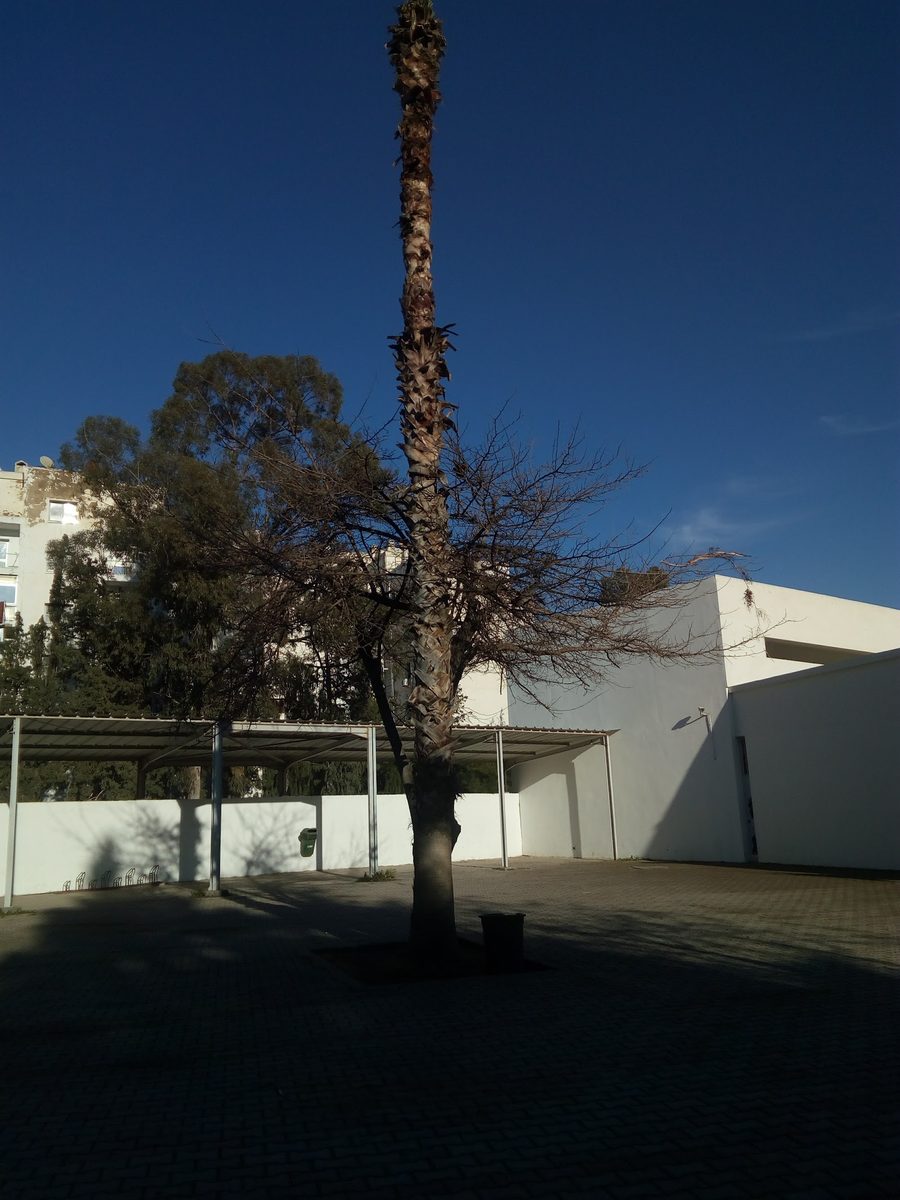
Lycée Pierre Mendès France
Tunis · Tunisia
Since 1956 in Mutuelleville, this AEFE lycee pairs the French Baccalaureate with an Arabic international OIB track.
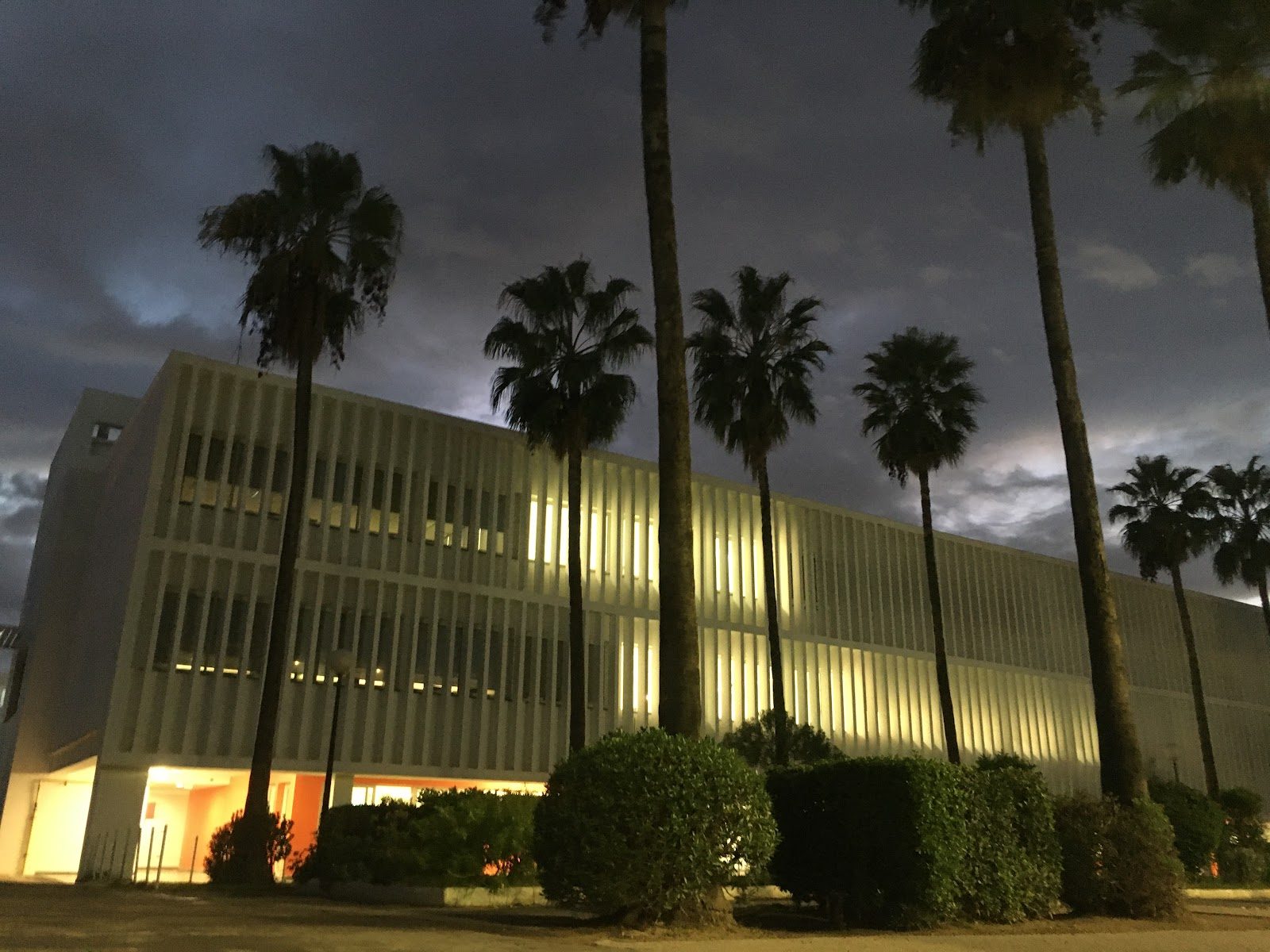
Lycée Gustave Flaubert
La Marsa · Tunisia
A five-hectare Mediterranean garden campus near Tunis, where AEFE's French Baccalaureate meets a genuinely mixed Franco-Tunisian student body.
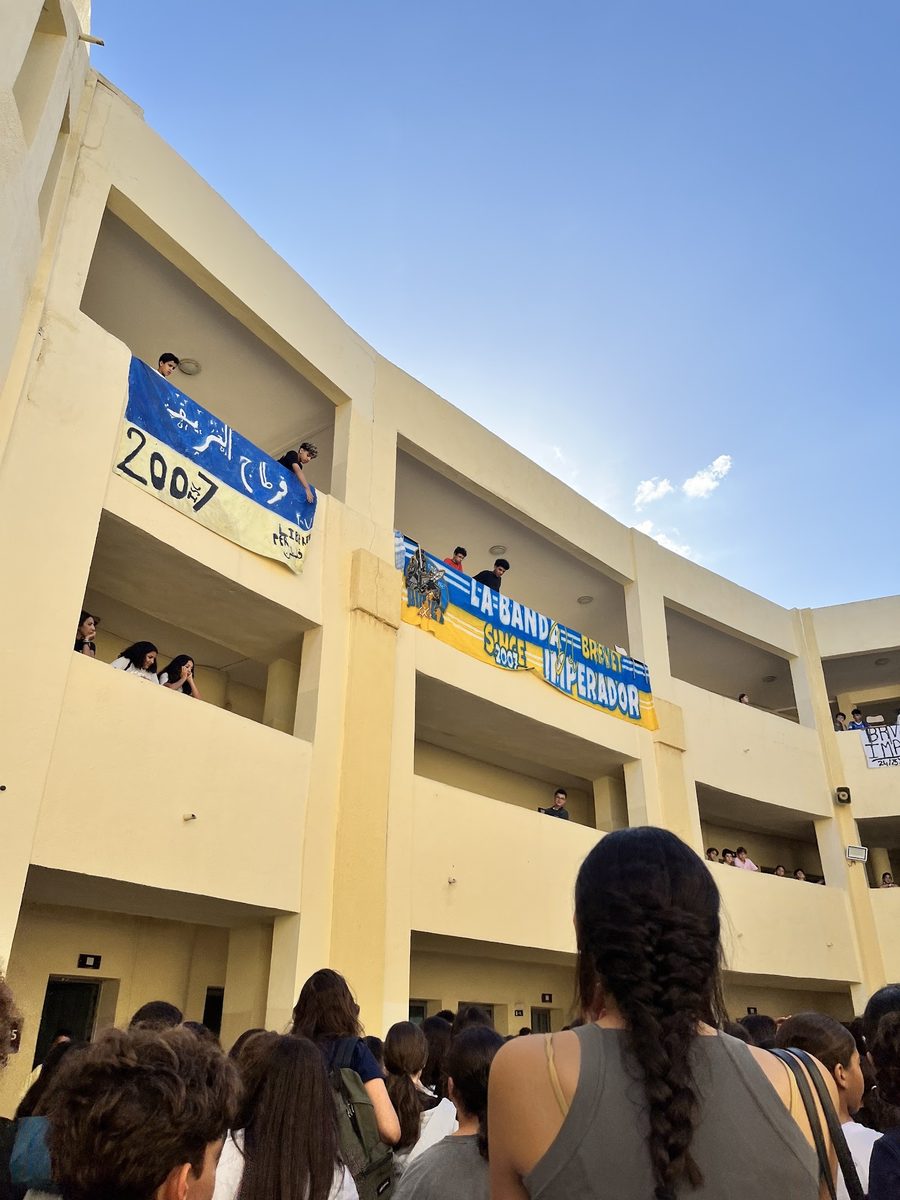
International School of Carthage
Carthage · Tunisia
In the shadow of Carthage's ruins, an American-IB day school built its own tradition of blue-and-yellow school pride from scratch.
New Zealand School Jakarta
Jakarta · Indonesia
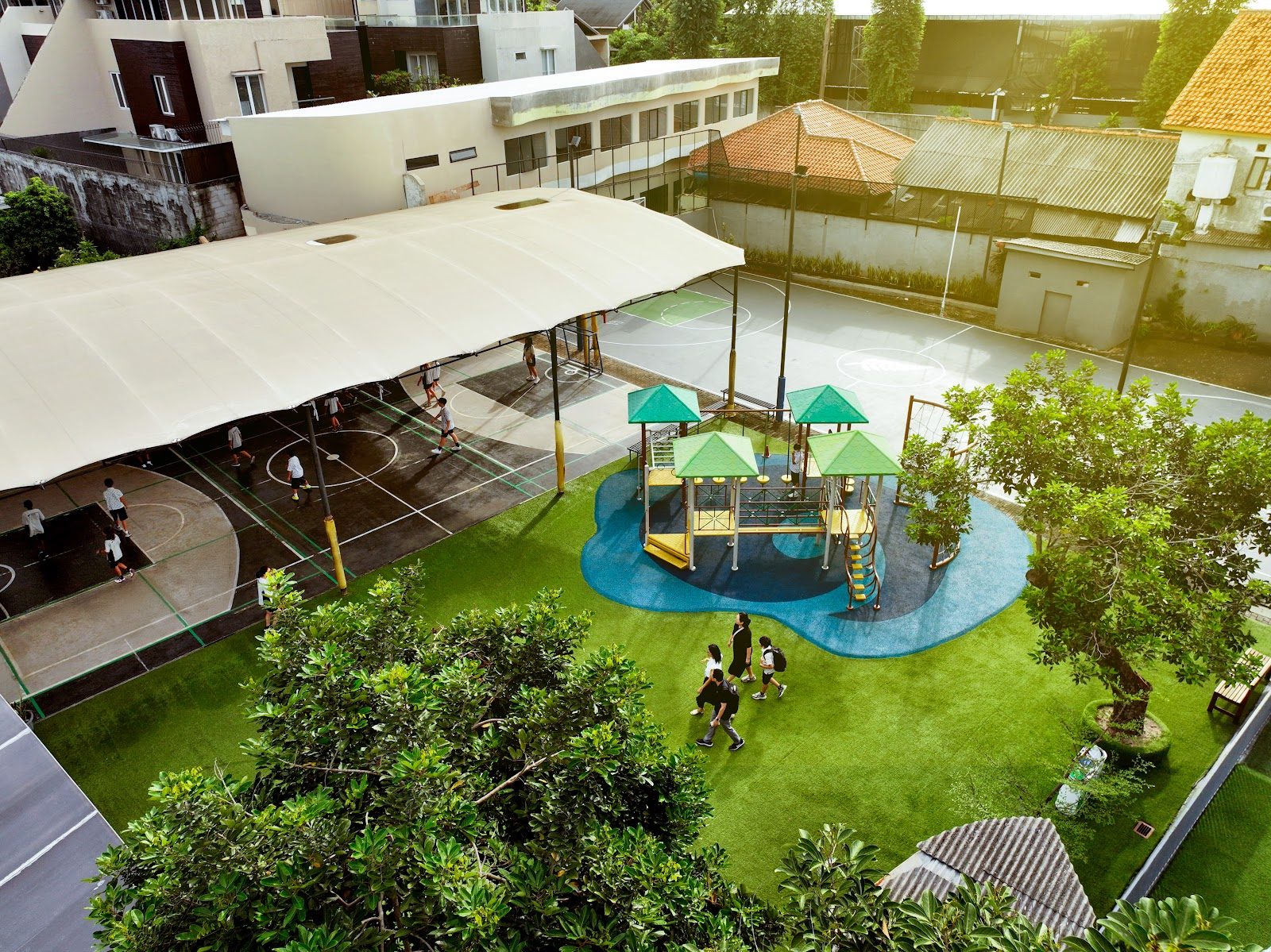
In Kemang, one of the few schools worldwide delivering New Zealand's own curriculum, pairing Maori-inspired houses with Cambridge rigour for secondary years.
Same country and curriculum — closest matches within ±10 points either way