
Gammarth
Lycée Gustave Flaubert
low confidence· 4/6 cats · 1 avg sourcesA five-hectare Mediterranean garden campus near Tunis, where AEFE's French Baccalaureate meets a genuinely mixed Franco-Tunisian student body.
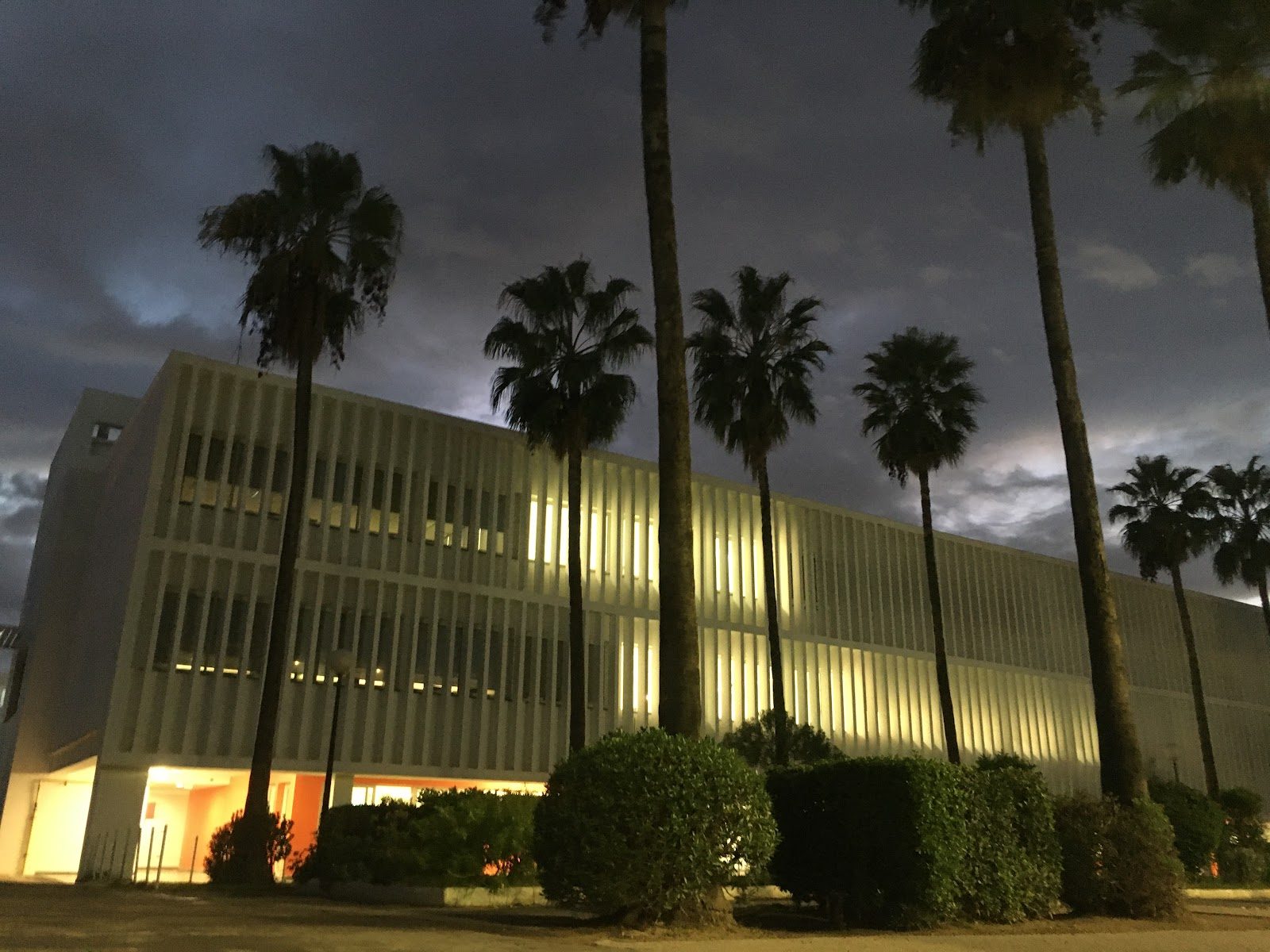
Photo © Adam via Google Maps
Type
Day
Ages
3–15
Curriculum
French Baccalaureate
Qualifications
Brevet
Ratio
—
The Verdict
Editor's commitment
Right for
Families in La Marsa wanting AEFE-backed French Baccalaureate teaching from ages 3–15, with French, Arabic and English in daily circulation.
Wrong for
Parents wanting boarding, sixth form or a non-French pathway; this is a day school in Tunisia and stops at age 15.
Watch out for
Founded in 1963 and homologué by AEFE, it carries French-system rigour; the school does not publish destination or exam data here.
Ranking breakdown
Lycée Gustave Flaubert · #1373 of 1591
Composite score 53.0. 8 weighted criteria.
By criterion
Academic Outcomes
Weight 20%
#1313
of 1529 scored
University Placement
Weight 16%
#1313
of 1529 scored
Prestige & Heritage
Weight 12%
#1373
of 1571 scored
Alumni Network
Weight 12%
#1013
of 1530 scored
Facilities
Weight 12%
#1422
of 1533 scored
Transparency & Communications
Weight 8%
#1370
of 1532 scored
Peer & Industry Review
Weight 10%
#1216
of 1548 scored
Admissions Selectivity & Demand
Weight 8%
#1205
of 1529 scored
Peer & Industry Review
How Lycée Gustave Flaubert is regarded in the sector
63
Respected · medium confidence
I could not identify at least two independent, verifiable third-party sources (e.g., Tatler, Good Schools Guide, expat forums, specialist press) that specifically assess Lycée Gustave Flaubert (La Marsa, Tunisia)'s reputation. Available information appears limited to general references or school-associated material, which does not meet the independent-evidence threshold.
Editors' overview
Lycée Gustave Flaubert occupies a distinctive niche in greater Tunis: a French state-linked school with AEFE status, a 5-hectare campus and a student body that is not trapped inside an expatriate bubble. For families who want the French system in Tunisia without the social narrowness that afflicts some international schools, that matters. The draw is not gimmickry. It is the combination of a French Baccalaureate pathway, instruction across French, Arabic and English, and a setting in La Marsa that gives the school a calm Mediterranean feel rather than an urban high-rise footprint. Founded in 1963, it has longevity, recognition and a clear institutional identity.
What puts it on a shortlist is the balance between cultural rootedness and international mobility. AEFE and homologué status give the school formal alignment with the French system; parents know what they are buying academically. Just as important, the Franco-Tunisian mix gives children daily contact with more than one social and linguistic world. That is a serious advantage for families who value real cultural fluency over the polished sameness of many global schools. The age range, 3–15, also tells its own story: this is not a full through-school to the end of secondary, so families need to think ahead about the next stage. For the right family, that is not a weakness; it is a clean, focused proposition covering the early and middle years well.
The school suits students who thrive in structured academics, who can handle the demands of the French curriculum, and who benefit from a multilingual environment rather than finding it socially noisy or disorienting. It will appeal to Franco-Tunisian families, French families abroad, and internationally minded local families who want a non-religious school with strong system coherence. It is less suited to parents chasing American-style breadth, heavy co-curricular spectacle or the status theatre of ultra-premium international brands. The attraction here is substance over display: a rooted campus, a serious national curriculum, and a community that offers a more grounded internationalism than many competitors.
Academic Performance
Academic performance is the weak point in the public picture. The school sits inside a system with clear external examinations, but for this campus we have not seen published aggregate pass rates, mention-level breakdowns or cohort trend data. That matters. In a French-system school, parents need more than institutional affiliation and general reputation; they need hard outcomes. Without published figures for the Diplôme National du Brevet or later-stage Baccalauréat results, it is impossible to place Lycée Gustave Flaubert cleanly against stronger French schools in North Africa or the more data-conscious international competitors in Tunis. The absence of published results does not prove weak outcomes, but it does leave a real transparency gap.
There is, however, one important qualification: this is not a full senior school on the age range listed here, so the external examination story is narrower than at through-schools. That shifts attention towards lower-secondary preparation, progression and the quality of transition at the next stage. On that front, the school’s French-system alignment gives families a structured academic track and a recognisable standard against which pupil progress can be judged internally. Even so, relative to peers, the school lands in the opaque middle ground: academically serious by design, but not publicly evidenced with the exam data that would justify a stronger claim. For exacting parents, that is a material limitation.
Facilities
Facilities are one of this school’s clear assets. The campus gives pupils room that many Tunis schools do not have, and the garden-like setting changes the daily experience in a meaningful way: more space between buildings, more shade, and more capacity for outdoor movement than on the compact urban sites common in the city. At 5 hectares, this is a large footprint for a day school serving children in the early and middle years. For parents, that matters less as postcard scenery than as practical educational infrastructure. Younger pupils benefit from safer circulation and dedicated outdoor play; older pupils benefit from a campus that does not feel cramped or improvised. Against peers, that places Lycée Gustave Flaubert ahead of many city-centre schools on raw site quality alone.
The limitation is specificity. The school’s public profile establishes the scale and setting of the campus, but not a detailed inventory of specialist provision. We have not seen clear published detail on science laboratories, performing arts spaces, sports facilities or design and technology rooms. That leaves a gap. Strong grounds are valuable, but they do not by themselves confirm a well-equipped programme across sport, arts and practical subjects. In peer comparison, the school wins on space and atmosphere; it does not yet match the best international campuses for disclosed, room-by-room facility detail. For families who prize outdoor environment and a calmer physical setting, that is enough. For families comparing hard infrastructure line by line, the school does not publish enough.
Against peers, that places Lycée Gustave Flaubert ahead of many city-centre schools on raw site quality alone
Prestige
Lycée Gustave Flaubert carries solid regional prestige, not elite glamour. Its standing rests on institutional seriousness and social credibility, not on luxury branding or headline-chasing university placements. In Tunis, that matters. A school tied into the French public-system orbit and serving children from the early years to the end of lower secondary occupies a recognisable, respectable tier for families who value continuity, order and a clear educational identity. The mixed local and French-facing intake strengthens that reputation: this is not a diplomatic enclave school trading on exclusivity, but a place with real social breadth and stronger local rootedness than many international competitors. That gives the name weight in the city, even if it does not carry the cachet of the most selective metropolitan lycées in France itself.
The limits are clear. Prestige here is earned rather than theatrical. The school does not project the aura of a top-flight global brand, and the public lack of hard attainment data caps how far any serious reviewer can push the claim. Parents can infer reliability from the school’s institutional framework; they cannot verify standout academic distinction from published outcomes. That puts Lycée Gustave Flaubert in the category of credible, established and trusted, but not rarefied. For many families, that is enough. For parents shopping for status first, or for a school whose reputation travels instantly beyond Tunisia, it is not.
Lycée Gustave Flaubert carries solid regional prestige, not elite glamour
Communications
Parent communication looks competent but thinly documented. The school runs the standard channels families expect from a French-system institution: a formal website, admissions contact points and a public-facing social media presence. That establishes basic accessibility. It does not establish excellence. We have not seen the kind of detailed parent-information architecture that marks out the best-run schools: clear calendars, routine academic reporting samples, published leadership updates, handbooks that answer practical questions before parents need to ask them, or a strong archive of news that shows the life of the school week by week. For a campus of 5 hectares serving children across multiple age phases, that absence matters. Parents need orderly, predictable communication, not just contactability.
The tone of the school’s public communication is institutional rather than polished, and that has two sides. On the positive side, it avoids the glossy evasiveness of many international-school marketing operations. On the negative side, it does not project a high-transparency culture. The missing academic data reinforces that judgement: schools that communicate well with parents publish outcomes, transitions and practical detail without being chased. Lycée Gustave Flaubert gives enough to function, but not enough to reassure the detail-oriented parent who wants to understand day-to-day school life in advance. In editorial terms, communication lands as serviceable rather than exemplary: clear enough for families already inclined towards the school, weaker for those making a hard comparison across the Tunis market.
Uniqueness
What sets Lycée Gustave Flaubert apart is not novelty but combination. Few schools in Tunisia unite the French state-linked system with a student body that cuts across expatriate and local lines in a way that feels socially real rather than curated. Children do not spend their school days inside an insulated international enclave; they grow up among classmates whose references, home lives and ambitions are more varied than in many premium foreign schools. That gives the school a sharper civic texture than competitors built around transient professional families. For students, the gain is concrete: stronger ease across different social settings, better day-to-day cultural literacy, and a more grounded sense of where they live.
The other distinctive feature is age and scale of purpose. This is not a sprawling all-through institution trying to be everything at once. It concentrates on the formative years, up to age 15, and does so on a campus that gives children room to move without the manufactured spectacle of resort-style international schools. That combination — system discipline, multilingual daily life and a setting with actual breathing space — produces a school that feels rooted rather than branded. Students get structure without social narrowness, and international exposure without the airless sameness that afflicts many schools selling cosmopolitanism as a product.
That puts Lycée Gustave Flaubert in the category of credible, established and trusted, but not rarefied
Student Profile
The best fit is a child who can live comfortably between worlds. This school suits pupils from Franco-Tunisian families, French families abroad and local families who want a school community that is neither socially narrow nor built around expatriate transience. Children who enjoy routine, accept clear expectations and do not need constant novelty will settle well. So will students who gain energy from a peer group with mixed reference points rather than one dominant social type. For many families, that mix is the school’s strongest human asset: it produces a more grounded crowd, with less international-school theatre and more day-to-day contact across backgrounds. The age span to 15 also makes it a good match for parents who want a *focused early-and-middle-years environment* rather than the pressures and posturing of an older teen campus.
The weaker fit is easy to identify. A child who needs an overtly progressive classroom culture, broad American-style choice, or a high-gloss co-curricular scene will find this offer too structured and too restrained. The same goes for students who struggle when identity, language and friendship groups are not socially simple; this is a more layered environment, and not every child enjoys that. It works best for families who value substance, stability and cultural fluency over prestige display. For the right pupil, that creates a serious, socially literate school experience. For the wrong one, it feels tight-framed and limiting.
Lycée Gustave Flaubert gives enough to function, but not enough to reassure the detail-oriented parent who wants to understand day-to-day school life in advance
Co-curricular strengths
Arts & sport, on a separate axis
Overall 6.7/10
Scored 0-10 from the school's own published evidence. This axis is editorial-only — it does not feed the main WTS ranking.
Sports
7.5/10
Drama
7.5/10
Dance
4.5/10
Music
7.5/10
Visual Arts
6.5/10
Editor first-pass · editor-reviewable · 7/30/2026
Strengths
- +Operates within the AEFE network (Agence pour l'enseignement francais a l'etranger), so the curriculum and exams align directly with metropolitan French standards.
- +Prepares students for the French Baccalaureate, a qualification giving direct, recognised access to French and other European universities.
- +Located in La Marsa, an established and relatively affluent northern suburb of Tunis with a long-standing Francophone expatriate presence.
- +As a day school it carries no boarding costs, keeping the overall fee structure lower than that of boarding schools in the region.
- +Continuity of the French system throughout the school years suits families who expect to move between AEFE schools internationally.
Considerations
- −Curriculum is exclusively the French Baccalaureate track, offering no IB or English-medium option for families uncertain of long-term destination.
- −Day-only format means families based outside greater Tunis or La Marsa face a daily commute with no boarding fallback.
- −Detailed public information on class sizes, recent inspection outcomes and fee schedules is limited, especially for non-French-speaking families researching from abroad.
- −Places at popular grade levels are understood to be competitive, favouring early application over late arrivals mid-year.
Availability
Primary entry gate & tests
Academic Record
Gallery
Photo © Rahma Rama via Google Maps
Photo © Fares Chaabouni via Google Maps
Photo © Guide Asdrubal FR TN via Google Maps
Photo © Rahma Rama via Google Maps
Photo © Adam via Google Maps
Parent reviews
Have you sent your child here?
Voice reviews carry the strongest trust badge — we transcribe them for you to tidy up before they go live. Prefer to type? A written review is fine too.
Add your voice
In 60 seconds, tell other parents: what's the best thing about Lycée Gustave Flaubert, and what surprised you when your child joined?
We ask for a Google sign-in so every review has a real face behind it — no anonymous drive-by attacks on schools, and no faked positive reviews. Your email is never shown publicly.
Send this profile to a friend
International parents rely on word-of-mouth. Share this review with someone weighing the same decision.
Schools with places
Similar schools to Lycée Gustave Flaubert with places available now.
Lycée Libanais Francophone Privé
Dubai · United Arab Emirates
- 2026-27
- PLACES OPENApps open / space-dependent
- 2027-28
- WAITPOOL2027/28 timetable TBC
Bilingual French International School Dubai
Dubai · United Arab Emirates
- 2026-27
- PLACES OPENApps open / space-dependent
- 2027-28
- WAITPOOL2027/28 timetable TBC
École Alsacienne
Paris · France
- 2026-27
- CLOSEDStandard route
- 2027-28
- OPENS SOONOpens Sept/Oct '26
The British School of Paris
Paris · France
- 2026-27
- WAITPOOLSpace-dependent
- 2027-28
- PLACES OPENRolling
Availability first, then country, area, curriculum, price, co-curricular
Consider also
Also worth looking at alongside Lycée Gustave Flaubert.
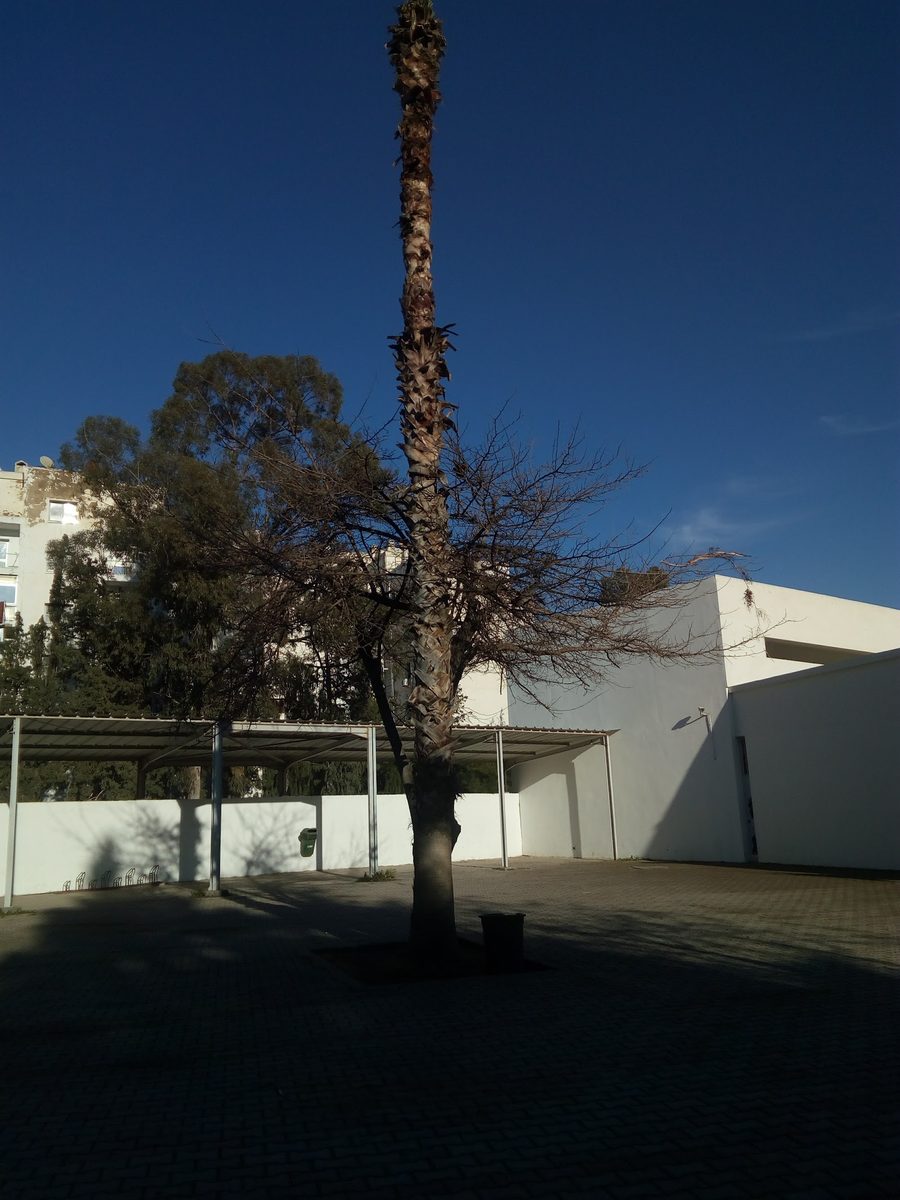
Lycée Pierre Mendès France
Tunis · Tunisia
Since 1956 in Mutuelleville, this AEFE lycee pairs the French Baccalaureate with an Arabic international OIB track.
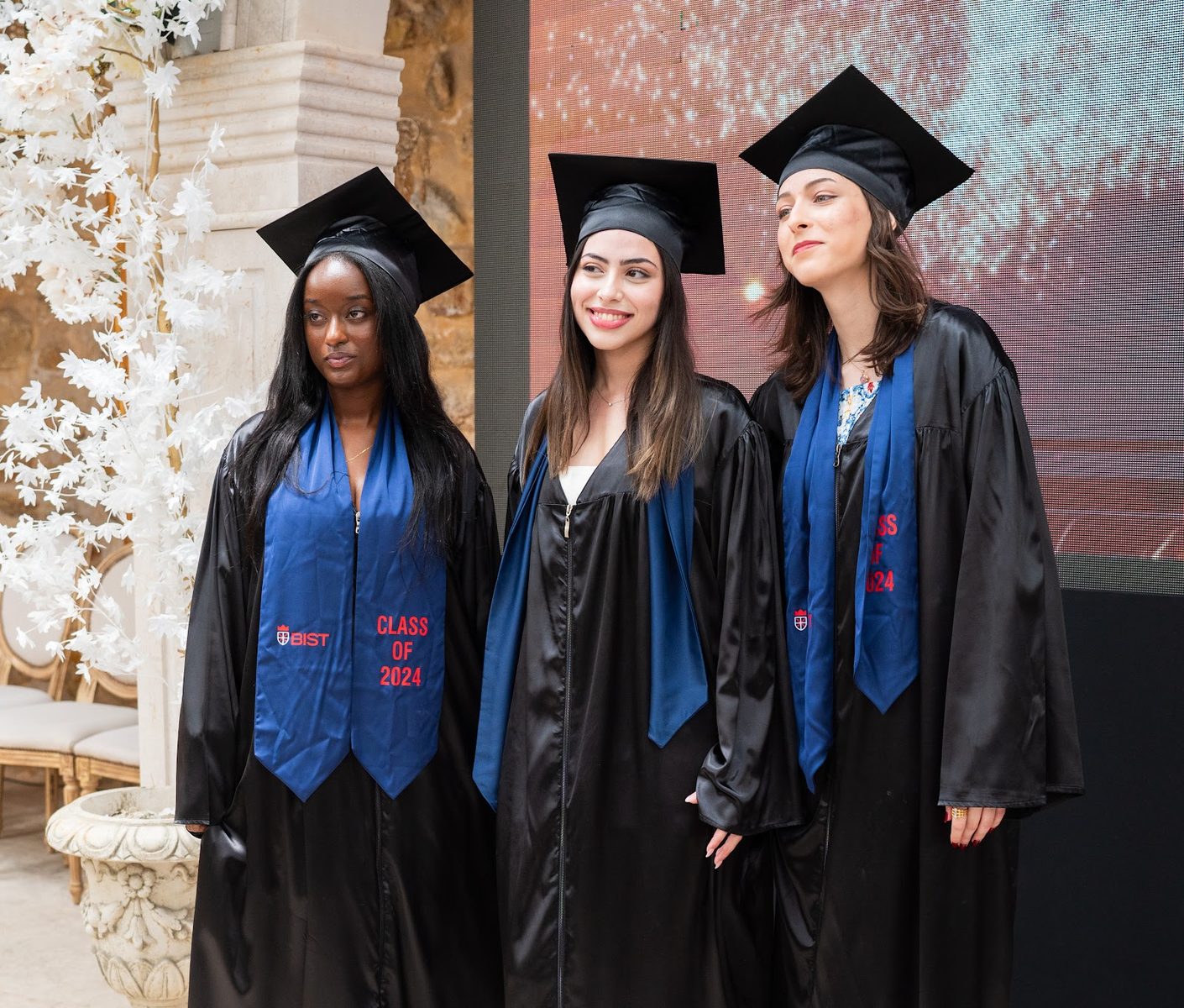
British International School of Tunis
Tunis · Tunisia
House names spanning Boudicca to Hannibal frame a British curriculum steps from ancient Carthage's ruins.
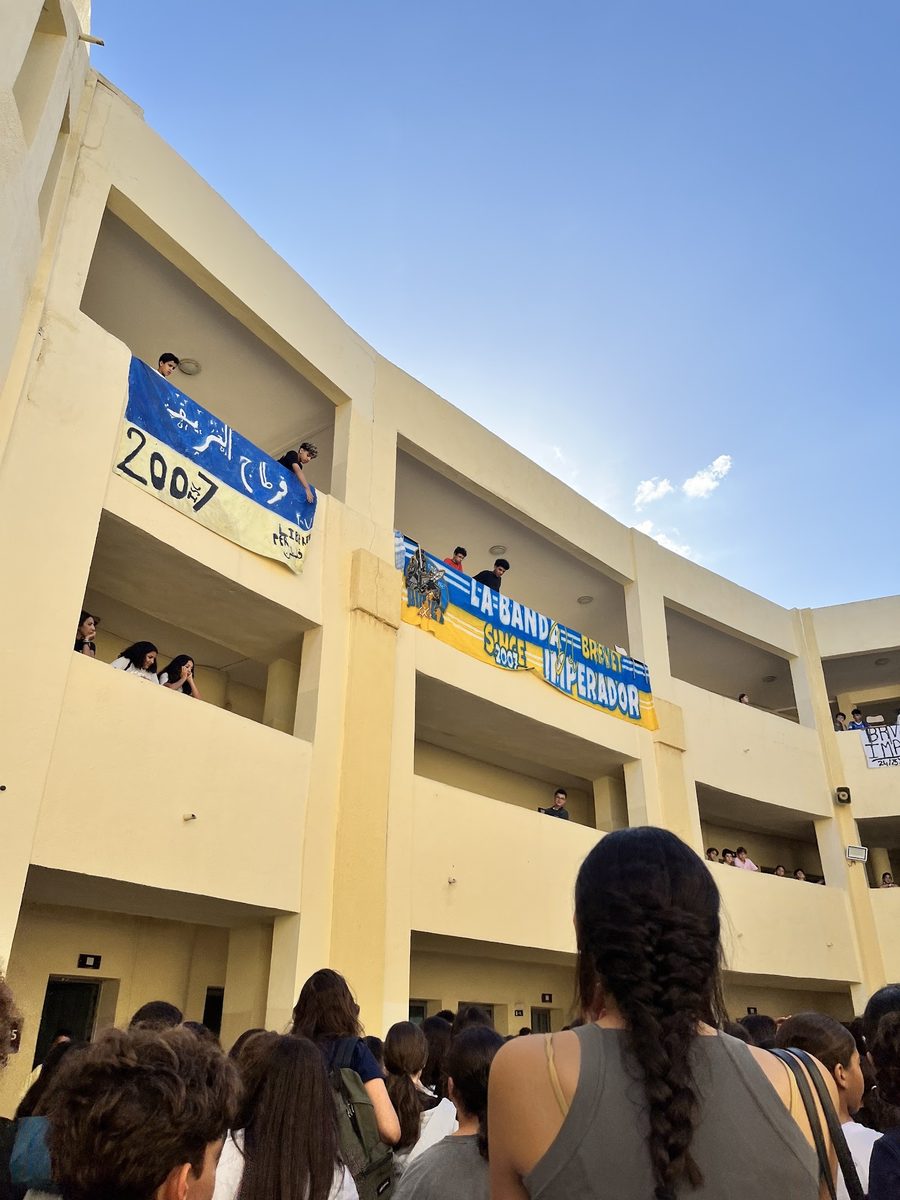
International School of Carthage
Carthage · Tunisia
In the shadow of Carthage's ruins, an American-IB day school built its own tradition of blue-and-yellow school pride from scratch.
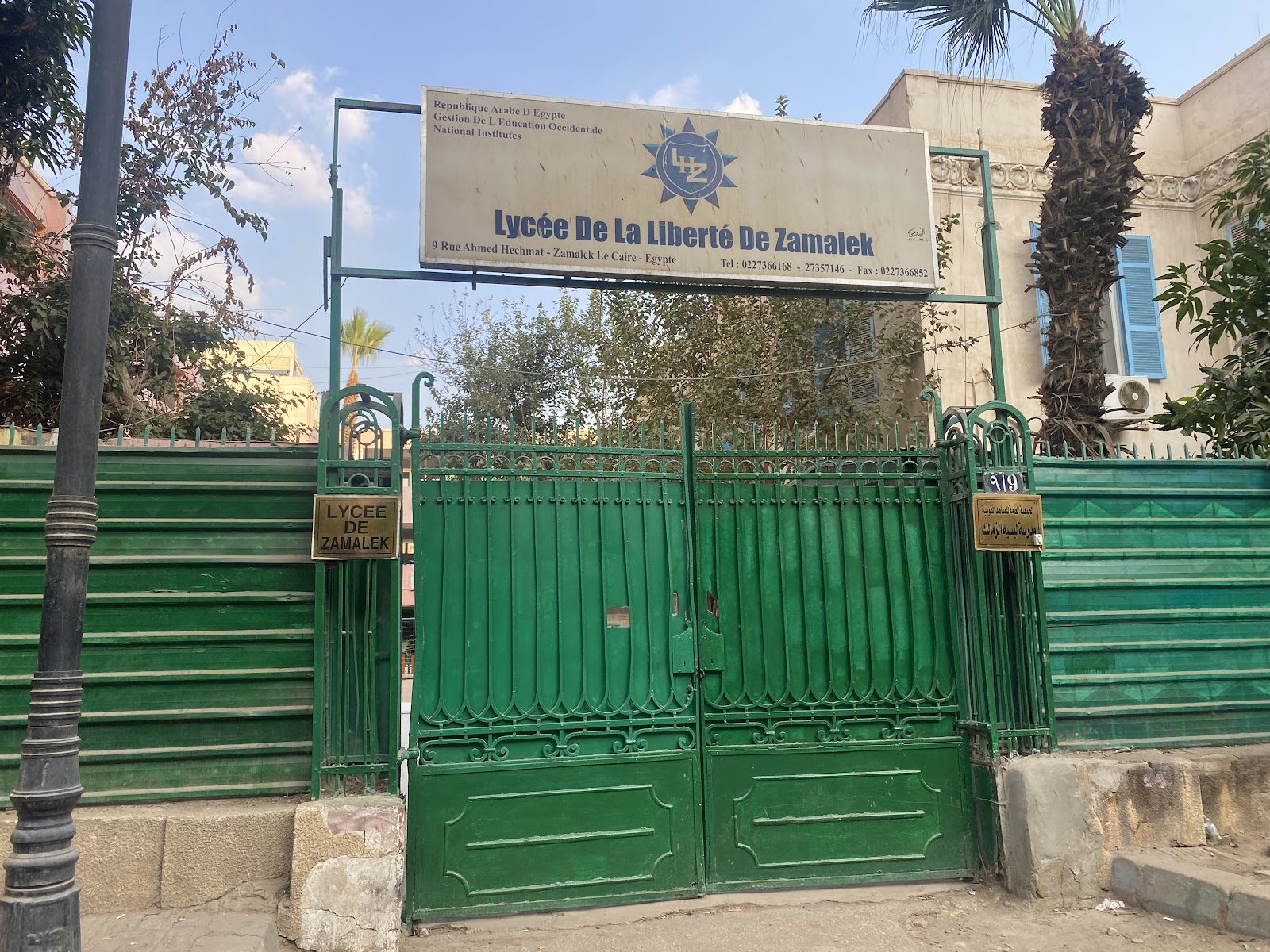
Lycée Français du Caire
Cairo · Egypt
Founded in 1911, this Nile-side AEFE lycee anchors the Baccalaureate exam hub for Egypt, Jordan, Djibouti, Ethiopia and Burundi.
Same country and curriculum — closest matches within ±10 points either way