
Mashonaland East
Peterhouse Girls' School
low confidence· 4/6 cats · 1 avg sourcesOn a 1,200-acre estate bordering Gosho Park, Anglican boarding pairs tight A-level classes with sister-school ties to Peterhouse Boys.
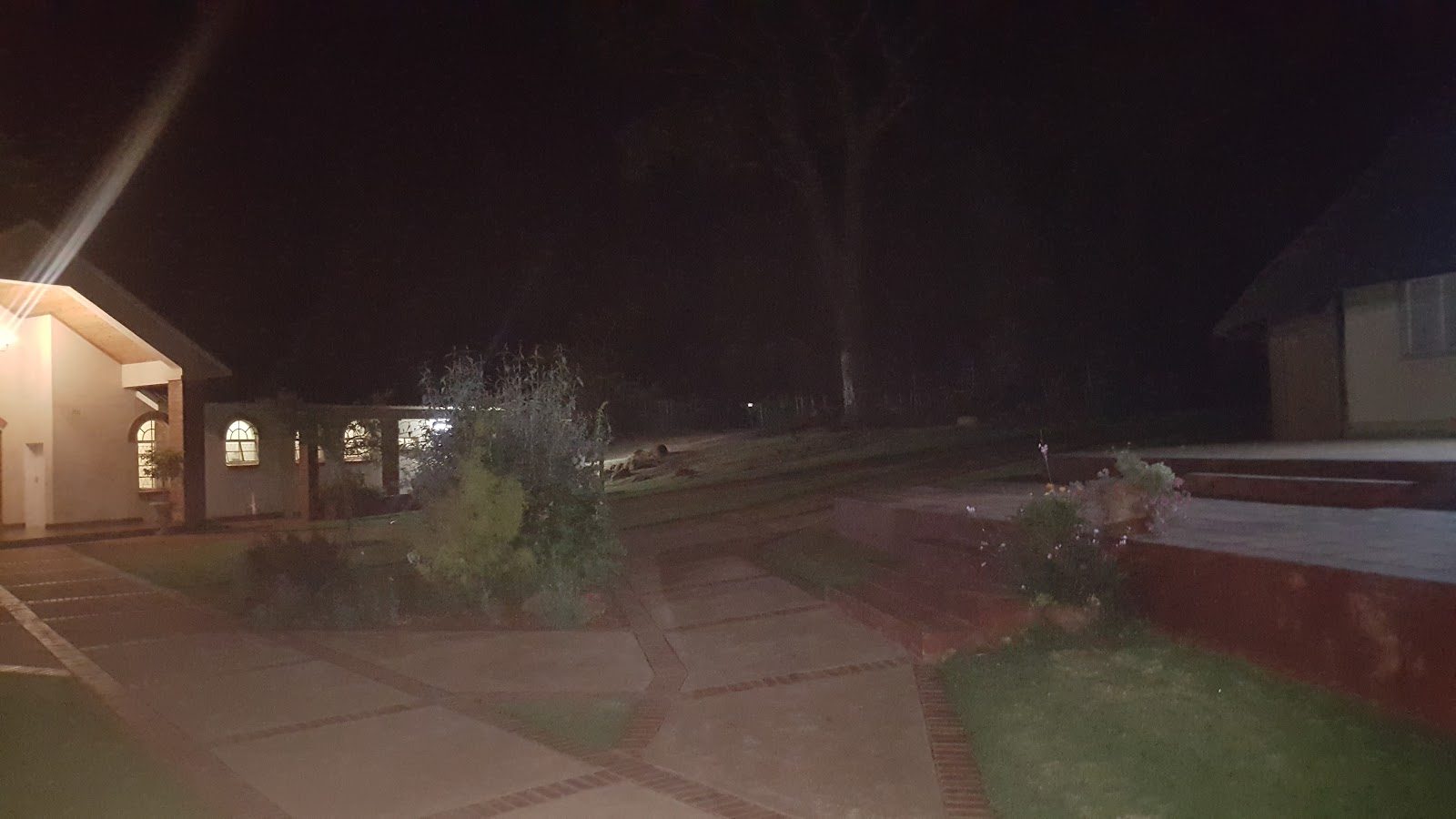
Photo © Alex Chimonyo via Google Maps
Type
Boarding
Ages
12–18
Curriculum
British
Qualifications
IGCSE · A-Level
Ratio
—
The Verdict
Editor's commitment
Right for
Girls aged 12–18 who want full boarding, Anglican ethos and a 1,200-acre Marondera estate bordering Gosho Park.
Wrong for
Families wanting day schooling, co-education or a published dual-curriculum offer; Peterhouse Girls runs British education in English, boarding only.
Watch out for
Founded in 2002, this is a younger school with HMC, ATS Zimbabwe and GSA badges, but no public aggregate exam data.
Ranking breakdown
Peterhouse Girls' School · #1374 of 1591
Composite score 53.0. 8 weighted criteria.
By criterion
Academic Outcomes
Weight 20%
#1352
of 1529 scored
University Placement
Weight 16%
#1332
of 1529 scored
Prestige & Heritage
Weight 12%
#1357
of 1571 scored
Alumni Network
Weight 12%
#995
of 1530 scored
Facilities
Weight 12%
#1382
of 1533 scored
Transparency & Communications
Weight 8%
#1383
of 1532 scored
Peer & Industry Review
Weight 10%
#1216
of 1548 scored
Admissions Selectivity & Demand
Weight 8%
#1232
of 1529 scored
Peer & Industry Review
How Peterhouse Girls' School is regarded in the sector
63
Respected · medium confidence
I could not identify at least two independent, verifiable third-party sources (e.g., Tatler, Good Schools Guide, specialist education press, or established expat-parent forums) discussing Peterhouse Girls' School's reputation. Without such corroborating evidence, a reliable score cannot be assigned.
Editors' overview
Peterhouse Girls’ School occupies a distinct niche in Zimbabwe: a full boarding Anglican girls’ school on a 1,200-acre estate, with the rare advantage of a close sister-school relationship with Peterhouse Boys. Founded in 2002, it is the younger part of an established educational ecosystem rather than a stand-alone newcomer. For parents, that matters. The setting gives it scale, space and a degree of insulation that day schools cannot match; the sister-school link widens social, cultural and co-curricular life without diluting the focus of a girls’ education. This is not an urban school with a few sports fields attached. It is a rural boarding school built around routine, community and a strong sense of place.
The school’s proposition is clear: British curriculum, English-medium teaching, boarding from ages 12–18, and Anglican foundations that shape tone and pastoral expectations. The attraction lies in the combination of tight structure and breadth. Boarding schools on estates of this size can offer riding, field sports, outdoor education and house-based community in a way city campuses cannot. Peterhouse Girls also benefits from the Peterhouse name, which carries weight in the regional market. Its accreditations — HMC (Sub-Saharan Africa), ATS Zimbabwe and GSA (Sub-Saharan Africa) — place it inside serious professional networks. That said, parents who want hard public data on academic outcomes will find the picture incomplete: the school does not publish aggregate exam results, and that limits external scrutiny. Prestige alone is not evidence.
Why shortlist it? Because for the right child, the package is compelling: ordered boarding life, high personal accountability, expansive grounds, and a social environment that extends beyond a single-sex bubble through the Peterhouse connection. This suits girls who thrive with routine, who want teachers and peers around them all week, and who value co-curricular life as much as classroom teaching. It will also suit families who want traditional pastoral framing and clear behavioural expectations. It will not suit every student. Girls who need an anonymous city setting, broad daily independence, or a visibly progressive school culture will find the model restrictive. Peterhouse Girls is for students who want contained ambition rather than looseness: girls ready for boarding, ready for community, and ready to make serious use of a campus built for far more than lessons.
Academic Performance
Public academic evidence is thin. The school does not publish aggregate IGCSE or A-level pass rates, top-grade distributions, value-added data, university destinations by cohort, or subject-by-subject outcomes. That is a real weakness. For parents trying to place Peterhouse Girls against stronger-reporting peers in Zimbabwe, South Africa or the wider British-curriculum market, the absence of hard numbers blocks clean comparison. You are left judging the academic offer through proxies: a full boarding structure that builds study time into the day, a stand-alone girls’ setting that can keep classroom culture focused and orderly, and a sister-school ecosystem that brings breadth without turning the school into a large, anonymous campus. None of that substitutes for published results.
Where does that leave it relative to peers? In reputational terms, Peterhouse sits inside Zimbabwe’s serious independent-school tier. In evidential terms, it trails the best schools on transparency. The strongest comparator schools give parents at least headline exam data and clearer destination patterns; Peterhouse Girls does not. That does not mean weak outcomes. It means opaque outcomes. For some families, the Peterhouse name and the discipline of boarding will carry weight. For exacting parents, the lack of published academic metrics is a material constraint on confidence. Ask for cohort-level results across the senior years, not anecdotes, and press for the spread of A*–A and A–C grades before treating the school as a proven academic leader.
Facilities
The decisive facility here is the estate itself. Space changes a boarding school’s daily life: games do not fight for corners, outdoor activity has room to breathe, and houses can feel embedded in a real campus rather than stacked onto one. Peterhouse Girls sits within an estate of 1,200 acres alongside Springvale House and Gosho Park, and that gives it a facilities advantage few girls’ schools in the region can match. Against urban independents in Harare, this is a different order of provision: less polished in the metropolitan sense, more expansive, more self-contained, and better suited to riding, field sports, outdoor pursuits and the rhythms of full boarding. Parents looking for glossy specialist complexes and headline architecture may find the appeal less theatrical than at richer South African peers; the strength lies in land, not spectacle.
The other important facility is the shared Peterhouse ecosystem. Access to a broader educational estate, and to the social and co-curricular overlap that comes with a sister-school structure, gives Peterhouse Girls more range than many stand-alone girls’ boarding schools. That matters in sport, productions, events and the practical business of sustaining a lively weekend programme. The trade-off is clear. If your benchmark is a giant international school with extensive indoor specialist centres, tech labs on public display and heavily marketed innovation spaces, Peterhouse Girls does not compete on showcase infrastructure. If your benchmark is a traditional boarding school where space, routine and usable grounds matter more than visual gloss, it competes from a position of quiet strength.
The public-facing picture, though, stops short of excellence
Prestige
Peterhouse Girls carries real prestige in Zimbabwe’s independent-school market, though not the loud, globally branded kind. Its standing rests on association, setting and social fit. The Peterhouse name has reach with families who know the region’s traditional boarding schools, and the girls’ school gains from that inherited credibility. The shared ecosystem with its brother school matters here: it gives Peterhouse Girls more social and co-curricular weight than many stand-alone girls’ schools can command. The estate itself also contributes. A school embedded in 1,200 acres reads as established, well-resourced and socially confident in a way a compact urban campus does not. That combination puts it firmly in the country’s upper independent tier.
That said, prestige here is stronger in reputation than in published proof. The school has the markers families recognise — selective ambience, traditional Anglican tone, full boarding culture, and membership of serious professional bodies — but prestige without transparent academic reporting has limits. The best schools convert status into hard public evidence: exam performance, destination data, scholarship patterns. Peterhouse Girls does not do that. So the rating rests on institutional standing, parent perception and the durability of the Peterhouse brand, not on openly demonstrated academic dominance. In plain terms: this is a high-status school with a conservative cachet and a strong domestic reputation, but not a school that has earned unquestioned prestige through public performance data.
On that test, Peterhouse Girls is competent rather than exceptional
Communications
Parent communication has to do heavy lifting in a rural full-boarding school, because families do not see the school gate at drop-off and pick-up each day. Peterhouse Girls has one structural advantage here: it sits inside a long-established institutional ecosystem rather than operating as an isolated start-up. That usually produces clearer routines, more disciplined messaging and firmer expectations around calendars, kit lists, travel, fixtures and pastoral notice. The public-facing picture, though, stops short of excellence. The school’s website establishes the essentials — who it serves, where it sits, and the broad shape of school life on its estate of 1,200 acres — but it does not offer the depth of parent-facing transparency that exacting families now expect. We have not seen published dashboards for academic outcomes, nor the kind of detailed reporting that helps parents track performance beyond anecdote.
That matters because communication is not just about tone; it is about disclosure. On that test, Peterhouse Girls is competent rather than exceptional. Families will get the cultural message quickly: traditional, orderly, high-accountability. What remains less visible is the hard operational and academic information that turns trust into evidence. Strong boarding schools communicate frequently, but the best ones also communicate plainly and quantitatively. Peterhouse Girls does the first job more convincingly than the second. Parents who value warm community and clear behavioural framing will find enough. Parents who want hard-edged transparency will need to ask direct questions and insist on direct answers.
Uniqueness
What marks Peterhouse Girls out is not novelty but configuration. Very few schools in the region combine a dedicated girls’ boarding environment with a live, functional link to a brother school inside the same wider educational estate. That structure gives students something more useful than branding: a girls’ school with its own internal culture, discipline and expectations, plus access to a broader social and co-curricular world than many single-sex campuses can sustain alone. For teenagers, that matters. It reduces the sealed-off feel that can weaken some girls’ boarding schools, while preserving the clear moral and pastoral frame that attracts families to them in the first place.
The setting sharpens that difference. On an estate of 1,200 acres, daily life extends beyond classrooms and boarding houses into a scale of movement, sport and outdoor routine that urban schools cannot replicate. That brings practical gains: room for serious weekend programming, a stronger sense of campus identity, and a boarding experience that feels self-contained rather than improvised. It also brings a certain social education. Students learn to live within a close-quartered community while operating in a physically expansive environment, with all the accountability that demands. The result is a school that offers structured adolescence in a form many modern schools no longer attempt: traditional, enclosed, socially connected, and unapologetically shaped by boarding.
Founded in 2002, it is the younger part of an established educational ecosystem rather than a stand-alone newcomer
Student Profile
The girls who do best here are the ones who can live comfortably inside a high-structure environment. This school suits students who do not need constant novelty, urban stimulus or broad personal latitude to stay engaged. They need stamina for communal living, tolerance for rules, and the social skill to manage friendships when there is no easy escape from the peer group. In a boarding setting on an estate of 1,200 acres, independence does not mean freedom to drift; it means learning to organise yourself inside a fixed routine. That will suit girls who are steady, coachable and prepared to join in. It will grate on students who resist oversight, guard their privacy fiercely, or want a looser adolescent life.
The Anglican frame and the link with the brother school also shape the fit. This is a good match for families who want traditional guardrails, clear behavioural boundaries and a school culture that prizes contribution over self-display. Sporty, outdoors-minded girls will find more to work with here than highly urban, ultra-specialist creatives who want a city’s range of external outlets on the doorstep. The social tone will reward resilience, team-mindedness and a willingness to be known. It is not for the evasive. Girls who flourish here will use the school’s contained world well; girls who need anonymity, constant reinvention or a more progressive social atmosphere will not.
This is not an urban school with a few sports fields attached
Co-curricular strengths
Arts & sport, on a separate axis
Overall 8.94/10
Scored 0-10 from the school's own published evidence. This axis is editorial-only — it does not feed the main WTS ranking.
Sports
9.2/10
Drama
8.8/10
Dance
8.5/10
Music
9.2/10
Visual Arts
9/10
Editor first-pass · editor-reviewable · 7/30/2026
Strengths
- +Follows a British-style curriculum through Cambridge IGCSE and A-Levels, giving graduates internationally recognised qualifications.
- +Full boarding structure offers a stable, immersive environment away from Zimbabwe's day-to-day urban disruptions.
- +Part of the established Peterhouse Group of Schools in Marondera, alongside Peterhouse Boys' and Peterhouse Preparatory, giving it an institutional pedigree within Zimbabwean private education.
- +Single-sex setting allows a girls-focused pastoral and extracurricular programme, including sport and leadership structures tailored to its student body.
- +Location in Marondera, roughly an hour from Harare, keeps it within reach of the capital for family visits and travel logistics.
Considerations
- −Operates within Zimbabwe's constrained economic environment, which can affect infrastructure investment, staff retention and fee stability compared with schools in more stable economies.
- −As a single-sex boarding school, it will not suit families wanting a co-educational or day-school setting.
- −Limited independent, internationally published data (inspection reports, league tables, verified exam statistics) makes it harder for overseas families to benchmark the school against global peers.
- −Zimbabwe's broader logistical challenges, including travel connectivity and currency/fee payment arrangements, add practical friction for relocating expat families.
Availability
Primary entry gate & tests
Academic Record
Gallery
Photo © Alex Chimonyo via Google Maps
Photo © Alex Chimonyo via Google Maps
Photo © Jestina Mvarume via Google Maps
Photo © Peterhouse Group of Schools via Google Maps
Photo © Peterhouse Group of Schools via Google Maps
Parent reviews
Have you sent your child here?
Voice reviews carry the strongest trust badge — we transcribe them for you to tidy up before they go live. Prefer to type? A written review is fine too.
Add your voice
In 60 seconds, tell other parents: what's the best thing about Peterhouse Girls' School, and what surprised you when your child joined?
We ask for a Google sign-in so every review has a real face behind it — no anonymous drive-by attacks on schools, and no faked positive reviews. Your email is never shown publicly.
Send this profile to a friend
International parents rely on word-of-mouth. Share this review with someone weighing the same decision.
Schools with places
Similar schools to Peterhouse Girls' School with places available now.
Collège du Léman
Versoix · Switzerland
- 2026-27
- WAITPOOLSpace-dependent
- 2027-28
- PLACES OPENRolling
Muscat International School
Muscat · Oman
- 2026-27
- PLACES OPENApps open / space-dependent
- 2027-28
- WAITPOOL2027/28 timetable TBC
Bishop Cotton School
Shimla · India
- 2026-27
- WAITPOOLSpace-dependent
- 2027-28
- PLACES OPENRolling
Millfield School
Street · United Kingdom
- 2026-27
- CLOSEDStandard route closed
- 2027-28
- PLACES OPEN11+ / 13+ / 16+ active
Availability first, then country, area, curriculum, price, co-curricular
Consider also
Also worth looking at alongside Peterhouse Girls' School.

Chisipite Senior School
Harare · Zimbabwe
Rooted in a 1929 farm-school lineage, this all-girls Harare campus pairs Cambridge IGCSEs with a signature Servant Leadership finale.
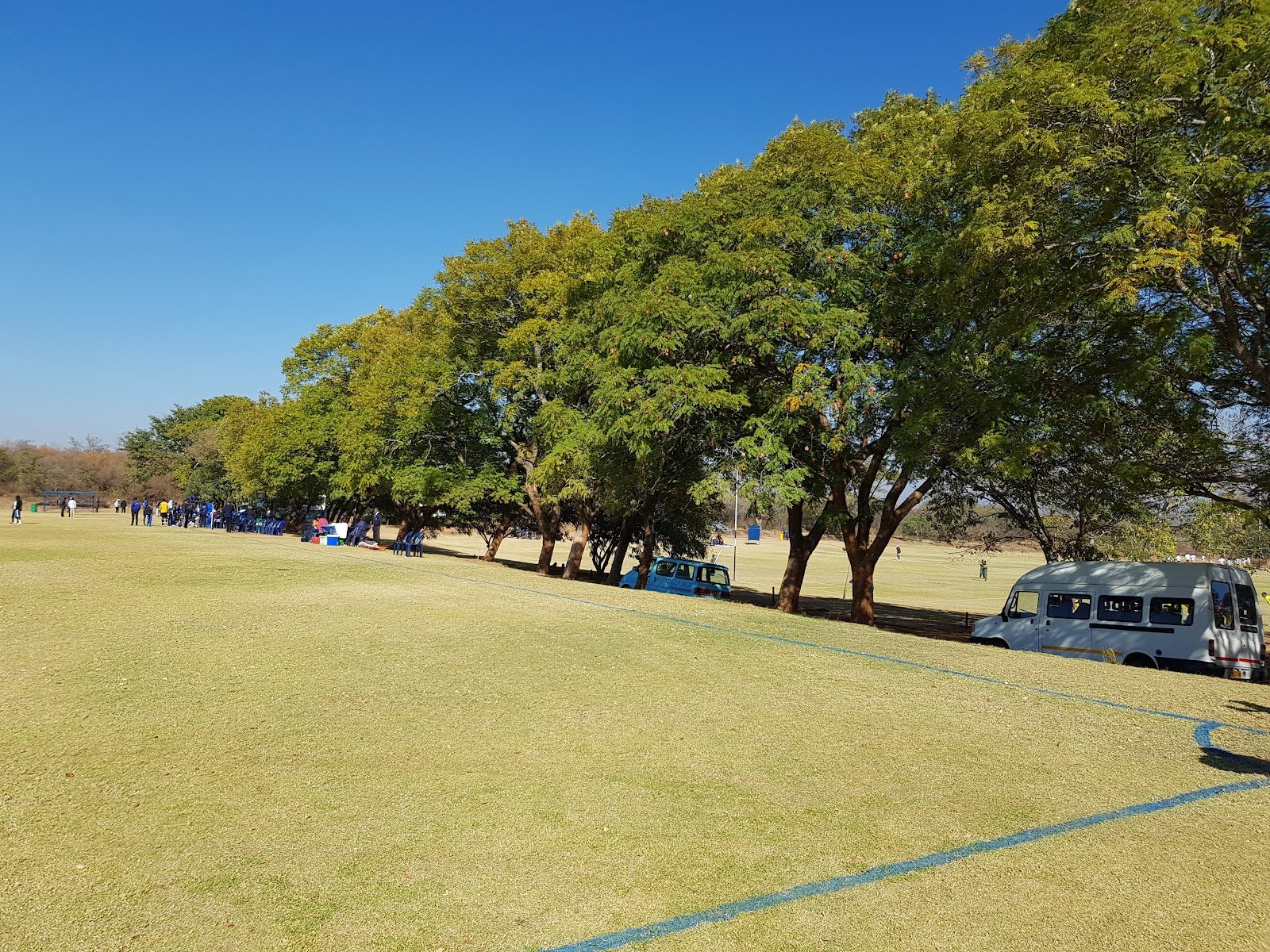
Falcon College
Esigodini · Zimbabwe
A derelict Matabeleland goldmine reborn as a Cambridge campus ringed by its own game park of zebra and giraffe
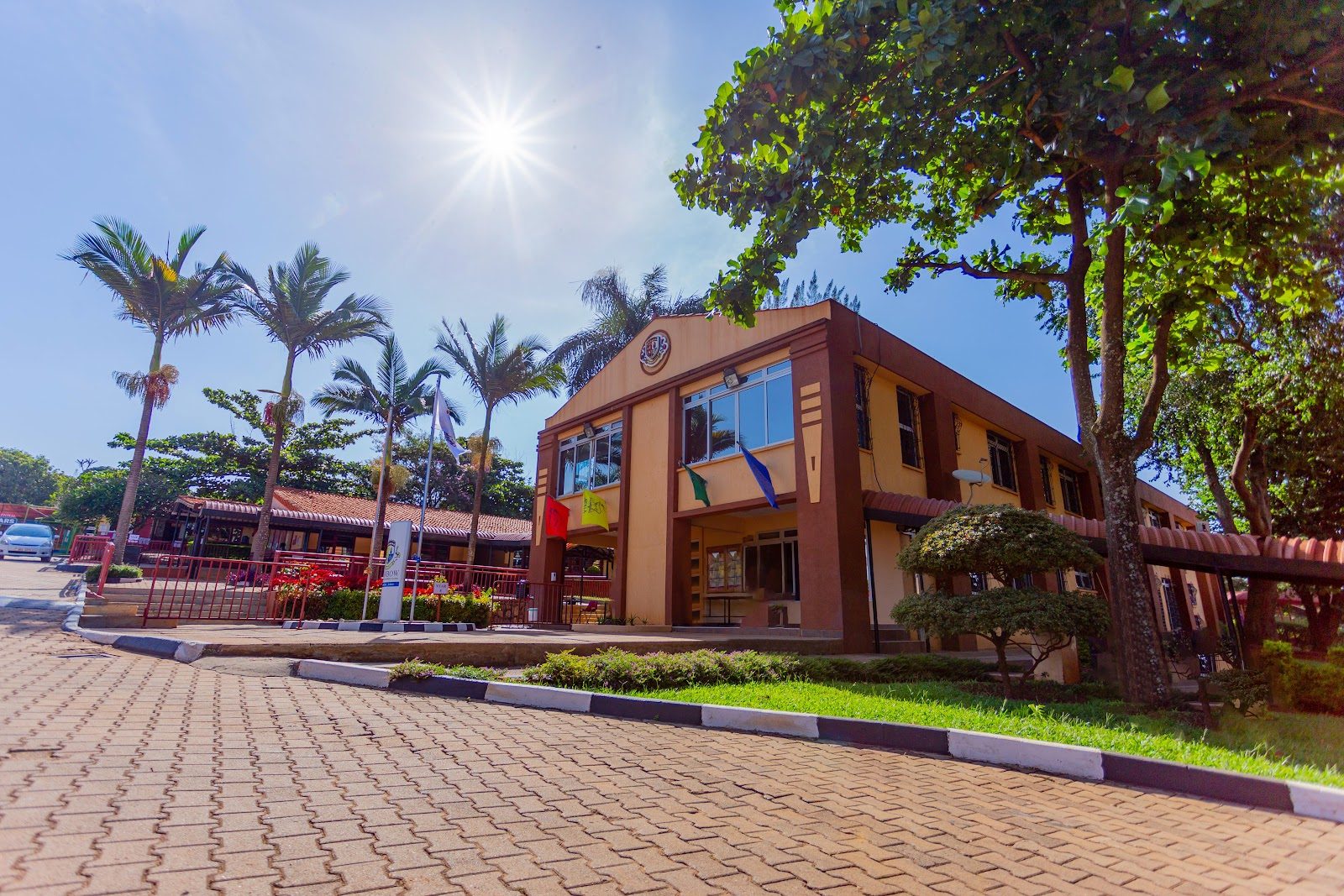
Rainbow International School Uganda
Kampala · Uganda
Sixty nationalities share a nine-acre Kampala campus where Cambridge IGCSEs and BTEC pathways lead side by side to university.

Lechwe School
Kitwe · Zambia
Born in a Copperbelt church hall in 1977, this Cambridge day school has tracked Kitwe's mining fortunes ever since.
Same country and curriculum — closest matches within ±10 points either way