
County Cork
Christian Brothers College Cork
A Cork day school since 1888 where the Munster Senior Cup rivalry with PBC has shaped generations on the rugby field.
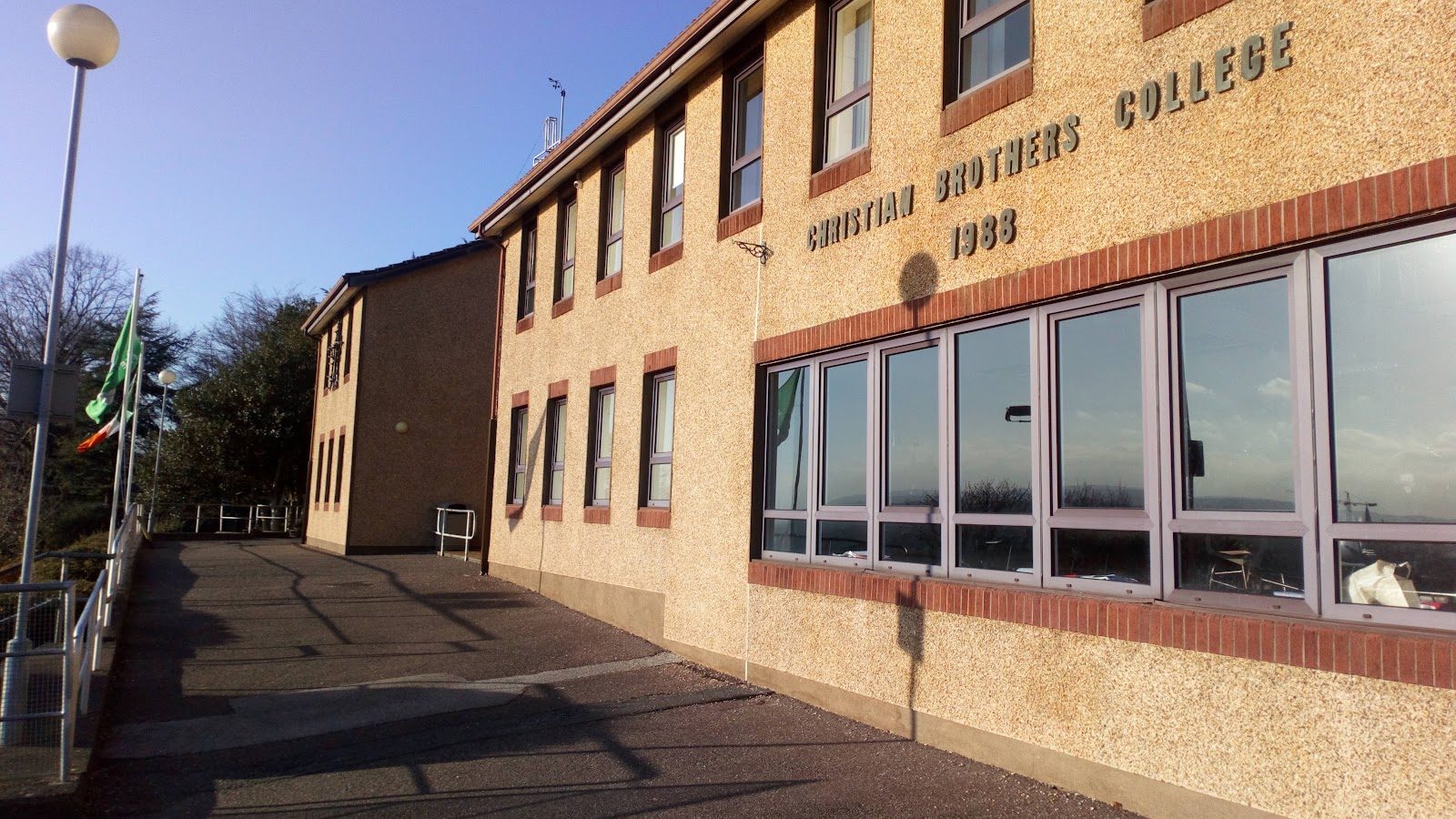
Photo © Bryan via Google Maps
Type
Day
Ages
11–18
Curriculum
Irish
Qualifications
Junior Cycle · Leaving Certificate
Ratio
—
The Verdict
Editor's commitment
Right for
Families in Cork wanting an 11–18 Catholic day school, founded in 1888, with rugby woven into Christian Brothers College life.
Wrong for
Parents seeking boarding, co-education or a non-Catholic setting; Christian Brothers College Cork is a day school in Cork for ages 11–18.
Watch out for
The school declares an Irish curriculum taught in English, but publishes no outcome data here; 1888 pedigree and rugby culture do not replace hard numbers.
Ranking breakdown
Christian Brothers College Cork · #1372 of 1591
Composite score 53.0. 8 weighted criteria.
By criterion
Academic Outcomes
Weight 20%
#1313
of 1529 scored
University Placement
Weight 16%
#1332
of 1529 scored
Prestige & Heritage
Weight 12%
#1054
of 1571 scored
Alumni Network
Weight 12%
#785
of 1530 scored
Facilities
Weight 12%
#1465
of 1533 scored
Transparency & Communications
Weight 8%
#1326
of 1532 scored
Peer & Industry Review
Weight 10%
#1438
of 1548 scored
Admissions Selectivity & Demand
Weight 8%
#1497
of 1529 scored
Peer & Industry Review
How Christian Brothers College Cork is regarded in the sector
56
Credible · medium confidence
Within Cork's competitive secondary sector, CBC is consistently grouped with Presentation Brothers College and Christian Brothers' schools nationally as a long-established Edmund Rice Schools Trust institution with strong academic and sporting traditions, particularly Munster Schools Cup rugby, which keeps it visible in regional press coverage and school rivalries. It regularly appears in the Irish Times 'feeder schools' analysis tracking progression rates from Leaving Certificate students to third-level institutions, with University College Cork cited as a common destination given proximity and subject alignment. Independent commentary from Irish education outlets tends to describe CBC as a solid, tradition-rich all-boys school rather than an elite international brand, distinct from Dublin's fee-paying feeder powerhouses more frequently discussed by Sunday Times/Irish Independent league tables. It does not feature prominently in Good Schools Guide or WhichSchoolAdvisor coverage, which focus mainly on UK and international markets. Its reputation is best characterised as strong and stable within Munster's local schools network and ERST peer group, rather than as a nationally dominant academic performer or a fixture of international independent-school press.
- Jack Lynch — Taoiseach, Politics
Editors' overview
Christian Brothers College Cork is one of the old names in Cork education: founded in 1888, Catholic, boys only in character even when the real draw is wider than that label, and resolutely a day school. Its distinction is not novelty but continuity. This is a school with a long civic footprint in the city and a public identity forged as much on the rugby pitch as in the classroom. The Munster Senior Cup rivalry with Presentation Brothers College gives CBC a hard-edged local prestige that many schools spend decades trying to manufacture and never achieve. For families who value belonging, ritual and a school culture that feels deeply rooted, CBC has a clear proposition.
What puts it on a shortlist is the combination of age range, expectation and identity. It serves pupils from 11–18, teaches in English, and sits squarely within the Irish system without dressing itself up as something more international than it is. That matters. Parents looking for an Irish day school with a defined Catholic ethos, visible tradition and a strong sense of collective life will find CBC easier to read than schools that blur every edge in pursuit of broad appeal. The attraction is institutional confidence: a school that knows what it is, does not need reinvention every few years, and benefits from generations of local recognition. The trade-off is just as clear. Families who want a softer, more experimental or less tradition-bound environment will find the culture too fixed.
The student who will thrive here is competitive, sociable and comfortable in a school where history carries weight. CBC suits boys who enjoy structure, respond to clear expectations and want to be part of something larger than themselves. Sport-minded pupils, especially those drawn to rugby, will feel the force of that culture most sharply; for them, the school offers tribal loyalty and a city-wide profile that reaches beyond the gates. Equally, students who value routine, community and a recognisable framework for adolescent life will see the appeal. It is less well suited to children who need a loose institutional grip, or who resist schools with a strong inherited identity. In market terms, CBC is a classic Cork day school with staying power: not for everyone, but for the right family, a serious contender.
Academic Performance
CBC’s public academic profile is opaque. The school does not publish Leaving Certificate score distributions, distinctions by subject, Higher Level entry rates, or university destination data in a form that allows proper comparison with other leading Irish day schools. That matters. In this market, strong schools that want credit for academic performance publish enough to earn it. CBC does not. As a result, any claim of top-tier academic standing rests more on reputation than on disclosed outcomes. Parents looking for hard comparative evidence against academically selective peers in Cork, Dublin or the fee-paying Leinster schools will find too little to test.
That does not place the school in a weak academic bracket; it places it in an under-evidenced one. A long-established school with a durable local name and a competitive intake does not drift into irrelevance, but neither does tradition substitute for data. Relative to peers, CBC sits in the group of Irish schools whose academic credibility is assumed locally yet not substantiated publicly with the exam detail serious families now expect. For some parents, that is tolerable. For others, it is a clear red flag. If external examination performance is a deciding factor, families need direct answers on Leaving Certificate subject uptake, top-grade rates and progression patterns before treating CBC as an academic front-runner.
Facilities
Facilities are functional rather than lavish. The school’s strongest physical asset sits where its public identity has long sat: sport. For a boy who wants regular, serious rugby, CBC has the kind of sporting infrastructure and culture that matter more than glossy architecture. Against Irish day-school peers with the same traditional male brief, that counts for a great deal. It also sets a clear benchmark: families should expect solid playing provision and a campus organised around collective activity, not a design-led estate built to impress on open day. What we have not seen is a published facilities profile with the level of detail strong peer schools now provide on specialist teaching spaces, performance venues, laboratory stock or indoor athletics provision. That lack of specificity leaves the school at a disadvantage against competitors that document every serious asset.
That does not make the campus weak; it makes it under-described. The practical question for parents is whether CBC’s facilities extend beyond sport with equal force. In peer comparison, leading Irish day schools now win confidence by showing exactly how science, music, art, technology and student support are housed and used. CBC does not make that case in public with the same precision. So the facilities verdict is credible but incomplete: strong where tradition and sport drive investment, less persuasive where families want proof of breadth, modernisation and specialist depth. If facilities are a deciding factor, insist on a visit and inspect the academic spaces closely.
As a result, any claim of top-tier academic standing rests more on reputation than on disclosed outcomes
Prestige
CBC carries real local prestige, but it is the prestige of an old Cork institution rather than a school with national academic dominance or international cachet. Its standing rests on recognition, continuity and social visibility. In Cork, the name lands immediately. The school occupies a clear place in the city’s educational hierarchy, and that matters for families who value inherited reputation and a community that knows exactly what the badge signifies. The rugby culture sharpens that profile. A school tied so closely to a major city rivalry gains a public life that reaches beyond parents and pupils into alumni, local sport and civic memory. That gives CBC hard currency in its home market.
The limit is just as clear. Prestige built on tradition and sporting identity does not equal transparent academic pre-eminence, and CBC does not publish the results data that would justify a higher academic rating. So the school’s prestige is strong but bounded: high within Cork, credible across Munster, and less commanding once the comparison set shifts to Ireland’s most academically scrutinised fee-paying schools. For the right family, that distinction will not matter at all. They are buying entry into a deep-rooted local network, a disciplined school culture and a name with genuine staying power. Families seeking prestige that travels effortlessly outside its region, or prestige proven through disclosed outcomes, will rate it lower.
In peer comparison, leading Irish day schools now win confidence by showing exactly how science, music, art, technology and student support are housed and used
Communications
CBC’s parent communication is serviceable rather than polished. The website does the basic institutional job: term structure, admissions route, key contacts, policy documents and news are easy to locate without needless design theatre. That matters more than schools admit. Parents need a functioning information spine, not brand language. CBC provides that spine, and the school benefits from a culture in which much understanding also travels through existing family networks, year-group habits and local familiarity. The weakness sits in depth and sharpness. Public communication does not give parents the granular academic picture or facilities detail that stronger peer schools now treat as standard. If a family wants clear published evidence on outcomes, subject performance or strategic priorities, CBC asks for more trust than it earns in print.
That leaves the verdict mixed but readable. Day-to-day communication is set up for parents who value directness, routine and practical updates over corporate gloss. For established local families, that works. For parents entering the school cold, including those without ties to its social orbit, the communication model is less generous than it needs to be. The school does not communicate badly; it communicates with the confidence of an institution that assumes its audience already knows the code. That creates efficiency for insiders and friction for outsiders. In market terms, CBC clears the operational bar, but it does not set a benchmark for transparency or parent-facing clarity.
Uniqueness
CBC’s uniqueness lies in the force of its inherited culture. Plenty of schools claim tradition; CBC lives inside one of the country’s most recognisable schoolboy sporting rivalries, and that does something concrete to daily life. It gives students a shared script of loyalty, expectation and public identity that extends well beyond timetables and term dates. The benefit for the right boy is real: he does not drift anonymously through adolescence. He joins a school with a strong internal mythology, a tribal sense of belonging and a code of conduct shaped by generations before him. That can sharpen confidence, commitment and resilience. It also creates pressure. Boys who dislike collective identity, public competition or the social weight of school ritual will find the atmosphere tight-gripped.
What marks CBC off from many peers is that its reputation has not been built around glossy reinvention or imported internationalism. It remains legible as a school of one place and one tradition, serving pupils through the full secondary span from 11–18 with a hard-set institutional character. For students, that brings clarity. Expectations are easier to read, friendships can be fiercely loyal, and the school’s social network carries beyond the classroom into family and city life. The downside is equal in force: a culture this established leaves less room for reinvention by the institution and less shelter for boys who want distance from sport, hierarchy or inherited norms.
This is a school with a long civic footprint in the city and a public identity forged as much on the rugby pitch as in the classroom
Student Profile
The boy who fits best here is energised by shared standards, public competition and the social force of a school that expects him to join in rather than hang back. This is a strong match for students who like structure, respond to adult authority and take pride in representing something beyond themselves. Rugby-minded boys will find the culture easiest to inhabit, but the deeper point is temperament, not only sport: CBC suits pupils who can handle scrutiny from peers, absorb defeat without folding and operate inside a high-identity environment where school loyalty carries real weight. Boys who enjoy camaraderie, ritual and a hard-edged version of belonging tend to thrive.
The weaker fit is just as clear. A child who needs a low-pressure atmosphere, dislikes masculine group culture or wants wide institutional permission to define school life on entirely individual terms will find this place constricting. The same goes for boys who resist hierarchy, recoil from competitive social energy or feel alienated by schools with a strong inherited code. CBC does not cater to adolescents who want to move invisibly through the week. It rewards those who can step into the current, hold their ground and contribute to a collective life with a tribal intensity that many families will value and others will reject outright.
For families who value belonging, ritual and a school culture that feels deeply rooted, CBC has a clear proposition
Co-curricular strengths
Arts & sport, on a separate axis
Overall 7.3/10
Scored 0-10 from the school's own published evidence. This axis is editorial-only — it does not feed the main WTS ranking.
Sports
9/10
Drama
7.5/10
Dance
4.5/10
Music
8/10
Visual Arts
7.5/10
Strengths
- +Founded in 1888, CBC Cork is a long-established Cork institution with a continuous history spanning over 130 years under Edmund Rice Schools Trust trusteeship.
- +The school has a well-documented rugby pedigree, having produced Ireland and Munster internationals including Donal Lenihan, Donnacha O'Callaghan, Tomas O'Leary and Stephen Archer.
- +CBC has won multiple Munster Schools Rugby Senior Cup titles, giving pupils access to a structured player-development pathway from U14 through to senior level.
- +Admission to the Secondary College is guaranteed for all pupils progressing from the CBC Preparatory School, giving continuity for families who enter at primary level.
- +The school offers a range of co-curricular activities beyond rugby, including music, drama and debating, alongside the standard Irish state curriculum.
Considerations
- −CBC is a single-sex boys' school, so it will not suit families seeking co-education for their children.
- −It is a fee-paying school, and historical fee levels (reported around 3,000-4,500 euro per year in past years) mean it sits outside Ireland's free state-funded secondary system.
- −Admission for external applicants is not exam-based but relies heavily on locality, feeder-primary links, and family history with the school, which can disadvantage newly arrived or unconnected families.
- −The school's academic profile is less prominently ranked than crosstown rival Presentation Brothers College, which has been cited as Cork's top-performing boys' school in recent Irish Times rankings.
Availability
Primary entry gate & tests
Transcripts + Interview (Boys)
Gallery
Photo © Bryan via Google Maps
Photo © Bryan via Google Maps
Photo © Bryan via Google Maps
Photo © Bryan via Google Maps
Photo © Bryan via Google Maps
Photo © Svein Jensen via Google Maps
Photo © Svein Jensen via Google Maps
Parent reviews
Have you sent your child here?
Voice reviews carry the strongest trust badge — we transcribe them for you to tidy up before they go live. Prefer to type? A written review is fine too.
Add your voice
In 60 seconds, tell other parents: what's the best thing about Christian Brothers College Cork, and what surprised you when your child joined?
We ask for a Google sign-in so every review has a real face behind it — no anonymous drive-by attacks on schools, and no faked positive reviews. Your email is never shown publicly.
Send this profile to a friend
International parents rely on word-of-mouth. Share this review with someone weighing the same decision.
Schools with places
Similar schools to Christian Brothers College Cork with places available now.
St. Andrew's College Dublin
Dublin · Ireland
- 2026-27
- WAITPOOLVacancy-dependent
- 2027-28
- PLACES OPEN
St. Kilian's Deutsche Schule Dublin
Dublin · Ireland
- 2026-27
- WAITPOOLVacancy-dependent
- 2027-28
- OPENS SOONExpected Oct '26
Availability first, then country, area, curriculum, price, co-curricular
Consider also
Also worth looking at alongside Christian Brothers College Cork.
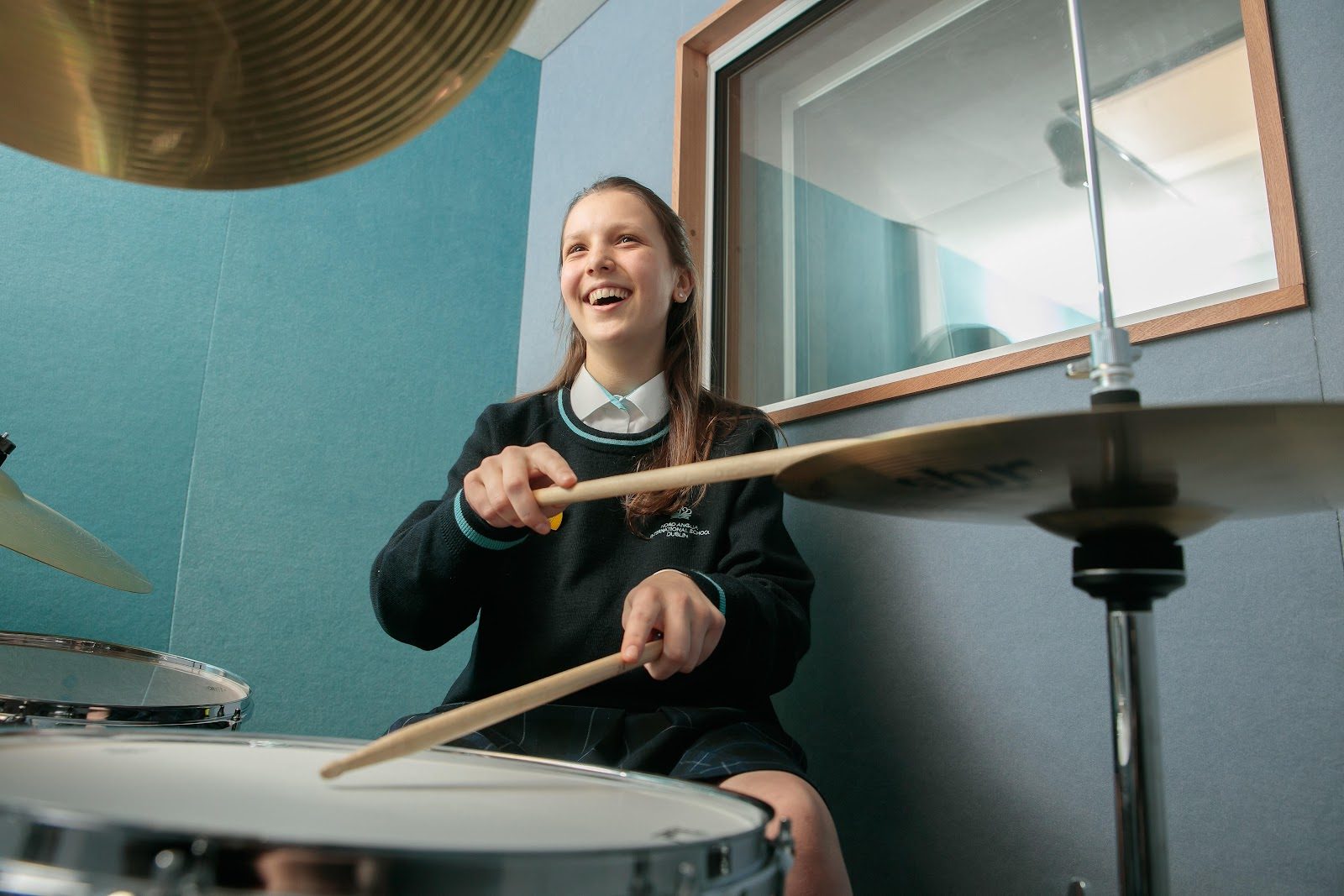
Nord Anglia International School Dublin
Dublin · Ireland
In Leopardstown, Ireland's only full IB continuum school carries students from age three to eighteen without ever changing campus
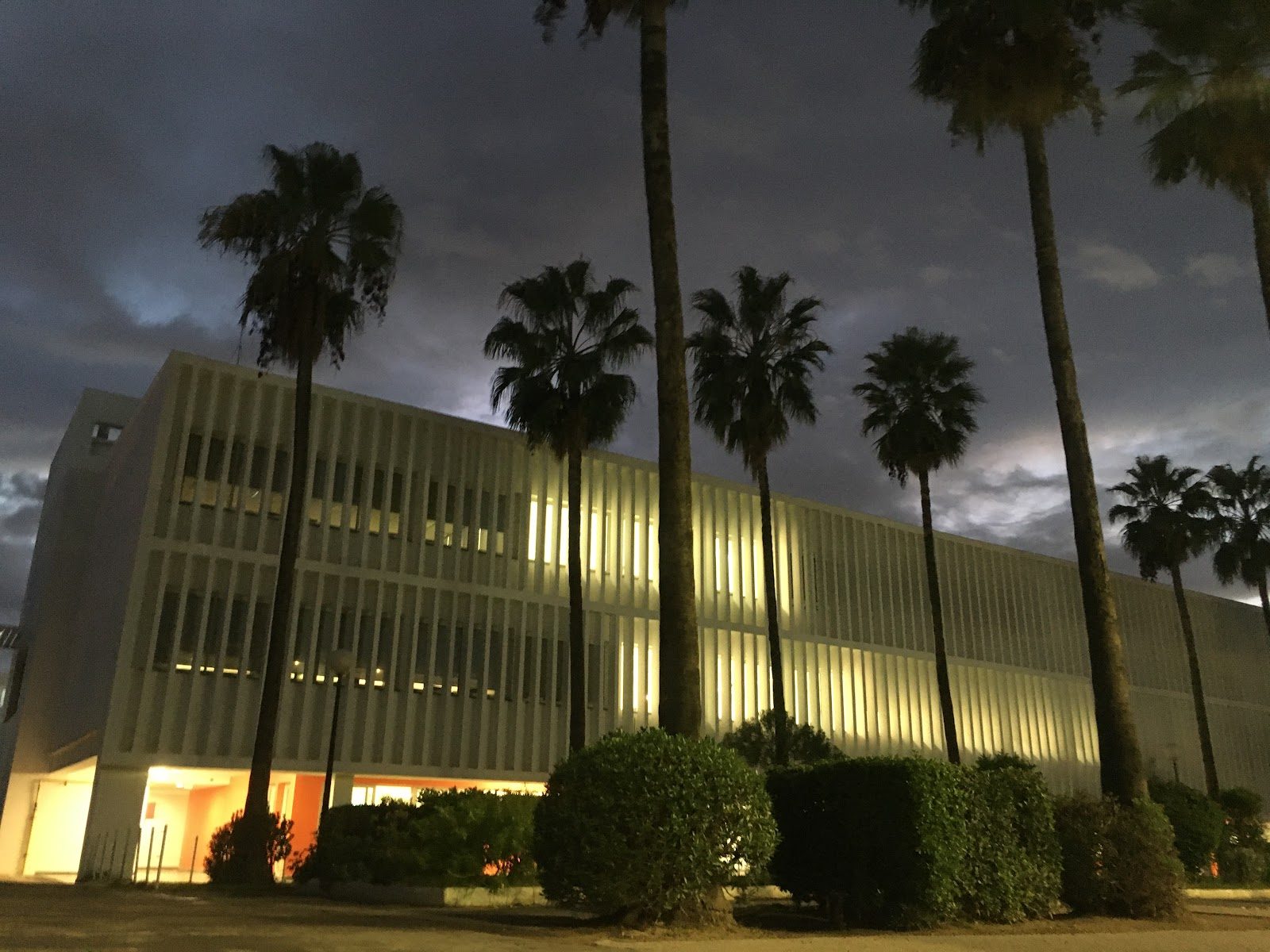
Lycée Gustave Flaubert
La Marsa · Tunisia
A five-hectare Mediterranean garden campus near Tunis, where AEFE's French Baccalaureate meets a genuinely mixed Franco-Tunisian student body.
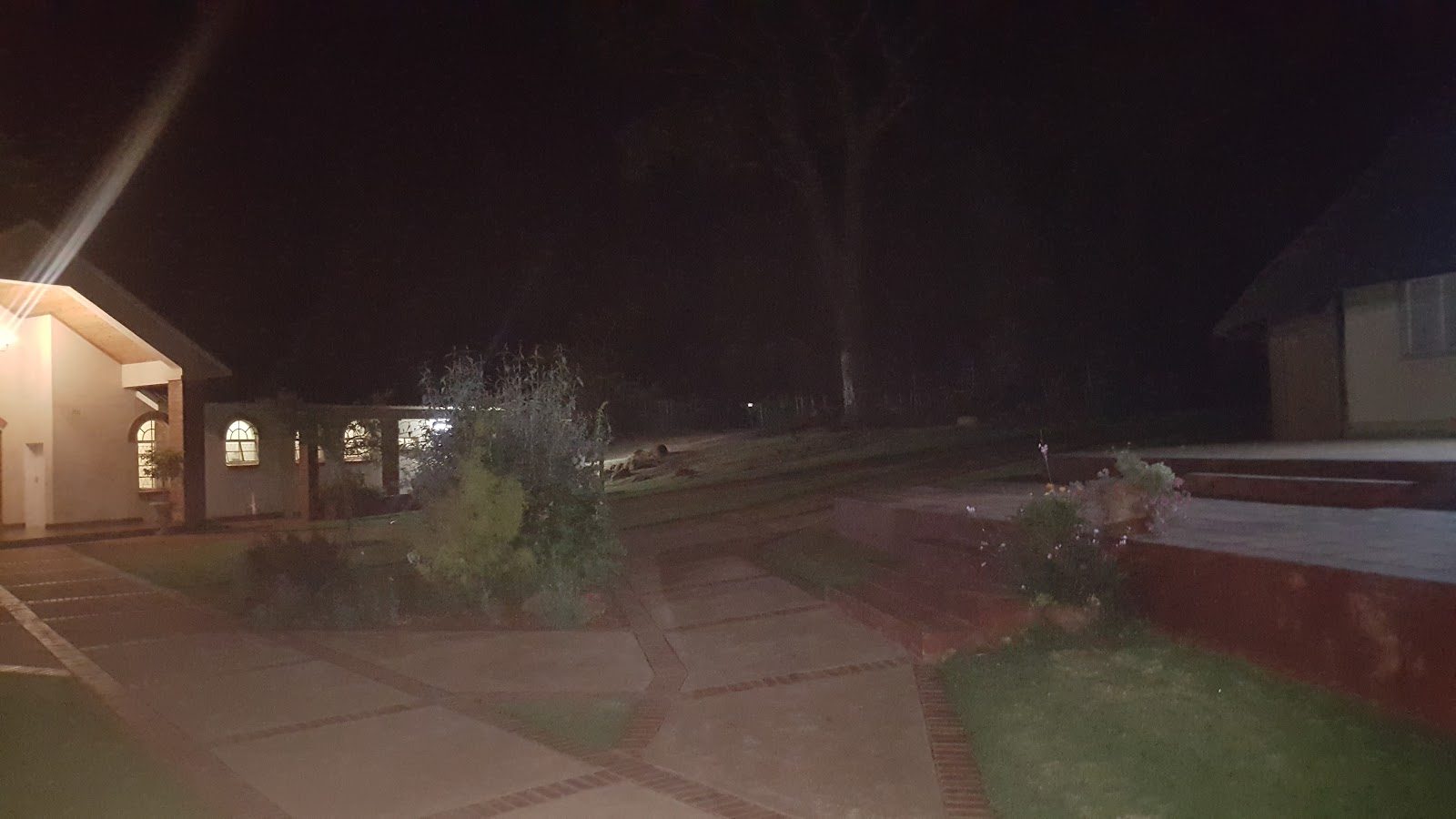
Peterhouse Girls' School
Marondera · Zimbabwe
On a 1,200-acre estate bordering Gosho Park, Anglican boarding pairs tight A-level classes with sister-school ties to Peterhouse Boys.
Bernadotteskolen
Copenhagen · Denmark
Named for wartime Red Cross rescuer Folke Bernadotte, this Hellerup reform school pairs Danish grundskole roots with IB pathways.
Same country and curriculum — closest matches within ±10 points either way