
Hellerup
Bernadotteskolen
low confidence· 4/6 cats · 1 avg sourcesNamed for wartime Red Cross rescuer Folke Bernadotte, this Hellerup reform school pairs Danish grundskole roots with IB pathways.
Type
Day
Ages
3–16
Curriculum
Danish · IB
Qualifications
IB MYP
Ratio
—
The Verdict
Editor's commitment
Right for
Families in Copenhagen who want a non-religious day school, founded in 1949, mixing Danish grundskole with an IB World School pathway.
Wrong for
Parents seeking a full 3–18 international school, boarding, or teaching beyond Danish and English will hit Bernadotteskolen's 3–16 limit.
Watch out for
The average annual day fee is 28,440 DKK, but the real question is fit: Danish and IB in one school demands clarity on pathway timing.
Ranking breakdown
Bernadotteskolen · #1370 of 1591
Composite score 53.1. 8 weighted criteria.
By criterion
Academic Outcomes
Weight 20%
#1313
of 1529 scored
University Placement
Weight 16%
#1313
of 1529 scored
Prestige & Heritage
Weight 12%
#1373
of 1571 scored
Alumni Network
Weight 12%
#1013
of 1530 scored
Facilities
Weight 12%
#1422
of 1533 scored
Transparency & Communications
Weight 8%
#1326
of 1532 scored
Peer & Industry Review
Weight 10%
#1216
of 1548 scored
Admissions Selectivity & Demand
Weight 8%
#1205
of 1529 scored
Peer & Industry Review
How Bernadotteskolen is regarded in the sector
63
Respected · medium confidence
I could not identify at least two independent, third-party sources (e.g., Tatler, Good Schools Guide, Danish inspectorate reports, expat forums, or specialist education press) that substantively assess Bernadotteskolen's reputation. Available information appears limited to the school's own materials or unverifiable mentions, which do not meet the evidentiary threshold required.
Editors' overview
Bernadotteskolen’s defining feature is its split identity: a Danish grundskole with IB credentials, teaching in both Danish and English, and doing so in Hellerup rather than on an out-of-town international campus. That combination is genuinely distinctive in Copenhagen. Founded in 1949 and named for Folke Bernadotte, the school sits in a niche between the local and the international: non-religious, day-only, and serving ages 3–16. For families who want a child anchored in Danish school culture without shutting the door on an IB pathway, that is a serious point of difference. It is also an IB World School and accredited by the Danish Ministry of Education, which matters because this is not an informal bilingual experiment; it is a school operating with recognition on both the national and international side.
The attraction, then, is not scale, prestige theatre or a glossy expatriate package. It is *educational hybridity with a clear purpose*. Bernadotteskolen gives parents a route that keeps one foot in Denmark and another in an international framework, with Danish and English both in play. That will suit bicultural families, internationally mobile households that still want local integration, and Danish families who value a more outward-facing education than a standard municipal option offers. The age range stops at 16, which is a material constraint. Parents need to think beyond the lower secondary years, because this is not a through-school to 18 and it does not offer the long runway that many international families expect.
In market terms, Bernadotteskolen reads as a specialist local-international crossover rather than a full-service international school. The average annual day fee is 28,440 DKK, which places it well below the fee level associated with Copenhagen’s more overtly international operators. That lower price point strengthens its appeal for parents who want bilingual or internationally inflected schooling without buying into the full expatriate-school cost structure. The trade-off is straightforward: families seeking a classic international-school experience in English from nursery to graduation need to look elsewhere. Families who want a school with strong local roots, a bilingual setting, and an IB-backed dimension should put Bernadotteskolen on the shortlist. The child who thrives here is one comfortable moving between languages, cultures and academic traditions — not a child looking for a cocooned international bubble.
Academic Performance
Bernadotteskolen does not publish aggregate external exam results in the public domain. We have not seen school-level IB outcomes, grade distributions, national test data, or destination figures that allow a clean comparison with Copenhagen’s stronger reporting schools. That matters. In a market where some international schools trade heavily on scorecards and university progression, Bernadotteskolen’s academic profile is harder to interrogate and less legible to an outsider. Parents therefore need to test performance through direct questioning: which externally assessed pathway pupils actually take at the top of the school, how many sit those assessments each year, and what the recent attainment pattern has been.
Relative to peers, that leaves Bernadotteskolen in the opaque middle ground: not a school with weak results on record, but not one making a results-driven case in public either. The age ceiling also narrows the range of headline outcomes available, because families do not get the usual sixth-form or diploma-end data that drives comparison tables elsewhere. For local families already comfortable reading the Danish system, that opacity carries less weight. For internationally mobile parents, it is a real drawback. The school’s case rests more on educational fit than on published academic firepower.
Facilities
Bernadotteskolen does not trade on a grand campus or a specialist-facilities arms race. That matters when benchmarking it against Copenhagen’s bigger international schools, many of which sell themselves through expansive sports provision, purpose-built theatres, large libraries and the glossy extras of a full international campus. Bernadotteskolen sits at the other end of that spectrum: compact, practical and school-first rather than showcase-first. For a school serving ages 3–16, the important question is not whether it can match those larger operators on footprint. It cannot. The question is whether the spaces support bilingual teaching, daily school life and a coherent lower-school-to-middle-school experience. On that test, the offer has to be judged as functional rather than lavish.
That makes the facilities proposition credible but modest. Parents should not expect elite sports infrastructure, boarding-level amenities or the sort of dedicated senior-study environment found in through-schools that keep pupils to university entry. The school’s advantage lies elsewhere: a setting that fits its educational model and fee level without loading families with expensive campus theatre. For some households, that restraint is a plus. Children who need every co-curricular option on site, extensive outdoor provision or heavy specialist resourcing in the arts and sport will find stronger hardware at peer schools. Families who value unflashy competence over spectacle will find the facilities sufficient, but not a reason on their own to choose the school.
Bernadotteskolen gives parents a route that keeps one foot in Denmark and another in an international framework, with Danish and English both in play
Prestige
Bernadotteskolen carries niche prestige, not city-defining prestige. In Copenhagen terms, its standing comes from fit and identity rather than from social cachet, academic bragging rights or institutional scale. The school occupies a distinctive local-international seam: rooted in the Danish private-school world while offering an internationally recognised element that broadens its appeal beyond a purely domestic audience. That gives it credibility with families who want integration without surrendering flexibility. It does not, however, command the aura attached to schools that dominate public conversation through elite exam outcomes, deep alumni networks or a full run to university entrance. The age cap at 16 narrows that prestige ceiling. Schools that keep pupils through the final pre-university years hold a stronger grip on reputation because they own the headline results and destinations that parents trade on.
That is why the rating here sits in the respected but not exalted tier. The average annual fee of 28,440 DKK reinforces the point: this is not a luxury-status purchase, and it does not trade as one. For the right family, that is a strength, not a weakness. Bernadotteskolen offers serious educational character and a clear proposition, which earns esteem among parents who value substance over theatre. Its prestige is therefore quiet, informed and conditional: strongest among bicultural and locally embedded families who understand exactly what this hybrid model delivers, weaker among parents shopping for maximum brand power.
In market terms, Bernadotteskolen reads as a specialist local-international crossover rather than a full-service international school
Communications
Bernadotteskolen’s parent communication reads as the product of a school that expects close day-to-day contact rather than distant brand management. That has strengths. Families choosing a compact independent school want directness, not corporate polish, and the school’s public-facing communication fits that expectation: practical, local and plain-spoken. There is no sign of the over-produced admissions theatre common elsewhere. That gives the school a more trustworthy tone. It also places pressure on execution. When a school’s proposition depends on navigating between home cultures, educational expectations and age phases, parent communication cannot afford vagueness. Messages need to be timely, bilingual where necessary, and explicit about routines, transitions and academic expectations.
The weakness is not noise but reach. Bernadotteskolen does not project the high-visibility communications machine of a larger international operator, and some parents will read that as restraint while others will read it as limited transparency. We have not seen the kind of rich public archive—detailed reporting, extensive performance explanation, or deep parent-information architecture—that makes a school easy to interrogate from the outside. That does not make communication poor; it makes it more dependent on personal contact. For current families, that can work well if staff are responsive and systems are tight. For parents comparing schools at a distance, it is a real handicap. The school communicates like a community institution, not like a heavily marketed international brand, and that distinction matters.
Uniqueness
What sets Bernadotteskolen apart is not novelty for its own sake, but a rare educational crossover. It gives children a route through school that stays tied to Danish educational life while keeping an international frame in view. In a market that often forces a blunt choice between full local immersion and an expatriate-style international track, that is a genuine structural difference. The school’s age span, 3–16, sharpens that character: these are the years in which language habits, friendship patterns and academic self-confidence are formed, and pupils here do that work in an environment built around crossing between systems rather than sitting neatly inside one. For bicultural families, returnees, and internationally minded Danish households, that is highly practical, not cosmetic.
What children gain from that model is range. They learn to operate without the protection of a single educational script. That can build real adaptability: comfort with different classroom expectations, ease in mixed social settings, and a stronger sense that identity does not need to sit in one national box. It also gives the school a more grounded social texture than the classic international-school bubble. The trade-off is clear. This is not a place selling scale, polish or a long run to pre-university exit. Its distinctiveness lies in forming students who can move between worlds without making a performance of it — an unshowy but valuable education for the right child.
Families who want a school with strong local roots, a bilingual setting, and an IB-backed dimension should put Bernadotteskolen on the shortlist
Student Profile
The pupils who fit best here are children who can tolerate, and then benefit from, movement between worlds. This is not a one-note school for families who want a sealed international bubble or a conventional local route with no friction. It suits bicultural households, internationally mobile families with reasons to stay connected to Danish society, and local parents who want something more outward-facing than a standard mainstream option. The annual cost — 28,440 DKK on average across the full age range — also shapes the intake. This is a school with a more grounded social mix than higher-fee expatriate operators, and that matters to the texture of daily life. Pupils here need a degree of social and linguistic flexibility, plus enough confidence to manage a setting that does not spoon-feed identity.
The child who struggles most is the one who wants a single dominant culture, a vast peer pool, or a heavy dose of sixth-form-style academic theatre. Bernadotteskolen fits adaptable, self-possessed children better than status-conscious ones. It also fits families who value substance over display and do not need a school to perform prestige back at them. Because the school ends at 16, it works best for parents already comfortable planning the next step early rather than expecting one institution to carry everything through to university entry. For the right pupil, that produces a clear-eyed, unshowy education with real breadth. For the wrong one, it can feel too narrow, too local or simply not grand enough.
Bernadotteskolen does not publish aggregate external exam results in the public domain
Co-curricular strengths
Arts & sport, on a separate axis
Overall 7/10
Scored 0-10 from the school's own published evidence. This axis is editorial-only — it does not feed the main WTS ranking.
Sports
6.5/10
Drama
7/10
Dance
5.5/10
Music
8/10
Visual Arts
8/10
Editor first-pass · editor-reviewable · 7/30/2026
Strengths
- +Offers both the Danish national curriculum and the International Baccalaureate Diploma Programme, giving families flexibility between local and international pathways.
- +Located in Hellerup, an affluent residential suburb just north of Copenhagen with easy access to the city centre.
- +As a day school with a dual-curriculum structure, it caters to both Danish national families and internationally mobile expat households under one roof.
- +Small overall school size typical of Danish independent schools, which generally allows for closer staff-student relationships than larger international schools.
Considerations
- −Its dual Danish/IB structure means Danish-language instruction is central for younger years, which can be a barrier for newly arrived non-Danish-speaking families.
- −As a lesser-known name outside Denmark, it lacks the extensive international alumni network or global brand recognition of larger IB schools in Copenhagen.
- −Being a single-campus day school in Hellerup, it is not well suited to families based elsewhere in the greater Copenhagen area without a manageable commute.
- −Independent verification of academic results, university placement outcomes, or IB pass rates is limited in public sources.
Availability
Primary entry gate & tests
Academic Record
Parent reviews
Have you sent your child here?
Voice reviews carry the strongest trust badge — we transcribe them for you to tidy up before they go live. Prefer to type? A written review is fine too.
Add your voice
In 60 seconds, tell other parents: what's the best thing about Bernadotteskolen, and what surprised you when your child joined?
We ask for a Google sign-in so every review has a real face behind it — no anonymous drive-by attacks on schools, and no faked positive reviews. Your email is never shown publicly.
Send this profile to a friend
International parents rely on word-of-mouth. Share this review with someone weighing the same decision.
Schools with places
Similar schools to Bernadotteskolen with places available now.
Availability first, then country, area, curriculum, price, co-curricular
Consider also
Also worth looking at alongside Bernadotteskolen.
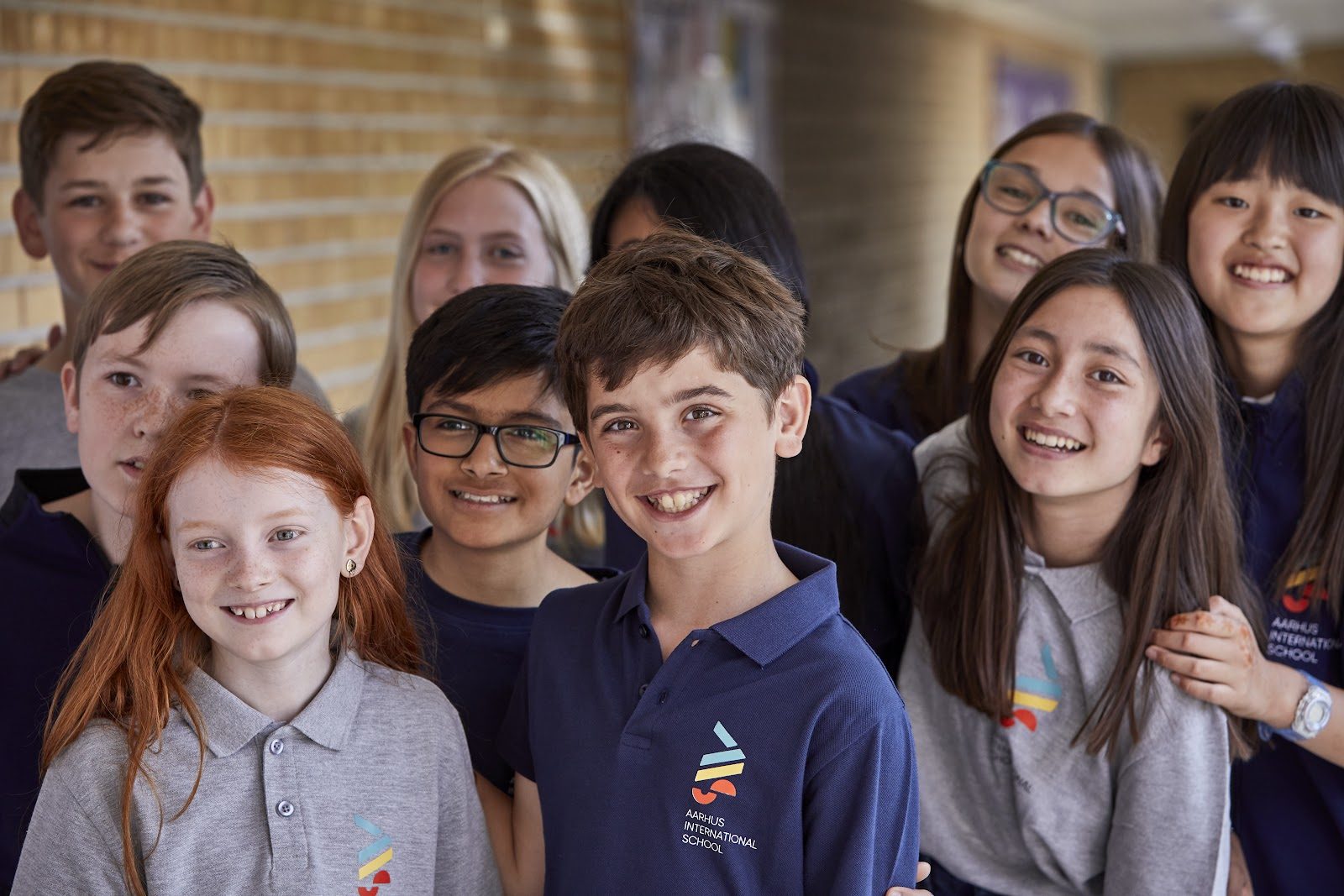
Aarhus International School
Aarhus · Denmark
PYP through MYP under one Aarhus roof, where 34 nationalities share a single Dalgas Avenue campus built for inquiry-based learning

International School of Billund
Billund · Denmark
Born of the LEGO Foundation in Denmark's toy capital, pairing IB rigor with a Harvard-researched pedagogy of play.
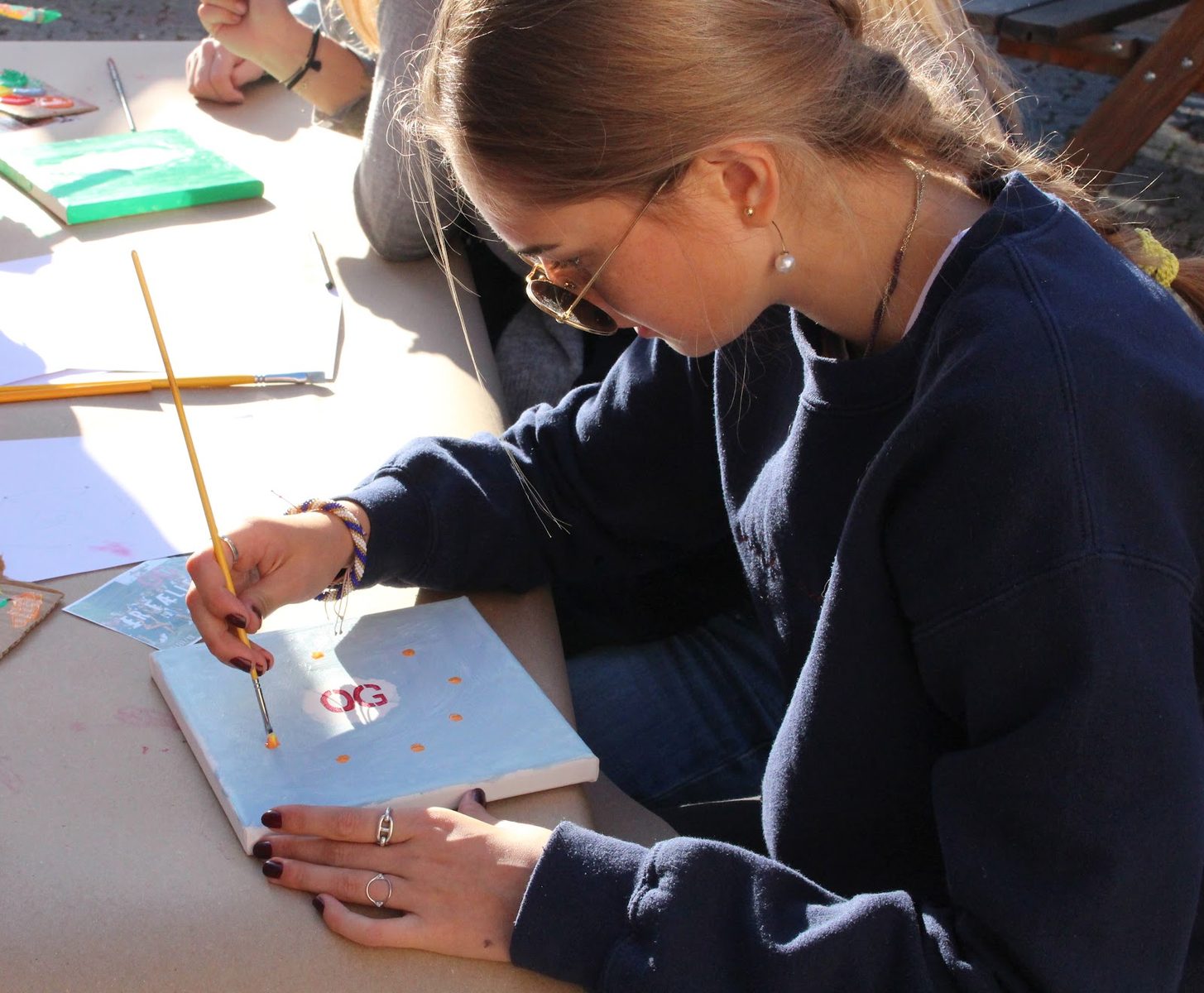
Ordrup Gymnasium
Charlottenlund · Denmark
Founded in 1873 as a pioneer of coeducation and outdoor learning, now pairing IB with Danish stx in leafy Charlottenlund.
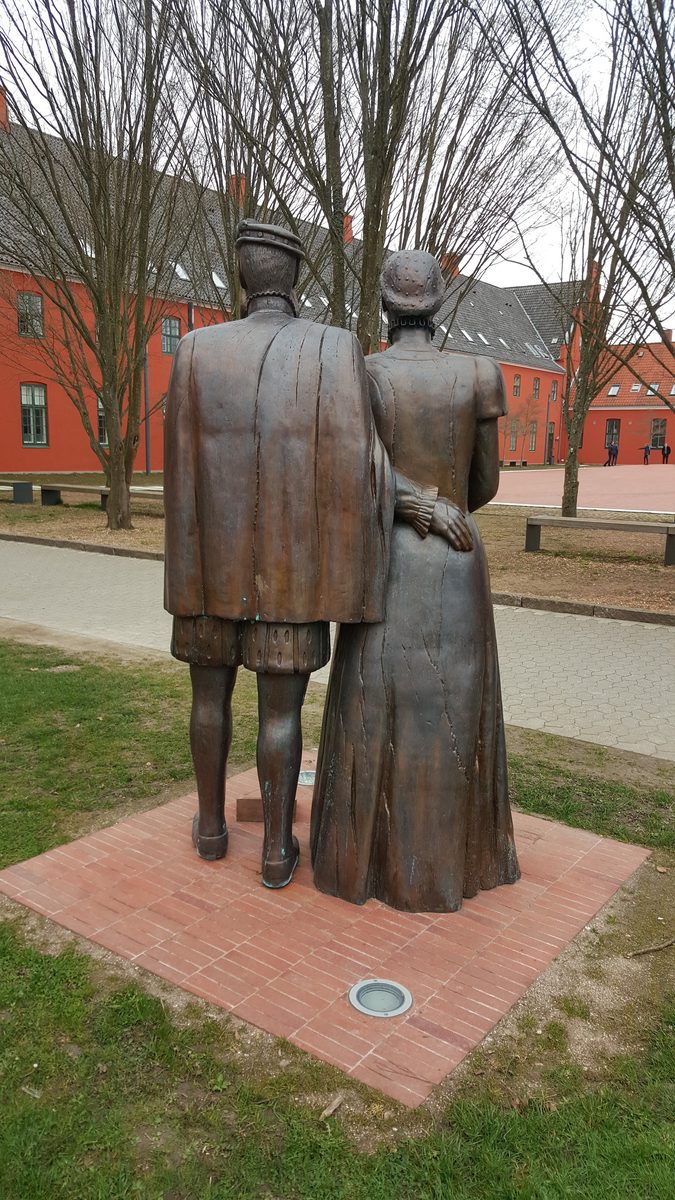
Herlufsholm
Næstved · Denmark
Founded in 1565 on a Benedictine monastery site by the River Susaa, pairing Danish national rigor with an English-taught IB Diploma.
Same country and curriculum — closest matches within ±10 points either way