
Minas Gerais
Colégio Santo Antônio
A century-old Franciscan foundation in Savassi whose students now top Belo Horizonte's Enem rankings nationwide
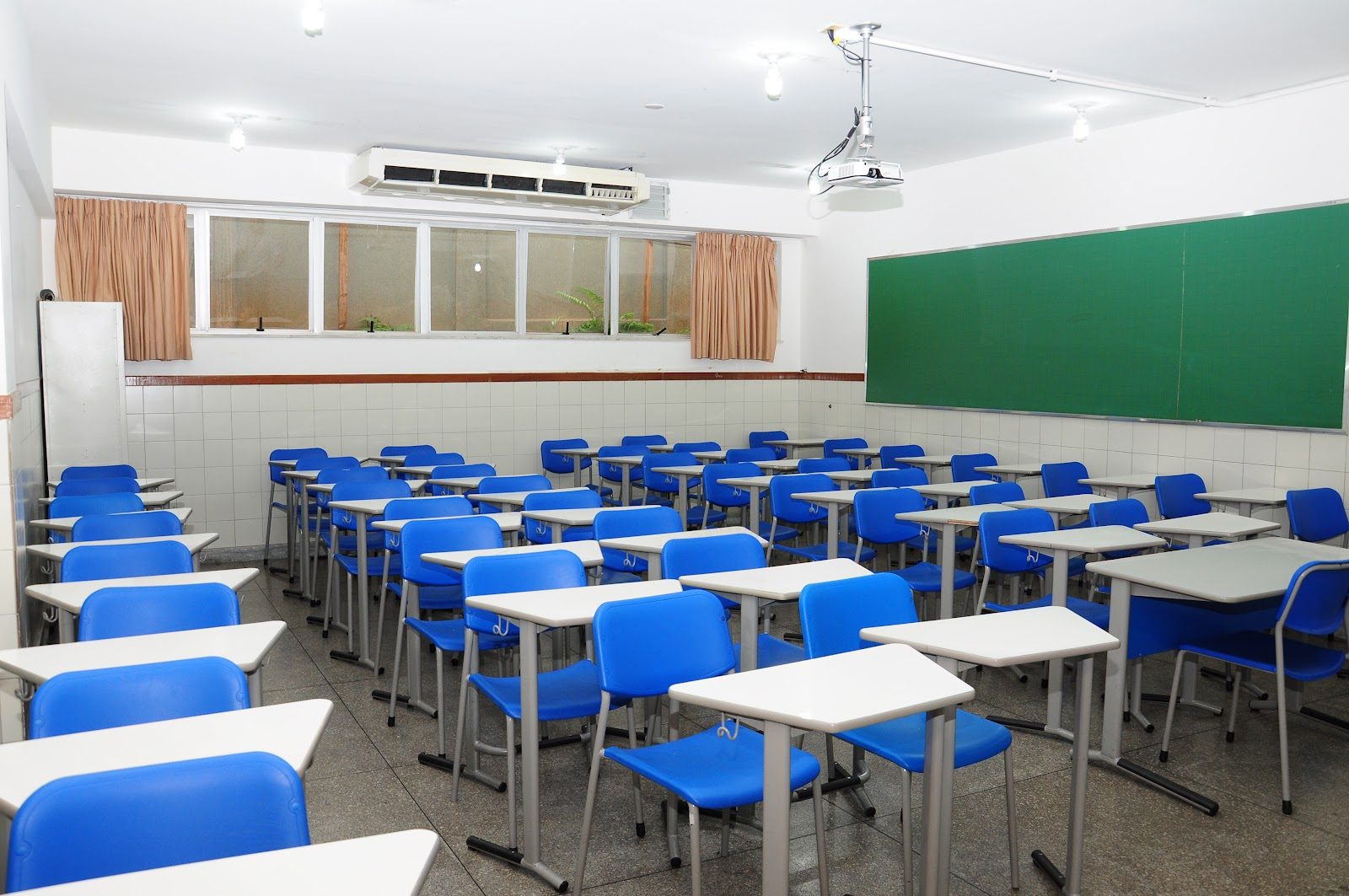
Photo © Colégio Santo Antônio via Google Maps
Type
Day
Ages
6–18
Curriculum
Brazilian
Qualifications
ENEM · Brazilian national curriculum
Ratio
—
The Verdict
Editor's commitment
Right for
Families in Belo Horizonte who want a Catholic day school, founded in 1912, with ages 6–18 and four consecutive Enem crowns.
Wrong for
Parents seeking boarding, a non-religious ethos, or a curriculum outside the Brazilian system in Portuguese and English will hit the limits fast.
Watch out for
The 2025 Enem banner is blunt and impressive, but the school does not publish cohort size, score breakdowns or university destinations.
Ranking breakdown
Colégio Santo Antônio · #1343 of 1591
Composite score 53.9. 8 weighted criteria.
By criterion
Academic Outcomes
Weight 20%
#1220
of 1529 scored
University Placement
Weight 16%
#1259
of 1529 scored
Prestige & Heritage
Weight 12%
#1150
of 1571 scored
Alumni Network
Weight 12%
#1191
of 1530 scored
Facilities
Weight 12%
#1247
of 1533 scored
Transparency & Communications
Weight 8%
#1383
of 1532 scored
Peer & Industry Review
Weight 10%
#1482
of 1548 scored
Admissions Selectivity & Demand
Weight 8%
#991
of 1529 scored
Peer & Industry Review
How Colégio Santo Antônio is regarded in the sector
52
Credible · medium confidence
Colegio Santo Antonio is best understood within Belo Horizonte's competitive field of traditional Catholic and secular private schools (Santo Agostinho, Magnum, Loyola, Santa Dorotea) that dominate local ENEM and vestibular league tables published by outlets like Estado de Minas and Guia da Folha. Its standing rests on consistent placement in state-level ENEM rankings and strong entrance-exam results into UFMG, one of Brazil's top federal universities, rather than on documentation from Anglophone independent-school arbiters such as the Good Schools Guide or WhichSchoolAdvisor, which do not systematically cover Brazilian K-12 institutions. There is no publicly verifiable record of rival heads' quoted commentary, international admissions-officer testimony, or presence at global peer conferences (e.g., HMC, NAIS) attached to this school. Its reputation is therefore regional and exam-outcome driven, recognized within Minas Gerais's private-school circuit and Catholic education networks, but it lacks the cross-border independent press footprint or university-admissions-officer commentary that would substantiate a broader international peer-review profile.
Editors' overview
Colégio Santo Antônio occupies a clear position in the Belo Horizonte market: a long-established Catholic day school with serious academic weight and a strong local reputation for Enem performance. Founded in 1912 and rooted in the Franciscan tradition, it combines age, religious identity and exam ambition in a way few schools manage cleanly. The headline claim matters: the school states that it took 1st place overall in Minas Gerais in Enem 2025, and that it has sat at the top for 4 consecutive years, from 2022 to 2025. That record puts it in the front rank for families who want measurable academic outcomes rather than lifestyle branding. That is the central fact. The academic signal is hard to ignore.
What distinguishes Santo Antônio is not novelty but concentration. This is a Portuguese-medium Brazilian curriculum school with English also in the mix, serving ages 6–18 on one continuum. The structure on the site points to a tightly organised operation: separate sections for younger and older students, formal monitoring and answer keys for older pupils, arts, sport, psychology, two libraries, a theatre, pastoral work and volunteer programmes. The Franciscan identity is not decorative. It runs through the school’s language, pastoral provision and social outreach. Parents looking for a secular, loose, progressive model should look elsewhere. Parents who want clear moral architecture, institutional memory and a school that treats study as serious business will find Santo Antônio compelling.
The school belongs on a shortlist for a specific child. The best fit is an academically driven student who thrives in structure, can handle competition and benefits from a school culture where exam results sit in plain view. It also suits families who value a Catholic formation that extends beyond chapel symbolism into volunteering, catechesis and a broader pastoral frame. Savassi adds practical appeal for Belo Horizonte families who want a central location and a school with deep roots in the city. This is a school with momentum. It knows what it is for.
The caveat is straightforward. Public claims about top rankings and university approvals are strong, but the school does not publish the fuller data international parents often want: aggregate subject-level outcomes, destination breakdowns, or the kind of comparative disclosure that makes external scrutiny easy. For local families who already understand the Enem hierarchy, that opacity carries less weight because the market signal is already powerful. For international families, the proposition still reads clearly: a century-old Franciscan school in Savassi, academically exacting, culturally rooted and built for students who want discipline, belonging and results.
Academic Performance
Academic performance is the school’s strongest public claim, and on its own terms the claim is formidable. Colégio Santo Antônio states that it took 1st place in Minas Gerais in Enem and that this was the 4th consecutive year at the top. That puts it above the level of a merely strong local school and into the category of an exam leader with sustained dominance. Wikipedia reinforces the same picture, identifying the school as a leader among institutions with more than 100 Enem candidates. In the Brazilian market, scale matters here: a top result with a large cohort carries more weight than a boutique result produced by a handful of pupils. For families focused on external validation, this is hard-edged evidence of serious academic execution.
The limitation is disclosure. The school trades heavily on rank position and on university approvals, but it does not publish the deeper performance data that demanding families should expect: no aggregate subject breakdowns, no full destination lists, no comparative trend tables beyond the headline claim. That weakens independent scrutiny. Even so, relative to peers in Belo Horizonte and across Minas Gerais, Santo Antônio sits in the uppermost academic tier. Relative to schools serving international families, the picture is more mixed: the exam signal is exceptionally strong, but the published evidence base is narrower than at institutions that release fuller outcome data.
Facilities
Facilities are stronger than many academically driven Brazilian day schools, which still treat space as secondary to test preparation. Colégio Santo Antônio gives real weight to the physical environment. The standouts are the Teatro Frei Hilário Meekes, two distinct libraries — a central library and a children’s library — and a visible spread of specialist support around arts, sport, psychology and pastoral life. That combination matters. A theatre signals a school willing to invest in performance and public culture, not just classroom delivery. Separate library provision for younger and older readers is a mark of institutional seriousness. Psychology on the public-facing structure also sets it apart from schools that talk about wellbeing in slogans and hide the actual support model. This is a full-service campus logic, not a bare exam mill.
Against peers, the offer sits above the local norm for breadth, even if the school does not publish the kind of campus metrics that make hard benchmarking easy. There is no detailed account of labs, sports fields, maker spaces or design studios, so parents do not get a complete facilities map. That gap matters, especially for international families used to floor plans, photography and square footage. Even so, the named provision points to an established, multi-dimensional school with more infrastructure than many high-performing urban competitors. The facilities read as purposeful rather than flashy: enough to support academic intensity, arts participation and pastoral formation without drifting into luxury-school theatre.
Colégio Santo Antônio states that it took 1st place in Minas Gerais in Enem and that this was the 4th consecutive year at the top
Prestige
Colégio Santo Antônio carries serious local prestige and a level of academic status that extends well beyond parish-school esteem. In Belo Horizonte, a school does not dominate Enem headlines across 4 consecutive cycles by accident, and it does not do so with more than 100 candidates unless the teaching operation is disciplined, the student body is strong and the institutional culture is built around results. That creates a clear hierarchy effect: high-performing families notice, ambitious students notice, and universities notice. The Catholic Franciscan identity adds another layer of standing. This is not prestige built on polish, imported branding or elite affect. It rests on institutional weight, exam success and a long-settled place in the city’s educational landscape.
The prestige is strongest in the domestic Brazilian market and among families who value hard academic proof over international-school gloss. The school’s theatre, volunteer structures, pastoral activity, psychology provision and dual-library setup give it the breadth expected of an established major school rather than a narrow exam factory. That matters. Pure cramming operations win marks and lose stature; Santo Antônio projects earned authority because the academic drive sits inside a fuller institutional frame. The limit is public transparency. The school has status, but it does not publish the richer outcome data that would convert local prestige into fully portable international credibility. Even with that caveat, this is high-prestige schooling in its home market, with real cachet among families who take academic reputation seriously.
Colégio Santo Antônio gives real weight to the physical environment
Communications
Parent communication is organised through a clear portal structure rather than a polished editorial feed. The site signposts separate access routes for teachers, students and rapid parent use, with dedicated sections for younger pupils and older students. For families, that matters because the practical information sits in plain view: calendars, materials lists, notices and timetables for the younger end; answer keys, mentoring, test dates and lesson schedules for the older end. There is also direct contact infrastructure through WhatsApp, a general contact form, FAQs and visit booking. That is a workmanlike, high-utility model of communication: built to move information quickly, not to perform warmth or sophistication.
Its effectiveness rests on function and audience fit. This school communicates like an institution that expects parents to stay engaged with routines, deadlines and academic process. The older-student section is the clearest evidence. Publishing items such as answer keys and assessment dates signals a culture of tight operational control and low ambiguity. Pastoral life is also communicated explicitly, with catechesis, confirmation, theology and volunteer activity given their own visible channel rather than buried under generic values language. The weakness is depth. The school does not publish the richer explanatory layer many international parents expect: fewer narrative guides, less contextual framing, and no strong public habit of data-rich reporting beyond the big claims. For local families, the system is practical and disciplined. For outsiders, it can read as functional to a fault.
Uniqueness
What sets Colégio Santo Antônio apart is the way it fuses serious Catholic formation with hard academic ambition without letting either side slide into tokenism. Many confessional schools keep religion at the level of ceremonies and symbols. Here, the Franciscan identity has working parts: pastoral projects, catechesis, confirmation preparation, theology for lay people, student volunteering, parent volunteering and named social initiatives. That gives students a school life with an explicit moral frame, not a vague values programme. At the same time, the school runs older pupils through a structure that includes answer keys, monitoring and formal assessment routines. The result is distinctive: discipline with conscience, rather than raw exam drilling or soft pastoralism.
That combination brings clear advantages for the right child. Students get a strong message that achievement matters, service matters and belonging matters. The theatre, psychology provision and 2 libraries widen that experience beyond test preparation and help prevent the school from collapsing into a single-track pressure system. The school’s public claim of being at the top for 4 consecutive cycles adds another layer: children grow up inside a culture where high performance is normalised, expected and visible. For self-directed, academically hungry pupils, that can be galvanising. For families who want a looser, more individualistic culture, it will feel *too structured, too declared and too moralised*. That sharpness is part of the school’s identity — and part of its value.
Colégio Santo Antônio carries serious local prestige and a level of academic status that extends well beyond parish-school esteem
Student Profile
The strongest fit is an able, conscientious student who does not need schooling sugar-coated. This is a school for children who can work within routine, absorb clear expectations and handle a culture where performance is visible. Older students, in particular, need to be comfortable with frequent checking, formal assessment rhythms and the public grammar of marks, answer keys and monitored study. The school’s headline academic standing over 4 consecutive cycles creates a high-pressure norm: success is not treated as a pleasant bonus but as part of the institution’s daily logic. Pupils who like clear targets, respect authority and gain confidence from structure will do well. Pupils who resist hierarchy, need constant freedom, or bridle at overt moral framing will find it too constraining.
The other essential fit factor is disposition toward community life. The Franciscan ethos has practical demands: volunteering, pastoral participation and a school culture that treats service as part of formation rather than an optional add-on. That suits families who want children educated inside a declared moral framework with real communal obligations. It also suits students who want more than pure exam drilling, since the school gives visible space to arts, theatre, sport and psychological support. The result is a student body shaped less by fashion than by discipline, duty and ambition. For the right child, that mix is bracingly effective. For the wrong one, it will feel tight, pious and relentless.
What sets Colégio Santo Antônio apart is the way it fuses serious Catholic formation with hard academic ambition without letting either side slide into tokenism
Co-curricular strengths
Arts & sport, on a separate axis
Overall 7.64/10
Scored 0-10 from the school's own published evidence. This axis is editorial-only — it does not feed the main WTS ranking.
Sports
7.7/10
Drama
7.8/10
Dance
7.4/10
Music
8.1/10
Visual Arts
7.2/10
Strengths
- +Consistently ranks among Brazil's top-performing schools on the ENEM national exam, placing 12th nationally in 2025 with an average score of 751.45 points.
- +Long-established institution founded in 1909 by the Order of Friars Minor in Sao Joao del Rei, relocating to Belo Horizonte in 1950, giving it over a century of continuous operation.
- +Reports strong student retention, with more than 80 percent of pupils who start in Grade 1 remaining enrolled through the final year of high school.
- +Offers three foreign languages as part of the core curriculum: English from Grade 1 of primary school, plus German or Spanish beginning in Grade 6.
- +Central Savassi/Funcionarios location in Belo Horizonte's Centro-Sul region gives relatively easy access from across the wider metropolitan area.
Considerations
- −The school states it does not offer Ensino Infantil (early years/kindergarten), so families need a separate nursery or pre-school solution before Grade 1.
- −Entry is via a competitive annual selection process rather than open enrollment; the school itself notes that candidate numbers are far higher than available places and an interview may be required.
- −Parent reviews describe an intensely academic, results-driven culture, with one parent citing a 'grave obsessao por resultados' (serious results obsession) as a downside.
- −Follows a purely Brazilian national curriculum with no international qualification such as the IB or A-Levels, which may limit portability for expat families planning to relocate again.
Availability
Primary entry gate & tests
Entrance Exam
Gallery
Photo © Colégio Santo Antônio via Google Maps
Photo © Colégio Santo Antônio via Google Maps
Photo © Colégio Santo Antônio via Google Maps
Photo © Colégio Santo Antônio via Google Maps
Photo © Colégio Santo Antônio via Google Maps
Photo © Colégio Santo Antônio via Google Maps
Photo © Colégio Santo Antônio via Google Maps
Parent reviews
Have you sent your child here?
Voice reviews carry the strongest trust badge — we transcribe them for you to tidy up before they go live. Prefer to type? A written review is fine too.
Add your voice
In 60 seconds, tell other parents: what's the best thing about Colégio Santo Antônio, and what surprised you when your child joined?
We ask for a Google sign-in so every review has a real face behind it — no anonymous drive-by attacks on schools, and no faked positive reviews. Your email is never shown publicly.
Send this profile to a friend
International parents rely on word-of-mouth. Share this review with someone weighing the same decision.
Schools with places
Similar schools to Colégio Santo Antônio with places available now.
Graded - The American School of São Paulo
São Paulo · Brazil
- 2026-27
- WAITPOOLGrade-specific
- 2027-28
- PLACES OPENLocal Oct 2; Intl relocators now
Escola Americana do Rio de Janeiro
Rio de Janeiro · Brazil
- 2026-27
- WAITPOOLSpace-dependent
- 2027-28
- PLACES OPENRolling
St. Paul's School
São Paulo · Brazil
- 2026-27
- WAITPOOLVacancy-dependent
- 2027-28
- PLACES OPENNursery Active; Others available
Availability first, then country, area, curriculum, price, co-curricular
Consider also
Also worth looking at alongside Colégio Santo Antônio.
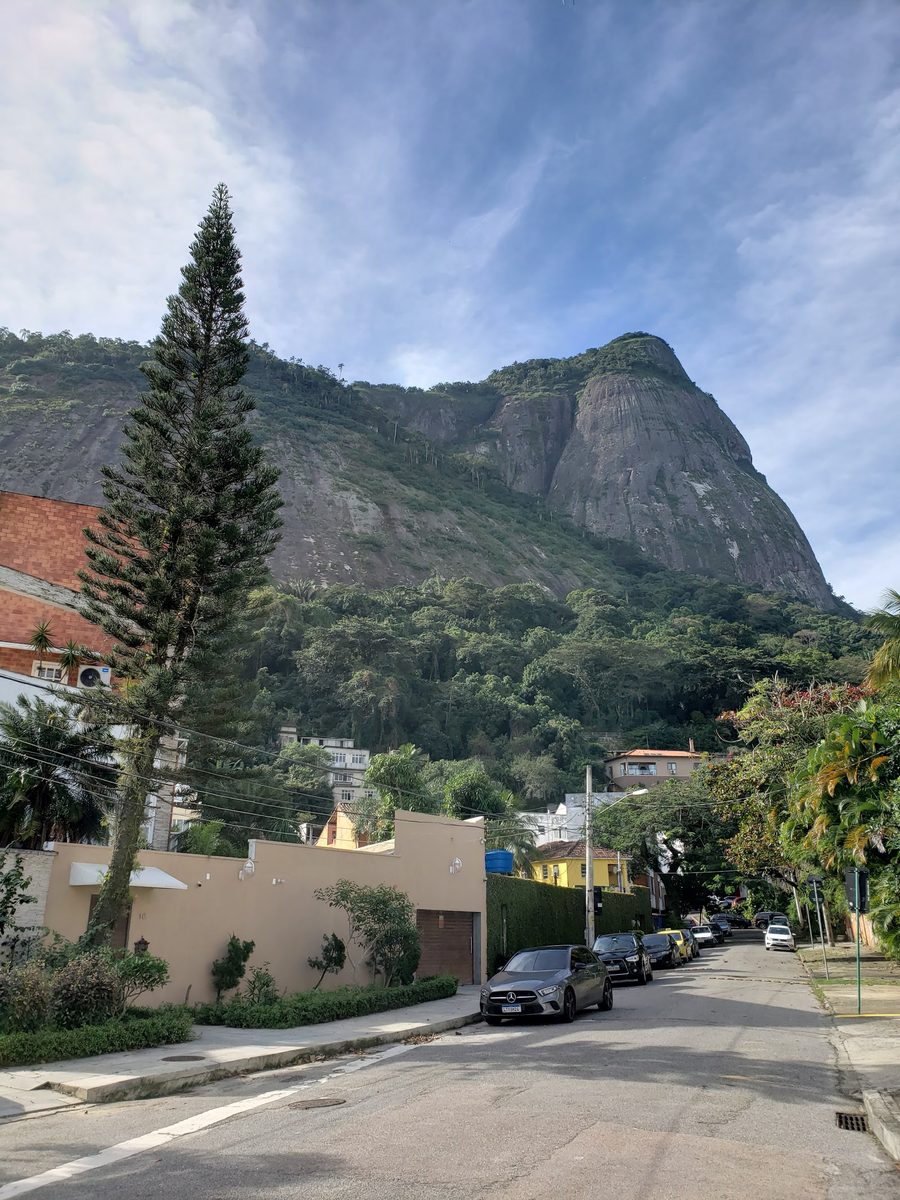
Escola Suíço-Brasileira Rio de Janeiro
Rio de Janeiro · Brazil
Brazil's first bilingual school, still running three parallel language tracks and blending Swiss Matura with IB in Barra da Tijuca.
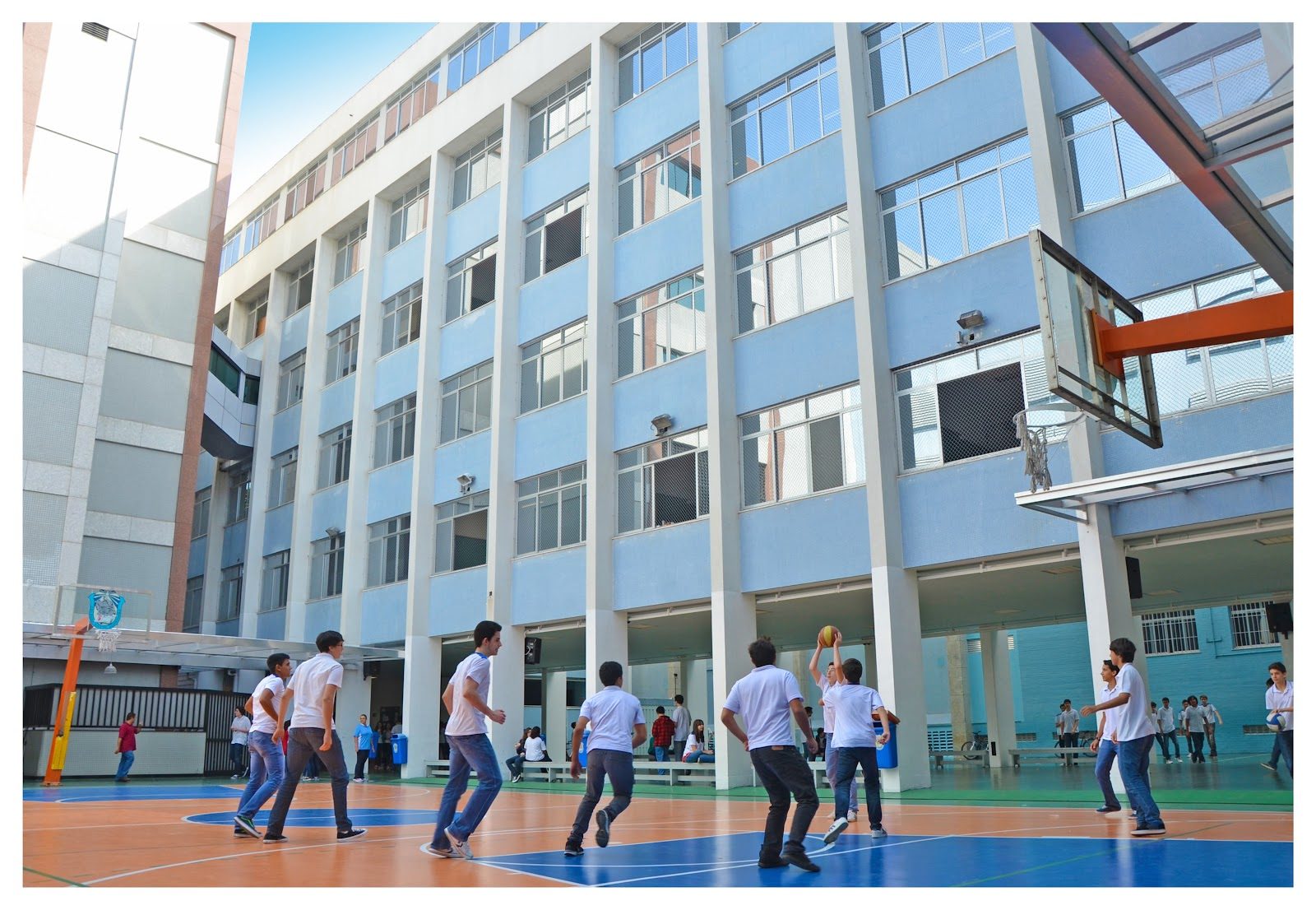
Colégio Santo Agostinho Rio de Janeiro
Rio de Janeiro · Brazil
Augustinian friars have run rigorous Catholic schooling from Leblon since 1946, still placing among Rio's top ENEM scorers.
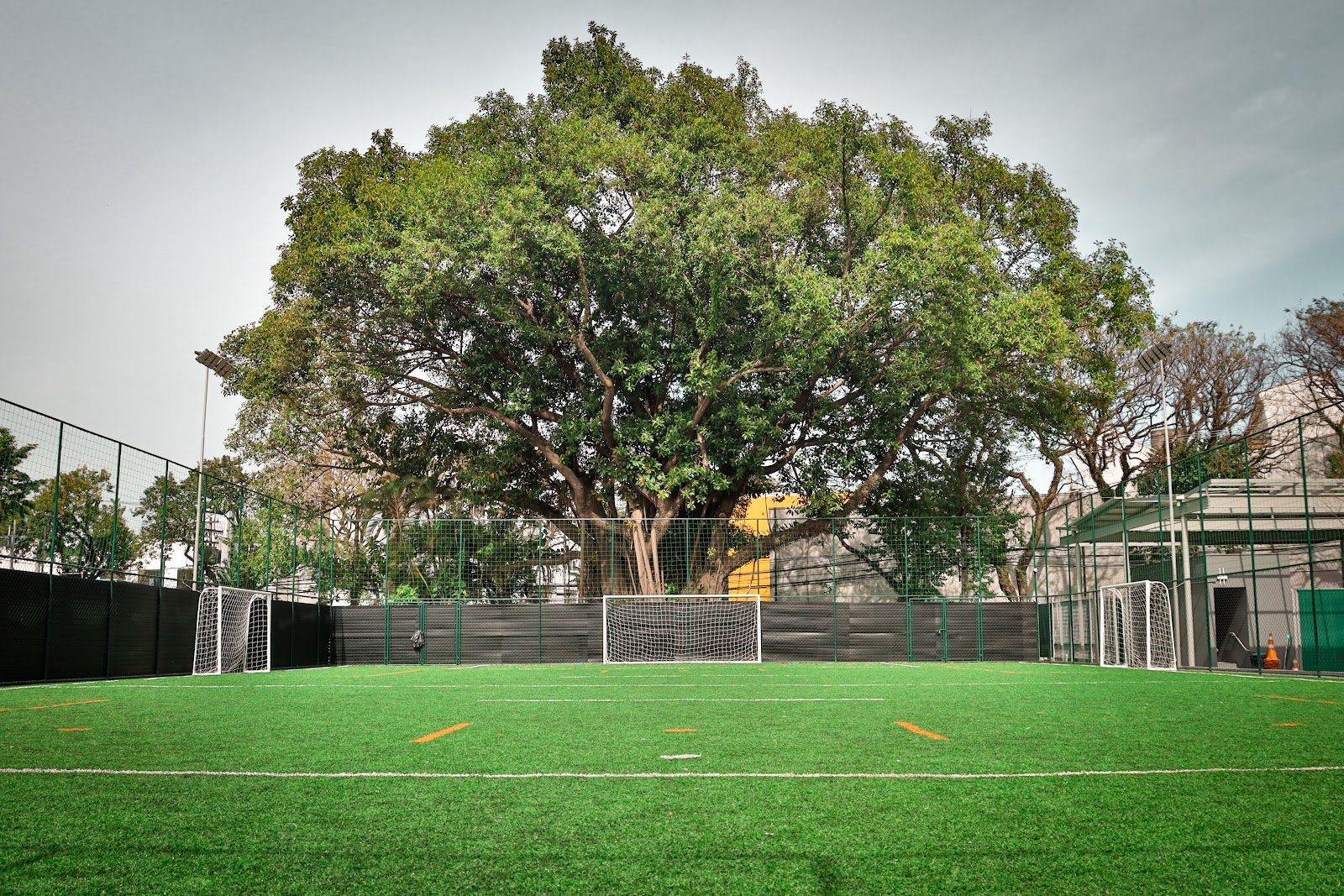
Escola Beacon
São Paulo · Brazil
A former industrial warehouse in Vila Leopoldina now houses a full IB continuum rooted in bilingual Brazilian identity.
St. Nicholas School São Paulo
São Paulo · Brazil
A full IB continuum across two Sao Paulo campuses, where Oxford, London and Cambridge Houses meet annually for a countryside challenge.
Same country and curriculum — closest matches within ±10 points either way