
Ipanema + Barra da Tijuca
Escola Suíço-Brasileira Rio de Janeiro
low confidence· 4/6 cats · 1 avg sourcesBrazil's first bilingual school, still running three parallel language tracks and blending Swiss Matura with IB in Barra da Tijuca.
Type
Day
Ages
3–18
Curriculum
Swiss Matura · Brazilian · IB
Qualifications
IB Diploma
Ratio
—
The Verdict
Editor's commitment
Right for
Families in Barra da Tijuca who want Portuguese, German and English across one school, with Swiss Matura, Brazilian and IB on offer.
Wrong for
Parents who want a single-curriculum school or cheaper bilingual provision; this day school averages BRL 98,025 a year from ages 3–18.
Watch out for
Founded in 1965 and accredited by Swiss Schools Abroad, IB and Brazil's MEC, it asks families to navigate three parallel language tracks.
Ranking breakdown
Escola Suíço-Brasileira Rio de Janeiro · #1410 of 1591
Composite score 51.7. 8 weighted criteria.
By criterion
Academic Outcomes
Weight 20%
#1370
of 1529 scored
University Placement
Weight 16%
#1359
of 1529 scored
Prestige & Heritage
Weight 12%
#1396
of 1571 scored
Alumni Network
Weight 12%
#1061
of 1530 scored
Facilities
Weight 12%
#1449
of 1533 scored
Transparency & Communications
Weight 8%
#1383
of 1532 scored
Peer & Industry Review
Weight 10%
#1216
of 1548 scored
Admissions Selectivity & Demand
Weight 8%
#1308
of 1529 scored
Peer & Industry Review
How Escola Suíço-Brasileira Rio de Janeiro is regarded in the sector
63
Respected · medium confidence
I could not locate independent third-party sources (specialist education press, Good Schools Guide, Tatler, expat forums, or inspectorate reports) discussing Escola Suíço-Brasileira Rio de Janeiro's reputation. Without at least two credible independent references, a reliable score cannot be assigned.
Editors' overview
Escola Suíço-Brasileira Rio de Janeiro occupies a niche that very few schools can match: a 3–18 day school in Barra da Tijuca running Portuguese, German and English across a declared mix of Swiss Matura, Brazilian and IB pathways. Founded in 1965, it has the weight of history behind it, but the more important point is structural. This is Brazil’s first bilingual school, and it still operates with a distinctly complex multilingual model rather than a token international gloss. For families who want a child educated inside Brazilian society without giving up a serious European academic frame, that mix puts it in a rare bracket.
Its market position is clear. At an average annual day fee of BRL 98,025 across the full age range, this is an expensive school by local standards, but the price reflects a specific proposition rather than generic prestige. The school sits inside the Swiss Schools Abroad system, holds IB World School status and has MEC recognition in Brazil. That combination matters. It gives parents three concrete anchors: a Swiss institutional link, an internationally portable diploma route, and full standing in the national system. What is special here is not glossy facilities or inflated university talk; the school does not publish that kind of boastful data in the public domain. Its real distinction lies in the serious academic hybridity of the offer and in the discipline required to sustain three languages across a full school ladder.
This is not the right fit for every internationally minded family in Rio. Parents looking for a simple Anglo-American pathway, a softer bilingual model or a broad church of curricular choice will find more straightforward alternatives elsewhere. Escola Suíço-Brasileira suits students who are linguistically confident, academically hard-working and comfortable moving between systems rather than settling into one. It will appeal to Swiss, German-speaking, bicultural Brazilian and globally mobile families who value formal academic structure over trend-driven schooling. For the right child, that makes it a compelling shortlist school: internationally credible, nationally rooted, and unusual in a market where many schools promise globalism but offer only one language of thought.
Academic Performance
Academic transparency is the weak point. The school does not publish aggregate IB scores, IB diploma pass rates, Swiss Matura outcomes, Brazilian national exam data, grade distributions, or university destination lists in the public domain. That leaves parents without the comparative markers that strong academically ambitious schools use to prove their case. For a school charging an average annual fee of BRL 98,025, that gap matters. It makes external judgement harder than it needs to be and pushes families back onto anecdote, school visits and direct questioning. Any parent considering this school for sixth form years should ask for multi-year examination results by pathway, cohort sizes, subject entries and post-school destinations. Without that, the academic picture remains opaque, guarded and hard to benchmark.
Where does that place the school against peers? In Rio’s international market, schools with published IB averages or clear university destination data hold the stronger hand in any academic comparison. Escola Suíço-Brasileira’s case rests instead on the structural seriousness of its multi-pathway model and on the demands of studying across a rigorous multilingual framework. That gives it an intellectually demanding profile, but profile is not proof. Until the school discloses hard results, it sits in a category of credible but unverified academic strength: respected, distinctive, and missing the public performance data that would move it into the top rank on evidence rather than reputation.
Facilities
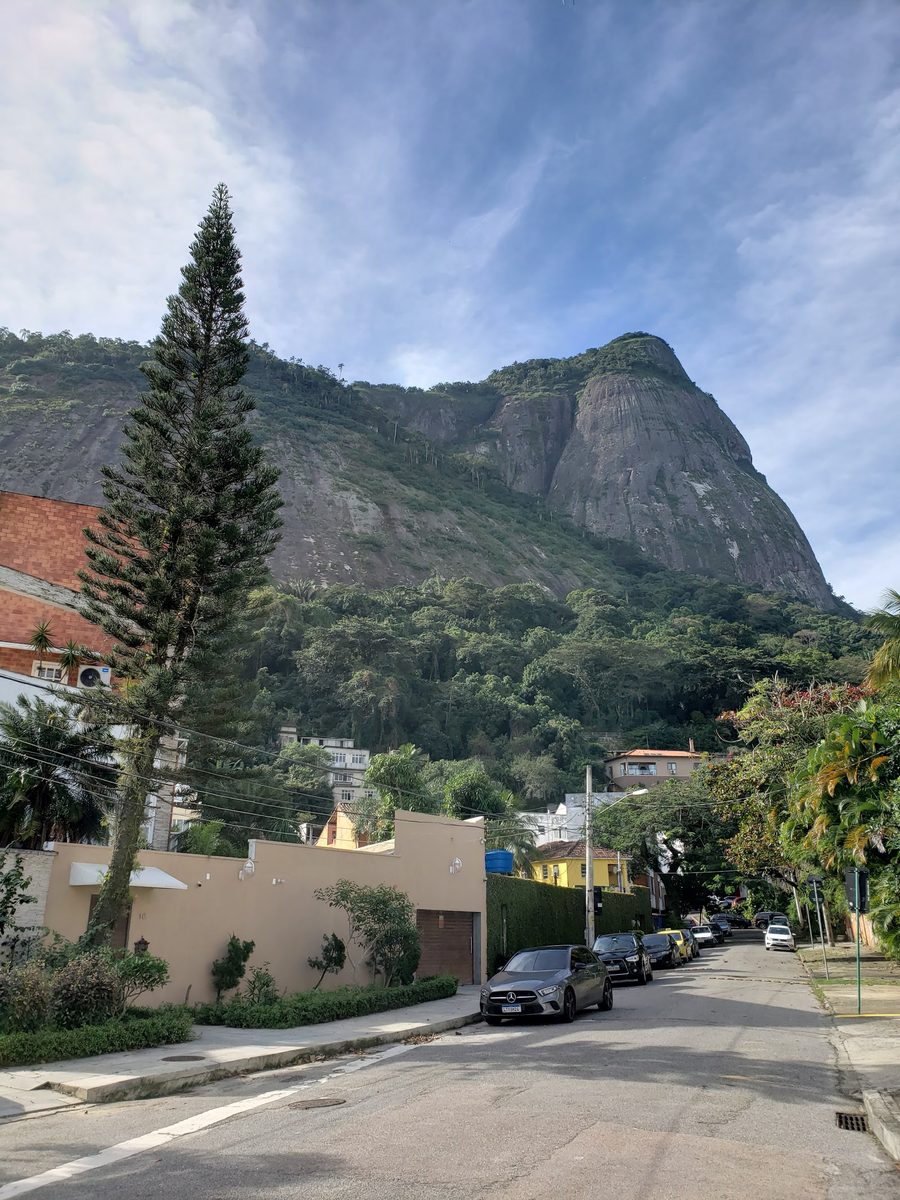
Facilities are not a public selling point here, and that matters. We have not seen a published inventory of specialist spaces, nor the kind of campus photography, technical specifications or building-by-building breakdown that stronger communicators now provide as standard. Parents can infer a full day-school campus serving children from the early years through secondary, but inference is not enough at this price. In practical terms, the school needs to show families its science provision, arts rooms, sports areas, library capacity, technology access and age-specific outdoor space on the ground. Against premium peers, that lack of disclosure leaves the physical offer under-explained, hard to audit and less convincing than it should be.
That does not mean the campus is weak; it means the school has chosen opacity over evidence. In Rio’s upper-fee market, the sharper competitors make facilities easy to assess: dedicated labs, theatre or performance space, serious indoor and outdoor sport, and clearly zoned areas for younger children. Escola Suíço-Brasileira’s advantage sits elsewhere, in its academically serious identity rather than in visible estate-led theatre. For some families, that restraint will read as refreshingly unflashy. For others, it will read as a gap. At an average annual fee of BRL 98,025, parents are entitled to expect more than trust. They should insist on a detailed campus tour and ask blunt questions about specialist teaching spaces, maintenance standards, shade, traffic flow at drop-off, and how well the site supports students across a very wide age span.
In Rio, plenty of schools sell an international image; far fewer sustain a genuinely multi-system education across the full age range
Prestige
Prestige here sits in a specialist, not mass-market, tier. The school carries standing because its academic architecture is hard to replicate and because it belongs to a narrow category of institutions that tie a Brazilian education to a Swiss institutional lineage without reducing either to branding. That matters more than social-media polish or glossy claims. In Rio, plenty of schools sell an international image; far fewer sustain a genuinely multi-system education across the full age range. That gives Escola Suíço-Brasileira a form of prestige rooted in substance, heritage and cultural specificity. The fee level — BRL 98,025 on average each year — places it firmly in the premium bracket, and parents paying that sum buy entry into a school with a distinctive identity rather than a generic elite address.
The limit on that prestige is public proof. Elite schools with the strongest reputations publish outcomes, destination data and clear performance signals; this school does not. That weakens its authority in head-to-head comparison with more academically transparent rivals. So the verdict is clear: Escola Suíço-Brasileira has real cachet among families who value Swiss-Brazilian educational seriousness, multilingual discipline and an established niche in the city’s private-school market. It has less prestige with parents who define status through published results, headline university placements or broad international name recognition. In other words, this is earned prestige within a narrow circle, not universal prestige across the whole market.
Where the educational model is complex, communication needs to be exceptionally clear
Communications
Parent communication looks functional rather than polished. The public face gives families the essentials — contact routes, core identity and basic school facts — but it does not do enough of the heavy lifting that strong premium schools now handle online. We have not seen the kind of detailed parent-facing architecture that reduces friction: clear academic handbooks, routine publication calendars, transparent assessment explanations, campus logistics in one place, or a deep archive of practical guidance by age phase. That matters in a school asking families to navigate 3 linguistic lanes and more than one academic culture. Where the educational model is complex, communication needs to be exceptionally clear. Here, the school’s external communication feels lean, and at points underpowered.
For current parents, that does not automatically mean poor day-to-day contact; many schools run competent internal communication while doing a mediocre job in public. But for prospective families, the effect is plain: too much depends on direct enquiry, meetings and campus visits. That slows comparison and gives an advantage to schools that explain themselves with more precision from the outset. At an average annual fee of BRL 98,025, parents are entitled to expect communication that is not just courteous, but systematic, timely and concrete. The verdict: effective enough to keep the school reachable, not strong enough to make it transparent. Families considering entry need to test responsiveness directly and ask for written detail, not verbal reassurance.
Uniqueness
What sets this school apart is not an “international” label but a genuinely uncommon educational structure. It runs 3 languages across the whole age range and keeps 3 academic frames in play at once: Swiss, Brazilian and IB. That is a far more demanding proposition than the standard bilingual formula. Students do not just pick up extra vocabulary; they learn to operate across different intellectual traditions, assessment cultures and classroom expectations. For the right child, that builds serious cognitive flexibility, a stronger ear for nuance, and a habit of switching register without losing precision. It also roots internationalism in daily work rather than in occasional theme weeks and global-minded slogans.
The benefit is clearest for families with cross-border lives or mixed cultural loyalties. A child can stay anchored in Brazil while holding open routes into European and wider international systems. That matters. So does the school’s long-standing Swiss institutional connection, which gives the model real backbone rather than decorative branding. There is, though, a price beyond fees: this is not a casual fit. Students need stamina, linguistic confidence and a tolerance for academic structure. Children who thrive on clear routines, formal standards and intellectual stretch will gain a rare kind of educational range. Children who want a simpler, softer school experience will find the model heavy.
What sets this school apart is not an “international” label but a genuinely uncommon educational structure
Student Profile
This school suits children who can hold more than one frame in their head at once. The strongest fit is the student who is comfortable switching between home cultures, classroom codes and social groups without needing the school to flatten those differences into something easier. That points to bicultural Brazilian families, Swiss or German-speaking households, internationally mobile professionals, and parents who want a child educated inside the national system without giving up a wider horizon. The pupil who thrives here is linguistically agile, academically disciplined and mentally organised. The pupil who struggles is the one who needs a loose structure, constant hand-holding or a simple single-track school life. This is a school for children who can tolerate complexity and, by the senior years, start to use it to their advantage.
Socially, the fit is narrower than at a broad-market international school. Families choosing Escola Suíço-Brasileira are not buying a generic expatriate bubble; they are opting into a more exacting, more culturally layered community with a clear academic centre of gravity. That will suit students who are serious in class, steady in routine and comfortable around peers whose families have made an intentional educational choice. It will not suit every child. Highly sporty students looking for an overtly competitive athletic culture, or teenagers who want a lighter-touch, less formal school identity, may find the atmosphere restrictive. For the right student, though, the reward is substantial: a rare kind of intellectual range built across 3 parallel strands of school life.
Founded in 1965, it has the weight of history behind it, but the more important point is structural
Co-curricular strengths
Arts & sport, on a separate axis
Overall 6.5/10
Scored 0-10 from the school's own published evidence. This axis is editorial-only — it does not feed the main WTS ranking.
Sports
6.5/10
Drama
6.5/10
Dance
5/10
Music
7/10
Visual Arts
7.5/10
Editor first-pass · editor-reviewable · 7/30/2026
Strengths
- +Offers three distinct exit qualifications - Swiss Matura, the Brazilian national curriculum, and the IB - a rare combination for a single day school.
- +One of a small number of schools worldwide authorised to prepare students for the Swiss Matura outside Switzerland itself.
- +Location in Rio de Janeiro gives access to the city's established Swiss and German-speaking expatriate community and cultural network.
- +Multilingual instruction model (Portuguese alongside German and/or English) reflects genuine biculturalism rather than a single foreign curriculum bolted onto a local one.
Considerations
- −Very low public profile internationally - limited independent inspection reports, published results, or third-party rankings are available to verify outcomes.
- −Niche curriculum focus geared toward Swiss and Brazilian pathways may be less relevant for families not connected to either system.
- −As a single-campus day school, facilities, extracurricular breadth and cohort size are likely modest compared with larger international schools in Sao Paulo or Rio.
- −Fee structure, class sizes and university placement data are not transparently published, making cost-benefit comparison difficult for relocating families.
Availability
Primary entry gate & tests
Academic Record
Parent reviews
Have you sent your child here?
Voice reviews carry the strongest trust badge — we transcribe them for you to tidy up before they go live. Prefer to type? A written review is fine too.
Add your voice
In 60 seconds, tell other parents: what's the best thing about Escola Suíço-Brasileira Rio de Janeiro, and what surprised you when your child joined?
We ask for a Google sign-in so every review has a real face behind it — no anonymous drive-by attacks on schools, and no faked positive reviews. Your email is never shown publicly.
Send this profile to a friend
International parents rely on word-of-mouth. Share this review with someone weighing the same decision.
Schools with places
Similar schools to Escola Suíço-Brasileira Rio de Janeiro with places available now.
Availability first, then country, area, curriculum, price, co-curricular
Consider also
Also worth looking at alongside Escola Suíço-Brasileira Rio de Janeiro.
Escola Beacon
São Paulo · Brazil
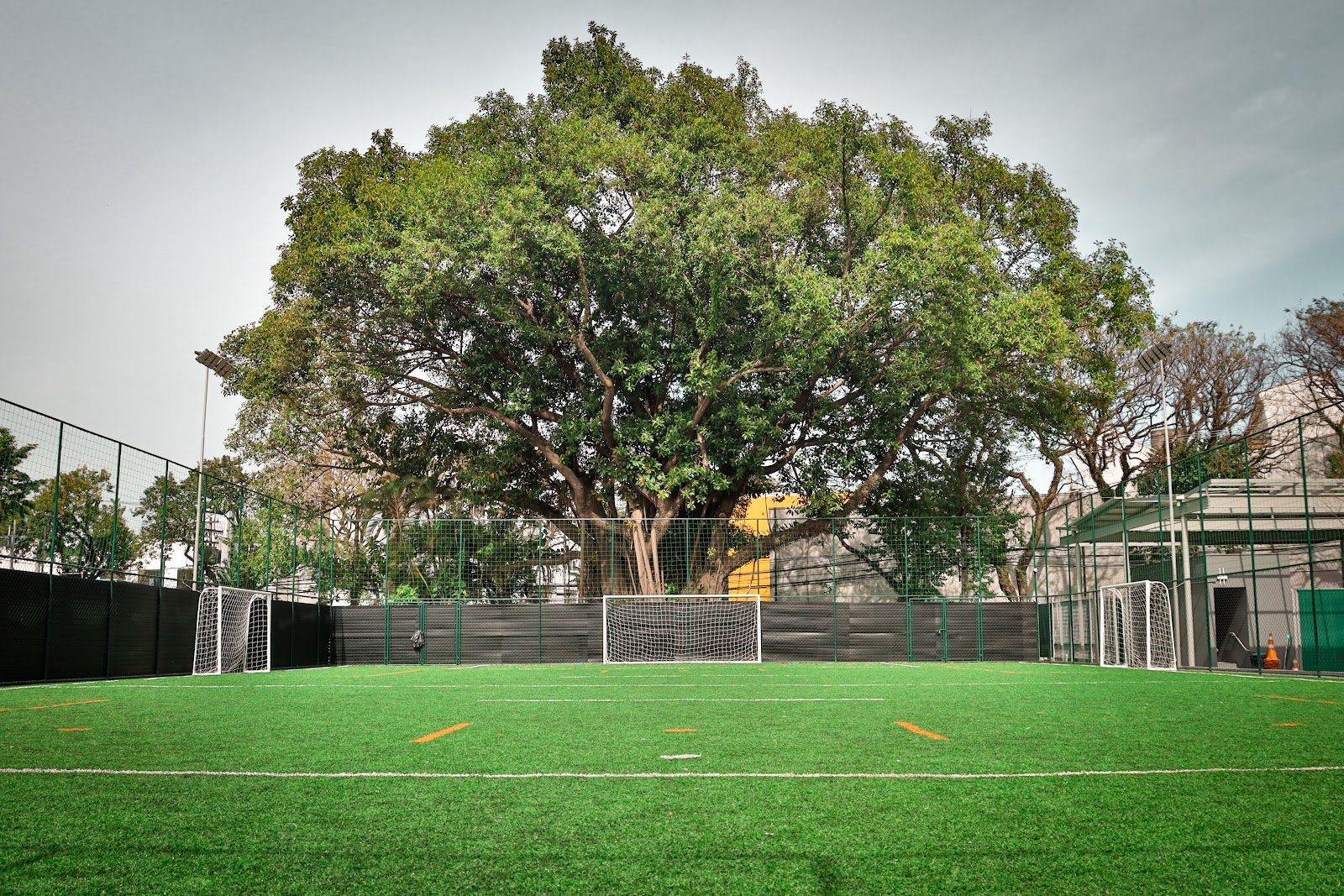
A former industrial warehouse in Vila Leopoldina now houses a full IB continuum rooted in bilingual Brazilian identity.
St. Nicholas School São Paulo
São Paulo · Brazil
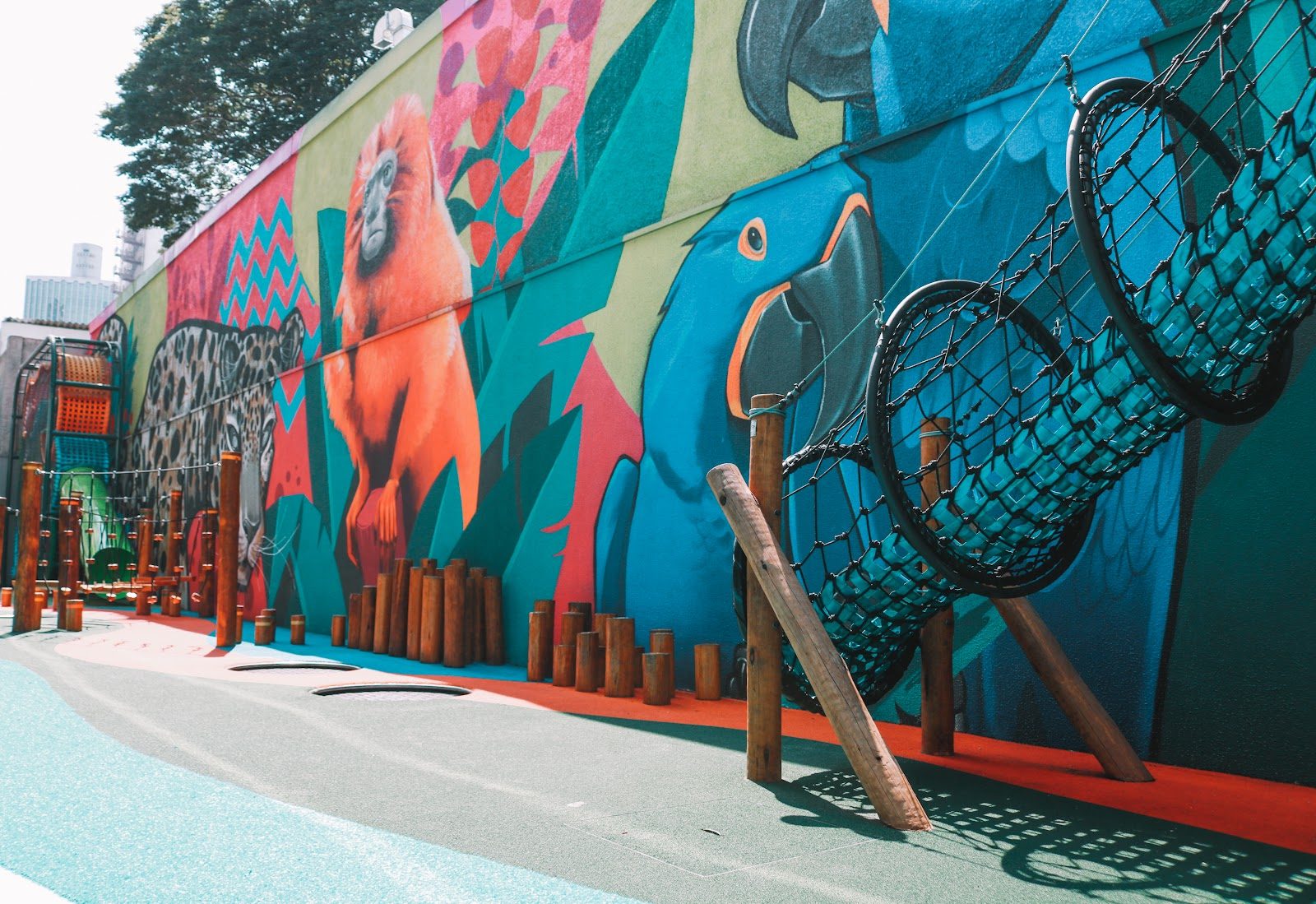
A full IB continuum across two Sao Paulo campuses, where Oxford, London and Cambridge Houses meet annually for a countryside challenge.
Colégio Santo Agostinho Rio de Janeiro
Rio de Janeiro · Brazil
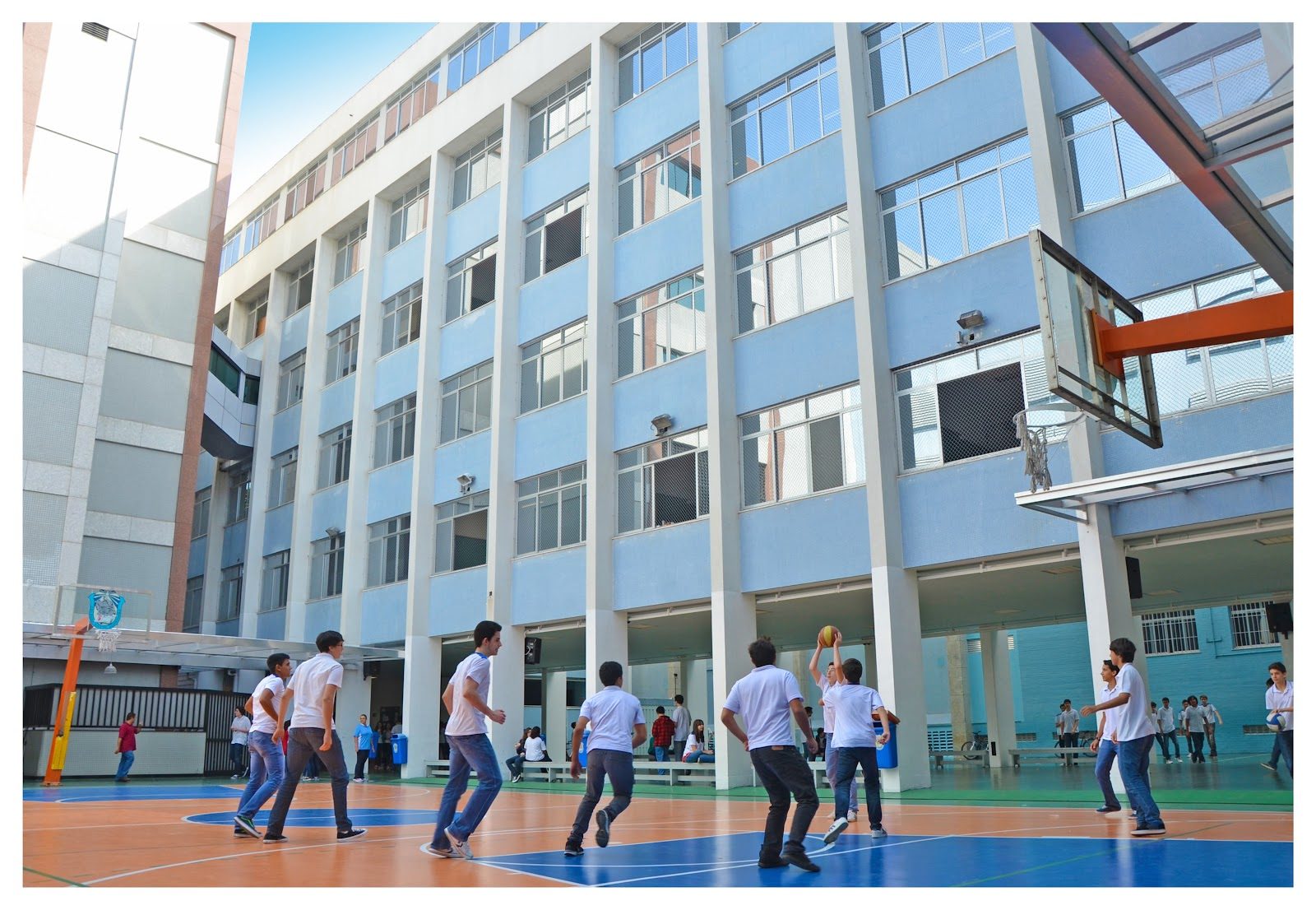
Augustinian friars have run rigorous Catholic schooling from Leblon since 1946, still placing among Rio's top ENEM scorers.
British College of Brazil
São Paulo · Brazil
Sao Paulo's twin campuses pair Cambridge IGCSEs with Juilliard-linked arts and a rare secondary sailing programme.
Same country and curriculum — closest matches within ±10 points either way