
Chácara Santo Antônio
Escola Beacon
low confidence· 4/6 cats · 1 avg sourcesA former industrial warehouse in Vila Leopoldina now houses a full IB continuum rooted in bilingual Brazilian identity.
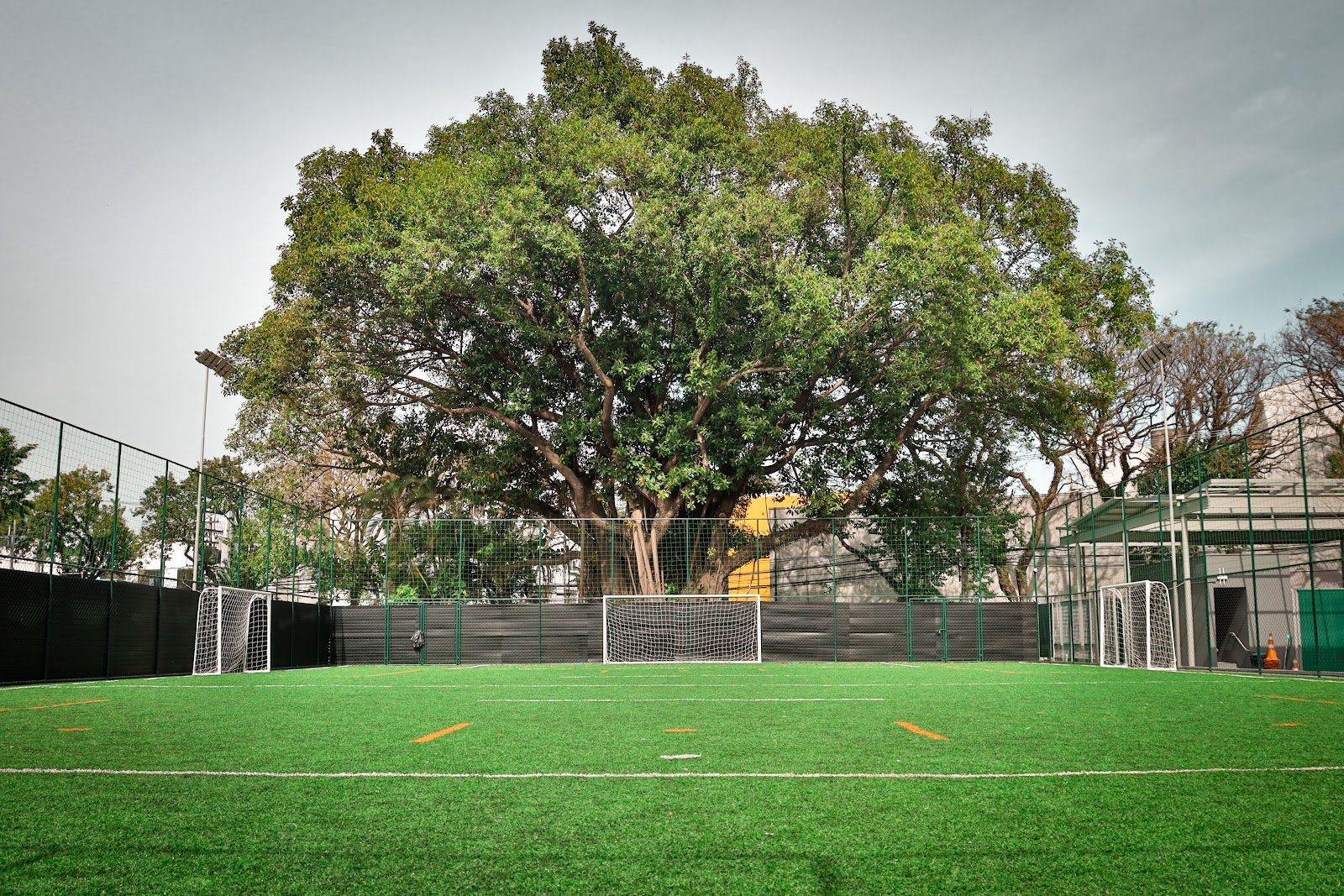
Photo © Beacon School | Campus via Google Maps
Type
Day
Ages
3–18
Curriculum
IB
Qualifications
IB Diploma · IB MYP · IB PYP
Ratio
—
The Verdict
Editor's commitment
Right for
São Paulo families wanting a day school from ages 3–18 with the full IB continuum in English and Portuguese.
Wrong for
Parents seeking religious formation, boarding, or a national curriculum beyond IB in this non-religious São Paulo school.
Watch out for
Founded in 2013 and housed in Vila Leopoldina, Beacon has IB World School and CIS badges but no published outcomes here.
Ranking breakdown
Escola Beacon · #1321 of 1591
Composite score 55.1. 8 weighted criteria.
By criterion
Academic Outcomes
Weight 20%
#1274
of 1529 scored
University Placement
Weight 16%
#1259
of 1529 scored
Prestige & Heritage
Weight 12%
#1357
of 1571 scored
Alumni Network
Weight 12%
#966
of 1530 scored
Facilities
Weight 12%
#1247
of 1533 scored
Transparency & Communications
Weight 8%
#1293
of 1532 scored
Peer & Industry Review
Weight 10%
#1319
of 1548 scored
Admissions Selectivity & Demand
Weight 8%
#1156
of 1529 scored
Peer & Industry Review
How Escola Beacon is regarded in the sector
62
Respected · medium confidence
I could not identify at least two independent, third-party sources (e.g., Tatler, Good Schools Guide, specialist education press, expat forums, or inspectorate reports) that specifically assess Escola Beacon São Paulo's reputation. Without verifiable independent evidence, no reliable score can be assigned.
Editors' overview
Escola Beacon occupies a rare niche in São Paulo: a bilingual, non-religious day school with the full IB continuum, housed in a converted warehouse in Vila Leopoldina and built from the start for a 3–18 age range. Founded in 2013, it is young by the standards of São Paulo’s established international schools, but that youth cuts both ways. Parents do not get inherited prestige, old alumni networks or institutional mythology. They get a school shaped around a modern educational proposition: English and Portuguese used seriously, Brazilian identity kept in view, and an IB structure that gives coherence from the early years through to the diploma. The physical setting matters too. A former industrial building can feel urban, purposeful and distinct from the manicured-campus formula that dominates the market.
What puts Beacon on a shortlist is not romance but positioning. In a city where bilingual schools often dilute one language, and traditional Brazilian schools can bolt on international credentials late, Beacon offers a cleaner proposition: bilingual education from the ground up, with IB as the spine rather than the decoration. Its accreditations — IB World School and CIS — give it external validation, and the age range removes the usual break points that force families to change schools at 18 or earlier. That continuity matters for parents who want educational consistency without sacrificing local cultural fluency. The proposition is strongest for internationally minded Brazilian families and expatriate families who want their children anchored in São Paulo rather than sealed off from it.
The school will suit children who thrive in a cosmopolitan, inquisitive environment and can handle a programme that asks for independence, discussion and sustained writing in more than one language. It will also appeal to families who value a clear-eyed academic framework over the social theatre of old-guard institutions. Students who need a heavily traditional, exam-drilled or overtly hierarchical setting will find stronger fits elsewhere. Beacon is for families who want a school with international range and local intelligence: modern, bilingual, structured, and confident enough to make a former warehouse feel like a serious place to learn.
Academic Performance
Beacon does not publish the kind of outcome data that lets parents place it cleanly against São Paulo’s stronger academic operators. We have not seen aggregate IB Diploma averages, subject scores, bilingual assessment data, university destination lists with year-on-year depth, or any comparative attainment breakdown by cohort. That opacity matters. In a market where schools use headline results to prove academic seriousness, silence leaves families judging the proposition on structure, staffing and student experience rather than hard attainment. For a school offering the full IB pathway, the absence of public diploma metrics is a real weakness in the academic case.
That does not mean weak performance; it means unproven performance in the public domain. The school’s age also means any track record remains shorter than that of São Paulo’s entrenched incumbents, and shorter histories produce thinner trend lines. Relative to peers, Beacon sits in the category of schools that need a direct conversation with admissions or leadership about exam outcomes, university offers, cohort size and score distribution before any parent treats it as a known academic quantity. Families comfortable with a younger, less legible results profile will accept that trade-off. Families who want published evidence, benchmarkable numbers and a long run of external results will find stronger reassurance elsewhere.
Facilities
The building is the headline facility here. A converted warehouse gives Beacon something many urban schools lack: volume. That matters in day-to-day use. High ceilings, large internal spans and industrial bones tend to produce more flexible teaching spaces, better circulation and a campus with a distinct physical identity rather than the cramped, retrofitted feel common in central-city schools. For parents comparing São Paulo peers, that is a real advantage over schools wedged into older residential plots with fragmented classrooms and limited shared space. The trade-off is obvious too: a warehouse campus rarely delivers the leafy, expansive grounds, playing fields and grand arrival sequence that define the city’s more established premium schools. If your benchmark is a traditional green campus, Beacon does not compete on that front.
What counts, then, is how well the interior has been turned into a serious all-through school rather than a design exercise. The strongest reading is that the campus supports a broad age range under one roof with enough adaptability for early years, primary and older students to coexist without feeling makeshift. That gives it a more coherent physical proposition than many newer bilingual operators. Still, public detail on specialist provision remains thin. We have not seen a full published inventory of science labs, performing arts spaces, libraries, indoor sport facilities or outdoor athletics capacity. Against peers, Beacon wins on urban character and adaptive architecture; it loses ground on facility transparency and, for families who prioritise sport-heavy infrastructure, on the scale that bigger campuses offer.
Founded in 2013, it is young by the standards of São Paulo’s established international schools, but that youth cuts both ways
Prestige
Beacon’s prestige sits in the second tier of São Paulo’s private-school market: credible, modern and socially intelligible, but not old-money and not deeply entrenched. It has the markers that matter to internationally minded families — a coherent educational model, external accreditation and a setting that signals design intent rather than inherited grandeur — yet it lacks the cachet that attaches to schools with generations of alumni, famous entrance difficulty or a long public record of top examination outcomes. In practical terms, Beacon carries more status among parents who value contemporary pedagogy and bilingual fluency than among families who buy prestige in its most traditional Brazilian form. That distinction matters. This is not a school whose name alone closes the conversation.
The school’s standing benefits from scarcity. In a large city, there are not many non-religious day schools offering the full pathway from nursery to graduation under one roof with a genuinely bilingual brief. That gives Beacon market distinction. Its warehouse campus also helps: the physical identity is memorable and self-possessed, which counts in a crowded field of interchangeable premium schools. Still, prestige depends on proof as well as positioning, and Beacon does not publish the public academic evidence that would lift it from interesting to formidable. For parents, the message is clear: this is a school with rising-status appeal, not inherited prestige. Its reputation rests on fit, culture and proposition, not on institutional weight.
Parents do not get inherited prestige, old alumni networks or institutional mythology
Communications
Beacon communicates in the way newer premium schools need to communicate: frequently, visually and with a strong preference for narrative over hard data. Parents get a clear sense of day-to-day school life, student activity and institutional tone. That helps with belonging, especially in an all-through setting where families want visibility across age phases, not just their own child’s classroom. The school’s public voice is polished, coherent and easy to follow. It does not read like an administrative afterthought. Just as important, it avoids the stiff, opaque tone that still dogs many traditional schools. For families who value responsiveness and cultural fluency, that matters.
The limitation is depth. Beacon communicates culture better than it communicates performance. We have not seen the level of published academic reporting, governance detail or outcomes disclosure that would let parents test the school’s claims against hard evidence. That leaves communication effective at building confidence in ethos, but weaker at answering the questions serious parents ask once the tour ends: how progress is measured, how concerns move through the chain of command, how leadership reports on results, and how the school handles difficult cases. In other words, the communication is warm, controlled and professionally managed; it is not yet fully transparent. For some families that is enough. For demanding parents, it leaves work to do in meetings and follow-up emails.
Uniqueness
Beacon’s real distinction lies in combination, not novelty for its own sake. There are bilingual schools, there are IB schools, and there are schools with a strong Brazilian social setting; far fewer knit those strands together in a way that feels structural rather than cosmetic. Children are not being asked to step between a local school and an imported international layer. They grow up inside a model where Brazilian reference points and international academic habits sit in the same daily routine. That brings a concrete benefit: students learn to move between cultural registers without treating one as the serious language of schooling and the other as a domestic afterthought. For families who want children grounded in their home country but fluent in a wider world, that is a serious advantage.
The other distinctive feature is the campus identity. A school housed in a repurposed industrial building gives students a setting that feels urban, adult and unsentimental rather than pastoral or ceremonial. That changes the atmosphere. It can foster independence earlier, make older pupils feel less infantilised, and give the whole place a clearer contemporary character than the faux-collegiate styling many premium schools borrow. The risk, of course, is that this model offers less inherited romance and less social theatre than older institutions. For the right family, that is precisely the point. Beacon offers a schooling experience that feels modern by design, not traditional by inertia, spanning the full journey from the early years to 18 without the usual institutional reset.
A former industrial building can feel urban, purposeful and distinct from the manicured-campus formula that dominates the market
Student Profile
Beacon suits children who are comfortable with motion: between age groups, between cultural frames, and between the social codes of local and international families. The pupils who thrive here tend to be verbally confident, adaptable and willing to participate rather than sit back. This is not the natural home of the child who wants anonymity, rigid hierarchy or a narrow definition of academic success. It fits families who want school life to feel socially mixed, contemporary and outward-looking, without cutting children off from Brazilian life. In practical terms, that means internationally minded Brazilian families, bicultural households and expatriate parents planning to stay long enough for their children to build roots rather than pass through. The all-through structure from 3–18 also suits parents who value continuity and do not want another admissions scramble at the next stage.
The student who fits best is independent early, handles discussion well and can cope with a classroom culture that asks for initiative. Beacon will reward curiosity, self-management and a degree of intellectual confidence; it will test children who need heavy spoon-feeding, constant external discipline or a more formal, old-school atmosphere. Socially, the school fits families comfortable with a premium but not aristocratic crowd: ambitious, educated, culturally fluent, and less invested in inherited status than in educational fit. For the right child, that produces a grown-up, urban schooling experience. For the wrong one, it can feel exposed.
What puts Beacon on a shortlist is not romance but positioning
Co-curricular strengths
Arts & sport, on a separate axis
Overall 7.8/10
Scored 0-10 from the school's own published evidence. This axis is editorial-only — it does not feed the main WTS ranking.
Sports
7.5/10
Drama
7.5/10
Dance
8/10
Music
8/10
Visual Arts
8/10
Editor first-pass · editor-reviewable · 7/30/2026
Strengths
- +Offers the International Baccalaureate curriculum, providing an internationally recognised pathway for globally mobile families relocating to Brazil.
- +Located in Sao Paulo, giving access to Brazil's largest expatriate and business community and the associated corporate relocation infrastructure.
- +Operates as a day school, avoiding the additional cost and logistical commitment of a boarding programme for families based locally.
- +As a newer entrant to the Sao Paulo international school market, class sizes and facilities are likely to reflect modern, purpose-built planning rather than legacy constraints.
Considerations
- −Editorial rank (1269) and candidate tier indicate the school has not yet built the long track record of academic results, alumni outcomes, or accreditation history that established IB schools in Sao Paulo can show.
- −Public information on IB examination results, fee schedules, and university placement outcomes is limited, making it difficult for families to benchmark the school against longer-established competitors.
- −As a relatively young school, extracurricular breadth, sports facilities, and alumni network are likely less developed than at Sao Paulo's more established international schools.
- −Being a single-campus day school in a traffic-heavy megacity, catchment radius and commute times will be a significant practical constraint for families not living nearby.
Availability
Primary entry gate & tests
Academic Record
Gallery
Photo © Beacon School | Campus via Google Maps
Photo © Beacon School | Campus via Google Maps
Photo © Beacon School | Campus via Google Maps
Photo © Beacon School | Campus via Google Maps
Photo © Beacon School | Campus via Google Maps
Parent reviews
Have you sent your child here?
Voice reviews carry the strongest trust badge — we transcribe them for you to tidy up before they go live. Prefer to type? A written review is fine too.
Add your voice
In 60 seconds, tell other parents: what's the best thing about Escola Beacon, and what surprised you when your child joined?
We ask for a Google sign-in so every review has a real face behind it — no anonymous drive-by attacks on schools, and no faked positive reviews. Your email is never shown publicly.
Send this profile to a friend
International parents rely on word-of-mouth. Share this review with someone weighing the same decision.
Schools with places
Similar schools to Escola Beacon with places available now.
Availability first, then country, area, curriculum, price, co-curricular
Consider also
Also worth looking at alongside Escola Beacon.
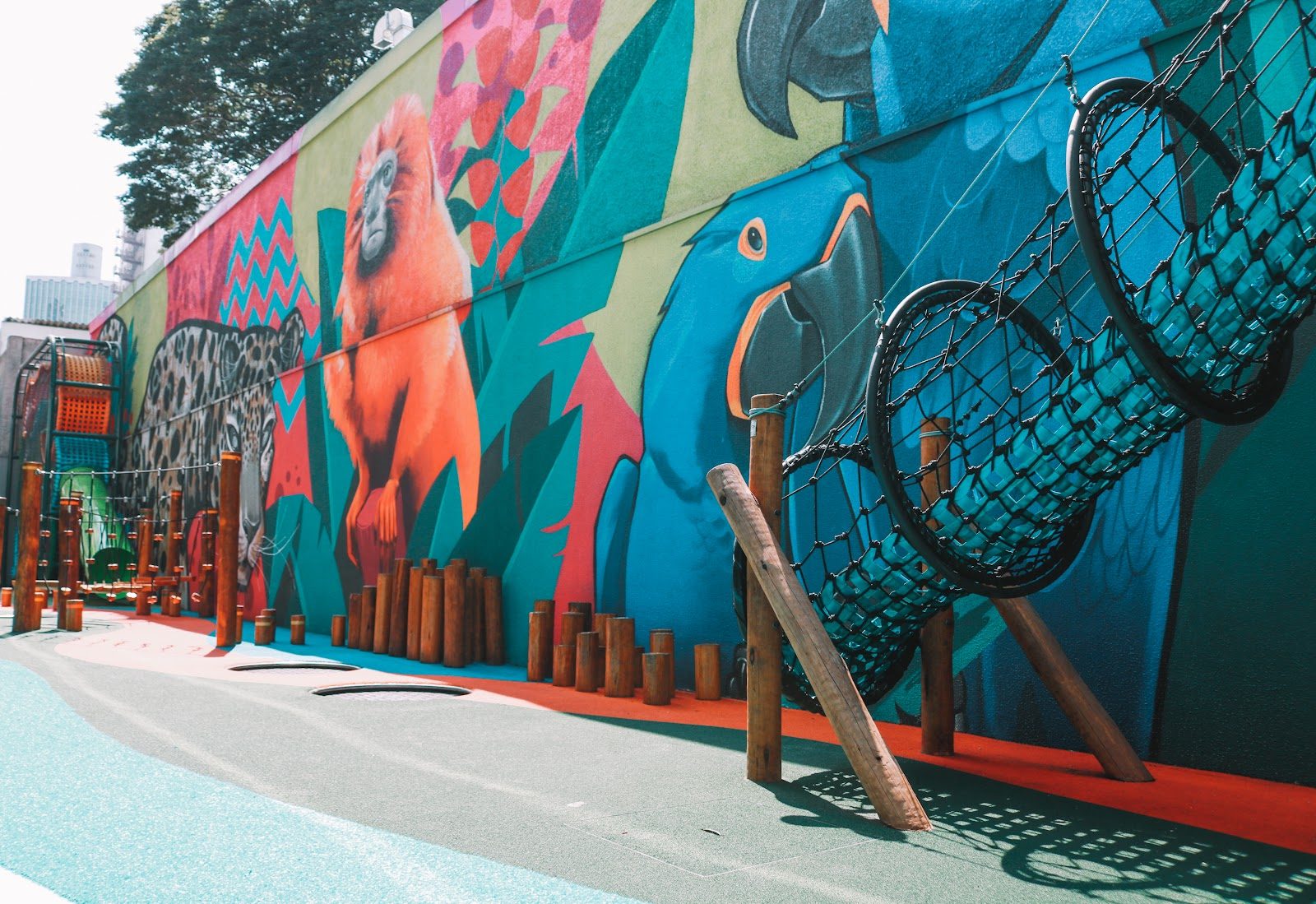
St. Nicholas School São Paulo
São Paulo · Brazil
A full IB continuum across two Sao Paulo campuses, where Oxford, London and Cambridge Houses meet annually for a countryside challenge.
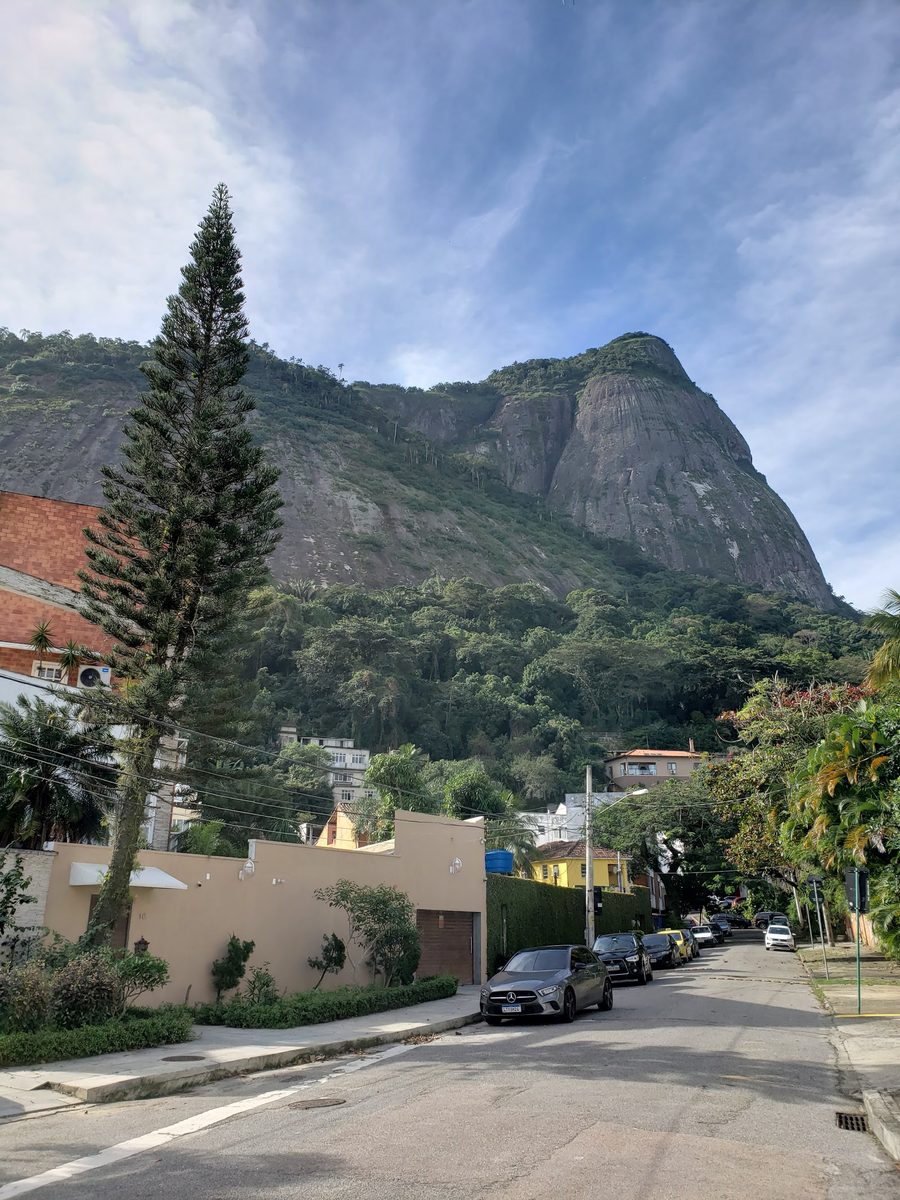
Escola Suíço-Brasileira Rio de Janeiro
Rio de Janeiro · Brazil
Brazil's first bilingual school, still running three parallel language tracks and blending Swiss Matura with IB in Barra da Tijuca.
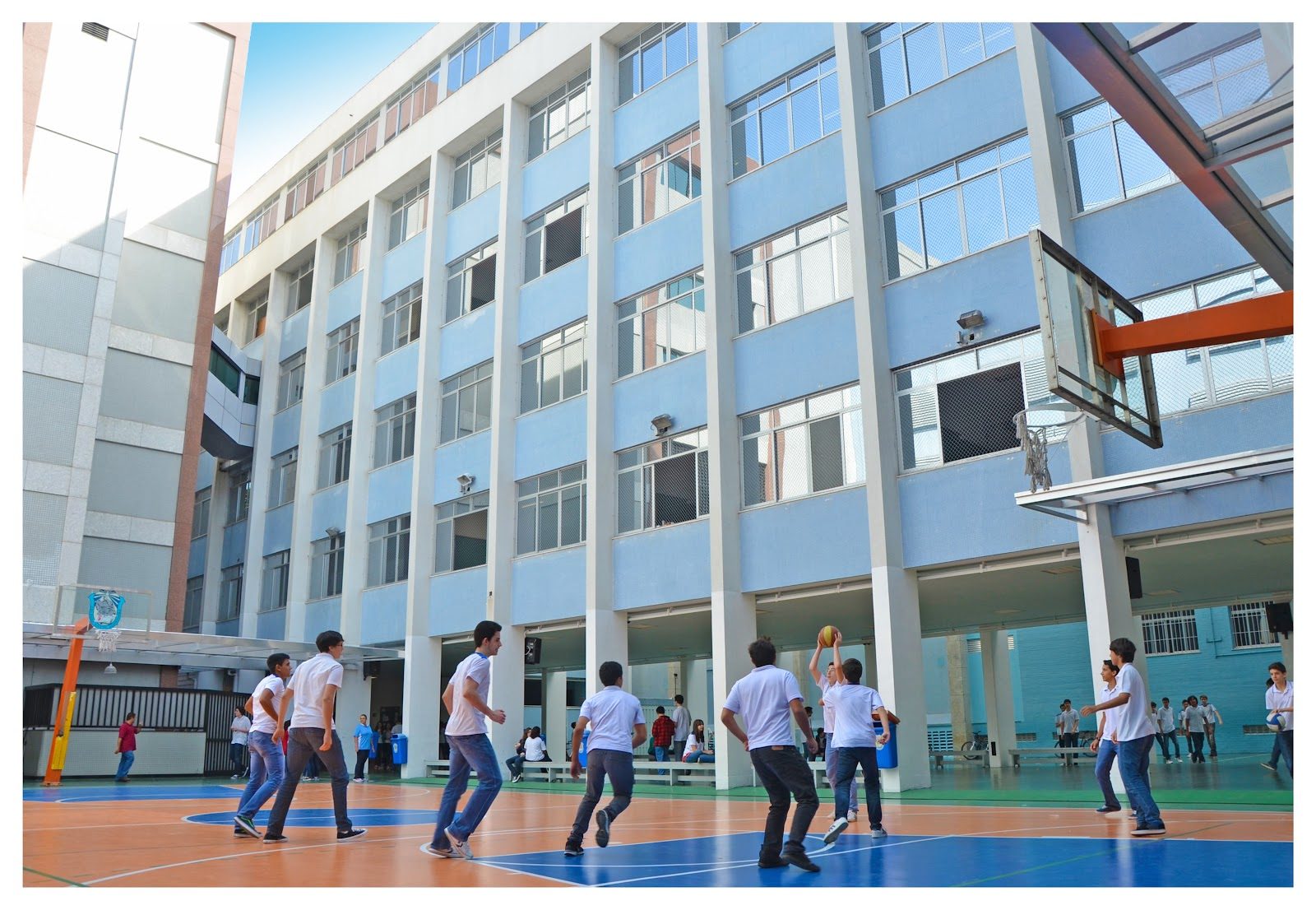
Colégio Santo Agostinho Rio de Janeiro
Rio de Janeiro · Brazil
Augustinian friars have run rigorous Catholic schooling from Leblon since 1946, still placing among Rio's top ENEM scorers.
British College of Brazil
São Paulo · Brazil
Sao Paulo's twin campuses pair Cambridge IGCSEs with Juilliard-linked arts and a rare secondary sailing programme.
Same country and curriculum — closest matches within ±10 points either way