
Kembangan, Jakarta Barat
New Zealand School Jakarta
low confidence· 4/6 cats · 1.2 avg sourcesIn Kemang, one of the few schools worldwide delivering New Zealand's own curriculum, pairing Maori-inspired houses with Cambridge rigour for secondary years.
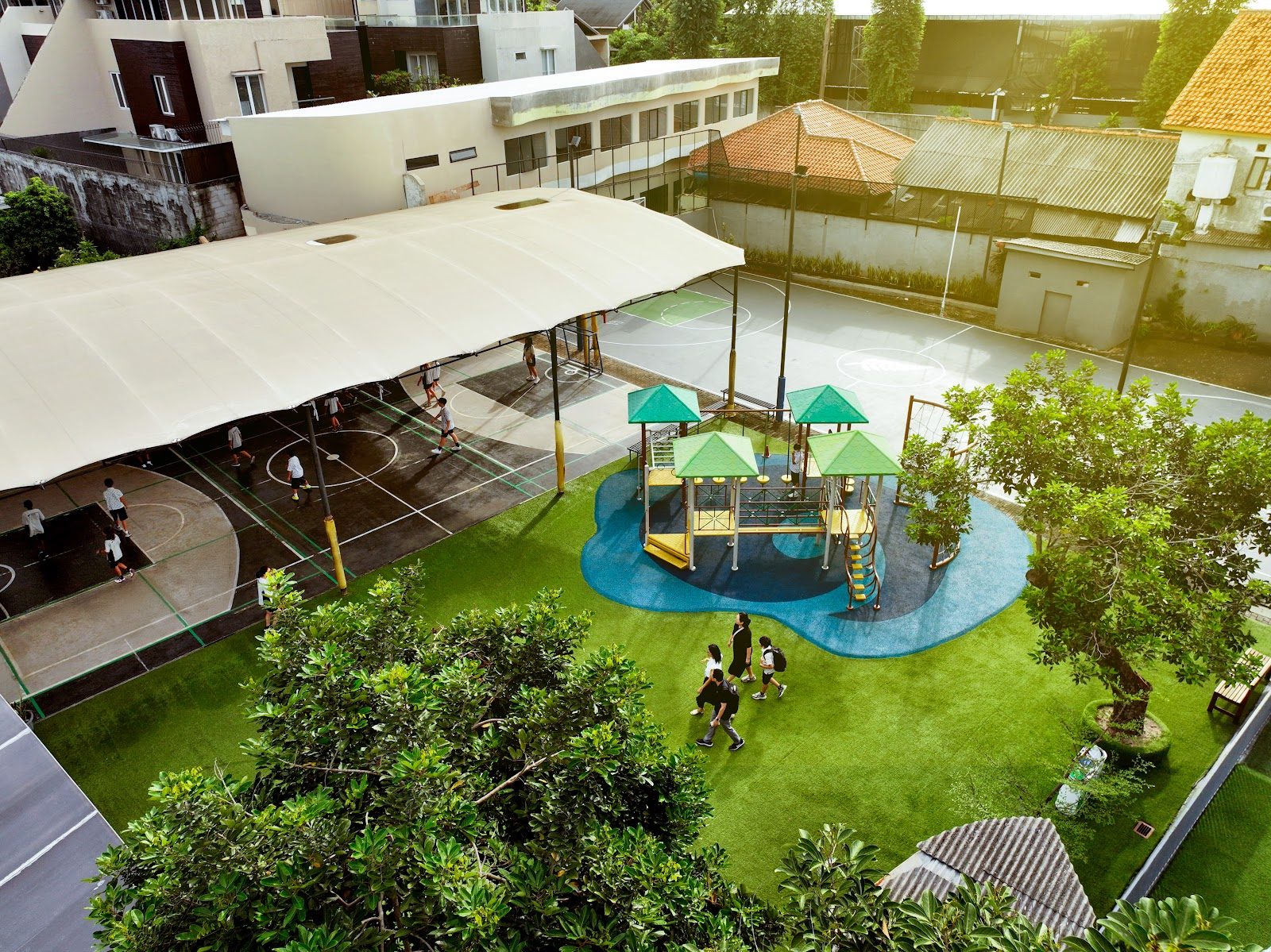
Photo © New Zealand School Jakarta via Google Maps
Type
Day
Ages
3–18
Curriculum
Cambridge International · British
Qualifications
IGCSE
Ratio
—
The Verdict
Editor's commitment
Right for
Kemang families wanting English-medium day schooling from ages 3–18, with Cambridge International academics and CIS accreditation.
Wrong for
Parents chasing boarding, a religious ethos, or a single-curriculum school; this Jakarta school is day-only, non-religious, and British plus Cambridge International.
Watch out for
The founding year is muddled: editorial records say 2013, Wikipedia says 2002. Clarify the school's history before buying the heritage story.
Ranking breakdown
New Zealand School Jakarta · #1342 of 1591
Composite score 54.0. 8 weighted criteria.
By criterion
Academic Outcomes
Weight 20%
#1299
of 1529 scored
University Placement
Weight 16%
#1300
of 1529 scored
Prestige & Heritage
Weight 12%
#1373
of 1571 scored
Alumni Network
Weight 12%
#1013
of 1530 scored
Facilities
Weight 12%
#1314
of 1533 scored
Transparency & Communications
Weight 8%
#1309
of 1532 scored
Peer & Industry Review
Weight 10%
#1319
of 1548 scored
Admissions Selectivity & Demand
Weight 8%
#1156
of 1529 scored
Peer & Industry Review
How New Zealand School Jakarta is regarded in the sector
62
Respected · medium confidence
I could not identify at least two independent third-party sources (e.g., Tatler, Good Schools Guide, specialist education press, or established expat forums) that substantively discuss New Zealand School Jakarta's reputation. Available information appears limited to the school's own marketing materials or unverified directory listings, which do not meet the evidentiary bar required for this assessment.
Editors' overview
New Zealand School Jakarta occupies an unusual niche in South Jakarta’s crowded international market. It is a day school in Kemang for ages 3–18, teaching in English, with Cambridge International in place and CIS accreditation. The draw is not scale or brand glamour. The draw is character. The school trades on a New Zealand inflection that gives it a different social texture from the British, IB and national-plus competitors around it: less corporate polish, more grounded community feel; less institutional grandeur, more human-scale schooling. For families tired of inflated rhetoric and fortress campuses, that difference matters.
What puts it on a shortlist is the combination of a small-market identity with a globally legible academic route. Secondary students get Cambridge rigour, which keeps options open for university systems that know IGCSEs and A Levels. At the same time, the New Zealand framing gives the school a cultural angle that is rare in Jakarta, including the Maori-inspired house structure referenced in its positioning. That mix creates a school with a clear point of view rather than a generic international template. It will appeal to parents who want an English-medium education without the social froideur and hard-edged status competition that can define parts of this market. Founded in 2013 according to the school context for this listing, it is still a young school, and that youth cuts both ways: fresh identity, but not decades of institutional heft.
This is not the obvious choice for families who want sprawling facilities, deep alumni networks or the reassurance of a long-established name. The school’s public profile does not rest on published headline outcomes, and it does not trade on mass scale. Parents who need that kind of proof-point-heavy proposition will look elsewhere. New Zealand School Jakarta suits children who thrive in smaller social ecosystems, who benefit from being known well, and who do not need the theatre of prestige to feel stretched. It also fits internationally mobile families who value Cambridge portability and want a school that feels calmer, kinder and less performative than the Jakarta norm.
In market terms, this is a specialist choice, not a default one. That is its strength. New Zealand School Jakarta will attract families who want substance over spectacle, a school community with less posturing, more contact, and an education that balances warmth with academic seriousness. For the right student — socially steady, adaptable, and happy in a school that prizes belonging as much as attainment — that is a persuasive offer from age 3 to 18.
Academic Performance
Academic performance is where the school leaves parents with too little hard evidence. It offers Cambridge International, so the relevant benchmarks are IGCSE and A Level outcomes against Jakarta’s stronger British-pattern competitors. Yet the school does not publish aggregate pass rates, top grades, subject-by-subject distributions, or multi-year trends for those examinations. We have not seen public data on university destinations either. That makes any claim of academic strength unverified in the only way that counts: external results. In a market where serious schools publish at least headline figures, that absence is a weakness.
That does not mean weak results; it means opaque results. For some families, that is enough to move the school off the shortlist. Larger and more established peers in the city give parents clearer proof of attainment, more context on cohort performance, and a firmer sense of academic ceiling. New Zealand School Jakarta sits in a more trust us position than that group, and trust is not a substitute for numbers. The school’s fit therefore rests less on published exam dominance than on whether a family values a smaller setting and is willing to press directly for Cambridge outcomes, grade profiles, and destination data before enrolment.
Facilities
Facilities do not sit at the heart of this school’s pitch. Families choosing it are not buying a showpiece campus with Olympic-scale sport, major auditoria or the kind of specialist infrastructure that larger Jakarta competitors use as a selling tool. We have not seen public evidence of landmark facilities that would lift it into that bracket. That matters in this market. Peer schools at the top end often offer extensive indoor sports provision, wider performing arts capacity, and more segmented specialist spaces for science, design and senior study. New Zealand School Jakarta reads instead as a human-scale campus built for everyday schooling rather than institutional spectacle.
That is not a flaw in itself. For younger children, a contained environment can feel more navigable, less theatrical and easier to manage socially than the sprawling compounds nearby. For older students, the trade-off is sharper: if a family wants elite-level sports infrastructure, a deep bench of arts venues, or the full hardware of prestige, this school does not lead the field. The practical question for parents is simple. Ask for a clear tour of science rooms, library provision, arts spaces, outdoor play and sports areas, then compare that offer directly with stronger-equipped peers. On facilities, this school fits families who prize scale, familiarity and day-to-day usability over architectural drama.
New Zealand School Jakarta occupies an unusual niche in South Jakarta’s crowded international market
Prestige
New Zealand School Jakarta carries niche prestige, not market power. In Jakarta’s status-conscious international sector, prestige usually comes from one of three things: a heavyweight brand, a vast campus, or public academic trophies. This school does not have that arsenal. Its name recognition is narrower, its social footprint is smaller, and its public proof points are thin. That puts it below the city’s top prestige players in pure signalling value. Parents choosing this school are not buying the blunt instrument of status; they are buying a more individual proposition, with a cultural identity that stands apart from the standard British-pattern template. For some families, that distinction has cachet. For others, it reads as too far outside the mainstream.
That is why the school’s prestige sits in the selective, insider category rather than the obvious top tier. Among families who know the Jakarta market well, a school with a clear ethos, a contained community and a less showy social atmosphere can carry real credibility. Among families who want instant recognition at the school gate, it does not. The absence of published headline outcomes matters here too: prestige in international education rests not only on ethos, but on visible results and long institutional reputation. New Zealand School Jakarta has character and differentiation. It does not have the kind of prestige that speaks for itself before a parent asks the second question.
New Zealand School Jakarta sits in a more trust us position than that group, and trust is not a substitute for numbers
Communications
The school communicates in a way that fits its scale: direct, personal and low on corporate varnish. That carries advantages. Parents at schools like this usually get quicker human contact than they do at larger institutions with layer upon layer of admissions, phase and operations staff. A contained community also makes day-to-day messages easier to route and harder to lose in bureaucracy. The public-facing communication, though, does not do enough of the heavy lifting for a scrutinising parent. The school does not publish the kind of decision-grade information that serious families use to test substance: headline exam outcomes, destination lists, and richer detail on how the secondary offer performs in practice. That leaves too much to private enquiry, which is less efficient for parents and too opaque for a school asking families to trust its academic delivery.
So the verdict is mixed. Interpersonally, the school has the ingredients for warm, responsive communication and a more human-scale parent relationship than many Jakarta competitors. Institutionally, it lacks the disciplined transparency that marks out stronger operators. Good school communication is not only about friendly replies and community tone; it is also about publishing the hard facts before a parent has to ask. On that measure, New Zealand School Jakarta is underpowered. Families who value clarity should test it directly: ask for response times, reporting routines, parent-teacher access, safeguarding channels, and published academic data. The quality of those answers will tell you more than any polished prospectus.
Uniqueness
What marks this school out is not scale, glamour or an instantly legible brand. It is the New Zealand framing itself, which remains genuinely rare in international schooling and rarer still in Jakarta. The Maori-inspired house structure gives the school a cultural reference point that is not the standard Anglo prestige script, and that matters. It shifts the texture of school life away from old-colonial pageantry and towards something more rooted in belonging. For students, that can translate into a stronger sense of being known, a less performative peer culture, and a community identity with actual shape rather than generic international-school wallpaper.
The second point of difference is the school’s age span, from 3 to 18, within a single setting that does not trade on institutional sprawl. That continuity can give children a steadier social runway than large, fragmented campuses where phases feel detached from one another. Younger pupils get familiarity; older ones get a school culture that does not need reinvention every few years. Pair that with an academically portable senior route, and the result is a school for families who want coherence over theatre. The upside is emotional steadiness and a clearer communal identity. The limit is clear too: this is a specialist proposition, not a broad-market powerhouse, and students who want a more competitive, more visibly high-octane environment may find it too contained.
New Zealand School Jakarta reads instead as a human-scale campus built for everyday schooling rather than institutional spectacle
Student Profile
The best fit here is a child who does not need a giant social field to flourish. In a school that runs from 3 to 18 within one community, students who value continuity, familiar faces and close adult attention will settle faster than those who feed off constant churn and broad social anonymity. This suits children who are socially steady, easy to know, and comfortable in a setting where individuality is visible. New joiners who want instant glamour or a loud, competitive pecking order will find less of that here. Children who prefer a quieter peer culture and parents who want school to feel more personal than performative will find the stronger match.
Older students need a specific temperament too. This is not the obvious home for teenagers who want the adrenaline of a huge senior cohort, relentless inter-school status competition, or a campus identity built on spectacle. It fits pupils who are self-possessed, who can work seriously without needing institutional theatre around them, and who value being part of a contained, recognisable community. Families drawn to the school’s New Zealand inflection will also need a degree of cultural openness; the point of choosing this school is its difference, not its conformity. In practical terms, it works best for children who want warmth without softness, structure without swagger, and a school life that feels grounded rather than grand.
New Zealand School Jakarta carries niche prestige, not market power
Co-curricular strengths
Arts & sport, on a separate axis
Overall 7.7/10
Scored 0-10 from the school's own published evidence. This axis is editorial-only — it does not feed the main WTS ranking.
Sports
7.5/10
Drama
7/10
Dance
8/10
Music
8/10
Visual Arts
8/10
Editor first-pass · editor-reviewable · 7/30/2026
Strengths
- +Delivers the Cambridge International curriculum (IGCSE and A Level pathways), giving students internationally transferable qualifications recognised by universities worldwide.
- +Operates as a day school, which avoids the added cost and logistical commitment of boarding for expatriate and local families based in Jakarta.
- +Located within Jakarta, giving families access to the city's established international and expatriate community without relocating outside the capital.
- +Uses a British-style curriculum framework, which may ease transitions for families relocating from, or planning to move to, UK-system schools elsewhere.
Considerations
- −The school's editorial ranking (1282) and 'candidate' tier status indicate limited independent verification and a shorter or less documented track record than Jakarta's established international schools.
- −Public information on class sizes, accreditation history, examination results, and university placement outcomes is sparse on the school's own materials and third-party sources.
- −As a smaller, lower-profile institution, extracurricular, sporting, and co-curricular breadth is likely narrower than at Jakarta's larger international schools such as BSJ or JIS.
- −Jakarta's traffic congestion affects daily commuting for any day school family in the city, a practical constraint independent of the school's own quality.
Availability
Primary entry gate & tests
Academic Record
Gallery
Photo © New Zealand School Jakarta via Google Maps
Photo © New Zealand School Jakarta via Google Maps
Photo © New Zealand School Jakarta via Google Maps
Photo © New Zealand School Jakarta via Google Maps
Photo © New Zealand School Jakarta via Google Maps
Parent reviews
Have you sent your child here?
Voice reviews carry the strongest trust badge — we transcribe them for you to tidy up before they go live. Prefer to type? A written review is fine too.
Add your voice
In 60 seconds, tell other parents: what's the best thing about New Zealand School Jakarta, and what surprised you when your child joined?
We ask for a Google sign-in so every review has a real face behind it — no anonymous drive-by attacks on schools, and no faked positive reviews. Your email is never shown publicly.
Send this profile to a friend
International parents rely on word-of-mouth. Share this review with someone weighing the same decision.
Schools with places
Similar schools to New Zealand School Jakarta with places available now.
Availability first, then country, area, curriculum, price, co-curricular
Consider also
Also worth looking at alongside New Zealand School Jakarta.
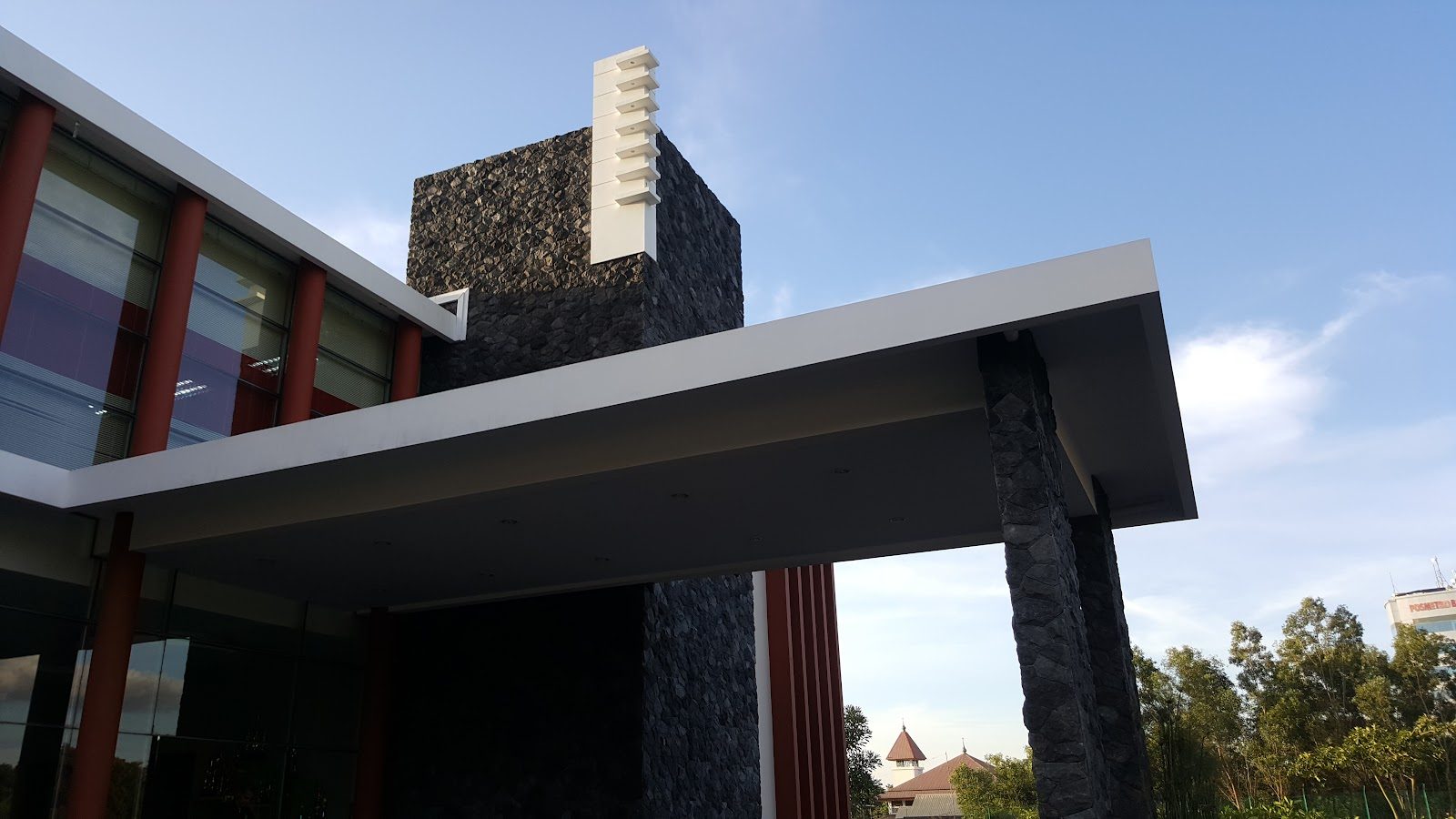
Sekolah Global Indo-Asia
Batam · Indonesia
On Batam's free-trade island facing Singapore, a campus blending the IB Diploma with Cambridge IGCSE and A Levels since 1998.
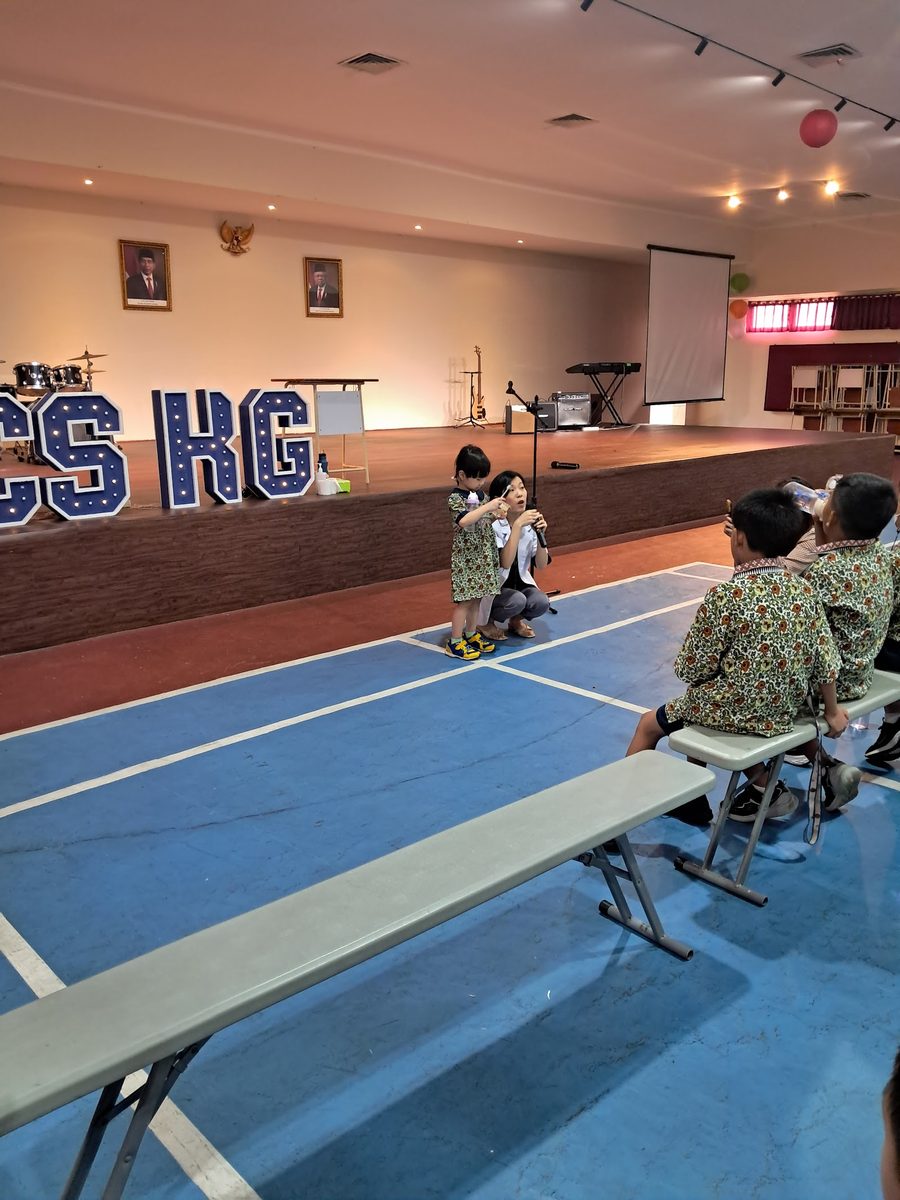
Raffles Christian School Kelapa Gading
Jakarta · Indonesia
A Kelapa Gading day school blending Singapore rigor with Cambridge assessment, its IGCSE and A Level scholars earning Top in the World distinctions.
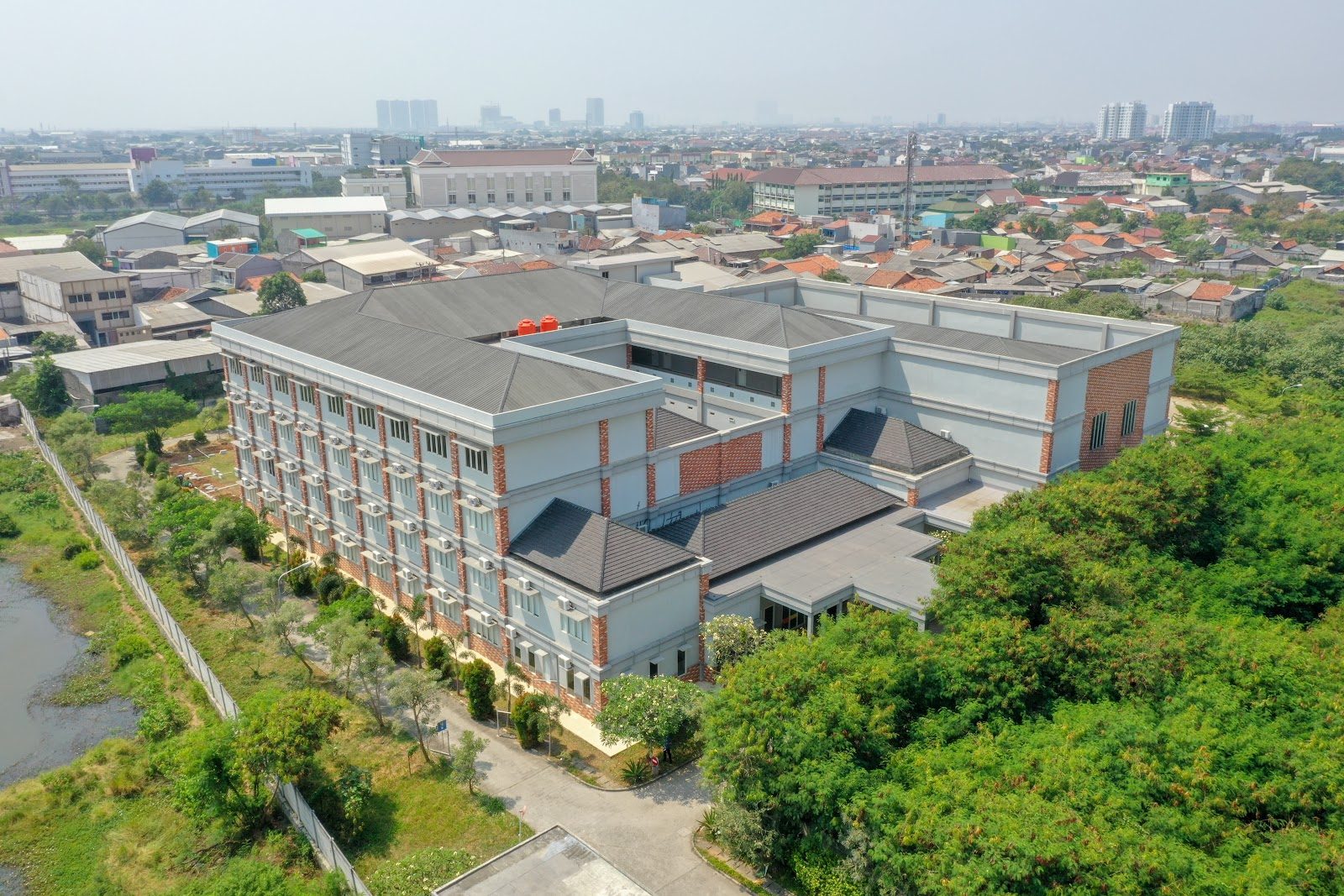
Mentari Intercultural School Jakarta
Jakarta · Indonesia
Born from a 1994 mothers' initiative, this Kebayoran Baru school runs full IB programmes, PYP to DP, alongside Indonesia's national curriculum.
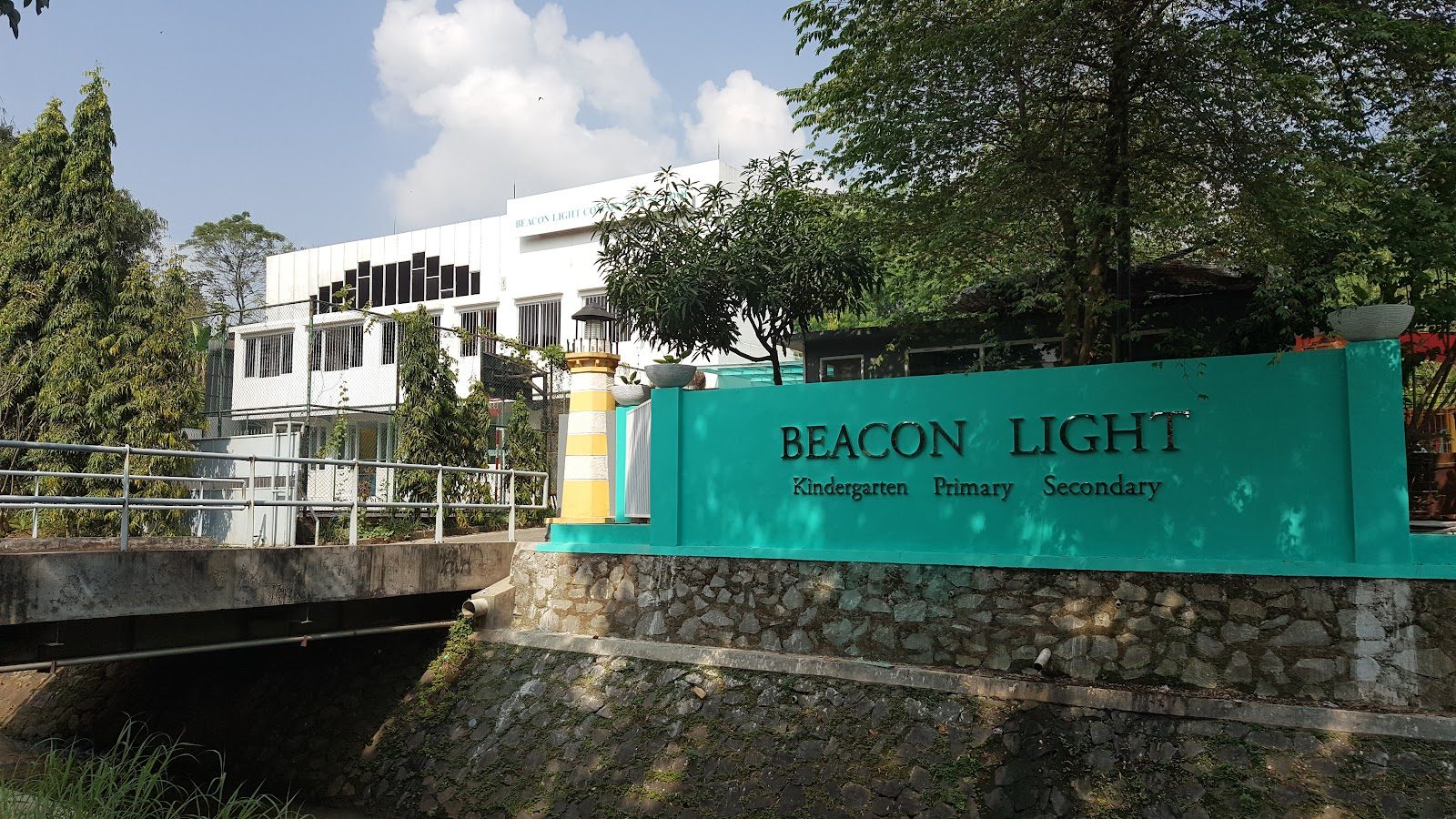
Beacon Academy
South Tangerang · Indonesia
A South Tangerang IB day school built on inquiry-driven learning and a service-first take on student leadership.
Same country and curriculum — closest matches within ±10 points either way