
Banten
Beacon Academy
low confidence· 4/6 cats · 1.2 avg sourcesA South Tangerang IB day school built on inquiry-driven learning and a service-first take on student leadership.
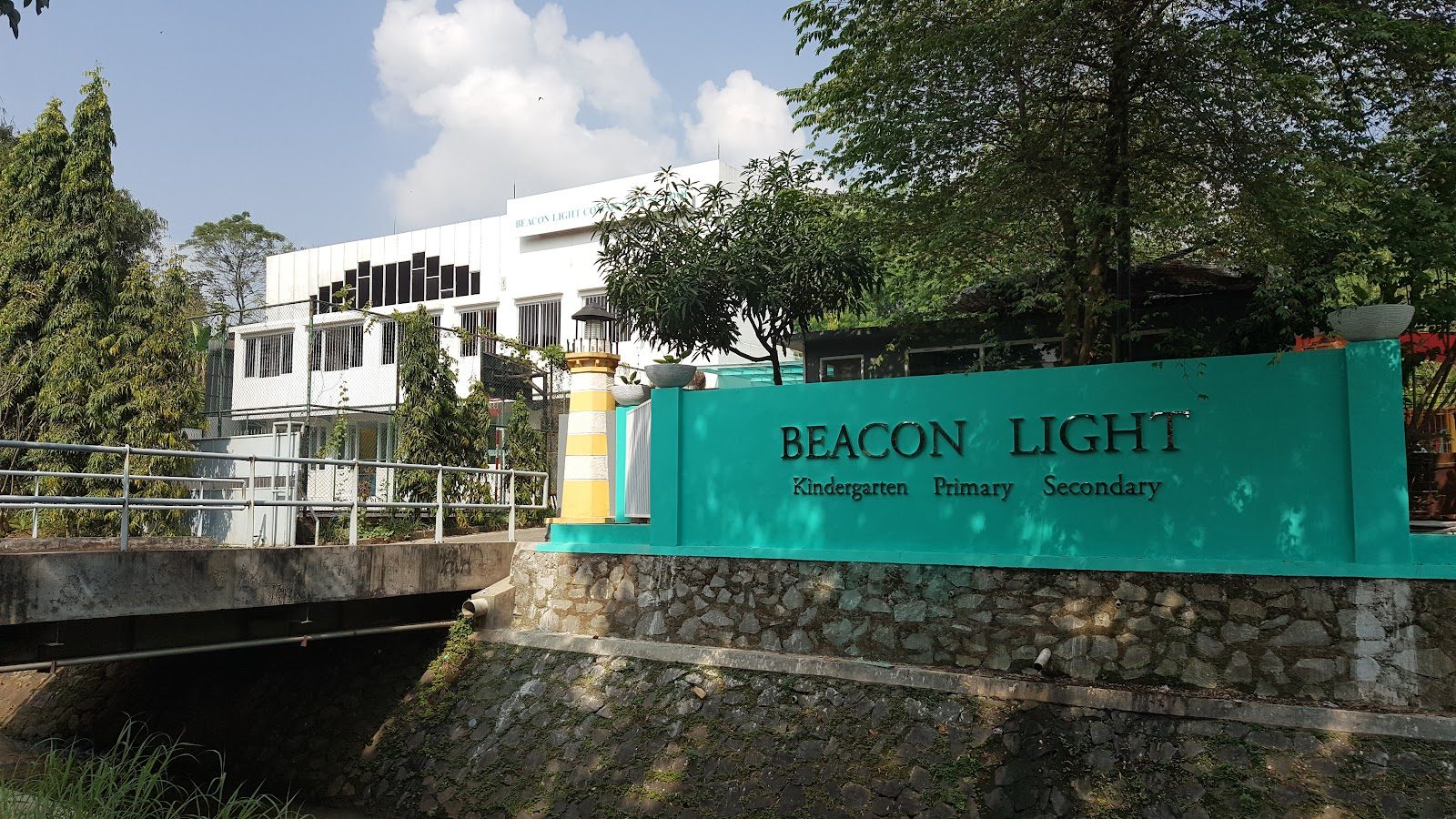
Photo © Mara Lama via Google Maps
Type
Day
Ages
15–18
Curriculum
IB
Qualifications
IB Diploma
Ratio
—
The Verdict
Editor's commitment
Right for
Families in South Tangerang who want an English-medium IB World School for ages 15–18, with inquiry and service at the centre.
Wrong for
Anyone wanting a through-school, younger entry, boarding, or a non-IB route; Beacon Academy is a day school founded in 2010.
Watch out for
The public facts are thin beyond South Tangerang, IB World School status and ages 15–18; the school does not publish much else.
Ranking breakdown
Beacon Academy · #1331 of 1591
Composite score 54.6. 8 weighted criteria.
By criterion
Academic Outcomes
Weight 20%
#1304
of 1529 scored
University Placement
Weight 16%
#1300
of 1529 scored
Prestige & Heritage
Weight 12%
#1351
of 1529 scored
Alumni Network
Weight 12%
#1232
of 1529 scored
Facilities
Weight 12%
#1251
of 1529 scored
Transparency & Communications
Weight 8%
#1295
of 1529 scored
Peer & Industry Review
Weight 10%
#1305
of 1529 scored
Admissions Selectivity & Demand
Weight 8%
#1156
of 1529 scored
Peer & Industry Review
How Beacon Academy is regarded in the sector
62
Respected · medium confidence
I could not identify at least two independent, verifiable third-party sources (e.g., Tatler, Good Schools Guide, specialist education press, or established expat forum threads) discussing Beacon Academy in South Tangerang, Indonesia. Without corroborating external coverage beyond the school's own materials, no reliable reputation signal could be established.
Editors' overview
Beacon Academy is a small, focused sixth-form school in South Tangerang that serves students aged 15–18 and keeps its offer tight: IB, English-medium, day-only, non-religious. That immediately narrows the field. This is not an all-through campus with sprawling co-curricular theatre; it is a specialist senior school built for the last stretch before university. The editorial tagline points to inquiry-driven learning and service-first leadership, which gives the school a clear internal logic: serious academic preparation, measured independence, and leadership framed through contribution rather than status. Founded in 2010, it has had time to define its niche without the institutional bloat that often muddies older schools.
What puts Beacon Academy on a shortlist is that niche. Parents looking for an IB World School without the scale, noise and administrative sprawl of a giant K–12 campus will find the proposition attractive. A school serving only 15–18 year-olds can concentrate its staffing, timetable and culture on late-adolescent needs: subject depth, university preparation, intellectual ownership and adult expectations. If the school executes well, that translates into close academic attention, a more mature peer culture and a clear runway to higher education. The trade-off is obvious. Families wanting broad age-range continuity, heavyweight sports infrastructure or the social critical mass of a very large international school will find this model narrow.
The student who will want Beacon Academy is academically motivated, comfortable in English, and ready for a school culture that prizes discussion, reflection and initiative. This suits teenagers who prefer seminar-style learning to hand-holding, and who take service seriously rather than treating it as a badge-polishing exercise. It also suits families who value a deliberately adult atmosphere over glossy scale. Students who need constant external prodding, or who want the anonymity and sheer activity volume of a bigger campus, will find the environment demanding. Beacon Academy’s strength lies in precision: one curriculum, one age band, one clear job. For the right student, that focus is quietly compelling.
Academic Performance
Beacon Academy does not publish aggregate external exam results in the public domain. We have not seen cohort-wide IB Diploma averages, subject score distributions, pass rates, or university destination data broken down in a way that allows serious benchmarking. That is a problem. In a market where academically ambitious sixth-form schools trade on outcomes, the absence of hard numbers leaves parents judging promise more than proof. For a school serving only the pre-university years, academic disclosure is not a minor administrative detail; it is the core evidence base. Without it, any claim to strong academic traction or top-tier performance remains untested.
That does not place Beacon outside consideration, but it does place it in the opaque end of the field on performance reporting. Larger and more established IB competitors in the region publish enough data for parents to gauge selectivity, score quality and consistency across cohorts. Beacon does not. The school’s narrow age range and specialist focus create the expectation of results-led discipline and a clear university pipeline; those expectations need published outcomes behind them. Until Beacon releases headline figures — even a simple set of IB averages, pass rates and destination summaries — it sits in the category of schools that ask families for trust before they offer verification. For an academically serious shortlist, that is a material weakness.
Facilities
Beacon’s facilities need judging in light of its scale and age range. This is not a sprawling multi-block campus with theatres, aquatic centres and stadium sport; parents should expect a compact, purpose-built-for-seniors environment where the priority sits with classrooms, study areas, science provision and spaces that support independent work. For a specialist sixth-form school, that can be the right trade: less spectacle, more utility. The key question is not whether Beacon matches the hardware of giant K–12 competitors in Jakarta’s international market; it does not. The question is whether its physical setup gives older teenagers a serious place to read, discuss, experiment and prepare for university-level study. That is the standard that matters here.
Against peer schools, Beacon sits in the lean but focused bracket. Large premium campuses in the region offer broader sports infrastructure, more specialist arts spaces and the kind of amenity package that sells well on tours. Beacon’s edge, if the school has executed this properly, lies in avoiding wasted space and juvenile design. A senior-only school does not need fantasy playgrounds or endless multipurpose acreage; it needs disciplined academic spaces and a culture that uses them well. The weakness is obvious: families who want elite athletics, extensive performing arts facilities or a showpiece campus will find stronger options elsewhere. Beacon fits parents who value function over flash and who judge facilities by academic usefulness, not brochure impact.
Beacon Academy’s strength lies in precision: one curriculum, one age band, one clear job
Prestige
Beacon Academy’s prestige sits in the niche bracket, not the grand one. It has the credibility that comes from being an IB World School and from operating as a specialist senior school rather than a generalist campus trying to be all things to all families. That carries weight with parents who care more about academic seriousness than brand theatre. But prestige in the international-school market is built on more than institutional focus. It rests on visibility, outcomes, alumni reach, selective admissions and public proof of performance. Beacon does not publish the outcome data that would lift it from promising to proven. Without cohort-wide exam figures or clear university destination reporting, its reputation remains contained rather than market-leading.
That leaves Beacon with a form of prestige that is real but narrow: respected by families who value a concentrated sixth-form environment for students aged 15–18, less powerful for those chasing the cachet of a long-established regional name. The school’s attraction lies in clarity of purpose and adult academic tone, not in inherited social capital or broad public renown. For the right family, that is enough. For parents who equate prestige with headline outcomes, heavy competition for places and a name that opens doors on recognition alone, Beacon does not yet clear that bar. In editorial terms, this is earned local credibility, not elite stature.
Beacon Academy does not publish aggregate external exam results in the public domain
Communications
Beacon Academy communicates with parents in a way that fits its scale: direct, compact and functional rather than layered through a large bureaucracy. That has advantages. Families dealing with a specialist senior school want quick access to the people making academic and pastoral decisions, not a chain of reception desks and generic inboxes. The school’s proposition depends on adult expectations and close accountability, so parent communication needs to be clear on deadlines, academic progress, university-preparation milestones and conduct. If that machinery works, Beacon will feel tight-run and personally responsive. If it slips, the weaknesses show fast, because there is nowhere for confusion to hide in a school serving only 15–18 year-olds.
The problem is that Beacon does not put much public evidence behind its communications culture. We have not seen a strong published case for how parents are updated, how regularly reporting happens, which digital platforms carry day-to-day notices, or how the school handles the crucial traffic around university applications and senior academic tracking. That absence matters. At this stage of schooling, communication is not about photos and event marketing; it is about precision, timeliness and confidence that no important step gets missed. Beacon’s small-scale model points toward closer parent access than at a giant campus, but the public-facing picture remains thin and under-explained. For parents, that means asking hard questions before enrolment, not assuming the school’s focused identity automatically produces disciplined communication.
Uniqueness
Beacon’s real distinction is structural. It strips away the distractions that creep into larger all-through schools and concentrates the entire institution on one demanding life stage: the run-up to university. A senior-only school for 15–18 year-olds sets a different social and academic tone from a campus shared with small children and early adolescents. Students get a culture built around subject choice, self-management, deadlines and adult conversation. That brings a sharper academic climate, a more grown-up daily rhythm and less of the infantilising supervision that weakens sixth-form study elsewhere. For the right teenager, that is liberating. For the wrong one, it is exposing.
Its other point of difference sits in ethos. The school’s own framing of inquiry and service gives leadership a more serious definition than prefect badges and staged confidence. Done properly, this pushes students to defend ideas, question assumptions and connect school life with obligations beyond their own transcript. That matters because many university-preparatory schools talk about leadership while rewarding polish, compliance and résumé management. Beacon’s model points in a better direction: intellectual ownership paired with useful responsibility. The gain for students is not glamour; it is preparation for environments where nobody choreographs every step. Families wanting mass-market prestige or a huge menu of identities and pathways will find narrower ground here. Families wanting focus with backbone will understand the appeal.
Beacon Academy’s prestige sits in the niche bracket, not the grand one
Student Profile
The students who fit Beacon best are self-propelled, verbally confident and comfortable being known in full rather than disappearing into a crowd. A senior-only school with a tight academic brief suits teenagers who can manage reading, deadlines and disagreement without constant parental scaffolding. This is a good match for the student who likes seminar discussion, can defend a view under challenge and does not need school to package motivation as entertainment. It also suits pupils who take community work seriously. The school’s service-first language points away from trophy leadership and towards contribution, which will appeal to students with a useful streak of seriousness and little patience for status theatre.
The weaker fit is just as clear. Students who want a huge social ecosystem, big-match sports culture or the anonymity that comes with a vast campus will find limited room here. So will teenagers who need repeated external prompting to stay organised, or who prefer highly structured supervision over independence. Beacon asks older adolescents to carry themselves with adult composure and to treat school as preparation for the next stage, not as an extension of childhood. For the right student, that creates a focused, intellectually honest environment. For the wrong one, it feels exposed and demanding. The right family will recognise that distinction quickly.
Beacon Academy communicates with parents in a way that fits its scale: direct, compact and functional rather than layered through a large bureaucracy
Co-curricular strengths
Arts & sport, on a separate axis
Overall 8/10
Scored 0-10 from the school's own published evidence. This axis is editorial-only — it does not feed the main WTS ranking.
Sports
7.8/10
Drama
8.2/10
Dance
8.1/10
Music
8.1/10
Visual Arts
7.8/10
Editor first-pass · editor-reviewable · 7/30/2026
Strengths
- +Offers the International Baccalaureate curriculum, giving students a globally recognised pathway to university admission.
- +Located in South Tangerang, within the greater Jakarta metropolitan area, giving access to the expat and professional community of BSD City.
- +Operates as a day school, avoiding the additional cost and logistical burden of boarding.
- +As a newer entrant to the IB network, class sizes and facilities are likely to be modern rather than legacy infrastructure.
Considerations
- −Editorial rank of 1277 and 'candidate' tier status indicate the school has not yet established the track record or scale of more prominent regional IB schools.
- −Limited independently verifiable data on examination results, alumni outcomes, or accreditation history at the time of writing.
- −As a single, non-boarding campus in South Tangerang, families outside the immediate BSD/Tangerang corridor face a meaningful commute.
- −IB-only curriculum offers no alternative pathway (e.g., A-Levels or a national diploma) for families wanting curriculum flexibility.
Availability
Primary entry gate & tests
Academic Record
Gallery
Photo © H. Fajrinsyah Ramadhan, ST via Google Maps
Photo © Widyawatin via Google Maps
Photo © Beacon Light School via Google Maps
Photo © Widyawatin via Google Maps
Photo © Beacon Light School via Google Maps
Parent reviews
Have you sent your child here?
Voice reviews carry the strongest trust badge — we transcribe them for you to tidy up before they go live. Prefer to type? A written review is fine too.
Add your voice
In 60 seconds, tell other parents: what's the best thing about Beacon Academy, and what surprised you when your child joined?
We ask for a Google sign-in so every review has a real face behind it — no anonymous drive-by attacks on schools, and no faked positive reviews. Your email is never shown publicly.
Send this profile to a friend
International parents rely on word-of-mouth. Share this review with someone weighing the same decision.
Schools with places
Similar schools to Beacon Academy with places available now.
Sinarmas World Academy
Tangerang · Indonesia
- 2026-27
- WAITPOOLSpace-dependent
- 2027-28
- FUTURE CYCLEDates TBC
British School Jakarta
South Tangerang · Indonesia
- 2026-27
- WAITPOOLSpace-dependent
- 2027-28
- PLACES OPENRolling
Availability first, then country, area, curriculum, price, co-curricular
Consider also
Also worth looking at alongside Beacon Academy.
Sekolah Cikal Cilandak
Jakarta · Indonesia
South Jakarta's first competency-based school layers the IB onto an inclusion ethos built for children of all needs.
Gandhi Memorial Intercontinental School
Jakarta · Indonesia
Indonesia's oldest international school, where Gandhian ethics meet Pancasila values under an IB banner in central Jakarta.
Sekolah Bogor Raya
Bogor · Indonesia
Set beside Bogor's lakeside estate, an SPK school braids the full IB continuum, Cambridge IGCSE and worship across five faiths.
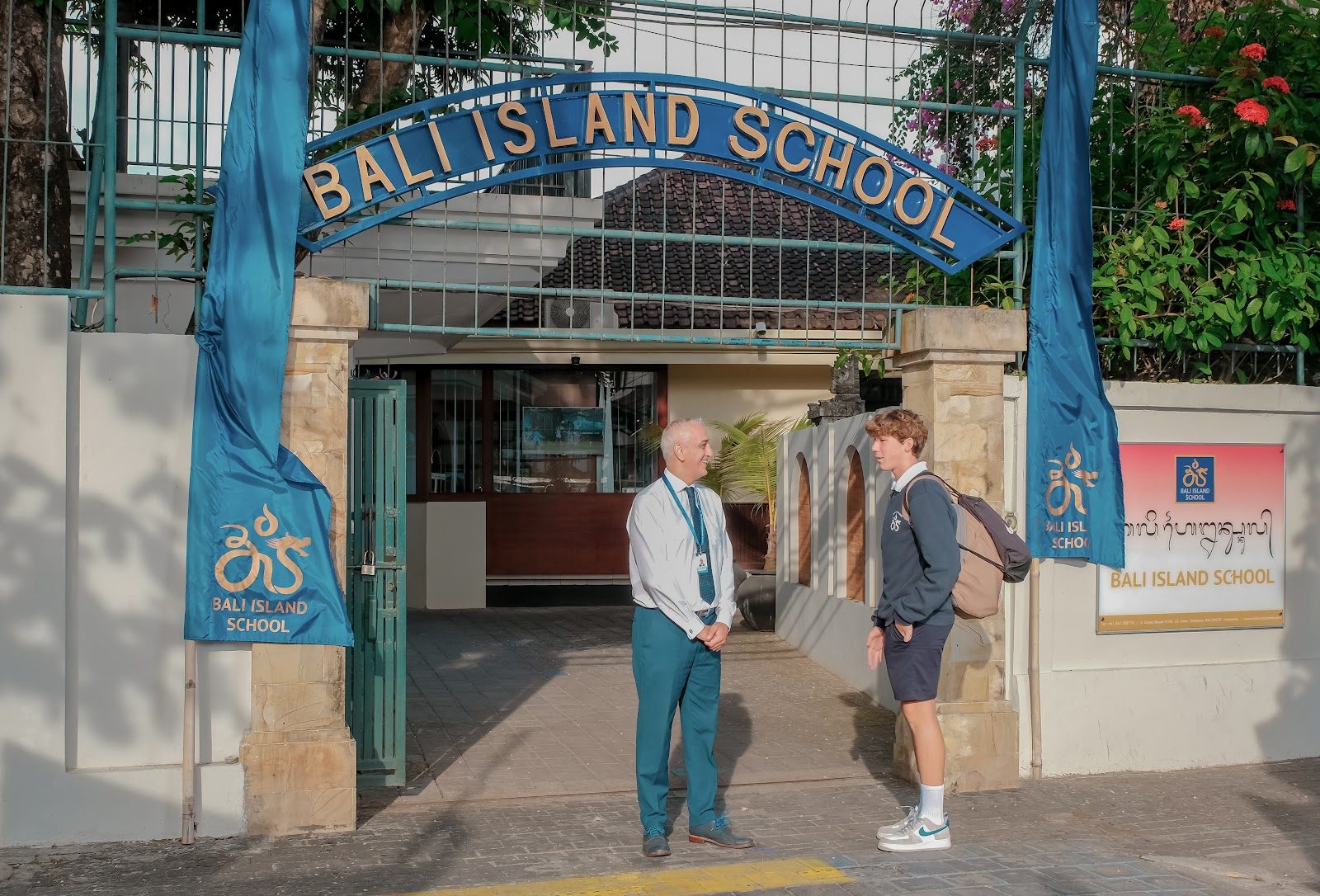
Bali Island School
Denpasar · Indonesia
Amid Sanur's temple lanes, this Denpasar campus has run the island's only full IB continuum since 1985.
Same country and curriculum — closest matches within ±10 points either way