
Bangkok
International Community School Bangkok
Born from a 1980s missionary-family cooperative, this Bang Na campus pairs 24 AP courses with mandatory service trips across Thailand.
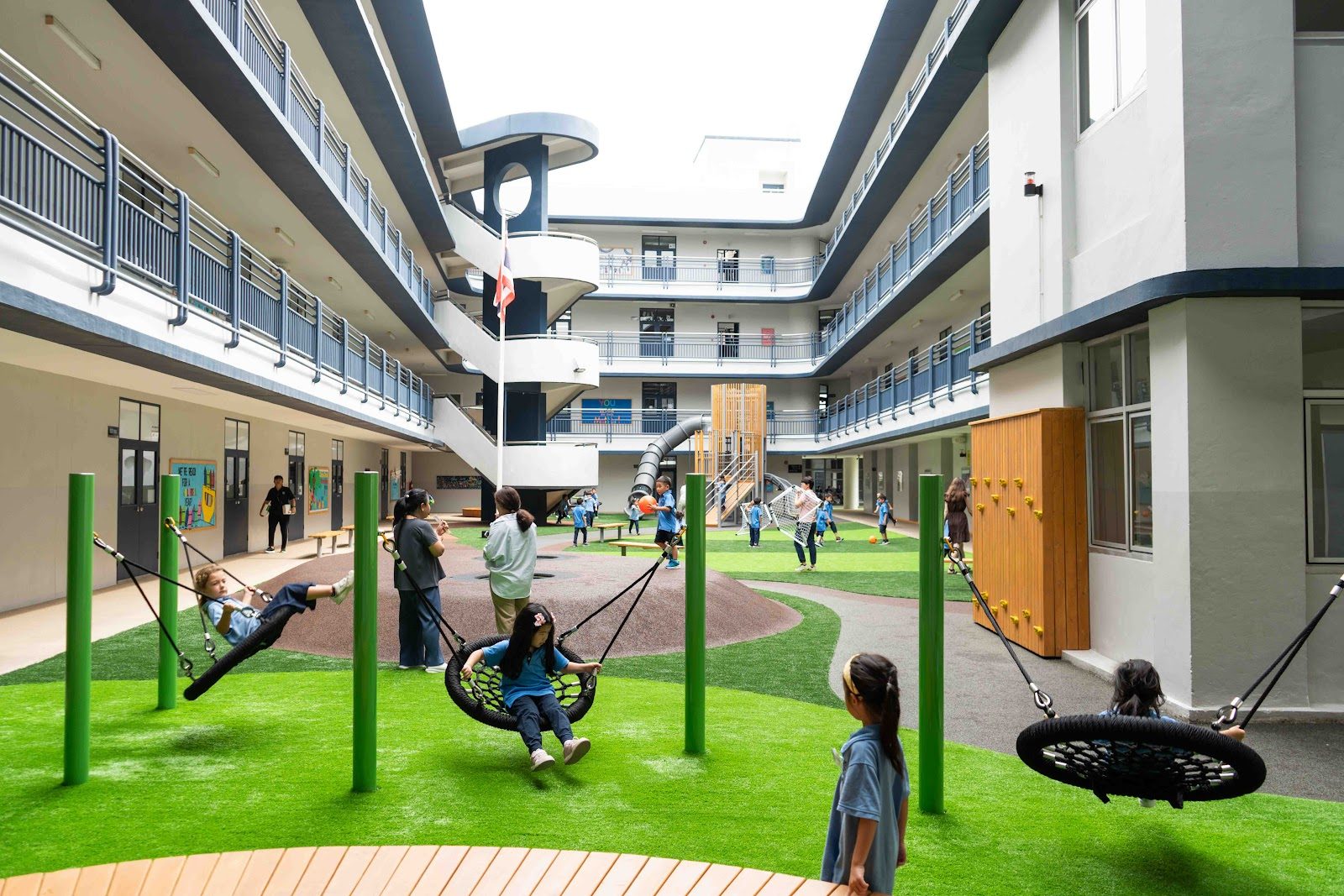
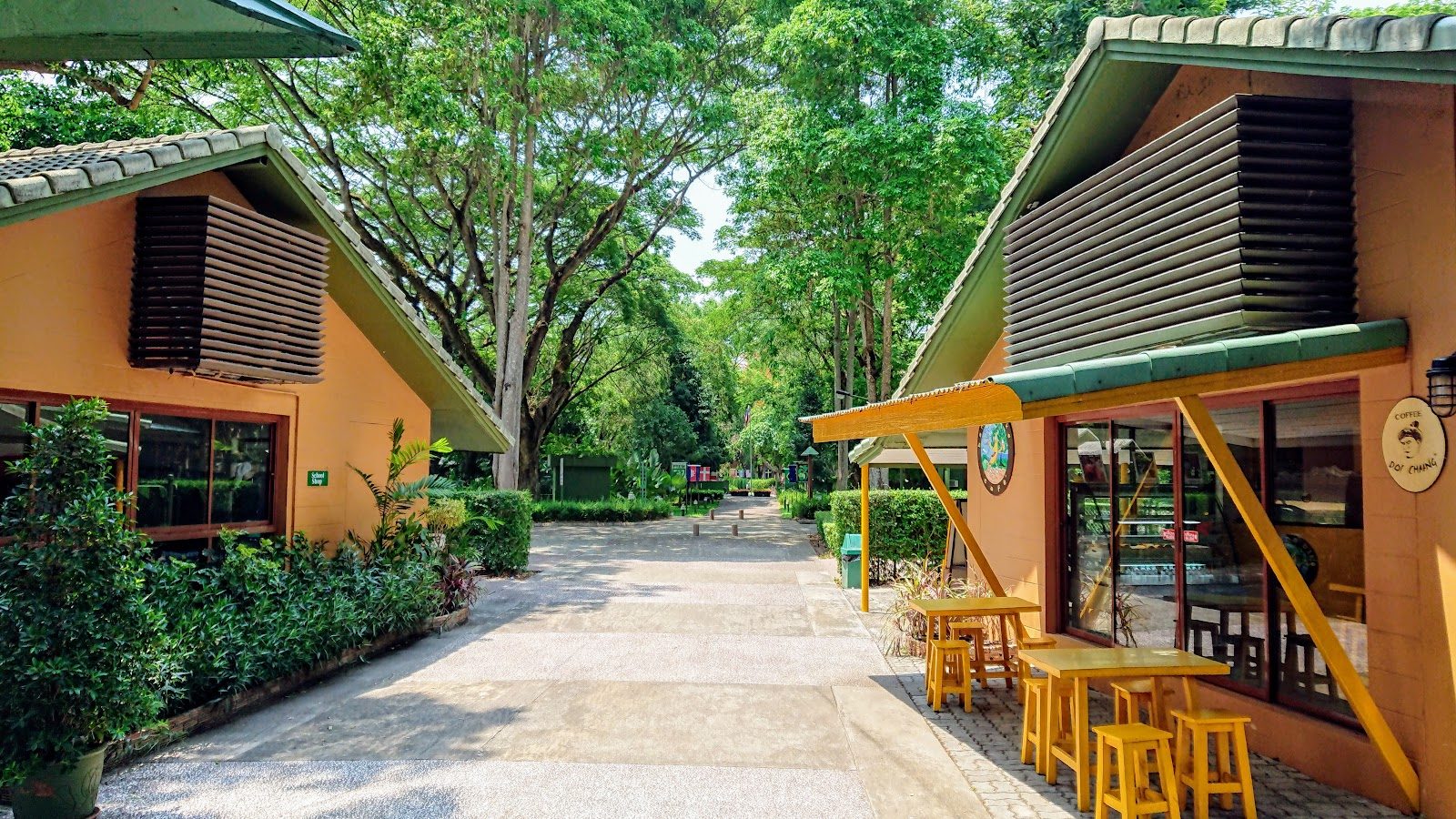
Photo © International Community School โรงเรียนประชาคมนานาชาติ (ICS) via Google Maps
Type
Day
Ages
12–18
Curriculum
American
Qualifications
US High School Diploma
Ratio
—
The Verdict
Editor's commitment
Right for
Bangkok families who want an English-medium American secondary with 24 AP courses, WASC backing and IB World School status.
Wrong for
Children under 12, boarders, or families wanting a British curriculum; this 1993 Bangkok school is day-only and American.
Watch out for
Ages 12–18 narrows the offer: no primary years, no boarding, and the 1993-founded Bangkok campus runs on English throughout.
Ranking breakdown
International Community School Bangkok · #1334 of 1591
Composite score 54.5. 8 weighted criteria.
By criterion
Academic Outcomes
Weight 20%
#1220
of 1529 scored
University Placement
Weight 16%
#1332
of 1529 scored
Prestige & Heritage
Weight 12%
#1150
of 1571 scored
Alumni Network
Weight 12%
#1181
of 1530 scored
Facilities
Weight 12%
#1164
of 1533 scored
Transparency & Communications
Weight 8%
#1243
of 1532 scored
Peer & Industry Review
Weight 10%
#1415
of 1548 scored
Admissions Selectivity & Demand
Weight 8%
#1232
of 1529 scored
Peer & Industry Review
How International Community School Bangkok is regarded in the sector
58
Credible · medium confidence
International Community School Bangkok sits outside the small cluster of long-established Bangkok institutions - Bangkok Patana, NIST, Harrow Bangkok, Shrewsbury and ISB - that dominate independent-press coverage, WhichSchoolAdvisor rankings and Good Schools Guide International write-ups, so it rarely appears in comparative league-table commentary or rival heads' public remarks. Its regard within the sector is built more quietly, through its IB Diploma and MYP authorisation and steady IBO results, which give university admissions offices a recognisable, standardised basis for evaluating applicants even without the brand recognition of the flagship schools. Thai and regional education press treat it as a solid, growing mid-market option rather than a headline institution, and it is not a regular presence at ISAC/FOBISIA-style peer conferences or awards shortlists that generate independent verification. In sum, its reputation is that of a credible, improving IB school gaining traction with local expatriate and Thai families, but it has not yet accumulated the third-party press citations, competitor commentary, or university-liaison testimonials that would place it alongside Bangkok's top-tier, internationally benchmarked schools.
Editors' overview
International Community School Bangkok occupies a distinct niche in the city’s international market: a mid-sized, values-driven American school for families who want academic stretch without the social theatre that follows Bangkok’s more conspicuously elite campuses. Founded in 1993, it serves ages 12–18 in English, with 24 AP courses and IB World School accreditation, but its identity does not rest on brand accumulation. The school’s real point of difference is the combination of US-style college preparation with compulsory service learning in Thailand. That gives the sixth-form years a practical moral frame that many schools advertise and few enforce. For parents who want serious academic intent alongside a grounded social ethos, ICSB earns a place on the shortlist.
What is special here is not scale, glamour or a luxury-campus arms race. It is clarity of purpose. This is a non-religious day school with roots in a missionary-family cooperative, and that origin still reads in the culture: close-knit, unshowy, disciplined, and more community-minded than image-conscious. In a Bangkok market crowded with schools selling aspiration through facilities and prestige cues, ICSB offers a more plain-spoken proposition. The AP menu is broad enough to support able, university-bound students; the service trips across Thailand add texture, perspective and a degree of discomfort that teenagers benefit from. That combination matters. It produces students who are not only coached for admissions, but pushed to confront lives unlike their own.
This school will suit a specific type of family and student. The best fit is a teenager who wants strong academics, knows how to work independently, and does not need the social scale or polish of a giant flagship campus. Students who thrive here value purpose over display, tolerate a community with clear expectations, and gain from a peer group that skews engaged rather than performatively competitive. Families chasing maximal status signalling, sprawling facilities, or a highly rarefied expatriate bubble have stronger options elsewhere. Families who want an English-medium, American-curriculum school with WASC and IB World School accreditation, a defined service culture, and a more sober, humane atmosphere will find ICSB compelling. The headline strengths are clear: 1993 foundations, 24 AP courses, and a school culture built around duty, perspective and substance.
Academic Performance
ICSB’s public exam profile has a clear strength and an equally clear limitation. The strength is breadth at the top end: the school offers 24 AP courses, which gives ambitious students a serious spread across disciplines and a route to build a demanding transcript. That places it above many mid-market American schools in Bangkok, where AP provision can be thin or selective. The limitation is transparency. The school does not publish aggregate AP score distributions, average scores, or multi-year pass data in the public domain. For parents trying to judge academic performance against Bangkok peers, that is a material gap. Schools with real confidence in exam outcomes publish headline score data; ICSB does not, and that leaves its attainment picture less testable than it needs to be.
That does not make the academic case weak; it makes it harder to verify. The broad AP menu indicates institutional ambition, and the school’s college-preparatory structure points to students being pushed towards externally benchmarked work rather than insulated internal grading. Still, without published score data, ICSB sits in the category of schools whose results must be inferred from course access, university destinations and academic culture rather than measured directly. Relative to Bangkok’s most data-forward competitors, that is a clear disadvantage. Relative to smaller community-oriented schools, the exam offer itself is more robust than average.
Facilities
The campus does not sell itself on spectacle, and that is the key benchmark point. Parents weighing ICSB against Bangkok’s luxury-heavy competitors will not find the kind of arms-race infrastructure that fills prospectuses elsewhere: no published aquatics complex, no theatre build sold as a civic landmark, no elite-sport spine designed to impress from the car park. What the school does foreground is a serviceable academic campus with the specialist teaching spaces needed to support a broad college-preparatory programme, plus the logistical capacity to run compulsory service trips beyond school. That last point matters more than it sounds. Schools love the rhetoric of outreach; very few build operations around it. ICSB has done so, and that gives the site a more purpose-built feel than a casual glance might suggest.
Against mid-market American peers, that puts the facilities picture in a sensible middle tier: adequate for serious study, thinner on wow-factor, stronger in function than in gloss. For families who equate quality with atriums, broadcast-standard sports halls or premium design finishes, the campus will read as plain-speaking and restrained. For families who care more about whether laboratories, classrooms and activity spaces support demanding school life without distraction, the proposition is sound. The omission is transparency. The school does not publish much granular detail on specialist rooms, arts provision or sports infrastructure, so parents cannot test the campus against rivals with the same precision they can at more showcase-driven schools.
The best fit is a teenager who wants strong academics, knows how to work independently, and does not need the social scale or polish of a giant flagship campus
Prestige
ICSB carries modest prestige in Bangkok’s international-school hierarchy. It does not trade on inherited British branding, diplomatic cachet or the social peacocking that lifts a school’s name before anyone asks about teaching. Its reputation rests on something less glamorous and more durable: a serious sixth-form academic offer, a coherent community culture and compulsory service beyond the campus gate. For many families, that produces earned credibility rather than shine. For status-conscious parents, the name lacks the instant recognition of Bangkok’s flagship schools. That matters in a market where prestige often means who else sends their children there.
That is why the school sits in the respectable, second-tier bracket rather than the city’s prestige elite. The broad AP menu — 24 courses — gives it academic substance, and the service requirement adds a moral seriousness that many competitors avoid when it becomes inconvenient. But prestige also depends on selectivity, visible outcomes and social signalling, and ICSB is weaker on all three. We have not seen published aggregate AP results, and absent hard outcomes data, the school cannot claim the authority that top-ranked rivals derive from transparent performance. The result is a school with real educational character and limited cachet: admired by families who value purpose, overlooked by those shopping for a badge.
For status-conscious parents, the name lacks the instant recognition of Bangkok’s flagship schools
Communications
ICSB’s parent communication reads as direct, low-drama and more practical than polished. The school maintains the standard channels parents need — website, admissions contact points, social media and routine news updates — but the tone does not chase the glossy, high-frequency content strategy now common at wealthier Bangkok competitors. That has strengths and weaknesses. On the positive side, families who value substance over branding noise will welcome a communication style that keeps the focus on school life, expectations and logistics rather than image management. It fits the school’s wider culture. The weakness is depth. Public-facing information on academic outcomes, specialist provision and campus detail remains thinner than it should be, and that limits how far a prospective parent can interrogate the school before making contact. In a market where schools ask families to spend serious money, opacity is a real flaw.
For current parents, the school’s model works best if they want a close-knit, less theatrical relationship with the institution. A community of this scale can rely more on recognisable staff, faster clarification and a stronger sense that messages reach actual people rather than a corporate communications office. That is valuable. It also places more pressure on consistency: a school that trades on community trust needs communication to be prompt, clear and disciplined every time. ICSB clears the first bar on tone and accessibility. It does not clear the higher bar of full transparency. The result is competent parent communication, with a plain-spoken style that suits the school, but with public disclosure that still needs work.
Uniqueness
What marks ICSB out is not a branded educational gimmick but a school-wide insistence that privilege carries obligations. The compulsory service programme, built around trips across Thailand, shifts community service from résumé garnish to lived expectation. That matters. In many international schools, service sits at the edge of school life, optional in practice and sentimental in tone. Here it has institutional weight. Students leave the campus, work in unfamiliar settings and confront social realities that affluent school environments can screen out. The effect is bracing, grounding and, for the right student, formative. Combined with a broad advanced-course menu of 24 APs, the school asks pupils to hold two ideas at once: intellectual ambition and civic responsibility.
That combination produces a student experience with more moral ballast than most schools in this bracket. Teenagers do not just accumulate credentials; they are pushed to test their judgement, resilience and capacity to work beyond their own social bubble. The school’s roots in a parent-founded cooperative still echo in that culture. There is a plain-dealing, community-first quality here that cuts against the polished, status-conscious mood found elsewhere in the market. For students, that brings a peer environment with clearer expectations and less performative gloss. For families, it offers something rare: a school that treats character formation as part of the core job, not as decorative language around admissions outcomes.
Founded in 1993, it serves ages 12–18 in English, with 24 AP courses and IB World School accreditation, but its identity does not rest on brand accumulation
Student Profile
The students who fit best here are the ones who do not need a school to entertain them. This is a place for teenagers with a workable attention span, a tolerance for structure and enough self-command to handle a demanding advanced-course load without constant hand-holding. The school offers 24 APs, so able students can build range as well as depth, but the social tone matters as much as the timetable. Pupils who thrive in more showy, status-driven environments will find this community too unflashy and too morally insistent. Pupils who value purposeful routines, know how to participate without performing, and can cope with adults expecting decency as well as grades will fit well.
It also suits students willing to be pushed beyond their own comfort. The compulsory service element is not a decorative add-on; it asks teenagers to leave the expat-school bubble and engage with places and people outside it. That favours pupils with emotional steadiness, curiosity and a degree of humility. The weaker fit is easy to identify: children who need a huge social scene, crave prestige cues, or want a more anonymous campus where they can drift. This school has a close-knit feel and clear expectations. For the right family, that reads as grounding. For the wrong one, it feels constraining.
The school’s real point of difference is the combination of US-style college preparation with compulsory service learning in Thailand
Co-curricular strengths
Arts & sport, on a separate axis
Overall 8.5/10
Scored 0-10 from the school's own published evidence. This axis is editorial-only — it does not feed the main WTS ranking.
Sports
8.5/10
Drama
8.5/10
Dance
8.5/10
Music
8.5/10
Visual Arts
8.5/10
Strengths
- +Offers a full American curriculum with Advanced Placement (AP) courses through to Grade 12, a recognisable pathway for US-bound families.
- +Operates as a single day-school campus, avoiding the split-site logistics some larger Bangkok international schools face.
- +Located in the Nonthaburi/Bangkok metropolitan area, giving access to a large and established expatriate community and support services.
- +Smaller cohort sizes relative to Bangkok's largest international schools, which can mean more individual attention in class.
- +Positioned as a 'rising star' rather than an incumbent giant, suggesting active investment in improving facilities and programme quality.
Considerations
- −Editorial rank (943) places it well outside Bangkok's top-tier international schools, reflecting a shorter or less established track record.
- −Public data on university placement, exam results, and accreditation history is limited compared to Bangkok's more prominent American-curriculum schools.
- −As a single-campus day school, families needing boarding options or multiple campus locations will need to look elsewhere.
- −Smaller school size may translate into a narrower range of extracurricular, arts, and sports programmes than larger competitors offer.
Availability
Primary entry gate & tests
Academic Record
Gallery
Photo © Name. Peter via Google Maps
Photo © Ole Kappelgaard via Google Maps
Photo © NaiChai via Google Maps
Parent reviews
Have you sent your child here?
Voice reviews carry the strongest trust badge — we transcribe them for you to tidy up before they go live. Prefer to type? A written review is fine too.
Add your voice
In 60 seconds, tell other parents: what's the best thing about International Community School Bangkok, and what surprised you when your child joined?
We ask for a Google sign-in so every review has a real face behind it — no anonymous drive-by attacks on schools, and no faked positive reviews. Your email is never shown publicly.
Send this profile to a friend
International parents rely on word-of-mouth. Share this review with someone weighing the same decision.
Schools with places
Similar schools to International Community School Bangkok with places available now.
NIST International School
Bangkok · Thailand
- 2026-27
- WAITPOOLSpace-dependent
- 2027-28
- PLACES OPENRolling
Bangkok Patana School
Bangkok · Thailand
- 2026-27
- CLOSEDThai closed / Non-Thai open
- 2027-28
- OPENS SOONThai 1 Sept / Non-Thai rolling
Shrewsbury International School Bangkok
Bangkok · Thailand
- 2026-27
- WAITPOOLSpace-dependent
- 2027-28
- PLACES OPENRolling
International School Bangkok
Bangkok · Thailand
- 2026-27
- WAITPOOLSpace-dependent
- 2027-28
- OPENS SOONOpens Sept '26
Availability first, then country, area, curriculum, price, co-curricular
Consider also
Also worth looking at alongside International Community School Bangkok.
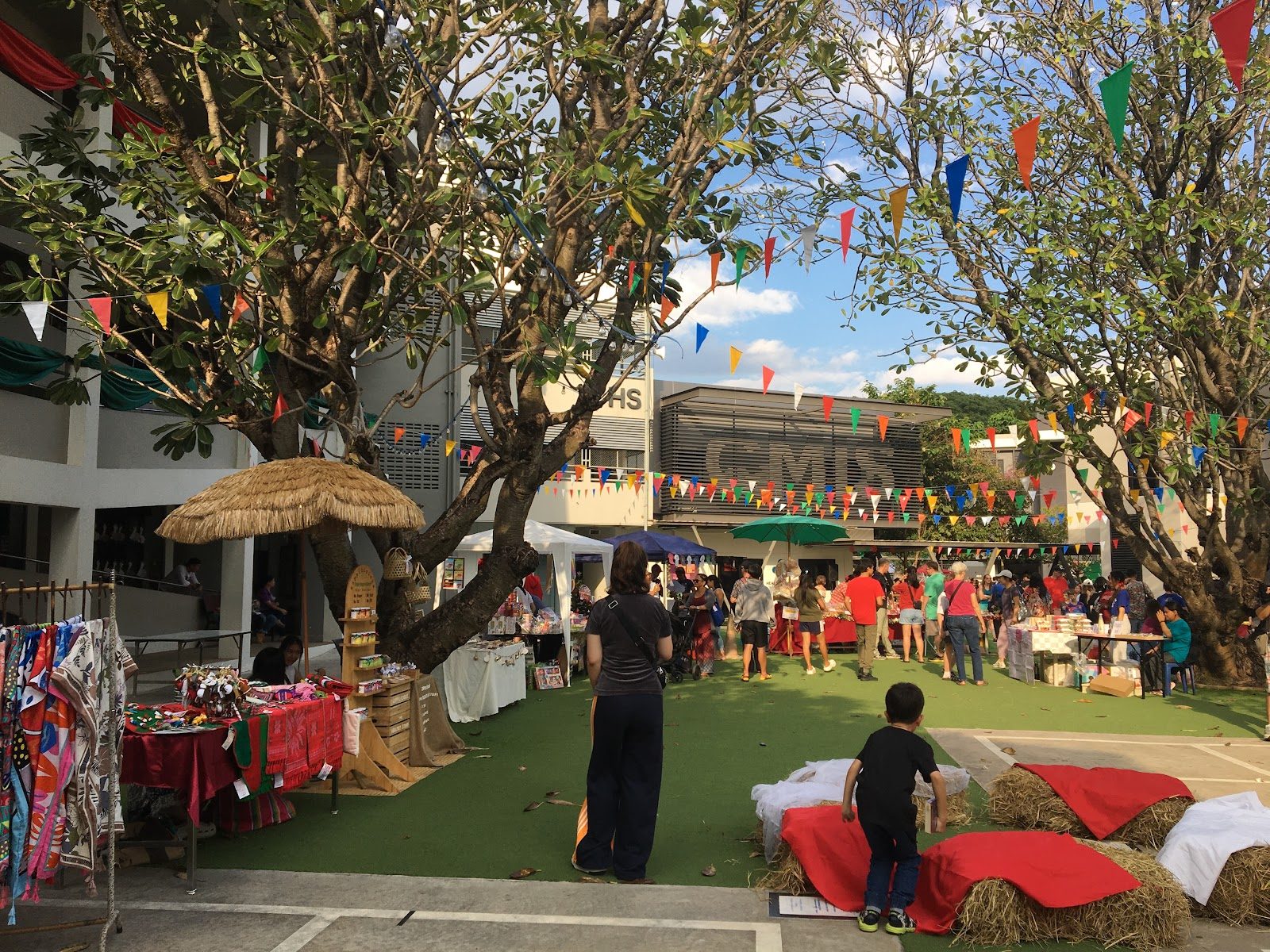
Chiang Mai International School
Chiang Mai · Thailand
Founded by returning missionaries in 1954, this Ping River campus was Thailand's first international school outside Bangkok.
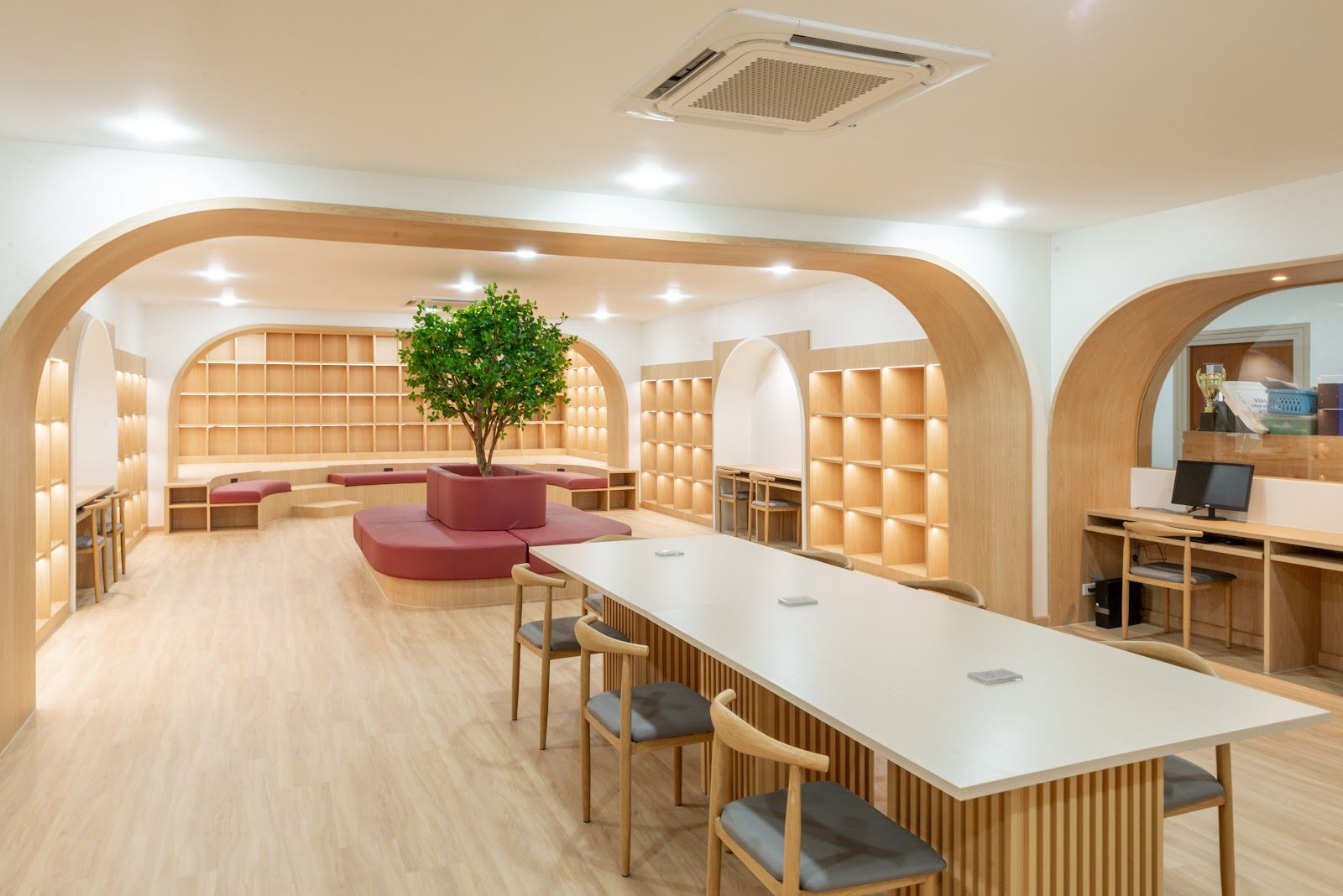
Regents International School Bangkok
Bangkok · Thailand
British curriculum through IGCSE gives way to the IB Diploma at Sixth Form, a pairing rare among Bangkok's boarding schools.
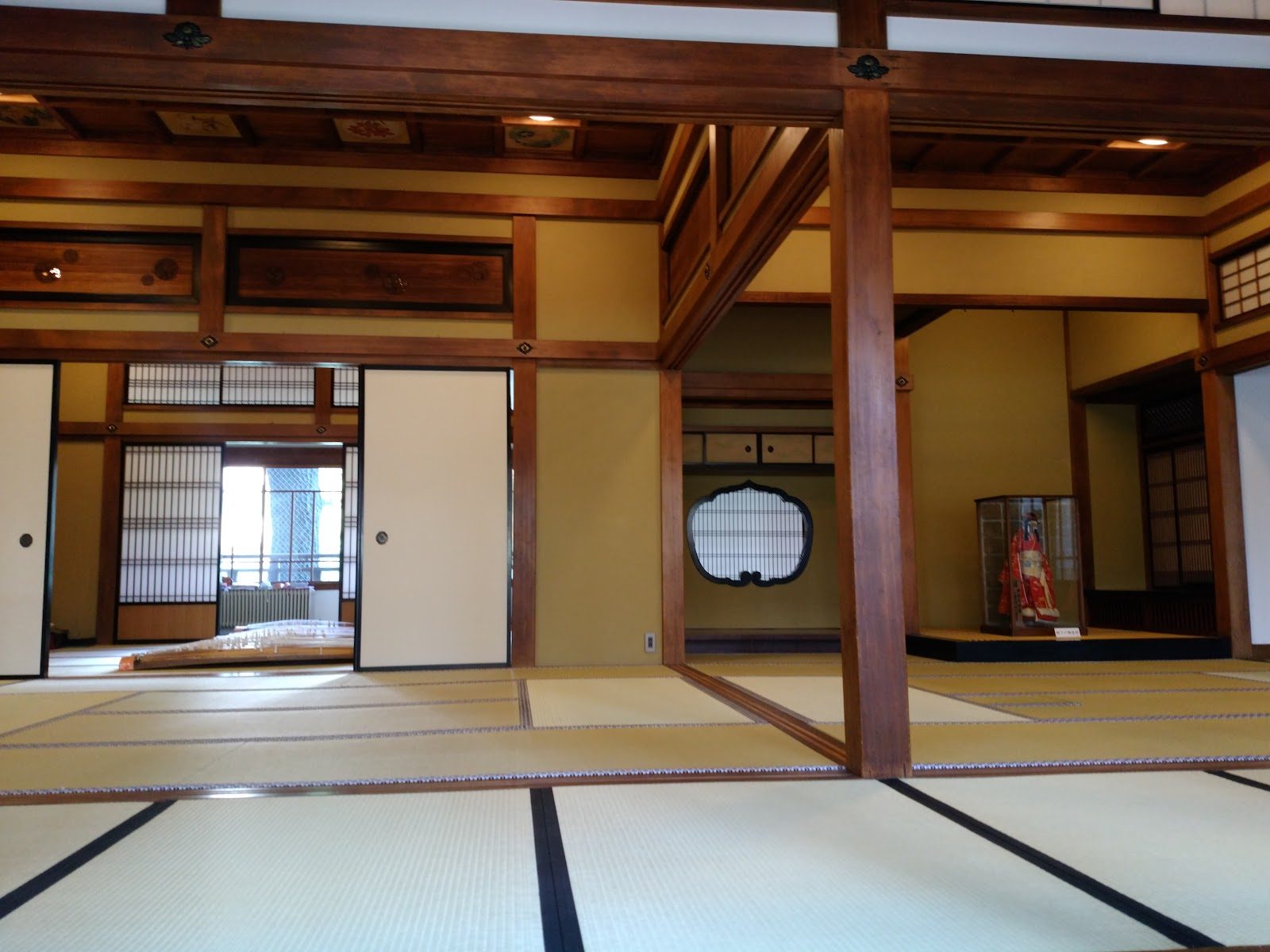
Sacred Heart School Kobe
Kobe · Japan
Perched above Kobe, this Catholic girls' school blends Japan's curriculum with an American track in an Antonin Raymond-designed hall.
Prem Tinsulanonda International School
Chiang Mai · Thailand
On a 100-acre farm and forest campus in the Mae Rim foothills, the first school in Southeast Asia to run all four IB programmes
Same country and curriculum — closest matches within ±10 points either way