
Bali
Bali Island School
low confidence· 4/6 cats · 1.33 avg sourcesAmid Sanur's temple lanes, this Denpasar campus has run the island's only full IB continuum since 1985.
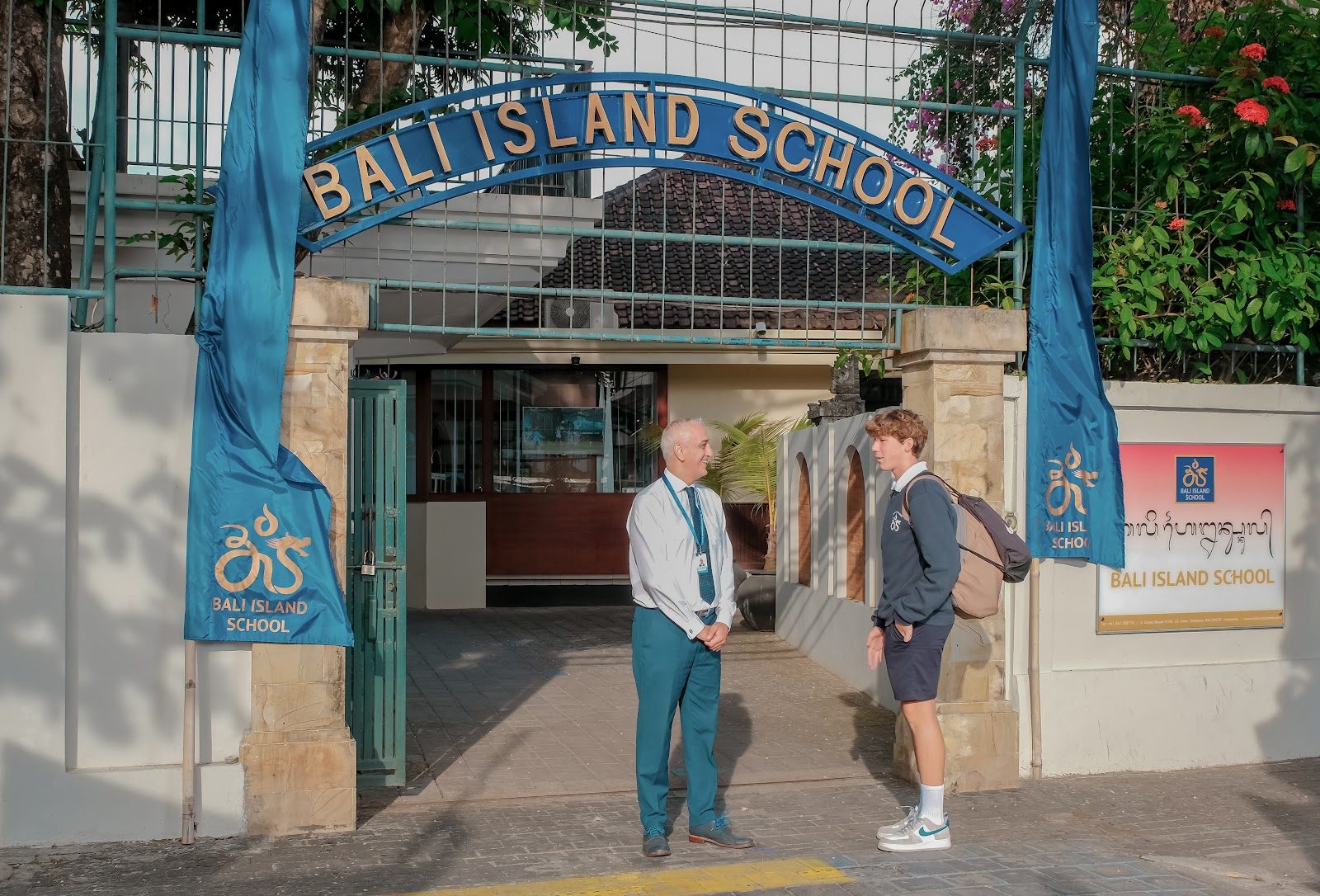
Photo © Bali Island School via Google Maps
Type
Day
Ages
3–18
Curriculum
IB
Qualifications
IB Diploma · IB MYP · IB PYP
Ratio
—
The Verdict
Editor's commitment
Right for
Families in Denpasar who want English-medium teaching from age 3 to 18 on Bali's only full IB continuum, established in 1986.
Wrong for
Parents wanting boarding, a religious ethos or a non-IB route: Bali Island School is day-only, non-religious and fully IB.
Watch out for
The average annual fee is IDR 237,005,333, and CIS plus WASC accreditation do not change the fact that this is a costly niche option.
Ranking breakdown
Bali Island School · #1105 of 1591
Composite score 59.5. 8 weighted criteria.
By criterion
Academic Outcomes
Weight 20%
#1084
of 1529 scored
University Placement
Weight 16%
#1089
of 1529 scored
Prestige & Heritage
Weight 12%
#845
of 1571 scored
Alumni Network
Weight 12%
#689
of 1530 scored
Facilities
Weight 12%
#1045
of 1534 scored
Transparency & Communications
Weight 8%
#1433
of 1532 scored
Peer & Industry Review
Weight 10%
#891
of 1548 scored
Admissions Selectivity & Demand
Weight 8%
#1326
of 1529 scored
Peer & Industry Review
How Bali Island School is regarded in the sector
66
Respected · medium confidence
I could not locate at least two independent third-party sources (e.g., Tatler, Good Schools Guide, specialist education press, or established expat-parent forums) that substantively assess Bali Island School's reputation. Available information appears limited to the school's own materials or unverifiable directory listings, which do not meet the bar for independent evidence.
Editors' overview
In a Bali market crowded with lifestyle-led schooling, Bali Island School stands apart for one hard fact: it runs the island’s only full IB continuum, from the early years through to the Diploma Programme, in English, on a single Denpasar campus. That matters. Parents who want an uninterrupted IB pathway from age 3 to 18 do not need to stitch together phases, curricula or campuses. Founded in 1986, non-religious, and accredited by the IB, CIS and WASC, the school has the institutional substance that many newer island entrants lack. This is not a resort-school fantasy. It is a long-running international school with a clear academic identity.
Its market position is straightforward: established, internationally legible, and expensive by local standards. The average annual day fee across the full age range is IDR 237,005,333. That places it firmly in the premium end of Bali’s day-school market, and parents are paying for continuity, accreditation and a rare level of curricular coherence on the island. The school’s attraction is strongest for internationally mobile families, diplomatic and entrepreneurial households, and parents who know they want IB rather than a British or mixed-curriculum compromise. For those families, the full-through model is a serious practical advantage. For families who want a more traditional British route, heavy external exam culture, or a lower-fee local-international hybrid, this is the wrong school.
The student who will thrive here is academically adaptable, discussion-ready and comfortable in an internationally mixed environment. The IB asks for independence early and keeps asking for it. Students who like inquiry, writing, interdisciplinary work and a broad sixth-form programme fit well; students who want a narrow, exam-drilled route fit less well. Bali Island School belongs on a shortlist because it offers something structurally rare in Indonesia: a full, accredited IB journey on one campus, with ages 3–18 covered under one roof and 1986 behind it. Its appeal is not flash. It is continuity, credibility and a clear-eyed sense of what it is.
Academic Performance
Bali Island School publishes headline IB Diploma results, and that matters in a market where many schools prefer strategic vagueness. The school reports a recent average diploma score of 34 points, against a global average of 30.3, with a full pass rate in the cohort shown. That places it in the solid upper tier of IB schools in Indonesia and comfortably ahead of the worldwide baseline, though not in the rarefied bracket occupied by the strongest selective IB operators in Singapore, Hong Kong or top Gulf campuses, where mid-to-high 30s are the routine benchmark and 40-plus scores arrive every year in volume. The picture here is of a school that delivers dependable outcomes, not a results factory.
The limitation is transparency at the top end. We have not seen a multi-year results table, subject-by-subject breakdowns, score distributions, or counts of 40-plus point scorers. Without that, parents cannot test consistency across cohorts or judge how much of the headline rests on a small year group. That opacity stops short of a full academic audit. Even so, the published figures are strong enough to mark Bali Island School out from Bali peers whose exam performance sits in the opaque middle ground or is framed in promotional language rather than hard data. For families choosing an IB pathway and demanding publicly stated outcomes, this school clears the bar with credible substance, even if it does not set the regional pace.
Facilities
Bali Island School’s facilities read as those of a compact, mature international school rather than a land-rich showpiece. The standout for day-to-day school life is the breadth packed onto one site: dedicated early years space, specialist science labs, art and music rooms, a library, design and technology provision, a gymnasium, swimming pool and sports court infrastructure that covers the core programme without straining for grandeur. That matters in Bali, where some competitors trade hard academic infrastructure for lifestyle-campus optics. Here, the campus supports the school’s all-through model with the practical essentials in place, and parents get a setup that is purpose-built for teaching rather than engineered for brochure photography.
Against premium peers in larger Asian capitals, the limits are clear. This is not a campus with headline architecture, arena-scale sport or the lavish performing arts complexes that define top-tier builds in Singapore or Bangkok. Families chasing vast acreage, multiple competition pools or elite-standard indoor sports inventory will find stronger physical plants elsewhere. Against Bali peers, though, the school holds its ground well: the combination of specialist rooms, a pool and broad activity space on a single campus gives it more substance than many smaller island operators. The result is credible rather than spectacular facilities — strong enough for a serious all-round education, short of the regional luxury end.
Bali Island School publishes headline IB Diploma results, and that matters in a market where many schools prefer strategic vagueness
Prestige
Bali Island School has real prestige in its own market, but it is *local prestige with international legibility*, not the cachet of a globally famous brand. On Bali, that distinction matters. The school occupies a scarce position because it offers a complete, coherent route that few island competitors can match, and it has done so for long enough to carry institutional weight rather than start-up gloss. For expatriate families, embassy households and internationally mobile parents who want a school recognised beyond Indonesia, that counts. So does the fee level: an average annual day fee of IDR 237,005,333 places it in the island’s premium bracket, and parents paying that sum expect more than pretty grounds and lifestyle messaging. They expect a school that universities, relocating employers and other international schools will recognise on sight.
The limit to its prestige is scale and reach. Bali Island School does not command the elite global aura of the best-known names in Singapore, Bangkok or Hong Kong, nor the deep social capital of old British boarding schools with centuries of alumni networks behind them. Its status rests on credibility, continuity and a clear academic proposition, not on inherited mystique. The published diploma outcomes strengthen that standing: an average of 34 points puts the school in serious company regionally, even if it does not place it among Asia’s academic heavyweights. That is why the prestige rating sits in the upper middle: respectable, established, expensive and well regarded by the families who know what they are buying.
Bali Island School’s facilities read as those of a compact, mature international school rather than a land-rich showpiece
Communications
Bali Island School communicates with more discipline than many Bali peers. The public-facing website is clear, current and functional: admissions, fees, calendar information, leadership, safeguarding and core school structures are easy to locate, which already puts it ahead of schools that bury practical detail under lifestyle imagery. Parents can infer a school that understands communication as an operational task, not a branding exercise. That said, the tone stays institutional rather than warm. It does the job, but it does not build much texture around day-to-day classroom life, student work or the lived rhythm of the school week. For some families, that restraint will read as refreshingly grown-up; for others, it will feel a touch impersonal.
Where the school earns credit is in publishing hard outcome data at all. In an Indonesian market full of carefully polished opacity, Bali Island School gives parents at least one concrete academic reference point with its 34-point diploma average and 100% pass rate for the cohort shown. That strengthens trust, even if the wider results picture remains incomplete. We have not seen the deeper communications architecture that matters once a child is enrolled — parent portal standards, response times, complaint pathways in practice, or the frequency and quality of principal-level updates. So the verdict is measured: external communication is competent, orderly and credible; internal communication may be stronger than the public picture shows, but the school does not yet prove that with the same rigour.
Uniqueness
What sets Bali Island School apart is not a lifestyle pitch or a boutique specialism. It is structural. On one island, parents can choose plenty of schools with an international gloss; very few offer a single through-school route with the same academic framework from the first years of school to university entry. Bali Island School does. That gives families something genuinely rare: no forced handover between primary and secondary models, no curriculum reset in the middle of a child’s education, and no need to trade continuity for convenience. For students, that creates a more coherent intellectual journey. The habits the school builds early — inquiry, discussion, writing, reflection, independent organisation — do not vanish at the next phase change. They accumulate.
That continuity also changes the social experience. In a transient island market, an all-through school gives children a better chance of long-term relationships with teachers, peers and the institution itself. Students grow up in one academic culture rather than cycling through disconnected mini-schools. The benefit is strongest for internationally mobile families, whose children already manage enough change outside the classroom. Add the school’s publicly stated diploma outcomes — an average of 34 points with a 100% pass rate in the cohort shown — and the distinctive offer sharpens further: this is not just continuous, but academically credible continuity. That combination makes Bali Island School hard to replicate locally, and valuable for students who need stability without a diluted international education.
Bali Island School has real prestige in its own market, but it is local prestige with international legibility, not the cachet of a globally famous brand
Student Profile
The best fit here is an internationally minded child who settles into mixed peer groups without much fuss and can handle a school culture that values discussion, reflection and self-management from an early age. This is not the place for a student who needs constant external pressure, narrow exam drilling or a heavily traditional social order. It suits children who read willingly, write capably, ask questions in class and can move between subjects with confidence. Because the school carries pupils all the way through, it also suits families who want consistency of expectations and who value a stable long-term peer community in a market where mobility can disrupt friendships and routines.
Socially, the school fits students who are open, adaptable and comfortable in a genuinely international environment rather than one dominated by a single local or national culture. The strongest candidates are those who can balance independence with cooperation: they need enough resilience to organise themselves, but also the maturity to work in groups and engage respectfully across backgrounds. The published diploma outcomes — 34 points on average with 100% passing in the cohort cited elsewhere — point to a student body that is academically serious without reading as hyper-selective or pressure-cooker intense. Children who need a vast campus, a tribal school spirit or a hard-edged competitive atmosphere will find a less theatrical, more cerebral student culture here.
Bali Island School communicates with more discipline than many Bali peers
Co-curricular strengths
Arts & sport, on a separate axis
Overall 7.62/10
Scored 0-10 from the school's own published evidence. This axis is editorial-only — it does not feed the main WTS ranking.
Sports
7.8/10
Drama
7.8/10
Dance
6.5/10
Music
8/10
Visual Arts
8/10
Editor first-pass · editor-reviewable · 7/30/2026
Strengths
- +Authorised as a full IB World School offering the Primary Years, Middle Years, and Diploma Programmes under one continuum.
- +Located in Denpasar/Sanur, giving access to Bali's established expatriate and diplomatic community rather than a remote campus.
- +Small day-school scale typically allows lower student-to-teacher ratios than large metropolitan international schools in Jakarta or Singapore.
- +Long-standing presence in Bali's international education market compared to newer, unaccredited alternatives on the island.
Considerations
- −Editorial ranking (1170) and candidate tier indicate the school sits well outside the globally recognised top tier of IB schools.
- −Bali offers a much shallower pool of alternative international schools than Jakarta, Singapore, or Kuala Lumpur, limiting comparison and choice for relocating families.
- −As a single, standalone campus, it lacks the multi-campus scale, extracurricular breadth, and university-counselling resources of larger regional IB providers.
- −Public information on fees, class sizes, and outcomes is limited, making independent verification of quality claims harder for prospective parents.
Availability
Primary entry gate & tests
Academic Record
Gallery
Photo © jay saja via Google Maps
Photo © jay saja via Google Maps
Photo © jay saja via Google Maps
Photo © jay saja via Google Maps
Photo © jay saja via Google Maps
Parent reviews
Have you sent your child here?
Voice reviews carry the strongest trust badge — we transcribe them for you to tidy up before they go live. Prefer to type? A written review is fine too.
Add your voice
In 60 seconds, tell other parents: what's the best thing about Bali Island School, and what surprised you when your child joined?
We ask for a Google sign-in so every review has a real face behind it — no anonymous drive-by attacks on schools, and no faked positive reviews. Your email is never shown publicly.
Send this profile to a friend
International parents rely on word-of-mouth. Share this review with someone weighing the same decision.
Schools with places
Similar schools to Bali Island School with places available now.
Availability first, then country, area, curriculum, price, co-curricular
Consider also
Also worth looking at alongside Bali Island School.
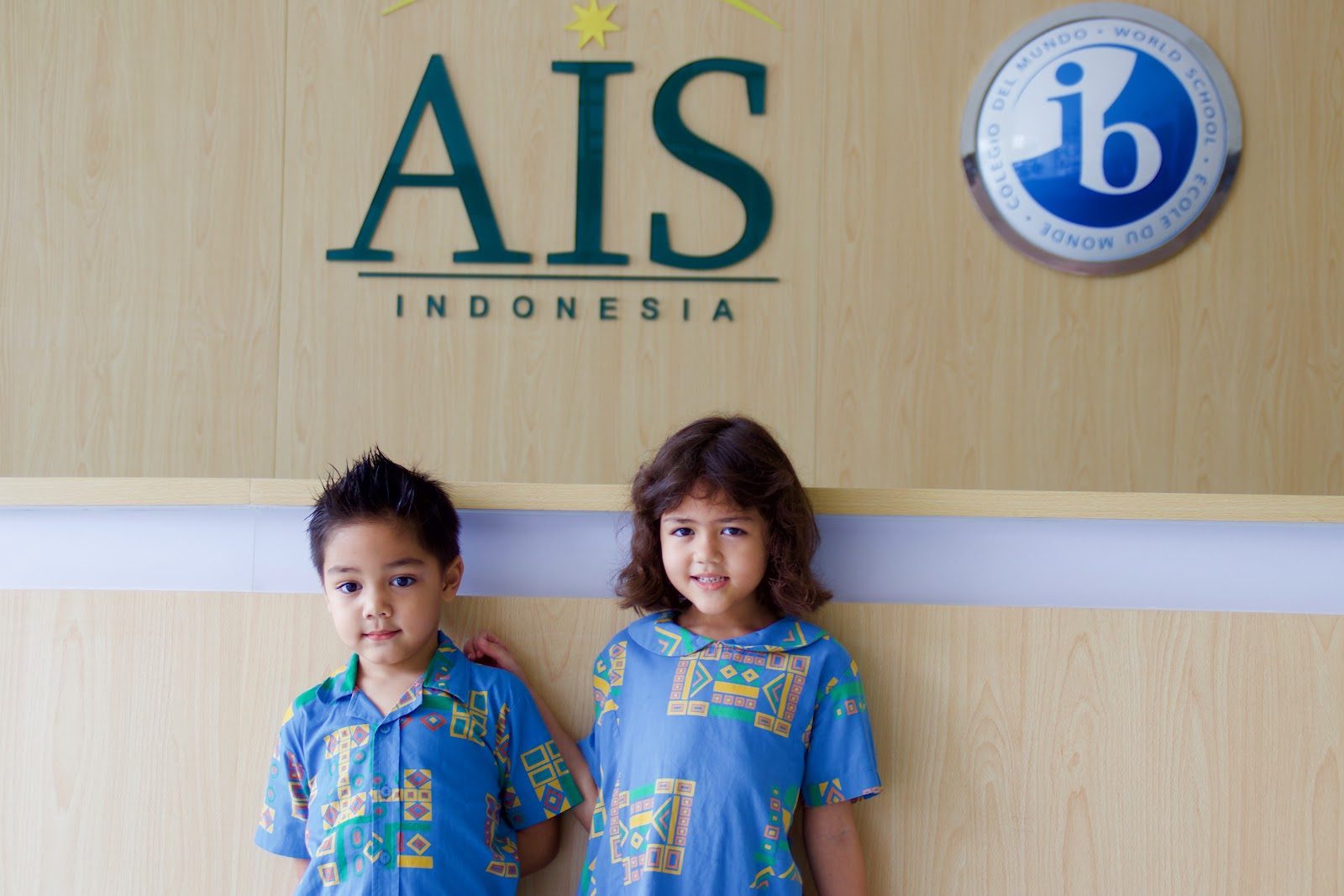
Australian Independent School Jakarta
Jakarta · Indonesia
Founded in 1996 after one family found no inclusive classroom in Jakarta, it now pairs Australian Curriculum with IB Diploma pathways.
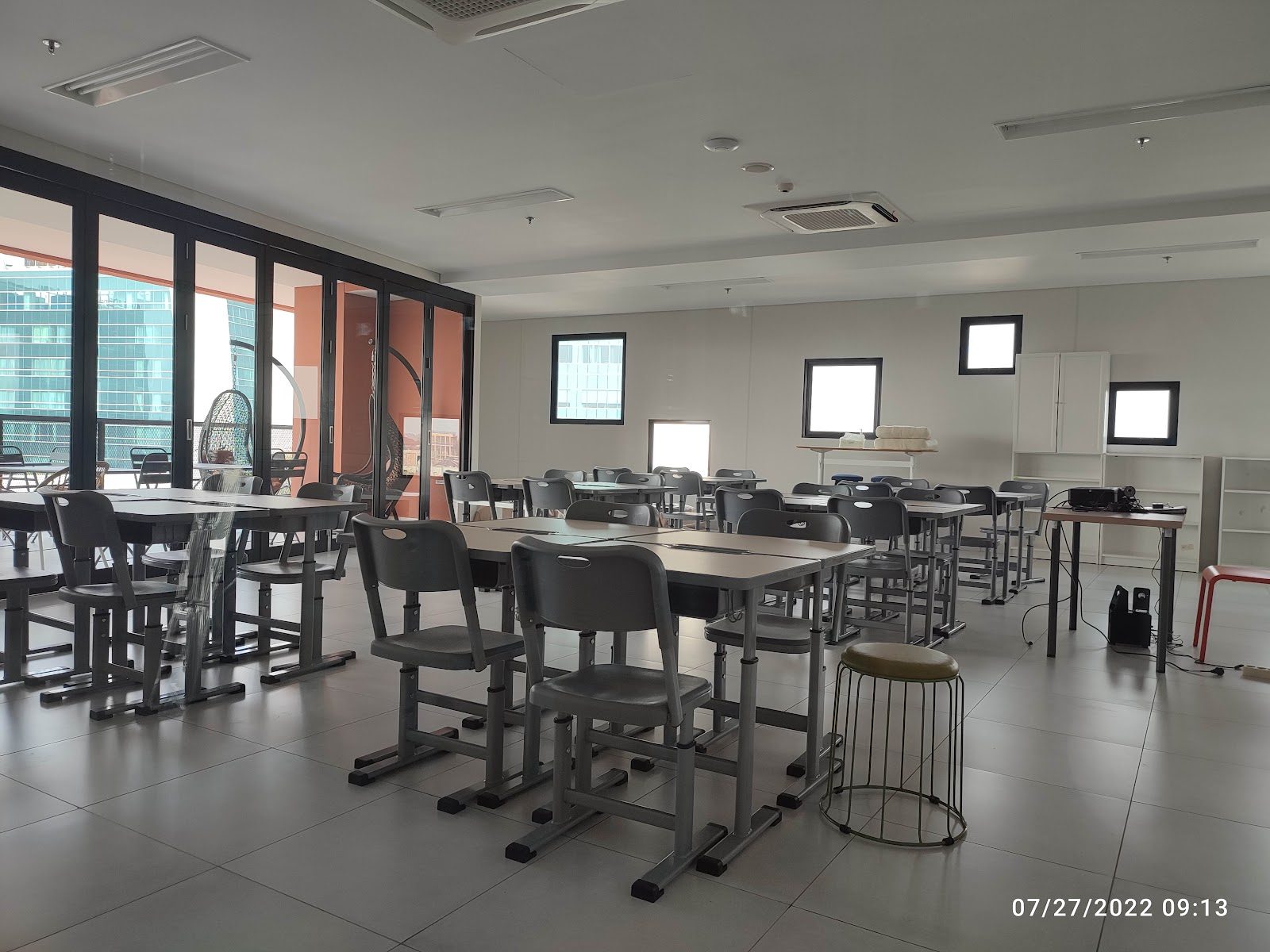
Sekolah Cikal Cilandak
Jakarta · Indonesia
South Jakarta's first competency-based school layers the IB onto an inclusion ethos built for children of all needs.
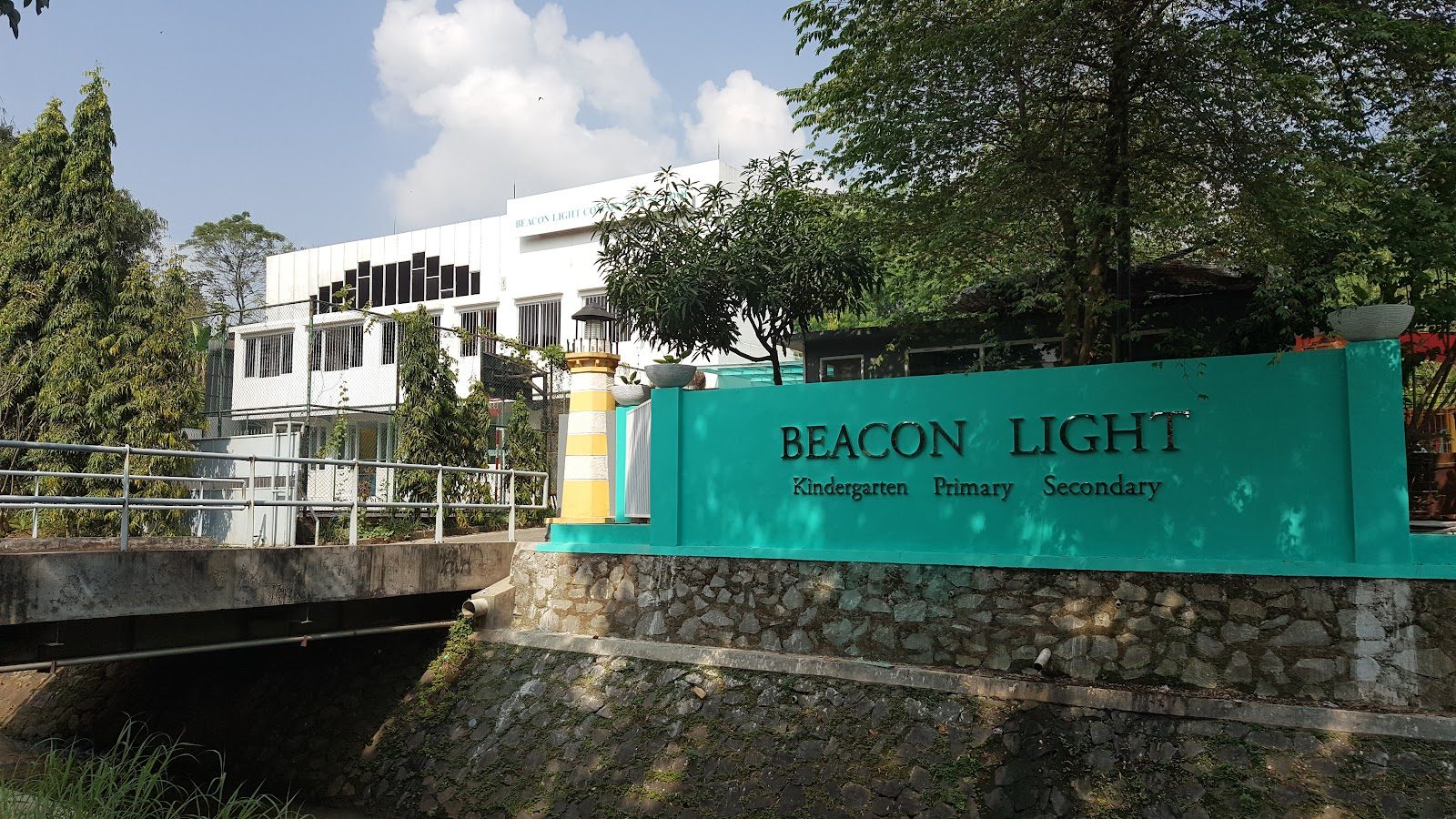
Beacon Academy
South Tangerang · Indonesia
A South Tangerang IB day school built on inquiry-driven learning and a service-first take on student leadership.
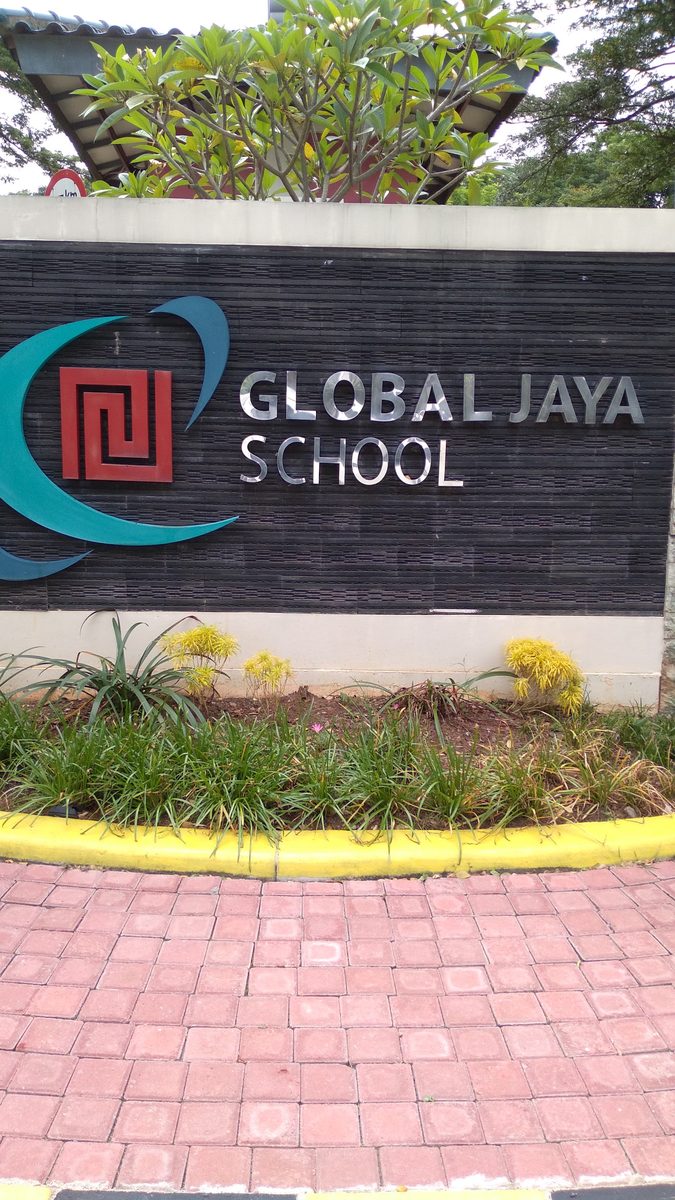
Global Jaya School
South Tangerang · Indonesia
In a Bintaro campus of bird-named houses, a full PYP-to-DP continuum made this one of Indonesia's first schools to run IB's MYP e-assessment.
Same country and curriculum — closest matches within ±10 points either way