
Pejaten, Jakarta Selatan
Australian Independent School Jakarta
low confidence· 4/6 cats · 1.2 avg sourcesFounded in 1996 after one family found no inclusive classroom in Jakarta, it now pairs Australian Curriculum with IB Diploma pathways.
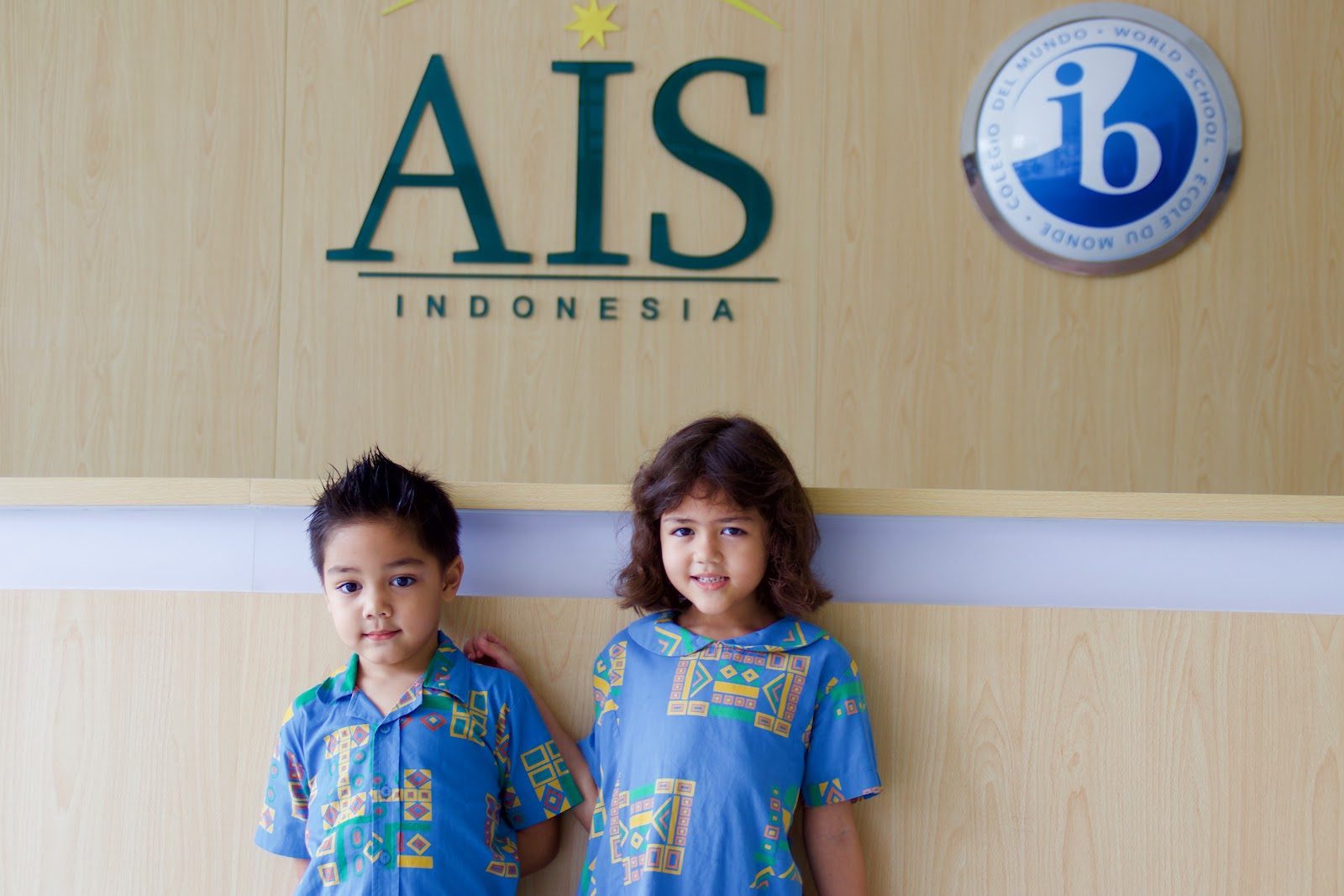
Photo © Widya Suryandini via Google Maps
Type
Day
Ages
2–18
Curriculum
Australian · IB
Qualifications
HSC · IB Diploma
Ratio
—
The Verdict
Editor's commitment
Right for
Families wanting ages 2–18 in English with Australian Curriculum and the IB Diploma, backed by CIS and IB World School status.
Wrong for
Parents wanting boarding, a religious ethos, or a single-curriculum school; AIS Jakarta is day-only, non-religious and runs Australian plus IB.
Watch out for
Founded in 1996, AIS sells inclusivity hard but does not publish aggregate IB results, university destinations or campus-specific outcomes for Jakarta.
Ranking breakdown
Australian Independent School Jakarta · #914 of 1591
Composite score 63.5. 8 weighted criteria.
By criterion
Academic Outcomes
Weight 20%
#901
of 1529 scored
University Placement
Weight 16%
#965
of 1529 scored
Prestige & Heritage
Weight 12%
#1063
of 1571 scored
Alumni Network
Weight 12%
#825
of 1530 scored
Facilities
Weight 12%
#863
of 1533 scored
Transparency & Communications
Weight 8%
#289
of 1532 scored
Peer & Industry Review
Weight 10%
#893
of 1548 scored
Admissions Selectivity & Demand
Weight 8%
#1232
of 1529 scored
Peer & Industry Review
How Australian Independent School Jakarta is regarded in the sector
66
Respected · medium confidence
I could not identify at least two independent, verifiable third-party sources (e.g., Tatler, Good Schools Guide, expat forums with substantive discussion, specialist education press) discussing Australian Independent School Jakarta's reputation. Available information appears limited to the school's own materials or unverifiable listings.
Editors' overview
Australian Independent School Jakarta occupies a clear niche in the city’s international market: an English-medium, non-religious day school with the Australian Curriculum through the school years and the IB Diploma at the top end. That combination matters. It gives families a structured, familiar academic spine, then a recognised pre-university qualification for Years 11–12. Founded in 1996, AIS Jakarta also carries a more personal origin story than many corporate-style internationals: the school traces its start to one family’s search for an inclusive classroom in Jakarta. That founding premise still shapes the offer. The school talks less about prestige and more about inclusion, ESL support and student welfare. For parents who want a school without social theatre, a steady academic track and a genuinely mixed community, that is the reason to pay attention.
What sets AIS Jakarta apart is not raw scale or brand glamour. It is the combination of accessibility and breadth. The school serves ages 2–18, teaches in English, and is accredited as an IB World School and by CIS. Public-facing messaging puts inclusivity at the centre, and parent testimony points in the same direction: support for students who arrive with weaker English, attention to wellbeing as well as attainment, and a community that families stay with for years. The programme also reads as fuller than the school’s understated profile might imply. News and events point to athletics, film, science fairs, drama productions, visual arts showcases and community initiatives. That gives AIS Jakarta substance beyond the classroom: students get room to participate, not just to accumulate credentials.
It belongs on a shortlist for families who want an international school that is less rarefied than Jakarta’s highest-fee names and more grounded in day-to-day pastoral care. The school’s strength is its fit for globally mobile families, bilingual or multilingual households, and children who need a school to meet them where they are, especially in English acquisition and confidence-building. It suits students who thrive in a kind, unflashy environment, who value arts and co-curricular life alongside academics, and who do not need the intensity or cachet of a hyper-selective ecosystem. Parents who prioritise published elite outcomes above all else will find a limit here: the school does not publish aggregate exam results in the public domain. That opacity matters. Even so, for families seeking inclusion with academic direction and *an international education without affectation*, AIS Jakarta holds a credible place on the list.
Academic Performance
AIS Jakarta does not publish the core data that would let parents judge academic performance cleanly: no aggregate IB Diploma results, no average point score, no subject-level breakdowns, no pass-rate trend, and no university destination list in the public domain. That is a real weakness. In Jakarta’s competitive international market, schools that deliver standout examination outcomes put the numbers front and centre. AIS does not. The public picture leans instead on anecdote, event coverage and broad claims about student accomplishment. For a school asking families to trust its academic direction through to the final years, that level of disclosure is thin.
What can be said is narrower. The school runs an IB Diploma pathway and gives visible space to senior student work, including a Year 12 visual arts showcase, which indicates a functioning upper school rather than a token sixth form. Parent testimony also points to students leaving well prepared for university, but testimony is not performance data. Relative to Jakarta peers with hard-edged published outcomes and a strong results culture, AIS sits in the less transparent tier. That does not make it weak academically; it makes it hard to verify. Parents who care most about external examination strength need to ask for the last 3 years of IB results, cohort size, score distribution, and destination outcomes before drawing conclusions.
Facilities
AIS Jakarta’s public picture of facilities is stronger on breadth than on detail. The school points to “excellent facilities” through parent testimony, and its calendar shows those facilities get used: athletics carnival, science fair, film festival, drama productions, musical theatre, art exhibitions and senior visual arts showcases. That mix tells parents the campus supports sport, laboratory or project-based science, performance, and visual arts at a functional level. It also tells you what AIS is not: this is not a school selling architectural spectacle or resort-style excess. The website does not publish the kind of granular campus inventory that top-fee competitors use to prove advantage — no theatre specifications, no sports-field count, no laboratory list, no library detail, no specialist centre breakdown. For a school with campuses in 2 locations and expansion news tied to 2024, that restraint is conspicuous.
Against Jakarta peers, the facilities proposition lands in the solid middle. There is enough evidence of a proper all-round school plant to support a full day-school experience, especially in the arts and student events. There is not enough published detail to rank AIS with the city’s facility-led heavyweights, where aquatics, elite sports infrastructure, fabrication spaces and headline architecture are part of the sales pitch. Parents who care about specialist provision need to ask direct questions: indoor versus outdoor sports space, dedicated music rooms, science lab access by age group, and the scale of performance venues. The essentials are in place; the hard proof of exceptionalism is not.
For parents who want a school without social theatre, a steady academic track and a genuinely mixed community, that is the reason to pay attention
Prestige
AIS Jakarta sits in the middle of the prestige ladder, not at the top. It has the credentials that matter for legitimacy and international transferability, and it has a long enough track record to count as established rather than provisional. But prestige in this market is built on more than operating history and recognised programmes. It also rests on scarcity, social cachet, public academic bragging rights and a strong aura of selectivity. AIS does not trade on any of those. Its public voice is about inclusion, community and support for children who need help settling into English-medium schooling. That gives the school a serious pastoral identity. It does not give it elite mystique.
That rating is not a put-down. For many families, low social theatre is a strength. The school projects stability, warmth and day-to-day usefulness, not glamour. Its public-facing life also shows breadth beyond lessons: drama, visual arts, science events, athletics and community activities run right through the calendar, with updates stretching into 2026 and reference to campuses in 2 locations. That indicates an institution with enough substance to sustain a full school experience. Still, prestige-conscious parents hunting for the city’s status-heavy names or a school that advertises hard prestige markers will rank AIS below Jakarta’s most socially dominant internationals. Its standing rests on trust, continuity and inclusiveness, not on exclusivity.
The essentials are in place; the hard proof of exceptionalism is not
Communications
AIS communicates with parents in a serviceable, public-facing way rather than a deeply transparent one. The website is active, current and visibly maintained, with news flowing into 2026 and a steady stream of school-life updates: athletics, arts showcases, science events, open days and community activities. That matters because stale school websites usually signal slack communications elsewhere. Here, the cadence is better than that. The school also makes direct calls to action easy to find — book, enquire, apply — and parent testimony points to a community that values support, welfare and help with settling into school life. For new international families, that reads as reassuringly practical. The bilingual site navigation also helps households that do not want every administrative step filtered through one parent.
The limit is depth. AIS publishes plenty of atmosphere and event coverage, but less of the hard information that serious parents use to judge a school’s performance and decision-making. News items tell you that things happen; they do not tell you enough about standards, strategic priorities or outcomes. Testimonials are warm, but testimonials are not evidence. There is also a mild brochure sheen to phrases such as “world-class” and “inclusivity at its finest”, which lowers the signal-to-noise ratio. So the verdict is mixed but clear: communications are friendly, active and accessible for day-to-day engagement, and thin where scrutiny matters most. For pastoral reassurance, AIS does the job. For accountability, parents need to ask sharper questions.
Uniqueness
AIS Jakarta’s distinctive trait is not pedigree theatre or a niche academic gimmick. It is the school’s origin in a search for an inclusive classroom, and the fact that this still reads as an operating principle rather than a sentimental backstory. In a market where many international schools speak first to high-flying, already fluent children, AIS gives unusual weight to students who need help entering an English-medium environment confidently. Parent testimony on ESL support is the sharpest clue. That matters because inclusion, when it is real, changes the daily experience of school: children settle faster, quieter students get noticed, and families new to international education face less social intimidation. For students who do not fit the polished expatriate stereotype, that is a material advantage.
The other point of difference is the school’s combination of breadth and low-drama practicality. Public school life covers athletics, film, science, drama, visual arts and community activity across the year, with visible senior participation rather than token showcases. That gives students more than classes and assessments; it gives them repeated chances to perform, make, compete and contribute. The age span from 2 to 18 also supports continuity: children can grow up in one community instead of restarting every few years. The result is a school that serves the steady middle ground well — ambitious enough to offer credible pathways, grounded enough to keep pastoral care and belonging at the centre. For many families, that is more valuable than brand shine.
AIS Jakarta sits in the middle of the prestige ladder, not at the top
Student Profile
The best fit at AIS Jakarta is not the child who wants a status-charged peer group or a school built around relentless comparison. It is the student who benefits from a settled, humane environment: internationally mobile children, families entering the city mid-journey, and pupils who need patient support as they build confidence in classroom English. The age range from 2–18 also shapes the student body. Schools that keep children through the full span tend to attract families looking for continuity rather than tactical school-hopping, and that usually produces a community with stronger day-to-day familiarity across year groups. Children who are shy, still adjusting, or not yet polished in the way top-tier expatriate schools often reward will find more room here.
AIS also suits students who want a broad school life without the high-gloss intensity of a prestige-first institution. The public rhythm of the school points to children who perform in drama, make films, show visual art, join science events and take part in sport and community activity across the year. That points to a student profile that is engaged, mixed in ability, and not narrowly defined by exam identity alone. Families who want a kind, unshowy school with enough academic direction to keep options open will fit well. Families chasing a hard-edged, ultra-competitive culture will not.
AIS Jakarta’s distinctive trait is not pedigree theatre or a niche academic gimmick
Co-curricular strengths
Arts & sport, on a separate axis
Overall 7.52/10
Scored 0-10 from the school's own published evidence. This axis is editorial-only — it does not feed the main WTS ranking.
Sports
7.8/10
Drama
7.6/10
Dance
6.8/10
Music
7.4/10
Visual Arts
8/10
Editor first-pass · editor-reviewable · 7/30/2026
Strengths
- +Delivers the full Australian curriculum (early years to senior secondary) alongside an IB Diploma pathway, giving families a recognised dual-system option.
- +Operates two campuses in South Jakarta, allowing continuity from early years through secondary without changing school groups.
- +English-medium instruction with a curriculum structure familiar to Australian and other Commonwealth-background expatriate families.
- +Smaller cohort sizes than the largest Jakarta international schools, which can mean more individual attention in classes.
Considerations
- −Less internationally recognised brand than Jakarta's largest, longer-established international schools, reflected in its lower editorial ranking.
- −Offering both the Australian curriculum and IB Diploma in parallel may complicate later transfers into single-system schools abroad.
- −South Jakarta location can mean long commute times given the city's traffic, particularly for families based in other districts.
- −Limited independently published data on academic results, university placement, or extracurricular breadth compared to larger competitors.
Availability
Primary entry gate & tests
Academic Record
Gallery
Photo © ch H1 via Google Maps
Photo © ch H1 via Google Maps
Photo © Pebri Iriyanto via Google Maps
Photo © Per Soerensen via Google Maps
Photo © Assed Lussak via Google Maps
Parent reviews
Have you sent your child here?
Voice reviews carry the strongest trust badge — we transcribe them for you to tidy up before they go live. Prefer to type? A written review is fine too.
Add your voice
In 60 seconds, tell other parents: what's the best thing about Australian Independent School Jakarta, and what surprised you when your child joined?
We ask for a Google sign-in so every review has a real face behind it — no anonymous drive-by attacks on schools, and no faked positive reviews. Your email is never shown publicly.
Send this profile to a friend
International parents rely on word-of-mouth. Share this review with someone weighing the same decision.
Schools with places
Similar schools to Australian Independent School Jakarta with places available now.
Availability first, then country, area, curriculum, price, co-curricular
Consider also
Also worth looking at alongside Australian Independent School Jakarta.

Green School Bali
Abiansemal · Indonesia
A walless bamboo campus on the Ayung River where IB study runs alongside rice cultivation and river ecology
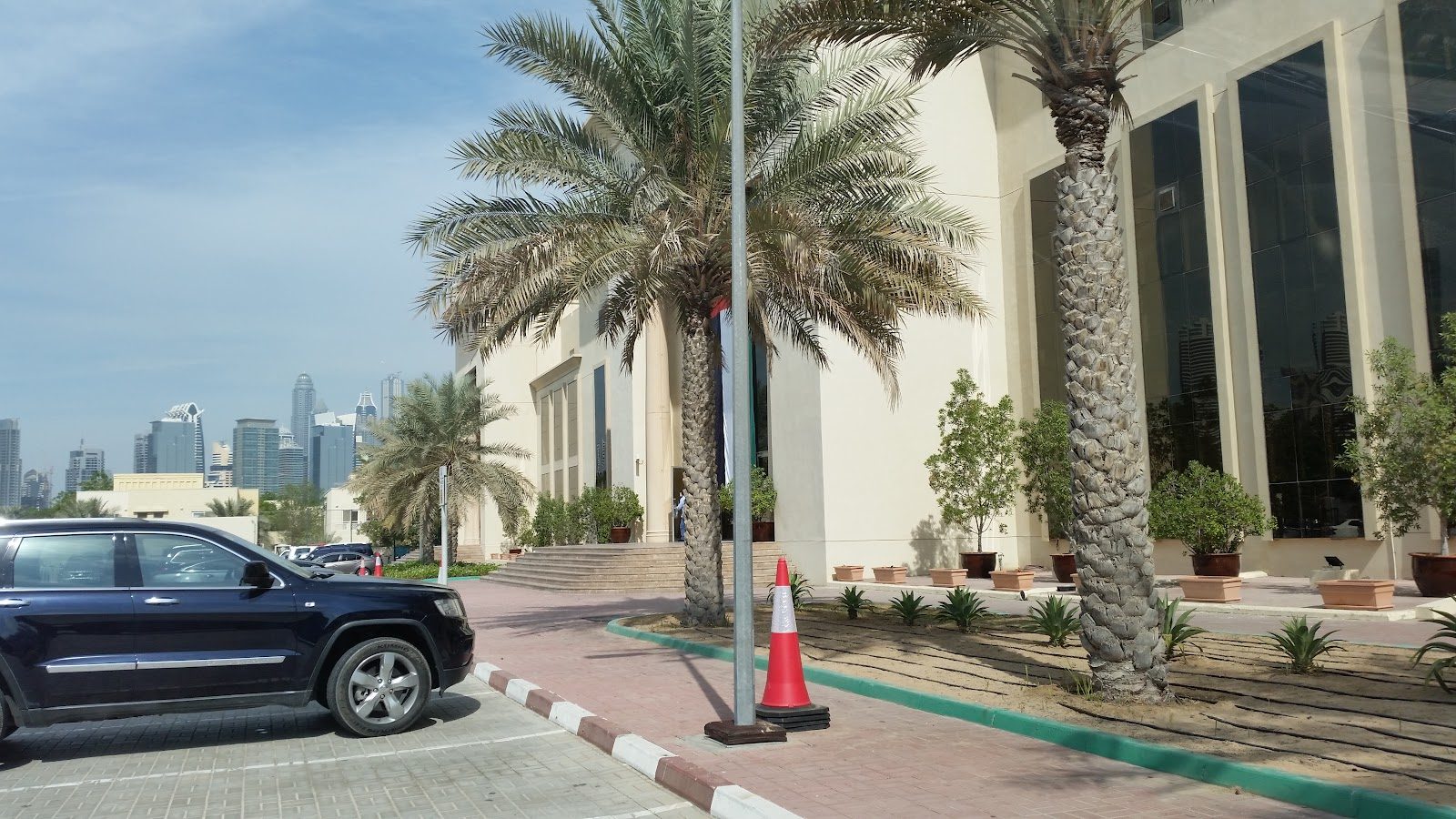
Emirates International School – Meadows
Dubai · United Arab Emirates
Emirates Hills' pioneer IB campus, where inspectors rate innovation and social responsibility skills Outstanding across every phase.
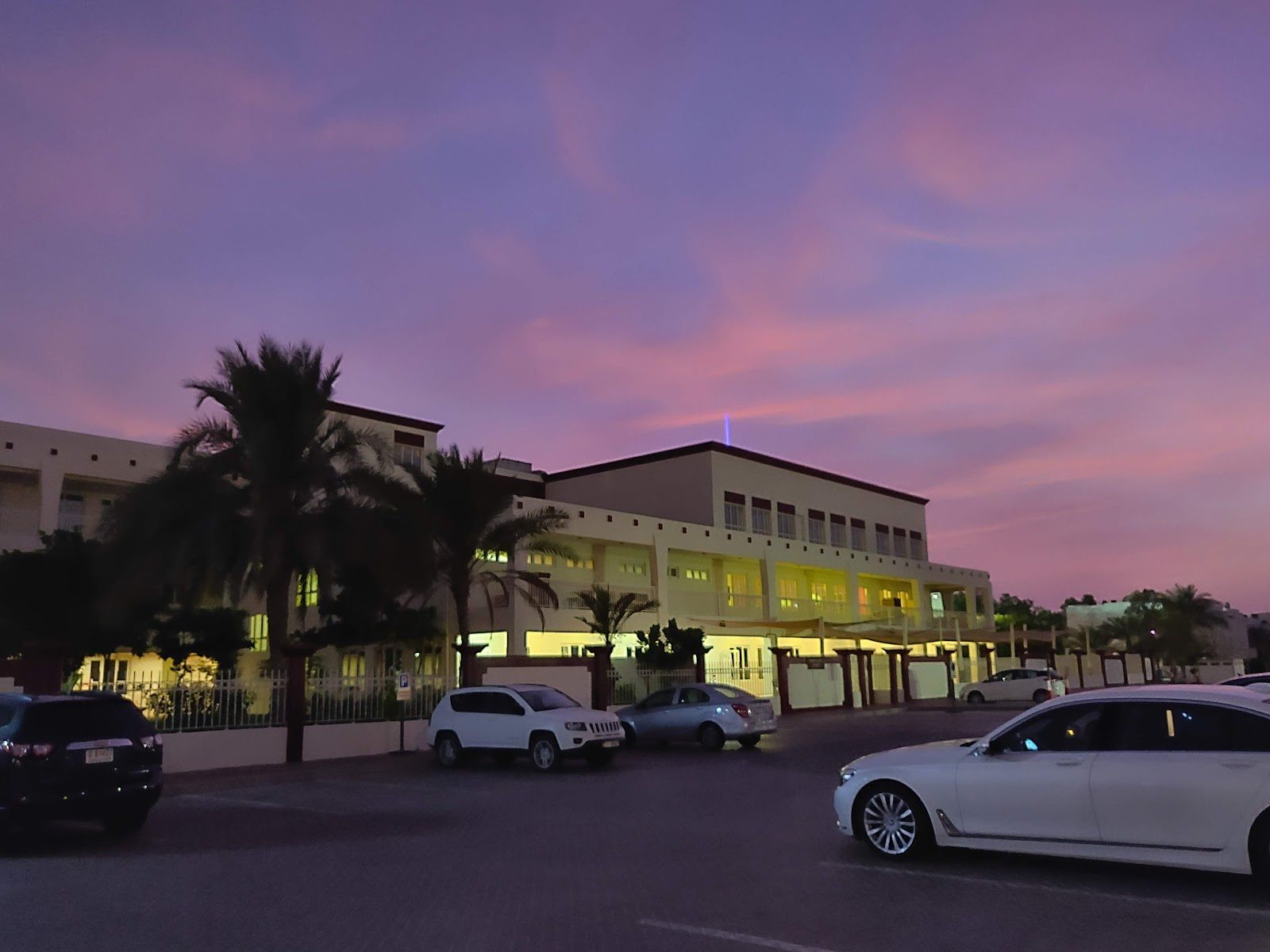
Raffles World Academy
Dubai · United Arab Emirates
Steps from the Burj Al Arab, a complete IB continuum runs alongside a rare BTEC vocational pathway few Dubai schools match

West Point Grey Academy
Vancouver · Canada
On an 18-acre Jericho Lands campus above English Bay, a compulsory third language meets a student-run Model UN conference.
Same country and curriculum — closest matches within ±10 points either way