
Jerusalem District
Anglican International School Jerusalem
low confidence· 3/6 cats · 3 avg sourcesThe first school in Israel authorised for the IB, mixing British roots with over thirty nationalities inside Jerusalem's ancient walls.
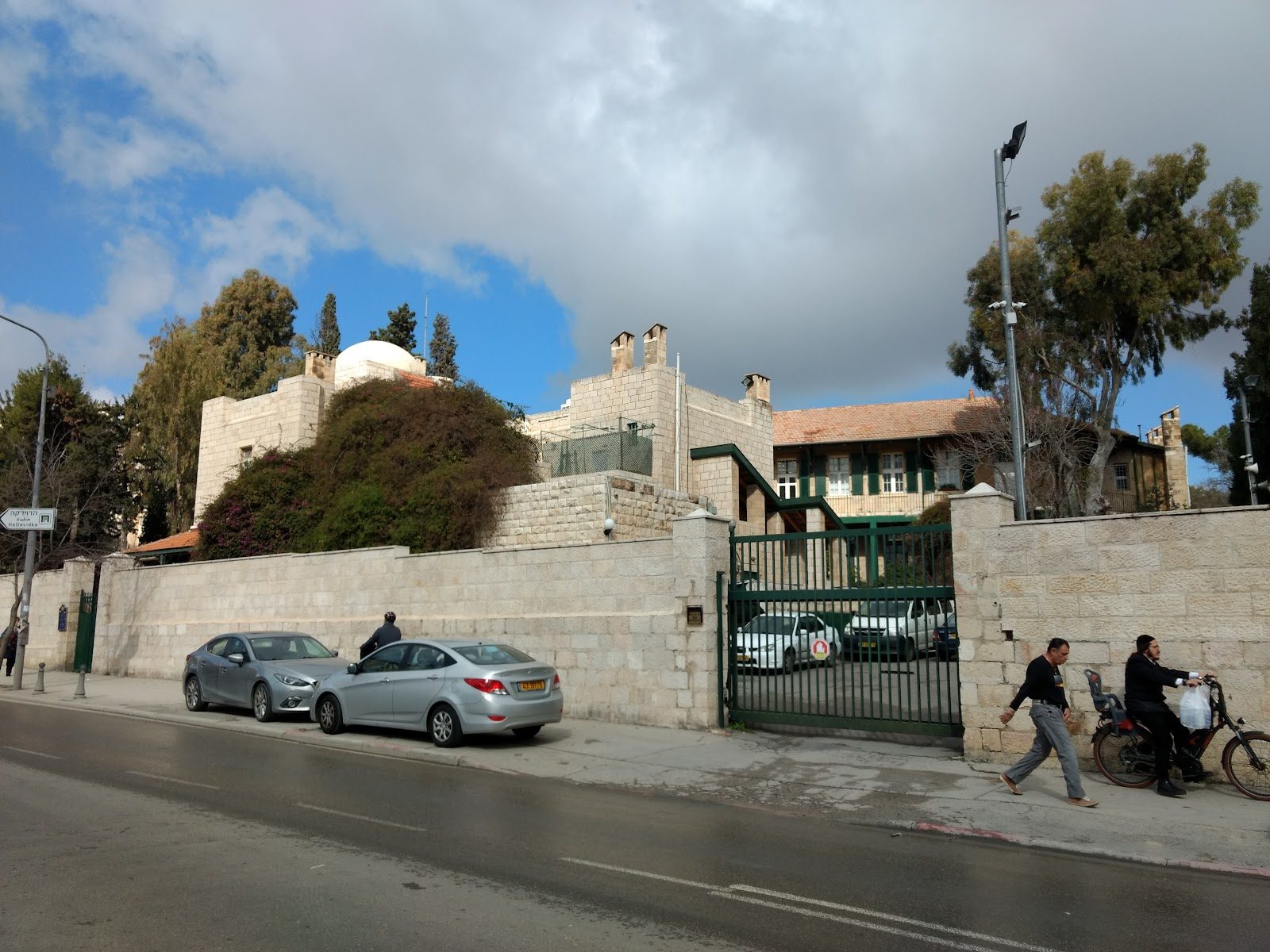
Photo © Ziv Molad via Google Maps
Type
Day
Ages
3–18
Curriculum
British · IB
Ratio
—
The Verdict
Editor's commitment
Right for
Families wanting English-medium schooling in Jerusalem with British and IB pathways, CIS status, and students from more than thirty nationalities.
Wrong for
Parents wanting a secular campus or Hebrew-medium teaching; AISJ is Anglican, Christian-founded, and teaches in English from ages 3–18.
Watch out for
The average annual day fee is NIS 94,500, and the school does not publish aggregate IB results or other hard outcome data.
Ranking breakdown
Anglican International School Jerusalem · #1429 of 1591
Composite score 50.5. 8 weighted criteria.
By criterion
Academic Outcomes
Weight 20%
#1386
of 1529 scored
University Placement
Weight 16%
#1371
of 1529 scored
Prestige & Heritage
Weight 12%
#1426
of 1529 scored
Alumni Network
Weight 12%
#1350
of 1529 scored
Facilities
Weight 12%
#1336
of 1529 scored
Transparency & Communications
Weight 8%
#1370
of 1529 scored
Peer & Industry Review
Weight 10%
#1423
of 1529 scored
Admissions Selectivity & Demand
Weight 8%
#1394
of 1529 scored
Score history
Anglican International School Jerusalem · 2026
Movement across 2024–2026. Peer average overlaid.
Overall — 2024–2026
50.5/ 100
▲ +11.8 vs 2025
year on year
Peer & Industry Review
How Anglican International School Jerusalem is regarded in the sector
56
Credible · medium confidence
I could not identify at least two independent, third-party sources (specialist press, inspectorate reports, alumni network coverage, or expat forums) discussing the Anglican International School Jerusalem's reputation. Any information available appears to derive primarily from the school's own materials or unverified listings.
Editors' overview
Inside Jerusalem’s Old City walls, Anglican International School Jerusalem offers a combination few schools can match: British roots, English-medium teaching, and an IB pathway in a city where politics, religion and identity press in on daily life. Founded in 1962, it was the first school in Israel authorised for the IB, and that still matters. This is not a generic international school dropped into a global capital. It is a school with a distinct religious foundation, an explicitly Anglican identity, and a student body drawn from more than thirty nationalities. That mix gives it a rare seriousness of purpose. The school covers ages 3 to 18, runs as a day school, and charges an average annual fee of NIS 94,500 across the full age range.
Academically, the shape is clear even if the branding needs a sharper explanation. The editorial context lists the school as British and IB; the school itself states that the Elementary School follows the IPC and the Secondary School follows the MYP and IBDP. Parents who want a straight English national curriculum from start to finish will find a hybrid model instead. For the right family, that is a strength: early years and primary with a British international flavour, then a full IB track in the senior school. The school holds CIS accreditation and IB World School status, and it also states accreditation by the Middle States Association. That gives it credible international ballast. What it does not publish here is hard outcome data: no aggregate IB scores, no university placement breakdowns, no cohort-level attainment figures. For a school asking NIS 94,500 a year on average, that opacity is a weakness.
Why shortlist it? Because there are few schools in the region with this combination of history, faith-informed ethos, English-medium teaching and genuinely international intake. The school states that it welcomes children of all faiths and none, and its own language about bringing together Arab and Jew, Christian and Muslim is not decorative; in Jerusalem, that is the proposition. This will suit internationally mobile families, diplomatic and NGO households, and local families who want an English-speaking education with a strong intercultural core rather than a narrow national one. It will also suit students who thrive in a close-knit, values-conscious environment and who can handle a school with an overt Christian foundation without needing it to be confessional in tone. Families who want glossy data, big-campus spectacle or a relentlessly results-driven pitch will find leaner public evidence here. Families who want education anchored in place, identity and coexistence will find AISJ hard to replicate.
Academic Performance
Academic performance is the school’s weak point in public view, not because results are poor, but because the school does not publish them. There are no aggregate IB Diploma scores, no pass-rate trend, no subject breakdowns, no comparative attainment data against global or regional IB averages, and no destination list with enough detail to test outcomes properly. The school makes a broad claim about admissions to prestigious universities in Europe, the US and to leading Israeli institutions, but that is not the same as a verified results profile. For parents assessing sixth-form value at an average annual fee of NIS 94,500, that gap matters. In a market where stronger operators release cohort data as a matter of course, this level of opacity is a real drawback.
Where does that leave AISJ against peers? It sits in the category of mission-driven, internationally minded schools whose case rests more on environment, values and community than on a hard-edged academic scoreboard. That does not make it weak academically; it makes it difficult to benchmark. Families choosing between IB schools in the region need to press for recent diploma averages, pass rates, higher-level subject results and university destinations before treating the school as academically proven. Until those figures are disclosed, AISJ cannot claim the same public academic credibility as peers that publish them plainly.
Facilities
Facilities are not the school’s selling point in the grand, resort-campus sense. Parents looking for theatres, aquatics centres, indoor athletics halls and the polished sprawl of Gulf mega-schools will not find that here. What AISJ does offer, from its own description, is a school built around a contained, pastoral environment where safety, care and mutual respect sit at the centre of daily life. That matters because the physical proposition is tied to the school’s context: this is an urban campus serving a mixed international and local intake inside one of the region’s most charged settings, not a land-rich suburban estate built to impress on a tour. The standout facility, in practical terms, is the school’s rare social architecture: students from more than 30 nationalities learning together in a place that treats coexistence as core business.
Against peers, that leaves AISJ with a clear trade-off. It offers less spectacle and fewer obvious headline facilities than larger international schools with deep capital budgets, but more sense of place, intimacy and mission. Families choosing it are not buying campus glamour; they are buying a school where the environment itself carries educational weight. The weakness is equally clear: the school does not publish much hard detail on specialist spaces, sports provision, labs, arts facilities or campus scale, so parents cannot audit the estate with confidence before a visit. In this fee bracket, that thin public picture is a tangible shortcoming.
Because there are few schools in the region with this combination of history, faith-informed ethos, English-medium teaching and genuinely international intake
Prestige
Prestige here rests on distinctiveness, not status theatre. AISJ carries weight because it occupies a rare lane: an Anglican school in one of the world’s most contested cities, serving a student body drawn from more than 30 nationalities and making coexistence part of the daily job rather than a slogan. That gives it moral seriousness and a profile that many larger international schools cannot manufacture. Among families who value diplomacy, intercultural fluency and an education with clear ethical intent, that counts for a great deal. The school’s long-established place in Jerusalem also gives it a credible local standing that transient start-ups do not have.
That prestige has limits. This is not a trophy school with global brand power, a fortress campus or a public exam record strong enough to dominate regional comparisons. Its reputation is niche, not universal. The religious foundation will attract some families and rule it out for others. The average annual fee of NIS 94,500 places it in expensive territory, so parents have a right to expect more visible proof of outcomes than the school currently provides. That gap trims its prestige in the hard, market-facing sense. In editorial terms, AISJ ranks as a high-character school with unusual international credibility and strong symbolic value, but not as a top-tier prestige machine in the way the most data-rich, globally recognised schools do.
Founded in 1962, it was the first school in Israel authorised for the IB, and that still matters
Communications
Communication is functional rather than polished. The website does the core jobs: it states the school’s ethos, age range, admissions broad church, and the shape of the school experience in plain terms. Parents get a direct sense of who the school is for, including internationally mobile families and local families who want continuity. That clarity matters in a school serving more than 30 nationalities, where families need to know quickly whether the culture is a fit. The tone is warm without being slick, and the principal’s message gives the school a recognisable human voice. What is missing is the harder operational layer: there is little public detail on reporting cycles, parent portals, routine school-home systems, or the cadence of academic updates. For a school charging NIS 94,500 a year on average, that absence is a concrete weakness.
The wider impression is of a school that communicates its values more confidently than its mechanics. It explains coexistence, faith foundation and welcome across backgrounds with real conviction; it does not explain outcomes, processes and parent information flows with the same discipline. That imbalance matters. Parents can grasp the mission quickly, but they cannot audit day-to-day communication standards from the public-facing channels alone. In practice, that puts more weight on direct contact with admissions and school leadership. Families considering AISJ need to test responsiveness for themselves: ask how progress is reported, how concerns are escalated, how new families are inducted, and how the school handles communication across a diverse, fast-moving parent body.
Uniqueness
AISJ’s uniqueness starts with setting and purpose. Many international schools talk about global citizenship; this one does the job in a city where identity, religion and politics are part of daily life. The school’s Anglican foundation is explicit, yet its intake spans more than 30 nationalities and includes families of different faiths and none. That creates a rare educational tension: students are not insulated from difference, they work through it. The school’s own language about respectful coexistence matters because it is tied to the realities outside the gate, not to a poster campaign. For students, that brings a serious social education alongside classroom learning: listening across disagreement, holding conviction without hostility, and learning how institutions can preserve order and dignity in a divided place.
It is also unusual in the kind of family it can serve. The school openly welcomes both internationally mobile families staying for a short period and local families staying for the long haul. That mix gives the community a useful breadth that many expat-heavy schools lack. Children learn to enter and leave friendship groups, absorb new arrivals, and navigate different assumptions about home, faith and future. The benefit is obvious for pupils headed into international universities and cross-border careers, but it also serves any child who needs a school with more moral weight than market gloss. The drawback follows from the same source: this is not a neutral, frictionless environment. It asks students to engage. For the right child, that is formative in the best sense.
This is not a generic international school dropped into a global capital
Student Profile
The student body suits children who can live comfortably in difference rather than merely tolerate it. With more than 30 nationalities on roll and an intake that spans international families on short postings and local families staying for the long haul, the social mix is unusually complex. Pupils who thrive here will carry curiosity, tact and a degree of emotional steadiness. They need to cope with classmates arriving and leaving, friendships that shift, and conversations shaped by faith, culture and politics without turning every disagreement into drama. This is a good match for children who are socially adaptable, interested in the wider world, and able to function in a community with a clear moral frame.
It is less well suited to families who want a high-gloss, hyper-competitive social scene or a school built around brand status. The Anglican foundation is explicit, so the best fit is a family comfortable with a Christian ethos even if they do not share it. Equally, the school states that it welcomes pupils of all abilities, all faiths and none, which points to a broad church intake rather than a narrow academic filtering mechanism. Children who need anonymity, emotional distance or a purely transactional school experience will find this setting too intimate. Children who benefit from close adult attention, a strong pastoral current and a community that asks them to engage across difference will fit well.
It is a school with a distinct religious foundation, an explicitly Anglican identity, and a student body drawn from more than thirty nationalities
Co-curricular strengths
Arts & sport, on a separate axis
Overall 7.04/10
Scored 0-10 from the school's own published evidence. This axis is editorial-only — it does not feed the main WTS ranking.
Sports
7.2/10
Football, Basketball, Volleyball and Swimming as extracurriculars, showing a solid multi-sport offering but with no named facilities, teams, staff or competitive results.
Drama
7.5/10
Drama club is offered, but there is no further detail on productions, facilities or specialist staff.
Dance
5.5/10
Music
7.5/10
School choir is offered, but there is no additional evidence of ensembles, facilities, specialist staff or performances.
Visual Arts
7.5/10
Art club is offered.
Editor first-pass · editor-reviewable · 7/27/2026
Strengths
- +IB authorised through Diploma Programme.
- +Middle States accreditation adds external oversight.
- +Nursery to Grade 12 suits long-term stays.
- +Welcomes short-term international enrolments.
Considerations
- −Christian foundations may not suit every family.
- −British listed, but primary source stresses IPC and IB.
- −No published fees, class sizes, or exam results.
Availability
Primary entry gate & tests
Academic Record
Gallery
Photo © אליאב וסרצוג via Google Maps
Photo © Tzvi Sklar via Google Maps
Photo © Tzvi Sklar via Google Maps
Photo © Tzvi Sklar via Google Maps
Photo © Shmaia Levy via Google Maps
Photo © Doron Cohen via Google Maps
Photo © Doron Cohen via Google Maps
Photo © I W via Google Maps
Photo © Amir A. via Google Maps
Parent reviews
Have you sent your child here?
Voice reviews carry the strongest trust badge — we transcribe them for you to tidy up before they go live. Prefer to type? A written review is fine too.
Add your voice
In 60 seconds, tell other parents: what's the best thing about Anglican International School Jerusalem, and what surprised you when your child joined?
We ask for a Google sign-in so every review has a real face behind it — no anonymous drive-by attacks on schools, and no faked positive reviews. Your email is never shown publicly.
Send this profile to a friend
International parents rely on word-of-mouth. Share this review with someone weighing the same decision.
Schools with places
Similar schools to Anglican International School Jerusalem with places available now.
Availability first, then country, area, curriculum, price, co-curricular
Consider also
Also worth looking at alongside Anglican International School Jerusalem.
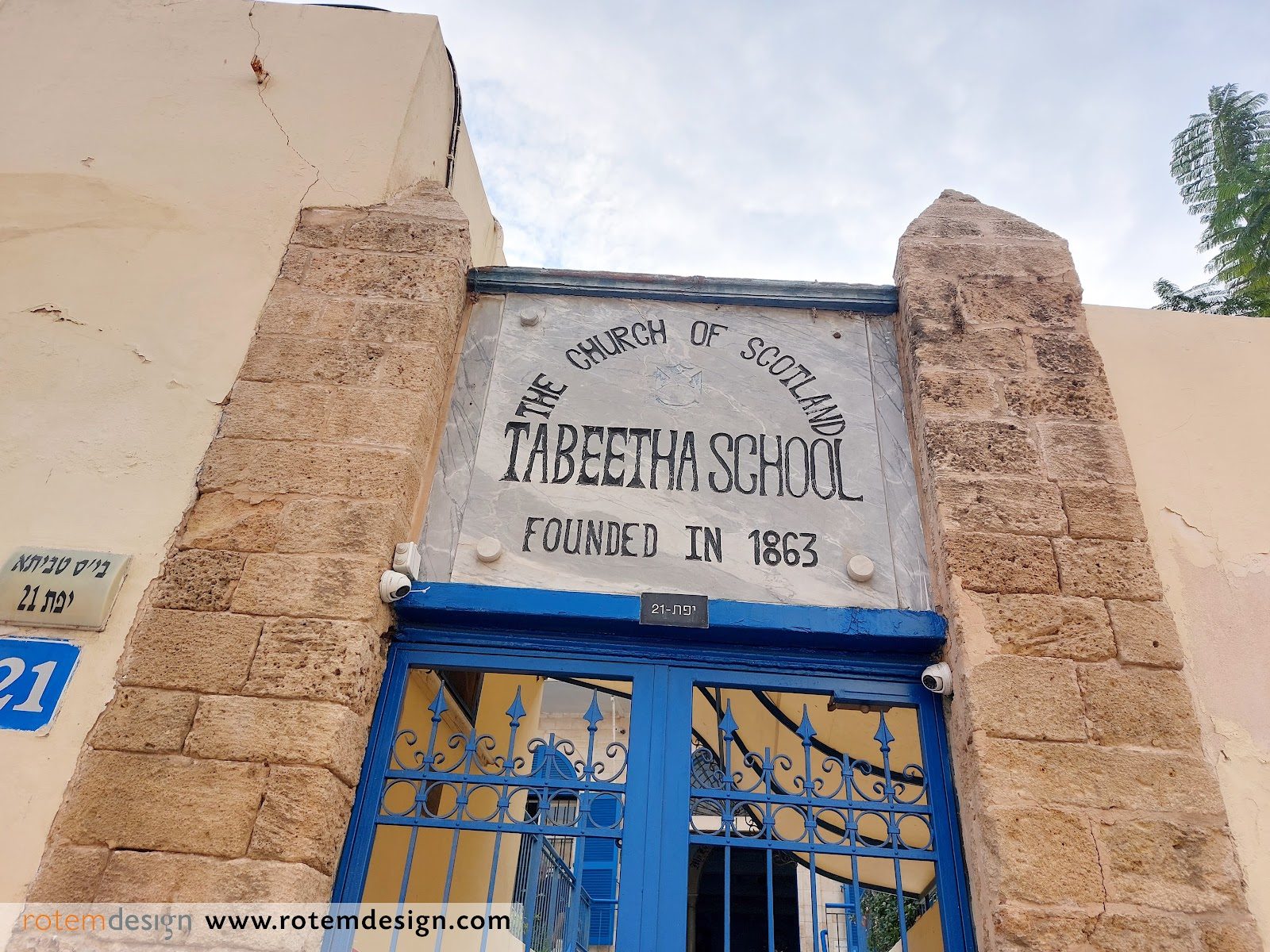
Tabeetha School
Jaffa · Israel
Founded in 1863 by a Scottish missionary's daughter, the only Church of Scotland school on earth still teaches Jaffa's three faiths side by side.
Walworth Barbour American International School in Israel
Even Yehuda · Israel
Born under US Embassy auspices in 1958, it's Israel's only American-accredited school, sending AP graduates onward to US campuses.
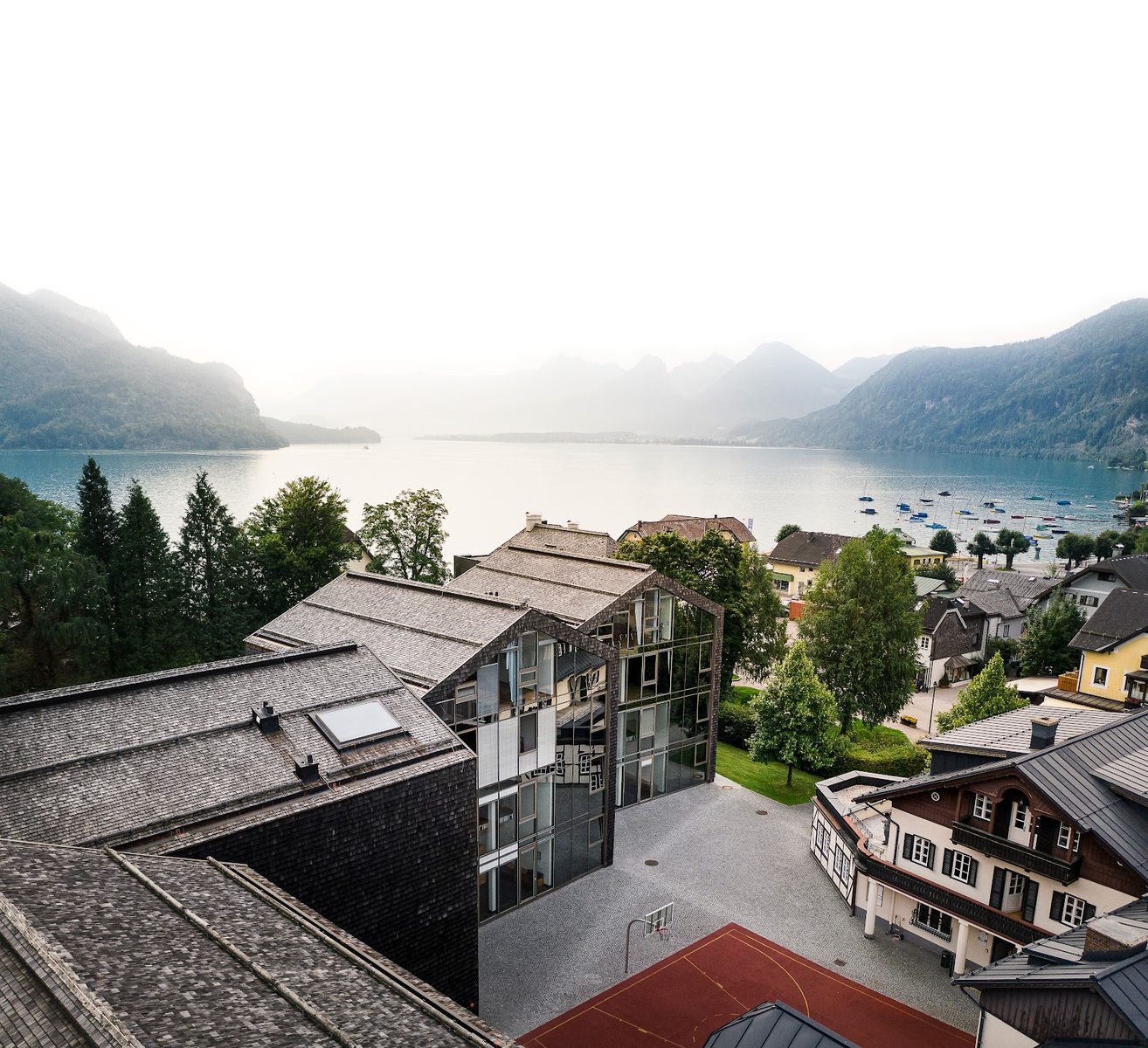
St Gilgen International School
St Gilgen · Austria
Lakeside villas on the Wolfgangsee house a boutique IB day and boarding community spanning ages 9 to 18.
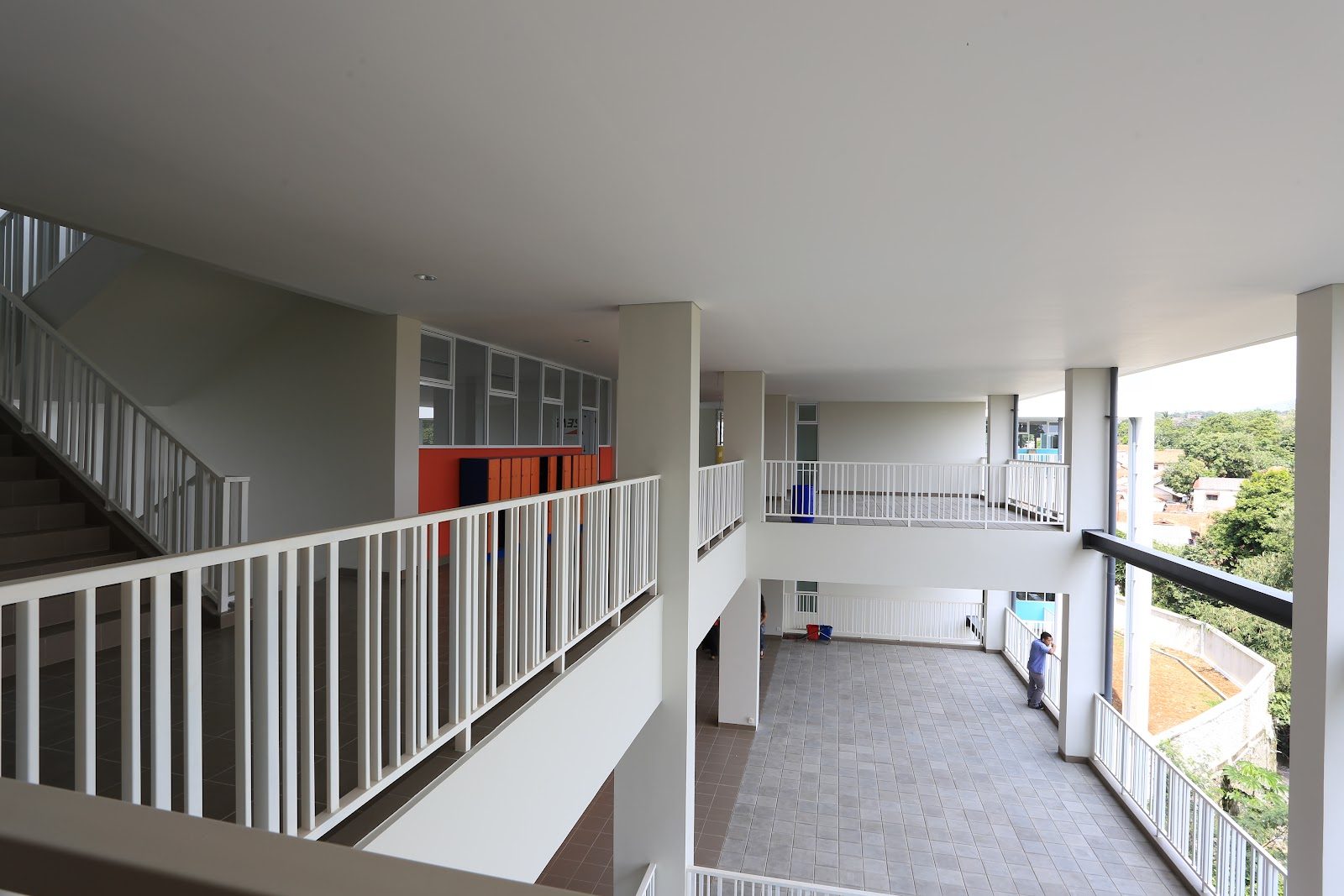
Sekolah Bogor Raya
Bogor · Indonesia
Set beside Bogor's lakeside estate, an SPK school braids the full IB continuum, Cambridge IGCSE and worship across five faiths.
Same country and curriculum — closest matches within ±10 points either way