
Central District
Walworth Barbour American International School in Israel
low confidence· 3/6 cats · 2.88 avg sourcesBorn under US Embassy auspices in 1958, it's Israel's only American-accredited school, sending AP graduates onward to US campuses.
Type
Day
Ages
3–18
Curriculum
American · AP
Ratio
—
The Verdict
Editor's commitment
Right for
Families in Israel who want a PK3-12 American curriculum in English, with AP and Middle States accreditation under one roof.
Wrong for
Parents wanting British, IB or bilingual Hebrew-English schooling; WBAIS is a non-denominational day school in Even Yehuda, not a boarding campus.
Watch out for
The average annual day fee is NIS 125,650, and the Jerusalem American International School sits apart from the main Even Yehuda campus.
Ranking breakdown
Walworth Barbour American International School in Israel · #1481 of 1591
Composite score 47.8. 8 weighted criteria.
By criterion
Academic Outcomes
Weight 20%
#1454
of 1529 scored
University Placement
Weight 16%
#1445
of 1529 scored
Prestige & Heritage
Weight 12%
#1475
of 1571 scored
Alumni Network
Weight 12%
#1259
of 1530 scored
Facilities
Weight 12%
#1426
of 1533 scored
Transparency & Communications
Weight 8%
#1439
of 1532 scored
Peer & Industry Review
Weight 10%
#1482
of 1548 scored
Admissions Selectivity & Demand
Weight 8%
#1419
of 1529 scored
Score history
Walworth Barbour American International School in Israel · 2026
Movement across 2024–2026. Peer average overlaid.
Overall — 2024–2026
47.8/ 100
▲ +6.0 vs 2025
year on year
Peer & Industry Review
How Walworth Barbour American International School in Israel is regarded in the sector
45
Credible · low confidence
WBAIS is recognized as the primary school for U.S. diplomatic and expatriate families in Israel and holds Middle States Association accreditation, with informal mentions in U.S. State Department Office of Overseas Schools materials, but it lacks visibility in mainstream international 'best schools' rankings (Tatler, Good Schools Guide, Sunday Times) or broad specialist press coverage. Its reputation appears to be strong but narrowly confined to the small American/diplomatic expat community rather than the wider international-school peer set.
Editors' overview
Walworth Barbour American International School sits in an unusual slot in Israel’s market: an English-language, American-curriculum day school in Even Yehuda covering PK3 to Grade 12, with AP at the top end and Middle States accreditation behind it. That combination matters. For families heading towards US higher education, or returning to the US system after time abroad, WBAIS offers a clean academic fit that local and British-style schools do not. The school’s roots under US Embassy auspices still shape its identity, and the Jerusalem American International School link extends its reach beyond a single suburban campus. At 125,650 NIS a year on average across the full age range, it sits in the premium bracket and needs to justify that with clarity of purpose; the American pathway is that justification.
What puts it on a shortlist is not scale or spectacle, but specificity. Israel has strong schools, but very few that deliver a full American track in English from early years through to graduation. WBAIS does. It is non-denominational, serves ages 3–18, and runs preschool, elementary, middle and high school on one campus model, which gives internationally mobile families continuity that matters more than glossy facilities copy. The school’s market position is therefore narrow but powerful: it is for parents who do not want curriculum translation, do not want a hybrid, and do not want to explain an unfamiliar leaving qualification to US colleges later on.
The right student for WBAIS is one who will thrive in a distinctly American classroom culture: discussion-led, English-speaking, and geared towards AP in the senior years rather than A-levels or the IB. It suits diplomatic, expatriate and internationally minded Israeli families who want a US-accredited school without leaving Israel. It also suits children who benefit from a coherent through-school journey rather than a disruptive switch at 11 or 16. Families looking for boarding, a faith-based environment, or a broader menu of curriculum options will need to look elsewhere. WBAIS is a specialist proposition, and that is its strength.
Academic Performance
Academic performance here rests on pathway clarity rather than a flood of published data. The school runs through to the AP years and its graduates move on to US universities, but it does not publish aggregate AP outcomes in the public domain: no overall pass rate, no subject score profile, no top-score share, no year-by-year trend line. That leaves parents without the clean benchmarking that the strongest American schools in Europe and the Gulf now provide. In editorial terms, that is a real weakness. A premium school offering an American university route needs harder disclosure than destination anecdotes. Without it, outsiders can identify the structure of the programme, but not the depth of the results.
Relative to peers, WBAIS still occupies a distinctive niche. In Israel, the direct comparators are thin on the ground because there are so few full English-language American schools. Against leading overseas American schools, the picture is more opaque than elite: the accreditation base is secure, the through-school model gives academic continuity, and the US-facing proposition is coherent, but the school does not furnish the exam transparency that marks out top-tier operators. For families who need a US transcript and AP framework inside Israel, that matters less than fit. For parents shopping internationally and comparing outcomes line by line, the missing data keeps WBAIS out of the top disclosed-results bracket.
Facilities
Facilities are not the reason to choose this school, and that needs saying plainly. The public picture is functional rather than expansive: a single campus structure that houses preschool through high school, plus the linked Jerusalem arm. That through-school layout matters more than architectural theatre. For families moving between countries or trying to avoid repeated school transitions, one site serving the full age range offers practical continuity. Against big-plot international schools in the Gulf or the prestige end of Europe, this is not a facilities arms race. There is no published inventory of specialist centres, performance venues, aquatics complexes or showcase sports infrastructure, and that absence leaves the estate under-documented at a fee level of 125,650 NIS.
Against local and regional peers, the more relevant benchmark is fit, not flash. An American-school pathway needs solid general classrooms, age-appropriate early-years provision and the capacity to support older students through AP without logistical fragmentation. WBAIS clears that bar by running the whole sequence in one school organisation. What it does not offer in the public domain is the hard-detail reassurance sophisticated parents now expect: no clear facilities map, no serious breakdown of science, arts or sports spaces, no sense of whether the campus feels compact, crowded or generously planned. That makes the school credible but not compelling on facilities. Parents choosing WBAIS are buying pathway and continuity first; the physical plant sits second.
For parents shopping internationally and comparing outcomes line by line, the missing data keeps WBAIS out of the top disclosed-results bracket
Prestige
Prestige here is specific, not sweeping. In Israel, the school holds a rare position: a full American-school route under recognised US accreditation, with a direct line of sight to American university admissions. That gives it real cachet with diplomatic, expatriate and internationally minded families who want continuity rather than conversion. The association with the US Embassy in its earlier life still carries weight, and the Jerusalem link broadens recognition beyond a single suburban campus. Among parents who need this exact model, WBAIS has genuine standing. Among the wider international-schools crowd, its name does not carry the instant global brand power of the big European and Gulf flagships.
That is why the prestige rating stops short of the top tier. The school’s reputation rests on role and rarity, not on a commanding public record of results, famous alumni, or a globally resonant name. The fee level — 125,650 NIS on average each year — places it in expensive territory, and that invites tougher scrutiny. Parents paying at that level expect both access and proof. WBAIS offers the first in strong measure: a clear US-facing pathway in a market with few substitutes. It does not offer the second with the same force. The result is niche prestige: high value for families who need this exact educational passport, less pull for those chasing broad international status or headline academic clout.
Among the wider international-schools crowd, its name does not carry the instant global brand power of the big European and Gulf flagships
Communications
Parent communication is hard to judge generously because the public-facing record is thin where demanding families want precision. The school establishes the broad shape of what it offers and who it serves, but it does not give the fuller operational detail that makes a parent feel firmly informed: no deep public archive of leadership updates, no substantial window into day-to-day school life, and no serious body of published performance data to anchor trust. For a school charging an average of 125,650 NIS a year, that is a material shortfall. Strong communications are not just polished admissions copy; they include regular, concrete disclosure on outcomes, priorities, staffing stability, and how the school handles change. That level of openness is not visible here.
What works in its favour is structural simplicity. A through-school serving children from 3–18 under one organisation has fewer handover points and fewer institutional fractures than a fragmented group of separate schools, and that often makes routine parent contact cleaner. The linked Jerusalem arm also points to a school used to serving families across more than one base, which can sharpen the need for organised messaging. But need is not the same as delivery. The communications profile reads serviceable rather than exemplary: enough to identify the school’s purpose, not enough to call it fully transparent. Parents who value direct access, clear academic reporting and frequent leadership communication need to ask hard questions early.
Uniqueness
What makes Walworth Barbour distinctive is not scale, glamour or a long menu of pathways. It offers one thing with unusual precision: a full American school journey in Israel, from the first years through graduation, without forcing families into curriculum translation halfway through. That matters for children of diplomats, relocating executives and internationally mobile families who need records, expectations and classroom culture to line up with the US system rather than merely borrow from it. In a market dominated by local and other international models, that gives WBAIS a rare functional advantage. Students get continuity, fewer academic resets, and a school experience built around one destination rather than a compromise between several.
That singularity also shapes the student experience. Children who thrive here get a clear runway into American admissions, with transcripts and course structures that make sense to US universities and to families planning another move. The linked Jerusalem arm adds reach beyond a single suburban base, which strengthens access for families outside one catchment. The school’s older diplomatic roots still give it a distinct institutional character: internationally minded, outward-facing and less tied to one national parent body than many schools in Israel. At an average annual fee of 125,650 NIS, that focus needs to deliver substance, not theatre. For the right family, it does: *coherent, portable, and hard to replace locally*.
What makes Walworth Barbour distinctive is not scale, glamour or a long menu of pathways
Student Profile
The best fit here is the child whose family needs educational portability more than local immersion. This school suits students moving between countries, students with US university plans already in view, and students who work well in a classroom culture built around participation, teacher contact and steady written assessment. It also fits children who benefit from staying in one school structure from the early years to graduation rather than recalibrating at each transition point. The intake is therefore less about one social type than one practical need: families choosing continuity, transferability and a clear external destination. Children who need a strong sense of belonging to one national system, without constant translation between school cultures, will find that valuable.
It is a weaker match for families chasing a high-octane local identity, a sprawling extracurricular machine or the social theatre of a giant flagship campus. The right student does not need spectacle; they need consistency, international-minded peers and a home life comfortable with an outward-facing school community. At an average annual fee of 125,650 NIS, this is also a school for households making a deliberate premium purchase, not an experimental one. Students who flourish here will value a focused, mobile, adult-backed environment. Students who want a broad menu of academic identities, a deeply rooted faith character, or a more visibly high-pressure prestige culture will find the fit tighter.
It is a weaker match for families chasing a high-octane local identity, a sprawling extracurricular machine or the social theatre of a giant flagship campus
Co-curricular strengths
Arts & sport, on a separate axis
Overall 8.52/10
Scored 0-10 from the school's own published evidence. This axis is editorial-only — it does not feed the main WTS ranking.
Sports
8.5/10
The extracurriculars explicitly list multiple school sports teams and activities—Varsity basketball, Varsity volleyball, Soccer team, and Cross-country—showing structured participation across several sports but no named facility, specialist staff, or competitive results.
Drama
8.8/10
Drama productions, which indicates more than a bare listing of drama by evidencing active staging, but it gives no named theatre, department, specialist staff, or recurring awards.
Dance
7.5/10
Music
8.8/10
Both Choir and Band ensemble, evidencing structured music participation through named ensembles, though no dedicated music facility, specialist faculty, or notable distinctions are described.
Visual Arts
9/10
Editor first-pass · editor-reviewable · 7/28/2026
Strengths
- +American curriculum may suit US-moving families
- +AP available for university preparation
- +English-language teaching eases expatriate transitions
- +PK3-12 campus offers educational continuity
Considerations
- −American curriculum may not suit other systems
- −AP limits options versus full IB pathway
- −Even Yehuda location may not suit Jerusalem families
Availability
Primary entry gate & tests
Academic Record
Parent reviews
Have you sent your child here?
Voice reviews carry the strongest trust badge — we transcribe them for you to tidy up before they go live. Prefer to type? A written review is fine too.
Add your voice
In 60 seconds, tell other parents: what's the best thing about Walworth Barbour American International School in Israel, and what surprised you when your child joined?
We ask for a Google sign-in so every review has a real face behind it — no anonymous drive-by attacks on schools, and no faked positive reviews. Your email is never shown publicly.
Send this profile to a friend
International parents rely on word-of-mouth. Share this review with someone weighing the same decision.
Schools with places
Similar schools to Walworth Barbour American International School in Israel with places available now.
Availability first, then country, area, curriculum, price, co-curricular
Consider also
Also worth looking at alongside Walworth Barbour American International School in Israel.
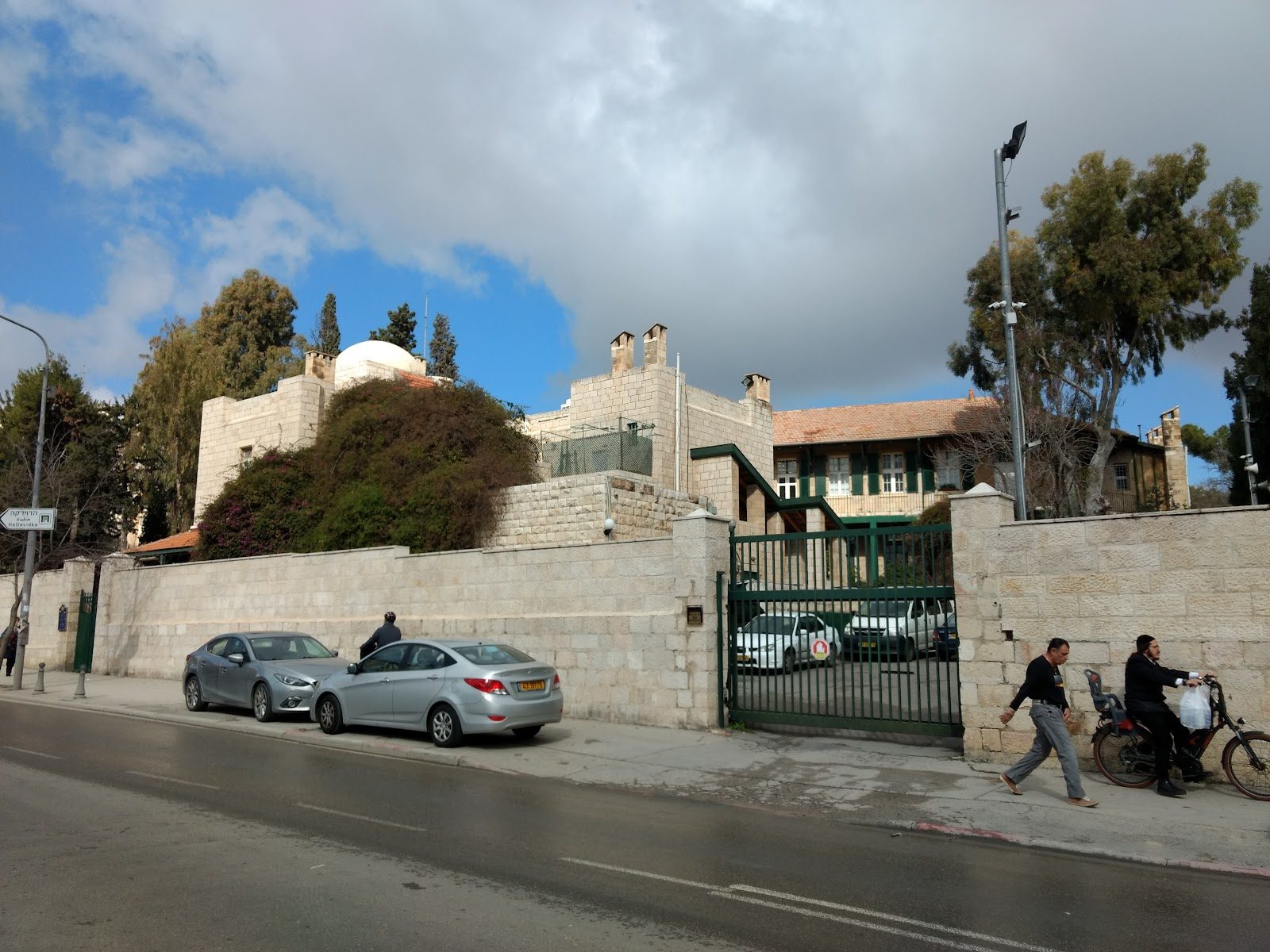
Anglican International School Jerusalem
Jerusalem · Israel
The first school in Israel authorised for the IB, mixing British roots with over thirty nationalities inside Jerusalem's ancient walls.
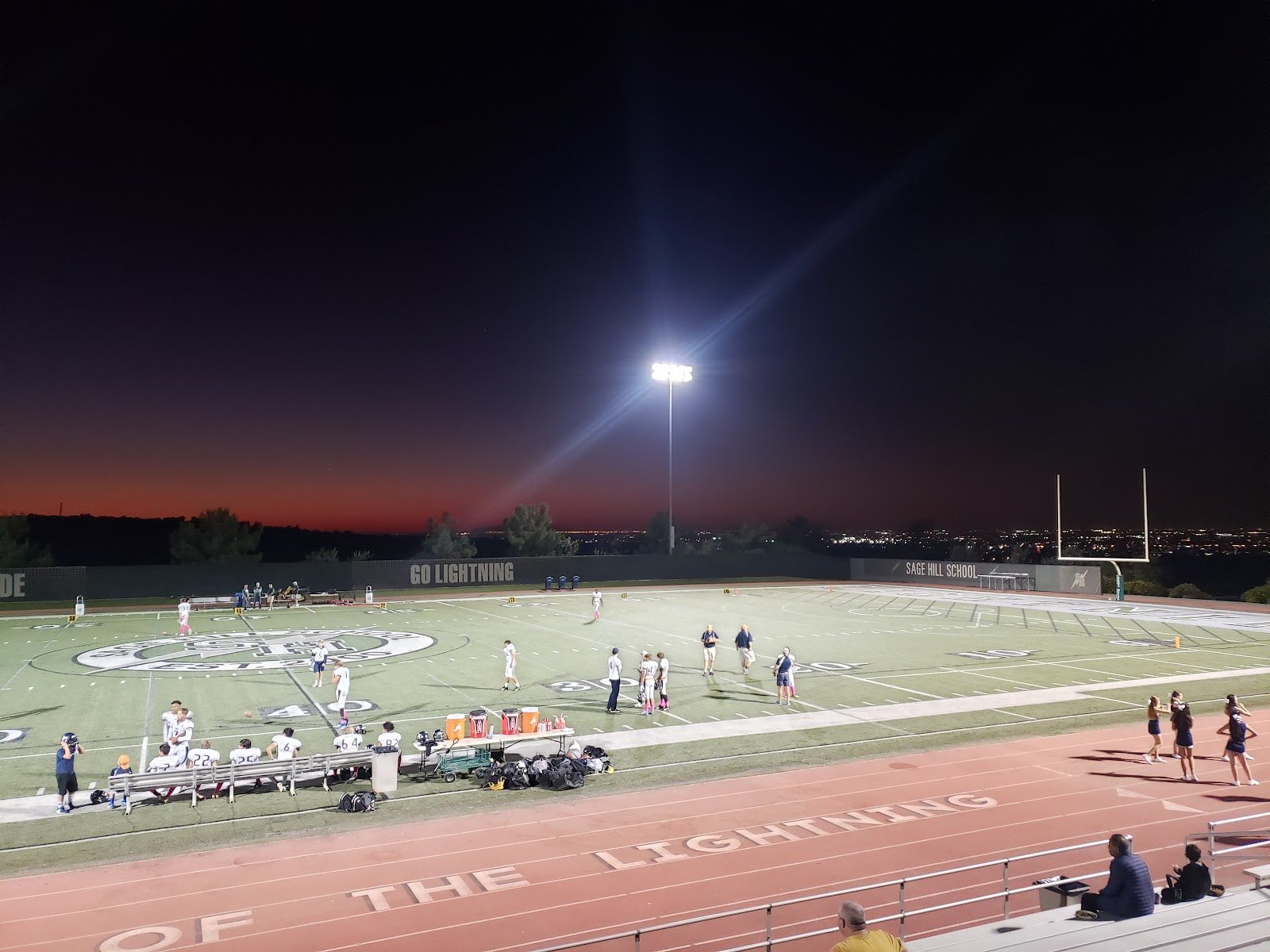
Sage Hill School
Newport Coast, CA · United States
A no-bells, ocean-view campus in Newport Coast where a year-end 'Spring at Sage' term sends students chasing passions worldwide.
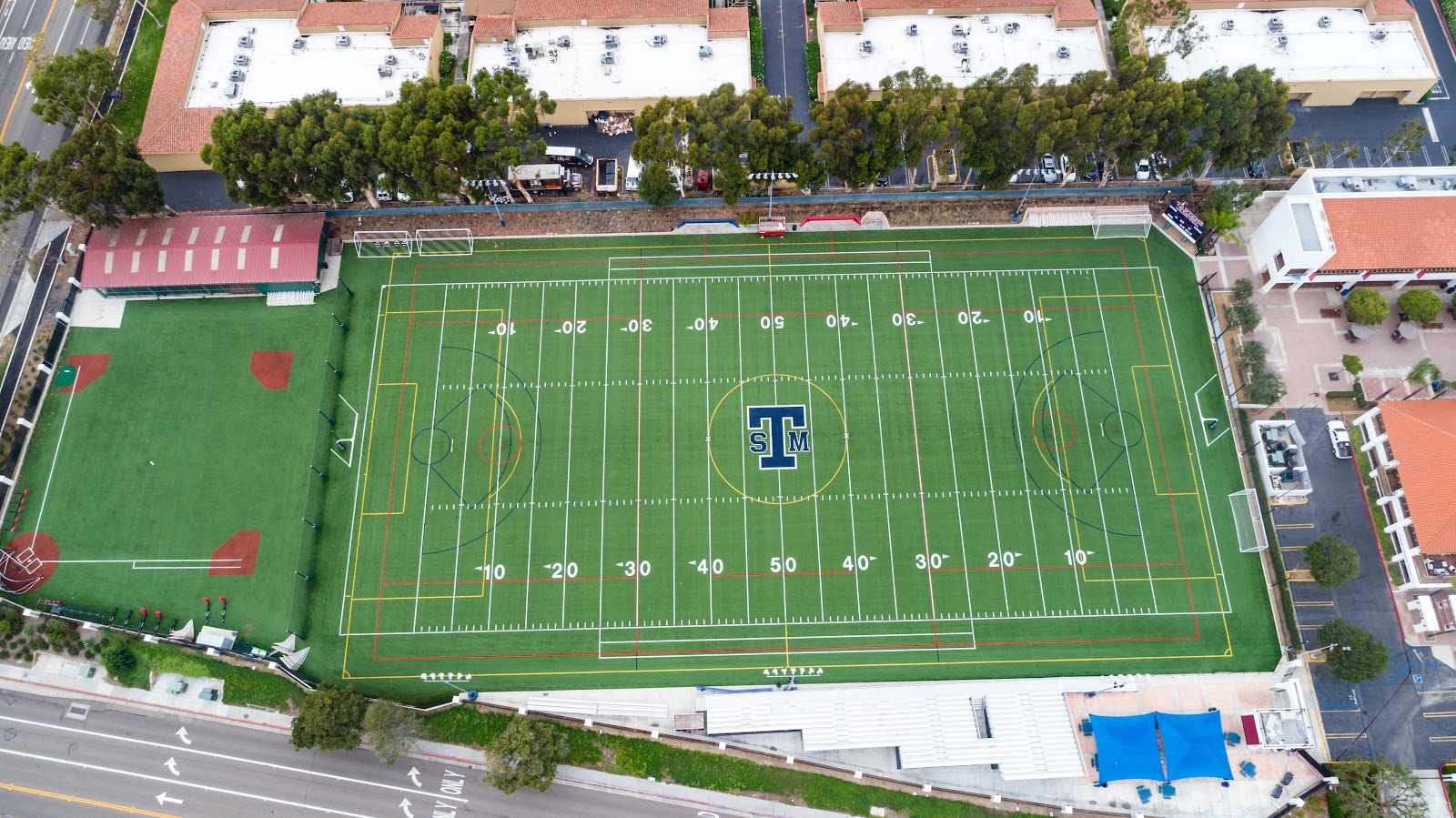
St. Margaret's Episcopal School
San Juan Capistrano · United States
Named for Scotland's patron saint of education, this mission-town day school builds Tartan identity into STEAM and service.
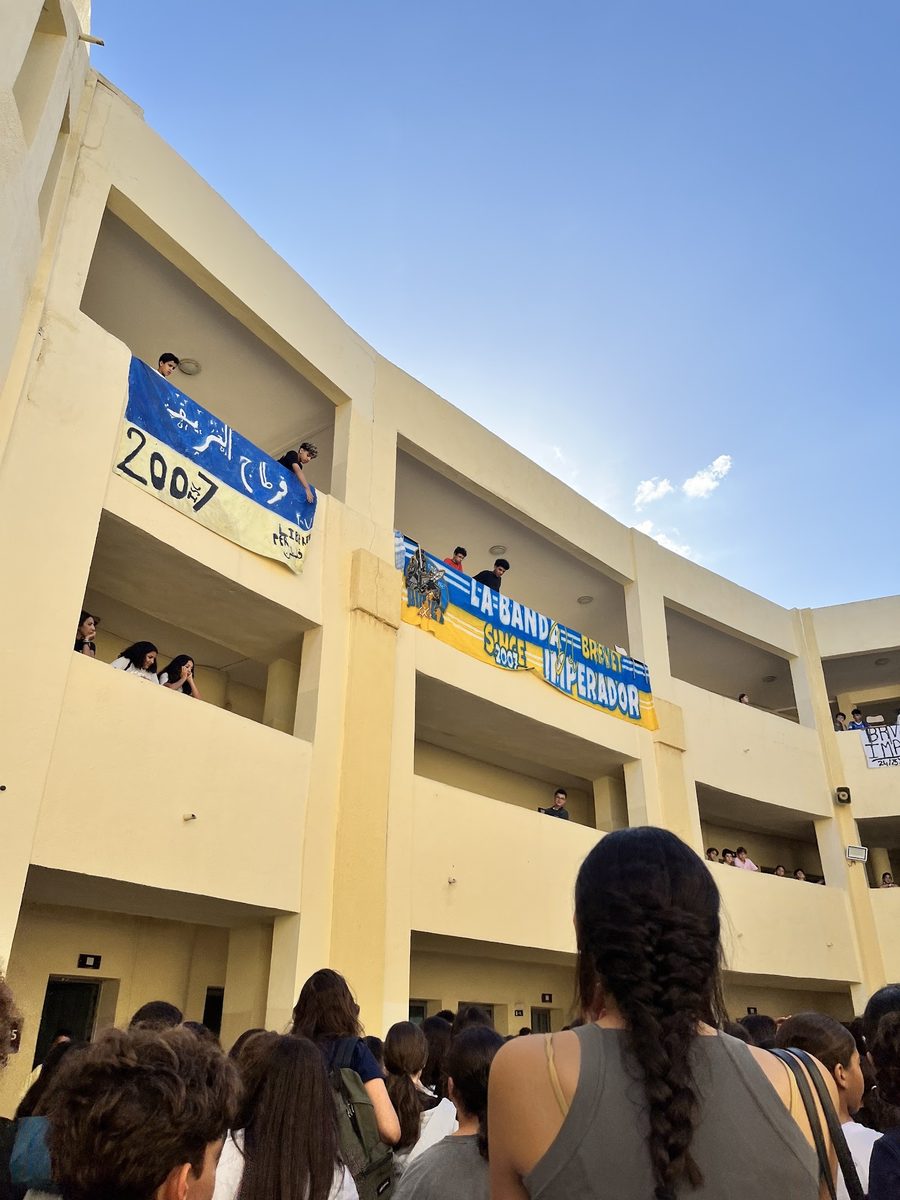
International School of Carthage
Carthage · Tunisia
In the shadow of Carthage's ruins, an American-IB day school built its own tradition of blue-and-yellow school pride from scratch.
Same country and curriculum — closest matches within ±10 points either way