
California
St. Margaret's Episcopal School
low confidence· 2/6 cats · 2 avg sourcesNamed for Scotland's patron saint of education, this mission-town day school builds Tartan identity into STEAM and service.
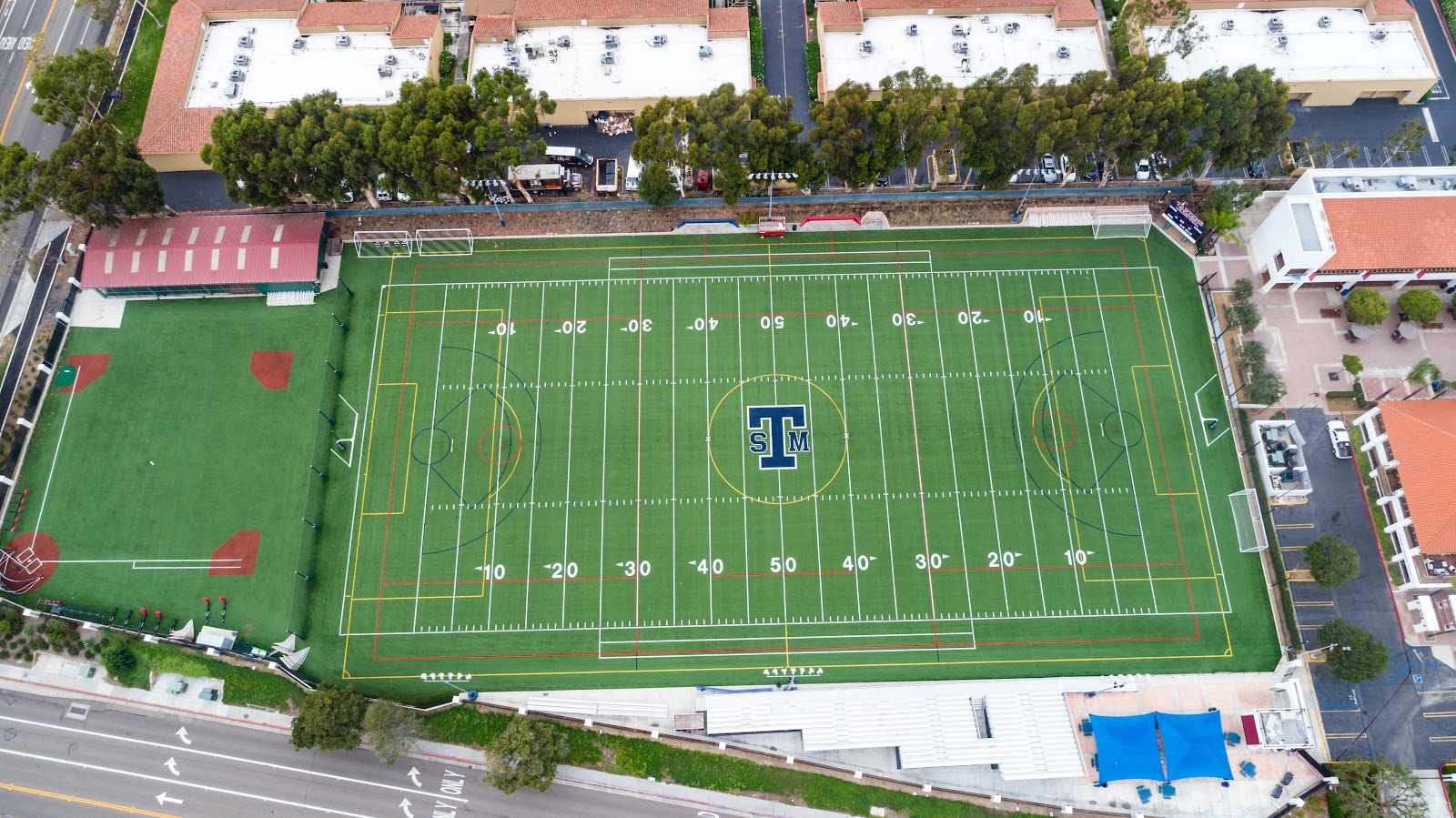
Photo © St. Margaret's Episcopal School via Google Maps
Type
Day
Ages
3–18
Curriculum
American
Qualifications
AP · US High School Diploma
Ratio
1:8
The Verdict
Editor's commitment
Right for
Families wanting an Episcopal day school in San Juan Capistrano with American curriculum, ages 3–18, and a tight 1:8 student-teacher ratio.
Wrong for
Parents who want boarding, a secular setting, or a bargain: this 1979-founded school is day-only and averages US$46,661 a year.
Watch out for
WASC, CAIS, NAIS, NAES and NAEYC accreditations signal institutional polish; public evidence on academic outcomes is thinner than the badge count.
Ranking breakdown
St. Margaret's Episcopal School · #1508 of 1591
Composite score 48.2. 8 weighted criteria.
By criterion
Academic Outcomes
Weight 20%
#1427
of 1529 scored
University Placement
Weight 16%
#1414
of 1529 scored
Prestige & Heritage
Weight 12%
#1471
of 1571 scored
Alumni Network
Weight 12%
#1130
of 1530 scored
Facilities
Weight 12%
#1449
of 1533 scored
Transparency & Communications
Weight 8%
#1415
of 1532 scored
Peer & Industry Review
Weight 10%
#1482
of 1548 scored
Admissions Selectivity & Demand
Weight 8%
#1419
of 1529 scored
Peer & Industry Review
How St. Margaret's Episcopal School is regarded in the sector
52
Credible · medium confidence
Within Orange County and Southern California, St. Margaret's Episcopal is regarded as a credible, well-run competitor to schools like Sage Hill, Mater Dei, and JSerra, rather than a peer of the historic Northeastern boarding schools or the most nationally ranked California independents such as Harvard-Westlake. Its WASC and CAIS accreditation situates it within recognized regional networks, and its college matriculation lists lean toward UC campuses and regional private universities rather than a dense concentration of Ivy admits. Independent education press coverage is sparse and largely local -- it appears in Orange County 'best schools' roundups and CAIS directories rather than in national guides like Choate or Exeter profiles in the Good Schools Guide or WhichSchoolAdvisor's marquee rankings. There is no substantial public record of rival heads or university admissions officers singling the school out in national press. Its reputation is best characterized as solid-regional rather than nationally elite.
Editors' overview
St. Margaret’s Episcopal School occupies a clear niche in south Orange County: a religion-rooted, college-preparatory American day school that pushes hard on innovation without dropping the habits of a traditional independent school. Founded in 1979, it serves ages 3–18 on one through-school campus in San Juan Capistrano, with English as the language of instruction and a published student-teacher ratio of 1:8. What sets it apart is not the Episcopal label on its own; plenty of schools carry a faith identity lightly. Here, the stronger differentiator is the way the school binds that identity to service learning, chapel, advisory and a deliberately branded Tartan culture, while also putting visible weight behind STEAM, computer science, engineering and AI. Parents looking for a school with moral seriousness, institutional coherence and a real technology agenda will find a tighter proposition here than at many glossy Californian independents.
The school’s breadth is one of its strongest selling points. The website points to a full early-school-to-upper-school structure, college counselling, experiential learning, SEA Term, independent senior projects, bring-your-own-device provision, dedicated performing and visual arts facilities, and an athletics programme that is central to school life rather than peripheral. Leadership under Dr Jeneen Graham also matters. She is not an imported figurehead; she rose through the school as teacher, academic dean and Upper School principal before taking over as Head in 2023. That gives St. Margaret’s continuity, internal knowledge and a data-literate academic culture. The accreditations are solid rather than exotic — WASC, CAIS, NAIS, NAES and the National Association for the Education of Young Children — which is exactly what parents should want. The weak point is public transparency on outcomes. The school foregrounds college preparation and college counselling, but it does not publish aggregate exam data or a sharply analytical account of academic results. For a school with this level of ambition, that omission matters.
Why shortlist it? Because it offers a polished through-school experience with more substance than many lifestyle-driven competitors. This is a campus for families who want high expectations without a chaotic pressure-cooker, a school community with strong adult oversight, and a child who will have serious access to arts, sport, service and technology in one place. It also suits parents who value a Christian framework but do not want an insular environment. The day-only model keeps the culture local and community-based; if you want boarding, this is not your school. If you want a well-resourced independent school where pastoral systems, innovation language and co-curricular range all carry institutional weight, St. Margaret’s belongs on the list.
The best fit is a student who likes structure, responds to close teacher attention and wants to participate broadly rather than hide in one narrow strength. A child who will relish chapel, service, leadership opportunities and a coherent house-style identity will thrive here. So will the student drawn to engineering, computer science or AI, but who also wants the option of theatre, visual arts or competitive sport. This school suits the engaged joiner more than the iconoclast. It is for families seeking a close-knit culture, purposeful ambition and visible pastoral care across a full 3–18 age span, with the benefits of a through-school and the discipline of a selective independent setting.
Academic Performance
St. Margaret’s sells itself as college-preparatory and academically ambitious, yet its public reporting on external results is thin where it counts. We have not seen aggregate AP score distributions, mean scores, pass rates, SAT or ACT averages, or any benchmarked comparison with other selective California independents. The school does publish college counselling and a college matriculation map, which signals destination-conscious advising, but matriculation lists are not the same thing as hard attainment data. For parents trying to place the school against peers, that gap is a real weakness. Schools operating at the top end of the market do not earn trust through slogans about vigour, choice and relevance; they earn it by disclosing outcomes cleanly.
That said, the academic architecture points to a school with serious internal capacity: dedicated college counselling, an independent senior project, explicit investment in computer science, engineering and AI, and a head who previously held academic leadership roles and taught AP psychology. That infrastructure places St. Margaret’s in the camp of well-organised, academically intentional day schools rather than soft pastoral operators with a glossy veneer. Relative to peers, though, it sits in the opaque middle on published performance. The school may produce strong exam outcomes; it does not prove that publicly. Until it releases aggregate external results, parents should treat claims of academic strength as credible but unverified rather than fully evidenced.
Facilities
Facilities are one of St. Margaret’s stronger cards. The school advertises dedicated performing and visual arts centres rather than folding arts into generic classrooms, and that matters: among American day-school peers, purpose-built arts space usually marks a school that funds performance, exhibition and technical production properly. The same goes for the separate Maseeh Middle School campus, outdoor classrooms in the lower and early years, and a visible technology spine running through computer science, engineering, AI and bring-your-own-device provision. Add the published 1:8 staffing ratio and the picture is of a campus built for high supervision, broad participation and sustained adult access, not a thinly staffed site where facilities exist on paper but run cold in practice.
Against peer schools, the balance is well judged. Many faith-rooted independents do chapel and service competently but lag on specialist STEM infrastructure; many affluent Californian schools do the reverse and treat pastoral space as secondary. St. Margaret’s has put real institutional weight behind both. The athletics offering also looks central rather than decorative, with championships-and-awards positioning and a full athletics section that sits prominently beside academics and the arts. What the school does not publish is the kind of hard estate detail that top facilities-driven competitors now disclose as standard: no campus acreage, no lab inventory, no theatre capacity, no pool or fieldhouse specifications, no serious masterplan detail. That leaves the school with a strong practical offer but a less transparent estate story than the most meticulously presented peers.
Schools operating at the top end of the market do not earn trust through slogans about vigour, choice and relevance; they earn it by disclosing outcomes cleanly
Prestige
St. Margaret’s carries solid regional prestige rather than national myth. In south Orange County independent-school circles, that matters: it is a selective through-school with a long-established name, a polished parent community and the institutional confidence that comes from stable leadership succession. The low published staffing ratio of 1:8 strengthens that standing, because it signals a level of resourcing that families immediately recognise. So does the school’s visible command of the full independent-school package — college counselling, arts facilities, athletics, service learning, chapel, leadership structures and a heavy investment in technology. This is not a niche startup or a church school operating on goodwill; it is a well-financed, socially legible institution with the habits of an entrenched American private school.
The ceiling, though, sits below the country’s top-tier prestige brands. St. Margaret’s does not trade on century-old national cachet, famous alumni or publicly documented headline academic outcomes that force comparison with the strongest US independents. Its reputation rests more on local strength, family satisfaction and breadth of provision than on elite intellectual aura. That still gives it real weight with parents who want a serious, aspirational day school without the harsher social theatre of better-known prestige operators. In plain terms: this is a high-status local school with genuine substance, not a universally recognised blue-chip name.
The ceiling, though, sits below the country’s top-tier prestige brands
Communications
St. Margaret’s communicates with parents in the manner of a mature independent school: centrally, frequently and with clear institutional control. The public-facing structure is extensive — separate channels for admission, news, strategic planning, philanthropy, college counselling, student life, athletics, arts and leadership — and that breadth matters because it gives families multiple entry points into the school’s operations rather than funnelling everything through a vague admissions gloss. The presence of Institutional Research on the main navigation is also telling. Schools do not foreground that function unless they value organised data, internal review and message discipline. Leadership communication carries weight too. The Head’s page is active, not ceremonial, with dated messages and essays that frame school priorities in plain terms. For parents, that creates a strong sense of adult stewardship and a well-drilled institutional voice.
The weakness is not volume but substance. St. Margaret’s is fluent in values language — belonging, mission, generosity, leadership, innovation — and it uses that language confidently across the site. That keeps the culture coherent, but it also means communications can read as carefully managed rather than candid. Parents get a polished account of what the school cares about; they get less hard disclosure on academic outcomes, comparative performance or operational detail than top-tier schools now provide as standard. So the verdict is clear: communication is *professional, consistent and highly controlled*, effective for building trust in culture and pastoral oversight, weaker for parents who want forensic transparency before paying premium fees.
Uniqueness
What marks St. Margaret’s out is the school’s insistence on binding three things that many competitors keep separate: Episcopal formation, a strong internal tribe, and a conspicuous technology push. The “Tartan” identity is not decorative branding tacked onto prospectus language; it runs through chapel, service learning, leadership and student life, giving the school a highly managed sense of belonging. At the same time, the academic menu pushes into computer science, engineering and AI with unusual visibility for a faith-rooted through-school. Add SEA Term and the independent senior project, and the result is a model that asks students not just to achieve, but to connect intellectual work to reflection, responsibility and public contribution. That combination is more coherent than fashionable.
For students, that brings real benefits. Children who value structure get a school with strong adult choreography rather than a laissez-faire culture. Keen joiners get multiple lanes for participation — arts, athletics, service, leadership, innovation — without the fragmentation that larger institutions can produce. Older pupils gain early exposure to fields that many traditional independents still treat as add-ons, while younger ones move through a campus culture that keeps expectations consistent from the earliest years onward. The published 1:8 ratio reinforces that promise of close attention. The trade-off is clear too: this is not a school for families who want anonymity, a loose social atmosphere or a casual relationship with institutional values. It is a deliberate, identity-rich school with a clear house style.
What sets it apart is not the Episcopal label on its own; plenty of schools carry a faith identity lightly
Student Profile
The best fit here is the student who likes being known, guided and expected to contribute. St. Margaret’s is built for the engaged all-rounder: the child who will sign up, turn up and make use of the school’s many lanes through arts, athletics, service, leadership and technology. A published 1:8 ratio reinforces that culture. Quiet children can do well, but invisibility is not the house style. This is not a loose campus where pupils drift at the edges. It suits youngsters who respond to close adult oversight, regular structure and a community that puts real weight on conduct, participation and belonging. The Episcopal frame, chapel life and service emphasis also matter. Families who want values kept private or purely nominal will find the culture too institutionally explicit.
Academically, the school fits students who want breadth alongside ambition. The child drawn to computer science, engineering or AI, yet still happy to perform, compete or lead, has room here. So does the pupil who benefits from a through-school environment with consistent expectations across phases. The harder fit is the hard-edged iconoclast who resists communal rituals, dislikes branded identity or wants maximum independence from school culture. St. Margaret’s asks students to buy in. For the right child, that produces strong belonging, polished habits and broad confidence. For the wrong one, it will feel too managed and too public.
She is not an imported figurehead; she rose through the school as teacher, academic dean and Upper School principal before taking over as Head in 2023
Co-curricular strengths
Arts & sport, on a separate axis
Overall 8.82/10
Scored 0-10 from the school's own published evidence. This axis is editorial-only — it does not feed the main WTS ranking.
Sports
9.2/10
Drama
8.8/10
Dance
8.5/10
Music
8.8/10
Visual Arts
8.8/10
Strengths
- +Pre-K to Grade 12 continuity on one campus.
- +English-language American curriculum suits US university pathways.
- +Episcopal ethos may appeal to faith-based families.
- +Notable football and lacrosse programmes for committed athletes.
Considerations
- −Day school only; no boarding for overseas families.
- −Episcopal religious setting will not suit every family.
- −American curriculum may not suit IB or British seekers.
Availability
Primary entry gate & tests
ISEE/SSAT + Interview
Gallery
Photo © 딸기초록 via Google Maps
Photo © 딸기초록 via Google Maps
Photo © 딸기초록 via Google Maps
Photo © St. Margaret's Episcopal School via Google Maps
Photo © St. Margaret's Episcopal School via Google Maps
Parent reviews
Have you sent your child here?
Voice reviews carry the strongest trust badge — we transcribe them for you to tidy up before they go live. Prefer to type? A written review is fine too.
Add your voice
In 60 seconds, tell other parents: what's the best thing about St. Margaret's Episcopal School, and what surprised you when your child joined?
We ask for a Google sign-in so every review has a real face behind it — no anonymous drive-by attacks on schools, and no faked positive reviews. Your email is never shown publicly.
Send this profile to a friend
International parents rely on word-of-mouth. Share this review with someone weighing the same decision.
Schools with places
Similar schools to St. Margaret's Episcopal School with places available now.
Head-Royce School
Oakland · United States
- 2026-27
- CLOSEDRegular cycle
- 2027-28
- OPENS SOONOpens Sept '26
The Branson School
Ross · United States
- 2026-27
- CLOSEDRegular cycle
- 2027-28
- OPENS SOONOpens Sept '26
Crystal Springs Uplands School
Hillsborough · United States
- 2026-27
- CLOSEDRegular cycle
- 2027-28
- OPENS SOONOpens Sept '26
Lick-Wilmerding High School
San Francisco · United States
- 2026-27
- CLOSEDRegular cycle
- 2027-28
- OPENS SOONOpens early Sept '26
Availability first, then country, area, curriculum, price, co-curricular
Consider also
Also worth looking at alongside St. Margaret's Episcopal School.
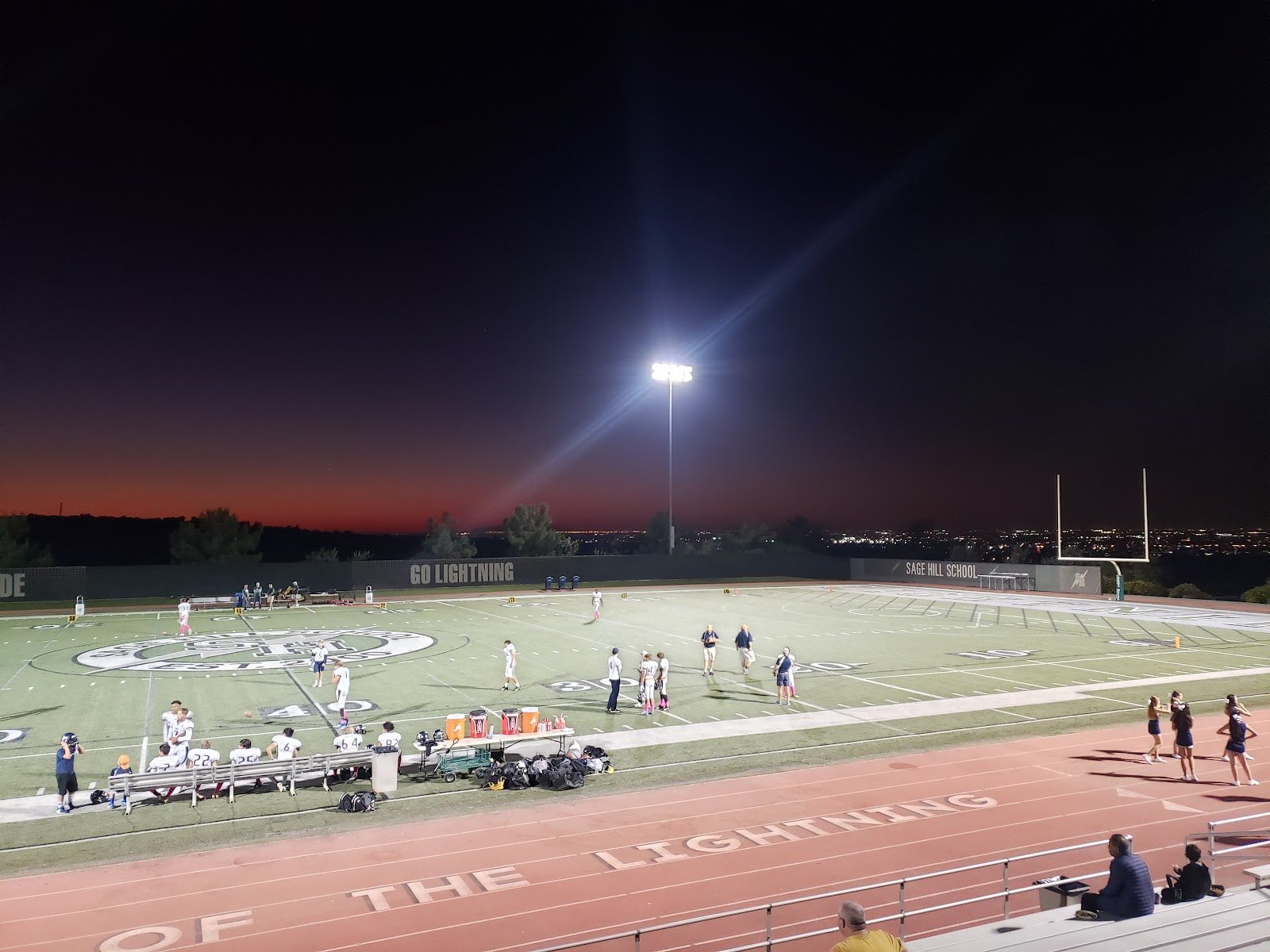
Sage Hill School
Newport Coast, CA · United States
A no-bells, ocean-view campus in Newport Coast where a year-end 'Spring at Sage' term sends students chasing passions worldwide.

Santa Margarita Catholic High School
Rancho Santa Margarita · United States
In the Saddleback foothills, Orange County's only Catholic IB Diploma track meets a decade of CIF Commissioner's Cups.

Interlochen Arts Academy
Interlochen · United States
Set on 1,200 wooded acres between two lakes, teenagers major in music, dance, film, or writing alongside college-prep academics.
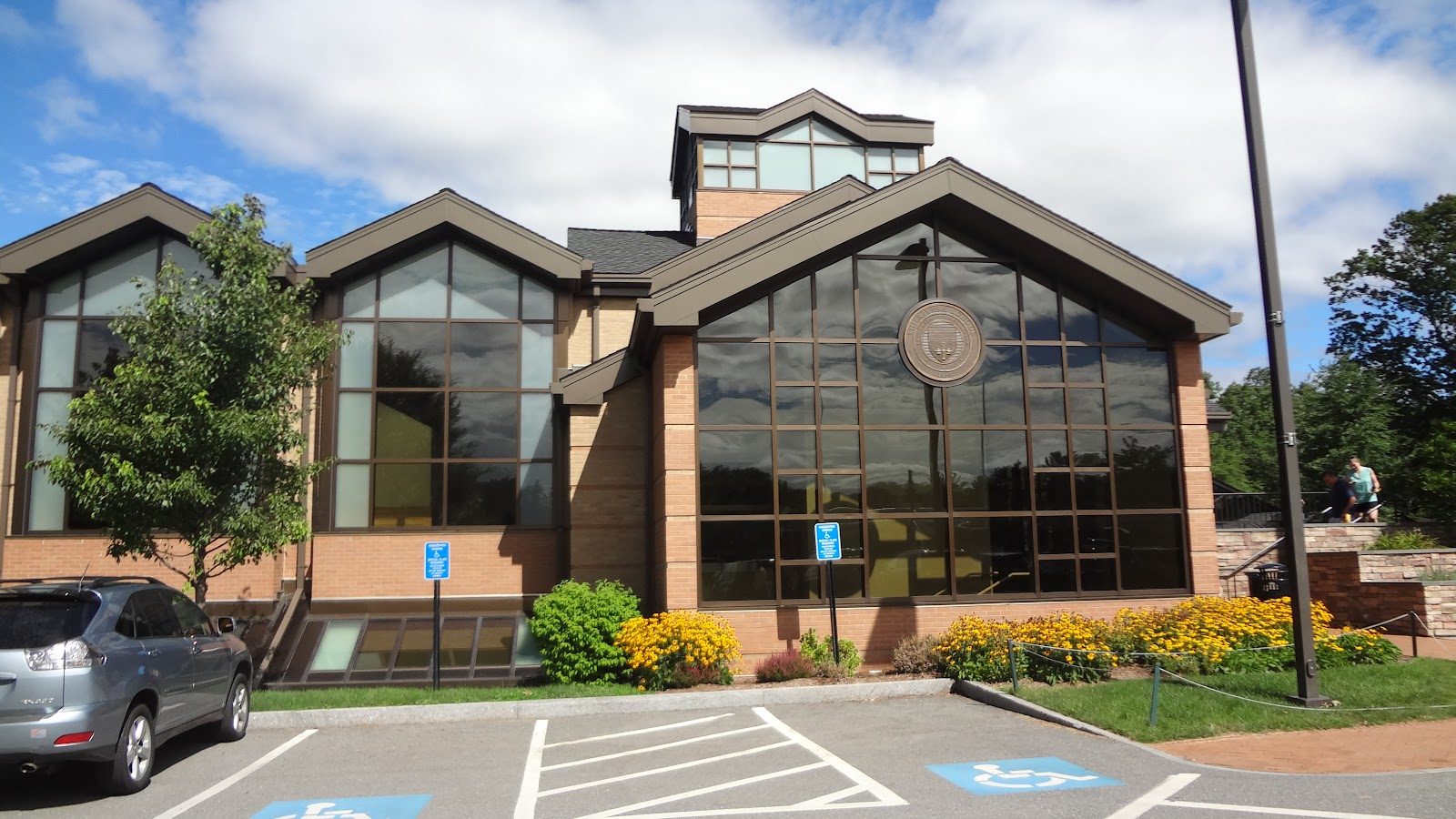
The Rivers School
Weston, MA · United States
On a Weston campus, a full music conservatory runs alongside AP-heavy academics for serious young musicians
Same country and curriculum — closest matches within ±10 points either way