
California
Sage Hill School
low confidence· 2/6 cats · 2.5 avg sourcesA no-bells, ocean-view campus in Newport Coast where a year-end 'Spring at Sage' term sends students chasing passions worldwide.
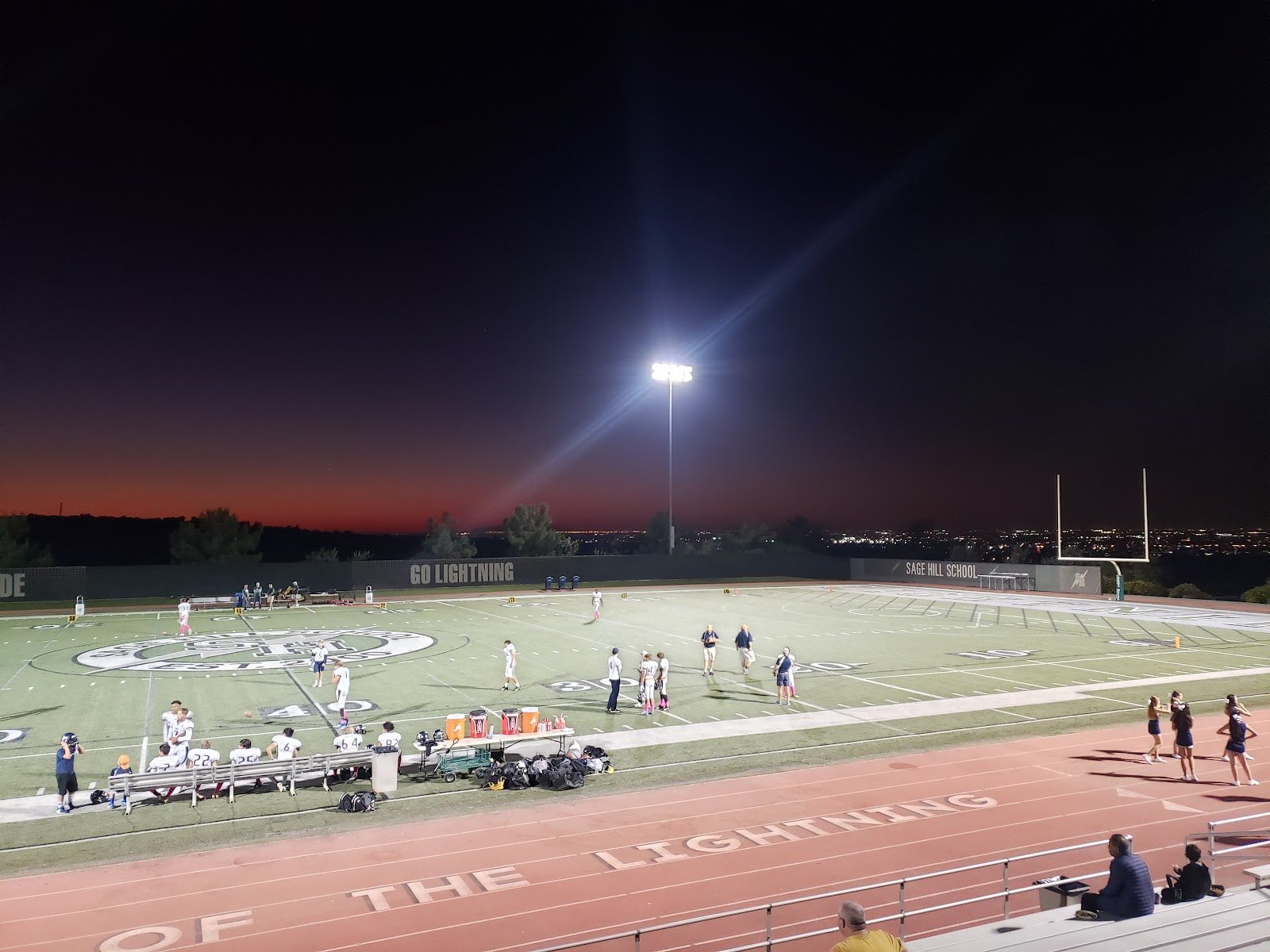
Photo © Alfonso Corona via Google Maps
Type
Day
Ages
12–18
Curriculum
American
Qualifications
AP · US High School Diploma
Ratio
1:8
The Verdict
Editor's commitment
Right for
Families wanting a day school in Newport Coast with a 1:8 ratio, American curriculum and a conspicuously individualist culture.
Wrong for
Parents who want boarding, religious formation or a conventional 13–18 routine; Sage Hill is non-religious, day-only, and built around self-direction.
Watch out for
Founded in 2000 and accredited by NAIS, Sage Hill sells intimacy and freedom; test how much structure your 13–18-year-old actually needs.
Ranking breakdown
Sage Hill School · #1518 of 1591
Composite score 47.7. 8 weighted criteria.
By criterion
Academic Outcomes
Weight 20%
#1427
of 1529 scored
University Placement
Weight 16%
#1445
of 1529 scored
Prestige & Heritage
Weight 12%
#1493
of 1571 scored
Alumni Network
Weight 12%
#1161
of 1530 scored
Facilities
Weight 12%
#1449
of 1533 scored
Transparency & Communications
Weight 8%
#1437
of 1532 scored
Peer & Industry Review
Weight 10%
#1482
of 1548 scored
Admissions Selectivity & Demand
Weight 8%
#1419
of 1529 scored
Peer & Industry Review
How Sage Hill School is regarded in the sector
52
Credible · medium confidence
Within Orange County's private-school market, Sage Hill is generally regarded as among the leading handful of local day schools, often mentioned alongside Orange County School of the Arts and well ahead of most parish and parochial competitors, but it remains junior in reputation to Los Angeles heavyweights such as Harvard-Westlake, Marlborough and Crossroads, which dominate regional counselor mindshare and informal league tables. Local and education-guide coverage (including Niche.com rankings and Orange County press features) consistently places Sage Hill among the region's top private schools, citing facilities, aid provision and small class sizes, though it does not appear in the national-level league tables reserved for the oldest Northeastern boarding schools. University admissions staff at UC campuses and selective private universities appear to treat Sage Hill as a credible, well-resourced feeder rather than a marquee name, with graduates described as competitive but not carrying the automatic institutional cachet of longer-established Southern California day schools.
Editors' overview
Sage Hill occupies a distinct niche in Orange County: a non-religious American day school with the polish of a well-funded independent and a campus culture built around intimacy rather than scale. Founded in 2000, it is still young by US independent-school standards, and that youth shows in the design of the offer: small, seminar-style classes, a 1:8 student-teacher ratio, more than 45 honours/AP courses in the upper school, and a strong bias towards programmes that break the standard college-prep mould. The standout is Spring at Sage, a year-end seminar and educational travel programme that gives the school a restless intellectual energy and a clearer point of difference than the usual claims about “innovation”. The Sage Center, established in 2016, reinforces that by tying service learning, internships and broader experiential work into school life rather than leaving them as decorative extras.
What puts Sage Hill on a shortlist is not tradition; it is curation. This is a school for families who want an academically serious environment without the old-board, East Coast manner or the machinery of a giant prep school. The 28+ acre Newport Coast campus, with arts and athletics facilities and a second gym under development, gives it physical heft. The school also states that 16% of students receive need-based financial assistance, which matters in a market where access often narrows fast once fees rise. The school’s messaging leans hard on community, belonging and personalisation; the stronger underlying point is that Sage Hill has built a structure where close advising, discussion-led teaching and off-campus learning are part of the core model, not bolt-ons. That said, parents who want published hard academic outcome data beyond the college-preparatory framing will find the public case stronger on programme design than on disclosed aggregate results.
The right student for Sage Hill is bright, engaged and self-propelling. This school suits teenagers who thrive in discussion, want breadth across academics, arts, athletics and service, and will use elective choice well. It also suits students who want space to try things, close adult attention and *a campus that feels deliberate rather than sprawling*. The less suitable candidate is the child who wants anonymity, a highly traditional classroom culture, or a narrow exam-factory experience. Sage Hill’s best version is for a student who values intellectual independence, likes structure without stiffness, and will treat programmes such as internships, advisory and Spring at Sage as real opportunities rather than brochure pieces.
Academic Performance
Sage Hill’s public case on academic performance is thinner than many direct competitors’. The school advertises breadth in the upper school with more than 45 honours/AP courses and frames itself as college preparatory, but it does not publish aggregate AP score data, average SAT or ACT results, or a university matriculation profile with the kind of hard numbers that let parents benchmark outcomes cleanly. That matters. In a crowded independent-school market, serious schools disclose at least some external performance data. Sage Hill instead asks families to infer quality from course access, college counselling infrastructure and anecdotal alumni success. That is a soft evidential base for a school operating in an expensive, status-conscious segment.
That does not mean weak academics; it means opaque academics. The ingredients for strong performance are in place: discussion-led teaching, a wide advanced-course menu, close staffing, and structures that push students beyond routine classroom work. For the right pupil, that can translate into strong transcript quality and good college options. Relative to peers, Sage Hill fits among independent schools that sell an intellectually broader experience than an exam factory, but it does not match the best data-publishing schools for transparency. Parents who care about measurable exam strength should ask direct questions: AP participation rates, the share of scores at 4 or 5, median standardised test results, and destination patterns across the graduating class. Without that, the academic story remains *persuasive in design, unproven in numbers*.
Facilities
Facilities are a serious part of Sage Hill’s offer, not a decorative afterthought. The campus runs to 28+ acres, which gives a day school in coastal Southern California room to do more than stack classrooms around a car park. The strongest assets are the arts and athletics spaces: the school points to state-of-the-art provision in both, alongside a renovated library built for collaboration rather than silent storage. That matters because many peer independents talk about “whole child” breadth while asking students to make do with cramped rehearsal rooms, undersized training space or a library that still functions like an archive. Sage Hill has invested in the physical plant to support the programme it sells. The current build-out of a new middle-school facility and a second gym also signals continued capital confidence, not a campus standing still.
Against peers, the advantage is coherence. The site, open space and specialist facilities fit the school’s emphasis on discussion, arts participation, sport and off-timetable programmes. Families get a campus with real physical ease: room to move, room to gather, and facilities that support a full school day rather than just lessons. The weak point is that the school discloses less than some competitors about the exact depth of specialist provision — no detailed public inventory of labs, black-box theatres, maker spaces or elite-performance sports infrastructure. So the facilities read as strong and polished, but not exhaustively documented. Even so, by independent day-school standards, this is a well-equipped, high-functioning campus.
Sage Hill’s distinctiveness lies in that combination of close adult scaffolding and genuine room to roam
Prestige
Sage Hill carries real local prestige, but it is a newer, market-made kind of prestige rather than the old inherited variety. In Orange County independent-school terms, the school sits in the top tier of visibility: selective, polished, well resourced, and tied to a parent community that expects strong college outcomes and a high-functioning peer group. The draw is not centuries of legacy or a famous institutional mystique. It is a carefully engineered reputation built around small classes, strong adult attention, broad opportunity and a campus experience with social cachet. The figure that sharpens that reputation is the upper-school menu of more than 45 honours and AP courses, backed by a faculty body where more than half hold advanced degrees. Add the public emphasis on entrepreneurship and the school’s claim that 11 alumni have reached Forbes 30 Under 30, and you get a brand of prestige that is aspirational, affluent and contemporary.
Why not rate it even higher? Because the school’s prestige rests more on environment, network and presentation than on publicly disclosed hard performance data. The social signal is strong; the evidential base is thinner. Families in this market will recognise the name, and students will benefit from the expectations and connections that travel with it. But prestige built on selective polish is not the same as prestige built on a long public record of published academic results. Sage Hill has status, and meaningful status at that. It does not have the unassailable authority of the most historically entrenched American independents.
What puts Sage Hill on a shortlist is not tradition; it is curation
Communications
Sage Hill communicates with parents through a busy, well-structured digital front door. The public site is deep, current and unusually practical: there are dedicated areas for current families, calendars, handbooks, daily schedules, admissions FAQs, transport information, school downloads, event listings and a parent association presence, all reachable from the main navigation without much digging. That matters. Schools with weak parent communication hide operational detail behind logins or scatter it across dead pages. Sage Hill does the opposite. Even before enrolment, families get a clear sense of how the school runs day to day, from academic pathways to athletics logistics to student-life programming. The sheer range of parent-facing touchpoints also tells you that communication is treated as part of the institution’s operating system, not an afterthought.
The effectiveness looks high, with one caveat. On practical communication, Sage Hill is disciplined and parent-literate: the site shows an organisation that knows families need dates, processes, contacts and route maps, not just values language. The caveat is that the school is *far stronger on operational clarity than on evidential transparency*. It explains programmes, structures and opportunities in detail, but publishes less hard outcome data than many ambitious parents will want. So the communications model works best for families who value access, organisation and a well-managed flow of information. For parents who judge communication by how much the school discloses about results, the picture is less satisfying.
Uniqueness
What marks Sage Hill out is not heritage or brute scale, but the way it builds non-standard learning into the core timetable. The clearest example is Spring at Sage: a year-end block of seminars and educational travel that shifts students out of routine term-time habits and into focused, applied work. Plenty of schools sell “experiential learning” as garnish. Sage Hill gives it institutional weight. The same pattern runs through the Hamoui Family Sage Center, which gathers service learning, internships, speaker programming and work around community, culture and belonging under one roof. That creates a school life with *more range than the standard college-prep script and a rhythm that is deliberately less conventional* than a straight run of classes, tests and sport.
For students, that structure brings two gains. First, it rewards teenagers who have interests that do not fit neatly inside subject silos: the student who wants laboratory science and design, or literature and public service, gets a school that leaves room for both. Second, it demands initiative. Advisory, the Ninth Grade Experience and a course list running past 45 advanced options all push pupils to make choices rather than drift. That is a serious advantage for self-directed adolescents and a weak fit for those who need constant external prodding. Sage Hill’s distinctiveness lies in that combination of close adult scaffolding and genuine room to roam.
This is a school for families who want an academically serious environment without the old-board, East Coast manner or the machinery of a giant prep school
Student Profile
The student who fits Sage Hill is bright, articulate and willing to participate. This is not a school for passengers. Seminar teaching, advisory, internships, service work and the end-of-year travel-and-seminar block all reward teenagers who will speak up, choose well and follow through. The social style reads polished but not old-guard: affluent, high-expectation, organised, and more collaborative than swaggering. Students with genuine range do well here — the child who wants strong academics but also intends to commit to studio work, teams, leadership or community engagement. The low staffing ratio of 1:8 reinforces that expectation. Adults will know who your child is, and drift will get noticed.
The best fit is a student who likes close adult attention without wanting a stiff or tradition-bound culture. Sage Hill suits self-directed adolescents who use freedom productively and can handle a peer group with ambition and resources. It also works for families who want a school that values belonging and access, with need-based financial assistance reaching about 16% of students. The weaker fit is clear: teenagers who want anonymity, who resist discussion-based classrooms, or who need heavy external pressure to stay on task. This is also not the place for a child chasing a narrow, exam-drilled existence. Sage Hill favours students with intellectual initiative, social confidence and enough maturity to turn opportunity into substance.
The 28+ acre Newport Coast campus, with arts and athletics facilities and a second gym under development, gives it physical heft
Co-curricular strengths
Arts & sport, on a separate axis
Overall 9.38/10
Scored 0-10 from the school's own published evidence. This axis is editorial-only — it does not feed the main WTS ranking.
Sports
9.2/10
Drama
9.4/10
Dance
9.4/10
Music
9.4/10
Visual Arts
9.5/10
Strengths
- +Co-educational day school for ages 13–18
- +American curriculum taught in English
- +Non-religious school in Newport Coast
- +Athletics include soccer and tennis programmes
Considerations
- −Day school only; no boarding option
- −Serves ages 13–18 only
- −NAIS listed; no other accreditations stated
Availability
Primary entry gate & tests
ISEE/SSAT + Interview
Gallery
Photo © Jamil Jaffer via Google Maps
Photo © Jamil Jaffer via Google Maps
Photo © Alfonso Corona via Google Maps
Photo © Alfonso Corona via Google Maps
Photo © Jason Nguyen via Google Maps
Parent reviews
Have you sent your child here?
Voice reviews carry the strongest trust badge — we transcribe them for you to tidy up before they go live. Prefer to type? A written review is fine too.
Add your voice
In 60 seconds, tell other parents: what's the best thing about Sage Hill School, and what surprised you when your child joined?
We ask for a Google sign-in so every review has a real face behind it — no anonymous drive-by attacks on schools, and no faked positive reviews. Your email is never shown publicly.
Send this profile to a friend
International parents rely on word-of-mouth. Share this review with someone weighing the same decision.
Schools with places
Similar schools to Sage Hill School with places available now.
Head-Royce School
Oakland · United States
- 2026-27
- CLOSEDRegular cycle
- 2027-28
- OPENS SOONOpens Sept '26
The Branson School
Ross · United States
- 2026-27
- CLOSEDRegular cycle
- 2027-28
- OPENS SOONOpens Sept '26
Crystal Springs Uplands School
Hillsborough · United States
- 2026-27
- CLOSEDRegular cycle
- 2027-28
- OPENS SOONOpens Sept '26
Lick-Wilmerding High School
San Francisco · United States
- 2026-27
- CLOSEDRegular cycle
- 2027-28
- OPENS SOONOpens early Sept '26
Availability first, then country, area, curriculum, price, co-curricular
Consider also
Also worth looking at alongside Sage Hill School.
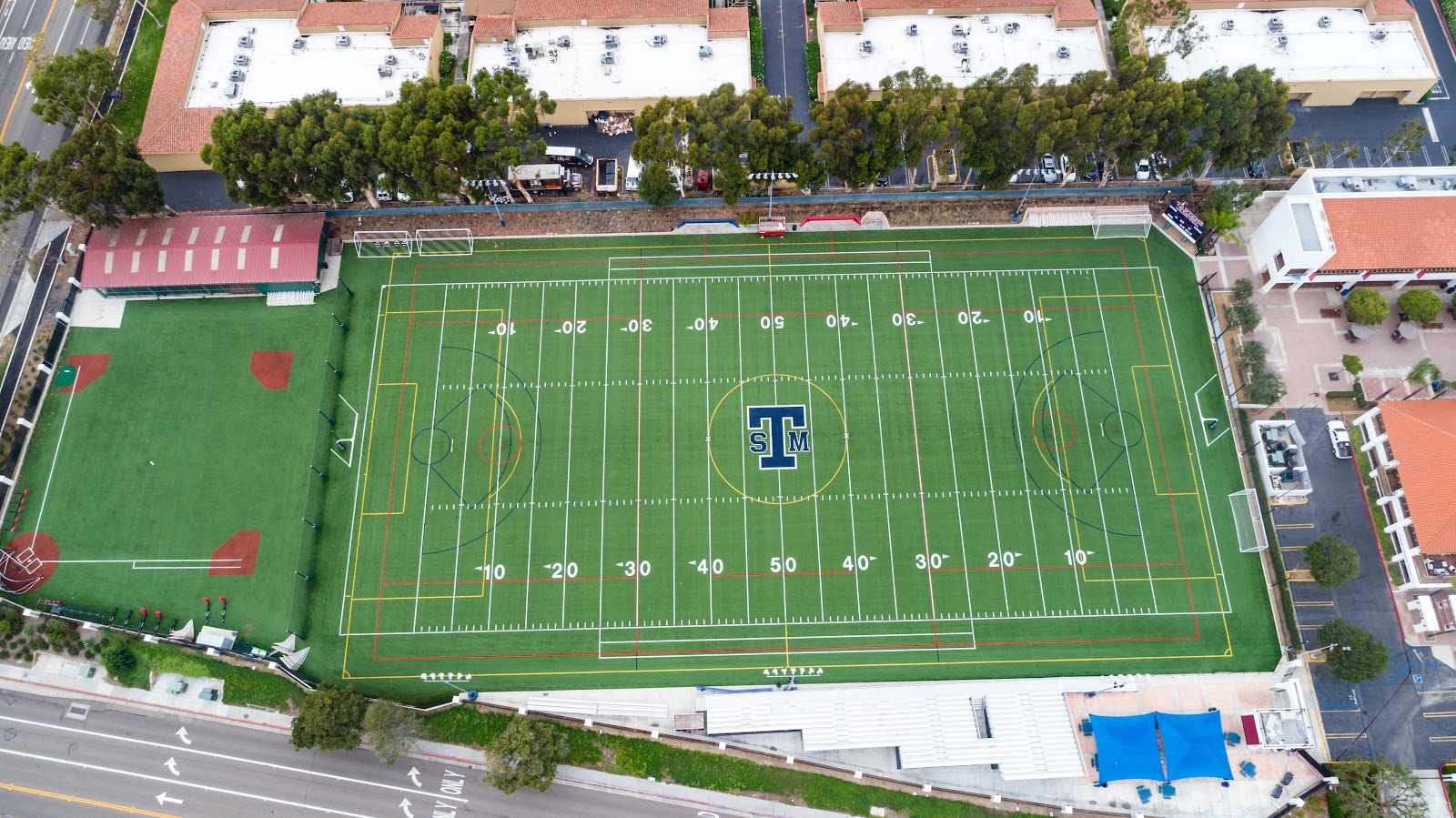
St. Margaret's Episcopal School
San Juan Capistrano · United States
Named for Scotland's patron saint of education, this mission-town day school builds Tartan identity into STEAM and service.
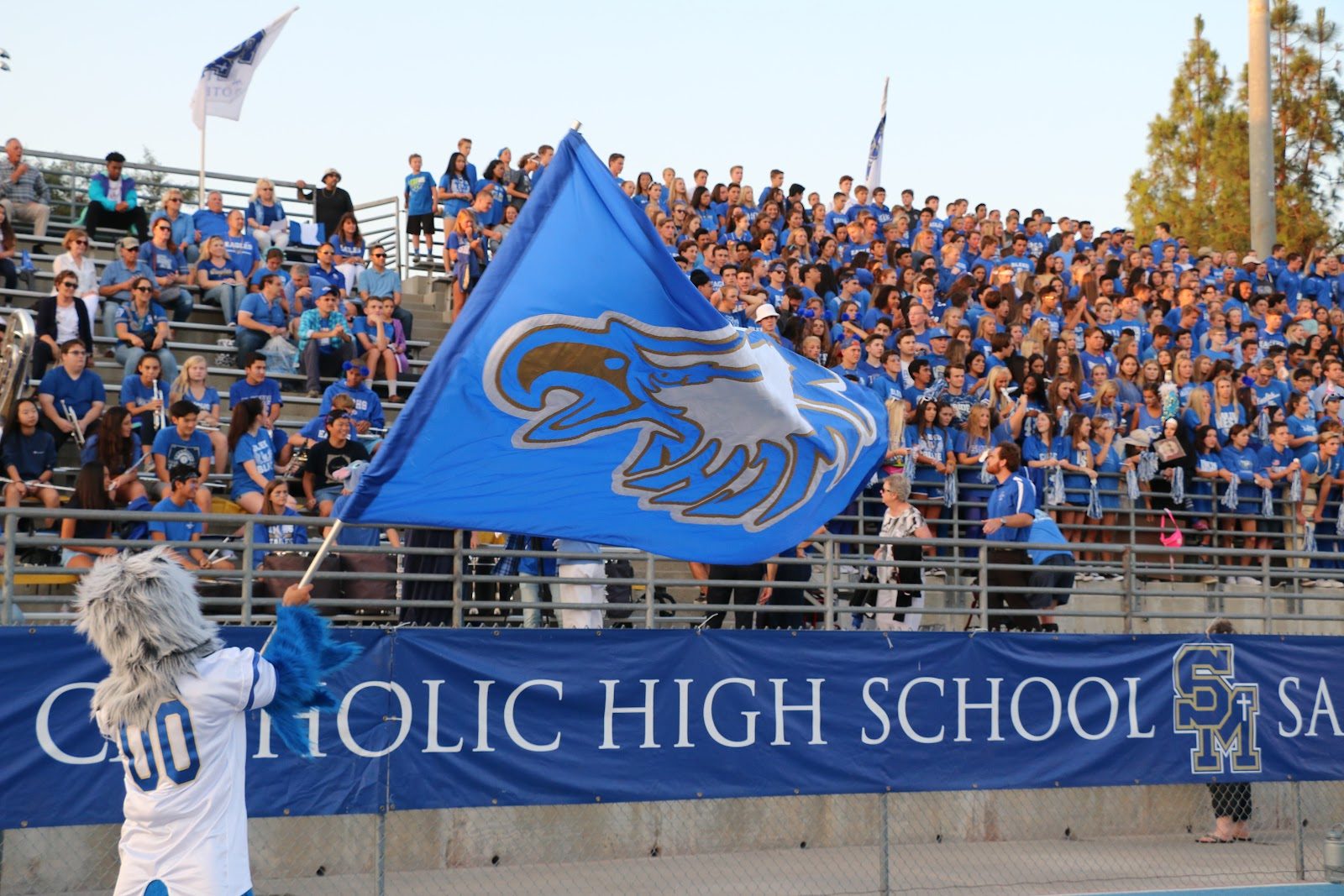
Santa Margarita Catholic High School
Rancho Santa Margarita · United States
In the Saddleback foothills, Orange County's only Catholic IB Diploma track meets a decade of CIF Commissioner's Cups.
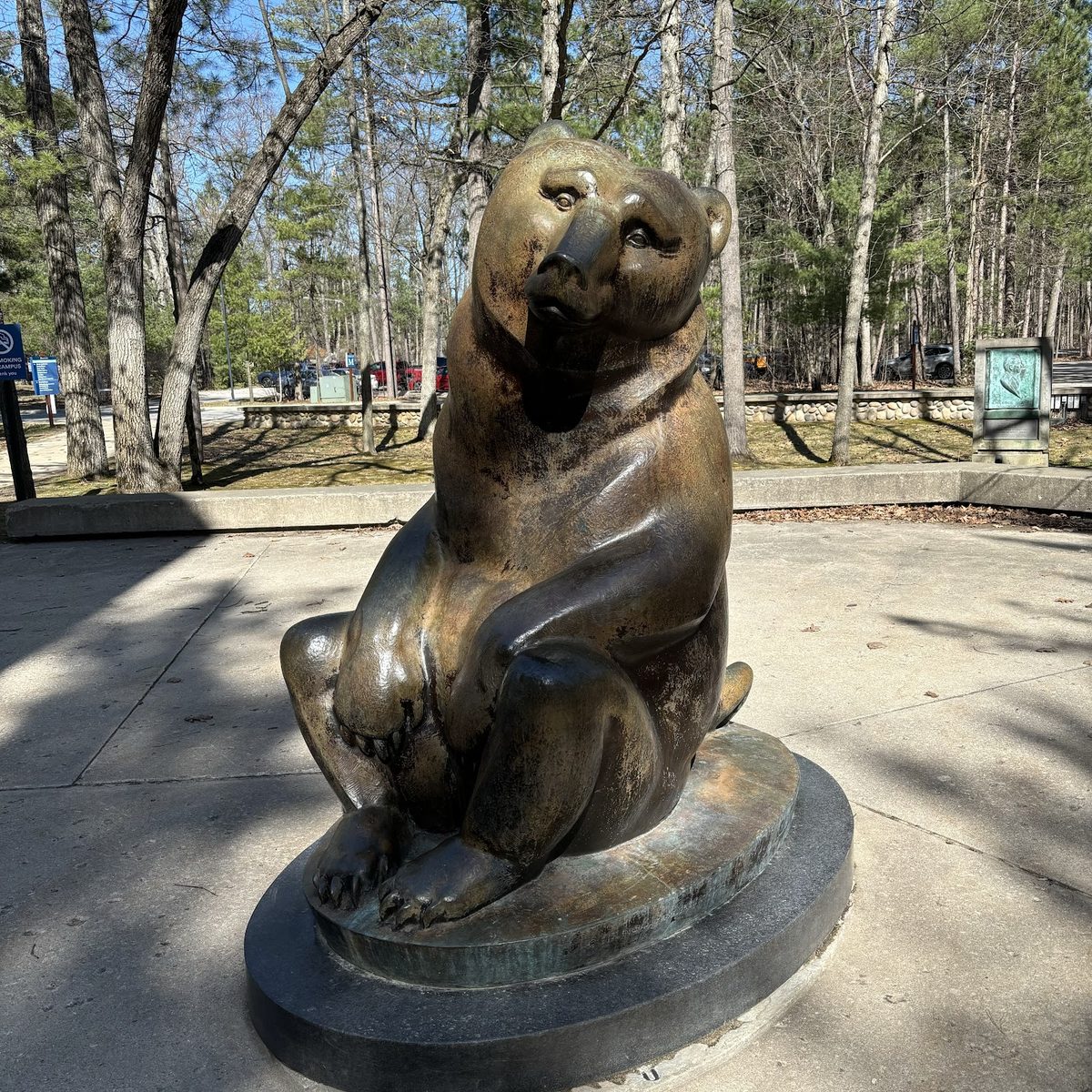
Interlochen Arts Academy
Interlochen · United States
Set on 1,200 wooded acres between two lakes, teenagers major in music, dance, film, or writing alongside college-prep academics.
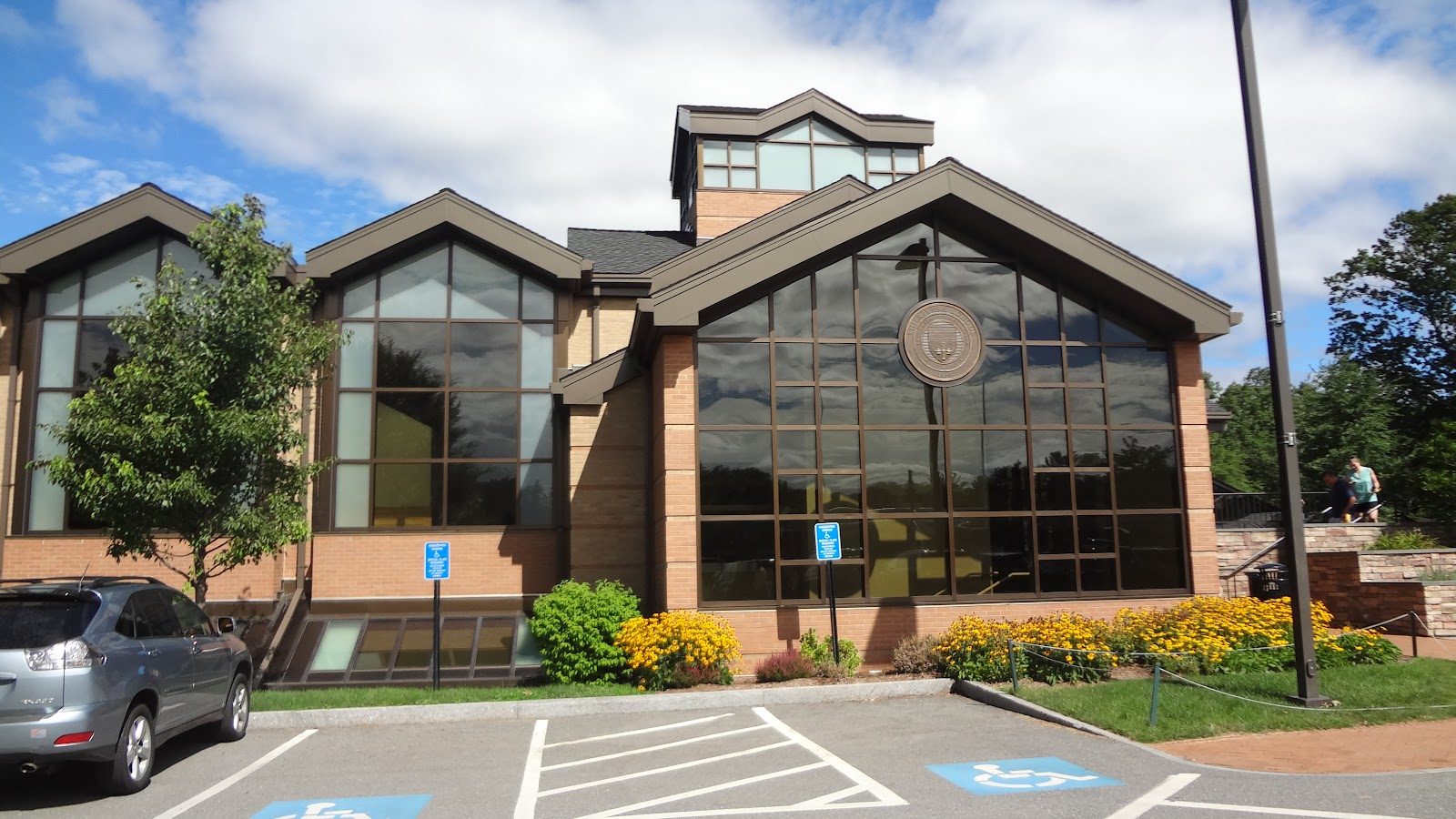
The Rivers School
Weston, MA · United States
On a Weston campus, a full music conservatory runs alongside AP-heavy academics for serious young musicians
Same country and curriculum — closest matches within ±10 points either way