
Massachusetts
The Rivers School
low confidence· 2/6 cats · 2 avg sourcesOn a Weston campus, a full music conservatory runs alongside AP-heavy academics for serious young musicians
Type
Day
Ages
11–18
Curriculum
American
Qualifications
AP
Ratio
6:1
The Verdict
Editor's commitment
Right for
Serious 11–18 musicians who want AP-heavy American academics on a Weston day campus, with a 1:8 ratio and a full conservatory.
Wrong for
Families wanting boarding, a religious ethos or another curriculum: Rivers is non-religious, day-only, English-medium and unapologetically American.
Watch out for
NEASC and NAIS accreditation signal legitimacy, not transparency; the school publishes no aggregate AP outcomes, so test the academic payoff yourself.
Ranking breakdown
The Rivers School · #853 of 1591
Composite score 56.3. 8 weighted criteria.
By criterion
Academic Outcomes
Weight 20%
#902
of 1529 scored
University Placement
Weight 16%
#911
of 1529 scored
Prestige & Heritage
Weight 12%
#911
of 1571 scored
Alumni Network
Weight 12%
#1487
of 1530 scored
Facilities
Weight 12%
#858
of 1534 scored
Transparency & Communications
Weight 8%
#841
of 1532 scored
Peer & Industry Review
Weight 10%
#1108
of 1548 scored
Admissions Selectivity & Demand
Weight 8%
#837
of 1529 scored
Peer & Industry Review
How The Rivers School is regarded in the sector
64
Respected · medium confidence
Among Boston-area independent schools, Rivers is respected as a solid, arts-forward day school rather than a top-tier name; heads at ISL rivals such as Nobles, Belmont Hill and Milton typically place it a notch below the most academically selective boarding schools but credit its Conservatory as a genuine differentiator. University admissions officers at nearby institutions know Rivers primarily through its music and arts applicants, and its college matriculation lists are respectable regional outcomes (strong New England liberal arts colleges, some Ivy placement) rather than headline-grabbing. Independent education commentary, including guides covering US day schools, tends to note Rivers as a strong but not nationally famous choice, valued locally more than internationally. It does not feature prominently in UK-style league tables or international rankings, reflecting its status as a well-regarded regional day school rather than a globally benchmarked institution.
- Kevin Hayes — NHL ice hockey player
- Jimmy Hayes — NHL ice hockey player
- Christopher Lawford — actor and author
Editors' overview
The Rivers School occupies a clear niche in the Boston-area independent market: a serious American day school for academically ambitious pupils who also want conservatory-level music built into school life. The headline fact is the one that matters: a full music conservatory sits alongside AP-led academics on the same Weston campus. That combination is rare and valuable. Plenty of schools offer orchestras, lessons and a strong arts department; far fewer build a parallel structure for young musicians who need disciplined training, ensemble work and a peer group that shares the same level of commitment. Add a 1:8 student-teacher ratio and you get a school set up for close attention rather than mass delivery. For the right child, that creates a serious artistic home without giving up a proper college-preparatory education.
This is not a school trading on religious identity, boarding glamour or sprawling brand recognition. It is a focused, non-religious day school founded in 1915, serving ages 11 to 18 in English, with NEASC and NAIS listed in its accreditations. Its market position rests on substance: rigorous classroom expectations, a compact enough scale for pupils to be known well, and a distinctive musical infrastructure that gives gifted performers a reason to choose Weston over larger, louder names. Parents who want a school where music is central rather than decorative should pay attention. So should families who value a disciplined daily rhythm, close faculty contact and a campus culture built around commitment rather than show.
The Rivers belongs on a shortlist for pupils who are bright, organised and prepared to work hard across two fronts. The best fit is the student who wants AP-heavy academics and does not want music pushed to the margins after 3pm. That includes instrumentalists, composers and ensemble players who need structured training, but it also includes non-musicians who thrive in an environment shaped by practice, rehearsal and high standards. The school will suit children who value depth, routine and quiet intensity. It will suit less well those chasing a huge-school social scene, extensive boarding life or a broad, glossy menu of identities. Rivers is for families who want real seriousness without fuss and who know that talent only matters when a school has the structure to develop it.
Academic Performance
Rivers does not publish the exam data that would let parents place it cleanly against Boston-area independents. We have not seen aggregate AP score distributions, average SAT or ACT results, National Merit figures, university matriculation tables by year, or any breakdown of outcomes by subject. That is a real gap. In a market where selective day schools compete hard on academic credibility, opaque outcomes weaken the case, because families cannot test rhetoric against results. The school’s college-preparatory claim may be sound; the public evidence is thin. For a school serving ambitious families, that restraint reads as oddly closed rather than modest.
That said, the shape of the school still points to a demanding academic environment: an AP-heavy upper school, close staffing, and a pupil body balancing serious study with high-level musical commitments. That mix tends to produce disciplined time management and strong verbal and analytical habits, but it also sets a hard constraint: pupils are working across two exacting tracks, so Rivers needs results that prove the dual model holds up under pressure. Until the school discloses them, its standing on pure academic performance sits in the promising but unproven tier rather than the clearly evidenced top rank. Parents with academic outcomes high on the list should ask for the last 3 years of AP distributions, mean standardised test scores, and detailed matriculation patterns before drawing conclusions.
Facilities
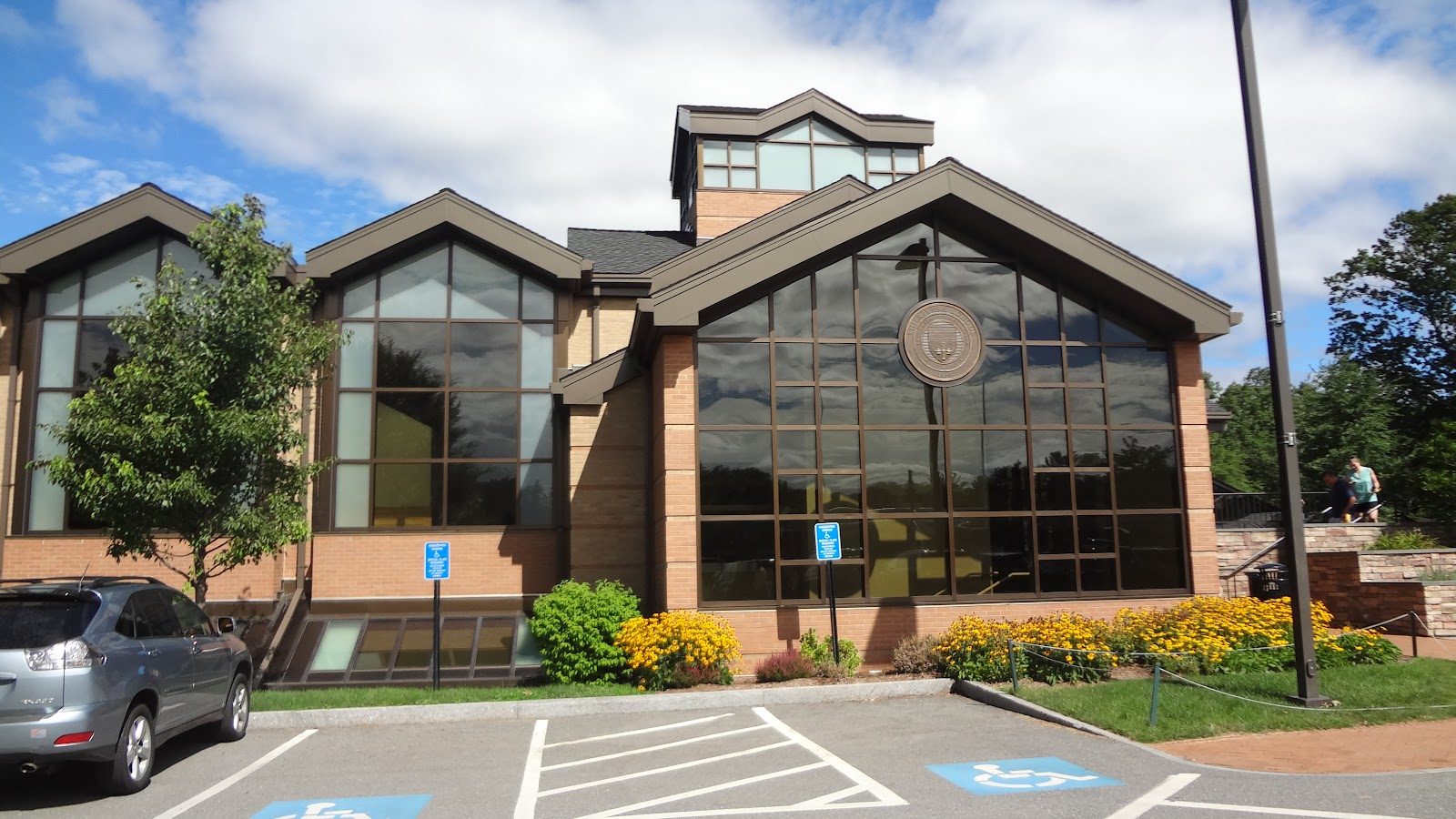
The school’s most distinctive asset is not a generic arts block but a serious performance infrastructure embedded in daily school life. That matters because many peer independents advertise “strong music” while delivering the standard package: ensembles, practice rooms, private lessons and an annual musical. Rivers operates at a different level. For a committed young musician, that changes the practical value of the campus. Rehearsal, coaching and ensemble work are not peripheral extras tacked onto the timetable; they form part of the school’s operating logic. Against Boston-area day-school peers, that gives Rivers a sharper specialist edge in music than broader all-rounders, even if those rivals match or exceed it in sheer scale of buildings, athletics or visual branding.
Beyond the main campus, the school also owns and runs Camp Nonesuch, a separate outdoor site set in 13 wooded acres beside a 57 acre pond, with a sandy beach, rustic lodges and cabins, arts-and-crafts spaces, and areas for archery, court games and water activities. This is not core academic infrastructure, and parents should treat it as such; it does not compensate for any missing transparency elsewhere. Still, as an institutional asset it is unusually substantial for a day school, giving Rivers access to outdoor and summer-programme provision that many urban or compact suburban peers cannot match. The weakness is easy to name: we have not seen a clear public account of the school’s science labs, library, design spaces or sporting plant, so the non-musical facilities picture remains oddly underdrawn.
Until the school discloses them, its standing on pure academic performance sits in the promising but unproven tier rather than the clearly evidenced top rank
Prestige
Rivers carries selective regional prestige, not marquee national cachet. In Boston-area independent schooling, that distinction matters. This is not the school families invoke for inherited social clout or instant name recognition outside New England. Its standing rests on a narrower and more defensible base: serious families know it, musicians know it, and parents who value close academic supervision alongside advanced performance training know exactly why it sits on a shortlist. The low staffing ratio of 1:8 adds to that reputation, because it signals a school built for attention and accountability rather than scale. Prestige here comes from earned respect, not spectacle.
What lifts Rivers above the crowded middle of the market is its rare dual identity. Plenty of independent schools claim strong arts provision; far fewer anchor school life with a full conservatory. That gives Rivers a *distinctive intellectual and artistic profile* and attracts a pupil cohort with discipline, stamina and purpose. Those traits matter reputationally. A school earns status from the company it keeps: ambitious students, committed families and staff who can sustain high standards across two demanding domains. The limitation is clear too. Rivers does not command the automatic aura of the biggest legacy names, and its opaque published outcomes blunt the force of its academic reputation. Prestige, then, is real but specialised: strong in the circles that matter most to its best-fit families, weaker in the broader status market.
The school’s most distinctive asset is not a generic arts block but a serious performance infrastructure embedded in daily school life
Communications
Rivers communicates like a school that values order over performance. The public-facing information we have seen is functional, detailed and concrete where logistics are concerned. The Camp Nonesuch pages, for example, give parents the practical points they need: separate seasonal phone numbers, a precise off-campus address, transport directions, staffing checks, licensing language, and a clear camper-to-counsellor ratio of 5:1. That level of operational detail signals an institution that understands parental communication as instruction, not mood music. The tone is not glossy. It is plain-spoken, competent and reassuringly unflashy. For families who care more about systems than slogans, that is a strength.
The weakness is not confusion but imbalance. Rivers communicates routine and supervision more clearly than it communicates outcomes. Parents can find the camp’s beach, cabins and health-board compliance without much trouble; they cannot test the school’s academic claims against published aggregate exam data or detailed university results. That leaves the external message disciplined but incomplete. It also fits the school’s wider character: a place that projects serious internal purpose and less interest in public packaging. Some families will welcome that restraint. Others will read it as unnecessarily closed. Effective school communication needs two things at once: operational clarity and institutional candour. Rivers delivers the first. On the second, it still holds too much back.
Uniqueness
What makes Rivers distinctive is not that it has good music, but that it builds school life around musicianship with a level of structure most independent day schools never attempt. The school’s claim to uniqueness rests on integration: serious academic study on one side, a conservatory on the other, both treated as core rather than one serving the other. For students, that matters in practical ways. Young performers do not have to live a split life in which school is the obligation and training happens elsewhere at the edges of the day. Rivers gives them one institution that understands rehearsal discipline, technical study, ensemble standards and the sheer grind of sustained artistic work. That creates a rare coherence and a proper home for serious musicians.
The benefit reaches beyond the musicians themselves. A school shaped by advanced practice habits tends to reward focus, repetition, criticism and stamina. Those are hard-edged virtues, and they change the culture. Classrooms and ensembles alike are strengthened by pupils who know that progress comes from showing up prepared and doing difficult things repeatedly until they are right. Add the close staffing structure and you get an environment where adults can hold students to account across both academic and artistic commitments. The result is a disciplined dual-track education that suits driven children very well and suits dilettantes badly. Even the school’s wider institutional footprint, including its separate camp with a 5:1 supervision ratio and a 13-acre outdoor setting, reinforces a taste for structured, hands-on experience rather than passive consumption.
That gives Rivers a distinctive intellectual and artistic profile and attracts a pupil cohort with discipline, stamina and purpose
Student Profile
Rivers suits a student with stamina, self-command and no interest in being carried by the crowd. The best fit is the child who likes being known by adults, can handle close scrutiny, and does not need a sprawling social scene to feel that school life is full. The low staffing ratio — 1:8 — matters here because it limits anonymity. Pupils who flourish at Rivers are prepared, punctual and able to absorb correction without drama. Musicians with real discipline fit especially well: not children who enjoy music, but children willing to practise, repeat, refine and perform to a high standard. The same goes for non-musicians who respect that culture. A student who values serious work, quiet ambition and earned competence will find plenty of peers.
The weaker fit is easy to identify. Rivers is not for the child who wants breadth without depth, constant novelty, or a loose daily rhythm. It will frustrate students who resent structure, need social status to drive effort, or prefer to sample interests casually rather than commit to one. The school’s atmosphere rewards focus over flair and discipline over display. Families considering Rivers should ask a blunt question: does this child want a school shaped by rehearsal habits, accountability and sustained effort? If the answer is yes, Rivers offers a demanding but coherent home. If the answer is no, the same qualities will feel tight, exacting and unforgiving.
The headline fact is the one that matters: a full music conservatory sits alongside AP-led academics on the same Weston campus
Co-curricular strengths
Arts & sport, on a separate axis
Overall 8.9/10
Scored 0-10 from the school's own published evidence. This axis is editorial-only — it does not feed the main WTS ranking.
Sports
9.2/10
Highly competitive ISL program, fielding dominant varsity soccer, basketball, and lacrosse squads across extensive grounds.
Drama
8.8/10
High-quality seasonal theater tracker staging complex contemporary plays and student-written works inside modern venues.
Dance
7.8/10
Strong afternoon performance track providing core choreography assets for major collaborative musical theater shows.
Music
9.5/10
Unrivaled day-school music integration; features a unique Conservatory Program partnership with the New England Conservatory.
Visual Arts
9.2/10
Highly structured fine art layout leaning heavily toward technical drawing, fine oils, and advanced portfolio mastery.
Strengths
- +Conservatory Program partners with New England Conservatory.
- +Ages 11–18: clear secondary-school focus.
- +Day school suits families based in Greater Boston.
- +NEASC and NAIS membership offer external accountability.
Considerations
- −Day-only model means no boarding for overseas families.
- −American curriculum; no IB or A-level option listed.
- −Weston location may require lengthy Boston-area commuting.
Availability
Primary entry gate & tests
ISEE/SSAT + Interview
Gallery
Parent reviews
Have you sent your child here?
Voice reviews carry the strongest trust badge — we transcribe them for you to tidy up before they go live. Prefer to type? A written review is fine too.
Add your voice
In 60 seconds, tell other parents: what's the best thing about The Rivers School, and what surprised you when your child joined?
We ask for a Google sign-in so every review has a real face behind it — no anonymous drive-by attacks on schools, and no faked positive reviews. Your email is never shown publicly.
Send this profile to a friend
International parents rely on word-of-mouth. Share this review with someone weighing the same decision.
Schools with places
Similar schools to The Rivers School with places available now.
Boston University Academy
Boston · United States
- 2026-27
- CLOSEDRegular cycle closed
- 2027-28
- OPENS SOONOpens Sept '26
Belmont Hill School
Belmont · United States
- 2026-27
- CLOSEDRegular cycle
- 2027-28
- PLACES OPENApplication route live
Noble and Greenough School
Dedham · United States
- 2026-27
- CLOSEDRegular cycle
- 2027-28
- PLACES OPENJan 15 '27 Deadline
Middlesex School
Concord · United States
- 2026-27
- CLOSEDRegular cycle
- 2027-28
- OPENS SOONOpens 1 Sept '26
Availability first, then country, area, curriculum, price, co-curricular
Consider also
Also worth looking at alongside The Rivers School.

Germantown Friends School
Philadelphia · United States
Rooted in an 1845 Quaker meeting in historic Germantown, where juniors design a month-long independent study of their own.
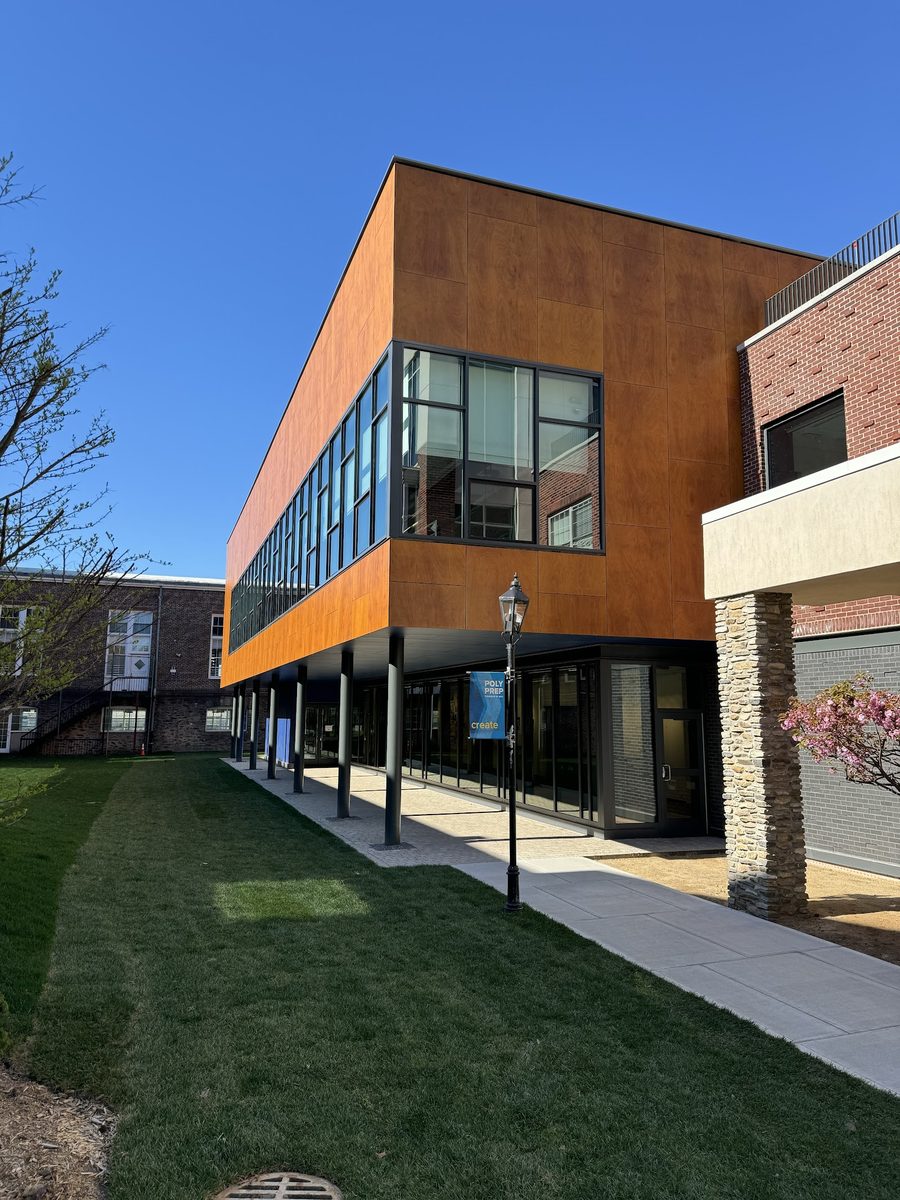
Poly Prep Country Day School
Brooklyn · United States
Founded in 1854 as Brooklyn's first boys' school, this day school pairs a Prospect Park mansion with a 25-acre Dyker Heights campus.

Marymount School of New York
New York City · United States
On Fifth Avenue, landmark mansions give way to Bloomberg terminals and classrooms inside the Met.
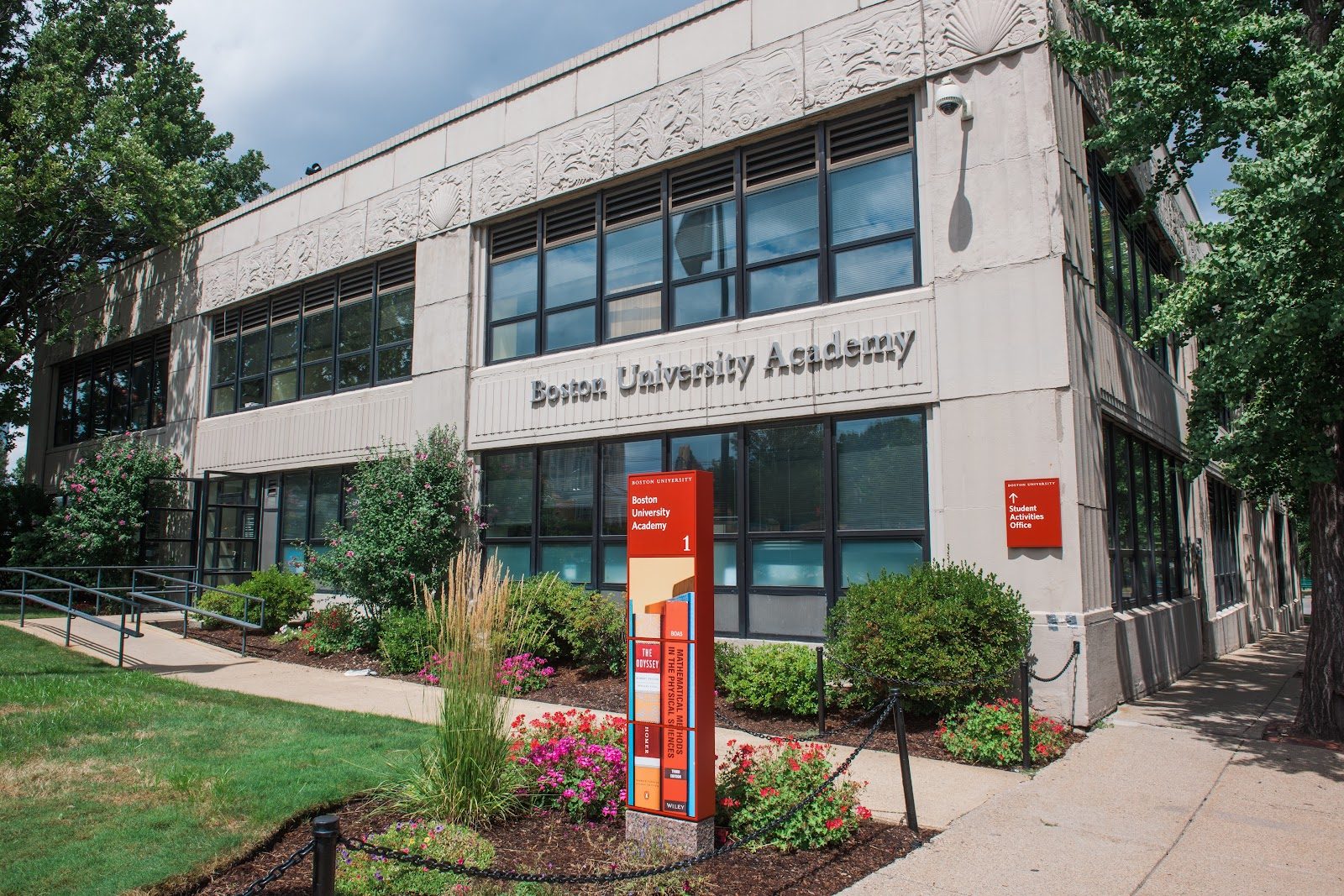
Boston University Academy
Boston · United States
Upperclassmen trade study halls for Boston University lecture halls, banking college credit before graduation.
Same country and curriculum — closest matches within ±10 points either way