
Seoul
Korean Arts High School
An audition-only conservatory since 1953, pairing academics with classical music, ballet and visual art in Jongno-gu's arts quarter.
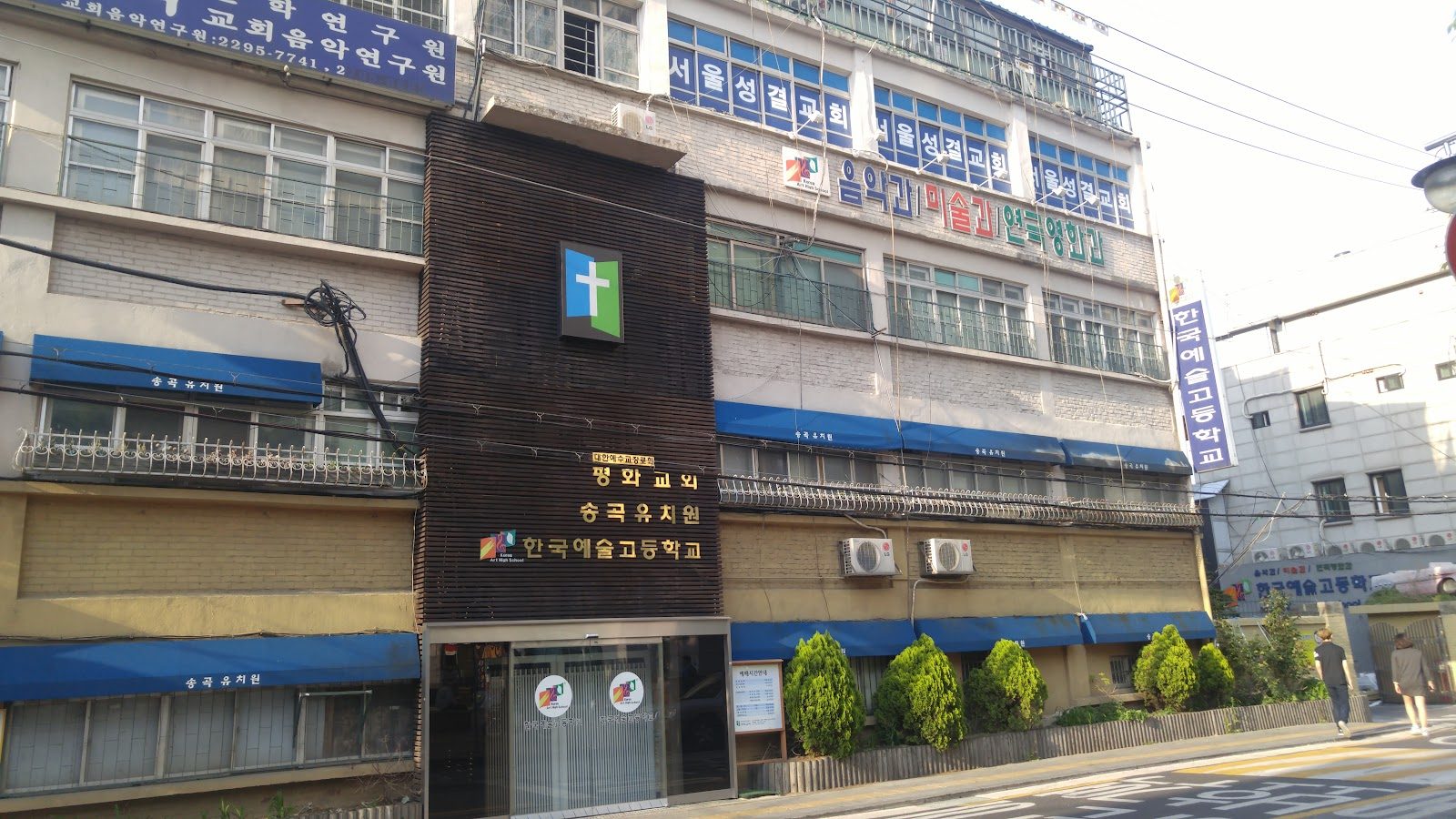
Photo © DynamiteKorean via Google Maps
Type
Day
Ages
16–19
Curriculum
Korean National Curriculum
Ratio
—
The Verdict
Editor's commitment
Right for
Families based in Seoul whose child already has a demonstrable talent and training in music, fine art, dance, creative writing or drama/film and wants an intensive, discipline-specific pre-university education.
Wrong for
Internationally mobile families seeking boarding, an English-medium curriculum, or a broad academic pathway rather than early specialisation in the arts.
Watch out for
Entry is a competitive, Korean-language audition and portfolio process aimed at students already embedded in the domestic system, making mid-course lateral entry for expatriate families very difficult.
Ranking breakdown
Korean Arts High School · #1452 of 1591
Composite score 50.5. 8 weighted criteria.
By criterion
Academic Outcomes
Weight 20%
#958
of 1529 scored
University Placement
Weight 16%
#186
of 1529 scored
Prestige & Heritage
Weight 12%
#1549
of 1571 scored
Alumni Network
Weight 12%
#1012
of 1530 scored
Facilities
Weight 12%
#1529
of 1533 scored
Transparency & Communications
Weight 8%
#1532
of 1532 scored
Peer & Industry Review
Weight 10%
#1539
of 1548 scored
Admissions Selectivity & Demand
Weight 8%
#989
of 1529 scored
Peer & Industry Review
How Korean Arts High School is regarded in the sector
58
Credible · low confidence
Respected within Korean film and drama circles as a legitimate pre-professional pipeline school, but it carries little to no recognition among international film-education peer reviewers.
Award
Elite Film 50
World's Top School · The Global Ranking
Korean Arts High School is featured on our Global Top 50 ranking at #47. This seal is available for the school's marketing team to use on their website, prospectus and social channels.
Editors' overview
Korean Arts High School (Hanguk Yesul Godeung Hakgyo) is a public, selection-gated arts high school in Jongno-gu, Seoul, established in 1972 as one of the country's earliest specialist arts institutions. Its Theatre & Film major sits within a broader arts-school structure that also trains musicians, dancers, and visual artists, delivering the full national curriculum alongside intensive studio and performance training. Entry is by competitive audition and portfolio review conducted in Korean, meaning the school is not designed for international fee-paying applicants and functions squarely within Korea's domestic arts-education ecosystem. Its distinguishing model is the pairing of rigorous national academic requirements with a genuine professional-track film and theatre curriculum, producing graduates who move on to Korea National University of Arts, Dongguk University's celebrated film department, and other leading domestic conservatories and universities. This makes it a credible, if narrowly national, pipeline into the Korean film and entertainment industry, which itself carries enormous global cultural weight given the international rise of Korean cinema and television. Strengths include a long institutional history, dedicated theatre/film facilities, an established feeder relationship with top domestic arts universities, and a demanding admissions process that filters for serious talent. Honest limitations are substantial for an international ranking context: there is minimal English-language transparency, no international alumni network to speak of, and academic rigor in traditional subjects is necessarily compressed to accommodate studio hours. Compared to boarding or day schools built explicitly for a global film-education market, Korean Arts High School is inward-facing, admissions-restricted, and data-opaque to outside observers. Its inclusion in a global ranking reflects genuine specialist quality and cultural relevance to the Korean-language film industry rather than international accessibility, university-placement breadth, or transparent reporting standards. It is best understood as a highly credible national institution rather than a globally oriented film school.
Academic Performance
Students follow South Korea's national curriculum with standard core subjects, but daily schedules allocate significant time to theatre and film practicum, script analysis, acting, and production coursework. Academic outcomes are not separately published in English, and students preparing for the CSAT alongside a full arts course load face a demanding, compressed academic timetable. The balance favors artistic development, with core subject depth somewhat reduced relative to general academic high schools, though students bound for non-arts universities can still sit standard exams. There is no publicly available data comparing exam results to national averages, so academic rigor must be inferred from the broader Korean arts-high-school model rather than confirmed outcome statistics.
Facilities
The school maintains dedicated theatre and film studio spaces, rehearsal rooms, and basic editing and screening facilities consistent with a specialist public arts high school in central Seoul. Given its age and public funding model, infrastructure is functional and purpose-built for stage and screen training rather than state-of-the-art or lavishly resourced. There is no evidence of large soundstages, professional-grade post-production suites, or industry-partnered production facilities of the kind found at elite international film academies. Facilities support foundational training and audition preparation rather than high-end commercial-standard filmmaking.
Compared to boarding or day schools built explicitly for a global film-education market, Korean Arts High School is inward-facing, admissions-restricted, and data-opaque to outside observers
Prestige
Established in 1972, Korean Arts High School is among the oldest specialist arts high schools in South Korea and holds a respected position within the domestic arts-education hierarchy, particularly as a feeder to Korea National University of Arts. Its prestige is largely confined to Korea, where it is recognized by industry insiders and arts educators as a legitimate training ground for future theatre and film professionals. It lacks the international brand recognition of long-established Western conservatories or globally marketed film schools, and its cultural weight, while real, is tied closely to the domestic entertainment and education systems rather than to a globally distributed alumni or press profile.
It is best understood as a highly credible national institution rather than a globally oriented film school
Communications
Public-facing communication is conducted primarily in Korean through the school's official website and Ministry of Education-mandated disclosure statistics, with no dedicated English-language materials for international audiences. Admissions information, audition requirements, and curriculum details are accessible to domestic applicants and families but offer little transparency to outside evaluators. There is no visible international office, no published outcome dashboards, and limited media presence beyond occasional coverage of student productions in Korean arts press. This makes independent verification of outcomes and rankings difficult for non-Korean-speaking researchers.
Uniqueness
The school's distinguishing feature is its dual mandate: delivering a full Korean national academic diploma while running an audition-gated, pre-professional theatre and film specialism inside the public school system, at no tuition cost to admitted students. This model, common to Korea's tiered arts-high-school system but rare internationally, produces students who are simultaneously credentialed for national university entrance exams and trained as serious performers or filmmakers before age 18. Its integration with the wider Korean entertainment industry pipeline, including direct progression routes into K-Arts and Chungmuro-adjacent university programs, gives it a specific cultural function within the K-content ecosystem that few Western equivalents replicate.
Facilities support foundational training and audition preparation rather than high-end commercial-standard filmmaking
Student Profile
Students are Korean nationals selected through a competitive academic-plus-audition process, drawn from across the country by reputation rather than geography. The student body tends toward highly disciplined, ambitious teenagers who have already invested years in acting, directing, or performance training prior to admission, alongside solid general academic records. Life at the school balances a full national curriculum with an intensive studio and rehearsal schedule, producing students accustomed to long hours and competitive peer environments. Because admission requires Korean-language fluency and cultural fluency with the domestic education system, the population is essentially entirely domestic, with negligible international enrollment.
This makes independent verification of outcomes and rankings difficult for non-Korean-speaking researchers
Co-curricular strengths
We haven't scored this school on the arts & sport axis yet. Our editorial team is working through the fleet — the school's public evidence will earn its own score, not a guess.
Strengths
- +One of Korea's longest-established specialized arts high schools, founded in 1978, with dedicated departments in music, fine art, dance, literary creative writing and drama/film.
- +Central Jongno-gu location gives students easy access to Seoul's national museums, theatres and university arts faculties for masterclasses and performances.
- +Department-specific studio and practice time sits alongside the standard national curriculum, giving students intensive pre-conservatoire training while still at school.
- +Long-standing pipeline into Korea's top arts universities and into the domestic film, drama and entertainment industries.
Considerations
- −Entry is by competitive audition and portfolio review, so admission is effectively closed to students without an already-developed artistic skill set.
- −As a day school with no boarding provision, it is impractical for families not already resident in or near Seoul.
- −Instruction follows the Korean National Curriculum and is delivered in Korean, which is a significant barrier for non-Korean-speaking applicants.
- −The intensive arts specialization leaves less time for broader academic subjects, which can narrow options for students who later change direction away from the arts.
Gallery
Photo © sophia noctor via Google Maps
Parent reviews
Have you sent your child here?
Voice reviews carry the strongest trust badge — we transcribe them for you to tidy up before they go live. Prefer to type? A written review is fine too.
Add your voice
In 60 seconds, tell other parents: what's the best thing about Korean Arts High School, and what surprised you when your child joined?
We ask for a Google sign-in so every review has a real face behind it — no anonymous drive-by attacks on schools, and no faked positive reviews. Your email is never shown publicly.
Send this profile to a friend
International parents rely on word-of-mouth. Share this review with someone weighing the same decision.
Schools with places
Similar schools to Korean Arts High School with places available now.
Availability first, then country, area, curriculum, price, co-curricular
Consider also
Also worth looking at alongside Korean Arts High School.
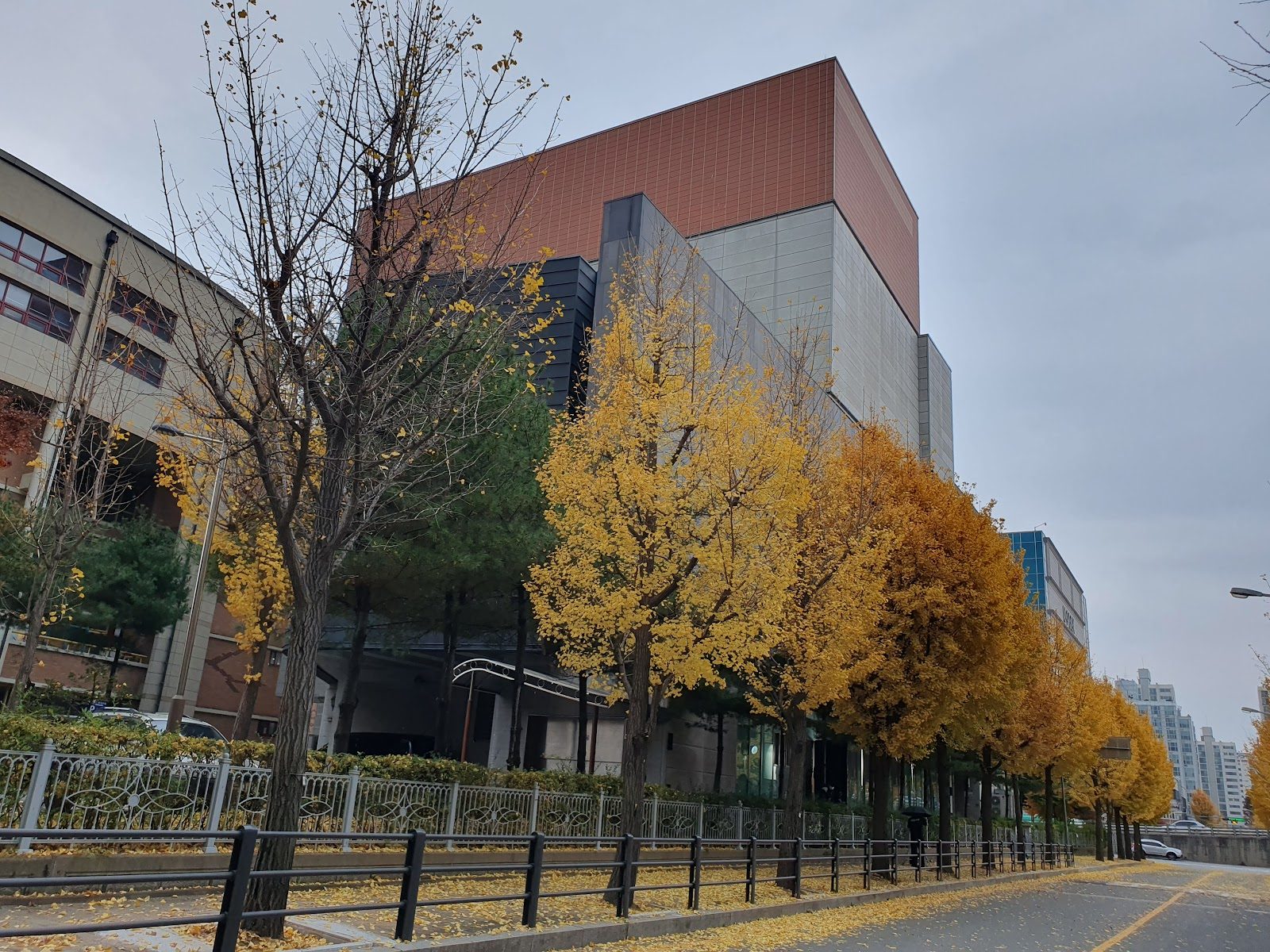
Gyeonggi Arts High School
Uijeongbu, Gyeonggi · South Korea
Gyeonggi's only publicly funded arts high school, housing music, fine art, theatre-film and animation studios under one dormitory roof.
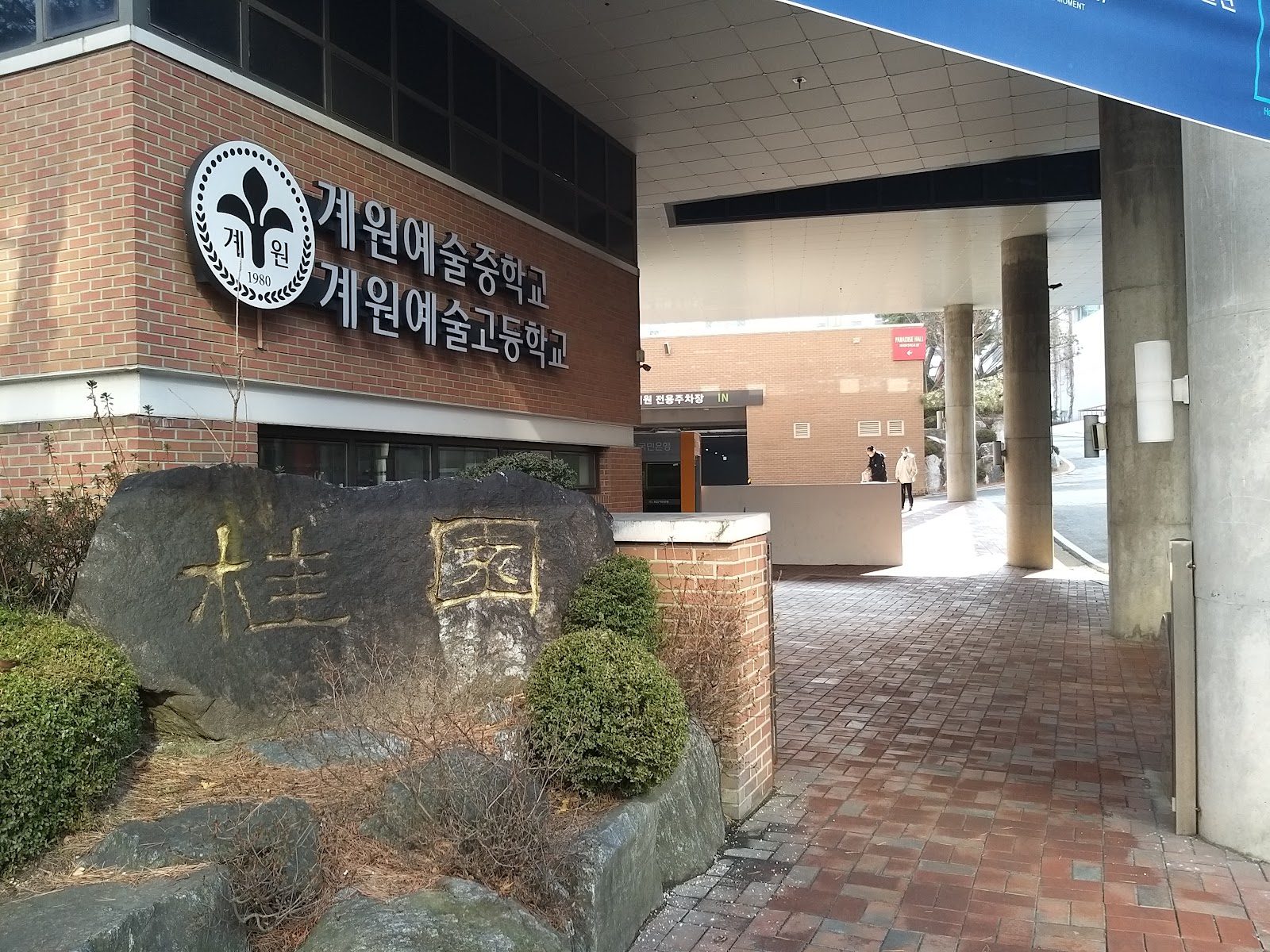
Kaywon High School of Arts
Uiwang, Gyeonggi · South Korea
Since 1980, a Gyeonggi campus splits fine art, music, dance and theatre into four dedicated conservatory tracks under one roof.

School of Performing Arts Seoul
Guro, Seoul · South Korea
Once a night school for Guro's factory workers, now a state-designated arts academy shaping Korea's stage, screen and dance talent.
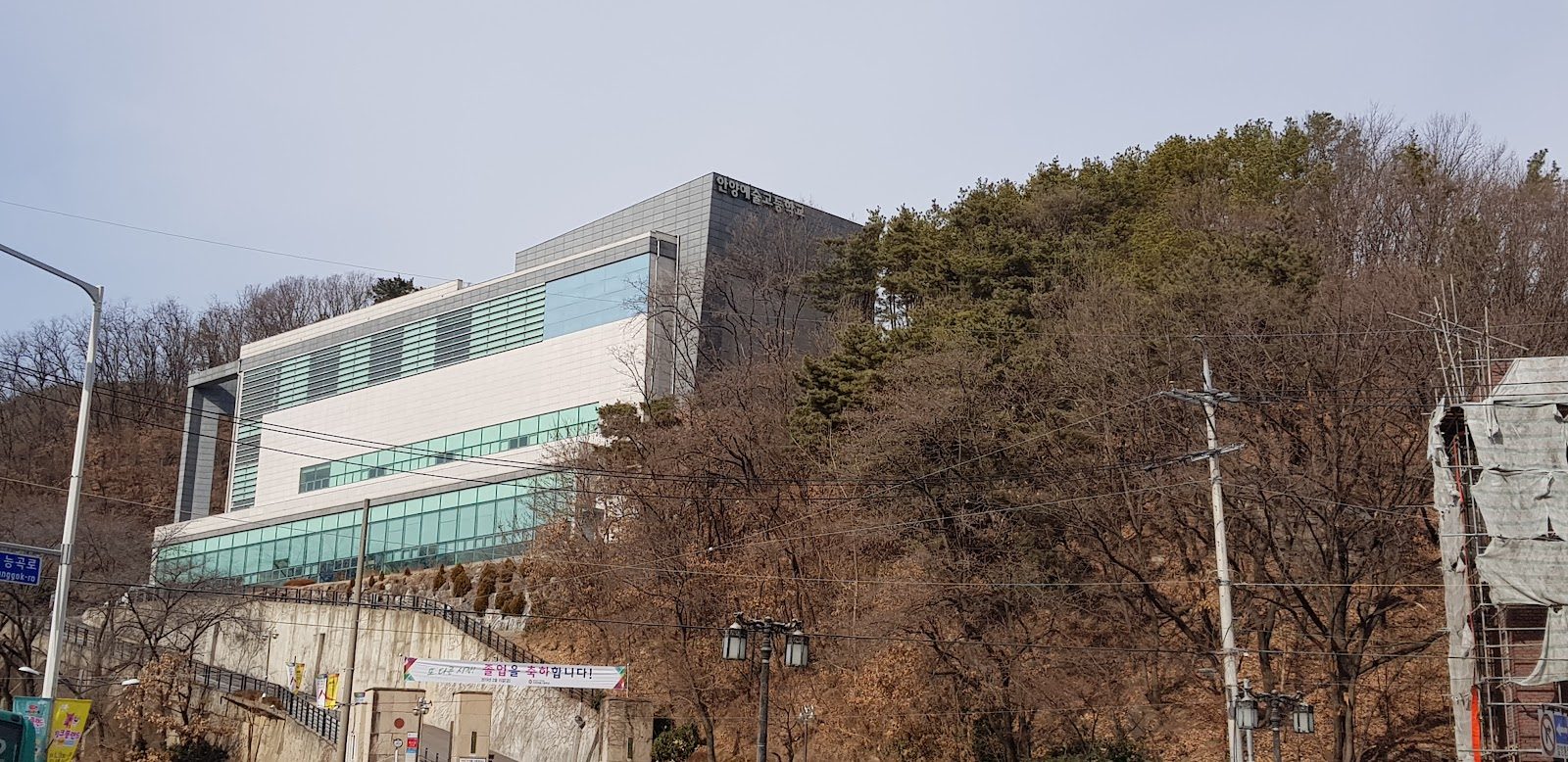
Anyang Arts High School
Anyang · South Korea
Tracing its roots to a 1960s film academy, this Anyang campus pairs literary, theater and dance training under one arts-focused roof.
Same specialism, country and curriculum — closest matches within ±10 points either way