
Tel Aviv District
Tabeetha School
medium confidence· 4/6 cats · 3.25 avg sourcesFounded in 1863 by a Scottish missionary's daughter, the only Church of Scotland school on earth still teaches Jaffa's three faiths side by side.
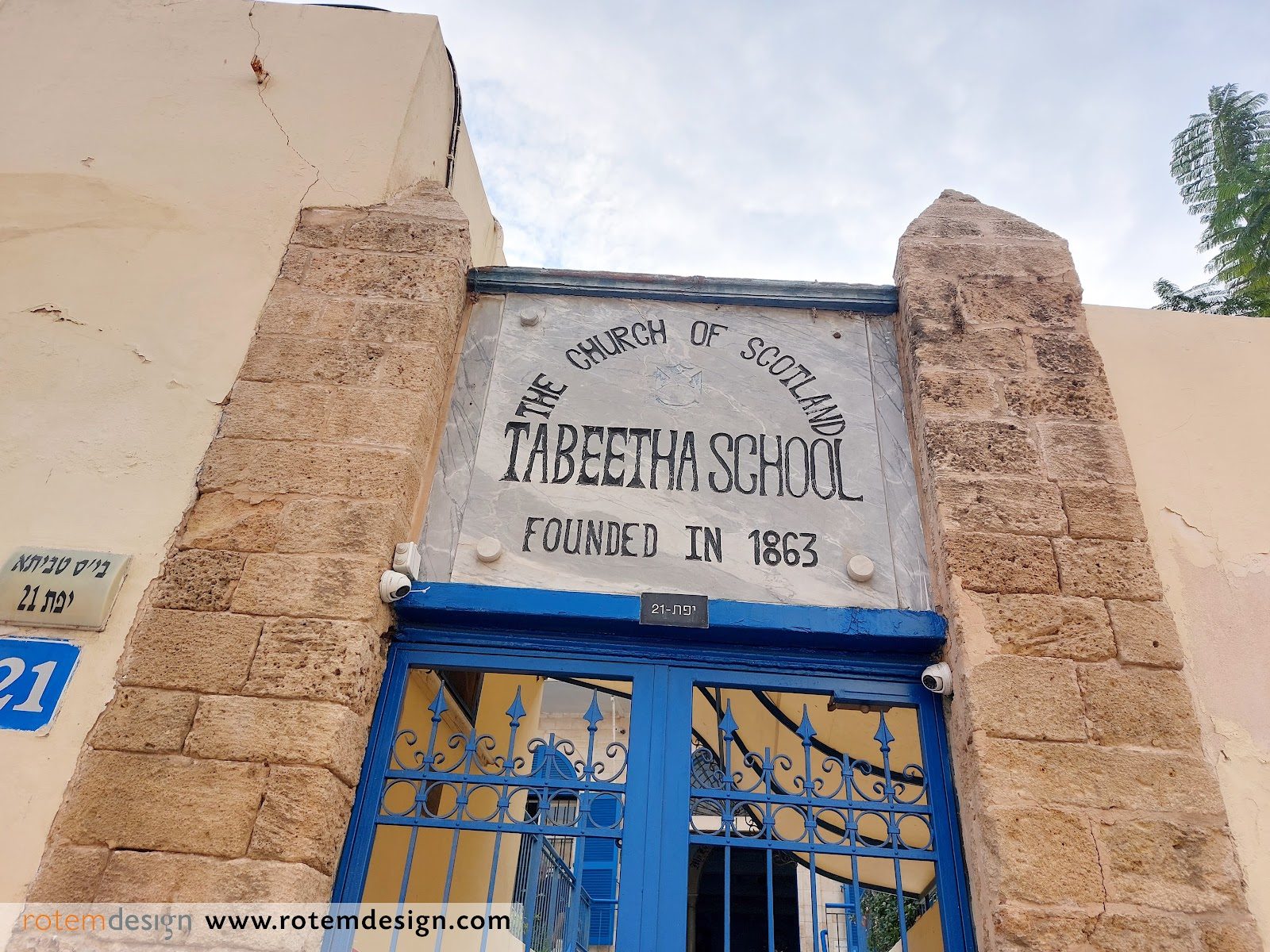
Photo © ruthi rotem via Google Maps
Type
Day
Ages
3–18
Curriculum
British
Ratio
—
The Verdict
Editor's commitment
Right for
Families wanting a British day school in Jaffa, founded in 1863, with English teaching and a Church of Scotland identity.
Wrong for
Parents seeking boarding, a secular brief, or anything outside a British curriculum for ages 3–18 will need another school.
Watch out for
COBIS accreditation gives external reassurance, but the school does not publish enough hard outcome data for clean academic scrutiny.
Ranking breakdown
Tabeetha School · #1300 of 1591
Composite score 55.7. 8 weighted criteria.
By criterion
Academic Outcomes
Weight 20%
#1278
of 1529 scored
University Placement
Weight 16%
#1259
of 1529 scored
Prestige & Heritage
Weight 12%
#1299
of 1571 scored
Alumni Network
Weight 12%
#994
of 1530 scored
Facilities
Weight 12%
#1303
of 1533 scored
Transparency & Communications
Weight 8%
#1246
of 1532 scored
Peer & Industry Review
Weight 10%
#1109
of 1548 scored
Admissions Selectivity & Demand
Weight 8%
#1123
of 1529 scored
Score history
Tabeetha School · 2026
Movement across 2024–2026. Peer average overlaid.
Overall — 2024–2026
55.7/ 100
▲ +25.5 vs 2025
year on year
Peer & Industry Review
How Tabeetha School is regarded in the sector
64
Respected · medium confidence
I could not verify at least two independent, third-party sources (e.g., Good Schools Guide, Tatler, inspectorate reports, or established expat forums) that specifically assess Tabeetha School's reputation. Without reliable citations beyond general knowledge or the school's own materials, a credible score cannot be assigned.
Editors' overview
Tabeetha School occupies a niche no competitor can copy. Founded in 1863, it carries more than age: it is the only Church of Scotland school in the world, set in Jaffa and open to children across racial, national and religious lines. That matters in this city. The school’s distinctive claim is not a flashy campus or a branded “global” concept; it is the daily fact of educating Muslim, Christian and Jewish pupils together in English. For parents who want a school with moral seriousness, lived pluralism and a clear civic purpose, Tabeetha earns a place on the shortlist at once.
Academically, the proposition is straightforward rather than expansive. Tabeetha declares a British curriculum, teaches in English, and runs as a day school for ages 3–18. It also holds COBIS accreditation, which gives it a recognised international benchmark. What the school does not trade on is scale, spectacle or a long list of premium-school embellishments. That cuts both ways. Families looking for vast facilities, a corporate international-school polish or a conveyor belt into elite universities may find the offer too modest. Families looking for substance over display will read that restraint differently. In a market crowded with schools selling aspiration, Tabeetha offers conviction, continuity and a social mix that many schools praise and few actually sustain.
The best fit is the child who can thrive in a community shaped by difference rather than insulated from it. This suits internationally minded families, locally rooted families who want strong English-medium education, and parents who care as much about character and coexistence as they do about credentials. It also suits students who do not need their school wrapped in luxury. Tabeetha’s value lies in its rare integrity and quiet confidence: a school where the mission is old, the setting is complex, and the point of education extends beyond examination results. For the right family, that is not a side note. It is the whole reason to choose it.
Academic Performance
Tabeetha does not publish the examination data that would let parents place it securely against other British schools in the region. We have not seen aggregate IGCSE or A level outcomes, no subject-by-subject breakdowns, no proportion of top grades, and no university destinations list robust enough to test academic traction. That leaves a real gap. In a market where stronger schools disclose at least headline pass rates and grade distributions, this level of opacity is a clear weakness. Parents who rank external results above mission, ethos or community mix will find the academic picture frustratingly thin.
That does not mean weak outcomes; it means unproven outcomes in public. The school’s case rests more on educational purpose than on published exam performance, and that places it outside the result-led tier of international schools that trade heavily on numbers. Relative to peers, Tabeetha reads as a school families choose for conviction and social fabric first, then test the academics through direct questioning. Any serious prospective parent should ask for the last 3 years of public examination results, grade distributions, destination data and value-added evidence. Until the school discloses that, its academic standing stays hard to verify rather than clearly strong.
Facilities
Tabeetha does not trade on hardware. Publicly available information does not set out a major sports complex, specialist performance centre, design lab network or the kind of campus inventory that premium British schools now use as a selling point. That matters. Against fee-heavy regional peers, the facilities proposition reads as modest, functional and plainly secondary to mission. Parents looking for Olympic-scale aquatics, black-box theatres, glossy maker spaces or sprawling grounds will not find evidence of that level of provision. The school’s urban site on Yefet Street points in a different direction: a more compact footprint, tighter daily circulation and less room for the spectacle that larger campuses package so aggressively. In facilities terms, this sits closer to a serious local school than to a destination campus.
That is not the same as inadequate. For the families drawn to Tabeetha, the critical question is whether classrooms, play areas, science provision, arts spaces and sports facilities are good enough to support a full school life without strain. The school does not publish enough detail to answer that cleanly, and that lack of disclosure is a real limitation. Peer schools with stronger operational discipline spell out their libraries, labs, pitches, studios and age-specific spaces. Tabeetha leaves parents to ask basic questions on a visit. Any family considering it should inspect the early years environment, outdoor space, science rooms and PE provision with unusually hard-headed attention. Facilities are not the reason to choose this school; if they matter heavily, benchmark it in person against at least 3 direct competitors.
Any family considering it should inspect the early years environment, outdoor space, science rooms and PE provision with unusually hard-headed attention
Prestige
Tabeetha carries niche prestige rather than market prestige. It does not sit in the regional top tier of schools that signal status through published results, vast campuses, selective branding or a conveyor belt into famous universities. Its standing comes from something rarer and less commercial: institutional singularity. There is only 1 Church of Scotland school in the world, and this is it. In a crowded international-school market, that gives Tabeetha a distinct identity that no competitor can replicate. For a certain kind of family, that matters more than polished social cachet. The school’s prestige rests on moral authority, endurance and seriousness of purpose, not on glamour.
That also sets a ceiling. Among parents who treat prestige as shorthand for academic firepower, wealth signalling or elite admissions, Tabeetha does not command the same weight. The missing public exam data weakens its claim in that company; prestige without transparent outcomes has limits. Where it does carry force is among families who value lived pluralism, historic legitimacy and a school culture not engineered by marketing teams. Educating children from different faith backgrounds side by side in this setting gives Tabeetha a form of civic prestige that many schools talk about and few sustain. The rating, then, is *high in distinction, moderate in conventional status*: respected for what it stands for, not coveted as a luxury badge.
Its standing comes from something rarer and less commercial: institutional singularity
Communications
Tabeetha’s parent communication reads as serviceable rather than strategic. The public-facing message is clear on the school’s core moral proposition and admissions openness, but thin on the operational detail that parents now expect as standard. We have not seen a strong body of published information on reporting rhythms, parent portals, calendar discipline, leadership updates, exam briefings or the practical mechanics of home–school contact. That absence matters because communication is not a cosmetic extra at a mission-driven school; it is the system that turns trust into daily confidence. When a school asks families to buy into a serious social purpose, it also needs to show plain competence in the routine business of keeping them informed.
The effect is mixed. On ethos, Tabeetha communicates with clarity and moral conviction. On logistics, performance and school life, the picture is noticeably opaque. Parents who value warmth, accessibility and a close-knit community may find direct contact fills the gaps once they are inside. Prospective families, though, face too many basic questions that stronger schools answer before the first visit. A disciplined communications set-up would publish clearer academic reporting structures, leadership messages, key policies and a more complete picture of student life across the full age range from 3 to 18. Until that is visible, communication sits in the credible but underpowered category: enough to express identity, not enough to demonstrate institutional sharpness.
Uniqueness
Tabeetha’s uniqueness rests on a combination almost no school can match: a Church of Scotland foundation, an explicitly open admissions stance across race, nationality, gender and religion, and a student body shaped by the fault lines of its surrounding city rather than screened off from them. Many schools advertise diversity as a marketing line. Tabeetha builds it into the daily mechanics of school life. The distinctive point is not international branding or premium infrastructure; it is the disciplined normality of children from Muslim, Christian and Jewish backgrounds learning together under 1 institutional roof. That gives the school a rare civic function. It is not diversity as decoration. It is coexistence with consequences.
For students, that brings an education in social intelligence that cannot be manufactured through theme weeks, assemblies or mission statements. Children learn early that difference is not abstract and not optional; it is the person beside them in class, on the playground and in group work. Done well, that produces unshowy resilience, sharper listening, and a habit of dealing with disagreement without panic. It also gives moral weight to the school experience. Tabeetha offers students more than classroom instruction: it gives them practice in living inside a plural society without retreating into sameness. In a fractured environment, that is a serious inheritance and a form of preparation many more polished schools do not deliver.
Tabeetha School occupies a niche no competitor can copy
Student Profile
The best fit is the child who does not need social sameness to feel secure. Tabeetha suits pupils who can live comfortably among classmates from different faiths, backgrounds and family narratives, and who gain from a school culture built around daily contact rather than curated diversity messaging. This works well for internationally minded families, mixed-background households and locally rooted parents who want their children educated in a community with real social breadth. It also suits students with a strong moral centre who do not need a campus culture driven by status display, luxury or relentless competition. Children who flourish here tend to be grounded, open-minded and able to handle difference without turning it into drama.
The less suitable profile is just as clear. A child who wants a big-school social scene, highly polished facilities, or an identity built around top-end exam swagger may find the atmosphere too plain and the institutional style too unshowy. Families who want public proof of academic edge before they commit will need harder answers than the school currently puts into the public domain. By contrast, pupils who value close community, seriousness of purpose and a school life with civic weight have a stronger match. The school serves a wide age span from 3 to 18, so adaptability matters: children need to grow within a community that asks them not just to achieve, but to live alongside others with unusual maturity.
For parents who want a school with moral seriousness, lived pluralism and a clear civic purpose, Tabeetha earns a place on the shortlist at once
Co-curricular strengths
Arts & sport, on a separate axis
Overall 6.7/10
Scored 0-10 from the school's own published evidence. This axis is editorial-only — it does not feed the main WTS ranking.
Sports
6.5/10
The extracurriculars explicitly list multiple sports—football, basketball, volleyball and swimming—showing a solid multi-activity offering.
Drama
7/10
Drama club is explicitly named in the extracurriculars, but there is.
Dance
5/10
Music
7.5/10
Both a school choir and an orchestra, indicating more than a bare mention and showing structured music participation, but provides no facility, department or achievement detail.
Visual Arts
7.5/10
Art club is offered, but there is.
Editor first-pass · editor-reviewable · 7/27/2026
Strengths
- +Founded in 1863; unusually established for the region.
- +British curriculum may suit expatriate transitions.
- +Church of Scotland oversight gives clear institutional identity.
- +Welcomes all children regardless of religion or nationality.
Considerations
- −Church-run school may not suit secular families.
- −Located in Jaffa, not a quieter suburban campus.
- −Little published here on results, fees or accreditations.
Availability
Primary entry gate & tests
Academic Record
Gallery
Photo © Max Chen via Google Maps
Photo © Masataka Suzuki via Google Maps
Photo © Masataka Suzuki via Google Maps
Photo © Masataka Suzuki via Google Maps
Photo © Masataka Suzuki via Google Maps
Photo © Masataka Suzuki via Google Maps
Photo © Masataka Suzuki via Google Maps
Photo © Masataka Suzuki via Google Maps
Photo © Piotr Drozd via Google Maps
Parent reviews
Have you sent your child here?
Voice reviews carry the strongest trust badge — we transcribe them for you to tidy up before they go live. Prefer to type? A written review is fine too.
Add your voice
In 60 seconds, tell other parents: what's the best thing about Tabeetha School, and what surprised you when your child joined?
We ask for a Google sign-in so every review has a real face behind it — no anonymous drive-by attacks on schools, and no faked positive reviews. Your email is never shown publicly.
Send this profile to a friend
International parents rely on word-of-mouth. Share this review with someone weighing the same decision.
Schools with places
Similar schools to Tabeetha School with places available now.
Availability first, then country, area, curriculum, price, co-curricular
Consider also
Also worth looking at alongside Tabeetha School.
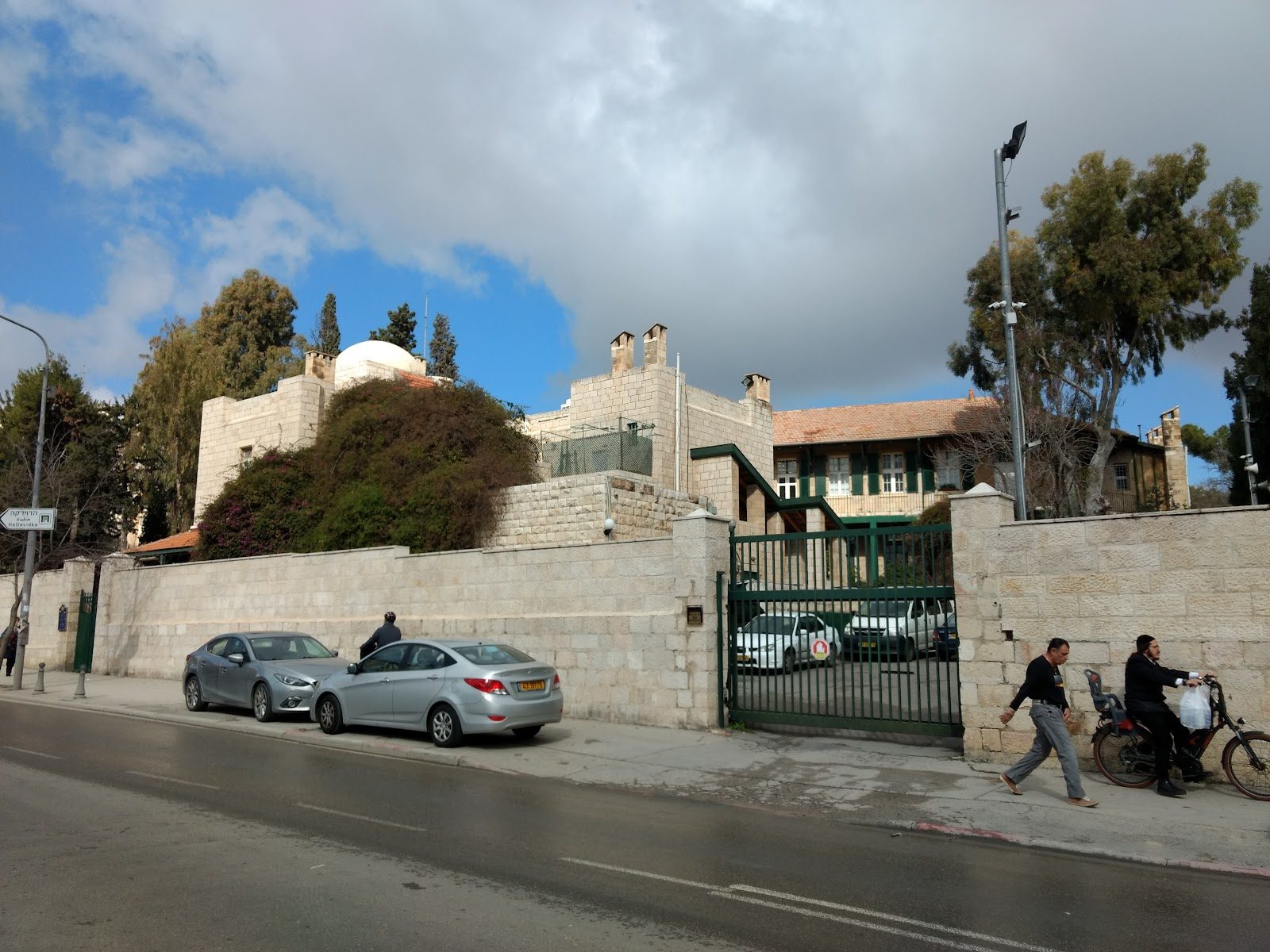
Anglican International School Jerusalem
Jerusalem · Israel
The first school in Israel authorised for the IB, mixing British roots with over thirty nationalities inside Jerusalem's ancient walls.
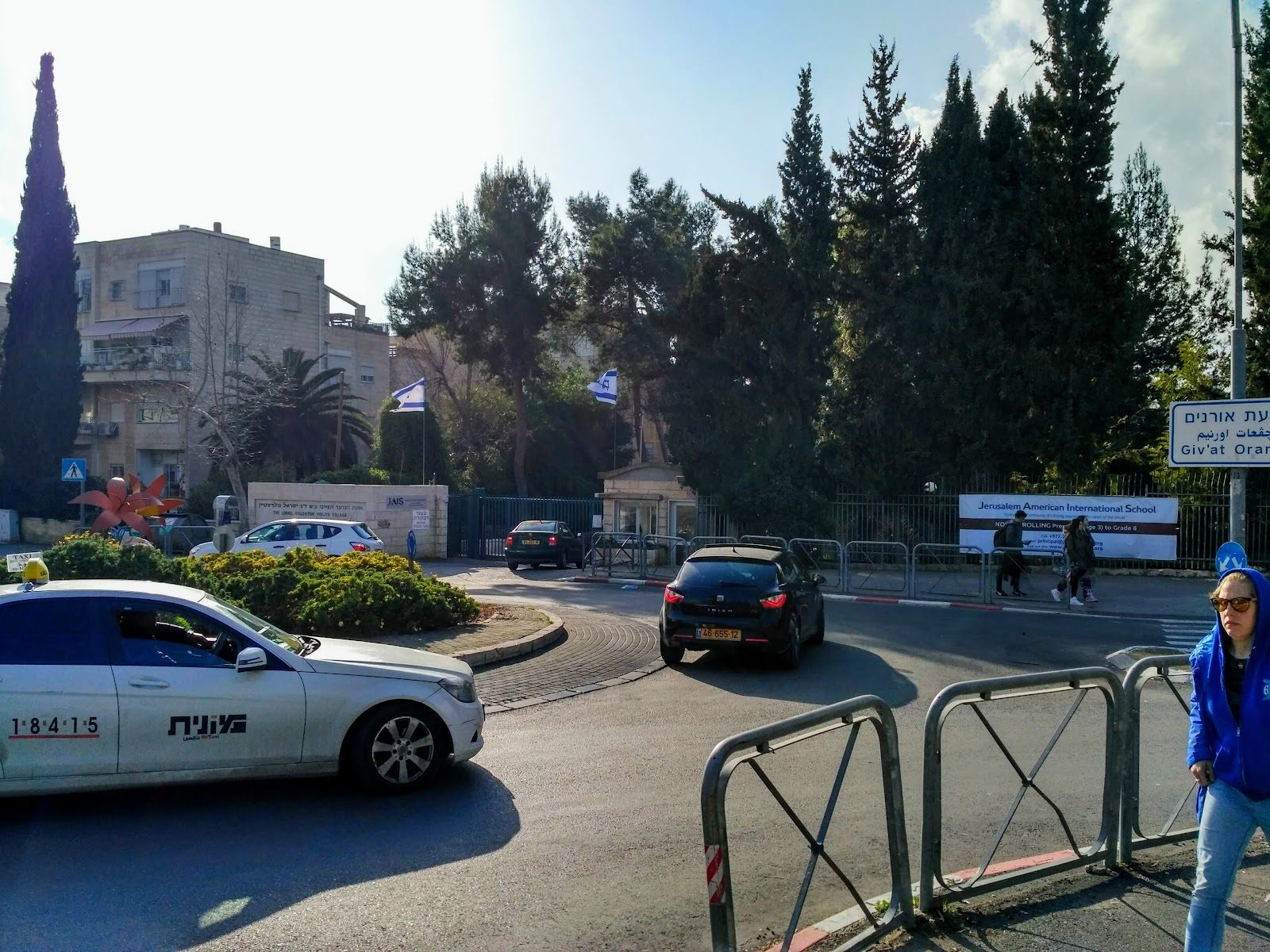
Jerusalem American International School
Jerusalem · Israel
A compact American day school weaving Jerusalem Studies into its curriculum for diplomatic, NGO and embassy families.
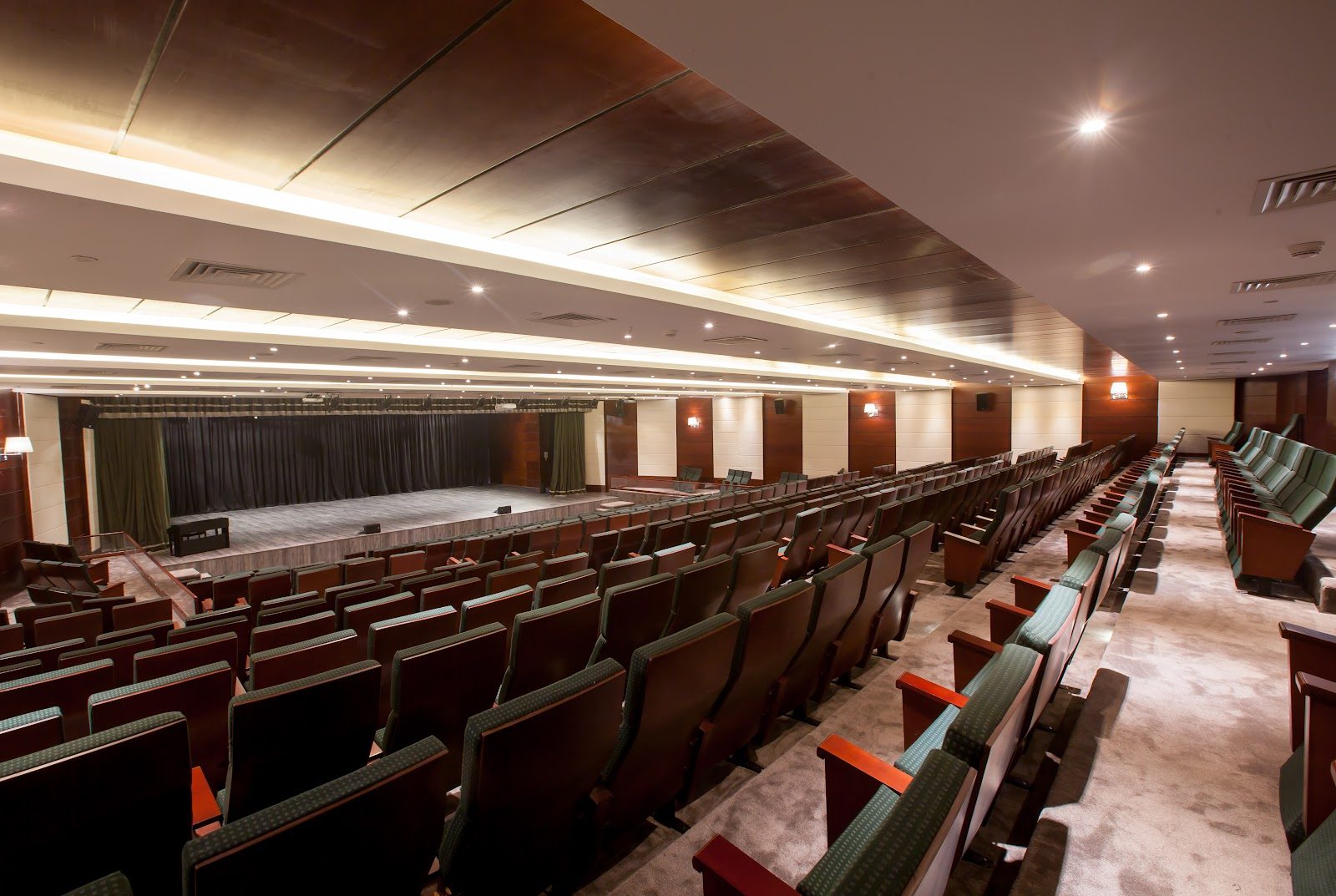
Malvern College Egypt
New Cairo · Egypt
In New Cairo, a house-based day school pairs A-Levels with the IB Diploma, carrying a 150-year Malvern lineage.
Craighouse School
Santiago · Chile
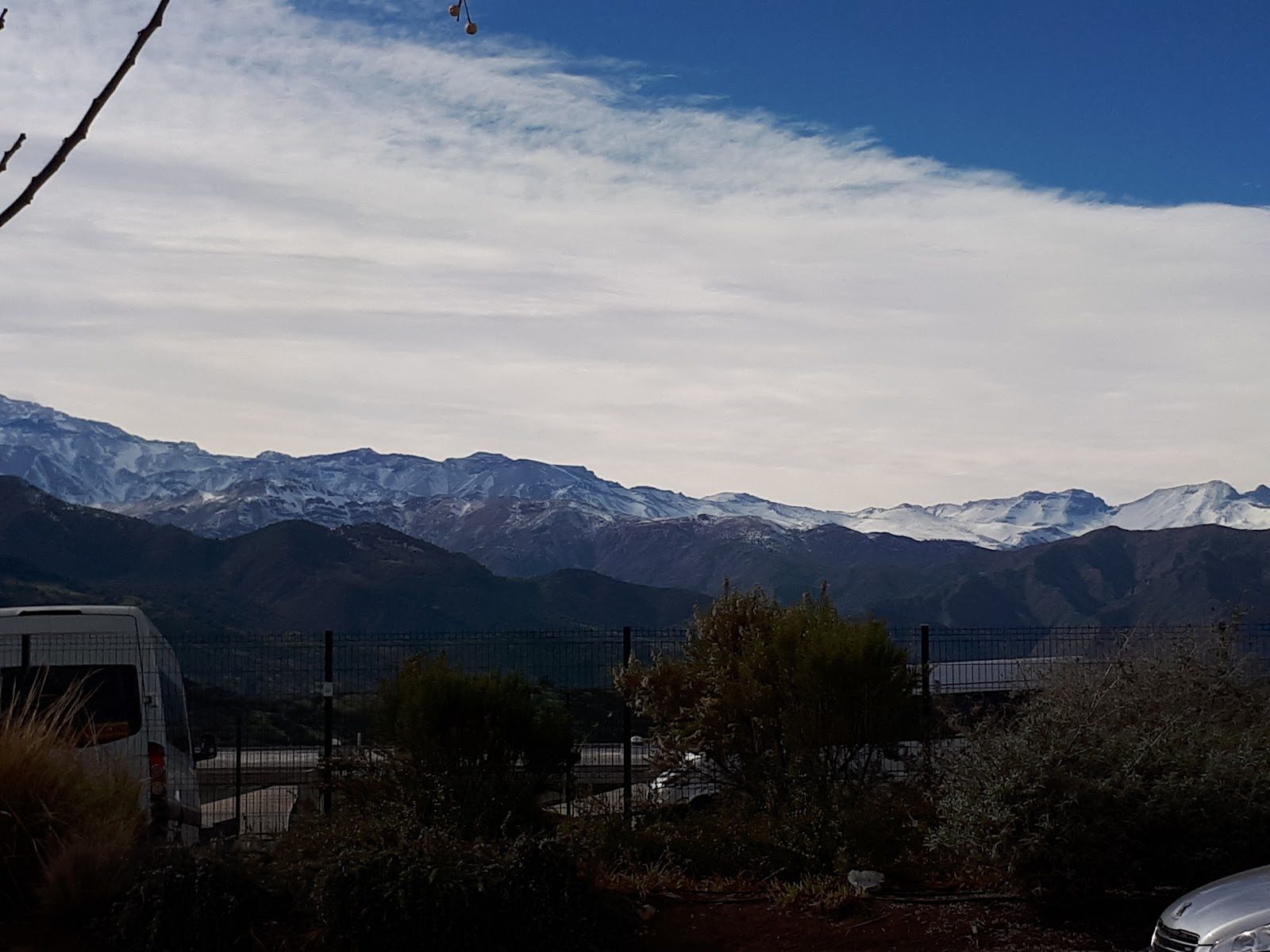
A Scottish surname turned school name, blending British house tradition with a full IB continuum on a 24-hectare Andean campus.
Same country and curriculum — closest matches within ±10 points either way