
Lo Barnechea
Craighouse School
medium confidence· 4/6 cats · 1.5 avg sourcesA Scottish surname turned school name, blending British house tradition with a full IB continuum on a 24-hectare Andean campus.
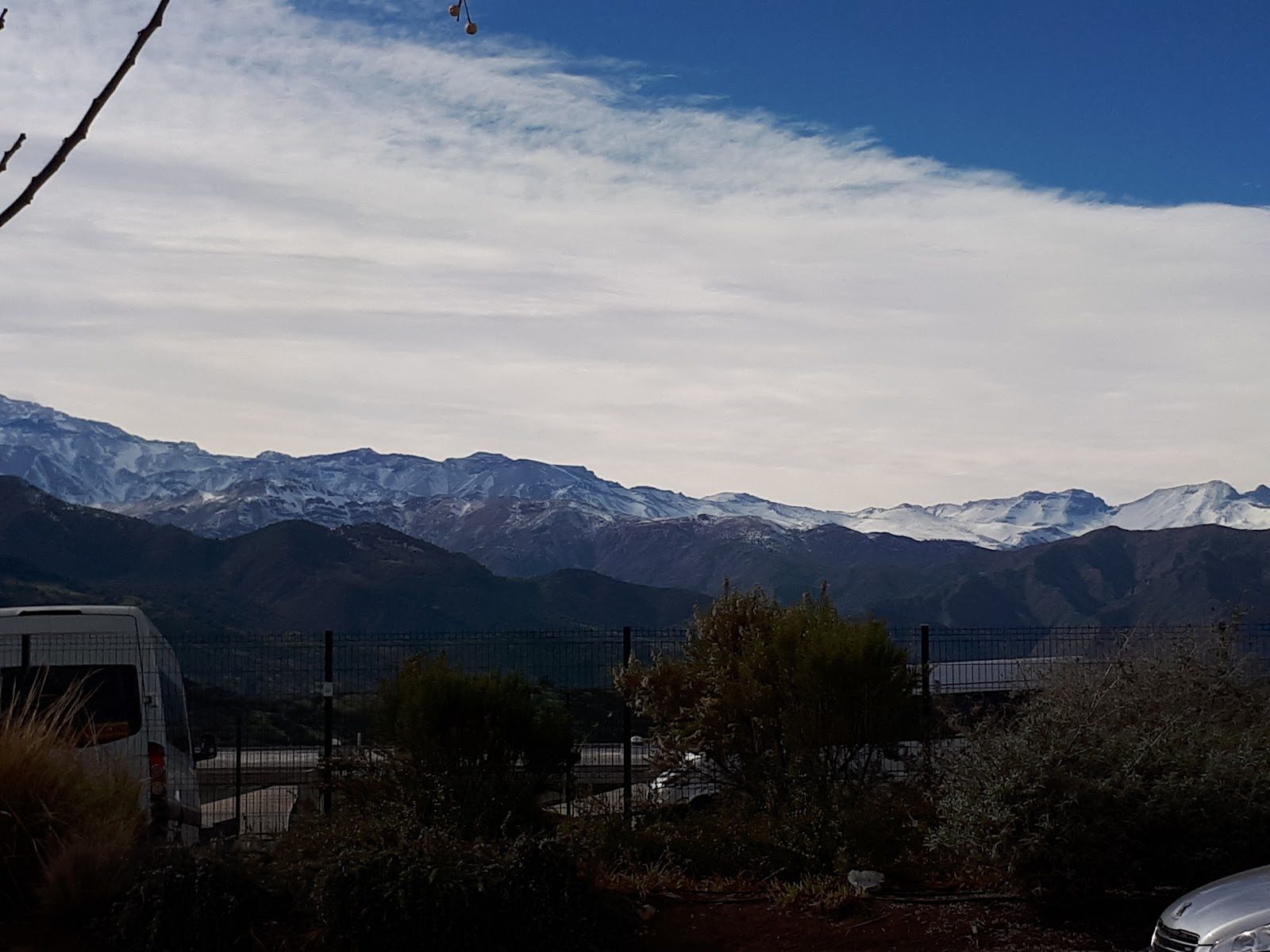
Photo © Choco via Google Maps
Type
Day
Ages
3–18
Curriculum
IB · British
Qualifications
IB Diploma · IGCSE
Ratio
—
The Verdict
Editor's commitment
Right for
Families in Santiago who want a 1959-founded day school with British house culture and the full IB continuum in Spanish and English.
Wrong for
Parents after boarding, religious formation or a single-curriculum route; Craighouse is non-religious, day-only, and combines British and IB.
Watch out for
HMC membership and IB World School status signal ambition, but accreditations do not spare a child from a long 3–18 journey on one campus.
Ranking breakdown
Craighouse School · #1303 of 1591
Composite score 55.7. 8 weighted criteria.
By criterion
Academic Outcomes
Weight 20%
#1279
of 1529 scored
University Placement
Weight 16%
#1259
of 1529 scored
Prestige & Heritage
Weight 12%
#1287
of 1529 scored
Alumni Network
Weight 12%
#1131
of 1529 scored
Facilities
Weight 12%
#1301
of 1529 scored
Transparency & Communications
Weight 8%
#1245
of 1529 scored
Peer & Industry Review
Weight 10%
#1098
of 1529 scored
Admissions Selectivity & Demand
Weight 8%
#1123
of 1529 scored
Peer & Industry Review
How Craighouse School is regarded in the sector
64
Respected · medium confidence
I could not verify at least two independent, third-party sources (e.g., Tatler, Good Schools Guide, specialist education press, or established expat forums) that substantively assess Craighouse School's reputation. Available information appears limited to the school's own materials or unverifiable references, which do not meet the sourcing threshold required for a confident score.
Editors' overview
Craighouse School occupies a narrow and coveted niche in Santiago: a non-religious, bilingual day school with both British heritage and the full IB continuum, set on a 24-hectare campus. Founded in 1959, it has had time to harden its identity. The formula is clear: Spanish and English, house tradition, a long age range from 3 to 18, and the academic architecture of the IB from start to finish. That combination gives parents something rare in Chilean schooling: institutional confidence, clear academic continuity and a culture that reads British in structure without turning into a museum piece.
What distinguishes Craighouse is not novelty but synthesis. Plenty of schools offer bilingual teaching. Plenty claim internationalism. Craighouse ties those claims to a recognisable school model: disciplined pastoral organisation, competitive house life, and an academically serious programme that runs through the whole school rather than switching tracks at the senior end. HMC membership sharpens that positioning. It places Craighouse in conversation with established British independent schools, not just local competitors with an international label. For families who want social polish without religiosity, and serious academic mileage without a narrowly local curriculum, that matters.
It also belongs on a shortlist because it solves a practical problem for internationally minded Chile-based families. A child can enter at 3 and stay through 18 in one coherent system, in two languages, without the educational whiplash that comes from moving between unrelated curricula. That makes Craighouse attractive to ambitious local families, expatriates planning a long stay, and parents who value optionality for university destinations. The school’s scale and established reputation also give it a degree of earned prestige in the Santiago market. This is not a boutique newcomer trading on design language and aspiration.
The best fit is a student who thrives in a structured, high-expectation environment and wants breadth as well as attainment. Craighouse suits children who will use the campus, join in house culture, cope with bilingual demands and benefit from the steady accumulation of IB habits over time. It is less suited to families hunting for an overtly progressive, loose, or anti-traditional atmosphere. The appeal lies in stable ambition, bilingual fluency and a school culture built to carry students for the long term, not just decorate an admissions brochure.
Academic Performance
Craighouse advertises its IB outcomes with enough clarity to place it in the upper tier of Chilean schools running the diploma. The headline figure is a 36-point average in the diploma, against a global benchmark of 30.3. That is not marginal outperformance; it is clear academic lift. The school also reports a 100% diploma pass rate in the cohort cited, which signals strong baseline preparation as well as support through the examination cycle. In a market where many schools trade on brand, bilingualism or campus scale while leaving results opaque, Craighouse does the useful thing and publishes numbers parents can interrogate.
Relative to peers, that profile puts it in the serious-results bracket rather than the merely reputable one. A mid-30s IB average marks a school with a genuinely strong sixth form culture, disciplined teaching and a student body that can sustain academic pressure across subjects. It does not put Craighouse in the tiny global cluster of schools posting extreme averages in the high 30s and 40s, so this is not an exam factory chasing statistical glamour at any cost. The more persuasive reading is high-functioning consistency: strong aggregate performance, universal passage through the diploma, and outcomes robust enough to justify the school’s standing among Santiago’s established independent schools.
Facilities
The campus is one of Craighouse’s strongest assets. At 24 hectares, it operates at a scale few urban day schools can match, and that matters because space changes the daily experience of school. This is not a compact city site making do with a single pitch and a multipurpose hall. Families get room for proper outdoor sport, movement between sections of the school, and a sense of physical separation from the pressure of the city. Against peer schools in Santiago, that places Craighouse in the large-campus league: more expansive, less cramped, and better suited to a school that wants games, house activity and co-curricular life to carry real weight rather than function as timetable filler.
The key question is not glamour but usefulness, and on that test the estate reads serious and practical. A school with this footprint has the capacity to support sustained sport, outdoor recreation and the kind of all-day school life affluent families expect at the top end of the market. That gives Craighouse an advantage over academically strong rivals working on tighter plots, where facilities can feel compressed and heavily booked. We have not seen the school publish the same level of public detail on specialist spaces that some competitors now provide for theatres, labs, design suites or aquatic provision, so there is less to interrogate in those areas. The headline strength lies in *space, breadth and institutional confidence*, not in a loudly marketed facilities arms race.
Its uniqueness comes from settled ambition: a school that knows exactly what it is doing, and asks students to meet that standard every day
Prestige
Craighouse sits in Santiago’s upper social and academic tier. Its prestige rests on durability, selectivity of audience and the kind of institutional finish that affluent families recognise at once: strong examination outcomes, a settled house culture, polished co-curricular life and a parent body that expects universities abroad to stay in play. The school does not trade on novelty. It trades on entrenched standing. In Chile, that carries weight. Families know the name, and they attach it to a specific social world: ambitious, well-networked, outward-facing and comfortable with competition. The reported 36-point diploma average and 100% pass rate give that reputation hard academic backing, which matters more than inherited cachet alone.
I rate its prestige highly because it combines social capital with credible academic delivery. Some schools manage one and coast on it; Craighouse has both. The British inflection adds status in a local market where heritage still signals seriousness, while the full-through schooling model gives the institution a long hold over family loyalty and peer networks. That said, this is not prestige built on mystique or extreme exclusivity in the mould of a tiny old-world establishment. It is established, visible prestige: substantial, locally legible, and reinforced by results that withstand scrutiny. For families who care about reputation, university pathways and the company their children keep, Craighouse delivers the real thing rather than a glossy imitation.
Craighouse School occupies a narrow and coveted niche in Santiago: a non-religious, bilingual day school with both British heritage and the full IB continuum, set on a 24-hectare campus
Communications
Craighouse communicates with parents in the manner of an established, self-possessed school: formal, structured and aimed at families who already understand the rhythms of institutional life. The website does the core jobs cleanly — admissions, school structure, key contacts, calendar logic and headline results — without collapsing into sales talk. That matters. Schools serving a demanding parent body need to publish enough to reduce friction, and Craighouse clears that bar. The tone reads controlled, adult and institutionally confident. It does not chase warmth for its own sake, and that will suit many families at this end of the market. Parents looking for a school that narrates every detail with hand-holding intimacy may find the style cooler than they want.
Its effectiveness is strongest at the macro level and less proven in the day-to-day detail. We can see clear public communication of headline academic outcomes, including a 100% diploma pass rate and a 36-point average, which signals a school comfortable with scrutiny where it counts. That is a mark in its favour. What we do not see published with the same force is a richer public picture of operational communication: fewer visible examples of the granular transparency some competitors now offer around pastoral systems, learning support, specialist provision or parent-facing routines. That does not mean communication is weak; it means the public face is disciplined rather than expansive. For the right family, that reads as efficient seriousness. For others, it leaves avoidable questions unanswered.
Uniqueness
Craighouse’s distinctiveness lies in the way it fuses two school traditions that often sit awkwardly together: British-style institutional structure and a Latin American social setting. The house system, the bilingual delivery, and the through-school design create a culture that is highly organised, socially well-drilled and academically deliberate. Many schools borrow bits of British vocabulary; Craighouse has built a full operating model around it. That gives students something more valuable than branding: stable expectations, clear routines, and a strong sense that school life extends beyond lessons into competition, loyalty and belonging. The full age-range matters here. Children do not have to re-learn the rules of the institution every few years; they grow up inside one coherent framework from 3 to 18.
The result for students is a schooling experience with real continuity and social definition. They learn to move between languages and settings without treating either as ornamental. They also benefit from a campus large enough to let the school’s culture breathe rather than feel cramped or theatrical. That matters in practice: games, events, outdoor life and inter-house activity can carry substance. The trade-off is clear. Craighouse is not a loose, experimental school for families who want constant reinvention or a low-pressure atmosphere. Its uniqueness comes from settled ambition: a school that knows exactly what it is doing, and asks students to meet that standard every day.
The formula is clear: Spanish and English, house tradition, a long age range from 3 to 18, and the academic architecture of the IB from start to finish
Student Profile
Craighouse suits students who are comfortable with structure, competition and a social environment that starts forming early. The best fit is a child who likes belonging to something organised: houses, teams, fixtures, performances, routines, expectations. This is not a school for the child who wants to drift anonymously through the day or negotiate every boundary. It favours students who can handle steady pressure, join in publicly and live with comparison to capable peers. Because the school carries children from the early years to university entry, social confidence matters. So does resilience. In a through-school with an established parent body, reputations form quickly and stick. For the right student, that creates strong identity and durable friendships. For the wrong one, it can feel socially exacting.
The strongest candidates are bilingual, outward-facing and academically durable without needing constant rescue. They do not need to be extroverts, but they do need enough composure to participate, enough self-discipline to keep up, and enough appetite for a busy school life to use what the campus offers. Families who value polished ambition, clear standards and a well-networked peer group will find their tribe here. Families seeking a softer, more therapeutic culture, or a school built around radical individualism, will not. Craighouse rewards students who can flourish inside an institution with a settled pecking order and a lot of momentum behind it.
It places Craighouse in conversation with established British independent schools, not just local competitors with an international label
Co-curricular strengths
Arts & sport, on a separate axis
Overall 8.04/10
Scored 0-10 from the school's own published evidence. This axis is editorial-only — it does not feed the main WTS ranking.
Sports
9.2/10
Drama
8/10
Dance
6.8/10
Music
8/10
Visual Arts
8.2/10
Editor first-pass · editor-reviewable · 7/30/2026
Strengths
- +Offers the IB Diploma Programme alongside a British curriculum framework, giving families a dual pathway toward UK and international university admission.
- +Located in the Vitacura area of Santiago, placing it within an established corridor of international schools serving expatriate and diplomatic families.
- +Bilingual (English-Spanish) instructional model gives non-Spanish-speaking arrivals a structured route to functional bilingualism rather than immersion-only teaching.
- +Coeducational day school structure suits families wanting siblings of both genders on one campus without boarding logistics.
- +Long-established presence in Santiago's international school market, giving it more institutional continuity than newer bilingual startups in the city.
Considerations
- −As a day school only, it offers no boarding option, which limits it for families based outside commutable Santiago neighbourhoods.
- −Editorial rank of 1255 places it well outside the top tier of internationally benchmarked schools, reflecting limited independently verified academic outcome data.
- −Fee levels and detailed IB/A-level results are not consistently published in accessible public sources, making cost and outcome comparisons difficult for relocating families.
- −Bilingual British-IB hybrid model, while flexible, means it lacks the singular curricular identity of a straight British or straight IB school, which can complicate transfer credit for families moving on to a different system.
Availability
Primary entry gate & tests
Academic Record
Gallery
Photo © Choco via Google Maps
Photo © Choco via Google Maps
Photo © Choco via Google Maps
Photo © Choco via Google Maps
Photo © Victor Oyanedel via Google Maps
Parent reviews
Have you sent your child here?
Voice reviews carry the strongest trust badge — we transcribe them for you to tidy up before they go live. Prefer to type? A written review is fine too.
Add your voice
In 60 seconds, tell other parents: what's the best thing about Craighouse School, and what surprised you when your child joined?
We ask for a Google sign-in so every review has a real face behind it — no anonymous drive-by attacks on schools, and no faked positive reviews. Your email is never shown publicly.
Send this profile to a friend
International parents rely on word-of-mouth. Share this review with someone weighing the same decision.
Schools with places
Similar schools to Craighouse School with places available now.
Availability first, then country, area, curriculum, price, co-curricular
Consider also
Also worth looking at alongside Craighouse School.
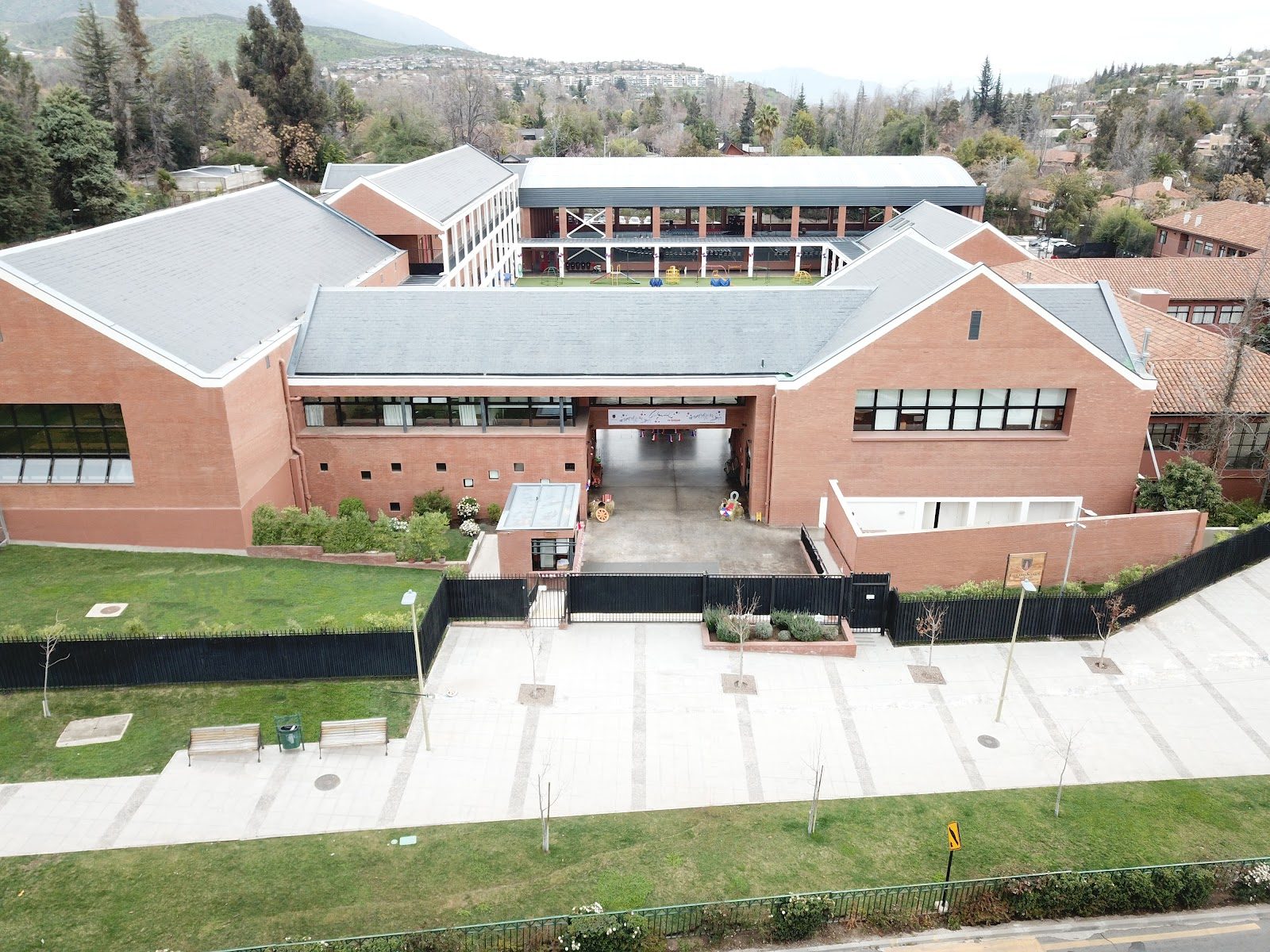
Redland School
Santiago · Chile
On a 24-hectare foothill campus in Las Condes, IB rigor meets Chile's national curriculum and a mountain-bike circuit.
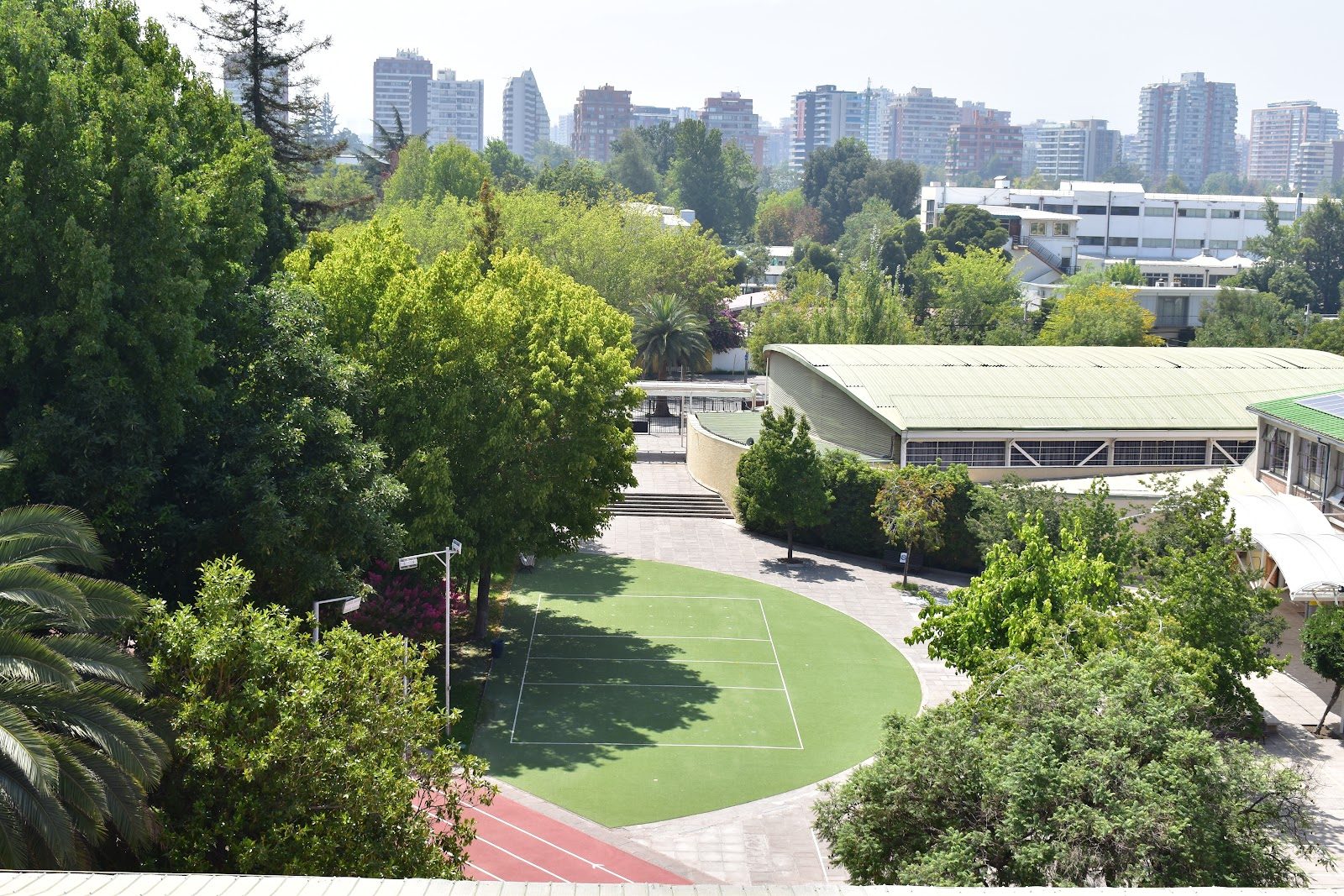
Colegio Villa María Academy
Santiago · Chile
Founded by American nuns in 1940 and lay-led since 2011, this Las Condes girls' school pairs Catholic tradition with the IB diploma.
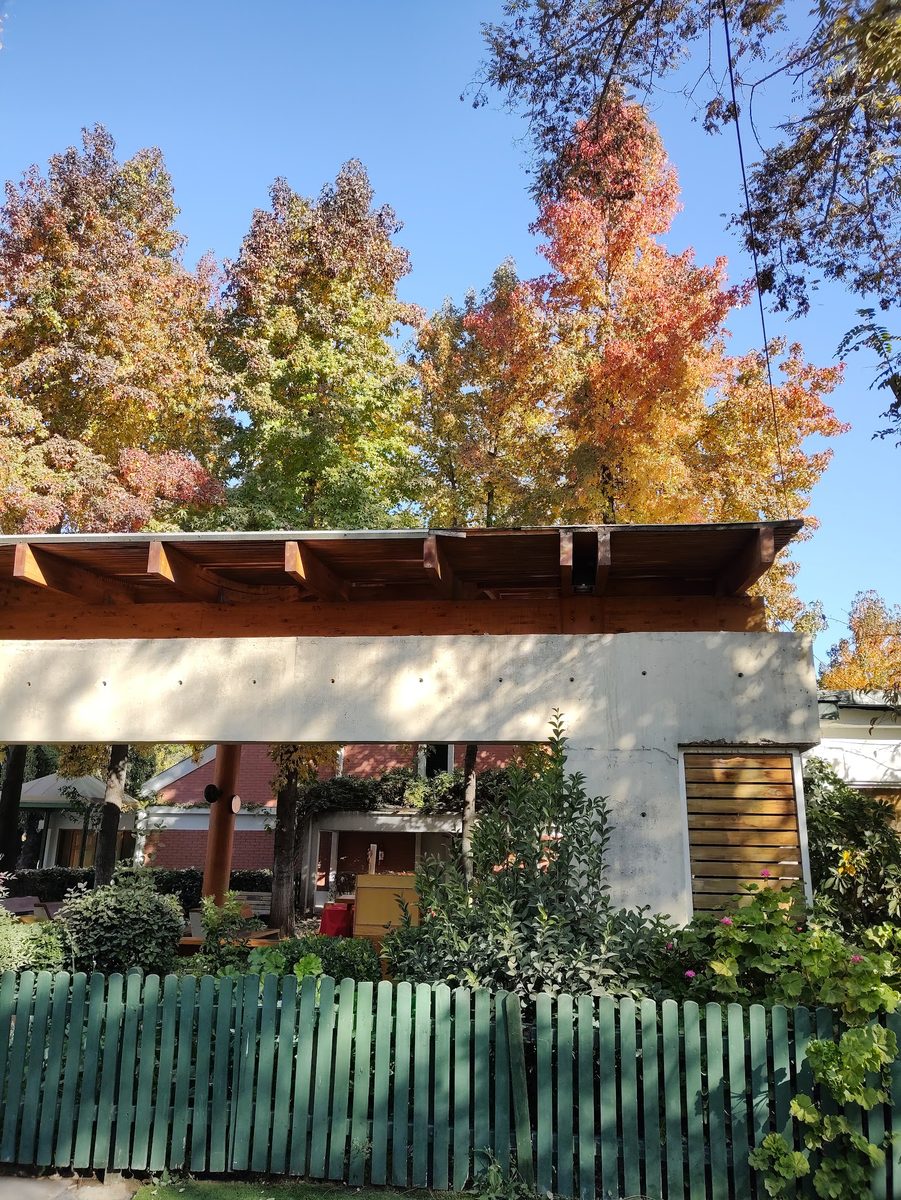
Saint George's College Santiago
Santiago · Chile
A Holy Cross foundation in Vitacura since 1936 that has quietly seeded a third of Chile's top-200 corporate boardrooms.
The Newlands School
Santiago · Chile
A British day-school ethos meets IB rigor in the Andean foothills of Lo Barnechea, just outside Santiago.
Same country and curriculum — closest matches within ±10 points either way