
Cilandak
Lycée Français Louis-Charles Damais
medium confidence· 4/6 cats · 1.5 avg sourcesNamed for a French scholar entranced by gamelan, this Cipete campus pairs Baccalaureate rigor with Javanese roots.
Photo © Pulau Biru Pool's Group via Google Maps
Type
Day
Ages
2–18
Curriculum
French Baccalaureate
Ratio
—
The Verdict
Editor's commitment
Right for
Families in Jakarta who want the French Baccalauréat from ages 2–18, with French, English and Indonesian used across school life.
Wrong for
Anyone wanting boarding, a British or IB pathway, or a religious ethos; this is a non-religious day school founded in 1969.
Watch out for
The average annual day fee is IDR 185,548,916, and AEFE alignment means the school answers first to the French system, not local fashion.
Ranking breakdown
Lycée Français Louis-Charles Damais · #1449 of 1591
Composite score 50.5. 8 weighted criteria.
By criterion
Academic Outcomes
Weight 20%
#1382
of 1529 scored
University Placement
Weight 16%
#1371
of 1529 scored
Prestige & Heritage
Weight 12%
#1437
of 1571 scored
Alumni Network
Weight 12%
#1113
of 1530 scored
Facilities
Weight 12%
#1465
of 1533 scored
Transparency & Communications
Weight 8%
#1437
of 1532 scored
Peer & Industry Review
Weight 10%
#1216
of 1548 scored
Admissions Selectivity & Demand
Weight 8%
#1326
of 1529 scored
Peer & Industry Review
How Lycée Français Louis-Charles Damais is regarded in the sector
63
Respected · medium confidence
I could not identify at least two independent, credible third-party sources (e.g., Tatler, Good Schools Guide, specialist education press, or established expat-parent forums) that specifically assess or reference Lycée Français Louis-Charles Damais's reputation. Available information appears limited to the school's own materials or general directory listings without substantive independent commentary.
Editors' overview
The clue sits in the name. Louis-Charles Damais was a French scholar of Indonesia, and this Jakarta school still carries that cross-cultural charge: a French Baccalaureate education on a Cipete campus, with French, English and Indonesian in daily circulation. Founded in 1969, it is one of the older international schools in the city, and its identity is clear. This is a non-religious, day school for ages 2 to 18, accredited by AEFE and the French Baccalauréat system, with an average annual fee of 185,548,916 IDR. Parents who want a school with a fixed academic spine, rather than a buffet of pathways, will understand the appeal at once.
What sets it apart is not breadth but discipline. The French curriculum has a reputation for structure, subject depth and intellectual seriousness, and that matters here more than glossy extras. Families looking for the looser grammar of some Anglo-international schools will find this model less forgiving. Families who value progression, coherence and a strong academic framework from nursery through to the end of secondary will find a school with a clear centre of gravity. The multilingual environment also gives it a sharper local fit than many expatriate schools: French is central, but English and Indonesian are part of the operating reality, which matters in Jakarta.
This school belongs on a shortlist for French families who want continuity with the national system abroad, binational households who want children anchored in French education, and academically confident students who do well with structure. It also suits parents who want cultural specificity rather than an interchangeable international-school product. It is not for the faint-hearted student who needs endless choice, constant hand-holding or a softer academic tempo. The child who thrives here will be comfortable in a rigorous setting, able to work within a defined framework, and interested in living between languages rather than inside a single one.
Academic Performance
Academic performance is where public clarity thins out. The school does not publish aggregate French Baccalaureate results, pass rates, mention rates or subject-by-subject outcomes in the public domain, so parents cannot benchmark it cleanly against other AEFE schools or Jakarta’s more data-forward international competitors. That matters. In a system built on national examinations, hard result data is the sharpest test of school quality, and the absence of published figures leaves families relying on the reputation of the French system itself rather than on disclosed school-level performance. For a school with a serious academic proposition, that opacity is a weakness.
That said, the academic model here has a built-in level of demand. A school that carries pupils through to the terminal French examinations, inside the AEFE orbit, sits in a more exacting lane than many schools built around broad course menus and softer assessment cultures. The French route rewards subject stamina, written precision and steady progression; it punishes drift. Relative to peers, this places the school in the rigorous end of the market, but not in the group that wins on transparent outcomes because the numbers are not published. Parents who want hard proof will find the silence frustrating. Parents who trust the structure and external standards of the French state system will judge it more generously.
Facilities
Public detail on facilities is thin, which matters because campus quality shapes daily school life as much as academic structure. We have not seen a published inventory of specialist spaces, sports provision, performing arts venues, libraries, laboratories or technology suites. That leaves parents without the basic campus map many peer schools now provide as routine: not glossy drone footage, but clear facts on indoor and outdoor play, science rooms, music spaces, dining, safeguarding layout and traffic flow at drop-off. For an all-through school serving ages 2–18, that lack of disclosure is a clear weakness. In Jakarta’s top international segment, stronger operators publish enough for families to judge whether facilities are purpose-built, cramped, or merely serviceable. Here, that judgement is harder to make than it should be.
What can be said with confidence is structural rather than spectacular. This is a long-established French school rather than a new-build prestige project, so parents should expect a campus designed around continuity and day-to-day function, not the arms race of theatres, Olympic-scale aquatics and showpiece sports complexes that some premium Anglo-international schools use as market theatre. Against that peer set, the school reads as less facilities-led and more academically centred. For families who care most about teaching and cultural fit, that trade-off will be acceptable. For parents who want hard campus detail before booking a visit, the school does not yet meet the market standard.
Founded in 1969, it is one of the older international schools in the city, and its identity is clear
Prestige
Prestige here is real but narrow. In Jakarta’s international-school market, this is not the school that trades on celebrity branding, lavish outcome data or a menu of global pathways. Its standing comes from something older and harder-edged: attachment to the French state-school tradition abroad, and the social and academic credibility that carries with families who know that system well. For French nationals, francophone households and parents who value institutional continuity over marketing gloss, that counts for a great deal. The average annual fee of 185,548,916 IDR places it in the city’s expensive bracket, which reinforces that premium positioning, but price is not the source of prestige. The source is systemic legitimacy.
That also sets the ceiling. Outside French and francophone circles, its prestige is less universal than that of big Anglo-international names with louder university placements and more public performance metrics. The school does not publish the exam data that would convert insider respect into wider market authority, and that matters. Prestige built on heritage and affiliation travels well within the AEFE orbit; prestige built on disclosed outcomes travels further. So the rating here sits in the *serious, established, culturally specific* tier: high-status for the families it serves best, but not the city’s most broadly legible status school.
This is a non-religious, day school for ages 2 to 18, accredited by AEFE and the French Baccalauréat system, with an average annual fee of 185,548,916 IDR
Communications
Parent communication reads as serviceable rather than exemplary. The school’s public identity has shifted across several names — French School Jakarta, the former Louis-Charles Damais title, and other iterations — and that alone makes clarity important. Families need one clean explanation of what the school is called now, how that maps onto official documents, and where each language sits in practice across admissions, daily notices, reports and urgent alerts. We have not seen a strong public communications architecture that does this work in a crisp, parent-first way. Nor does the school publish much of the operational detail that helps parents judge responsiveness before enrolment: sample calendars, reporting rhythms, clear leadership visibility, or a robust bank of routine parent information. That does not inspire full confidence.
Day-to-day communication inside the school may well function better than the public face indicates, especially in a community anchored by a clear institutional culture. But the external standard matters because it sets expectations. In a school charging an average of 185,548,916 IDR a year, parents can demand communication that is prompt, structured and easy to navigate across age groups. Here, the public picture is too thin to earn high marks. The impression is of a school that relies on inherited community knowledge more than on disciplined transparency. For established families, that can work. For new entrants, it is a barrier.
Uniqueness
What marks this school out is not generic “internationalism” but a French institution with local memory. Even its old name matters: Louis-Charles Damais was a scholar of Indonesia, and that reference gives the school a cultural frame that is more rooted than the placeless branding common in this market. The result for students is a daily education that sits inside the French state tradition while staying in live contact with the country around them. That matters in practice. Children do not grow up in a sealed expatriate bubble; they move through a school life where French centrality coexists with English and Indonesian, and where identity has more texture than simple overseas replication.
Its other point of difference is continuity. This is an all-through school spanning 2–18, which gives families one academic language, one institutional culture and one set of expectations from the earliest years to the end of secondary. For the right child, that produces serious intellectual ballast: less fragmentation, less performative choice, more cumulative formation. The school will not suit families hunting endless pathway options or a theme-park version of international education. It suits those who want children shaped by a coherent system, exposed to more than one linguistic world, and educated in a setting with a clear cultural centre rather than a market-tested one.
Parents who want a school with a fixed academic spine, rather than a buffet of pathways, will understand the appeal at once
Student Profile
The child who fits here is comfortable with structure and does not need school to flatter every preference. This is a strong match for students who can sit still, write clearly, absorb correction and build knowledge in sequence rather than in bursts of enthusiasm. They do well when expectations are explicit and adults hold the line. It also suits children from mobile international families who need continuity without cultural vagueness: not a generic global-school identity, but a school community with a defined centre and serious academic habits. Binational and francophone households will find that easier to inhabit than families looking for an Anglo-style social scene or a campus built around constant choice.
The less suitable pupil is just as easy to identify. A child who needs heavy pastoral cushioning, broad subject shopping, or a looser tempo will feel constrained. So will students who rely on charisma more than discipline, or who want school to feel like a lifestyle brand. This environment rewards steadiness, linguistic adaptability and a degree of resilience across the full age span from 2–18. It will also suit families ready to pay for a culturally specific education at an average annual cost of 185,548,916 IDR, and who judge value by coherence rather than spectacle. The best fit is a student who is self-possessed, teachable and at ease belonging to more than one world at once.
The French curriculum has a reputation for structure, subject depth and intellectual seriousness, and that matters here more than glossy extras
Co-curricular strengths
Arts & sport, on a separate axis
Overall 6.6/10
Scored 0-10 from the school's own published evidence. This axis is editorial-only — it does not feed the main WTS ranking.
Sports
6.5/10
Drama
6.5/10
Dance
6/10
Music
7/10
Visual Arts
7/10
Editor first-pass · editor-reviewable · 7/30/2026
Strengths
- +Accredited by the AEFE (Agence pour l'enseignement francais a l'etranger), ensuring alignment with the French national curriculum and continuity for families relocating between French Bac system schools worldwide.
- +Offers a full pathway from early years through Terminale, culminating in the French Baccalaureate, a qualification widely recognised for entry to French and European universities.
- +Being a small, dedicated French lycee within Jakarta's expat education landscape, it offers a close-knit community feel compared to larger international campuses in the city.
- +Named after Louis-Charles Damais, a French scholar of Indonesian history, reflecting the school's stated aim of connecting French curriculum delivery with local cultural context.
- +Day school structure keeps the institution embedded in Jakarta's French expatriate and diplomatic community, useful for families with existing ties to Francophone networks.
Considerations
- −Instruction is conducted primarily in French, which poses a significant barrier for families without existing French language proficiency, especially at entry points beyond the early years.
- −The French Baccalaureate track is narrower in structure than IB or British A-level systems, offering less flexibility for students uncertain about pursuing French-system higher education.
- −As a smaller, single-curriculum school, it lacks the scale, facilities range, and extracurricular breadth typically found at Jakarta's larger international campuses.
- −Public information on academic results, fee schedules, and admissions statistics is limited compared to more internationally prominent schools in the AEFE network.
Availability
Primary entry gate & tests
Academic Record
Gallery
Photo © a husen (ahusen) via Google Maps
Photo © patrickblot@me.com via Google Maps
Photo © Akuntansi Mudah via Google Maps
Photo © Akuntansi Mudah via Google Maps
Photo © Akuntansi Mudah via Google Maps
Parent reviews
Have you sent your child here?
Voice reviews carry the strongest trust badge — we transcribe them for you to tidy up before they go live. Prefer to type? A written review is fine too.
Add your voice
In 60 seconds, tell other parents: what's the best thing about Lycée Français Louis-Charles Damais, and what surprised you when your child joined?
We ask for a Google sign-in so every review has a real face behind it — no anonymous drive-by attacks on schools, and no faked positive reviews. Your email is never shown publicly.
Send this profile to a friend
International parents rely on word-of-mouth. Share this review with someone weighing the same decision.
Schools with places
Similar schools to Lycée Français Louis-Charles Damais with places available now.
Availability first, then country, area, curriculum, price, co-curricular
Consider also
Also worth looking at alongside Lycée Français Louis-Charles Damais.
Sekolah Bogor Raya
Bogor · Indonesia
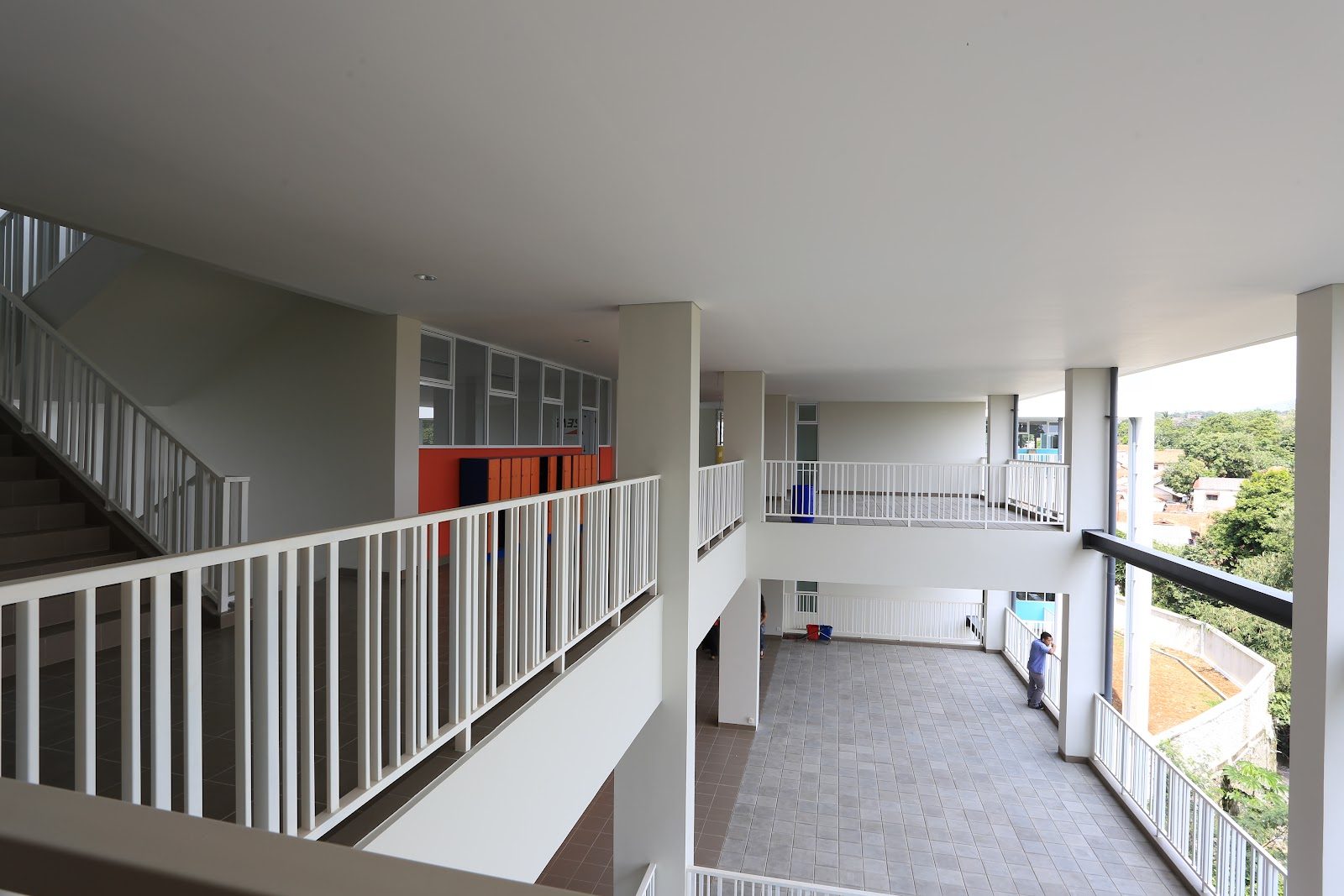
Set beside Bogor's lakeside estate, an SPK school braids the full IB continuum, Cambridge IGCSE and worship across five faiths.
SMAK 1 BPK PENABUR Jakarta
Jakarta · Indonesia
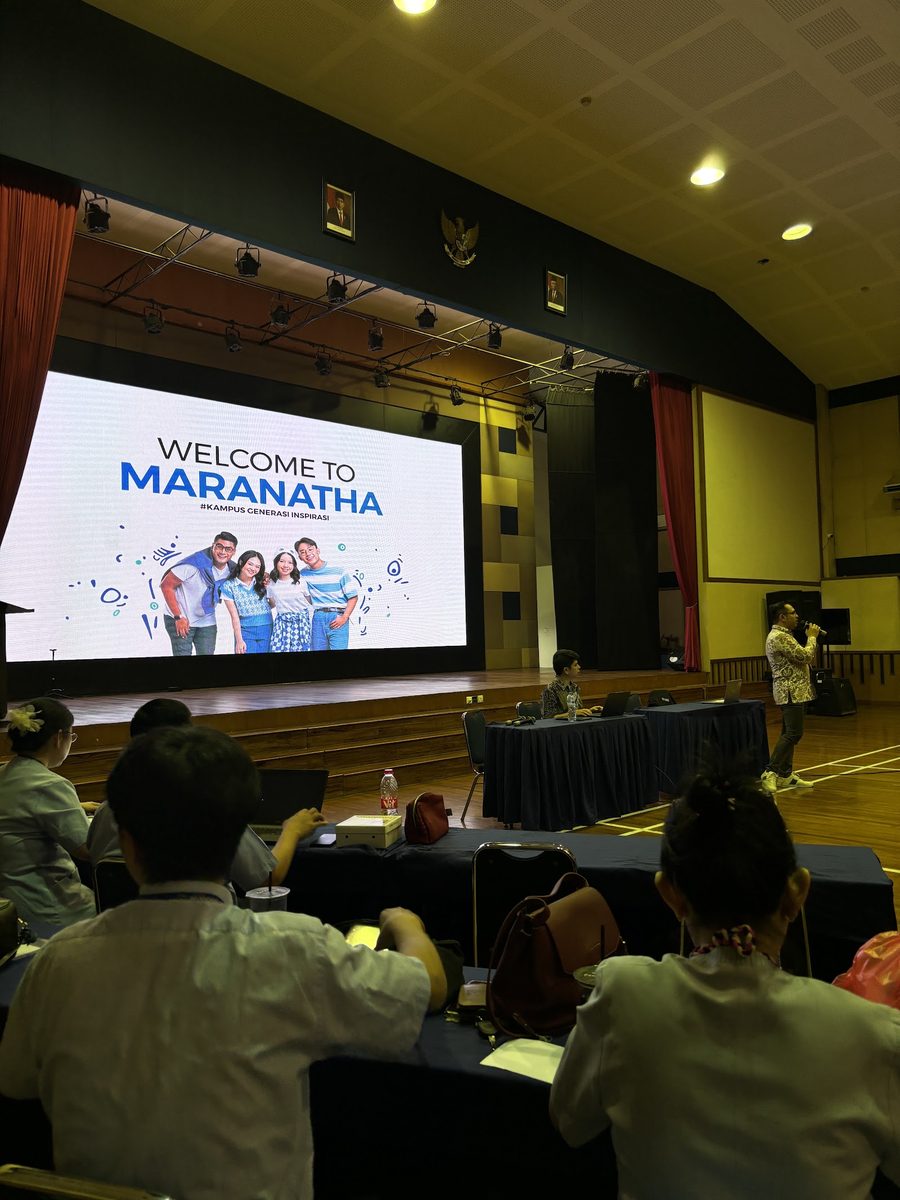
West Jakarta's Christian science campus still holds an unbroken 1956 national physics-chemistry exam record.

Deutsche Internationale Schule Jakarta
Serpong · Indonesia
Founded in 1957 by German doctors escaping the tropics, this Serpong campus preps students for tuition-free German universities.
HighScope Indonesia TB Simatupang
Jakarta · Indonesia
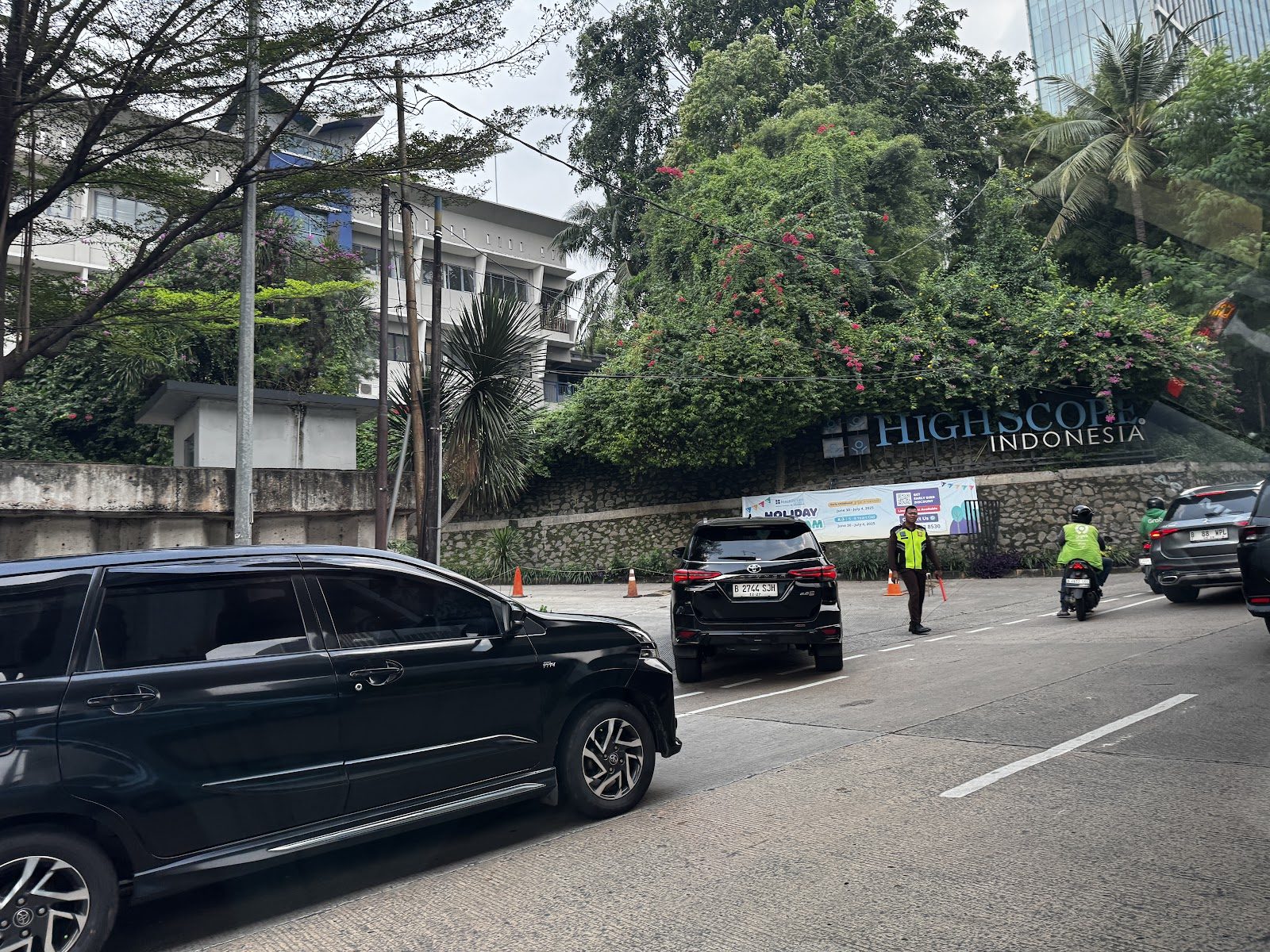
Rooted in the 1962 Perry Preschool research, this Cilandak school pairs dual-language learning with three specialized high school majors.
Same country and curriculum — closest matches within ±10 points either way