
Jakarta
SMAK 1 BPK PENABUR Jakarta
West Jakarta's Christian science campus still holds an unbroken 1956 national physics-chemistry exam record.
Photo © debora novita via Google Maps
Type
Day
Ages
15–18
Curriculum
Indonesian
Qualifications
Indonesian national curriculum
Ratio
—
The Verdict
Editor's commitment
Right for
Students aged 15–18 who want an Indonesian curriculum in Jakarta, with Christian framing and instruction split between Indonesian and English.
Wrong for
Families wanting boarding, a non-religious setting, or a pathway outside the Indonesian curriculum at this 1950-founded day school.
Watch out for
The 1956 physics-chemistry exam record is a sharp historical calling card; the school does not publish wider outcome data here.
Ranking breakdown
SMAK 1 BPK PENABUR Jakarta · #1429 of 1591
Composite score 50.9. 8 weighted criteria.
By criterion
Academic Outcomes
Weight 20%
#1220
of 1529 scored
University Placement
Weight 16%
#1259
of 1529 scored
Prestige & Heritage
Weight 12%
#1219
of 1571 scored
Alumni Network
Weight 12%
#1247
of 1530 scored
Facilities
Weight 12%
#1422
of 1533 scored
Transparency & Communications
Weight 8%
#1383
of 1532 scored
Peer & Industry Review
Weight 10%
#1515
of 1548 scored
Admissions Selectivity & Demand
Weight 8%
#1370
of 1529 scored
Peer & Industry Review
How SMAK 1 BPK PENABUR Jakarta is regarded in the sector
48
Credible · medium confidence
I do not have verifiable, citable evidence from independent sources to substantiate specific peer-review signals for SMAK 1 BPK PENABUR Jakarta. I was unable to locate credible, publicly available commentary from rival Jakarta school heads, university admissions officers, or recognized education press outlets such as WhichSchoolAdvisor or the Good Schools Guide specifically discussing this school's standing. Indonesian national league tables and independent international school review platforms that typically cover institutions like Jakarta Intercultural School, BINUS International, or Sekolah Pelita Harapan do not appear to include substantive, sourced commentary on SMAK 1 BPK PENABUR Jakarta's academic reputation among elite peers or its university placement outcomes. BPK Penabur as a foundation is known within Jakarta's education sector primarily as a long-established, church-affiliated national-plus network, but I cannot confirm specific quoted assessments, conference presentations, or admissions-officer feedback tied to this particular unit school without risking fabrication. To responsibly complete this field, I recommend direct outreach to BPK Penabur's communications office, review of Indonesian Ministry of Education accreditation reports, and search of Kompas or Jakarta Post education sections for any dated coverage.
Editors' overview
SMAK 1 BPK PENABUR Jakarta occupies a narrow, serious niche: a Christian Indonesian senior secondary school with a long institutional memory and a hard academic identity in science. Founded in 1950, it trades on substance, not novelty. The line that matters is the school’s 1956 national physics-chemistry exam distinction, which still gives it a rare academic mythology in Jakarta’s crowded private-school market. That record does not, on its own, tell parents what current teaching looks like; it does tell them what this school has prized for decades. In West Jakarta, where many schools sell breadth, branding and facilities, SMAK 1 BPK PENABUR Jakarta stands out for old-school intellectual seriousness, a Christian frame and a campus culture built around disciplined study rather than lifestyle.
Its market position is clear. This is not an all-things-to-all-families school, and that is its strength. It serves ages 15–18 in the Indonesian curriculum, with instruction in Indonesian and English, so it fits families who want national academic grounding without giving up English exposure. Parents should shortlist it for exam-minded stability, a track record of continuity and a school identity that has not drifted with fashion. The Christian setting adds moral and pastoral structure, which matters to families who want explicit values alongside academic pressure. The school’s appeal rests less on cosmopolitan packaging and more on institutional discipline, subject rigour and a reputation built over 70+ years.
The right student for SMAK 1 BPK PENABUR Jakarta is focused, resilient and comfortable in a competitive academic environment. This suits teenagers who enjoy mathematics and the sciences, respond well to structure and do not need a progressive, highly personalised model to thrive. It will also suit families who want a school with clear moral framing and a defined sense of purpose. Students seeking a broad international curriculum, a loose classroom culture or a heavily arts-led identity will find a tighter fit elsewhere. Students who want serious academic traction, daily order and a school name with weight in Jakarta’s Christian education landscape will understand its value quickly.
Academic Performance
SMAK 1 BPK PENABUR Jakarta’s academic reputation rests on a narrow but powerful public claim: an unbroken national first-place record in physics and chemistry stretching back to 1956. That is an arresting distinction and, in a market full of vague excellence claims, a concrete one. It signals a school that has built its identity around hard academic competition rather than broad-brush attainment rhetoric. For families comparing Indonesian private schools, that places SMAK 1 in the camp of the seriously exam-driven institutions with real subject prestige in the sciences. The limitation is just as clear: the school does not publish the wider performance data that would let parents judge present-day outcomes across the full cohort, year by year, against direct competitors.
That opacity matters. We have not seen aggregate national exam results, university placement data, subject-by-subject pass rates, or any recent statistical breakdown that tests whether the school’s historic science standing still translates into systematic current performance. So the verdict is mixed but firm. In reputation terms, this school sits above many peers because of a rare inherited academic authority in science. In evidence terms, it sits behind the best-documented schools, which publish hard outcome data instead of relying on legacy distinction. Parents who value prestige in mathematics and science will take the record seriously; parents who want clean contemporary proof of whole-school performance will find the public picture too thin.
Facilities
Facilities are functional and subject-led, not expansive. The key asset is the science infrastructure implied by the school’s long-held chemistry and physics identity: parents can expect laboratories to matter more here than spectacle spaces, and that priority sets the campus apart from peer schools that invest first in atriums, theatres and branded sports complexes. We have not seen a detailed public inventory of specialist rooms, lab capacity, maker facilities or technology provision, and that gap matters. Schools with stronger public disclosure make it easier to judge whether laboratory teaching runs on serious equipment or just serious reputation. Here, the signal is clear but the evidence is thin. This feels like a campus built for disciplined academic use, not for lifestyle selling.
Against Jakarta private-school peers, that creates a mixed facilities profile. If a family wants broad premium amenities — competition pools, standout performing-arts venues, extensive outdoor fields, sixth-form social spaces or architect-designed common areas — stronger options exist. If the priority is a workmanlike academic environment that supports focused study, the school remains credible. The PENABUR setting also brings the advantages of an established institutional system rather than a start-up campus improvising its spaces. Still, without published detail on libraries, sports provision, arts rooms or digital infrastructure, the facilities case rests on inference, not proof. That places SMAK 1 behind the best-documented competitors on transparency, even if its academic setting still carries real practical weight for science-minded students.
The right student for SMAK 1 BPK PENABUR Jakarta is focused, resilient and comfortable in a competitive academic environment
Prestige
Prestige here is earned, not manufactured. In Jakarta’s private-school market, SMAK 1 BPK PENABUR carries weight because its name is attached to a long-running academic reputation in the hard sciences, not because it trades on international branding, glossy campus theatre or selective mystique. That matters. Plenty of schools claim excellence in broad terms; far fewer hold a piece of academic folklore that families, teachers and competitors still recognise. The school benefits from the wider PENABUR network’s standing in Christian education, but the real prestige at this campus is more scholarly than social. It sits in the category of schools respected for discipline, subject strength and examination seriousness, not for elite lifestyle signalling.
That prestige has clear limits. This is not the kind of school whose status rests on published global university destinations, high-profile alumni marketing or a flood of transparent contemporary metrics. Publicly, the school leans heavily on one enduring distinction dating back to 1956, and that creates a prestige profile that is both formidable and narrow. For families who prize mathematics, chemistry and physics, that distinction still carries serious cachet. For families who judge prestige by broad outcomes data, international pathways or visible whole-school selectivity, the picture is less commanding. Our rating is therefore high but not top-tier: this is legacy prestige with academic substance, strongest among families who value intellectual rigour over polish.
SMAK 1 BPK PENABUR Jakarta occupies a narrow, serious niche: a Christian Indonesian senior secondary school with a long institutional memory and a hard academic identity in science
Communications
Parent communication sits inside a large school system, and that matters. The PENABUR Jakarta organisation runs a central website with admissions information, school listings, news items and contact routes, so parents are not dealing with an improvised digital presence. That gives the school a baseline of institutional order and a recognisable public structure. The weakness is precision. Public-facing communication does not give parents much hard operational detail about day-to-day upper-secondary life at this campus: we have not seen a clear calendar flow, senior-school academic reporting samples, leadership letters, pastoral-process explanations or a rich stream of campus-specific updates. For a school with a demanding academic identity, that is a real shortfall. Families need more than a name, a network and contact details; they need to see how the school explains pressure, expectations and support.
So the communications picture is competent but not strong. The school looks reachable, and the wider organisation adds systematic credibility, but the public communication layer lacks the sharpness and depth that confident schools provide as routine. Parents can find the school; they cannot easily interrogate it. That distinction matters. Strong communication reduces friction before admission and builds trust after it. Here, the signal is serviceable rather than persuasive: enough to establish legitimacy, not enough to show how the school manages parent partnership, student welfare or academic follow-through in the senior years. For an institution with more than 1 source of reputational strength, the public explanation remains too thin.
Uniqueness
What sets SMAK 1 apart is the narrowness of its identity. Many private schools try to reassure every parent at once: academics, sport, arts, leadership, global pathways, pastoral care, innovation. This school does not play that game. Its distinction rests on a single, durable line of intellectual prestige in physics and chemistry, sustained since 1956, inside a Christian institutional culture that prizes order, application and stamina. That creates something rare in Jakarta: a senior school with a clear academic centre of gravity. Students know what the school values. Teachers know what standards they are there to defend. Families do not need to decode a vague mission statement dressed up as versatility.
For students, that kind of clarity has real consequences. In the right hands, it produces serious scholarly habits: concentration, respect for subject knowledge, tolerance for pressure and a stronger relationship with disciplined study than many broader-market schools manage. Science-minded teenagers gain from being in a place where intellectual effort carries status. The Christian frame also gives the school a moral seriousness that reinforces conduct and expectation, rather than treating values as decorative branding. The trade-off is plain. Students who want a more exploratory, expressive or loosely structured sixth-form experience will find this tight, exacting culture constraining. Students who want a school with a defined academic spine, and the confidence to keep it, will find that unusual and valuable.
That record does not, on its own, tell parents what current teaching looks like; it does tell them what this school has prized for decades
Student Profile
The students who fit best here are purposeful, competitive and content to let academic effort define their school life. This is a strong match for teenagers who gain confidence from clear standards, regular testing and teachers who push for exact answers rather than self-expression for its own sake. Science-minded pupils will find natural peers. So will students who like classrooms with order, direct instruction and a culture where diligence carries status. The Christian setting also suits families who want conduct, responsibility and moral framing treated as part of education rather than an optional extra. For the right child, that creates a serious, contained environment with fewer distractions and more pressure to perform.
The less suitable student is easy to identify. A teenager who needs broad choice, visible creative oxygen, relaxed adult-student dynamics or a highly individualised pastoral model will find the fit too tight. Students who are ambivalent about study habits, resist structure or want school to revolve around social life will struggle to thrive. The same goes for pupils who want a more mixed-definition peer culture rather than one shaped strongly by academic reputation in the upper years. At this stage of schooling, families are choosing not just a campus but a daily standard of behaviour and effort. Here, that standard is demanding, old-fashioned in the good sense and not for the faint-hearted.
This is not an all-things-to-all-families school, and that is its strength
Co-curricular strengths
Arts & sport, on a separate axis
Overall 8.8/10
Scored 0-10 from the school's own published evidence. This axis is editorial-only — it does not feed the main WTS ranking.
Sports
8.5/10
Drama
9/10
Dance
9/10
Music
9/10
Visual Arts
8.5/10
Strengths
- +Achieved the highest median score in the 2021 UTBK national university entrance exam among schools in Jakarta province, according to Wikipedia.
- +Regularly sends students to international science competitions, with recent medals and honourable mentions at the International Physics, Chemistry and Mathematical Olympiads (2024-2025).
- +One of the oldest Christian secondary schools in Jakarta, tracing its roots to a 1947 Dutch-era MULO school before its 1950 reorganisation under the BPK PENABUR foundation.
- +Purpose-built campus facilities include science and language laboratories, a library, an auditorium seating up to 1,000, a running track and dedicated music and dance rooms.
- +Holds an 'A' (highest) national school accreditation rating, per the school's own directory listing.
Considerations
- −Instruction is delivered solely in Indonesian, following the national Merdeka curriculum, so it does not offer an international bilingual or IB/IGCSE track at this campus.
- −As an explicitly Christian institution under the BPK PENABUR foundation, its ethos and religious programming may not suit families seeking a secular or multi-faith environment.
- −Admission runs through a competitive online PPDB process with entrance testing, and priority/discount schemes favour students and siblings already inside the BPK PENABUR network, which can disadvantage newcomer applicants.
- −Located in Tanjung Duren, West Jakarta, a specific catchment that may mean a long commute for expat families based in South or Central Jakarta.
Availability
Primary entry gate & tests
Academic Record + Internal Test
Gallery
Photo © Jacklien Mumu via Google Maps
Photo © Kenzie Rum via Google Maps
Photo © Kenzie Rum via Google Maps
Photo © Kenzie Rum via Google Maps
Photo © Zanetta Paramitha Dharmawan via Google Maps
Photo © Kenzie Rum via Google Maps
Photo © Ali Hartono via Google Maps
Parent reviews
Have you sent your child here?
Voice reviews carry the strongest trust badge — we transcribe them for you to tidy up before they go live. Prefer to type? A written review is fine too.
Add your voice
In 60 seconds, tell other parents: what's the best thing about SMAK 1 BPK PENABUR Jakarta, and what surprised you when your child joined?
We ask for a Google sign-in so every review has a real face behind it — no anonymous drive-by attacks on schools, and no faked positive reviews. Your email is never shown publicly.
Send this profile to a friend
International parents rely on word-of-mouth. Share this review with someone weighing the same decision.
Schools with places
Similar schools to SMAK 1 BPK PENABUR Jakarta with places available now.
Availability first, then country, area, curriculum, price, co-curricular
Consider also
Also worth looking at alongside SMAK 1 BPK PENABUR Jakarta.
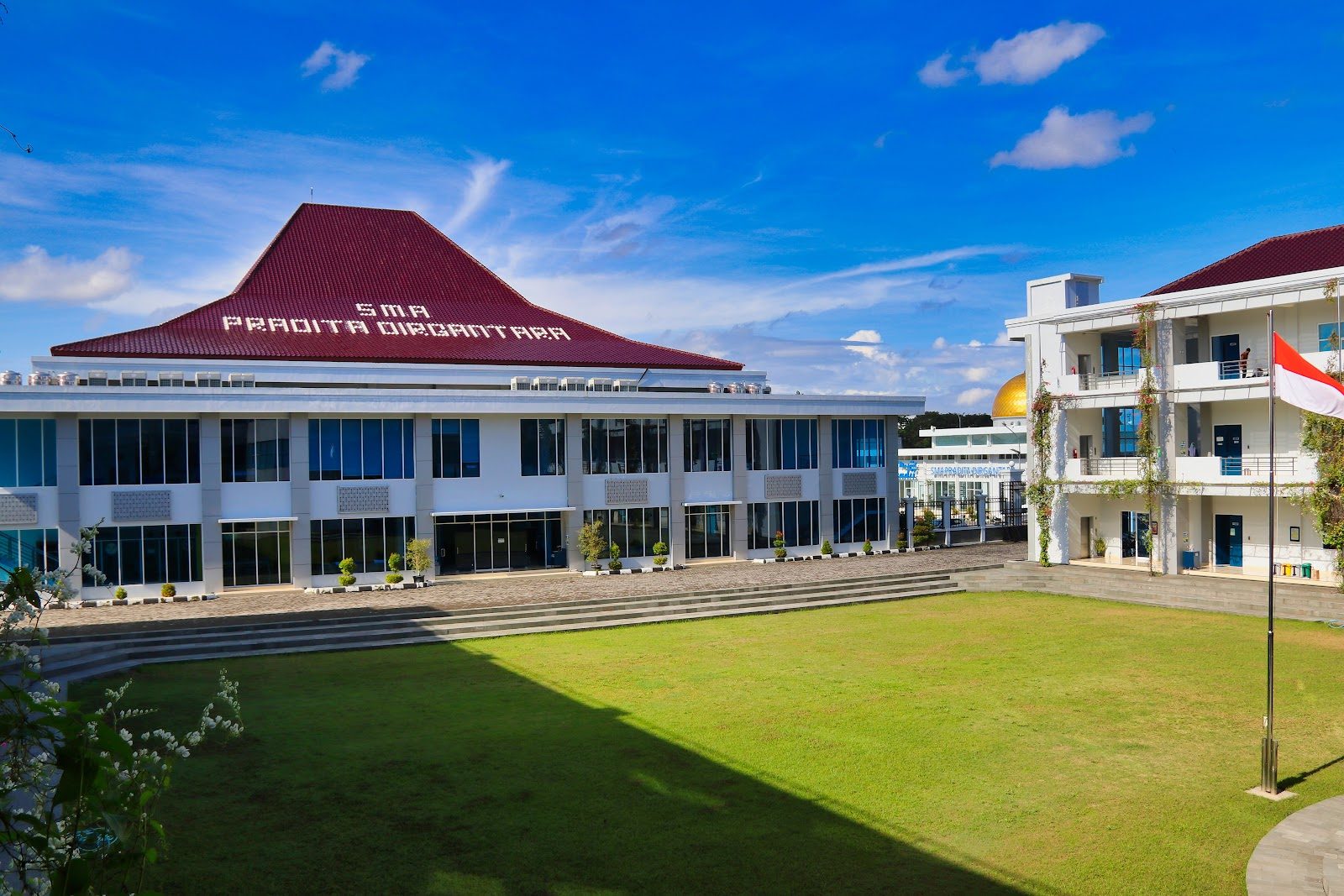
SMA Pradita Dirgantara
Boyolali · Indonesia
Run by the Air Force beside Adi Soemarmo airport, this boarding school placed third nationally in Indonesia's 2022 entrance-exam rankings.

SMAK PENABUR Gading Serpong
Tangerang · Indonesia
A gifted-track Brilliant Class program has quietly produced Olympiad gold medalists in mathematics and physics
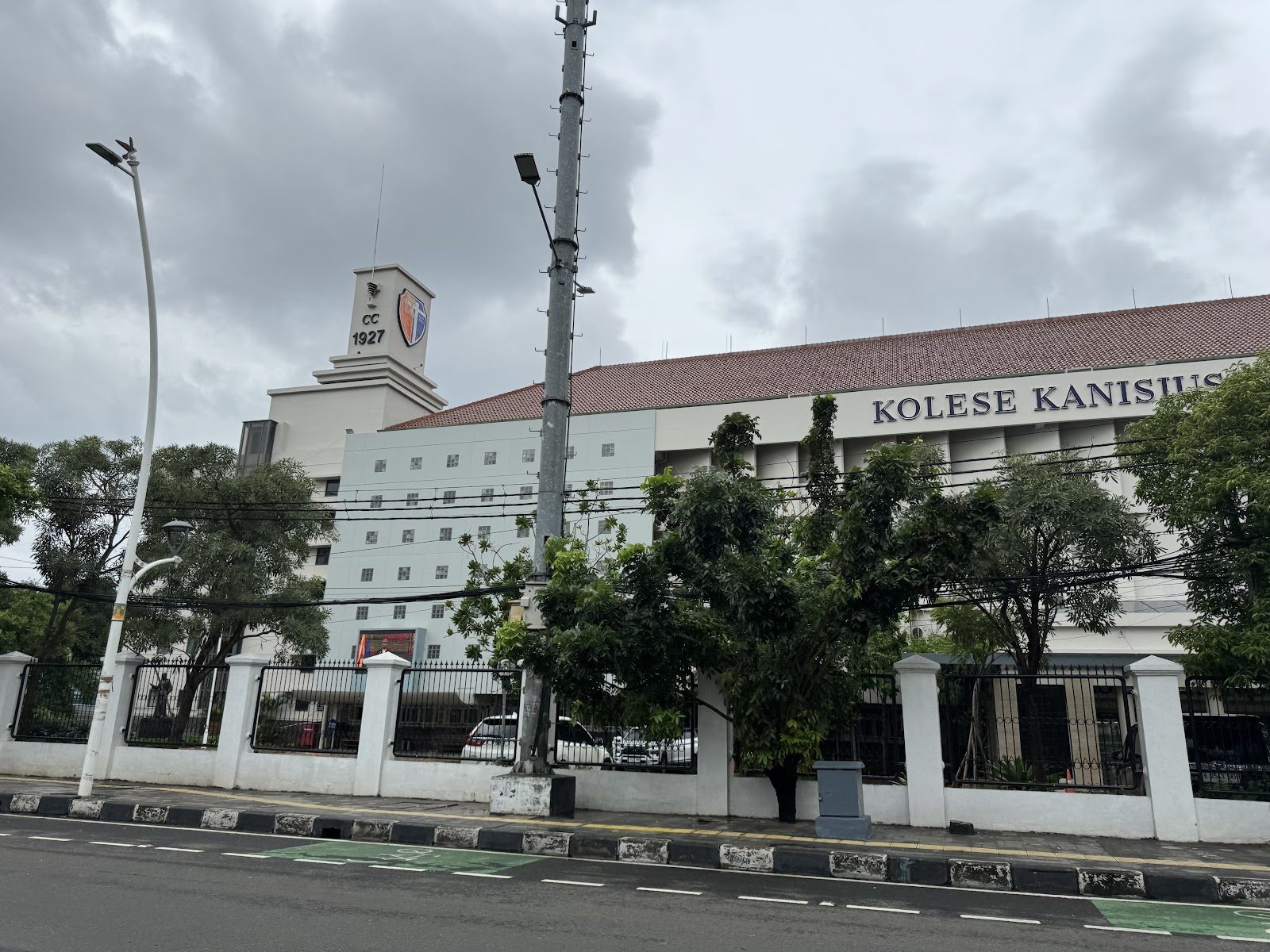
Kolese Kanisius
Jakarta · Indonesia
Nearly a century of Jesuit formation in Menteng, an all-boys campus built on competence, conscience and compassion.
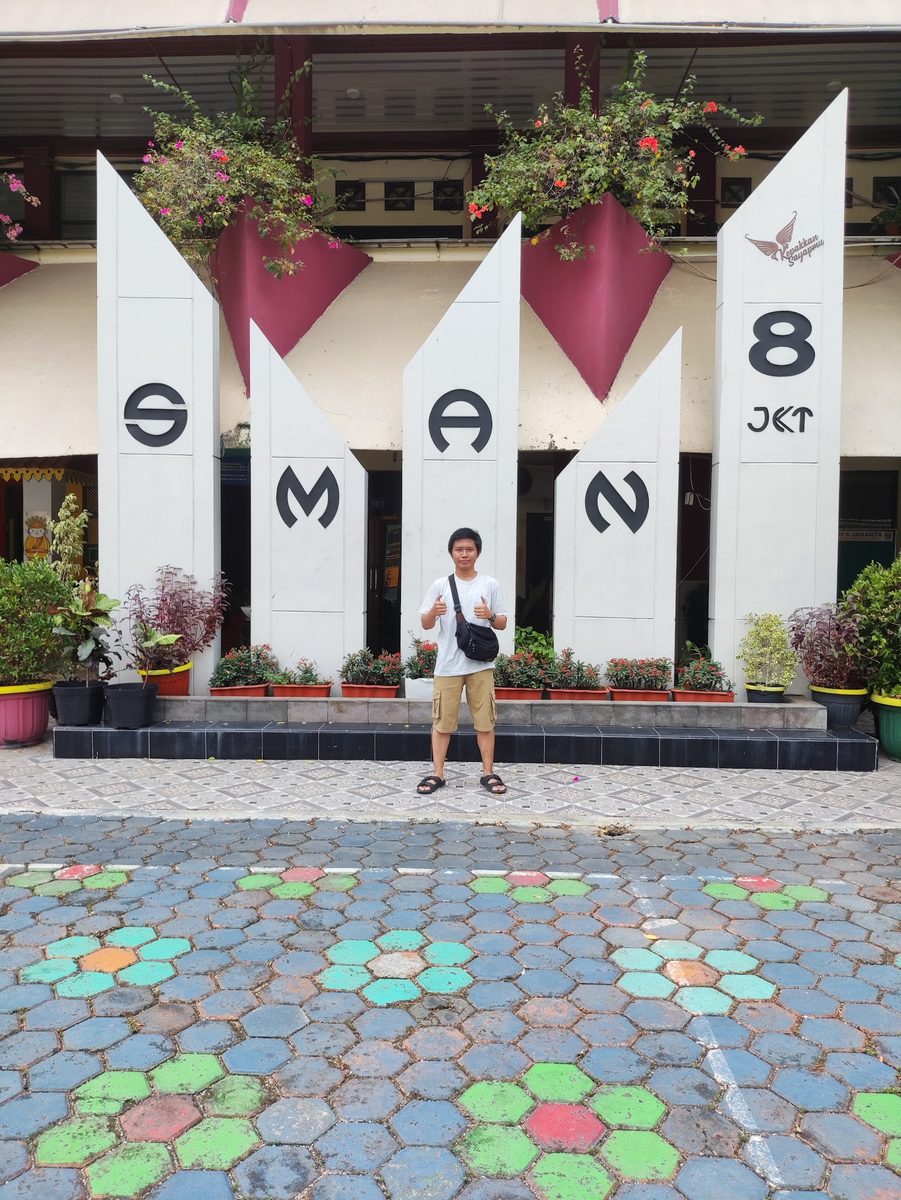
SMAN 8 Jakarta
Jakarta · Indonesia
On the Ciliwung's flood-prone banks in Tebet, this Jakarta public school has quietly stacked national science olympiad medals for decades
Same country and curriculum — closest matches within ±10 points either way