
Jakarta
On the Ciliwung's flood-prone banks in Tebet, this Jakarta public school has quietly stacked national science olympiad medals for decades
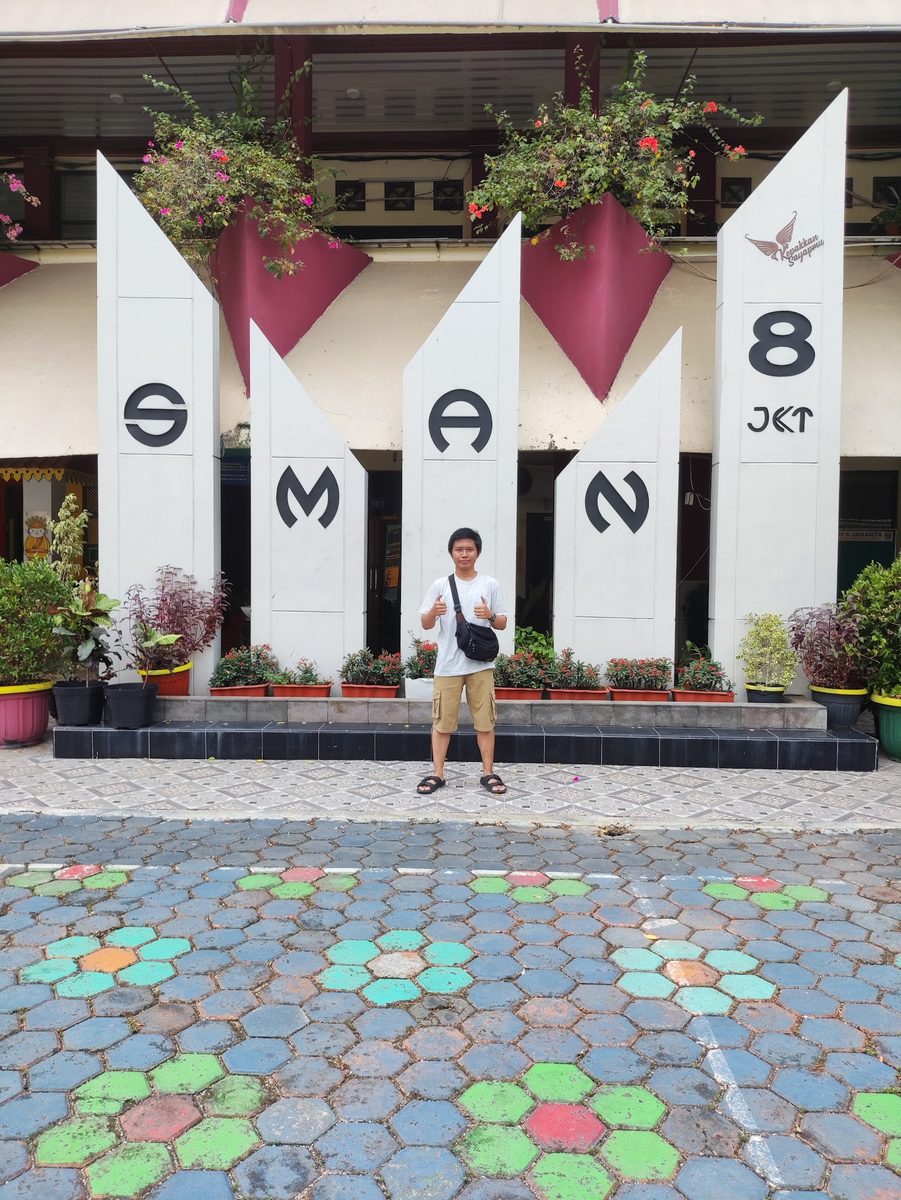
Photo © Ahmad Syarif via Google Maps
Type
Day
Ages
15–18
Curriculum
Indonesian
Qualifications
Indonesian national curriculum
Ratio
—
The Verdict
Editor's commitment
Right for
Jakarta families who want a secular day school, founded in 1958, teaching the Indonesian curriculum in Indonesian and English.
Wrong for
Anyone seeking boarding, a faith ethos, or an international curriculum; SMAN 8 Jakarta is a public day school for ages 15–18.
Watch out for
Tebet and the Ciliwung banks are part of the school’s reality; for a 15–18 day school in Jakarta, journey resilience matters.
Ranking breakdown
SMAN 8 Jakarta · #1186 of 1591
Composite score 58.6. 8 weighted criteria.
By criterion
Academic Outcomes
Weight 20%
#902
of 1529 scored
University Placement
Weight 16%
#1015
of 1529 scored
Prestige & Heritage
Weight 12%
#854
of 1571 scored
Alumni Network
Weight 12%
#1130
of 1530 scored
Facilities
Weight 12%
#1333
of 1533 scored
Transparency & Communications
Weight 8%
#1326
of 1532 scored
Peer & Industry Review
Weight 10%
#1445
of 1548 scored
Admissions Selectivity & Demand
Weight 8%
#547
of 1529 scored
Peer & Industry Review
How SMAN 8 Jakarta is regarded in the sector
55
Credible · medium confidence
SMAN 8 Jakarta is consistently grouped by Indonesian education commentators and rival principals within the small cluster of Jakarta's most selective state senior high schools (alongside SMAN 1, SMAN 3, SMAN 68 and SMAN 70), a status reflected in perennially high cut-off scores for the Jakarta zonation/PPDB admissions system. Its reputation rests chiefly on strong SBMPTN/UTBK placement rates into Universitas Indonesia and Institut Teknologi Bandung, cited repeatedly in Indonesian press roundups of top-performing state schools rather than in Western guides such as Good Schools Guide or WhichSchoolAdvisor, which do not cover Indonesian public schools. Coverage is largely local-language (Kompas, Republika, Detik) and centers on UTBK pass rates and Olympiad participation rather than qualitative peer commentary. There is no verifiable record of named rival heads or university admissions officers publicly assessing the school, and no independent international ranking body currently profiles it. Its standing is therefore best described as strong domestically within Jakarta's public-school hierarchy, but with minimal documented international or cross-border peer recognition.
Editors' overview
SMAN 8 Jakarta occupies an unusual place in Indonesia’s school market. It is a state day school founded in 1958, serving ages 15–18, teaching the Indonesian curriculum in Indonesian and English. That description sounds ordinary; the school’s record does not. SMAN 8 has built a durable reputation for academic selection and science competition strength, and that matters more than glossy facilities or imported branding. In a city crowded with private and international options, this is the public-school counterargument: serious academic culture, earned prestige, and a student body that expects to work hard.
What sets it apart is concentration. SMAN 8 is not selling a broad lifestyle package. It offers a focused, exam-facing environment with real weight in Jakarta’s education landscape. The school’s long-standing success in national science olympiads gives it a distinct identity, and that track record carries more substance than generic claims about “holistic education”. Parents who value intellectual competition, disciplined teaching, and peers who raise the standard will find that compelling. The location on the Ciliwung in Tebet is no small footnote either: this is a school with a hard-edged urban setting and a history shaped by the practical realities of central Jakarta, including flood risk. That does not diminish its appeal; it sharpens it.
SMAN 8 belongs on a shortlist for families who want academic credibility without the insulation and expense of Jakarta’s private-school circuit. It suits students aged 15–18 who are self-motivated, resilient, and comfortable in a high-pressure peer group. The best fit is a teenager who wants substance over polish: strong in maths or science, happy in a competitive classroom, and not in need of extensive pastoral packaging. This is not the school for a child who needs a gentle pace or a heavily curated extracurricular identity. It is for students drawn to competitive intensity, public-school grit, and the quiet satisfaction of doing difficult work well.
Its market position is clear. SMAN 8 is a high-status Jakarta public school with a proven academic spine, not a fashionable lifestyle brand. For the right family, that is precisely the attraction. Parents shortlist it because prestige here rests on outcomes and student calibre, not theatre. Students choose it because they want to test themselves among strong peers and join a school whose reputation has held for more than 60 years. In a market full of inflated promises, SMAN 8 offers intellectual seriousness and institutional weight.
Academic Performance
SMAN 8’s academic standing rests less on glossy published score tables than on a reputation built in selective public education and sustained through competition outcomes. The school does not publish a clean dashboard of aggregate national exam results, university destinations, or cohort-wide score distributions, and that limits hard comparison with Jakarta’s best private schools. Even so, the available picture is clear enough: this is a high-pressure academic environment whose strongest external validation comes from olympiad performance. Across the National Science Olympiad and related contests, students have amassed more than 100 medals over time, including repeated national titles in mathematics, physics, chemistry, biology, astronomy and earth science. That record places the school in rare company among Indonesian state schools.
Relative to peers, SMAN 8 sits at the sharp end of the public-school hierarchy: not because it markets exceptional outcomes well, but because it has produced them in the arenas that serious Indonesian schools respect. For parents, the key distinction is this. Private schools can point to international exam averages and polished destination lists; SMAN 8’s proof sits in competitive academic selection and sustained olympiad results. If you want exhaustive public data, the school is opaque. If you want evidence of intellectual calibre among students and staff, the medal count is hard to dismiss. In Jakarta’s upper tier of state provision, that gives SMAN 8 real weight.
Facilities
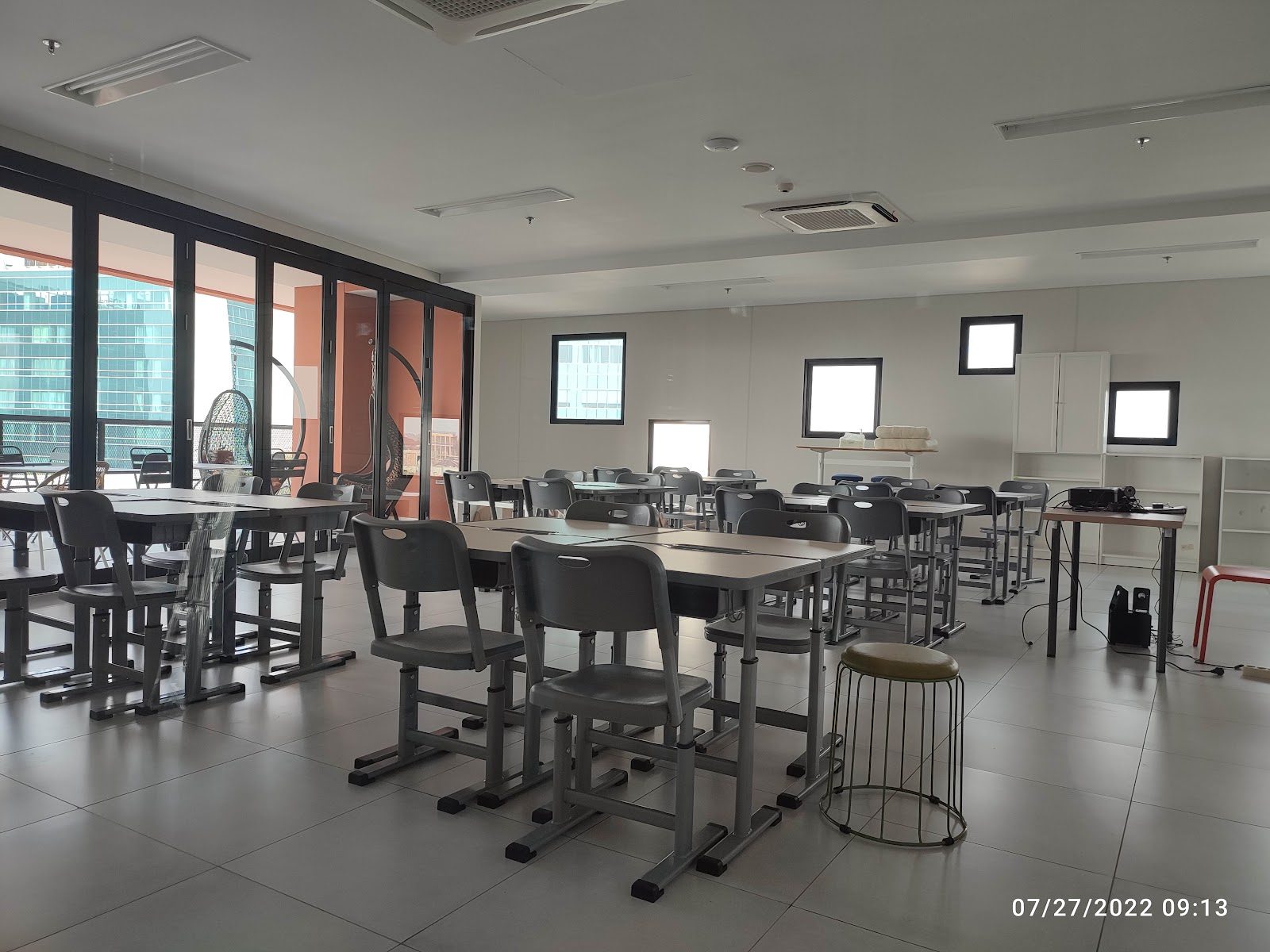
Facilities are not the reason to choose SMAN 8. This is not a landscaped private campus with theatre-grade performing arts spaces, aquatics complexes or a polished sixth-form commons designed to sell aspiration. The school’s practical assets matter more: standard classrooms, science laboratories, a library, sports courts, a mosque, and assembly space that support a workmanlike, exam-facing school day rather than a premium lifestyle offer. The site’s setting beside the river also matters because it imposes a constraint that many Jakarta private peers do not share. In heavy rain, flood resilience becomes part of the facilities story whether a school likes it or not. Parents comparing campuses need to keep that hard urban reality in view.
Against Indonesian state-school peers, that configuration is solid and functional. Against top-fee international schools in Jakarta, it is plainly thinner in breadth, finish and specialist provision. There is no evidence of the kind of deep maker, media, design or high-spec performing arts infrastructure that wealthier competitors now treat as standard. That does not make the campus weak; it makes it utilitarian. For the right student, that is perfectly acceptable. A school built around academic discipline and competition culture does not need architectural theatre to do its job. It does, however, need laboratories that function well, classrooms that stay usable, and a site managed with practical competence in a flood-prone environment.
SMAN 8 Jakarta occupies an unusual place in Indonesia’s school market
Prestige
SMAN 8 carries real public-school prestige in Indonesia, and not the flimsy kind manufactured by fees, branding or imported affiliations. Its status rests on selectivity, peer calibre and a competition record that serious families recognise at once. Among Jakarta state schools, this is one of the names that signals a student has won entry into a demanding academic tribe. The school’s long run of science olympiad success — more than 100 medals across national competition — does more for its standing than any brochure language could. That record gives SMAN 8 a reputation for producing students who can handle pressure, abstraction and sustained hard work. In practical terms, a place here carries social and academic weight far beyond the school gate.
That prestige has limits, and naming them matters. SMAN 8 does not trade in the international cachet of elite private schools with global university counselling, polished campus theatre and heavily marketed destination lists. Its brand is domestic prestige, not international glamour. For Indonesian families, that distinction does not weaken the school’s standing; it defines it. This is earned status, built through exam culture, competition discipline and a student body that expects performance. For parents who value serious intellectual credentials over lifestyle packaging, SMAN 8 ranks high. For families chasing prestige that travels neatly across expatriate circles, it holds less force.
Against top-fee international schools in Jakarta, it is plainly thinner in breadth, finish and specialist provision
Communications
Parent communication at SMAN 8 looks functional rather than polished. The school’s website carries the basics — news posts, announcements, admissions information, academic and student-activity updates, and contact details — but it does not deliver the clean, parent-facing information architecture that top private schools now treat as standard. Navigation is serviceable, not elegant. Key operational information can sit amid ceremonial news and student achievements, which makes the communication style feel institutional, inward-looking and at times hard work for a busy parent. Social media and web updates help keep the school visible, yet the overall impression is of a public school communicating to its own community first, prospective families second.
Effectiveness depends on what a parent needs. For day-to-day school life — schedules, events, school notices, student activities — the system does the job. For strategic understanding, it is thinner. Parents trying to assess teaching quality, assessment practice, pastoral systems, university guidance or whole-school performance will find less clarity than they get from strong fee-charging competitors. That matters because communication is not just about frequency; it is about decision-useful detail. SMAN 8 does not trade in slick reassurance, and there is merit in that. Still, the school would serve families better with a tighter calendar, clearer academic reporting explanations and a more disciplined separation between celebration and essential notices. As it stands, communication is competent, plain, and strongest for existing families who already know how the school works.
Uniqueness
What makes SMAN 8 distinct is not a branded programme or a polished campus identity. It is the combination of elite public-school selection, a competition-hardened academic culture and a setting that strips away illusion. This is a school where intellectual status has been earned in open contest, not purchased through fees. The long accumulation of 100+ science olympiad medals gives the place a hard academic signature that few state schools can match. That matters for students because it shapes the peer group. In classrooms like this, ambition is normal, high standards are social currency, and academic effort does not need apology. A strong student gains daily exposure to capable rivals, exacting expectations and teachers working in a culture that values mastery over display.
The other part of its uniqueness is less glamorous and just as important: urban toughness. The riverside site, with all the practical pressures that brings, has produced a school identity with more grit than theatre. Students do not get a buffered, resort-style adolescence here. They get a serious education in a place that demands resilience, self-management and concentration amid distraction. For the right teenager, that combination is forging rather than cosseting. It builds confidence of a specific kind: not performative polish, but the knowledge that you can hold your ground in a demanding room and do difficult work well. That is a rare advantage in any system.
The other part of its uniqueness is less glamorous and just as important: urban toughness
Student Profile
The student body here suits teenagers who want to be judged on intellect, stamina and output. A strong fit is a pupil who enjoys hard classes, sharp peer comparison and the discipline of a school where academic status carries real social value. Students who thrive at SMAN 8 do not need constant hand-holding or elaborate pastoral choreography. They tolerate pressure, recover fast from setbacks and treat competition as normal rather than threatening. The school’s long olympiad tradition and tally of 100+ medals tell you a great deal about the kind of teenager it rewards: analytical, self-propelled, thick-skinned, and comfortable being surrounded by other able students. A child who needs to be the obvious star in every room may find the peer group bracing.
The weaker fit is just as clear. This is not the place for a teenager who wants a soft landing, broad lifestyle frills or a school culture built around affirmation first and standards second. Students who need extensive learning support, intensive emotional scaffolding or a gentler academic tempo will face a hard adjustment; the school does not advertise deep specialist provision in those areas. Nor is it the right choice for families seeking an expatriate-style social mix or a high-gloss campus identity. The students who belong here value substance over theatre. They are ambitious without needing performance culture dressed up as personality, and they can handle an environment that is demanding without apology.
It is a state day school founded in 1958, serving ages 15–18, teaching the Indonesian curriculum in Indonesian and English
Co-curricular strengths
Arts & sport, on a separate axis
Overall 6.8/10
Scored 0-10 from the school's own published evidence. This axis is editorial-only — it does not feed the main WTS ranking.
Sports
7/10
Drama
6.5/10
Dance
6.5/10
Music
7/10
Visual Arts
7/10
Strengths
- +Long-established public senior high school in South Jakarta, operating continuously since it opened on 1 August 1958 and moved to its current Bukit Duri site in 1971.
- +Holds an 'A' accreditation grade (score 97, awarded 2019) from Indonesia's national school accreditation board (BAN-S/M).
- +Was ranked first nationally by university-entrance-test scores in 2022, with an average UTBK score of 635.347 as tallied by LTMPT.
- +Has a track record of sending students to national science olympiads such as the Indonesia National Science Olympiad.
- +Produced a number of nationally recognised alumni in entertainment and the arts, including actors Nicholas Saputra and Dian Sastrowardoyo, and musician Nugie.
Considerations
- −Teaching is conducted entirely in Bahasa Indonesia under the national Kurikulum 2013, with no IB, Cambridge or other internationally transferable qualification offered.
- −As a public (negeri) school, half of all new places are now allocated through Jakarta's residential 'zonasi' system rather than academic merit, a shift the school's own vice-principal has described as requiring the school to adapt from a purely selective institution toward a regular neighbourhood school.
- −Zonasi and other domestic admission pathways require a Jakarta Kartu Keluarga (family registration card) and proof of local domicile, which structurally disadvantages families without existing Indonesian residency documents.
- −Detailed, English-language information on fees, facilities and current staffing is not systematically published; third-party data aggregators carry explicit disclaimers about the accuracy of school profile details.
Availability
Primary entry gate & tests
PPDB DKI Jakarta (State Rules)
Gallery
Photo © Martin Hardiono via Google Maps
Photo © Ajeng Salma Layla Amira via Google Maps
Photo © Christopher A. via Google Maps
Photo © Ajeng Salma Layla Amira via Google Maps
Photo © Muhammad Sofwan Jauhari via Google Maps
Photo © Jimmy Vitec via Google Maps
Photo © Akhmad Fauzi Manpower via Google Maps
Parent reviews
Have you sent your child here?
Voice reviews carry the strongest trust badge — we transcribe them for you to tidy up before they go live. Prefer to type? A written review is fine too.
Add your voice
In 60 seconds, tell other parents: what's the best thing about SMAN 8 Jakarta, and what surprised you when your child joined?
We ask for a Google sign-in so every review has a real face behind it — no anonymous drive-by attacks on schools, and no faked positive reviews. Your email is never shown publicly.
Send this profile to a friend
International parents rely on word-of-mouth. Share this review with someone weighing the same decision.
Schools with places
Similar schools to SMAN 8 Jakarta with places available now.
Availability first, then country, area, curriculum, price, co-curricular
Consider also
Also worth looking at alongside SMAN 8 Jakarta.
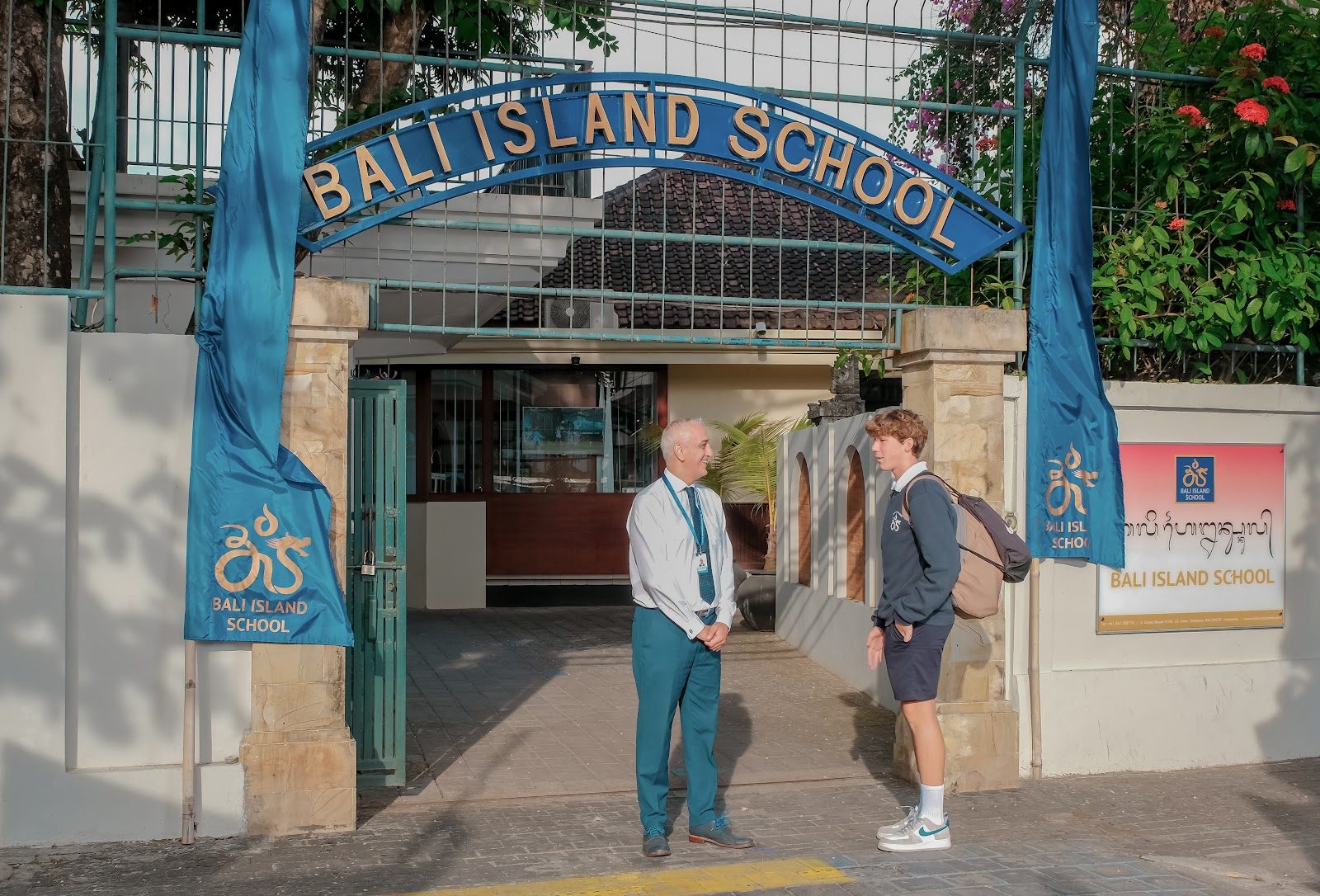
Bali Island School
Denpasar · Indonesia
Amid Sanur's temple lanes, this Denpasar campus has run the island's only full IB continuum since 1985.
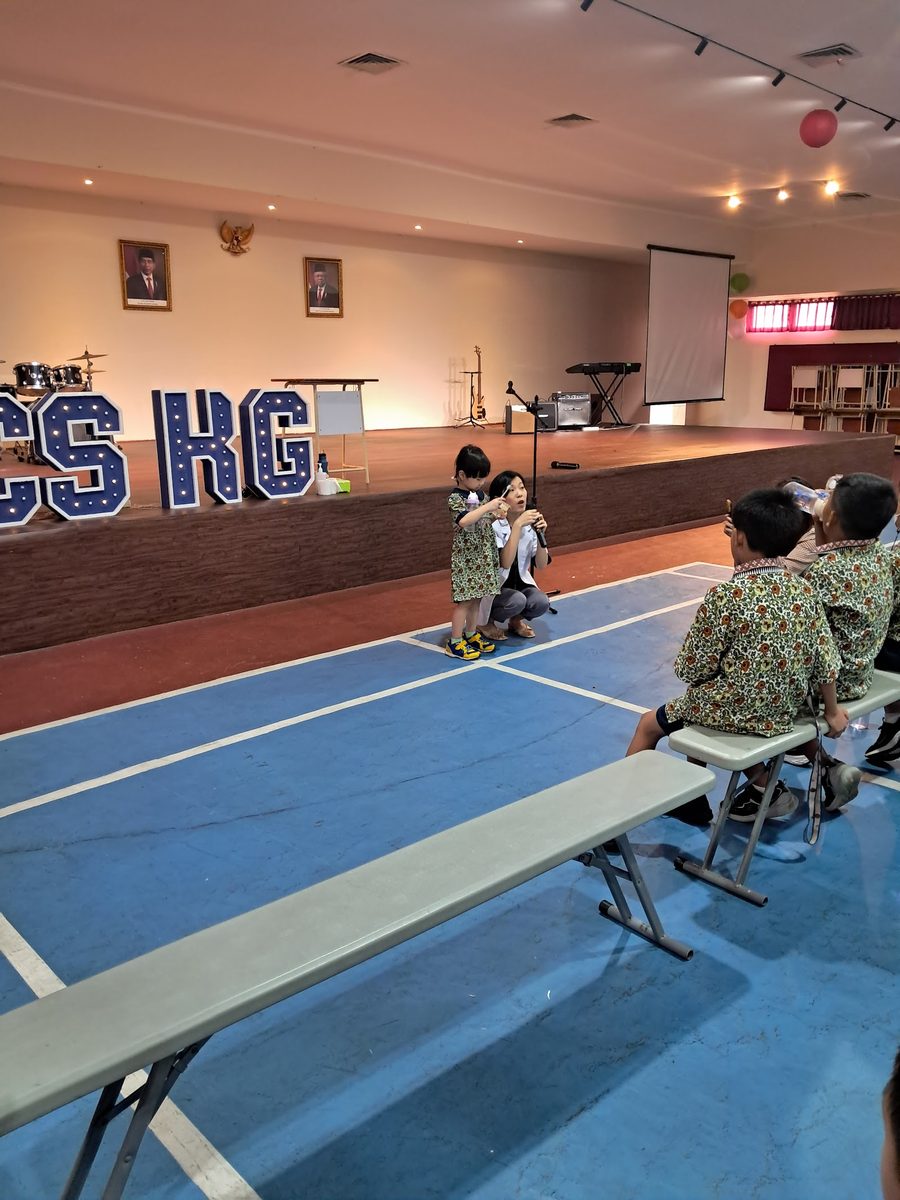
Raffles Christian School Kelapa Gading
Jakarta · Indonesia
A Kelapa Gading day school blending Singapore rigor with Cambridge assessment, its IGCSE and A Level scholars earning Top in the World distinctions.
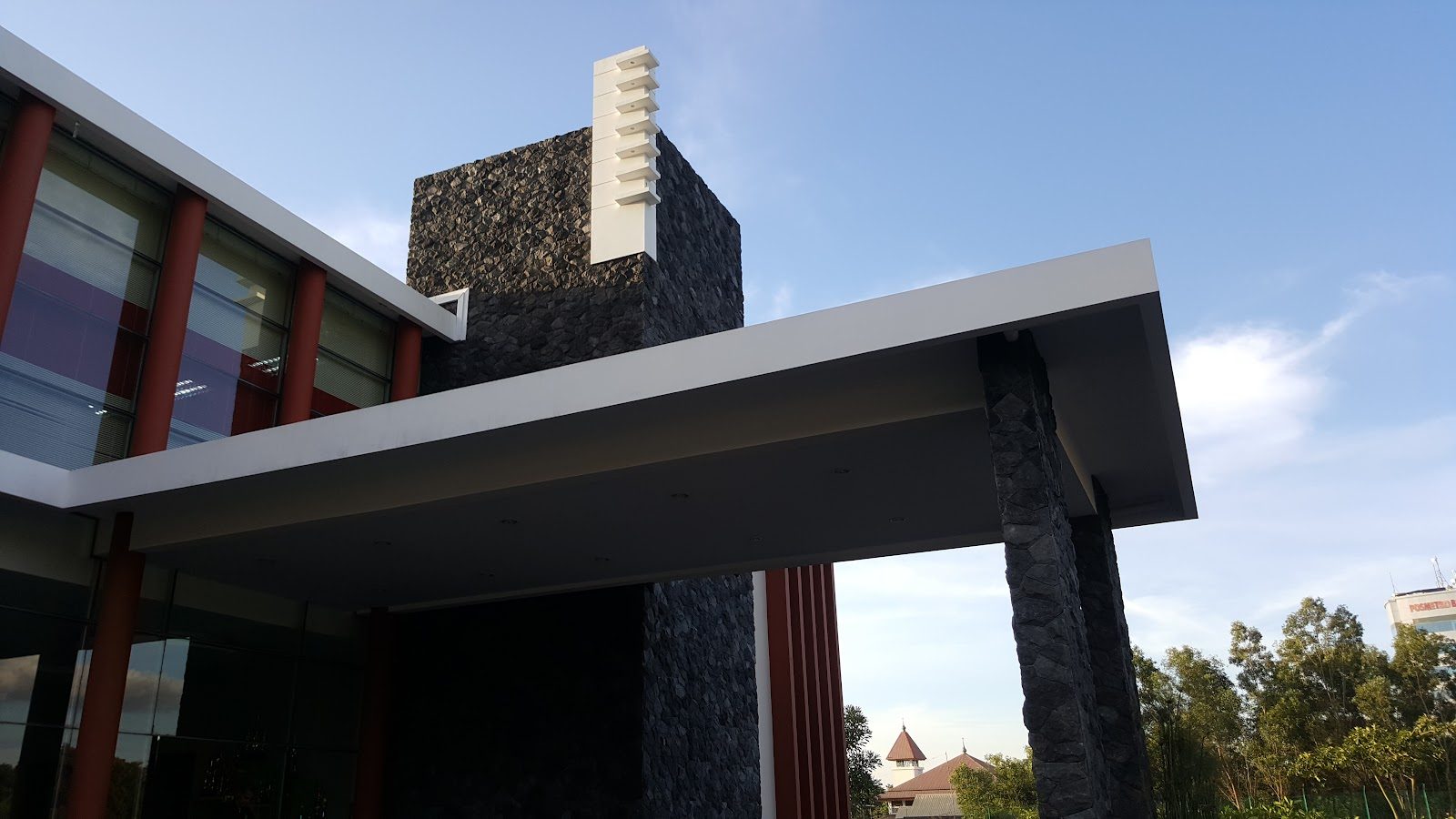
Sekolah Global Indo-Asia
Batam · Indonesia
On Batam's free-trade island facing Singapore, a campus blending the IB Diploma with Cambridge IGCSE and A Levels since 1998.
Sekolah Cikal Cilandak
Jakarta · Indonesia
South Jakarta's first competency-based school layers the IB onto an inclusion ethos built for children of all needs.
Same country and curriculum — closest matches within ±10 points either way