
DKI Jakarta
Nearly a century of Jesuit formation in Menteng, an all-boys campus built on competence, conscience and compassion.
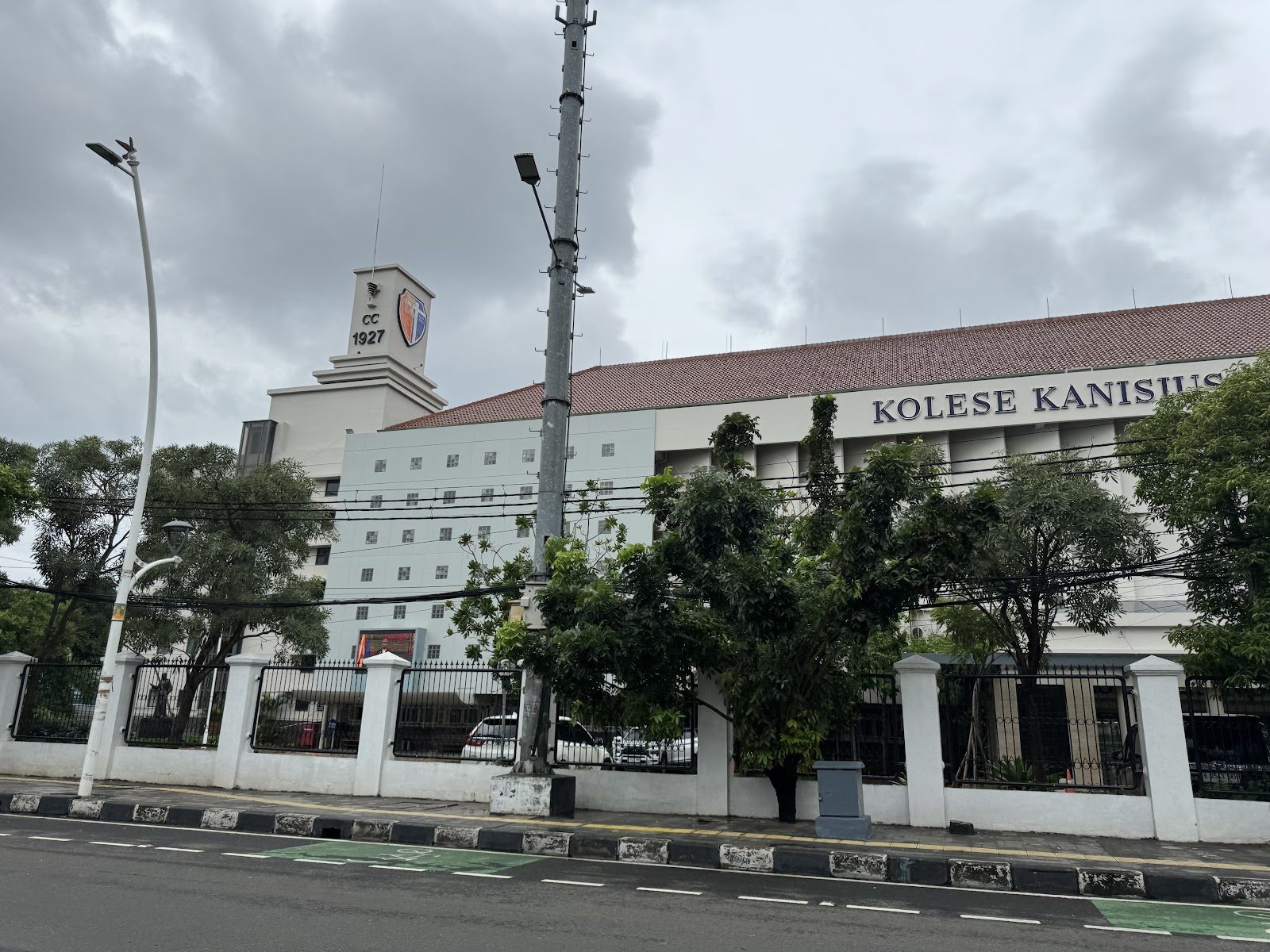
Photo © Trung Nguyen via Google Maps
Type
Day
Ages
12–18
Curriculum
Indonesian
Qualifications
Indonesian national curriculum
Ratio
—
The Verdict
Editor's commitment
Right for
Boys aged 12–18 who want a Jesuit, all-boys education in Menteng, on a campus founded in 1927 and taught in Indonesian and English.
Wrong for
Families wanting co-education, boarding or a non-religious school; Kolese Kanisius is a Catholic Jesuit day school for boys in Jakarta.
Watch out for
The curriculum is Indonesian, not IB or British, and the school does not publish public exam data or international accreditation here.
Ranking breakdown
Kolese Kanisius · #743 of 1591
Composite score 57.7. 8 weighted criteria.
By criterion
Academic Outcomes
Weight 20%
#792
of 1529 scored
University Placement
Weight 16%
#848
of 1529 scored
Prestige & Heritage
Weight 12%
#139
of 1571 scored
Alumni Network
Weight 12%
#1502
of 1530 scored
Facilities
Weight 12%
#1193
of 1533 scored
Transparency & Communications
Weight 8%
#1151
of 1532 scored
Peer & Industry Review
Weight 10%
#998
of 1548 scored
Admissions Selectivity & Demand
Weight 8%
#282
of 1529 scored
Peer & Industry Review
How Kolese Kanisius is regarded in the sector
65
Respected · medium confidence
Kolese Kanisius is consistently named among Indonesia's most academically rigorous Catholic secondary schools, alongside institutions like Gonzaga and Santa Ursula, in domestic education commentary and alumni networks rather than in Anglophone rankings such as WhichSchoolAdvisor or the Good Schools Guide, which do not cover Indonesian day schools. Its reputation rests heavily on a century-long Jesuit pedagogical tradition and a dense alumni network in Indonesian business, law, medicine, and government, frequently cited in local media (Kompas, Tempo) profiles of the school as a training ground for national elites. Admissions staff at Indonesian universities such as UI and ITB, and increasingly at overseas destinations, informally regard a Kanisius diploma as a strong signal of preparation, though this is anecdotal rather than documented in formal admissions-officer commentary. The school maintains visibility through Jesuit education networks (JECSE-linked gatherings) rather than international independent-school conferences. Because it operates within Indonesia's national curriculum system and does not pursue IB or Cambridge accreditation broadly used for cross-border comparison, its standing is best understood as domestically elite rather than internationally benchmarked, with reputation transmitted mainly through alumni prestige and Catholic-education circles rather than published league tables or Western press scrutiny.
- Try Sutrisno — Vice President of Indonesia, Politics
- Sudharmono — Vice President of Indonesia, Politics
- Soe Hok Gie — Student Activist/Writer, Literature
Editors' overview
Kolese Kanisius occupies a distinct niche in Jakarta: a 1927 Jesuit boys’ school in Menteng with a long institutional memory and a clear moral framework. That matters. In a market crowded with newer international brands, Kanisius offers something harder to manufacture: tradition with discipline, a serious sense of purpose and an education built on the Jesuit triad of competence, conscience and compassion. It is not a broad church for every family. It is a Catholic school, for boys aged 12–18, and that identity sits at the centre of the proposition rather than at the decorative edges.
What puts it on a shortlist is the coherence of the offer. Parents choosing Kanisius are not buying novelty, resort-style facilities or a polished international-school script. They are choosing an old-established academic culture, moral seriousness and the social confidence that comes from a well-known Jakarta institution. The all-boys setting will suit families who want a focused environment shaped around adolescent boys, with clear expectations on conduct, responsibility and service. The school’s Jesuit character also gives it a sharper educational philosophy than many local competitors: intellectual formation is tied to character, not treated as an extracurricular add-on.
The right student for Kanisius is academically capable, responds well to structure and does not need a soft environment. Boys who thrive here will value high expectations, clear identity and a community with roots in Central Jakarta. It will also suit families who want Indonesian schooling with English in the mix, rather than a fully imported foreign curriculum. For parents who want a secular setting, co-education, or the cachet of an international diploma, this is the wrong school. For parents who want prestige without gimmicks and *nearly a century of institutional backbone*, Kolese Kanisius earns its place on the list.
Academic Performance
Kanisius has a strong academic reputation in Jakarta, but the school does not publish the hard public data that would let parents test that reputation properly. We have not seen aggregate national examination results, university destination lists, subject-by-subject outcomes or multi-year attainment data in the public domain. That matters. In an increasingly competitive market, schools that deliver at a high level should show the evidence. Here, the picture rests more on institutional standing and long-term esteem than on disclosed metrics. For parents comfortable with an old-school reputation economy, that will suffice. For parents who want clean comparators and auditable performance, it will not.
Relative to peers, Kanisius sits in the category of academically serious Indonesian private schools with a formidable local name and a long record of sending boys into demanding next steps, but without the exam transparency now common at the sharper end of the international sector. That does not weaken the school’s academic culture; it does weaken external scrutiny. The practical conclusion is clear: treat Kanisius as a school with credible academic heft but opaque published outcomes. Any family considering it should ask for recent leavers’ destinations, internal assessment patterns, and whatever national exam data the school is prepared to share directly.
Facilities
Kanisius does not trade on the facilities arms race. We have not seen a detailed public inventory of specialist spaces, headline campus developments or the sort of glossy virtual tour that top-fee international schools now use to sell science centres, black-box theatres and resort-grade sports provision. That absence matters because facilities are one of the clearest ways schools show parents what daily life actually looks like. Here, the physical offer reads as secondary to the school’s institutional weight, academic seriousness and values-led culture. For some families, that is exactly the point. For others, it leaves too much unanswered.
Against Jakarta peers, that puts Kanisius in a more traditional lane. Parents should not expect the expansive campus feel, architectural spectacle or broad premium-sports package that define many newer competitors. The likely strength lies in fit rather than flash: a campus organised for purposeful secondary schooling, not lifestyle schooling. If the school has strong laboratories, arts rooms, library provision or major athletics infrastructure, it does not publish them clearly enough. That weakens comparison with better-documented rivals. The practical read is blunt: families choosing Kanisius are buying formation over facilities and substance over show. If buildings and specialist spaces matter in your decision, ask for a proper campus tour and a room-by-room account before treating this as a serious facilities contender.
Kolese Kanisius occupies a distinct niche in Jakarta: a 1927 Jesuit boys’ school in Menteng with a long institutional memory and a clear moral framework
Prestige
Kanisius carries real social and educational prestige in Jakarta. The source of that prestige is not glossy international branding or imported credentials. It rests on something more durable: a well-entrenched name, a long record in the capital’s educational life, and the cachet that attaches to a selective boys’ school with Jesuit roots. Among Indonesian private schools, that combination still counts. Families know what the school stands for, and the name signals a certain kind of formation: disciplined, academically serious and unapologetically values-led. For some parents, that old institutional authority is more persuasive than a newer school with better marketing and thinner roots.
We rate its prestige highly because Kanisius has the ingredients that sustain reputation across generations: continuity, recognisable identity and a constituency that treats the school as a serious local institution rather than a lifestyle purchase. It also benefits from scarcity. A Catholic boys’ school for ages 12–18 with this level of recognition occupies a narrow lane, and that distinctiveness sharpens its standing. The limits are clear too. Its prestige is strongest in Jakarta and within Indonesian professional circles; it does not trade on the same global shorthand as the big international-school brands. That does not make the name weaker. It makes it locally powerful, socially legible and more dependent on Indonesian networks than on international polish.
For parents who want prestige without gimmicks and nearly a century of institutional backbone, Kolese Kanisius earns its place on the list
Communications
Kanisius communicates like an established local school that does not feel any need to over-explain itself. That has strengths and weaknesses. The strengths are clarity of identity and a direct sense of authority: parents are not left guessing what kind of institution they are dealing with. The weakness is depth. Public-facing communication does not give parents the level of operational detail now standard at stronger international competitors. We have not seen rich disclosure on academic outcomes, facilities or the everyday mechanics of school life, and that gap matters because communications are not just branding; they are part of the school’s accountability. For a school serving boys across 6 secondary years, parents need more than ethos. They need usable information.
That leaves the school’s communications best described as traditional, institution-first and thin on hard detail. Families already inside Jakarta’s established education circles will read that style easily enough and may even prefer its no-frills tone to the sales language of newer schools. Families arriving cold, or parents used to data-heavy reporting and polished parent portals, will find the picture less reassuring. The test here is simple: does the school communicate in a way that reduces uncertainty for parents? At present, not enough. Kanisius conveys character well. It does not publish enough concrete information to count as fully transparent or parent-convenient by current standards.
Uniqueness
What makes Kanisius distinct is not novelty but institutional coherence. Plenty of schools talk about character. This one has a settled framework for it, rooted in Jesuit education and sharpened by the single-sex setting. The result is a school where intellectual effort, conduct and service sit in the same frame, not in separate departments. That brings clarity for boys in the often chaotic middle and senior years: expectations are easier to read, adult authority carries more weight, and the culture has less patience for drift. Families do not need to decode a muddled identity. Kanisius knows what it is, and students live inside that definition for 6 formative years.
Its other point of difference is social and cultural rather than architectural. This is a deep-rooted Jakarta institution, not a mobile international brand with a transferable script. Boys gain entry into a community with real local recognition, strong internal traditions and a sense that belonging carries obligations. For the right student, that builds serious self-command, resilience and a durable peer network. It also narrows the fit. Students who want maximum choice, looser boundaries or a more experimental school culture will find Kanisius too exacting. Students who respond to structure and want their education to carry moral weight will get something rarer: formation with teeth.
A Catholic boys’ school for ages 12–18 with this level of recognition occupies a narrow lane, and that distinctiveness sharpens its standing
Student Profile
The boys who fit Kanisius best are self-propelled, sturdy under pressure and comfortable in a culture where adults set the tone. This is not a school for children who need constant emotional cushioning, endless choice or a relaxed line on conduct. It suits boys who can handle routine, accept correction and take pride in doing things properly. A strong fit also means tolerance for a clearly Catholic environment and for the social dynamics of an all-boys secondary school spanning 6 years. That setting can sharpen confidence, humour and camaraderie; it can also magnify immaturity if a student lacks self-command. The school works best for boys ready to be held to account by peers as well as teachers.
The strongest candidates are academically capable without needing theatrical hand-holding, and socially robust without being swaggering. They do well in structured environments, respond to firm expectations and can absorb a culture that treats character as part of the main business of schooling, not a decorative extra. Families also need the right temperament. Parents who value discipline with purpose, local recognition and a school that does not pander will find a strong match. Parents who want a softer pastoral style, heavy public transparency or a more consumer-friendly experience will feel friction quickly. In blunt terms, Kanisius suits boys who want to grow up inside a serious institution and who do not mistake strictness for hostility.
It is a Catholic school, for boys aged 12–18, and that identity sits at the centre of the proposition rather than at the decorative edges
Co-curricular strengths
Arts & sport, on a separate axis
Overall 7/10
Scored 0-10 from the school's own published evidence. This axis is editorial-only — it does not feed the main WTS ranking.
Sports
7.5/10
Drama
7/10
Dance
5.5/10
Music
8/10
Visual Arts
7/10
Strengths
- +Founded in 1927 by the Indonesian Province of the Society of Jesus, making it one of Jakarta's oldest continuously operating secondary schools.
- +Occupies a large, green, centrally located campus with its own football field, badminton courts and chapel, unusual for an inner-city Jakarta school.
- +Operates a sliding-scale fee policy tied to family financial capacity, with a cross-subsidy system so wealthier families help cover costs for less well-off students.
- +Has an active alumni association (PAKKJ) that assists graduates with scholarships and job placement, and organises regular cross-generation solidarity events.
- +Accepts students of other faiths despite its Catholic Jesuit identity, with accommodations such as time off campus for Friday prayers.
Considerations
- −Has only accepted male students since its founding in 1927, so it is not an option for families wanting coeducation or schooling for daughters.
- −Delivers the Indonesian national curriculum only, with no IB, Cambridge or other internationally benchmarked track, which may complicate re-entry into Western school systems.
- −The original school dormitory was converted into classrooms in 1967, so there is no boarding option for out-of-town or expatriate families.
- −Entry involves a competitive academic test plus interview and administrative screening, and published fee ranges (where reported) run into the low hundreds of millions of rupiah, so costs and admission are not straightforward or fixed.
Availability
Primary entry gate & tests
Internal Entrance Exam (Boys)
Gallery
Photo © Rusdi Marpaung via Google Maps
Photo © Ari Indarto via Google Maps
Photo © Ari Indarto via Google Maps
Photo © Ari Indarto via Google Maps
Photo © Samsul Bahri via Google Maps
Photo © C. JKT via Google Maps
Photo © Yohan Triharta via Google Maps
Parent reviews
Have you sent your child here?
Voice reviews carry the strongest trust badge — we transcribe them for you to tidy up before they go live. Prefer to type? A written review is fine too.
Add your voice
In 60 seconds, tell other parents: what's the best thing about Kolese Kanisius, and what surprised you when your child joined?
We ask for a Google sign-in so every review has a real face behind it — no anonymous drive-by attacks on schools, and no faked positive reviews. Your email is never shown publicly.
Send this profile to a friend
International parents rely on word-of-mouth. Share this review with someone weighing the same decision.
Schools with places
Similar schools to Kolese Kanisius with places available now.
Availability first, then country, area, curriculum, price, co-curricular
Consider also
Also worth looking at alongside Kolese Kanisius.
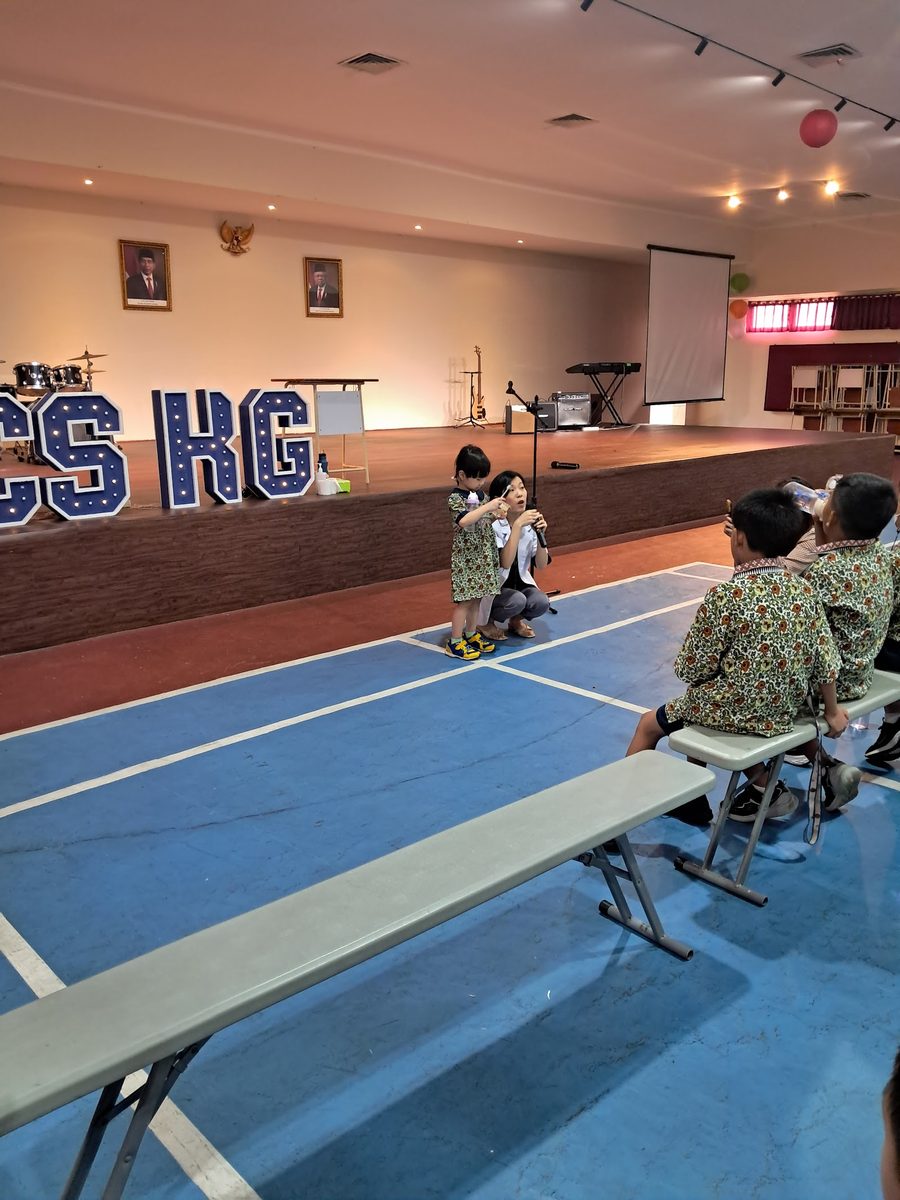
Raffles Christian School Kelapa Gading
Jakarta · Indonesia
A Kelapa Gading day school blending Singapore rigor with Cambridge assessment, its IGCSE and A Level scholars earning Top in the World distinctions.
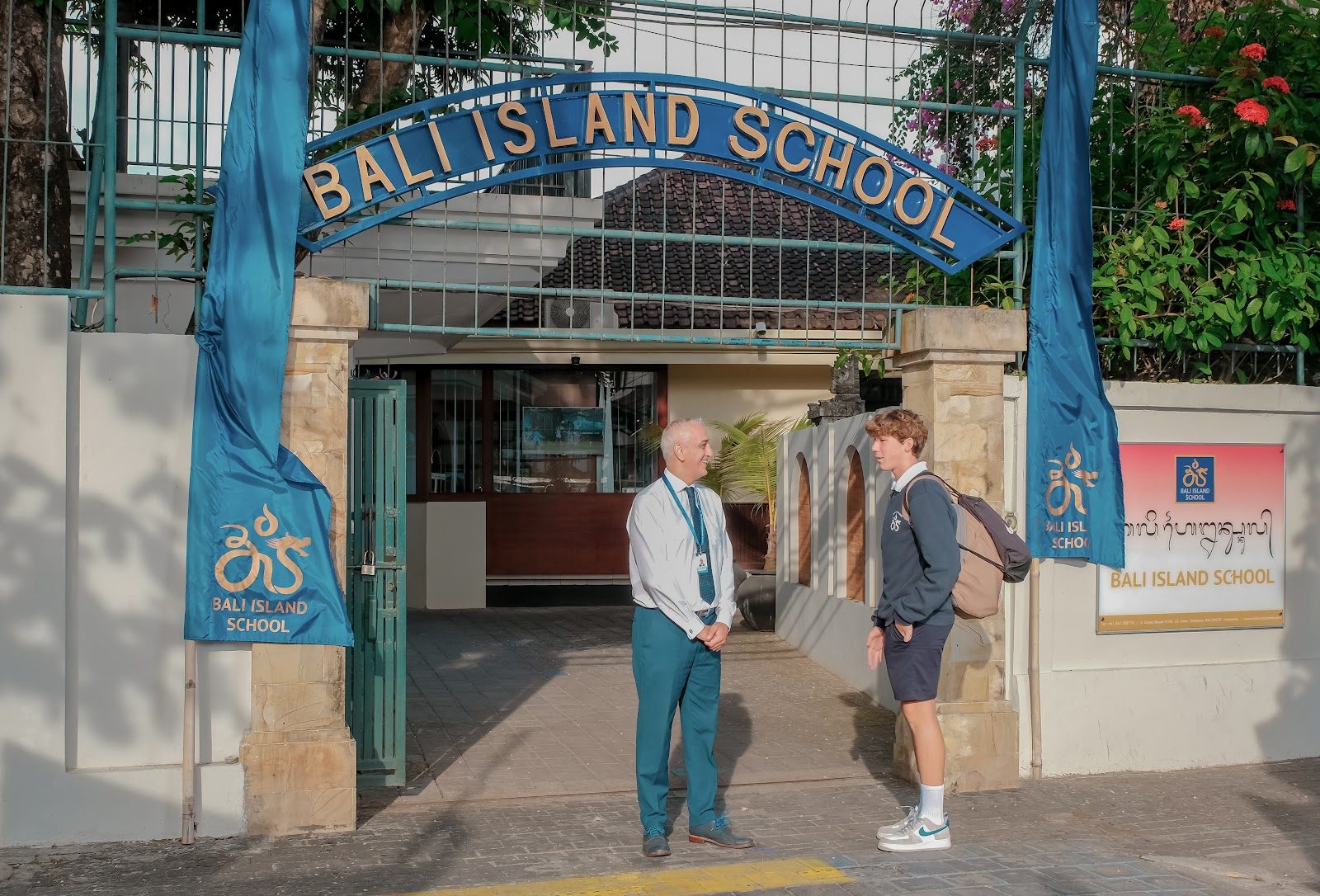
Bali Island School
Denpasar · Indonesia
Amid Sanur's temple lanes, this Denpasar campus has run the island's only full IB continuum since 1985.
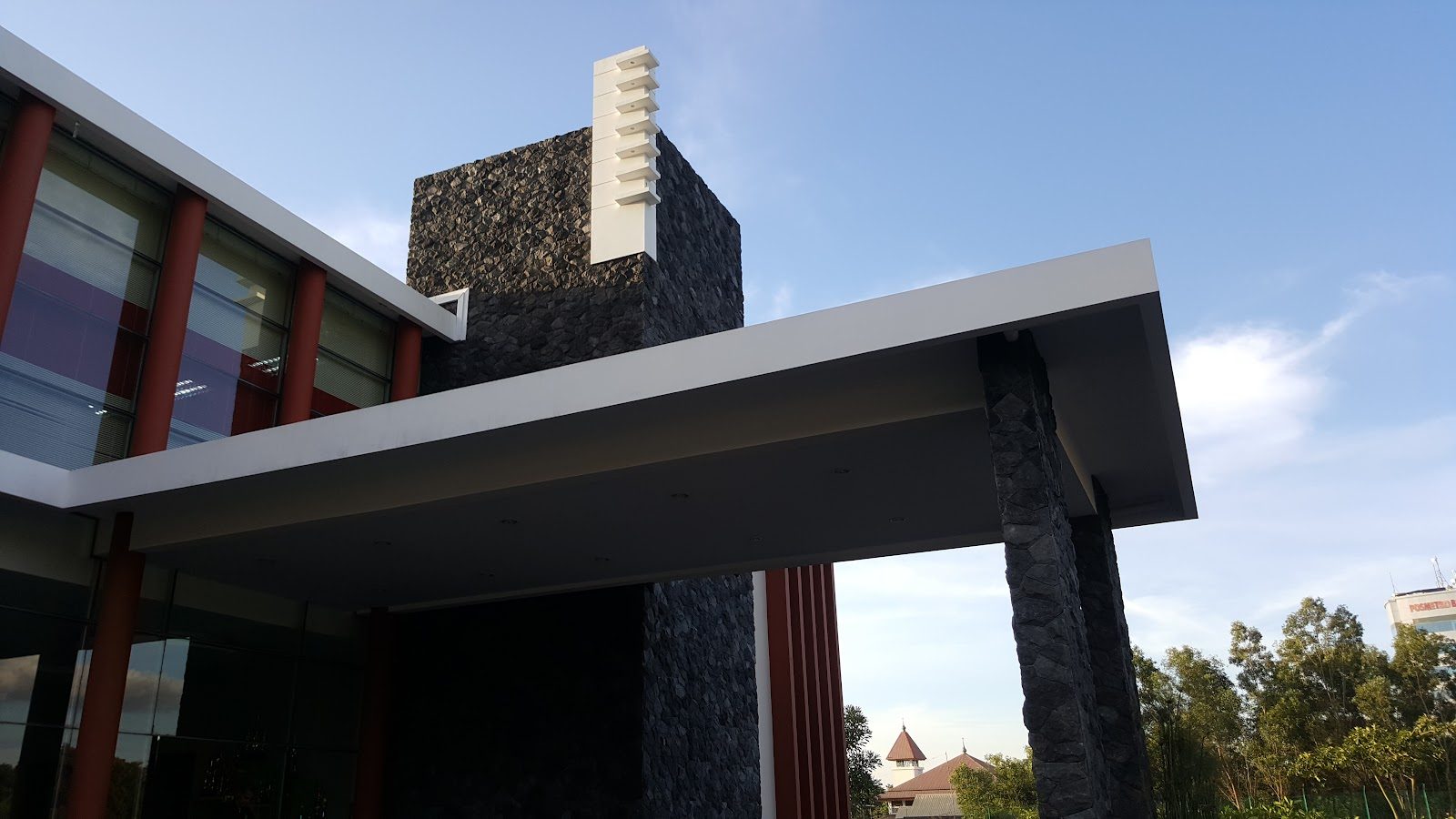
Sekolah Global Indo-Asia
Batam · Indonesia
On Batam's free-trade island facing Singapore, a campus blending the IB Diploma with Cambridge IGCSE and A Levels since 1998.
Sekolah Cikal Cilandak
Jakarta · Indonesia
South Jakarta's first competency-based school layers the IB onto an inclusion ethos built for children of all needs.
Same country and curriculum — closest matches within ±10 points either way