
Europe
Francis Holland School, Sloane Square
Girls’ education in the heart of London since 1881
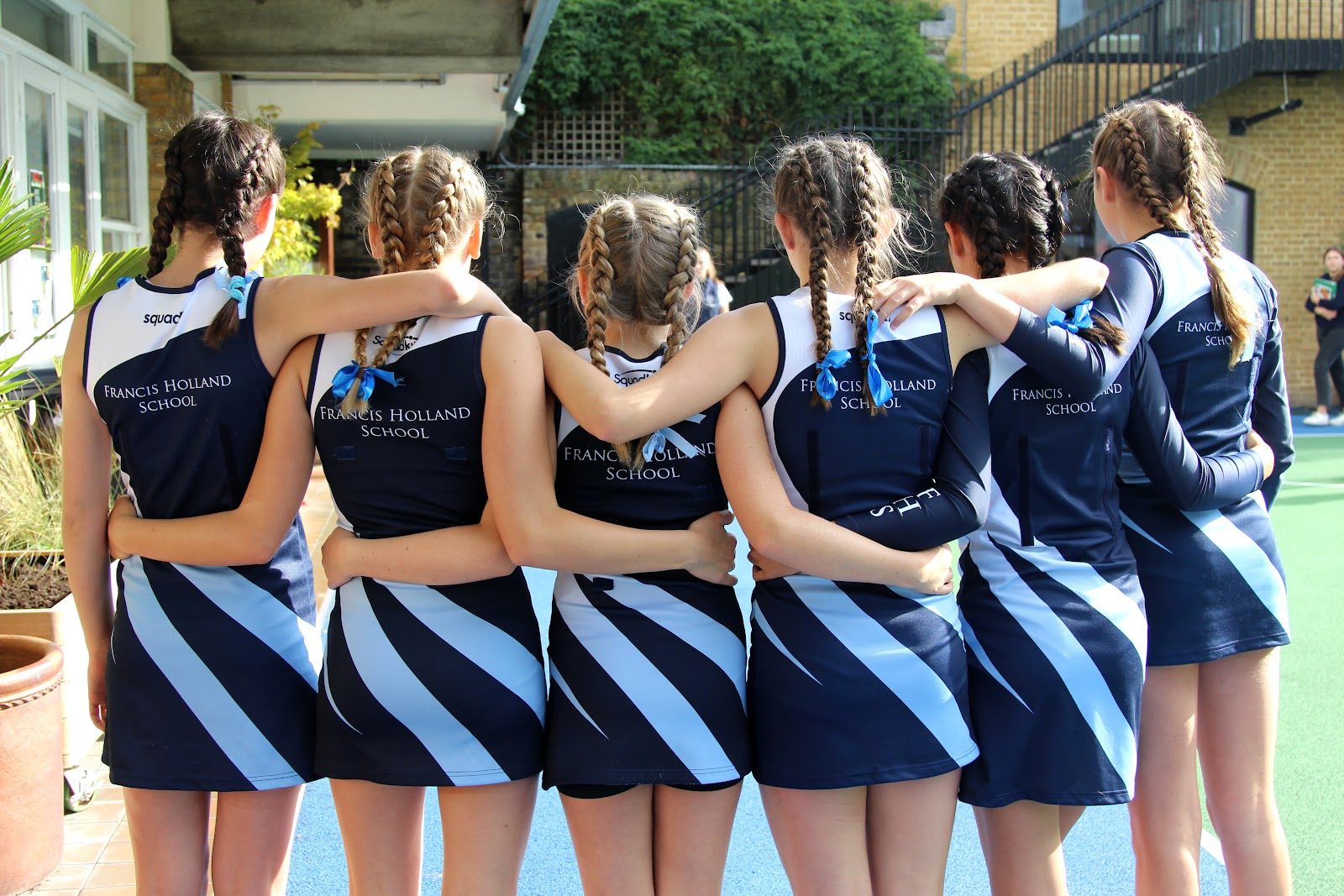
Photo © Francis Holland School, Sloane Square via Google Maps
Type
Day
Ages
4–18
Curriculum
British
Ratio
—
The Verdict
Editor's commitment
Right for
Girls aged 4–18 who want a Church of England day school in central London with 75% 9–8 GCSEs and 16% A* at A level.
Wrong for
Families wanting boarding, co-education or a non-British curriculum; this is an English-medium girls’ day school founded in 1881.
Watch out for
The average annual fee is £33,174, and the published headline results are mixed: 75% 9–8 at GCSE, but 16% A* at A level.
Ranking breakdown
Francis Holland School, Sloane Square · #742 of 1591
Composite score 65.9. 8 weighted criteria.
By criterion
Academic Outcomes
Weight 20%
#512
of 1529 scored
University Placement
Weight 16%
#793
of 1529 scored
Prestige & Heritage
Weight 12%
#1150
of 1571 scored
Alumni Network
Weight 12%
#785
of 1530 scored
Facilities
Weight 12%
#1110
of 1533 scored
Transparency & Communications
Weight 8%
#22
of 1532 scored
Peer & Industry Review
Weight 10%
#1216
of 1548 scored
Admissions Selectivity & Demand
Weight 8%
#607
of 1529 scored
Peer & Industry Review
How Francis Holland School, Sloane Square is regarded in the sector
Insufficient peer signal
We couldn't find enough independent third-party evidence to score this school's peer & industry standing with confidence. It doesn't mean the school isn't well regarded — only that public reputation sources we trust don't yet cover it. This axis is left blank for now and the composite score is median-imputed from the other six categories.
Editors' overview
Francis Holland School, Sloane Square trades on two hard assets that many London schools claim and few actually possess: a seriously central location and a long-established single-sex identity. This is a girls’ day school in SW1, founded in 1881, for ages 4 to 18, with English as the language of instruction and a Church of England foundation. The public academic figures are strong enough to merit attention: 75% 9–8 GCSE and *16% A at A level**. Those numbers place it in the conversation for families who want a British independent education with clear academic ambition, but not a school defined only by exam machinery. The average annual day fee across the full 4–18 ladder is £33,174, which puts it in the expensive bracket even by London day-school standards, so parents have every right to demand substance, not gloss.
What marks Francis Holland out is the combination of scale, geography and tone. “The heart of London” is not empty branding here; Sloane Square gives the school a built-in relationship with the city that suburban campuses cannot replicate. That matters for older pupils in particular: sixth form life, cultural access and day-to-day independence all carry a different texture in central London. The school also pushes a language of belonging and confidence, and in a girls’ school that promise matters. The key question is whether that message is backed by enough intellectual steel. On the published evidence, the answer is yes, though with limits. The exam profile is solid, and the school is open about results and destinations as a category, but it does not publish a richer set of headline outcome data in the source here. Parents who want forensic transparency on university destinations, subject-level performance or comparative league-table positioning will need to ask direct questions.
The pupil who will want Francis Holland, Sloane Square is a girl who wants a high-pressure London education without the institutional froideur that defines some of the capital’s more austere academic names. This suits pupils who are bright, socially confident or ready to become so, and who will use the city rather than feel overwhelmed by it. It also suits families who value a distinctly urban school life over rolling grounds and cloistered calm. Girls who want a more sheltered atmosphere, a vast campus, or a school whose identity rests on one overwhelming specialism may find a tighter fit elsewhere. For the right child, though, Francis Holland earns shortlist status because it offers something specific: a self-assured girls’ education, rooted in central London, with credible academics and a setting that gives school life far more range than a standard day-school commute.
Academic Performance
The published exam profile is good, but not headline-grabbing by the standards of London’s most selective girls’ day schools. A GCSE haul of 75% at the top grades signals a serious academic operation and places Francis Holland, Sloane Square comfortably in the upper tier of independent schools. At A level, 16% at the very top grade is more restrained. That split matters. It points to a school that secures strong attainment across the cohort, yet does not sit in the ultra-competitive bracket occupied by the capital’s most relentlessly exam-driven names, where the top-grade share runs much higher and academic branding rests on brute statistical dominance. For many families, that is a strength rather than a weakness: high standards without the results-factory atmosphere.
Where the school fits, then, is in the strong-middle to upper segment of academically ambitious London independents: credible, established and worth taking seriously, but not the obvious choice for parents hunting the city’s most severe meritocratic edge. The school advertises “results and destinations” as a core academic category, which is right, but the public data here remain thin. We have not seen a fuller breakdown of A*–A rates, pass rates, subject-level performance or university destination patterns. That limits precise peer comparison. Even so, the broad verdict is clear: this is a school with solid external outcomes, not an exam powerhouse, and families should judge it on the combination of attainment, culture and fit rather than raw league-table theatre.
Facilities
The central fact about facilities here is constraint. A school on Sloane Square trades land for access, and parents need to read that bargain clearly. You do not choose Francis Holland for sweeping playing fields, a self-contained parkland campus or the kind of oversized sports complex that outer-London independents use as a selling point. You choose it for a tight urban footprint that plugs girls straight into the capital. For some families, that is a serious advantage: older pupils gain immediate proximity to galleries, theatres, lecture venues and the daily independence that central London permits. For others, it is a plain limitation. If your benchmark is a big-site day school with acres of green space and every activity housed on one campus, this school will feel compressed.
Against its direct peer group of central London girls’ schools, that trade-off is familiar rather than alarming. The website foregrounds sixth form, music, languages activity, TEDx-style events and prize-giving, which points to facilities organised around academic life and cultural participation rather than spectacle. That is the right emphasis for this address. What the school does not publish here is a useful level of hard detail: no clear public account of specialist labs, studio provision, theatre capacity, sports access or whether key amenities sit on site or through external partnerships. That opacity matters because high fees demand precision. In this market, parents should ask exact questions about sport, science and creative spaces, and not settle for glossy central-London romance or the cachet of postcode alone.
Francis Holland, Sloane Square carries real social and educational cachet, but it does not occupy the very top shelf of London girls’ schooling
Prestige
Francis Holland, Sloane Square carries real social and educational cachet, but it does not occupy the very top shelf of London girls’ schooling. The name has weight, the setting adds polish, and the school’s longevity gives it the kind of inherited confidence that families read as status. In practice, this is a school with proper independent-school standing: established, recognisable, and credible with families who want a serious girls’ education in a prime part of the capital. The fee level reinforces that market position. An average annual charge of £33,174 places it firmly in the expensive professional class of London day schools. Prestige here rests on a blend of tradition, address and social confidence, not on brute selectivity or a public mythology of academic ferocity.
That distinction matters. The school’s published results are strong enough to support a high-status reputation, but not strong enough to confer the rarefied prestige reserved for the city’s most academically dominant names. Its top-line figures — 75% at the highest GCSE band and 16% at the top A-level grade — show a school that delivers and can command respect, yet they stop short of the statistical authority that turns a school into a national shorthand for elite scholarship. So the verdict is clear: Francis Holland offers upper-tier London prestige with a more accessible, less forbidding feel than the capital’s hardest-edged competitors. For many families, that is the attraction. It gives daughters a school name that carries well, without demanding allegiance to an exam-obsessed culture.
What distinguishes Francis Holland, Sloane Square is not a single flagship programme or a sprawling campus identity
Communications
Parent communication here is active, visible and geared to keeping families in the loop. The homepage pushes admissions events with exact dates, booking prompts and status markers such as “fully booked” or spaces available, which tells you the school uses its website as a live operational channel rather than a static brochure. News flow is frequent and current, with a steady run of updates on public exam results, competitions, music, prize-giving and fundraising. That gives parents a clear sense of the school calendar and the balance of its priorities. The tone is polished, high-control and parent-conscious. It knows that independent-school families paying serious fees expect prompt signposting and a constant stream of institutional activity.
The weakness is depth. Communication is good at promotion and diary management, but thinner on the hard information that matters once a child is enrolled or under consideration. We can see headline outcomes — 75% at top GCSE grades and 16% top A-level grades — but not the richer parent-facing detail that would show real transparency: fuller destinations data, subject performance, fuller pastoral explanation or a more forensic account of facilities and daily logistics. So the verdict is mixed in a precise way: day-to-day communication looks slick and well-maintained; strategic communication is less candid than top-fee families deserve. Parents who like gloss-free clarity will need to ask direct questions and test how readily the school answers them.
Uniqueness
What distinguishes Francis Holland, Sloane Square is not a single flagship programme or a sprawling campus identity. It is the fusion of a girls’ school culture with a hard-edged urban setting that alters daily life. “The heart of London” is more than a slogan here: older pupils live with the city at close range, not as an occasional excursion but as part of the rhythm of school. That changes the texture of sixth form in particular. Independence matures faster when journeys, events and opportunities sit beyond the front door. The result is a school life with a more adult cadence than many day schools can offer, and that has value for girls who are ready to manage themselves, move confidently and use a city well.
The other point of difference sits in tone. The school’s public language is full of belonging, confidence and girls being “known and understood”. Schools use that vocabulary freely; here, it carries weight because the academic profile still holds firm, with 75% at the top GCSE grades and 16% at the top A-level grade. That combination matters. Francis Holland does not force families to choose between warmth and standards, or between social assurance and serious work. For students, that brings a less doctrinaire version of London private education: ambitious, polished and outward-facing, but without the cold-bath severity that defines some of the capital’s more punishing academic brands.
With 75% at the top GCSE grades, this is not a place for passengers
Student Profile
The right pupil for Francis Holland, Sloane Square is a girl who wants to be busy, visible and engaged rather than tucked away. This school suits students who draw energy from a fast-moving, socially alert environment and who like the idea of being known by staff without being coddled by them. The public language around belonging, confidence and flourishing points to a culture that rewards girls who will participate, speak up and make use of what is on offer. Sixth formers in particular will need urban self-possession: the setting asks for common sense, independence and a readiness to handle a more adult daily rhythm than a secluded campus school provides. The academic profile also sets a clear floor. With 75% at the top GCSE grades, this is not a place for passengers.
The best fit, then, is a student who is bright, organised and outward-facing, but not fixated on living inside a pure exam hothouse. She does not need to be the loudest girl in the room, but she does need enough confidence to join in and enough resilience to manage a school with standards and pace. Girls who want a warm but unsentimental culture will do well. Girls who need acres of space, heavy institutional hand-holding or a sheltered, slow-breathing atmosphere will feel constrained. This is a strong option for families who want daughters to grow into capable, articulate young women in a school that expects them to use both the city and themselves well.
Francis Holland School, Sloane Square trades on two hard assets that many London schools claim and few actually possess: a seriously central location and a long-established single-sex identity
Co-curricular strengths
Arts & sport, on a separate axis
Overall 8.84/10
Scored 0-10 from the school's own published evidence. This axis is editorial-only — it does not feed the main WTS ranking.
Sports
8.2/10
Good, but the compact location and thinner evidence of national competitive achievement keep it at 8.2.
Drama
9.2/10
Around 12 productions a year, a professionally equipped Black Box theatre, productions in professional venues including the Shaftesbury Theatre and Battersea Arts Centre, and leavers progressing to schools including RADA.
Dance
9.1/10
A dedicated Classical Ballet scholarship, specialist delivery through Chelsea Ballet Schools, Royal Academy-style examination progression and pupils progressing to the Royal Ballet School — genuine pathway evidence, not a weekly dance club.
Music
8.8/10
Nearly half the pupils learn an instrument and there are more than 15 ensembles.
Visual Arts
8.9/10
Impressive progression, including to the Slade, Central Saint Martins and the Florence Academy of Art.
Editor-verified · 8/27/2026
Gallery
Photo © Barnaby Voss via Google Maps
Photo © King Yiu via Google Maps
Photo © Francis Holland School, Sloane Square via Google Maps
Photo © Francis Holland School, Sloane Square via Google Maps
Photo © Francis Holland School, Sloane Square via Google Maps
Photo © Francis Holland School, Sloane Square via Google Maps
Photo © Francis Holland School, Sloane Square via Google Maps
Photo © Francis Holland School, Sloane Square via Google Maps
Photo © Francis Holland School, Sloane Square via Google Maps
Parent reviews
Have you sent your child here?
Voice reviews carry the strongest trust badge — we transcribe them for you to tidy up before they go live. Prefer to type? A written review is fine too.
Add your voice
In 60 seconds, tell other parents: what's the best thing about Francis Holland School, Sloane Square, and what surprised you when your child joined?
We ask for a Google sign-in so every review has a real face behind it — no anonymous drive-by attacks on schools, and no faked positive reviews. Your email is never shown publicly.
Send this profile to a friend
International parents rely on word-of-mouth. Share this review with someone weighing the same decision.
Schools with places
Similar schools to Francis Holland School, Sloane Square with places available now.
University College School
London · United Kingdom
- 2026-27
- CLOSEDStandard route
- 2027-28
- PLACES OPEN11+ (9 Nov); 16+ (28 Sept)
Emanuel School
London · United Kingdom
- 2026-27
- CLOSEDStandard route closed
- 2027-28
- PLACES OPEN11+ / 16+ active
City of London School
London · United Kingdom
- 2026-27
- CLOSEDStandard route
- 2027-28
- PLACES OPEN11+/16+ Active
Latymer Upper School
London · United Kingdom
- 2026-27
- CLOSEDStandard route
- 2027-28
- PLACES OPENCloses Nov
Availability first, then country, area, curriculum, price, co-curricular
Consider also
Also worth looking at alongside Francis Holland School, Sloane Square.
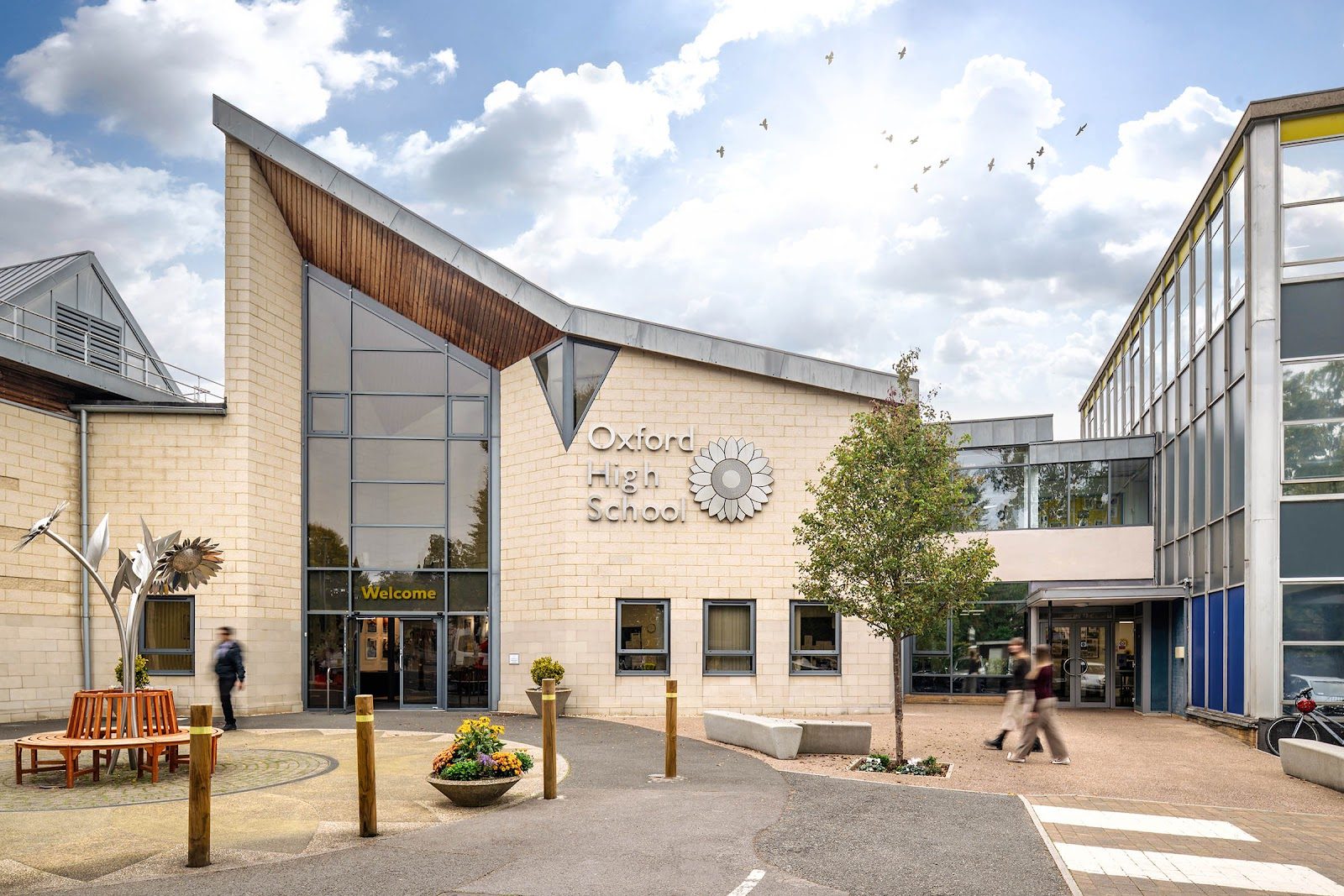
Oxford High School
Oxford · United Kingdom
One of England's earliest girls' day schools, founded in 1875, pairs Oxford scholarship with a culture of fearless inquiry.
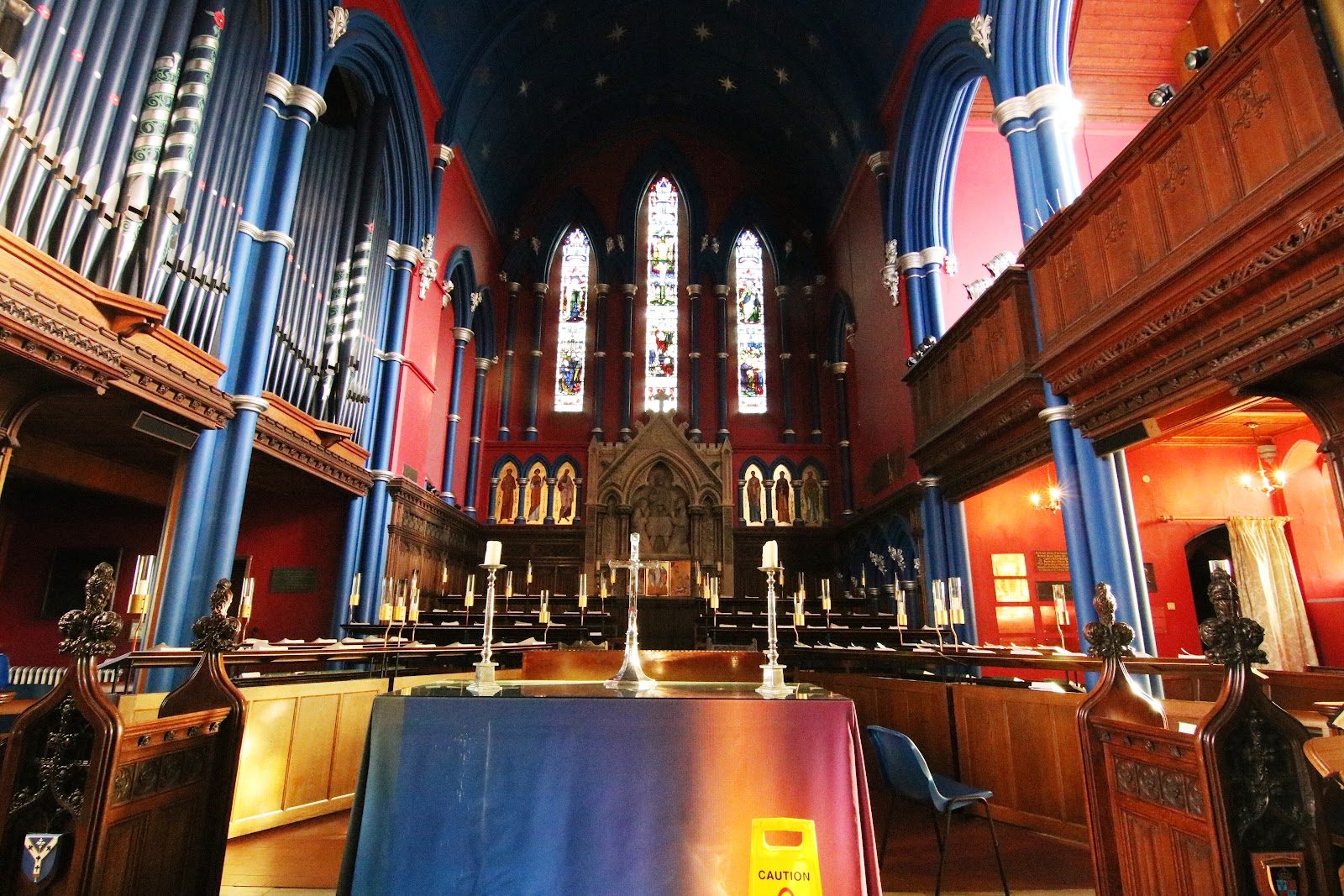
Shrewsbury School
Shrewsbury · United Kingdom
Curled inside a loop of the River Severn, twelve boarding houses keep alive a rowing tradition dating to 1866.
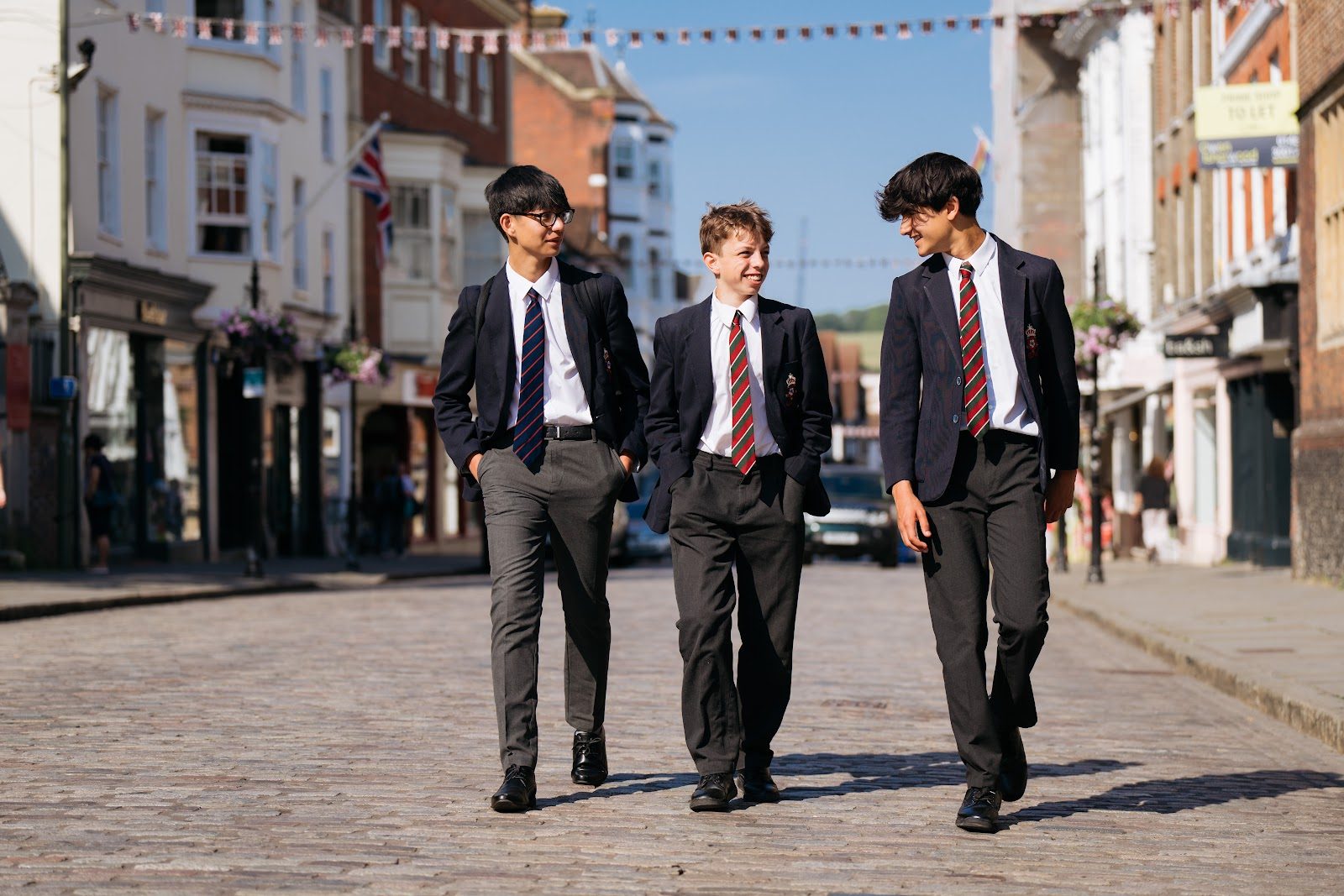
Royal Grammar School, Guildford
Guildford · United Kingdom
A working chained library inside a Grade I Tudor schoolroom anchors a 1509 foundation's steady march toward Oxbridge offers.
Gordonstoun
Elgin · United Kingdom
On Scotland's Moray coast, birthplace of Outward Bound, where sail training aboard the school's own ocean-going yacht counts as curriculum.
Same country and curriculum — closest matches within ±10 points either way