
Lima
Colegio Antonio Raimondi
Since 1872, a La Molina institution weaving Italian and Peruvian schooling toward the state Diploma di Maturita.
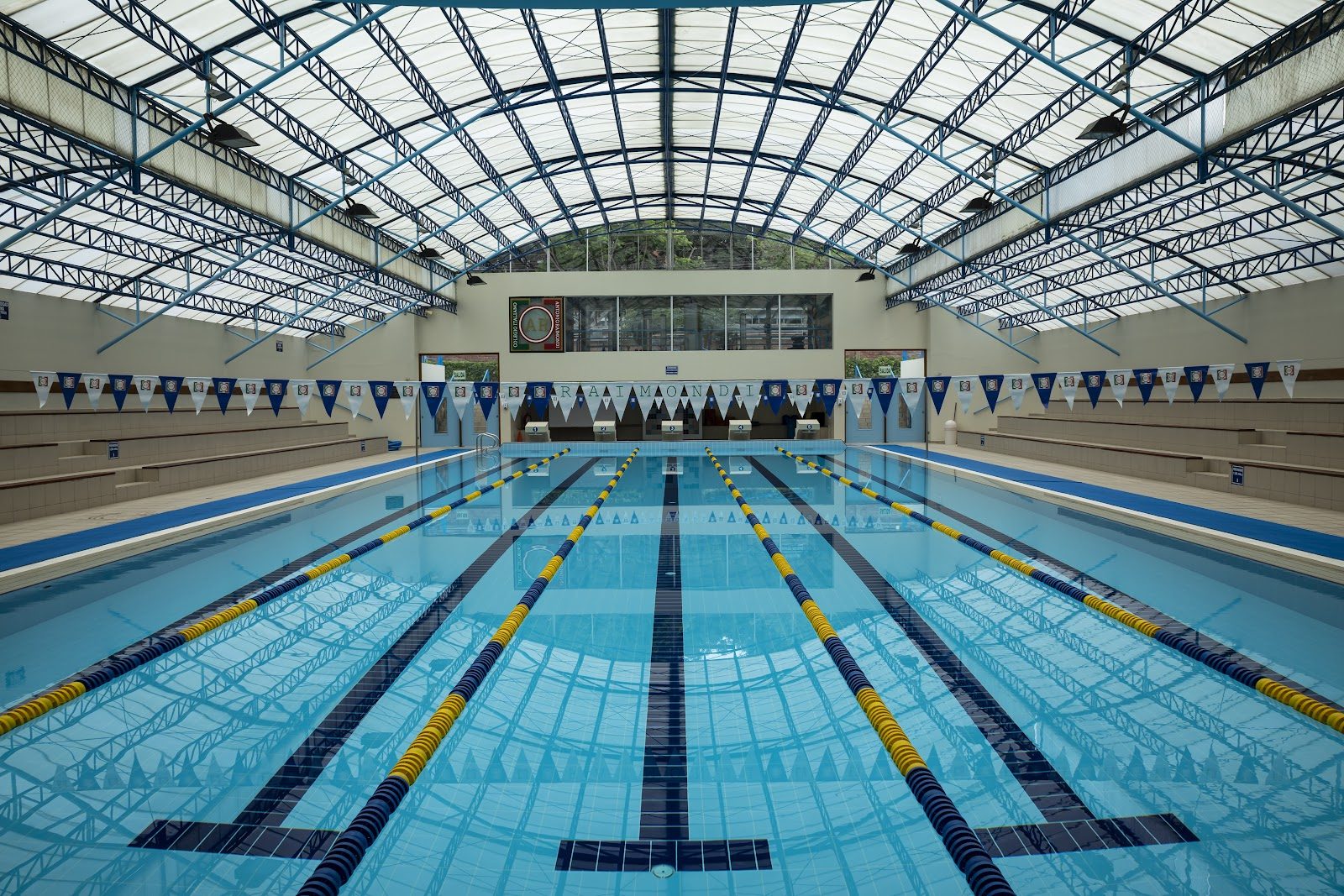
Photo © Colegio Italiano Antonio Raimondi via Google Maps
Type
Day
Ages
3–18
Curriculum
Peruvian · Italian
Qualifications
Peruvian national curriculum · Italian Maturità
Ratio
—
The Verdict
Editor's commitment
Right for
Lima families wanting a private day school in La Molina with Peruvian and Italian curricula from age 3 to 18.
Wrong for
Families wanting boarding, a single-curriculum route, or schooling outside La Molina; Antonio Raimondi is a day school in Lima.
Watch out for
Founded in 1959 and teaching in Spanish, Italian and English, it asks children to handle three languages and two systems.
Ranking breakdown
Colegio Antonio Raimondi · #1430 of 1591
Composite score 50.9. 8 weighted criteria.
By criterion
Academic Outcomes
Weight 20%
#1313
of 1529 scored
University Placement
Weight 16%
#1371
of 1529 scored
Prestige & Heritage
Weight 12%
#1289
of 1571 scored
Alumni Network
Weight 12%
#1210
of 1530 scored
Facilities
Weight 12%
#1422
of 1533 scored
Transparency & Communications
Weight 8%
#1383
of 1532 scored
Peer & Industry Review
Weight 10%
#1463
of 1548 scored
Admissions Selectivity & Demand
Weight 8%
#1232
of 1529 scored
Peer & Industry Review
How Colegio Antonio Raimondi is regarded in the sector
54
Credible · medium confidence
Colegio Antonio Raimondi is recognized within Lima's private-school sector as a long-established bicultural (Peruvian-Italian) institution, one of a cluster of foreign-curriculum schools including the Italian, German, British and French schools that Peruvian families view as academically serious alternatives to purely national colegios. It does not feature prominently in international ranking platforms such as WhichSchoolAdvisor or the Good Schools Guide, which concentrate on British-curriculum schools abroad, so independent English-language press commentary is limited. Domestically, its graduates' placement is referenced anecdotally in Peruvian education circles rather than through published university admissions data; there is no verifiable public statement from a named admissions officer at a specific university praising the school. Peer recognition appears mainly through participation in binational school networks tied to the Italian Ministry of Education accreditation, which lends it credibility among Italian-curriculum schools in Latin America. Overall, its regard rests on longstanding institutional trust and curriculum authenticity rather than on documented external rankings, press awards, or quoted endorsements from rival heads, which could not be independently confirmed.
Editors' overview
Colegio Antonio Raimondi occupies a narrow, valuable niche in Lima: a long-established Italian-Peruvian day school in La Molina serving ages 3–18 and running a dual academic identity that few local competitors can match. The school’s distinguishing feature is not branding but structure. It combines the Peruvian and Italian curricula, teaches in Spanish, Italian and English, and carries pupils from preschool to upper secondary within one system. For families who want a child educated inside both the Peruvian national framework and an Italian educational tradition, this is a serious proposition. The date line matters too. The school was founded in 1959, which gives it institutional weight in a market crowded with newer bilingual entrants.
What puts Raimondi on a shortlist is that blend of continuity, linguistic ambition and cultural specificity. This is not a generic “international” school with a light European gloss. It is a school with a defined national character: Italian in orientation, Peruvian in setting, and explicit about both. That matters for parents who want more than English-medium prestige. It offers a clear bicultural route and a daily environment where Spanish and Italian are not decorative additions. English is part of the language mix, but the school’s core appeal sits elsewhere: deep-rooted bilingualism, a stable day-school format, and a model that links local belonging with European academic identity. In a city where many schools chase breadth, Raimondi’s strength is focus.
The best fit is a student who will thrive in a structured, multilingual setting and who gains from sustained immersion rather than casual exposure. This suits children from families with Italian ties, families planning academic or personal mobility connected to Italy, and Peruvian families who want a school life anchored in both local and European traditions. It also suits pupils who value staying in one institution from early years to graduation. Children who need a looser, more experimental culture or a heavily Anglo-American school identity will find stronger options elsewhere. Raimondi’s appeal rests in institutional continuity, cultural seriousness and a distinct educational lane that very few Lima schools occupy with the same clarity.
Academic Performance
Academic performance is the area where Raimondi leaves parents wanting harder facts. The school’s public profile points to the Italian state leaving qualification — the Diploma di Maturità — and that gives the academic offer a concrete endpoint. What it does not give is published outcome data. We have not seen aggregate Maturità pass rates, score distributions, subject-level results, university placement figures, or any benchmark that places Raimondi cleanly against other Italian or bilingual schools in Peru. That opacity matters. In a market where ambitious schools use external results to prove academic strength, silence reads as a material gap.
That does not make the school weak; it makes it difficult to verify. Families considering Raimondi for serious exam preparation need direct answers on cohort performance, distinctions, resit rates and destinations after graduation. They also need to know how results compare with peers serving the same bicultural brief, because the school occupies a specialised lane rather than a broad international one. Without that data, Raimondi sits in the category of schools with a credible academic framework but limited public accountability on outcomes. Parents who value cultural fit and continuity may accept that trade-off. Parents who rank published examination performance first will find stronger transparency elsewhere.
Facilities
Raimondi’s core facilities question is hard to answer because the school does not publish a clear, detailed campus inventory. That absence matters. Parents can confirm that it operates as a full through-school, so the site has to cover early years through senior secondary needs, but we have not seen the kind of public detail that stronger peer schools now provide as standard: specialist science labs, performing arts venues, dedicated design or technology spaces, competitive sports infrastructure, libraries with real scale, or photographed sixth-form study areas. For a school with a distinct identity and a serious all-through brief, this is a weak point in public communication. Facilities may be good; the school does not prove it.
Against peers in Lima’s premium bilingual and international segment, that puts Raimondi on the back foot. Competitors with confidence in their estates show parents exactly what children use day to day and where capital investment has gone. Raimondi does not. That does not damage the school’s cultural proposition, which rests elsewhere, but it does leave practical questions unanswered: how strong are the sciences, how ambitious is arts provision, and how much room does the campus give older pupils to work independently? Until the school publishes a proper facilities map, galleries, or specifications, families must ask for a visit and inspect the site closely. On facilities, this is a case of limited transparency, not proven excellence.
The school’s distinguishing feature is not branding but structure
Prestige
Raimondi carries real niche prestige, not mass-market prestige. In Lima, that distinction matters. Its standing rests on cultural specificity, institutional continuity and the discipline of running an education tied to two national systems from the early years to school leaving. That gives it cachet with families who want more than an English-heavy international label. An Italian school that covers the full age range from 3–18 inside one structure occupies a scarce position in the market, and scarcity confers status. The school also benefits from the social weight of its district and from the durability that comes with a long-established local presence. For the right family, Raimondi is not a compromise option; it is the point.
That said, prestige here is specialist rather than dominant. Raimondi does not hold the broad, high-visibility status of the city’s most aggressively branded international schools, and it does not publish the kind of outcome data that turns reputation into hard proof. Its name carries meaning within Italian-Peruvian circles and among families who value bicultural formation; outside that lane, the pull is narrower. We rate its prestige as substantial but contained: strong among parents who understand the school’s mission, weaker among those shopping by league-table logic, university placements or glossy global image. In plain terms, Raimondi has earned standing, but it trades in depth, tradition and identity, not spectacle.
It combines the Peruvian and Italian curricula, teaches in Spanish, Italian and English, and carries pupils from preschool to upper secondary within one system
Communications
Raimondi’s parent communication has the same problem as its wider public communication: too much is left implicit. The school does not publish the kind of crisp, decision-making information that ambitious parents now expect as standard. We have not seen clear public reporting on outcomes, nor a detailed account of facilities, and that weakens confidence in the school’s communications culture as a whole. A school serving children from age 3–18 inside one institution has to communicate with precision across very different stages of family life — daily logistics in the early years, academic clarity in the senior school, and a credible line of sight to graduation. Raimondi’s public-facing profile does not yet show that level of disciplined transparency.
That does not mean parent communication inside the school is poor; it means the school does not prove its quality in public. Some families will accept a more traditional, relationship-led model, especially in a community with a strong internal identity and a stable parent base. Others will read the lack of published detail as old-fashioned and inconvenient. The test for prospective parents is simple: ask how notices are sent, how quickly staff reply, how assessment is reported, how pastoral concerns are escalated, and how senior leaders communicate change. A confident school answers those questions cleanly. Raimondi leaves parents to do more of the work themselves, which makes its communications serviceable at best rather than demonstrably strong.
Uniqueness
Raimondi’s uniqueness lies in identity with consequences. Plenty of schools borrow a European accent for marketing; this one is built around an Italian educational and cultural frame that runs through the whole pupil journey, from the first years to the end of school. That creates something unusually coherent: not a loose bilingual add-on, but a daily school life shaped by another national tradition while remaining anchored in Peru. For students, that brings more than extra language lessons. It builds ease in moving between systems, codes and expectations. Children grow up reading their education through two lenses at once, which sharpens adaptability, cultural literacy and intellectual range. In Lima, that is a rare proposition.
The benefit is strongest for families who want continuity and seriousness rather than fashionable internationalism. A child at Raimondi is not being prepared for a generic global identity; they are being formed inside a specific bicultural inheritance. That gives the school a clearer spine than many broad-market bilingual competitors. Students gain a stronger sense of belonging to a defined tradition, and older pupils leave with an academic profile that connects cleanly to Italy as well as Peru. The trade-off is just as clear. This is not the place for families seeking a neutral international mix or a school that keeps culture light and interchangeable. Raimondi is distinct by design, and that distinctness is its value.
For families who want a child educated inside both the Peruvian national framework and an Italian educational tradition, this is a serious proposition
Student Profile
The best fit at Raimondi is a child who handles structure well and does not need a school to dilute its identity for broad appeal. This suits students from families with Italian ties, bicultural households, and parents who want daily school life to carry a defined cultural frame rather than a generic international polish. It also suits pupils who are comfortable moving between codes at home and at school, and who can cope with the discipline that comes with a more tradition-conscious environment. Children who value continuity, clear expectations and a stable peer community will settle more easily here than those who need constant novelty, wide elective choice or a more free-form school culture.
Socially, the school will work best for students who do not need a vast, hyper-diverse international mix to feel stimulated. Its pull is narrower and more identity-driven. That creates cohesion, but it also creates boundaries: families choosing Raimondi are buying into a specific educational lane, not an all-purpose global marketplace. The strongest candidates are pupils who can commit to that lane for the long term, ideally across multiple stages from 3 to 18. Children who want an Anglo-American atmosphere, a highly public performance culture, or a campus life built around glossy breadth will find a mismatch. Raimondi suits the child who values belonging with substance over image, and who will thrive in a school that is serious about its own character.
The school was founded in 1959, which gives it institutional weight in a market crowded with newer bilingual entrants
Co-curricular strengths
Arts & sport, on a separate axis
Overall 7.86/10
Scored 0-10 from the school's own published evidence. This axis is editorial-only — it does not feed the main WTS ranking.
Sports
8.8/10
Drama
5.5/10
Dance
8/10
Music
8.5/10
Visual Arts
8.5/10
Strengths
- +Offers a dual Peruvian-Italian curriculum, giving students a pathway toward both the Peruvian Bachillerato and Italian academic credentials.
- +Named for Antonio Raimondi, reflecting a long-established Italian-Peruvian community identity and cultural continuity in Lima.
- +Operates as a day school, keeping students within normal family and community life rather than a boarding structure.
- +Forms part of the network of Italian-curriculum schools abroad, giving access to Italian-language instruction not widely available in Lima.
Considerations
- −Editorial rank of 1005 places it well outside the internationally recognized top tier of schools reviewed by this platform.
- −Instruction is not primarily English-medium, which may not suit expat families seeking an Anglophone international pathway.
- −Fee schedules, university placement outcomes and independent inspection reports are not readily published or verifiable online.
- −Its bicultural Italian-Peruvian focus means less curricular breadth or diversity than larger IB or British-system schools in Lima.
Availability
Primary entry gate & tests
Admission/transfer process + school documentation
Gallery
Photo © Colegio Italiano Antonio Raimondi via Google Maps
Photo © Colegio Italiano Antonio Raimondi via Google Maps
Photo © RAMON VIVAR via Google Maps
Photo © Eduardo Molinari via Google Maps
Photo © Colegio Italiano Antonio Raimondi via Google Maps
Photo © Colegio Italiano Antonio Raimondi via Google Maps
Photo © Carlos Estrada via Google Maps
Parent reviews
Have you sent your child here?
Voice reviews carry the strongest trust badge — we transcribe them for you to tidy up before they go live. Prefer to type? A written review is fine too.
Add your voice
In 60 seconds, tell other parents: what's the best thing about Colegio Antonio Raimondi, and what surprised you when your child joined?
We ask for a Google sign-in so every review has a real face behind it — no anonymous drive-by attacks on schools, and no faked positive reviews. Your email is never shown publicly.
Send this profile to a friend
International parents rely on word-of-mouth. Share this review with someone weighing the same decision.
Schools with places
Similar schools to Colegio Antonio Raimondi with places available now.
Markham College
Lima · Peru
- 2026-27
- WAITPOOLVacancy-dependent / enquire
- 2027-28
- PLACES OPEN
Colegio Roosevelt — The American School of Lima
Lima · Peru
- 2026-27
- WAITPOOLSpace-dependent
- 2027-28
- PLACES OPENRolling
Availability first, then country, area, curriculum, price, co-curricular
Consider also
Also worth looking at alongside Colegio Antonio Raimondi.
Colegio León Pinelo
Lima · Peru
In San Isidro, Peru's only Jewish day school threads Hebrew language and tradition through a trilingual, full IB continuum.
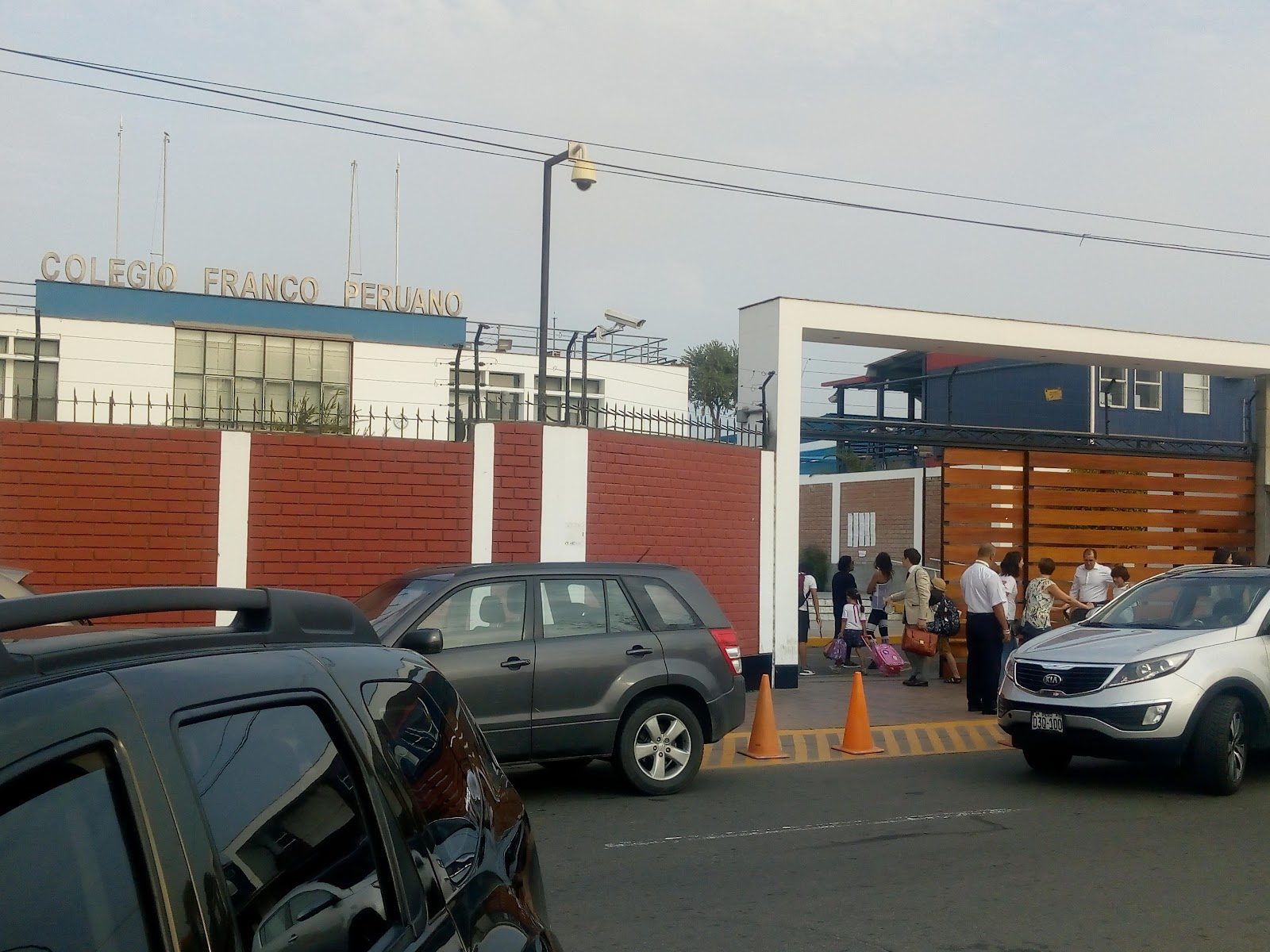
Colegio Franco Peruano
Lima · Peru
A 1950-founded AEFE outpost in Surco, where 25 nationalities converge for the French Baccalaureat and onward to universities in France.
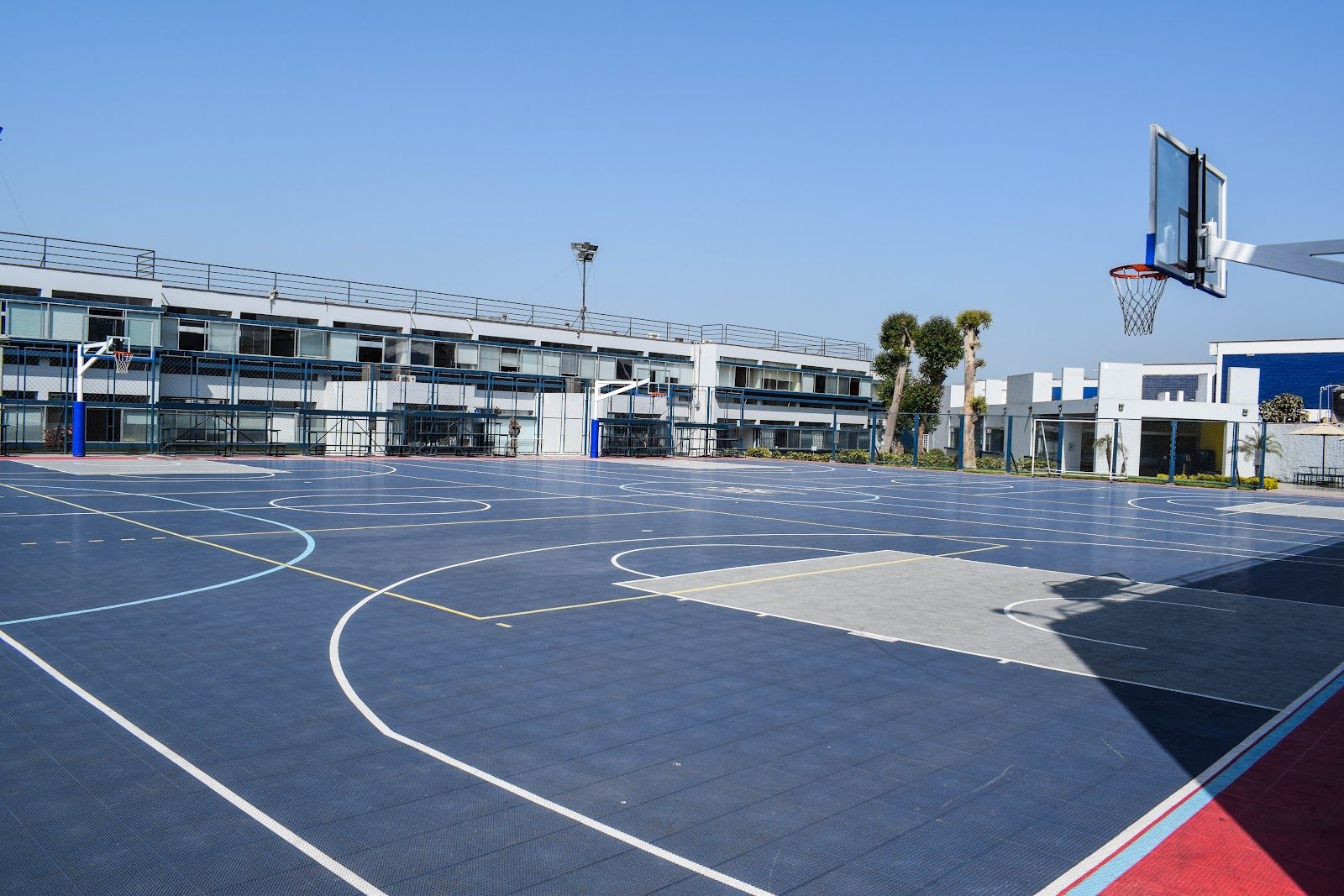
Colegio Peruano Norteamericano Abraham Lincoln
Lima · Peru
Peru's first parent-owned cooperative school, pairing an American curriculum with IB Diploma studies in La Molina.
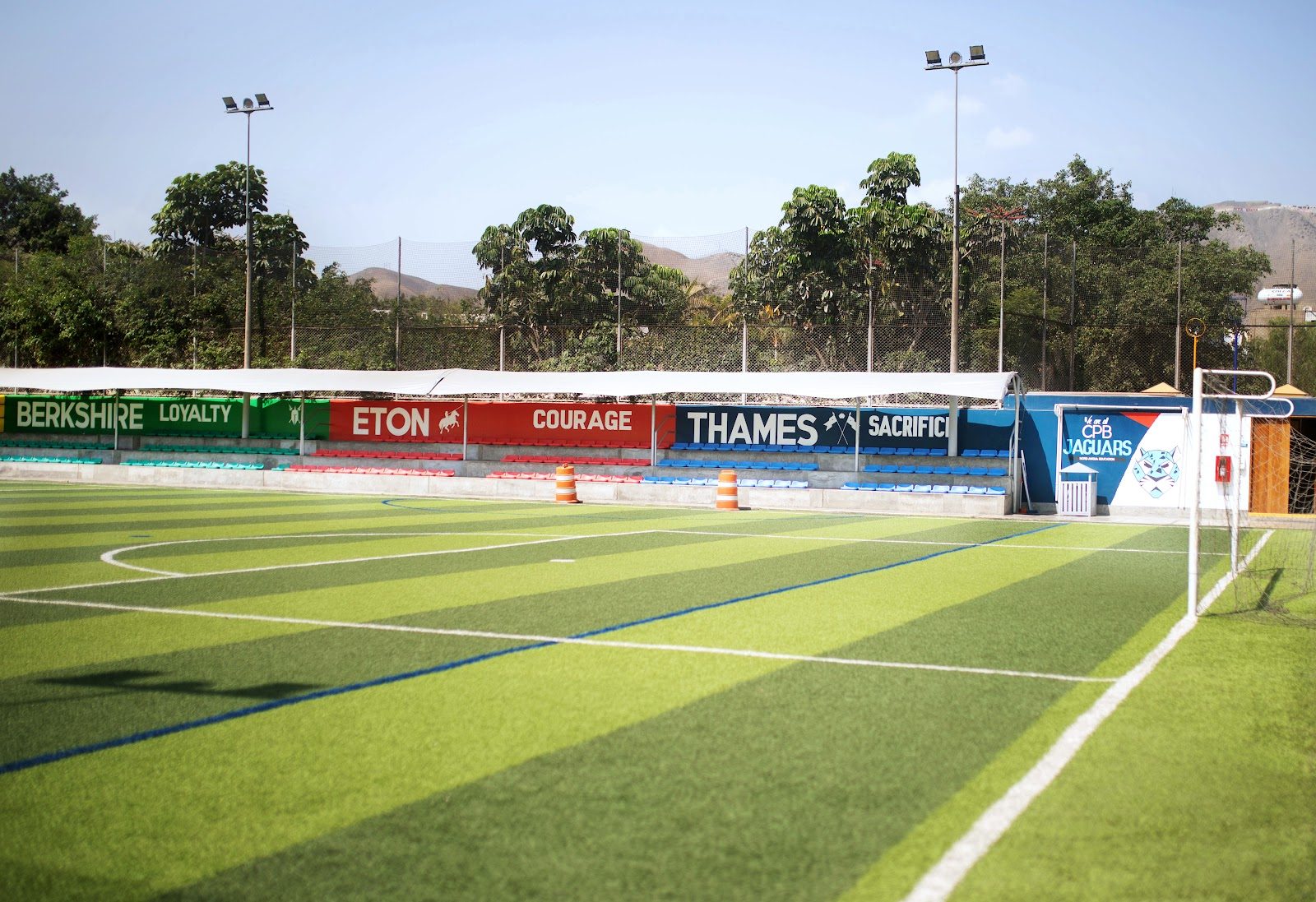
Colegio Peruano Británico
Lima · Peru
Trilingual since 1963, this Monterrico campus blends a Juilliard-shaped arts curriculum with IB rigor as Nord Anglia's first Peruvian school.
Same country and curriculum — closest matches within ±10 points either way