
Ogun State
Day Waterman College
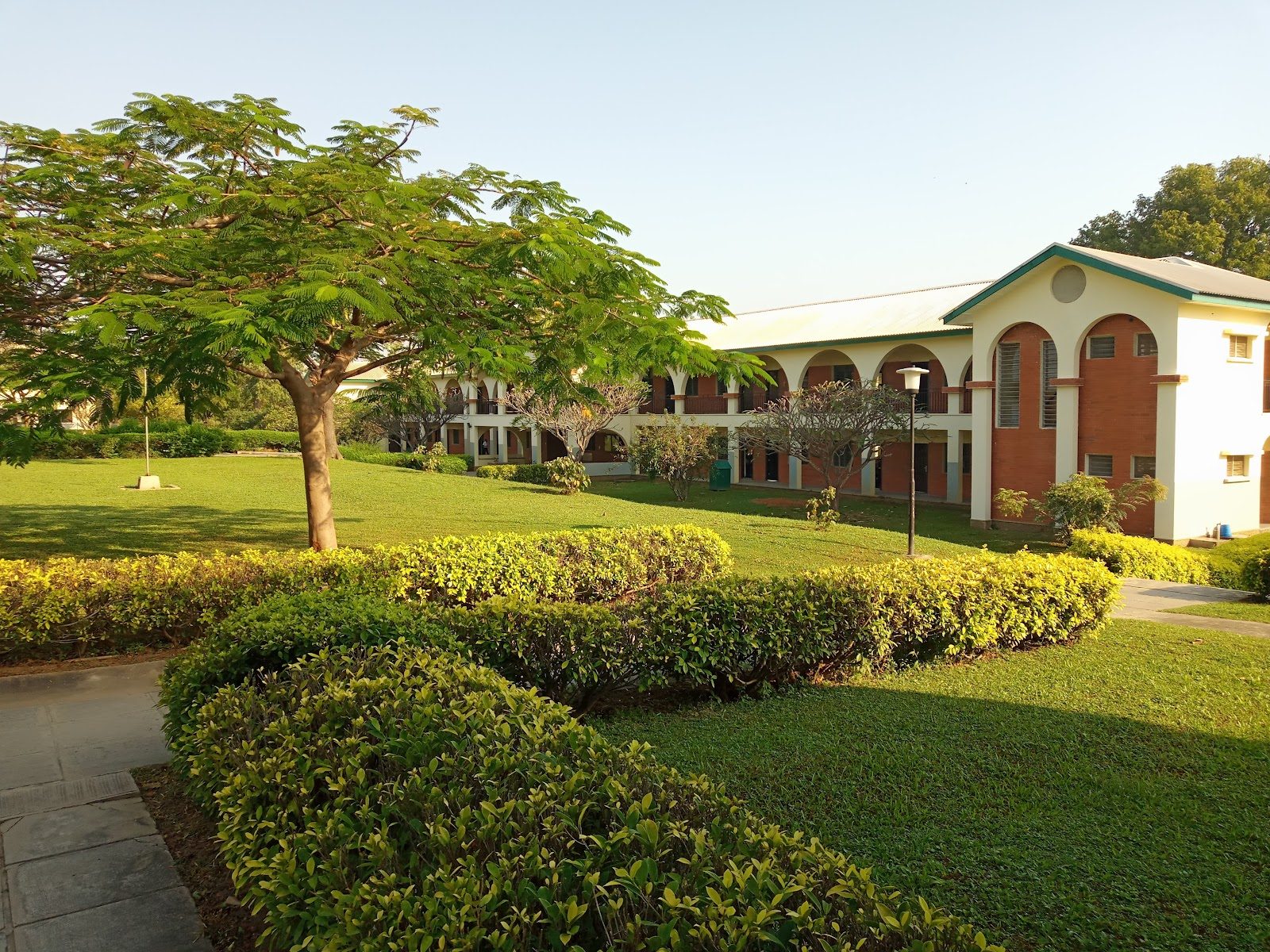
low confidence· 4/6 cats · 1 avg sourcesOn 35 hectares outside Abeokuta, British-curriculum boarders swap city noise for golf greens and a FIFA-sized pitch.
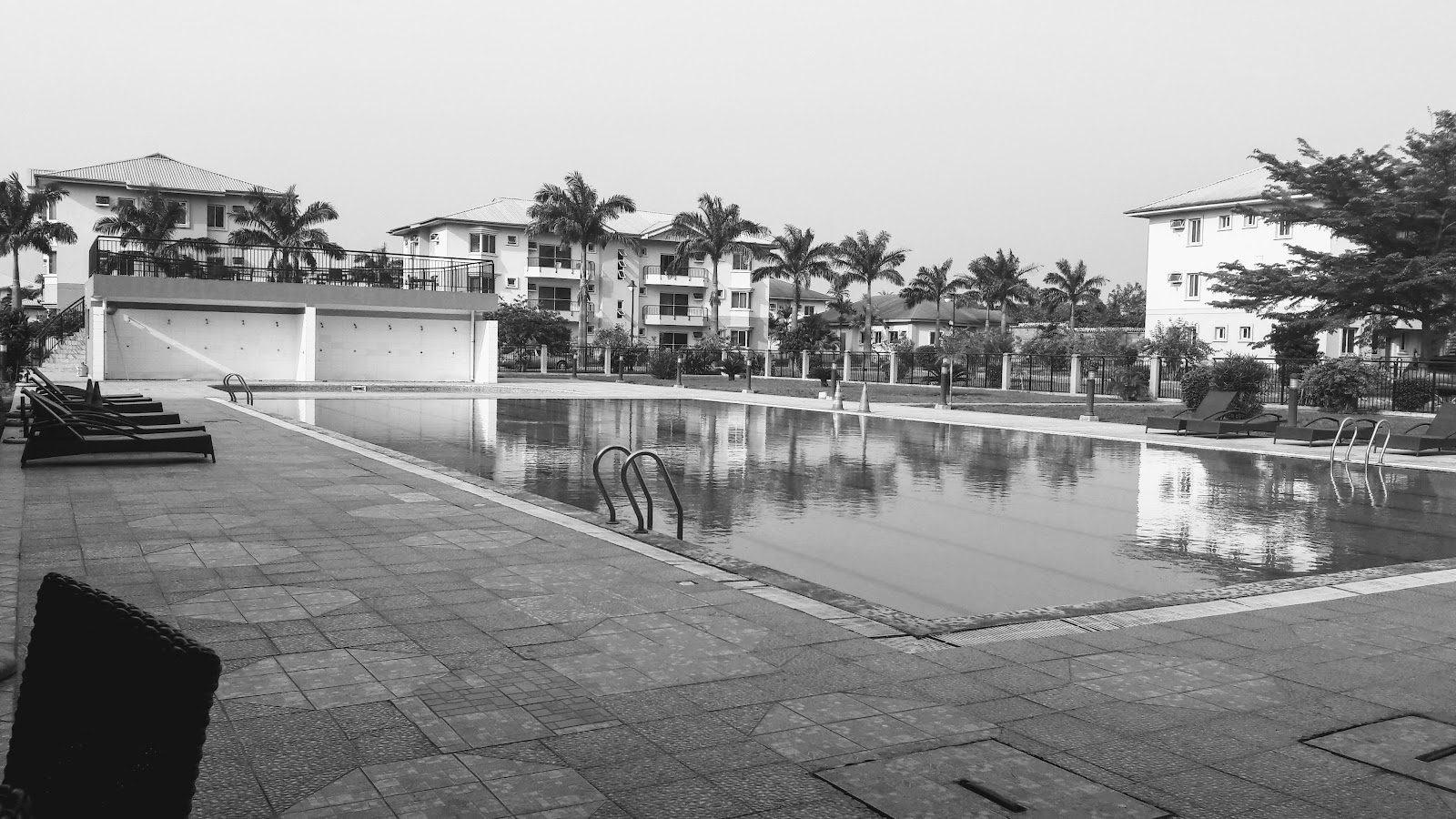
Photo © Kingsley Eloke via Google Maps
Type
Boarding
Ages
10–17
Curriculum
British
Qualifications
IGCSE
Ratio
—
The Verdict
Editor's commitment
Right for
Boarders aged 10–17 who want a British curriculum in English on 35 hectares outside Abeokuta, with room to breathe.
Wrong for
Families wanting day schooling, a religious ethos or an urban campus: Day Waterman College is non-religious, boarding-only, and outside Abeokuta.
Watch out for
BSO and Cambridge International accreditation give credibility, but the school does not publish headline exam outcomes or university destinations.
Ranking breakdown
Day Waterman College · #1431 of 1591
Composite score 50.9. 8 weighted criteria.
By criterion
Academic Outcomes
Weight 20%
#1382
of 1529 scored
University Placement
Weight 16%
#1371
of 1529 scored
Prestige & Heritage
Weight 12%
#1437
of 1571 scored
Alumni Network
Weight 12%
#1113
of 1530 scored
Facilities
Weight 12%
#1408
of 1533 scored
Transparency & Communications
Weight 8%
#1415
of 1532 scored
Peer & Industry Review
Weight 10%
#1216
of 1548 scored
Admissions Selectivity & Demand
Weight 8%
#1326
of 1529 scored
Peer & Industry Review
How Day Waterman College is regarded in the sector
63
Respected · medium confidence
I could not identify at least two independent, third-party sources (specialist education press, inspectorate reports, alumni-network coverage, or expat forums) that substantively discuss Day Waterman College's reputation. Available information appears limited to the school's own promotional materials or unverified listing sites, which do not meet the evidentiary bar for this assessment.
Editors' overview
Day Waterman College occupies a distinct niche in the Nigerian market: a full boarding school on 35 hectares outside Abeokuta, founded in 2007, offering a British curriculum in English for pupils aged 10–17. The obvious differentiator is scale of site rather than scale of brand. Families buying into Day Waterman are buying distance from Lagos congestion, a self-contained campus and a boarding routine built around space, order and supervision. That matters. Plenty of schools promise focus; far fewer can offer room to breathe, distance from distraction and a daily life that does not depend on city traffic, fragmented facilities or rented sports grounds.
The school’s strongest selling point is the campus proposition. Golf greens, a FIFA-sized pitch and the acreage itself give Day Waterman a profile closer to a traditional boarding estate than an urban day school with dormitories attached. For the right child, that delivers a controlled rhythm, clear structure and a serious extracurricular environment. The trade-off is equally clear: this is not the choice for families who want a bustling metropolitan setting, constant parental drop-ins or the social sprawl of a large city school. It is a boarding school first, and parents should treat it as such.
Academically, the attraction is straightforward rather than exotic: British curriculum, Cambridge International accreditation and BSO accreditation. That gives parents a familiar frame and external reference points, which matter in a market full of inflated claims. What Day Waterman does not trade on is radical novelty; it trades on containment, routine and a conventional boarding model. The question for parents is not whether it dazzles, but whether it offers the combination of pastoral oversight, campus scale and academic clarity their child needs. For many families, that is the real luxury: time, space and consistency.
The pupil who will want Day Waterman is one who benefits from boundaries, enjoys sport, tolerates boarding well and values a campus community over urban freedom. Independent children with stamina for communal living and an appetite for organised school life will do best here. So will families who want their son or daughter in a serious boarding environment with fewer outside distractions. Children who need constant city stimulation, specialist niche pathways or a highly permeable school-home routine will find the model restrictive. On a shortlist, Day Waterman earns its place for one reason above all: it offers a proper boarding setting in a market where that remains rare.
Academic Performance
Day Waterman publishes headline IGCSE outcomes and they are strong. The school states a 100% pass rate and *40% A–A across 7 subjects in one reported sitting, with 65% A–B and 88% A–C**. Those figures place it comfortably above the muddled middle of Nigeria’s British-style private-school market, where schools market aspiration more readily than audited aggregate results. A clean pass rate matters less than the spread at the top end, and the top-grade share here is respectable rather than table-topping. It signals a school that gets pupils securely through the exams, with a solid tranche of high scorers, but not one that publishes the kind of relentlessly elite profile seen at the most academically selective operators.
The limitation is transparency over time. We have not seen a long run of published results across multiple cohorts, nor subject-by-subject depth beyond the headline bands. That makes precise peer comparison harder than it should be. Parents can still draw a clear conclusion: Day Waterman delivers credible external outcomes and avoids the opaque results culture that weakens trust in this sector. It fits best in the bracket of schools with sound exam discipline and competent academic delivery, not in the tiny group that can prove sustained dominance through several years of fully disclosed top-end results.
Facilities
Facilities are the point here. Day Waterman offers the kind of physical plant many Nigerian peers cannot match: a self-contained boarding campus with room for sport, circulation and separation between academic and residential life. The standouts are the golf course and the FIFA-sized football pitch, both unusual in this market, where many schools make do with compressed urban plots and shared outdoor space. Add the 35-hectare footprint and the picture is clear: this is a school built around land, not improvisation. For boarders, that matters daily. It gives games, movement and supervised downtime proper space, and it supports a contained, orderly boarding routine instead of the stop-start feel common at city campuses.
Against peers, the strengths sit outdoors first. Families comparing Day Waterman with premium Lagos and Abuja competitors will find more breathing room here and a more estate-like sense of place. That is a real advantage for sport-minded children and for parents who want boarding to feel separate from city life. The weakness is equally clear: the school does not publish the kind of detailed facilities inventory that would let parents assess science labs, performing arts provision, specialist technology spaces or indoor athletics in the same way. So the verdict rests on what is plainly distinctive. In outdoor sport and campus scale, Day Waterman is better equipped than most. In specialist academic and arts infrastructure, the public picture remains too thin.
A clean pass rate matters less than the spread at the top end, and the top-grade share here is respectable rather than table-topping
Prestige
Day Waterman carries real domestic prestige, but it sits in a specific tier. It is not a legacy name with generations of old-boy mythology, nor a school that commands status through published global placements or a flood of public distinctions. Its standing comes from something more concrete: fees that place it in the expensive end of the Nigerian market, a controlled full-campus boarding environment, and exam results that clear the credibility bar. For many families, that combination reads as serious, selective and socially aspirational. It signals commitment, money and a willingness to remove a child from day-to-day urban distractions in favour of structure. That has status in its own right.
We rate its prestige as strong nationally, but not top-drawer in the narrow sense reserved for schools with deeper public proof of elite outcomes and broader name recognition beyond their immediate market. The public academic data are good, with 100% pass rate and *40% A–A**, yet the published record is still too thin to support a higher verdict. Prestige built on campus scale and boarding discipline travels well among Nigerian parents; prestige built on long-term university destinations, scholarship wins and sustained top-end results travels further. Day Waterman has the first category securely. It has not yet earned the second in public view. That leaves it well regarded, expensive and credible, without crossing into the undisputed prestige bracket.
So the verdict is plain: communication is serviceable, clean and credible, but not exceptionally transparent
Communications
Day Waterman’s parent communication has one clear strength: the school gives families a usable public front door. Core contact routes are easy to find, the website sets out the essentials of admissions and school life without clutter, and the tone is more orderly than the grandiose style common in this market. That matters for a boarding school, where parents are handing over daily oversight and need confidence that administration is not chaotic. The school also keeps an active social-media presence, which helps with visibility and gives parents a window into events, fixtures and campus routine. That said, publicity is not the same as communication. What parents need most is a dependable flow of practical information: term dates, transport arrangements, pastoral escalation routes, academic reporting cycles and clear named points of contact. Day Waterman covers some of this well, but not with the forensic clarity that the best-run schools provide.
The weakness is depth. The school does not publish enough detail on who handles what, how quickly families can expect responses, or how reporting works across the year. We have not seen a strong public architecture for parent handbooks, FAQs, policy navigation or department-level contacts. For local families already comfortable with private-school norms, that is manageable. For internationally mobile parents or first-time boarders, it leaves too much to follow-up. So the verdict is plain: communication is serviceable, clean and credible, but not exceptionally transparent. It does the job; it does not set a benchmark.
Uniqueness
What sets Day Waterman apart is not pedigree or academic theatre. It is the decision to build a school around distance, containment and a full residential rhythm on a scale that changes daily life. In the Nigerian market, many schools sell discipline while operating in cramped urban conditions; Day Waterman can enforce it through environment. Pupils live and study in one place, with fewer exits, fewer logistical interruptions and far more room for organised sport and supervised downtime. The result is a school experience with a clearer pulse: less commuting fatigue, less fragmentation between lessons and evenings, and more sustained immersion in house life, games and peer culture. For children who thrive on routine, that matters more than glossy branding.
The other point of difference is the campus’s sporting identity. A school with a golf course and a full-sized football pitch offers more than visual bragging rights; it gives students access to activities that many competitors cannot stage properly on site. That supports serious outdoor living, stronger habits of physical participation and a boarding culture that does not collapse into classroom-to-dorm repetition. The gain for students is obvious: more movement, more structured independence and a community shaped by shared schedules rather than city traffic. The cost is obvious too. This is a closed-campus model with limited spontaneity and little urban texture. Children who need constant variety or a porous school-home boundary will find it confining.
At the top end, pupils stay until 17, so the school also needs teenagers who can handle a long residential stretch without fraying
Student Profile
The best fit is a child who can live within rules without constant negotiation. Day Waterman suits students who manage communal life well, accept adult oversight and do not need daily movement between home and school to stay settled. Sport-minded pupils will gain more than indoor, highly specialised or arts-led children, because the school’s rhythm tilts towards outdoor activity, timetabled structure and a contained boarding routine. It also suits pupils whose concentration improves when distractions are stripped back. Children who burn energy in open space, respond to routine and can get on with peers in close quarters will find a good match. Children who resist supervision, need frequent family contact or rely on the freedom of city life will not.
Socially, this is a school for families comfortable with clear hierarchy, institutional discipline and a more self-contained adolescence. It will work well for pupils with stamina, decent social judgement and the capacity to occupy themselves between organised activities. The age range starts at 10, which makes emotional readiness a serious admissions question, not a footnote. At the top end, pupils stay until 17, so the school also needs teenagers who can handle a long residential stretch without fraying. In plain terms: Day Waterman fits the steady, sport-friendly, boarding-ready child better than the restless, highly niche or chronically homesick one.
The obvious differentiator is scale of site rather than scale of brand
Co-curricular strengths
Arts & sport, on a separate axis
Overall 8.92/10
Scored 0-10 from the school's own published evidence. This axis is editorial-only — it does not feed the main WTS ranking.
Sports
9/10
Drama
9.2/10
Dance
8.5/10
Music
9.4/10
Visual Arts
8.5/10
Editor first-pass · editor-reviewable · 7/30/2026
Strengths
- +Offers a British curriculum leading to Cambridge IGCSE and A-Level qualifications, giving students internationally recognised exit exams.
- +Full boarding structure provides a structured, immersive academic and pastoral environment away from urban Lagos distractions.
- +Located in Abeokuta, Ogun State, within reach of both Lagos and Ibadan, offering a quieter regional setting for boarding life.
- +As a relatively young, smaller institution, it can offer closer staff-student ratios and more individualised attention than larger legacy schools.
- +Co-educational boarding model allows siblings of both genders to attend the same institution.
Considerations
- −Limited public track record of exam results, university placement data, or independent inspection reports compared to more established Nigerian British-curriculum schools.
- −Lower international profile and editorial ranking mean less external validation of academic or pastoral quality for relocating families.
- −Distance from Lagos and Abuja may complicate travel logistics for expatriate parents based in those cities.
- −As a newer, smaller school, extracurricular breadth, sporting facilities, and alumni network are likely less developed than at longer-established Nigerian boarding schools.
Availability
Primary entry gate & tests
Academic Record
Gallery
Photo © SanyaOdare via Google Maps
Photo © SanyaOdare via Google Maps
Photo © SanyaOdare via Google Maps
Photo © SanyaOdare via Google Maps
Photo © SanyaOdare via Google Maps
Parent reviews
Have you sent your child here?
Voice reviews carry the strongest trust badge — we transcribe them for you to tidy up before they go live. Prefer to type? A written review is fine too.
Add your voice
In 60 seconds, tell other parents: what's the best thing about Day Waterman College, and what surprised you when your child joined?
We ask for a Google sign-in so every review has a real face behind it — no anonymous drive-by attacks on schools, and no faked positive reviews. Your email is never shown publicly.
Send this profile to a friend
International parents rely on word-of-mouth. Share this review with someone weighing the same decision.
Schools with places
Similar schools to Day Waterman College with places available now.
Collège du Léman
Versoix · Switzerland
- 2026-27
- WAITPOOLSpace-dependent
- 2027-28
- PLACES OPENRolling
Muscat International School
Muscat · Oman
- 2026-27
- PLACES OPENApps open / space-dependent
- 2027-28
- WAITPOOL2027/28 timetable TBC
Bishop Cotton School
Shimla · India
- 2026-27
- WAITPOOLSpace-dependent
- 2027-28
- PLACES OPENRolling
The English School
Kuwait City · Kuwait
- 2026-27
- PLACES OPENApps open / space-dependent
- 2027-28
- WAITPOOL2027/28 timetable TBC
Availability first, then country, area, curriculum, price, co-curricular
Consider also
Also worth looking at alongside Day Waterman College.
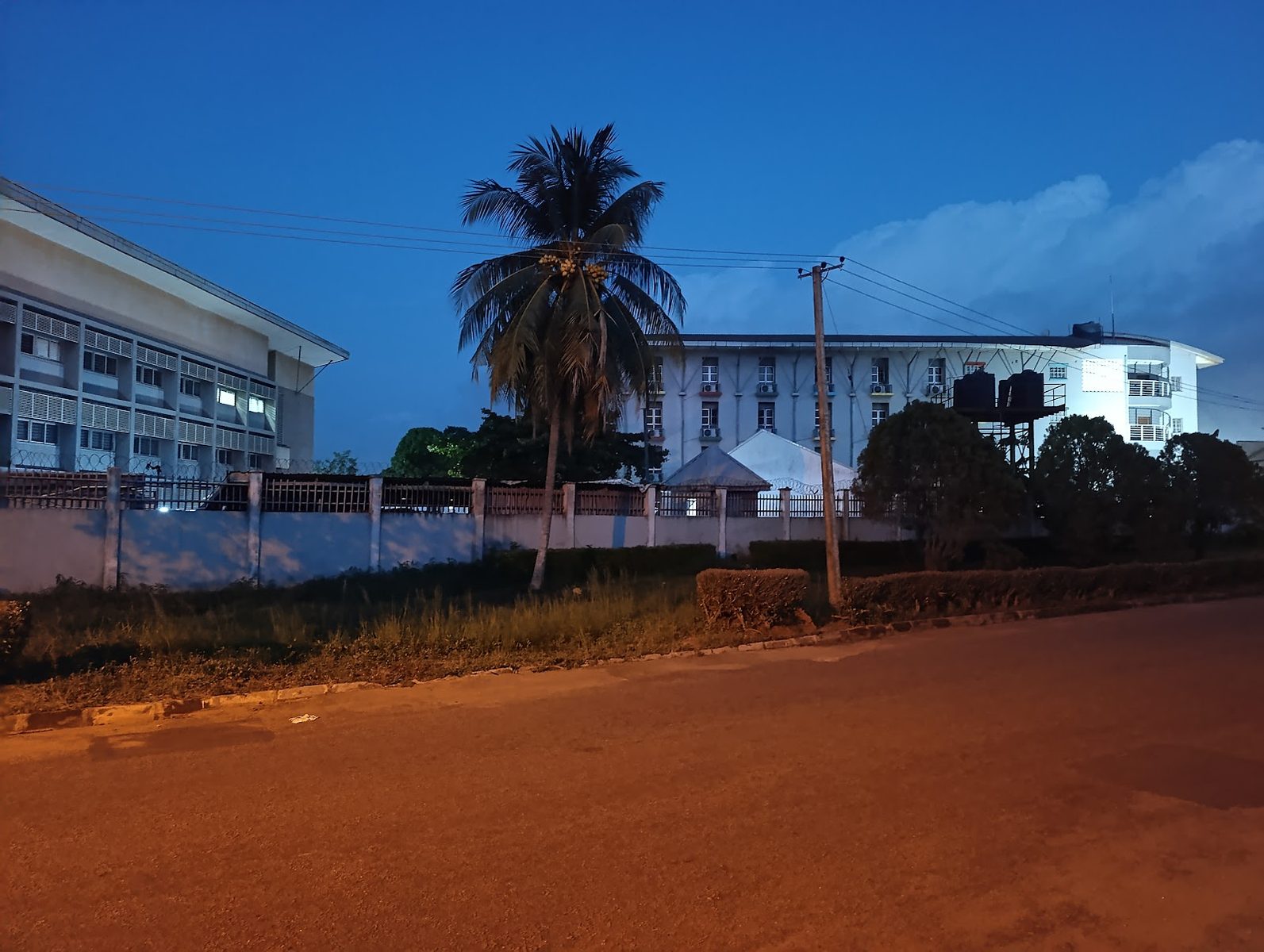
Corona Secondary School Agbara
Agbara · Nigeria
On a quiet Agbara Estate campus, boarders sit Cambridge Checkpoint and ACCA papers under a rare NEASC-accredited British curriculum.
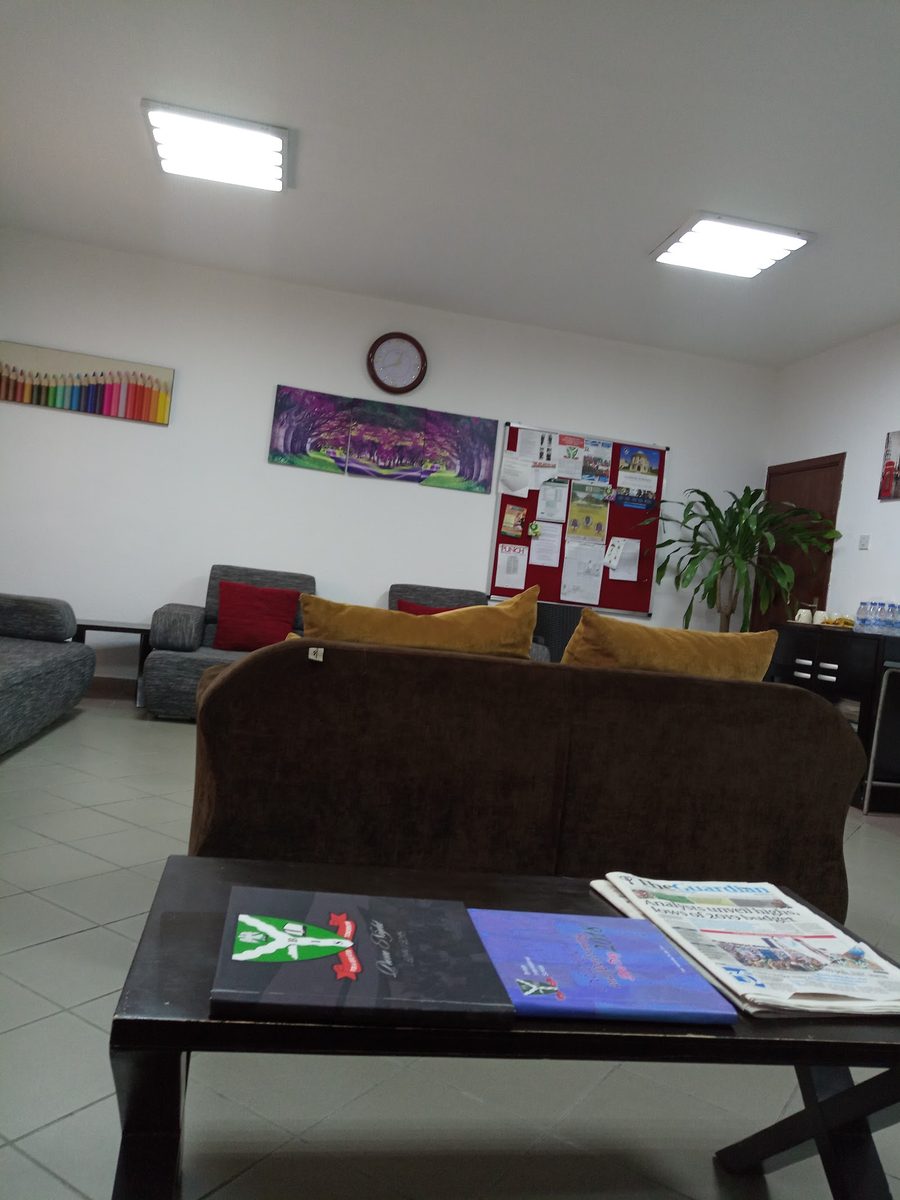
British International School Lagos
Lagos · Nigeria
On a 30-acre Victoria Island campus, Cambridge rigor meets Yoruba language study and a five-house boarding tradition.
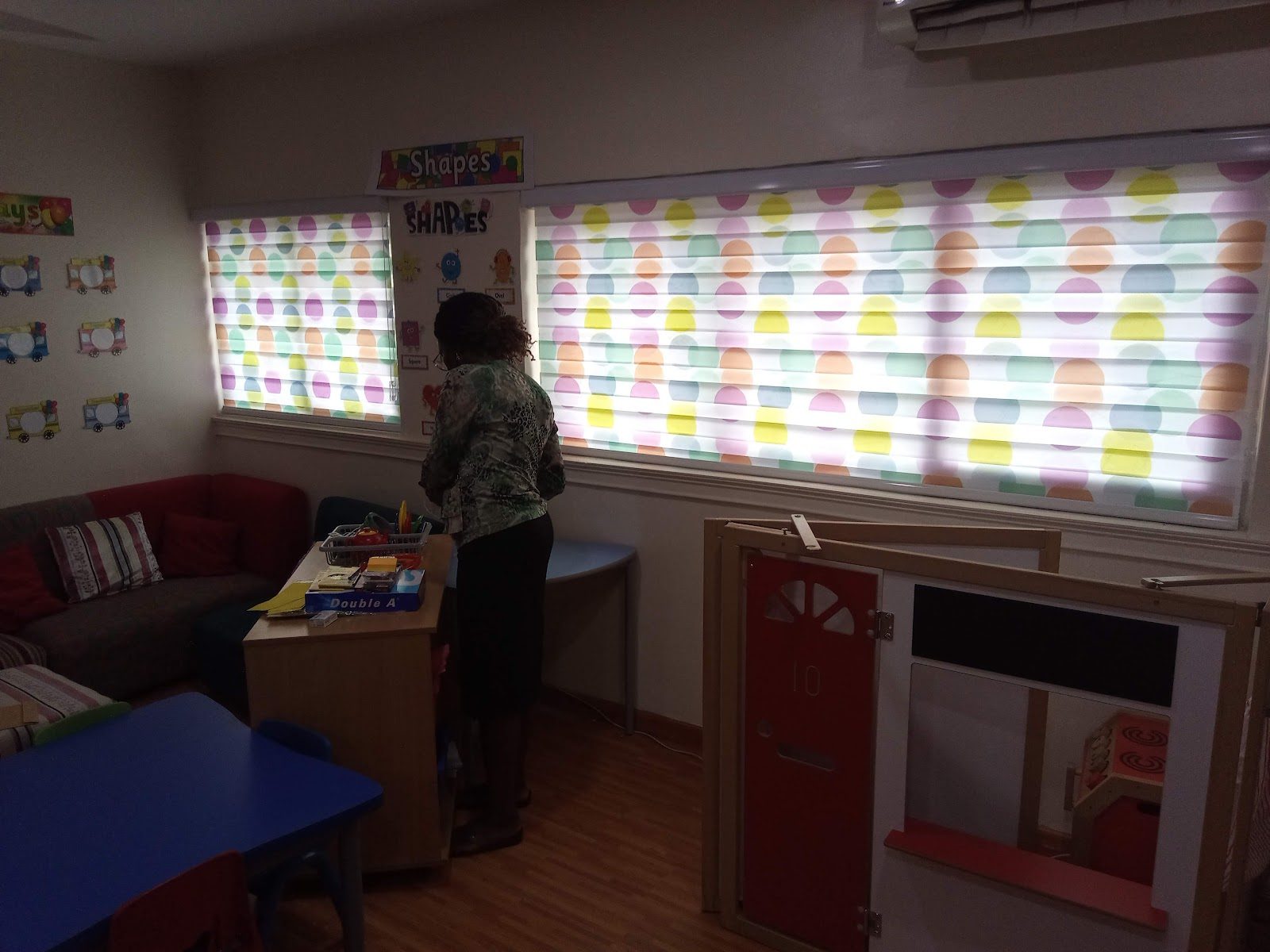
Grange School Lagos
Lagos · Nigeria
Founded in 1958 in Ikeja's leafy GRA, this pre-Independence institution names its houses after Nigerian rivers while running a thoroughly British IGCSE curriculum
Loyola Jesuit College
Abuja · Nigeria
Ignatian pedagogy and cura personalis anchor a 70-acre boarding campus renowned for Nigeria's steadiest WASSCE results.
Same country and curriculum — closest matches within ±10 points either way