
Federal Capital Territory
Loyola Jesuit College
low confidence· 4/6 cats · 1 avg sourcesIgnatian pedagogy and cura personalis anchor a 70-acre boarding campus renowned for Nigeria's steadiest WASSCE results.
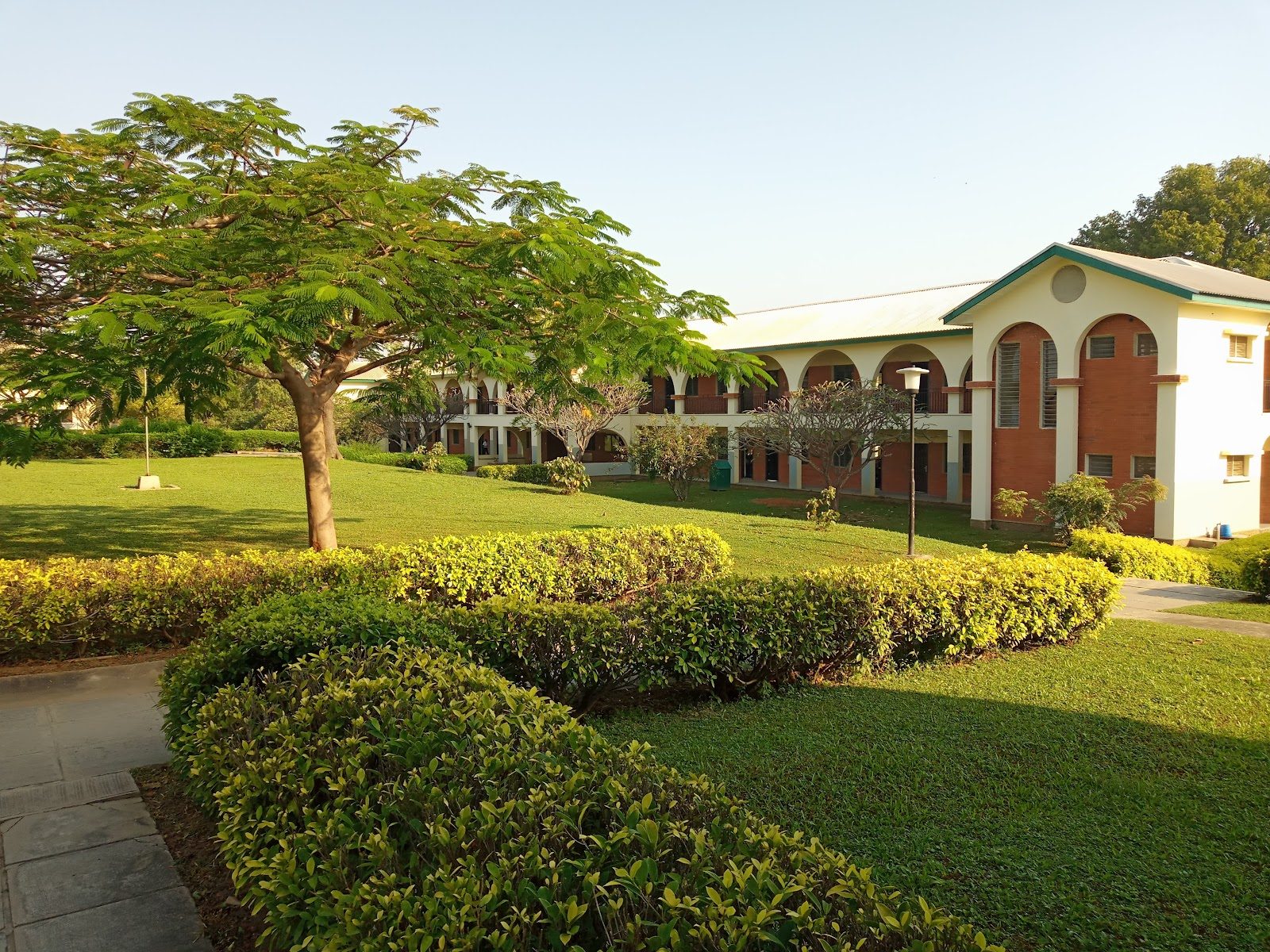
Photo © Edeh Matthew via Google Maps
Type
Boarding
Ages
10–17
Curriculum
WASSCE
Ratio
—
The Verdict
Editor's commitment
Right for
Families who want a Catholic Jesuit boarding school in Abuja, founded in 1996, with English-medium teaching and WASSCE focus.
Wrong for
Parents seeking day-school flexibility, secular education, or IB and A-Level pathways; Loyola Jesuit College is boarding-only and WASSCE-only.
Watch out for
At an average annual fee of NGN 4,500,000, this 10–17 boarding school asks families to buy fully into Jesuit discipline and campus life.
Ranking breakdown
Loyola Jesuit College · #1203 of 1591
Composite score 56.4. 8 weighted criteria.
By criterion
Academic Outcomes
Weight 20%
#1219
of 1529 scored
University Placement
Weight 16%
#1227
of 1529 scored
Prestige & Heritage
Weight 12%
#1242
of 1571 scored
Alumni Network
Weight 12%
#816
of 1530 scored
Facilities
Weight 12%
#1289
of 1534 scored
Transparency & Communications
Weight 8%
#1241
of 1532 scored
Peer & Industry Review
Weight 10%
#1108
of 1548 scored
Admissions Selectivity & Demand
Weight 8%
#1077
of 1529 scored
Peer & Industry Review
How Loyola Jesuit College is regarded in the sector
78
Strong · medium confidence
Loyola Jesuit College is repeatedly cited in Nigerian national press (ThisDay, Vanguard, Premium Times, Punch) as a top-performing secondary school, particularly for its consistent record of best WAEC/NECO results and top rankings in national merit examinations over multiple years. It has a prominent alumni network active in Nigerian business, politics and academia, and is frequently referenced in 'best schools in Nigeria' rankings and educational commentary, though it lacks coverage in international specialist outlets like Tatler or Good Schools Guide.
Evidence sources
Editors' overview
Loyola Jesuit College sits on a clear proposition: a Catholic boarding school in Abuja, founded in 1996 by the Society of Jesus, with English as the language of instruction and WASSCE as the academic route. That combination matters. Nigeria has many schools that talk about discipline, values and exam performance; far fewer combine a full boarding structure with a Jesuit framework and a settled academic identity. Loyola’s defining strength lies in that coherence. Parents are not buying a vague promise of “holistic education”. They are buying a school with a specific religious tradition, a specific exam system and a campus culture built around boarding from the outset.
What puts Loyola on a shortlist is not novelty but institutional seriousness. The Jesuit name carries weight because it imposes a recognisable educational style: intellectual rigour, moral formation and close attention to the individual student — the old language of cura personalis still has force when a school lives by it. In market terms, Loyola occupies a rarefied space in Nigeria: private, Catholic, boarding, academically ambitious, and old enough to have established habits. The school covers ages 10 to 17, which keeps the focus squarely on the secondary years rather than trying to be all things from nursery upwards. Its average annual fee of NGN 4,500,000 places it firmly in the premium bracket for the local market, though not in the category of imported international-school theatre. This is a school for families who want structure, scholarship and pastoral oversight in the same place, not a glossy lifestyle product.
The child who thrives here will accept rules, routine and communal life. Boarding changes the proposition completely: this suits students who can handle independence, close supervision and a demanding shared culture. It will appeal to families who value Catholic formation and who want an education delivered in an environment with high expectations rather than softness. It will not suit every child. Students who need a loose atmosphere, a broad menu of international pathways or a lightly worn religious identity will find the model too narrow. Students who respond to clear standards, collective discipline and a school that takes character formation seriously will find Loyola a compelling fit.
There are limits to what the school publishes in the public domain. We have not seen aggregate WASSCE score data, university destination lists or detailed pastoral metrics, so any parent doing serious due diligence should ask for them directly. Even with that caveat, Loyola’s market position is strong because the fundamentals are plain: Jesuit oversight, Catholic identity, boarding, English-medium teaching, WASSCE, Abuja, and a history that now runs to 1996. In a crowded market, that adds up to a distinctive offer with a clear audience.
Academic Performance
Loyola’s academic reputation rests on one claim above all others: unusually steady performance in the leaving examinations that matter in Nigeria. Among private schools following this route, it sits in the top tier by reputation for consistency rather than for flamboyant claims. That distinction matters. Plenty of schools advertise individual high scorers or a banner year; far fewer build a record that parents and competitors treat as dependable over time. Loyola has done that. Its standing is strengthened by the fact that public discussion of the school returns again and again to results, not to lifestyle extras or brand theatre. In a market where academic rhetoric is cheap, that focus carries weight.
There is, however, a hard limit to the public evidence. The school does not publish aggregate WASSCE score tables, subject-by-subject breakdowns, or a multi-year run of pass rates in the public domain, so parents cannot audit performance with the precision they get from the best data-disclosing schools elsewhere. That opacity stops short of damaging the school’s reputation, but it does blunt independent scrutiny. The broad verdict remains clear-cut: Loyola belongs in the conversation with Nigeria’s most academically serious secondary schools, and families choosing it for examination outcomes are backing a school with a formidable record. They still need to ask for the numbers themselves.
Facilities
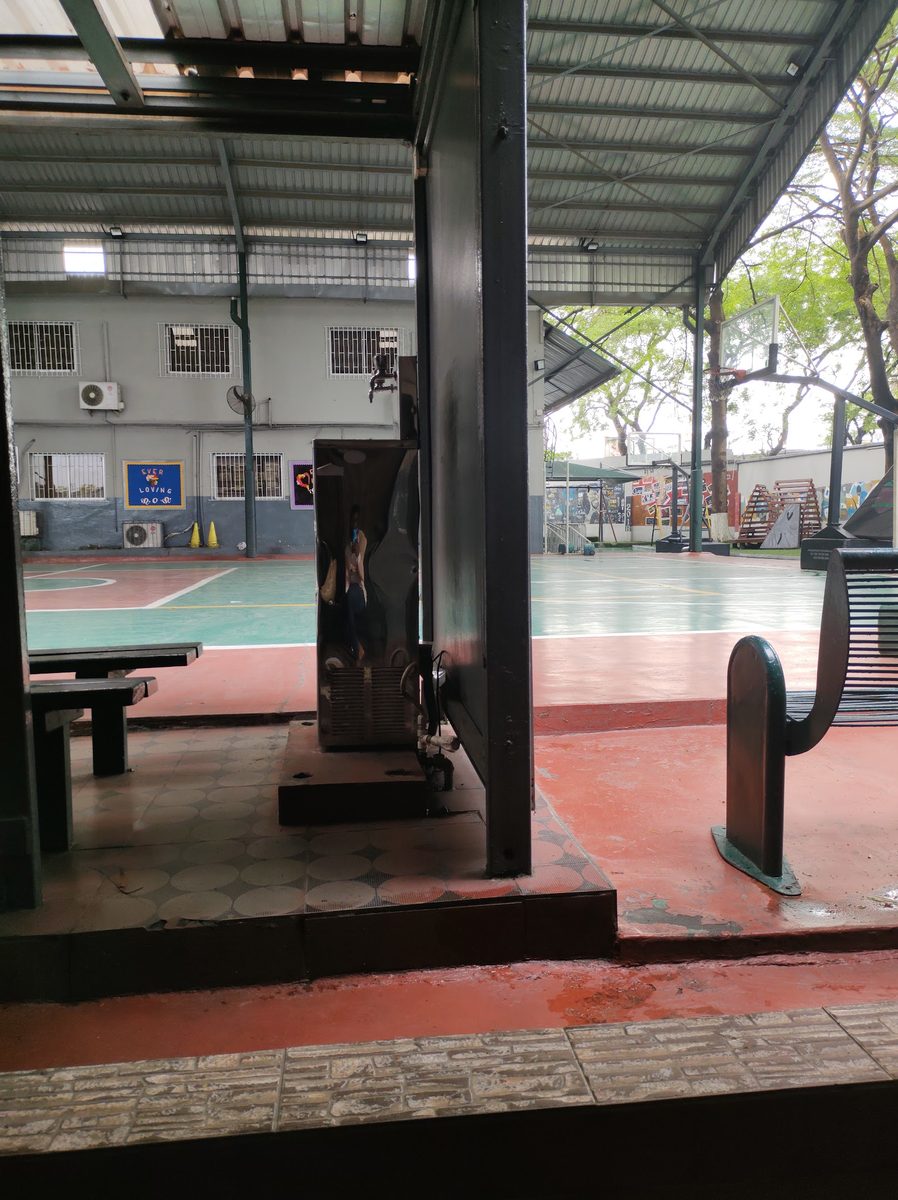
The key facility here is the campus itself: a 70-acre site built for school life rather than squeezed into an urban plot. That matters more at a boarding school than any showpiece building. Space supports order, movement and a less frantic daily rhythm; it also gives the school room for core academic blocks, houses, worship and sport to sit within one coherent estate. In the Nigerian context, that already places Loyola ahead of many premium competitors that charge heavily for far tighter footprints. Parents choosing this school are not buying architectural spectacle. They are buying a campus with the scale for a self-contained adolescent community and the kind of institutional seriousness that boarding demands.
What we have not seen is a public inventory of specialist rooms, labs, theatres, pools or high-spec sports provision, so there is no basis for inflated claims. That absence matters because the strongest peer schools now disclose facilities in detail. Loyola’s edge does not rest on a published parade of amenities; it rests on the practical advantages of land, boarding infrastructure and a campus culture designed for sustained supervision. Against elite day schools, that brings a harder-edged kind of value. Against top boarding peers, it reads as function-first rather than theatrical. Families who want glossy leisure facilities front and centre will find the picture plain. Families who care more about a campus that serves study, routine and communal life will judge the offer stronger.
In a crowded market, that adds up to a distinctive offer with a clear audience
Prestige
Loyola carries real prestige in Nigeria because its name signals two things parents value and competitors respect: academic seriousness and institutional discipline. This is not prestige built on imported branding or extravagant facilities; it rests on a school culture that has held its line over time. In practical terms, the school sits in the country’s top educational bracket: selective in reputation, expensive at an average annual fee of NGN 4,500,000, and associated with a standard of conduct that families either actively want or firmly reject. That matters. Prestige in this market does not come from polish alone. It comes from whether a school’s name lands with credibility when universities, employers and other parents hear it. Loyola’s does.
The Jesuit element adds a second layer of standing. Catholic schools vary widely in quality and seriousness; Jesuit schools carry a more exacting intellectual reputation, and Loyola benefits from that inheritance. The result is a form of prestige that feels earned rather than decorative. It is strongest among families who prize scholarship, order and moral formation over social display. That also puts a ceiling on its glamour. Loyola does not trade in the looser, more cosmopolitan cachet of international schools built around foreign pathways and lifestyle signalling. Its status is sterner and, in many ways, more durable: the prestige of a school known for standards, not theatre.
Loyola’s academic reputation rests on one claim above all others: unusually steady performance in the leaving examinations that matter in Nigeria
Communications
Parent communication reads as functional rather than polished. The school gives families a clear institutional identity and a direct route to contact, but it does not run the kind of rich, continuously updated public-facing operation that top international schools now treat as standard. We have not seen a detailed news stream, a deep archive of parent guidance, or the sort of granular public documentation that answers routine questions before a family has to ask them. That matters more in a school charging an average annual fee of NGN 4,500,000. At that price, parents can expect communication that is prompt, organised and transparent, not just dignified and old-school. Loyola’s tone carries authority; its public information does not carry much texture.
That said, the school’s underlying model gives communication a built-in advantage. A tight, supervised community with strong expectations tends to communicate in a more disciplined way than looser schools, because routines, deadlines and conduct all depend on it. Families who want constant digital hand-holding and a stream of glossy updates will find the approach plain and under-elaborate. Families who value clarity, seriousness and fewer theatrics will judge it perfectly serviceable. The weakness is not chaos; it is opacity. The school does not publish enough to let outsiders test how parent communication works in practice, so the decisive questions need asking directly: response times, reporting cadence, pastoral escalation routes, and how house staff communicate concerns.
Uniqueness
What separates Loyola is not novelty but moral and institutional coherence. Many Nigerian private schools mix exam pressure with aspirational branding, imported language and a grab-bag of activities. Loyola runs on a tighter logic. The Jesuit frame gives the school a clear centre: intellectual discipline, religious formation and close adult oversight live in the same system rather than in separate marketing compartments. That produces a more exacting experience for students. Expectations do not switch off at the end of lessons; they run through study time, worship, conduct and communal life. For the right child, that creates unusual steadiness: fewer mixed messages, clearer standards, and a stronger link between what the school teaches and how it expects students to live.
The other point of difference is how that ethos sits inside a fully residential school with real physical scale. On a 70-acre site, Loyola can build a self-contained adolescent world where routine, peer culture and supervision reinforce one another hour by hour. That brings advantages beyond convenience. Students learn to manage shared space, authority, competition and solitude within a structured community, not just in the classroom. The result is a school that forms habits as much as it delivers lessons. That is Loyola’s real distinction. It offers not a loose education with a religious badge attached, but a high-pressure, high-formation model that shapes judgement, discipline and resilience. For some families that is exactly the point; for others, it is the reason to look elsewhere.
Among private schools following this route, it sits in the top tier by reputation for consistency rather than for flamboyant claims
Student Profile
The right student for Loyola is self-disciplined, resilient and comfortable with authority. This is not a school for children who need constant negotiation, broad personal latitude or a casual attitude to rules. It suits pupils who can live inside a firm communal structure, keep their own standards up when adults are not in the room, and tolerate the pressure that comes with a campus known for strong outcomes. Religious life also matters. Families do not need a decorative chapel; they need a child who can engage seriously with a Catholic environment shaped by Jesuit priorities and accept that moral formation carries real weight alongside lessons. At an average annual fee of NGN 4,500,000, parents are paying for oversight, order and a strong collective culture, not adolescent freedom wrapped in premium packaging.
Socially, the best fit is a student who can handle shared space, hierarchy and the small frictions of institutional life without drama. Loyola will reward children who are studious, steady and internally motivated more than those who rely on novelty, charisma or constant external stimulation. It will also suit students with a measure of toughness: boarding asks for independence early, and a school with high expectations asks for consistency, not flashes of brilliance followed by drift. For the right child, that produces serious growth. For a child who resists conformity or needs a softer, more permissive atmosphere, the same environment will feel constricting.
That opacity stops short of damaging the school’s reputation, but it does blunt independent scrutiny
Co-curricular strengths
Arts & sport, on a separate axis
Overall 7.86/10
Scored 0-10 from the school's own published evidence. This axis is editorial-only — it does not feed the main WTS ranking.
Sports
8/10
Drama
8/10
Dance
7/10
Music
8.5/10
Visual Arts
7.8/10
Editor first-pass · editor-reviewable · 7/30/2026
Strengths
- +Run by the Society of Jesus (Jesuits), giving the school a distinct academic and formational ethos rare among Nigerian secondary schools.
- +Coeducational despite its Jesuit foundation, which is unusual for schools in this tradition and broadens its intake.
- +Regularly cited among Nigeria's strongest performers in WASSCE results and national academic competitions such as the Cowbell Mathematics Competition.
- +Located in Abuja, giving boarding students proximity to the federal capital's infrastructure, embassies and airport links.
- +Established in 1996 with a settled campus and alumni network now spanning nearly three decades.
Considerations
- −Entry is via a competitive entrance examination with a large applicant pool each year, making places hard to secure.
- −Boarding-only structure means no day-student option, requiring full residential commitment from families.
- −Current tuition and boarding fees are not published on the school website, requiring direct inquiry for financial planning.
- −As a single-campus institution, capacity is limited relative to demand, and waiting lists are common.
Availability
Primary entry gate & tests
Academic Record
Gallery
Photo © ekwueme martins via Google Maps
Photo © Agholor Nduka via Google Maps
Photo © Agholor Nduka via Google Maps
Photo © Ogechi Ewuru via Google Maps
Photo © Ham Eldi via Google Maps
Parent reviews
Have you sent your child here?
Voice reviews carry the strongest trust badge — we transcribe them for you to tidy up before they go live. Prefer to type? A written review is fine too.
Add your voice
In 60 seconds, tell other parents: what's the best thing about Loyola Jesuit College, and what surprised you when your child joined?
We ask for a Google sign-in so every review has a real face behind it — no anonymous drive-by attacks on schools, and no faked positive reviews. Your email is never shown publicly.
Send this profile to a friend
International parents rely on word-of-mouth. Share this review with someone weighing the same decision.
Schools with places
Similar schools to Loyola Jesuit College with places available now.
Muscat International School
Muscat · Oman
- 2026-27
- PLACES OPENApps open / space-dependent
- 2027-28
- WAITPOOL2027/28 timetable TBC
Collège du Léman
Versoix · Switzerland
- 2026-27
- WAITPOOLSpace-dependent
- 2027-28
- PLACES OPENRolling
Al Hekma International School
Manama · Bahrain
- 2026-27
- PLACES OPENApps open / space-dependent
- 2027-28
- WAITPOOL2027/28 timetable TBC
Yew Chung International School of Chongqing
Chongqing · China
- 2026-27
- WAITPOOLSpace-dependent
- 2027-28
- WAITPOOLRolling / space-dependent
Availability first, then country, area, curriculum, price, co-curricular
Consider also
Also worth looking at alongside Loyola Jesuit College.
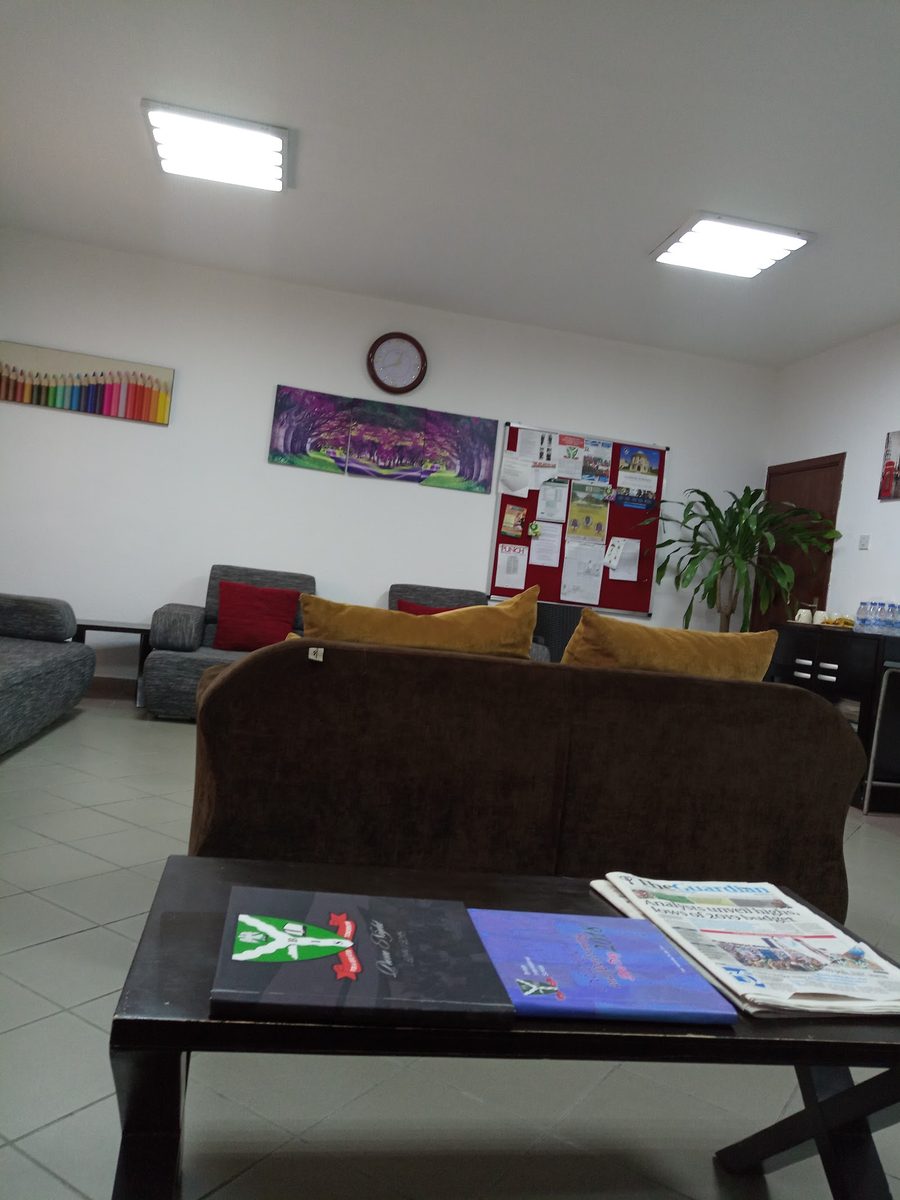
British International School Lagos
Lagos · Nigeria
On a 30-acre Victoria Island campus, Cambridge rigor meets Yoruba language study and a five-house boarding tradition.
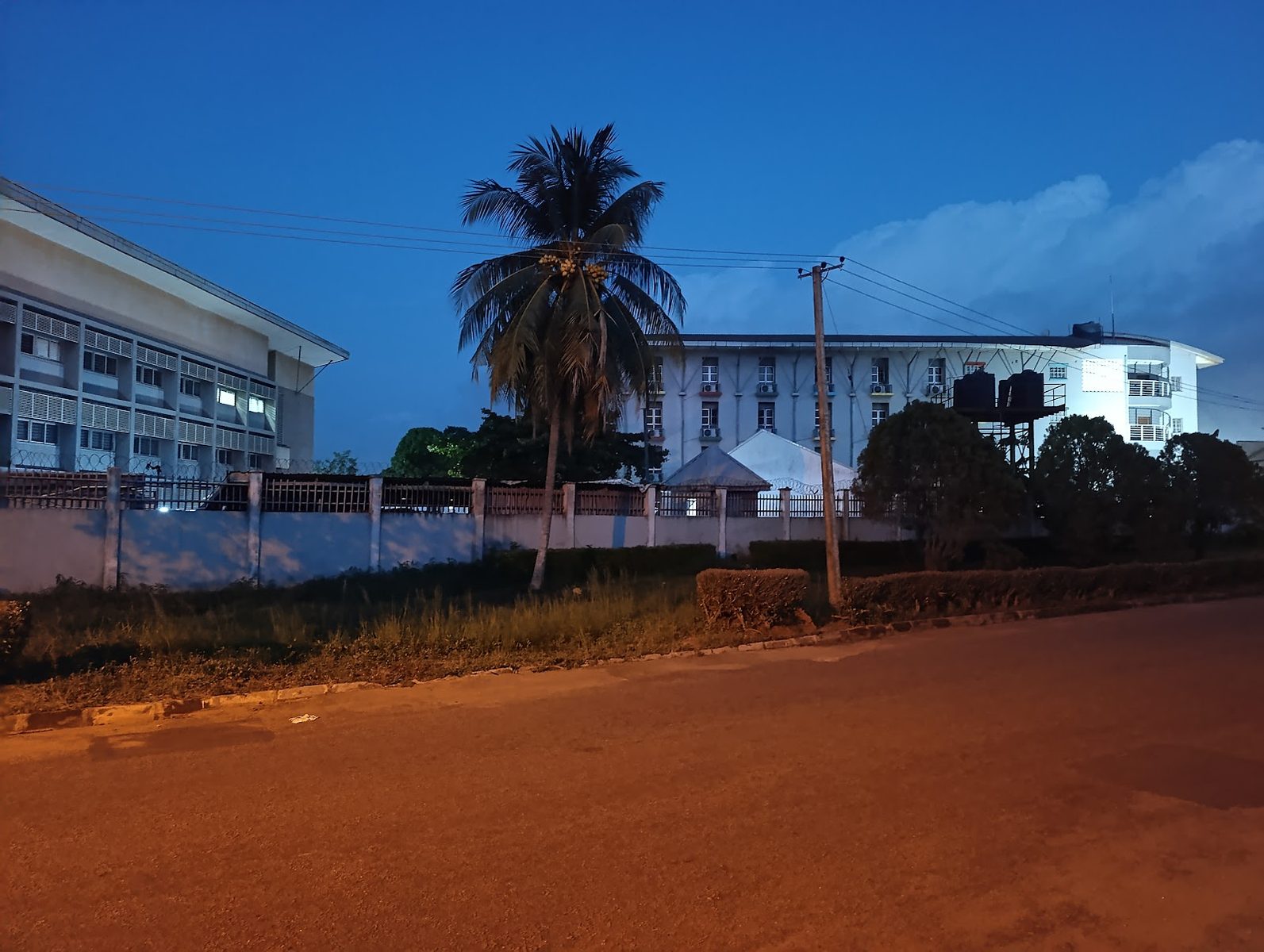
Corona Secondary School Agbara
Agbara · Nigeria
On a quiet Agbara Estate campus, boarders sit Cambridge Checkpoint and ACCA papers under a rare NEASC-accredited British curriculum.
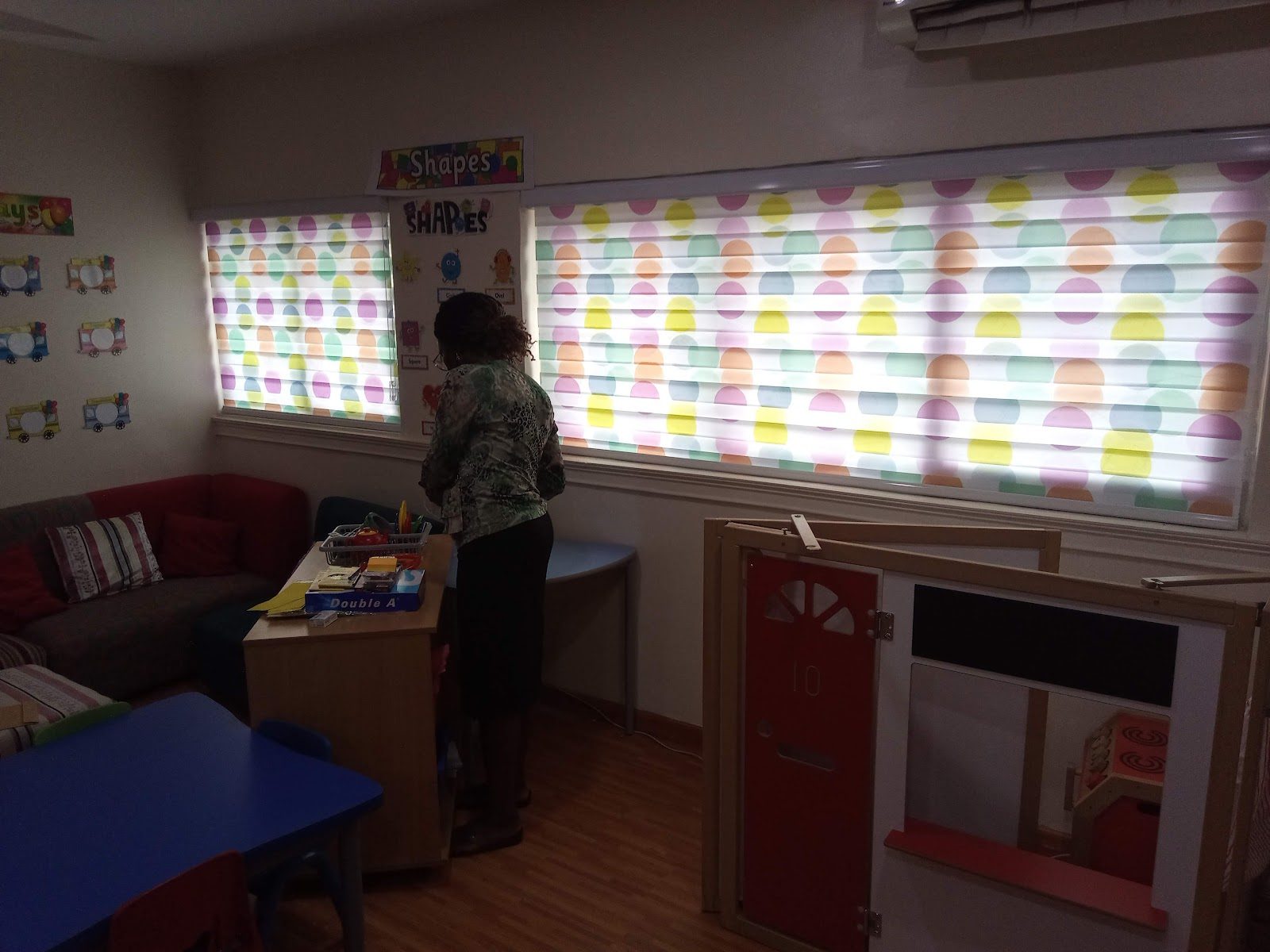
Grange School Lagos
Lagos · Nigeria
Founded in 1958 in Ikeja's leafy GRA, this pre-Independence institution names its houses after Nigerian rivers while running a thoroughly British IGCSE curriculum
Greensprings School Lagos
Lagos · Nigeria
Grown from a three-pupil Montessori nursery in 1985 into a three-campus pathway through IGCSE to the IB Diploma.
Same country and curriculum — closest matches within ±10 points either way