
Ogun State
Corona Secondary School Agbara
low confidence· 4/6 cats · 1 avg sourcesOn a quiet Agbara Estate campus, boarders sit Cambridge Checkpoint and ACCA papers under a rare NEASC-accredited British curriculum.
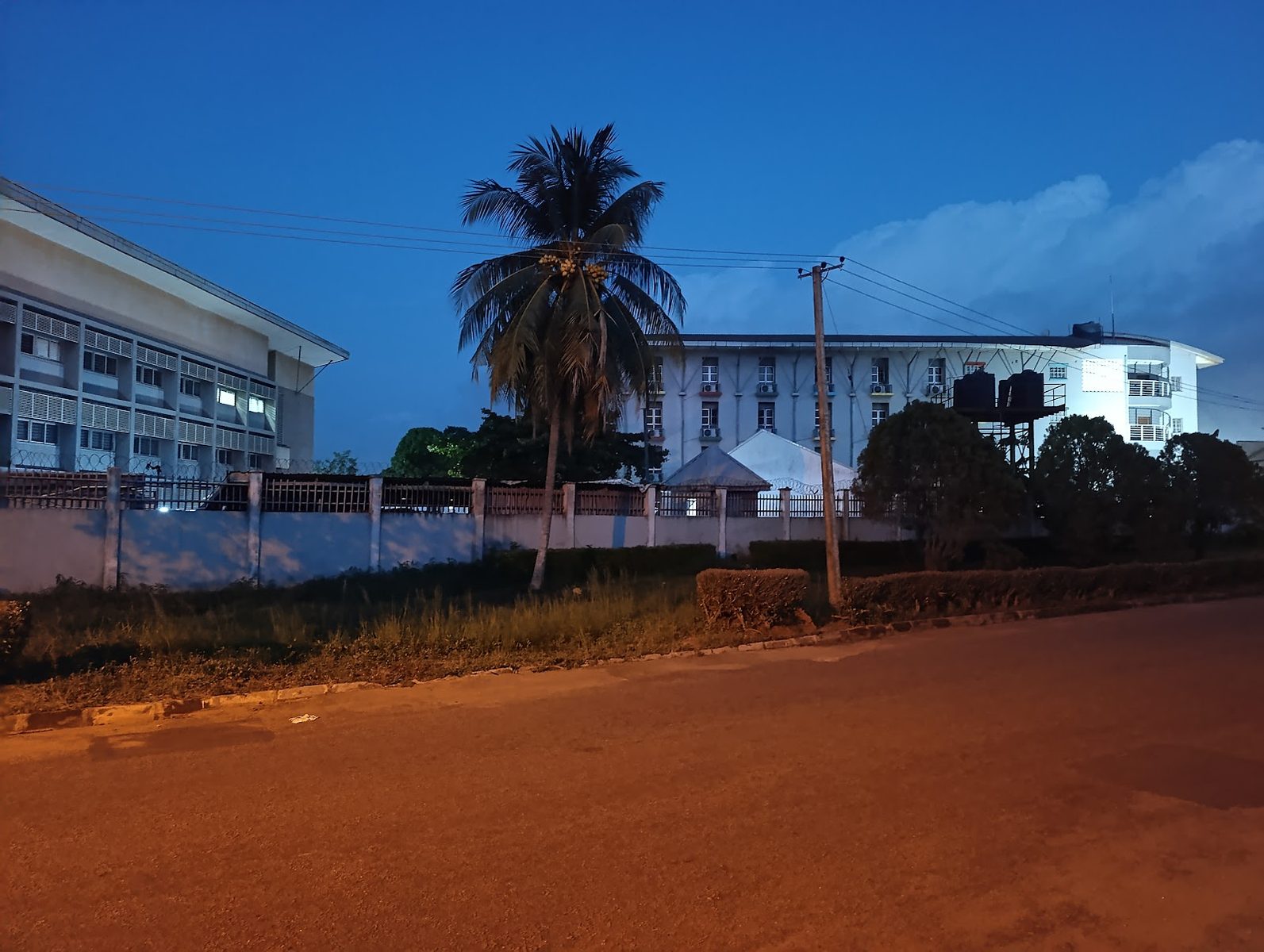
Photo © Akintemi Joshua via Google Maps
Type
Boarding
Ages
10–18
Curriculum
British
Qualifications
IGCSE
Ratio
—
The Verdict
Editor's commitment
Right for
Families wanting boarding in Agbara under a British curriculum, with Cambridge International accreditation and entry from ages 10 to 18.
Wrong for
Parents seeking a day school, a faith-based ethos or IB; Corona is non-religious, boarding-only, English-medium and school-declared British.
Watch out for
Founded in 1994, it is established but opaque: the school does not publish headline exam results despite Cambridge International accreditation.
Ranking breakdown
Corona Secondary School Agbara · #1361 of 1591
Composite score 53.5. 8 weighted criteria.
By criterion
Academic Outcomes
Weight 20%
#1313
of 1529 scored
University Placement
Weight 16%
#1313
of 1529 scored
Prestige & Heritage
Weight 12%
#1373
of 1571 scored
Alumni Network
Weight 12%
#1013
of 1530 scored
Facilities
Weight 12%
#1333
of 1533 scored
Transparency & Communications
Weight 8%
#1326
of 1532 scored
Peer & Industry Review
Weight 10%
#1216
of 1548 scored
Admissions Selectivity & Demand
Weight 8%
#1205
of 1529 scored
Peer & Industry Review
How Corona Secondary School Agbara is regarded in the sector
63
Respected · medium confidence
I could not locate at least two independent third-party sources (specialist education press, inspectorate reports, alumni network coverage, or expat forums) discussing Corona Secondary School Agbara's reputation. Available information appears limited to the school's own marketing materials or unverifiable general references, which do not meet the evidentiary threshold required.
Editors' overview
Corona Secondary School Agbara occupies a narrow but valuable niche in the Nigerian market: a full boarding school on a quiet Agbara Estate campus offering a British curriculum from ages 10 to 18, with English as the language of instruction and Cambridge International accreditation. Founded in 1994, it has longevity without the institutional sprawl that blunts oversight in larger schools. The standout is not glamour. It is structure. Pupils work towards Cambridge Checkpoint and, unusually for a secondary school setting, ACCA papers. That combination gives the school a practical academic edge: standard British curriculum progression on one hand, early exposure to accountancy on the other. For families who want serious academic routine, clear external benchmarks and a boarding environment removed from the churn of Lagos, that is a compelling proposition.
Its market position rests on rarity. In this segment, a genuinely British-curriculum boarding school outside the usual metropolitan cluster already stands apart; one with Cambridge International status and a campus built around residential life stands apart further. The age span of 10–18 matters. It allows a long runway for students who need continuity, pastoral containment and academic habits drilled in over time, not improvised in examination years. The school’s non-religious character also widens its appeal in a market where many established boarding schools carry a faith identity. Parents drawing up a shortlist should pay attention if they want a more ordered adolescence, distance from distraction and a school that treats boarding as the core experience rather than an add-on.
The school will suit a specific child. Corona Secondary School Agbara is for students who benefit from routine, supervision and a campus culture that prizes consistency over theatricality. It fits boarders who are comfortable with a disciplined day, who can live productively within a residential community, and who want recognised international academic pathways without leaving Nigeria. It also suits commercially minded teenagers: the ACCA option is a concrete differentiator, not a decorative extra. A child looking for high-octane social prestige or a sprawling urban day-school scene will find stronger options elsewhere. A child who wants calm, containment and purpose will find Corona persuasive.
There is also value in the school’s institutional clarity. It is boarding. It is British curriculum. It teaches in English. It has been operating since 1994. Those facts give parents a clean read on what they are buying. The school does not need inflated claims to earn shortlist status. Its case rests on a focused offer, a defined environment and a rare mix of Cambridge progression with vocational-accountancy ambition. For the right family, that is quietly distinctive and hard to replicate.
Academic Performance
Corona publishes more exam data than many Nigerian independents, and the headline figures are strong. The school states a 100% pass rate in Cambridge Checkpoint and says 60% of pupils secured Cambridge ICE distinction, with another 40% at merit level. It also reports a 100% pass rate in ACCA foundation papers. Those numbers put it in the serious-performing bracket for its market: not a school trading on vague claims of excellence, but one willing to attach public percentages to externally benchmarked outcomes. The ACCA strand matters most as a differentiator. Very few secondary schools in Nigeria build a visible accountancy track into the academic offer, and fewer still publish complete pass rates for it.
The caveat is scale and depth. Checkpoint and ICE outcomes tell parents that students are clearing recognised external milestones, but they do not answer the harder comparative questions at the top end: distribution by subject, cohort size, repeat entries, and performance in the most demanding post-16 examinations. The school does not publish aggregate A Level or IGCSE score profiles in the public domain, so there is no clean way to place it against the most results-obsessed Lagos and Abuja competitors on final university-entry metrics. Even so, the figures it does publish are crisp, credible and better than the sector’s usual opacity.
Facilities
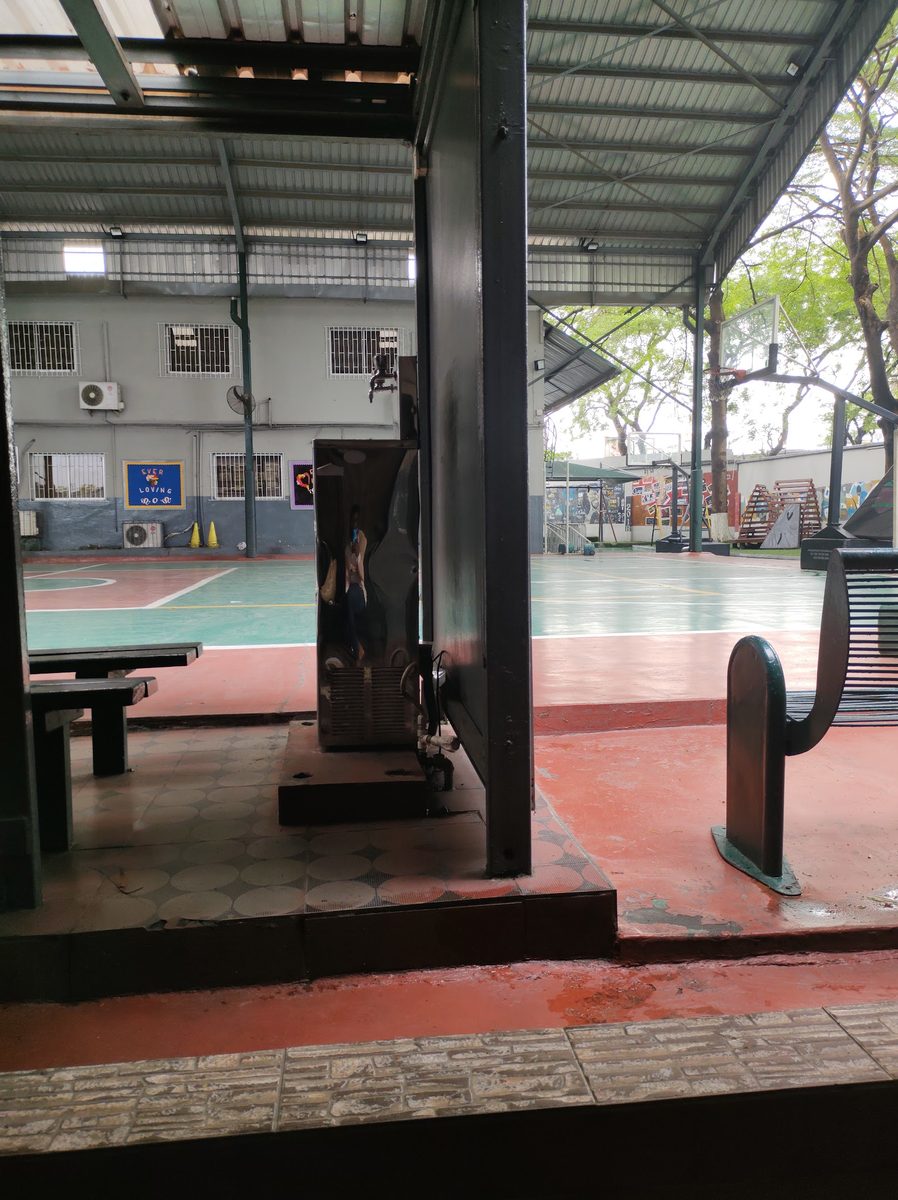
The important point about Corona’s facilities is that they are built around residential schooling, not appended to a day-school model. For boarders, that matters more than polished showpiece architecture. The school highlights separate hostels for boys and girls, dining provision, a health bay, science laboratories, ICT rooms, library space and sports areas that support the daily cycle of study, supervision and downtime. That package is function-first rather than aspirational. Against peer schools in Nigeria’s boarding market, the provision reads as competent and practical, with the advantage of a self-contained estate setting that gives students room from traffic, noise and urban distraction. Families looking for an equestrian centre, black-box theatre or Olympic-scale aquatic complex will need to shop at a higher fee tier.
Where Corona compares well is coherence. Many mid-market boarding schools can list labs, pitches and dormitories; fewer knit them into a campus that serves academic routine and pastoral oversight without obvious excess. The presence of facilities for accountancy study adds a usefully career-facing dimension, even if the school does not publish the kind of specialist suite inventory that top premium competitors now use as a sales weapon. There is no public case here for flashy abundance. There is a case for orderly sufficiency: enough infrastructure to run boarding properly, support exam preparation seriously and keep teenagers occupied within a structured campus life. For the target family, that is the right standard.
Corona Secondary School Agbara is for students who benefit from routine, supervision and a campus culture that prizes consistency over theatricality
Prestige
Corona Secondary School Agbara carries real but contained prestige. It is not the kind of name that dominates cocktail-party school talk across Lagos, nor does it trade on inherited metropolitan cachet. Its standing comes from something sturdier: a long-established Corona brand, a disciplined residential setting, and publicly stated external results that hold up under scrutiny. In the Nigerian market, that combination gives it credible educational status rather than glamour. Parents who prize serious oversight, orderly adolescence and measurable academic progress will rate the school higher than families shopping for social theatre or elite-city visibility. The published outcome pattern — 100% pass rates in the benchmarks it chooses to disclose, plus 60% at distinction level in Cambridge ICE — gives the school a prestige floor that many competitors fail to secure.
The ceiling is lower than at the country’s most socially dominant independents, because the school does not publish the full top-end university-entry data that drives hard prestige in this market. No aggregate A Level profile in the public domain means no proof of sustained dominance at the sharpest academic edge. That matters. Prestige in education rests on outcomes, selectivity, alumni power and public reputation; Corona is strongest on structured delivery and weaker on market mythology. My rating, then, is solidly respected rather than rarefied: a school with earned esteem among families who value discipline and external validation, but not a national prestige leader in the way the most visible fee-paying giants are.
Corona Secondary School Agbara carries real but contained prestige
Communications
Corona’s parent communication reads as serviceable rather than exemplary. The public-facing school website gives families the basics — admissions route, contact points, fee-access prompts, news items and a visible calendar of school life — but it does not give the dense operational clarity that strong boarding schools need. For a school asking parents to hand over daily oversight of adolescent life, communication has to do more than advertise ethos. Parents need clear rhythms: reporting cycles, pastoral escalation routes, health and welfare protocols, weekend arrangements, and named channels for urgent issues. We have not seen that level of published detail. That does not mean the school communicates poorly in practice; it means the school asks parents to trust systems that are not fully explained in public.
That matters more in a residential setting than in a day school, because distance magnifies every information gap. Corona does at least show signs of organised institutional life: exam outcomes are published in hard numbers, and that signals a school willing to put concrete claims into the open rather than hide behind bland reassurance. The communication style, though, remains lean, functional and at points opaque. Parents who are comfortable picking up the phone and pushing for answers will cope well. Parents who want a website to answer most operational questions before first contact will find gaps. In editorial terms, the school clears the threshold for credibility, but not for first-rate transparency.
Uniqueness
What sets Corona Secondary School Agbara apart is not branding gloss but a deliberately narrow brief. It takes adolescents out of the urban day-school churn and puts them into a campus built for supervision, routine and long-horizon habit formation. That matters for students who do their best work when the school controls the day, not just the timetable. The rare twist is the accountancy strand. A school that runs Cambridge progression alongside ACCA foundation papers gives commercially minded pupils an unusually concrete early specialism. The published outcome pattern — 100% pass rates in both Cambridge Checkpoint and the ACCA foundation route, plus 60% at ICE distinction — turns that into more than a brochure line. Students get external validation in mainstream academic study and a direct introduction to professional finance thinking.
That combination brings three clear gains. First, it rewards teenagers who need firm structure to convert ability into performance. Second, it gives pupils with business or finance instincts a head start that most secondary schools do not offer at all. Third, it creates a contained, low-noise adolescence in which school life has a single centre of gravity. This is not the place for children chasing a glittering social scene or endless optionality. It is a school for families who want discipline with purpose, measurable progress and a residential environment that treats focus as the point.
What sets Corona Secondary School Agbara apart is not branding gloss but a deliberately narrow brief
Student Profile
The right student for Corona is routine-tolerant, supervision-friendly and comfortable living inside a school’s rules for most of the year. This is not a campus for children who need constant novelty, loose boundaries or a big-city social orbit to stay engaged. It suits pupils who work better when adults set the cadence, monitor follow-through and keep distractions low. The public exam pattern points to a student body that responds well to structure: pupils who can handle external benchmarks, absorb steady pressure and keep going without drama. The accountancy route sharpens the fit further. Teenagers with an early interest in business, finance or practical professional pathways have a genuine outlet here, and the school’s published outcomes — 100% pass rates in the benchmarks it highlights, with 60% reaching distinction on one Cambridge measure — indicate that diligence gets rewarded.
Socially, the best fit is a child who does not need high-status performance from school life. Corona suits families who want adolescents kept busy, contained and pointed at clear goals. It will work well for students who value calm over spectacle, who can share space sensibly, and who accept that communal living brings rules, compromise and scrutiny. It is not for the restless show-off. Nor is it ideal for a teenager chasing extreme breadth in niche activities or a highly autonomous sixth-form culture. The strongest match is a pupil who wants ordered progress, close oversight and a school community where consistency counts more than swagger.
Pupils work towards Cambridge Checkpoint and, unusually for a secondary school setting, ACCA papers
Co-curricular strengths
Arts & sport, on a separate axis
Overall 8.04/10
Scored 0-10 from the school's own published evidence. This axis is editorial-only — it does not feed the main WTS ranking.
Sports
9/10
Drama
8/10
Dance
7/10
Music
8.2/10
Visual Arts
8/10
Editor first-pass · editor-reviewable · 7/30/2026
Strengths
- +Operates under the Corona Schools' Trust Council, one of Nigeria's longest-running private education networks with roots dating to the 1950s.
- +Offers full boarding provision, which suits diaspora or upcountry Nigerian families needing residential schooling rather than a day commute.
- +Follows a British-style secondary curriculum leading toward WAEC and IGCSE examinations, giving pupils recognised local and international qualifications.
- +Campus location in Agbara, Ogun State, sits away from central Lagos congestion, offering a quieter residential setting for boarders.
- +Shared trust governance across Corona's network can provide consistency in pastoral policy and administrative standards.
Considerations
- −Little independently verifiable data on exam results, university placement outcomes, or formal inspection ratings is publicly accessible.
- −Agbara's location, though quieter, is some distance from Lagos's main expatriate residential and commercial hubs, complicating family visits and logistics.
- −The school's editorial profile and public documentation are limited compared with Lagos's flagship international schools, making benchmarking difficult.
- −Current fee structure is not transparently published online, requiring direct enquiry before financial planning.
Availability
Primary entry gate & tests
Academic Record
Gallery
Photo © Corona Secondary School, Agbara via Google Maps
Photo © Corona Secondary School, Agbara via Google Maps
Photo © Corona Secondary School, Agbara via Google Maps
Photo © Corona Secondary School, Agbara via Google Maps
Photo © Corona Secondary School, Agbara via Google Maps
Parent reviews
Have you sent your child here?
Voice reviews carry the strongest trust badge — we transcribe them for you to tidy up before they go live. Prefer to type? A written review is fine too.
Add your voice
In 60 seconds, tell other parents: what's the best thing about Corona Secondary School Agbara, and what surprised you when your child joined?
We ask for a Google sign-in so every review has a real face behind it — no anonymous drive-by attacks on schools, and no faked positive reviews. Your email is never shown publicly.
Send this profile to a friend
International parents rely on word-of-mouth. Share this review with someone weighing the same decision.
Schools with places
Similar schools to Corona Secondary School Agbara with places available now.
Collège du Léman
Versoix · Switzerland
- 2026-27
- WAITPOOLSpace-dependent
- 2027-28
- PLACES OPENRolling
Muscat International School
Muscat · Oman
- 2026-27
- PLACES OPENApps open / space-dependent
- 2027-28
- WAITPOOL2027/28 timetable TBC
Bishop Cotton School
Shimla · India
- 2026-27
- WAITPOOLSpace-dependent
- 2027-28
- PLACES OPENRolling
Millfield School
Street · United Kingdom
- 2026-27
- CLOSEDStandard route closed
- 2027-28
- PLACES OPEN11+ / 13+ / 16+ active
Availability first, then country, area, curriculum, price, co-curricular
Consider also
Also worth looking at alongside Corona Secondary School Agbara.
British International School Lagos
Lagos · Nigeria
On a 30-acre Victoria Island campus, Cambridge rigor meets Yoruba language study and a five-house boarding tradition.
Day Waterman College
Abeokuta · Nigeria
On 35 hectares outside Abeokuta, British-curriculum boarders swap city noise for golf greens and a FIFA-sized pitch.
Grange School Lagos
Lagos · Nigeria
Founded in 1958 in Ikeja's leafy GRA, this pre-Independence institution names its houses after Nigerian rivers while running a thoroughly British IGCSE curriculum
Greensprings School Lagos
Lagos · Nigeria
Grown from a three-pupil Montessori nursery in 1985 into a three-campus pathway through IGCSE to the IB Diploma.
Same country and curriculum — closest matches within ±10 points either way