
Ikeja GRA
Grange School Lagos
low confidence· 4/6 cats · 1 avg sourcesFounded in 1958 in Ikeja's leafy GRA, this pre-Independence institution names its houses after Nigerian rivers while running a thoroughly British IGCSE curriculum
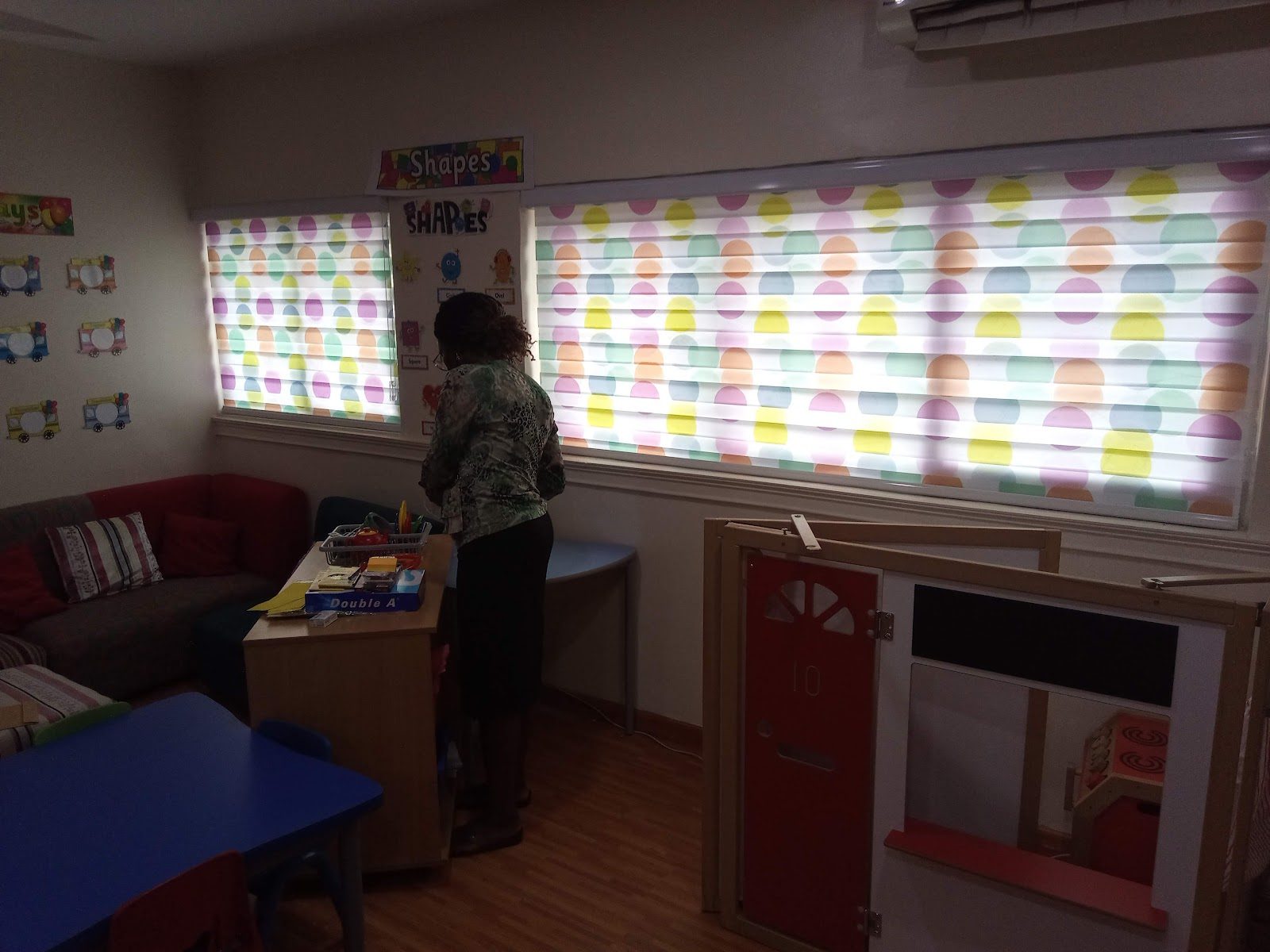
Photo © Window Blinds,Curtains& Tinted via Google Maps
Type
Day
Ages
3–18
Curriculum
British
Qualifications
IGCSE · A-Level
Ratio
—
The Verdict
Editor's commitment
Right for
Families wanting a non-religious, English-medium day school in Lagos, founded in 1958, with a straight British curriculum from ages 3–18.
Wrong for
Parents seeking boarding, bilingual teaching, or an IB pathway; Grange is day-only, English-only, and school-declared British.
Watch out for
BSO, COBIS and AISEN add credibility, but the school does not publish headline academic outcomes beyond an IGCSE Result 2024 page.
Ranking breakdown
Grange School Lagos · #1127 of 1591
Composite score 60.2. 8 weighted criteria.
By criterion
Academic Outcomes
Weight 20%
#1085
of 1529 scored
University Placement
Weight 16%
#1089
of 1529 scored
Prestige & Heritage
Weight 12%
#1115
of 1571 scored
Alumni Network
Weight 12%
#721
of 1530 scored
Facilities
Weight 12%
#1110
of 1533 scored
Transparency & Communications
Weight 8%
#1138
of 1532 scored
Peer & Industry Review
Weight 10%
#998
of 1548 scored
Admissions Selectivity & Demand
Weight 8%
#888
of 1529 scored
Peer & Industry Review
How Grange School Lagos is regarded in the sector
65
Respected · medium confidence
Grange School Lagos (est. 1958) is consistently named among Nigeria's oldest and most established British-curriculum private schools in Nigerian media 'best schools' roundups (e.g., BusinessDay Nigeria, Legit.ng school rankings) and is frequently referenced in expat-parent forums discussing Lagos international schooling options. It has a recognizable alumni network among Lagos's professional and political elite, though it lacks the international specialist-press coverage (Tatler, Good Schools Guide) that top-tier globally benchmarked schools receive.
Editors' overview
Grange School Lagos has one advantage that newer British schools in Nigeria cannot copy: history. Founded in 1958, before Independence, it has had decades to entrench itself in Ikeja’s old GRA and to build habits, networks and parent loyalty that younger competitors still chase. The school pairs that heritage with a British curriculum and IGCSE pathway, taught in English, and backed by BSO, COBIS and AISEN accreditation. That combination gives Grange a clear market position: an established Lagos day school for families who want British-style schooling without the improvisation that afflicts newer entrants. The house system, named after Nigerian rivers, adds a local frame to an otherwise British academic model. That rootedness matters.
What stands out is the breadth of school life the school puts front and centre. The public face is busy with music competitions in Doha, TEDx participation in Abuja, leadership travel to South Africa, swimming, basketball, spelling bees and inter-house sport. Grange also highlights its U13 World School Games title in Dubai and continues to trade on that success. This is not a narrow exam factory. It sells an education built around visible participation, competitive sport, public performance and organised ambition. For parents, that matters if they want children pushed into arenas beyond the classroom, not left to drift through a timetable and a few token clubs.
There are limits. The school publicises activities more clearly than hard academic data. We have seen an “IGCSE Result 2024” headline, but no aggregate results in the public domain here, so parents who care about top-end academic comparison need to ask direct questions about grade distributions, university destinations and sixth-form outcomes. That does not erase the school’s strengths; it defines the due diligence. Grange belongs on a shortlist because it offers institutional ballast, a serious co-curricular engine and the credibility of a long-running Lagos name. It suits students aged 3–18 who thrive in a structured, high-participation day school: children who enjoy teams, houses, fixtures, performances and being busy. The best fit is not the self-contained loner. It is the student energised by house spirit, competitive routines and a school culture with momentum.
Academic Performance
Grange does not publish the kind of exam data that lets parents place it cleanly against Lagos’s strongest British schools. The homepage points to “IGCSE Result 2024”, but there are no aggregate pass rates, no breakdown of top grades, no subject-level profile and no university destinations attached here. That leaves a real gap in the school’s academic case. For a school with Grange’s longevity and market standing, the absence of public headline outcomes is conspicuous. Parents comparing it with more academically transparent competitors need to ask for the full picture: how many pupils sat exams, how grades clustered at the top end, which subjects drove results, and where leavers progressed after sixth form.
That opacity does not mean weak performance; it means performance that is insufficiently evidenced in public. The school’s visible culture points to an institution that values organised activity, competition and broad participation, not a single-minded exam hothouse. For some families, that balance is the attraction. For others, especially those shopping at the top of the market for hard academic proof, it is a drawback. Relative to peers, Grange sits in the group of established schools whose reputation still carries weight, but on published academic outcomes it does not give parents enough to rank it with confidence. In this category, the school needs hard numbers, not celebratory headlines.
Facilities
Grange’s publicly visible facilities skew towards sport and performance rather than laboratories, libraries or specialist academic spaces. The school promotes a swimming league hosted on site, inter-house sport, basketball fixtures and a steady run of competitive events, which points to a campus built to sustain high-frequency activity, not just occasional sports day theatrics. The prominence of the COBIS music competition also indicates functioning music provision with enough rehearsal infrastructure to prepare pupils for external performance, while the school’s gallery-led communications give co-curricular life more space than estate-showcase photography. That is telling. Some Lagos peers at this price point trade heavily on theatres, maker spaces, design labs and glossy STEM rooms. Grange puts organised use ahead of architectural showmanship.
That leaves a gap for parents who want hard detail. The school does not publish a clean facilities inventory, so there is no public list of science labs, indoor sports provision, sixth-form study space, library stock, art studios or technology suites. Against peer schools, that is a weakness. Strong campuses now document their estate with precision because facilities shape daily life and justify fees. Grange’s advantage lies elsewhere: grounds and spaces that support busy, competitive school life and a culture that uses them. Its disadvantage is thin disclosure. Parents should ask direct questions and request a tour focused on the practical essentials, not the reassuring aura of an established name.
Grange School Lagos has one advantage that newer British schools in Nigeria cannot copy: history
Prestige
Grange carries real social weight in Lagos. Its prestige rests first on age and continuity: this is one of the city’s old school names, embedded in an established residential district and familiar to generations of professional families. That matters in a market where many schools are new, volatile or still proving themselves. Grange has the opposite problem: it does not need to invent pedigree. The school also benefits from a durable parent network, an active public calendar and enough institutional confidence to send pupils into visible arenas beyond campus. The U13 World School Games title in Dubai gives it a concrete international badge, and “60th Anniversary” branding reinforces the message of permanence. Among Lagos day schools, that combination places Grange in the upper tier of recognition.
The limit to that prestige is clarity at the academic summit. Grange has name recognition, history and old-guard credibility; it does not publish the hard outcome data that would elevate it into the unquestioned academic elite. Prestige here is therefore dual: socially strong, institutionally secure, but not fully converted into publicly evidenced academic dominance. For many families, that distinction will not matter. The school’s reputation, co-curricular visibility and long-standing standing in the city will carry enough force. For parents who equate prestige with headline results and destination transparency, Grange remains respected rather than untouchable.
For others, especially those shopping at the top of the market for hard academic proof, it is a drawback
Communications
Grange communicates with parents in a high-visibility, event-led way. The homepage is packed with dated notices, travel announcements, assemblies, competitions and gallery prompts, with multiple direct contact routes up front: phone, email and links for parents, students, PTA and alumni. That gives families a steady read on what the school is doing week by week. The calendar itself is the message: children are busy, the institution is active, and parents are expected to keep pace. For day-school families, that matters. It reduces the sense of a closed campus and replaces it with a constant public drumbeat of fixtures, performances and trips. The presence of a PTA link also signals a school that treats parents as an organised constituency rather than passive fee-payers.
The weakness is depth. Communications showcase activity far better than they deliver hard operational clarity. We can see what is happening on 7th–14th February and 26th–28th February, but not much about how the school handles the questions parents ask most: academic reporting rhythms, pastoral processes, leadership accessibility, policy updates, timetable changes or strategic priorities. The tone is celebratory and outward-facing; it is less strong on the nuts and bolts of school communication. That does not make it ineffective. It makes it uneven. Grange looks strong at broadcasting school life and building community pride; it is weaker at publishing the practical detail that reassures exacting parents. Families who value signal over substance will be satisfied. Families who want documentary precision will ask for more.
Uniqueness
What sets Grange apart is not novelty but institutional memory put to work. Many schools can stage a leadership trip or send pupils to an overseas competition; fewer can fold that activity into a culture that feels habitual rather than improvised. Grange’s public calendar reads like a machine already in motion: music in Doha, TEDx in Abuja, a leadership trip to South Africa, basketball, swimming, spelling, inter-house competition. The point is not any single event. The point is constant participation. The school trains children to enter rooms, teams and platforms with confidence, and to treat public performance as normal. For students, that brings a useful social hardening: they learn to compete, speak, travel and represent something larger than themselves.
There is also a distinctive Nigerian thread running through an otherwise British school structure. The house system named after rivers gives the place a local anchor, and that matters more than decorative branding. It tells pupils that ambition here does not require cultural detachment. Add the school’s long-entrenched parent community and its continued use of the U13 world title as a badge of identity, and the result is a school with strong internal myth-making and real collective spirit. That brings advantages to children who thrive on belonging, ritual and momentum. It brings less to the child who wants anonymity, solitude or a low-noise school day. Grange’s uniqueness lies in being busy by design and tribal in the best sense.
There is also a distinctive Nigerian thread running through an otherwise British school structure
Student Profile
The best fit at Grange is the child who wants to be in the mix. This is not a quiet campus for children who prefer to keep their heads down and drift anonymously from lesson to lesson. The school’s public life points to students who are expected to join teams, enter competitions, travel, perform and speak in front of others. A pupil who enjoys house loyalties, organised sport, music, public events and the social rhythm of a busy day will settle well. The child who gains confidence from structured visibility rather than privacy will do better here. So will families who value social polish, routine and the discipline of turning up prepared.
Grange also suits parents who want a peer group shaped by aspiration but not narrowed to exam technique alone. The student profile reads as well-rounded in a traditional way: competitive, presentable, used to representing the school, and comfortable with adult expectations. The U13 world title and the stream of external events matter here because they signal what the school rewards in children: commitment, resilience and public participation. The weaker fit is the self-contained outlier — the highly individual child who dislikes institutional ritual, resists group identity or wants an eccentric, low-pressure school culture. Grange has momentum, pride and a strong collective centre. Pupils who enjoy belonging to something bigger than themselves will thrive; those who do not will feel the pressure quickly.
Grange’s uniqueness lies in being busy by design and tribal in the best sense
Co-curricular strengths
Arts & sport, on a separate axis
Overall 7.76/10
Scored 0-10 from the school's own published evidence. This axis is editorial-only — it does not feed the main WTS ranking.
Sports
8.5/10
Drama
7.8/10
Dance
7/10
Music
8/10
Visual Arts
7.5/10
Editor first-pass · editor-reviewable · 7/30/2026
Strengths
- +One of Lagos's longest-established British curriculum schools, founded in 1958, giving it a multi-generational alumni base and institutional track record.
- +Offers a full British pathway from Early Years through IGCSE to A-Levels, allowing continuity without switching curricula mid-way.
- +Located in Ikeja GRA, a long-settled residential and diplomatic-adjacent district of Lagos rather than a newly developed estate.
- +Day-only structure keeps the school focused on a single delivery model rather than splitting resources between day and boarding cohorts.
- +Long operating history means established relationships with UK examination boards and a settled staff and facilities base.
Considerations
- −As a day school in Lagos, families are exposed to the city's notoriously heavy traffic, which can materially affect daily commute times regardless of home location.
- −Single-campus, single-curriculum model offers less flexibility than schools running parallel national or IB options for families uncertain of long-term relocation plans.
- −Public information on recent inspection outcomes, exact fee schedules, and class sizes is limited on the school's own website, requiring direct enquiry for firm figures.
- −As an established, oversubscribed Lagos institution, admission at popular entry points (Reception, Year 7) can be competitive with limited places.
Availability
Primary entry gate & tests
Academic Record
Gallery
Photo © Grange School, Lagos via Google Maps
Photo © Ludmila Ndonya via Google Maps
Photo © Ludmila Ndonya via Google Maps
Photo © Ludmila Ndonya via Google Maps
Photo © Ludmila Ndonya via Google Maps
Parent reviews
Have you sent your child here?
Voice reviews carry the strongest trust badge — we transcribe them for you to tidy up before they go live. Prefer to type? A written review is fine too.
Add your voice
In 60 seconds, tell other parents: what's the best thing about Grange School Lagos, and what surprised you when your child joined?
We ask for a Google sign-in so every review has a real face behind it — no anonymous drive-by attacks on schools, and no faked positive reviews. Your email is never shown publicly.
Send this profile to a friend
International parents rely on word-of-mouth. Share this review with someone weighing the same decision.
Schools with places
Similar schools to Grange School Lagos with places available now.
The English School, Nicosia
Nicosia · Cyprus
- 2026-27
- WAITPOOLSpace-dependent
- 2027-28
- PLACES OPENRolling
Thomas's Battersea
London · United Kingdom
- 2026-27
- CLOSEDStandard route closed
- 2027-28
- PLACES OPENRegistration open for Sept 2027 and beyond
Santiago College
Santiago · Chile
- 2026-27
- WAITPOOLSpace-dependent
- 2027-28
- PLACES OPENRolling
Welham Girls' School
Dehradun · India
- 2026-27
- WAITPOOLSpace-dependent
- 2027-28
- PLACES OPENRolling
Availability first, then country, area, curriculum, price, co-curricular
Consider also
Also worth looking at alongside Grange School Lagos.
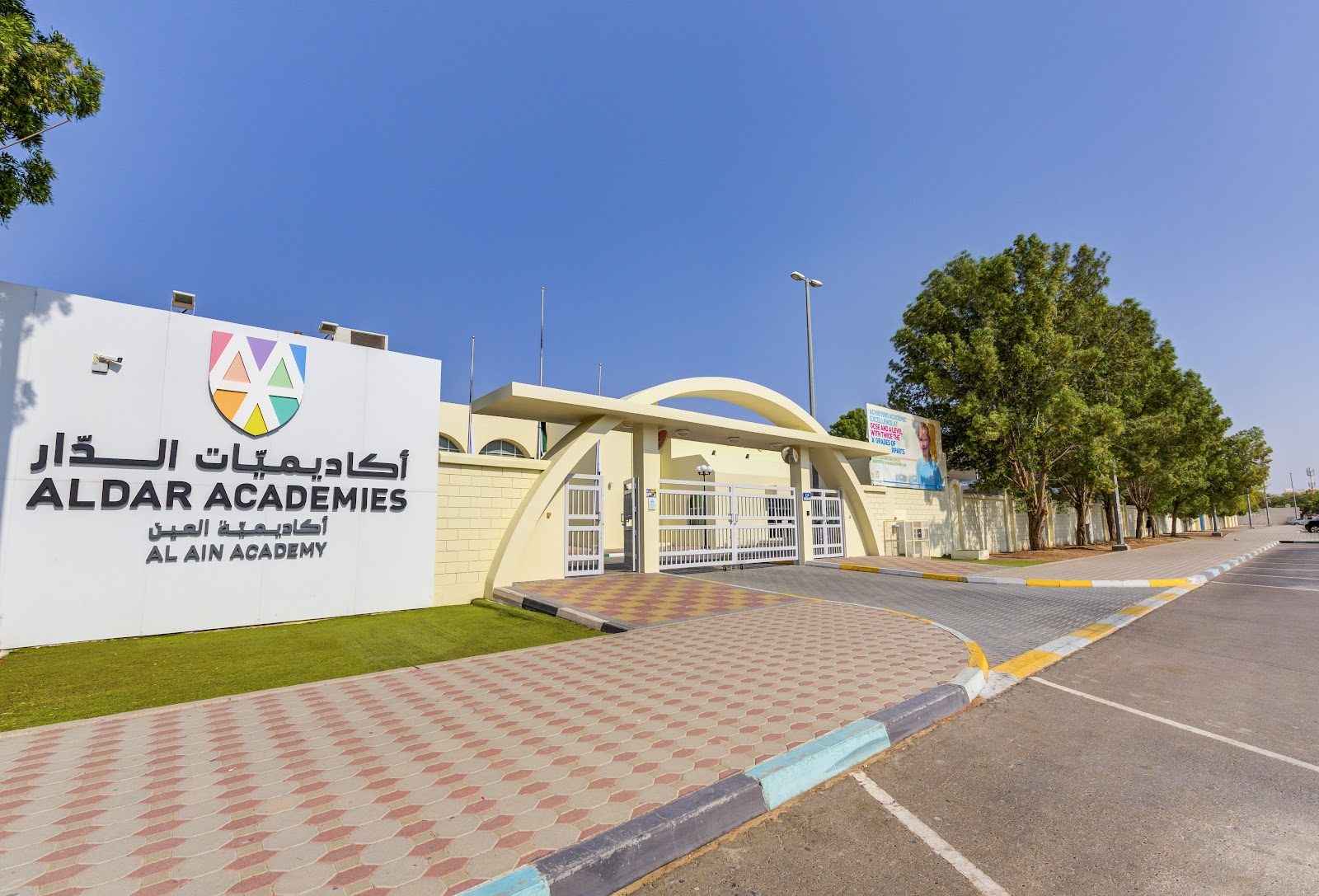
Aldar Academies at Al Ain
Al Ain · United Arab Emirates
The only Aldar campus in Al Ain, blending the English National Curriculum with Duke of Edinburgh awards and Microsoft Showcase status.
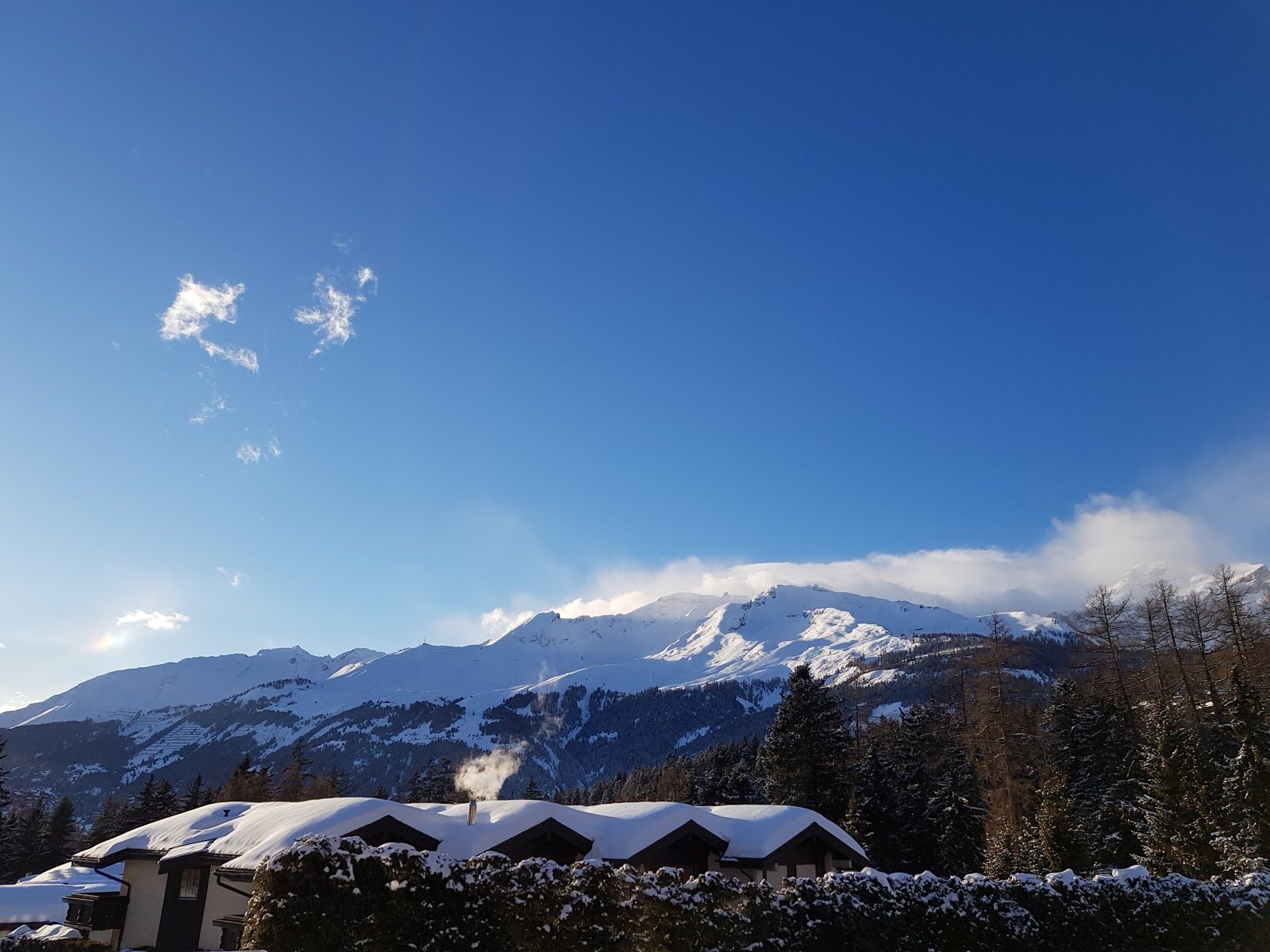
Le Régent International School
Crans-Montana · Switzerland
A purpose-built 2015 alpine campus at 1,500m pairing British and IB curricula with daily ski-in, ski-out outdoor education.
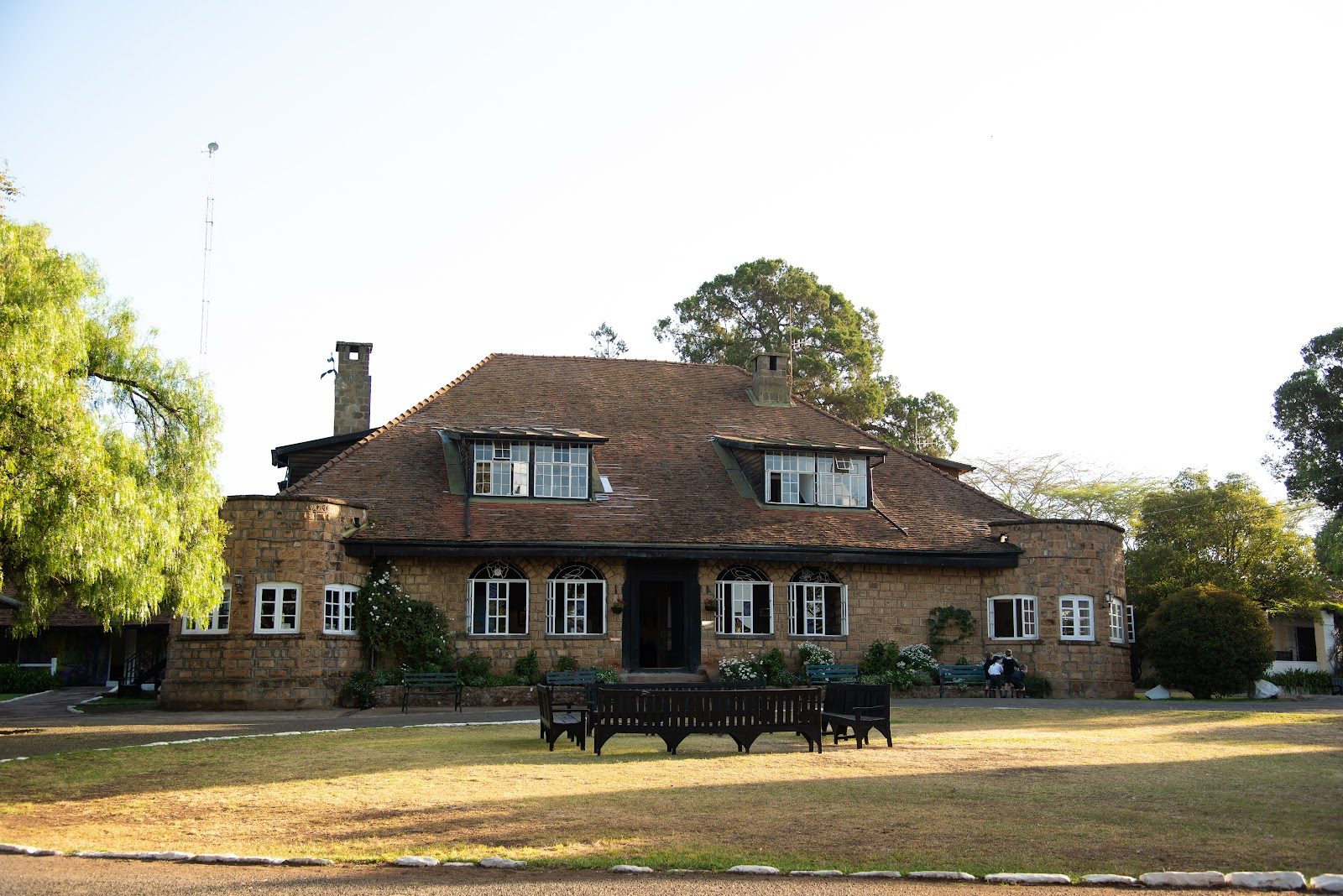
Pembroke House School
Gilgil · Kenya
Nearly a century deep in the Great Rift Valley, this British prep drills pupils through Common Entrance into top senior schools abroad.
Wesgreen International School
Sharjah · United Arab Emirates
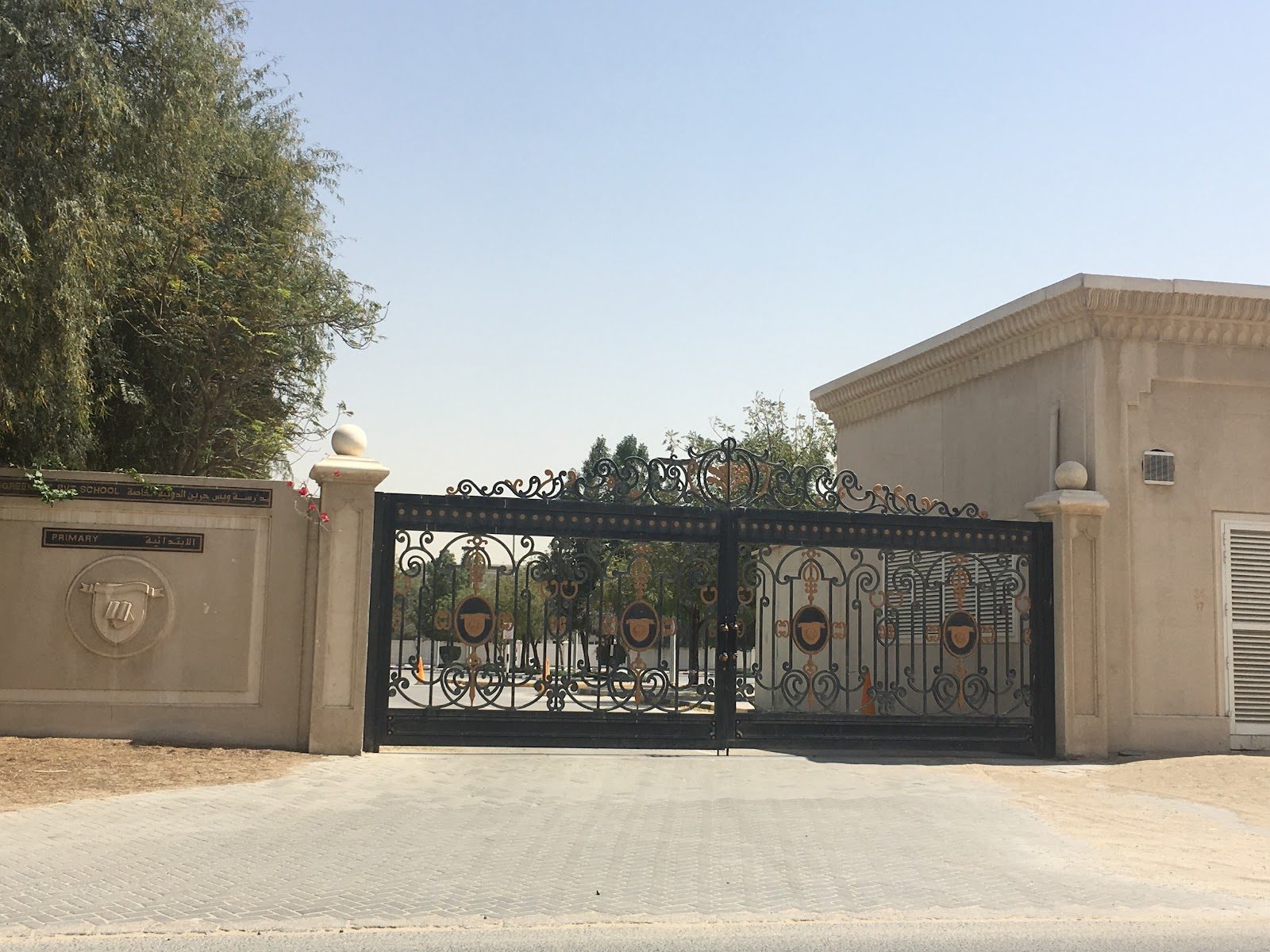
Founded by Sharjah's royal family in 1991, it runs separate boys' and girls' secondary campuses under a British Cambridge curriculum.
Same country and curriculum — closest matches within ±10 points either way