
South Holland
Stedelijk Gymnasium Leiden
Tracing its roots to a 1323 charter in Leiden, this gymnasium still makes Latin and Ancient Greek compulsory for every pupil.
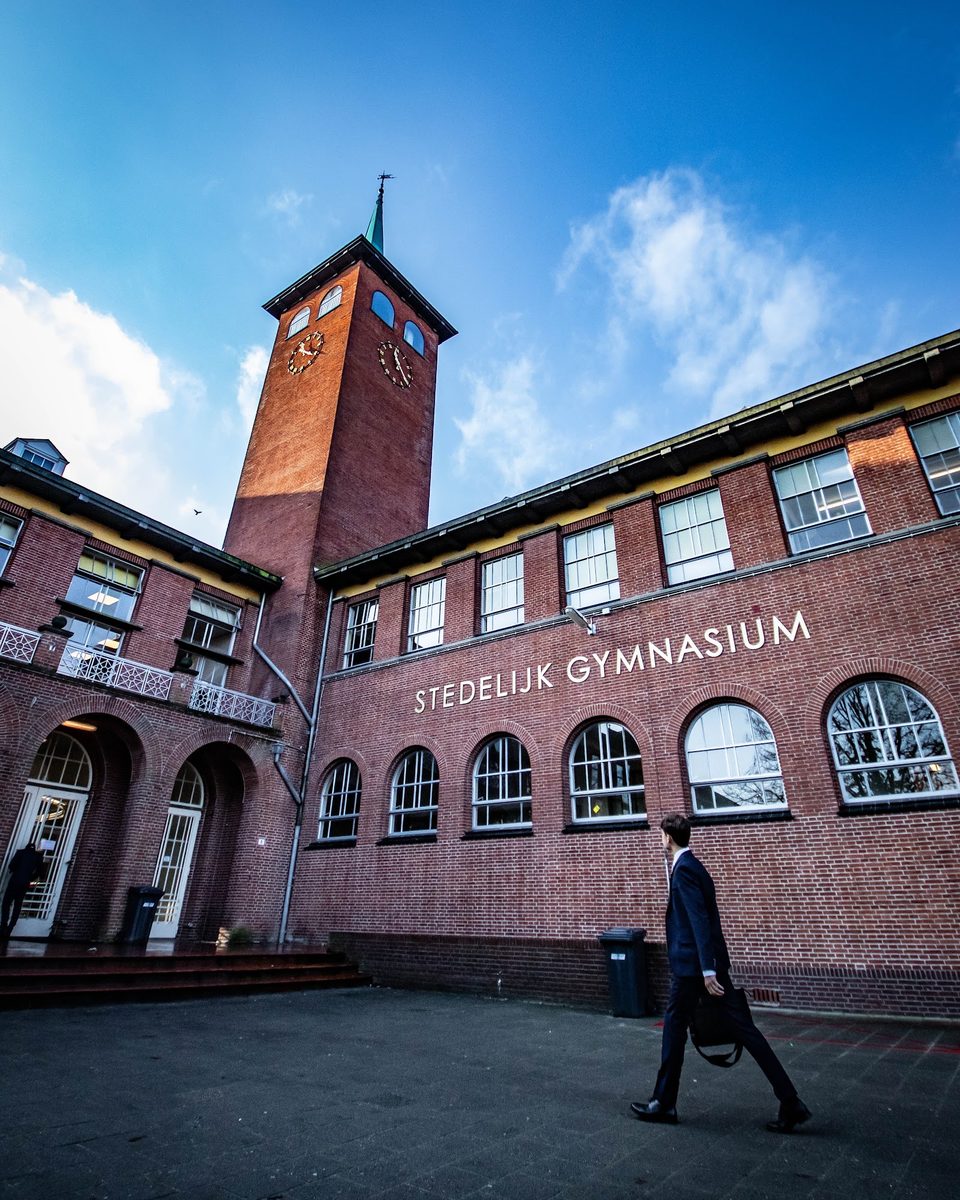
Photo © Wouter via Google Maps
Type
Day
Ages
11–18
Curriculum
Dutch
Qualifications
VWO Gymnasium
Ratio
—
The Verdict
Editor's commitment
Right for
Pupils aged 11–18 who want a Dutch gymnasium in Leiden where Latin and Ancient Greek are compulsory, not optional extras.
Wrong for
Families wanting boarding, another curriculum, or education outside Dutch and English; this is a secular day school founded in 1324.
Watch out for
With over 1,800 pupils, it is big for a specialist gymnasium, and the school publishes little here on outcomes beyond news.
Ranking breakdown
Stedelijk Gymnasium Leiden · #1126 of 1591
Composite score 60.2. 8 weighted criteria.
By criterion
Academic Outcomes
Weight 20%
#959
of 1529 scored
University Placement
Weight 16%
#1057
of 1529 scored
Prestige & Heritage
Weight 12%
#608
of 1571 scored
Alumni Network
Weight 12%
#1130
of 1530 scored
Facilities
Weight 12%
#1333
of 1533 scored
Transparency & Communications
Weight 8%
#865
of 1532 scored
Peer & Industry Review
Weight 10%
#1445
of 1548 scored
Admissions Selectivity & Demand
Weight 8%
#438
of 1529 scored
Peer & Industry Review
How Stedelijk Gymnasium Leiden is regarded in the sector
55
Credible · medium confidence
Within the Dutch categorical-gymnasium circuit, Stedelijk Gymnasium Leiden is treated as a solid, traditional performer rather than a headline name like Barlaeus or Erasmiaans Gymnasium. It appears in the annual Dutch school guides (Elsevier's Beste Scholen and Trouw's schoolwijzer) with above-average VWO exam pass rates typical of gymnasia, but it does not consistently top national league tables. Its classical curriculum and small-cohort intensity are respected by fellow gymnasium heads within the Nederlandse Vereniging voor Classici network, which values its continuity as one of the older Dutch gymnasia. Because of its location, it is a natural feeder into Leiden University, particularly its Classics, Law and Humanities faculties, though there is no distinct admissions-officer commentary singling it out nationally. International education press (WhichSchoolAdvisor, Good Schools Guide International) gives it limited coverage compared with Amsterdam or International Baccalaureate-oriented schools, reflecting its primarily domestic, non-boarding profile. Overall, it holds solid but regional standing: well-regarded academically within Dutch classical education circles, modestly visible in national rankings, and largely absent from international independent-school commentary.
- Rudolf Mees — Banker, Finance
- Pieter Willem Adriaan Cort van der Linden — Prime Minister, Politics
- Willem Einthoven — Physiologist, Academia
Editors' overview
Stedelijk Gymnasium Leiden occupies a distinct niche in Dutch secondary education: a large, academically selective gymnasium with roots in 1324 and a curriculum that still treats the classical languages as core, not garnish. The school’s own tagline says it plainly: wisdom begins with wonder. In practice, the defining feature is stricter and more old-fashioned than that line implies. Latin and Ancient Greek sit at the centre of the school’s identity, and this is not a diluted “classics option” bolted onto a broad international offer. This is a Dutch gymnasium in the full sense: an intellectual route for pupils who enjoy abstraction, language structure, close reading and sustained academic discipline. With over 1,800 pupils, it also operates at a scale unusual for a specialist school of this type.
Why shortlist it? First, history matters here because it still shapes the school’s purpose. A school with medieval origins can trade on heritage; this one still uses it. Second, scale matters. Being the largest gymnasium-only school in the Netherlands gives it weight, breadth and a critical mass of similarly inclined peers. For the right child, that creates serious academic company rather than social marginality for being bookish. Third, the school is secular and day-only, which keeps the proposition clear: rigorous academic schooling in Leiden, without the boarding theatre or religious frame that still defines parts of the European traditional-school market. Parents looking for intellectual seriousness and a school culture that does not apologise for demanding work will find a strong fit here.
The trade-off is obvious. This is not the school for a child who wants a loose, highly personalised, Anglo-style menu of pathways. The curriculum is Dutch; the institutional identity is fixed; the classical spine is compulsory. That gives the school coherence, but it also narrows the audience. Families seeking extensive hand-holding, a broad bilingual model, or a school built around sport, pastoral branding or lifestyle polish will find slimmer returns. The public-facing site foregrounds news, subject choices in the upper years and university guidance, but it does not publish the kind of granular outcomes data international parents often expect. That opacity matters less for local families who know the Dutch gymnasium system well; it matters more for families arriving from abroad.
The ideal pupil is clear: academically ambitious, verbally strong, happy in a demanding peer group, and energised by ideas that stretch beyond immediate utility. A child who enjoys grammar, etymology, literature, history and intellectual argument will find a rare academic habitat here. A child who needs constant novelty, lighter expectations or a more vocational direction will not. In a crowded schools market, Stedelijk Gymnasium Leiden stands out through discipline of purpose and scholarly confidence. That is why it belongs on a shortlist.
Academic Performance
External-results transparency is the weak point. The school does not publish aggregate examination outcomes, grade distributions, university-destination data or benchmark comparisons on the public site. For international parents, that leaves a real evidential gap. A selective Dutch gymnasium with a long academic tradition carries a strong built-in expectation of solid results, and the school’s scale — more than 1,800 pupils — gives it the critical mass of a major academic institution rather than a niche boutique. But expectation is not evidence. If you want hard performance data against other Dutch gymnasia, the school does not put it in front of you.
That does not mean weak standards; it means opaque standards reporting. The public signals point to an academically serious sixth-form culture: upper-school subject choices, a dedicated university-guidance site, and formal diploma ceremonies held in a major city church. Those are markers of a school geared towards completion and progression, not remedial catch-up. Still, parents comparing top academic schools need more than atmosphere and heritage. Without published pass rates, top-grade rates or destination lists, Stedelijk Gymnasium Leiden sits in the category of high-trust, low-disclosure schools: credible within its own national system, less legible from outside it. For Dutch families, that is workable. For relocating families, it is a material handicap in any serious peer comparison.
Facilities
The public site gives a thin account of the physical plant. There is no campus map, no gallery of specialist spaces, no theatre-and-labs showcase and no published inventory of sports provision, science rooms, music facilities or maker spaces. That silence matters. At a school of this scale — over 1,800 pupils — parents have reason to expect a broad set of teaching spaces and serious timetabling infrastructure, but the school does not make the case in concrete terms. What it does foreground is functional student support: upper-school subject choice, a dedicated university-guidance site, recruitment pages and routine operational notices such as learning materials and diploma events. That points to a campus organised for academic throughput rather than showroom appeal.
Against peer schools, this puts Stedelijk Gymnasium Leiden in an unusual position. Many academically selective schools now market facilities aggressively, even when the estate itself is ordinary. Here, the opposite holds: a school with real institutional weight but strikingly opaque public presentation. The strongest external clue is the use of the Pieterskerk for diploma ceremonies, which gives major occasions a civic gravitas few schools can match, even if it tells us little about day-to-day teaching spaces. If you want gleaming visuals, branded innovation hubs and a sales pitch built around buildings, this school offers slim returns. If you care more about whether the place functions for serious study, the scale alone implies substantial core infrastructure — but the school leaves parents to infer that for themselves.
In a crowded schools market, Stedelijk Gymnasium Leiden stands out through discipline of purpose and scholarly confidence
Prestige
Stedelijk Gymnasium Leiden carries serious domestic prestige. In the Dutch context, a gymnasium already sits at the academic end of secondary education; a large, stand-alone school devoted to that route commands extra status. Scale matters here. With more than 1,800 pupils, this is not a fragile specialist outpost but a major institution with visibility, alumni reach and civic weight. The school’s medieval roots add cachet, but the real source of prestige is not age alone. It is continuity of purpose: a school that has kept a demanding classical core when most systems have moved towards broader, softer academic branding. That gives it a clear intellectual stamp and a reputation that travels well inside the Netherlands.
The prestige has limits, and they are worth stating. This is national prestige, not the glossy international prestige attached to global-brand boarding schools or heavily marketed bilingual academies. Outside the Dutch system, the name carries less instant recognition, and the school does little on its public site to translate its standing for foreign families. No published destination lists, no headline results data, no polished case for why outsiders should understand the name. That lowers visibility, not substance. Among families who know Dutch education, this is a high-status academic address with old institutional authority. Among families shopping globally, it reads as distinguished but under-explained.
Against peer schools, this puts Stedelijk Gymnasium Leiden in an unusual position
Communications
Parent communication is functional, current and thin on depth. The homepage works as a noticeboard: holiday messages, diploma coverage, learning-materials updates, vacancies, links to a university-guidance site, and prompts to follow the school on Instagram and TikTok. That gives parents a clear sense of day-to-day movement and a school that keeps its channels active rather than letting the site fossilise. The decanensite link matters: it points families towards concrete guidance on subject packages and next-step choices, which is more useful than generic rhetoric about “future readiness”. There is also a plain cookie page and standard operational housekeeping. In that narrow sense, communication is competent, timely and service-led.
What the school does not do is just as important. It does not publish the richer explanatory layer many international parents expect: no detailed leadership voice, no serious archive of parent information, no public performance dashboard, no clear pastoral narrative, and little that translates the school’s culture for outsiders. Social-media links help with visibility, but they are not a substitute for substantive institutional communication. The result is a local-school communications model: enough for families already fluent in the Dutch system, less effective for those trying to decode the school from abroad. If you want hard information and clear institutional self-explanation, the school leaves work for the parent.
Uniqueness
What sets Stedelijk Gymnasium Leiden apart is not heritage on its own, but heritage tied to a live academic obligation. Many old schools keep classical references in their crest and prospectus; this one keeps the classical languages in every pupil’s working week. That produces a rare kind of rigour: sustained training in grammar, syntax, etymology and close textual analysis that shapes how pupils think across subjects, not just in language lessons. The school’s size sharpens that difference. With more than 1,800 pupils in a gymnasium-only setting, academically minded children are not parked in a small scholarly corner of a broader comprehensive culture; they are part of the mainstream. For the right child, that creates intellectual density, strong academic peer pressure and a sense that serious study is normal rather than eccentric.
The gain for students is clarity. The school knows what it is, and pupils enter a distinctly non-brochure environment built around scholarship rather than lifestyle packaging. The classical core rewards patience, precision and memory; it also builds resilience in pupils who can tolerate difficulty without instant practical payoff. That matters. A school like this gives able adolescents permission to be deeply academic without apology. It also narrows the fit. Children who want breadth before depth, lighter structure or a more applied tone will find the model demanding, even unyielding. For pupils who thrive on ideas, discipline and academic tradition, that narrowness is the point.
Stedelijk Gymnasium Leiden carries serious domestic prestige
Student Profile
The pupils who fit here are the ones who enjoy school for the work itself. This is a place for children who take satisfaction in mastering difficult material, arguing about ideas, spotting patterns in language and tolerating delayed rewards. A strong verbal brain helps. So does patience. The school’s scale — more than 1,800 pupils — changes the social equation: an academically driven child is not marooned as the lone swot in class, but part of a large peer group where intellectual ambition carries status. That suits students who want serious academic company, high-threshold discussion and a school culture that does not treat scholarly effort as embarrassing.
The weaker fit is just as clear. A child who needs constant pastoral cushioning, broad curricular flexibility or a conspicuous culture of performance, sport or lifestyle polish will find the proposition narrow, demanding and at points unforgiving. This school rewards self-direction, stamina and comfort with institutions that do not over-explain themselves. It will suit pupils who are happy to join an established academic tradition and work within it, rather than asking the school to bend around their preferences. For international families, that also means a child who can cope with a firmly local school culture and parents who do not need endless hand-holding. For the right student, that is liberating. For the wrong one, it is a poor match.
What sets Stedelijk Gymnasium Leiden apart is not heritage on its own, but heritage tied to a live academic obligation
Co-curricular strengths
Arts & sport, on a separate axis
Overall 6.36/10
Scored 0-10 from the school's own published evidence. This axis is editorial-only — it does not feed the main WTS ranking.
Sports
6.8/10
Drama
6.5/10
Dance
4.5/10
Music
7.5/10
Visual Arts
6.5/10
Strengths
- +Awarded the 'Excellent School' predicate by the Dutch education inspectorate for 2012, 2013, 2014, 2015-2017, 2018-2020, and 2021-2025, a rare unbroken run of the designation.
- +The Stedelijk Gymnasium Leiden is the largest gymnasium-only school in the Netherlands, with over 1,800 pupils, giving it scale and depth of subject choice unusual for a single-stream classical school.
- +Offers Latin and Classic Greek as a compulsory part of the curriculum, a distinctive academic backbone rare among mainstream Dutch VWO schools.
- +Since 2001 Stedelijk Gymnasium organizes the Leiden Model United Nations (LEMUN), which is part of the international Model United Nations (MUN)-conferences, and has contacts with schools from Sweden, Poland, Hungary, Germany, Italy and Belgium to exchange students.
- +It is a public school, open to everyone who meets the admission criteria regardless of religious or philosophical belief.
Considerations
- −Because of the classical-language offering there is comparatively less time for other subjects, so the learning pace is high, a structural trade-off of the categorical-gymnasium model, not a marketing point.
- −Instruction is entirely in Dutch under the national VWO/gymnasium curriculum, with no IB or bilingual stream identified in available sources, which may be a barrier for non-Dutch-speaking relocating families.
- −The school operates across two separate buildings, Socrates and Athena, each with its own character though the same programme, meaning families must choose a location rather than a single unified campus.
- −A voluntary parental contribution of EUR 119 for 2025-2026 applies, on top of which the compulsory-style Rome or Greece trip is billed separately at EUR 1,150, a real added cost despite the 'voluntary' label.
Availability
Primary entry gate & tests
CITO Score / Central Match
Gallery
Photo © Wouter via Google Maps
Photo © Rene van der Zeeuw via Google Maps
Photo © Jeroen H via Google Maps
Photo © Jeroen H via Google Maps
Photo © Jeroen H via Google Maps
Photo © Jeroen H via Google Maps
Photo © Ton Laven via Google Maps
Parent reviews
Have you sent your child here?
Voice reviews carry the strongest trust badge — we transcribe them for you to tidy up before they go live. Prefer to type? A written review is fine too.
Add your voice
In 60 seconds, tell other parents: what's the best thing about Stedelijk Gymnasium Leiden, and what surprised you when your child joined?
We ask for a Google sign-in so every review has a real face behind it — no anonymous drive-by attacks on schools, and no faked positive reviews. Your email is never shown publicly.
Send this profile to a friend
International parents rely on word-of-mouth. Share this review with someone weighing the same decision.
Schools with places
Similar schools to Stedelijk Gymnasium Leiden with places available now.
Nord Anglia International School Rotterdam
Rotterdam · Netherlands
- 2026-27
- WAITPOOLSpace-dependent
- 2027-28
- PLACES OPENRolling
The International School of The Hague
The Hague · Netherlands
- 2026-27
- WAITPOOLSpace-dependent
- 2027-28
- PLACES OPENRolling
The British School in The Netherlands
Voorschoten · Netherlands
- 2026-27
- WAITPOOLSpace-dependent
- 2027-28
- PLACES OPENRolling
Availability first, then country, area, curriculum, price, co-curricular
Consider also
Also worth looking at alongside Stedelijk Gymnasium Leiden.
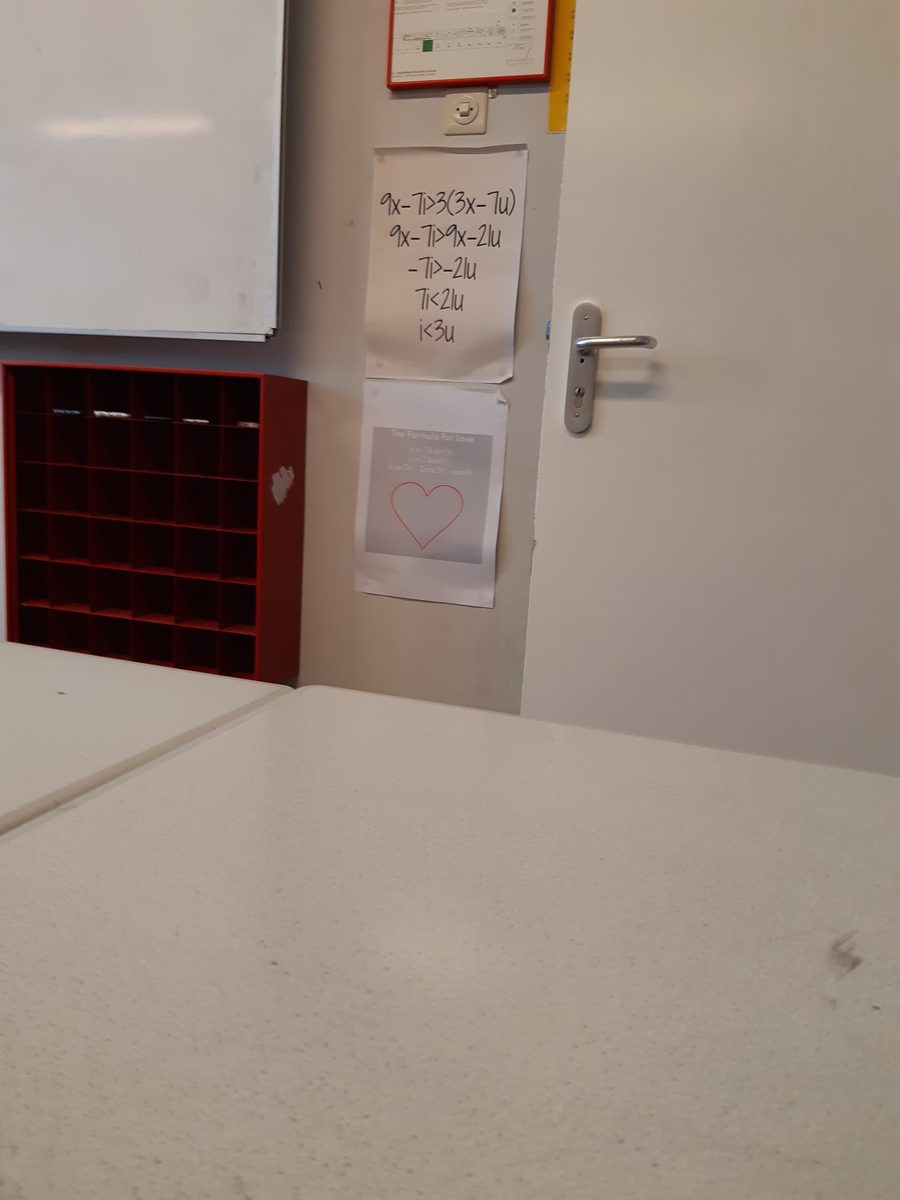
Rijnlands Lyceum Oegstgeest
Oegstgeest · Netherlands
One of five schools worldwide that piloted the IB Middle Years Programme, pairing Dutch rigor with a bilingual, Leiden-rooted campus.
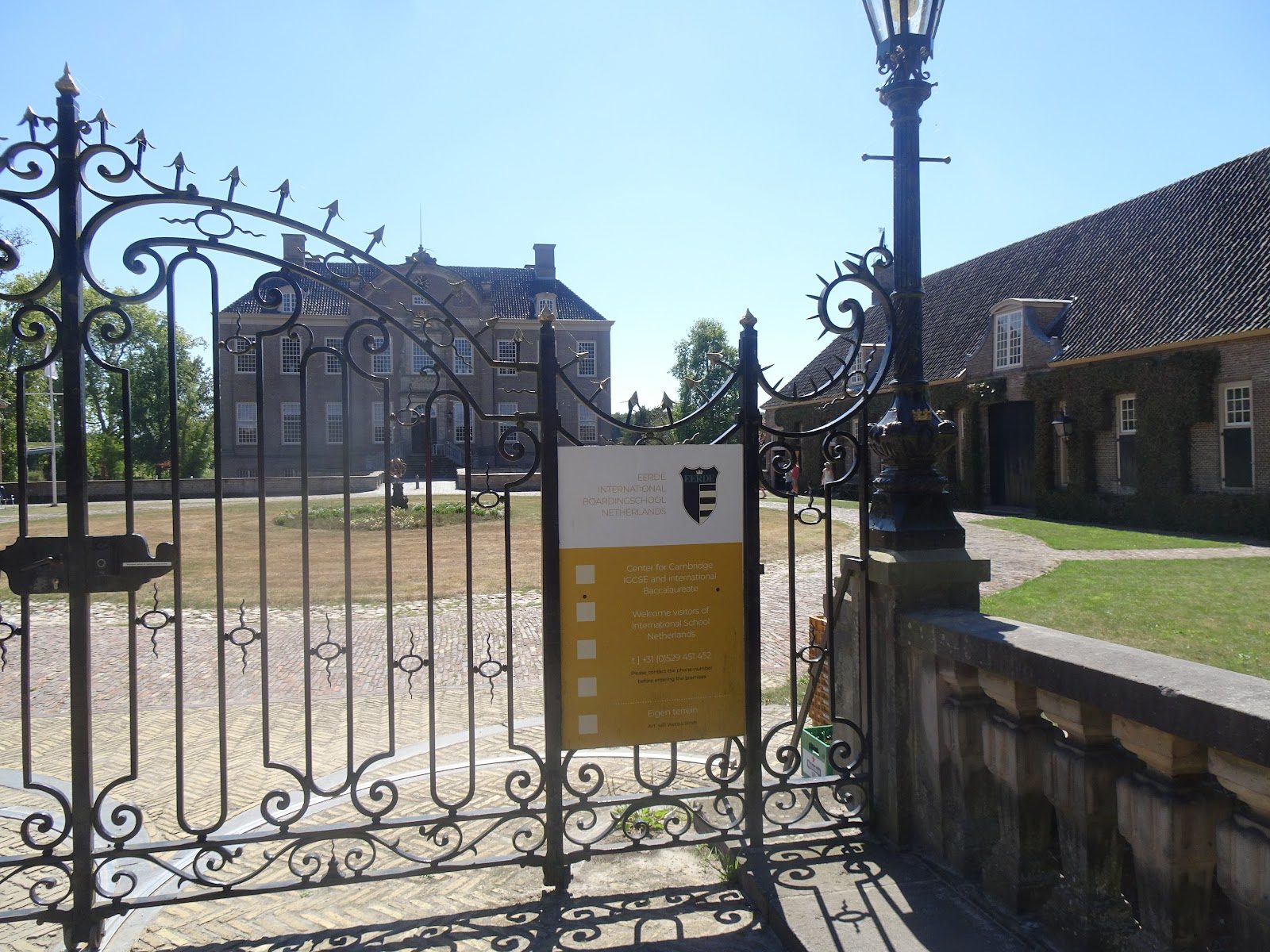
International School Eerde
Ommen · Netherlands
A moated 1715 castle that once sheltered Jewish refugee children now anchors an IB boarding community of 25-plus nationalities.
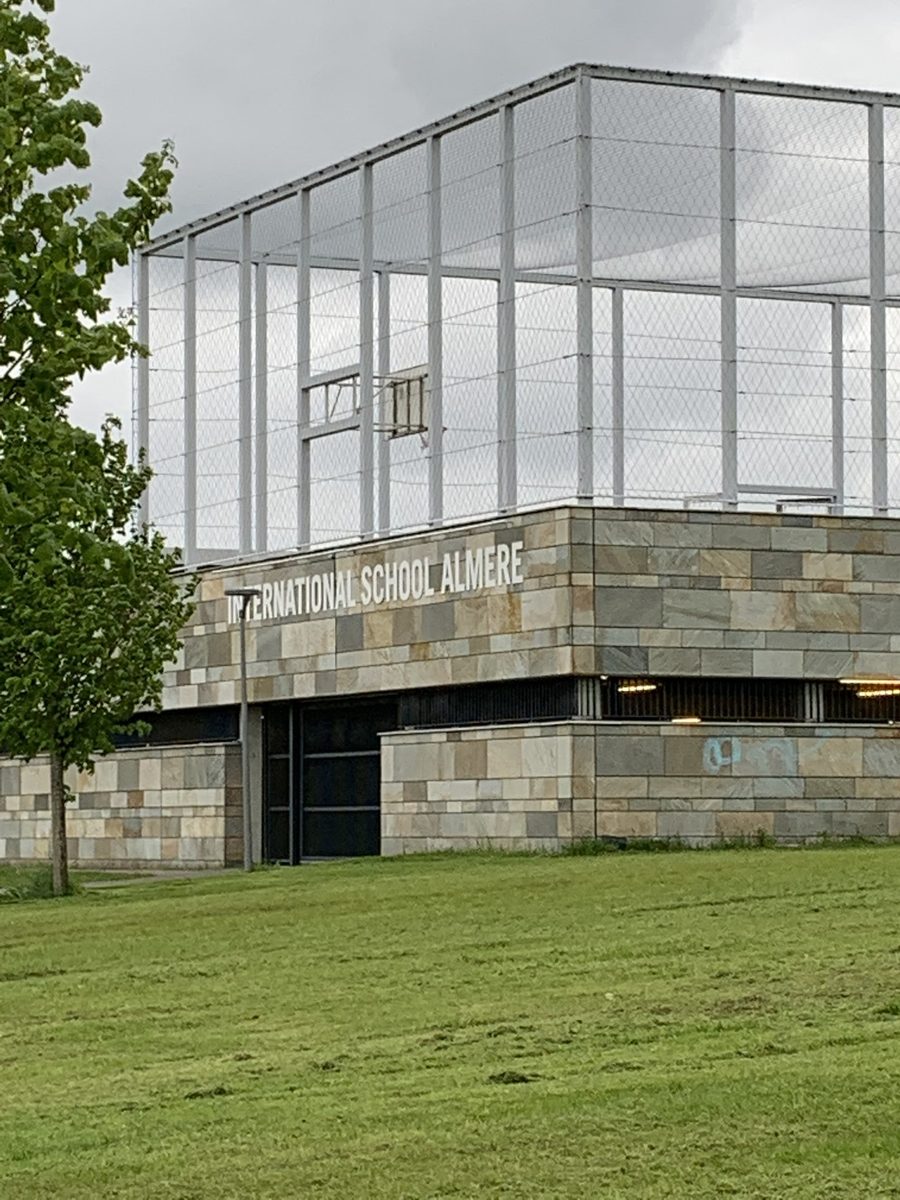
International School Almere
Almere · Netherlands
A full IB continuum, ages two to eighteen, on one shared campus in the Netherlands' fastest-growing city
Amsterdam International Community School
Amsterdam · Netherlands
A public alternative to Amsterdam's private international schools, running the full IB continuum from a climate-neutral campus.
Same country and curriculum — closest matches within ±10 points either way