
Flevoland
International School Almere
low confidence· 4/6 cats · 1.29 avg sourcesA full IB continuum, ages two to eighteen, on one shared campus in the Netherlands' fastest-growing city
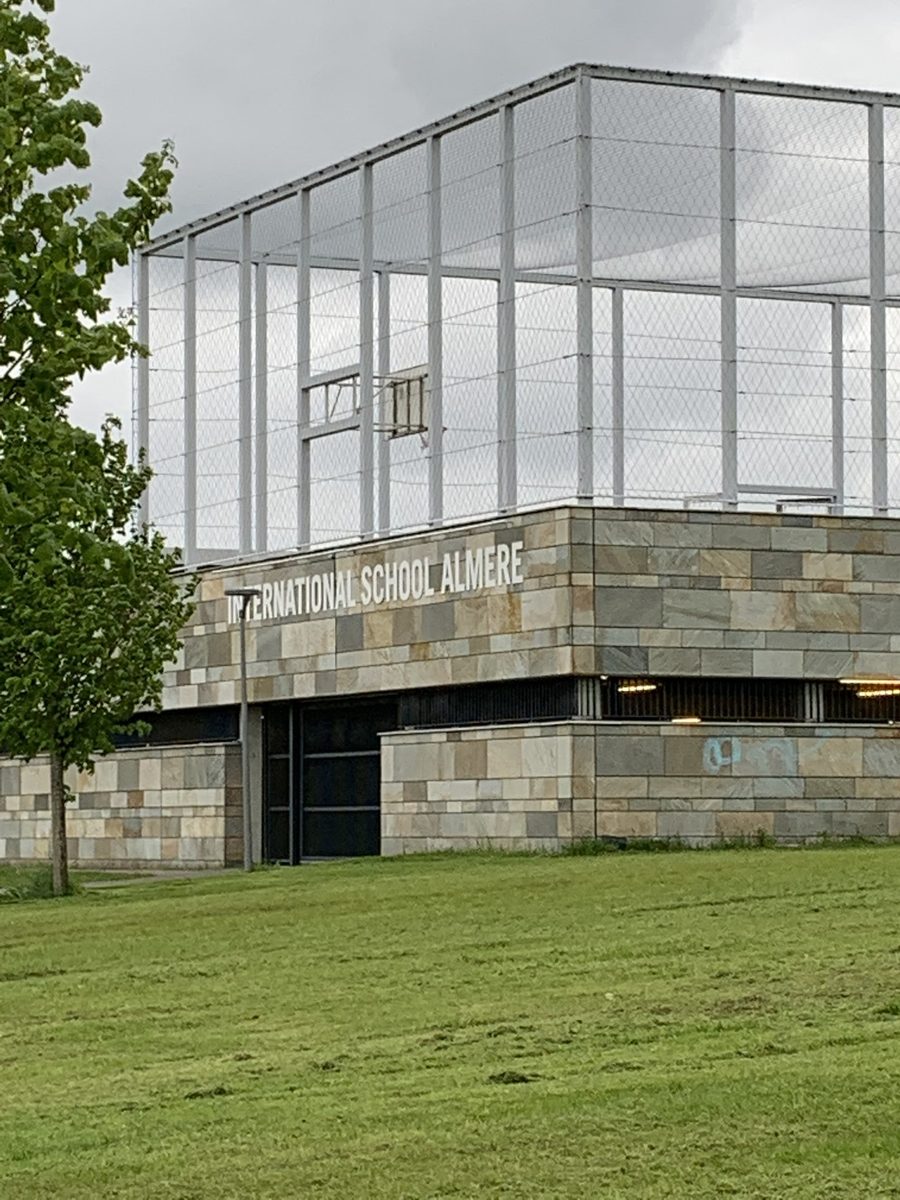
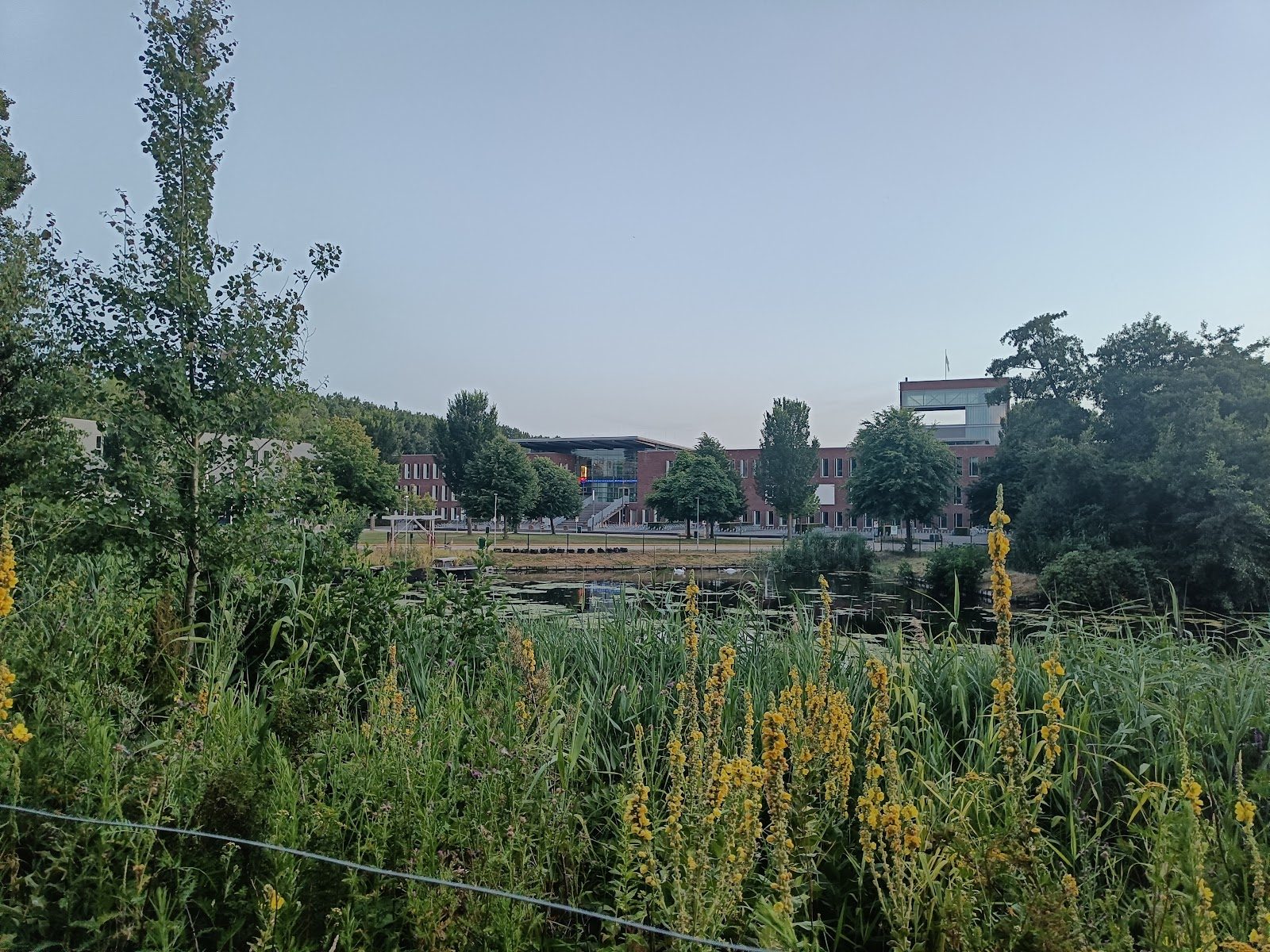
Photo © Edwin van Dijk via Google Maps
Type
Day
Ages
11–18
Curriculum
IB
Qualifications
IB Diploma · IB MYP
Ratio
—
The Verdict
Editor's commitment
Right for
Families in Almere who want an IB World School in English, ages 11–18, with continuity into university destinations including McGill.
Wrong for
Parents wanting a broad senior-school benchmark beyond one IB World School badge and a short destinations list led by 6 McGill offers.
Watch out for
At €4,600 average annual day fees, value is clear; secondary admissions start at 11, so this listing does not cover ages 2–10.
Ranking breakdown
International School Almere · #893 of 1591
Composite score 62.4. 8 weighted criteria.
By criterion
Academic Outcomes
Weight 20%
#1002
of 1529 scored
University Placement
Weight 16%
#1015
of 1529 scored
Prestige & Heritage
Weight 12%
#995
of 1571 scored
Alumni Network
Weight 12%
#623
of 1530 scored
Facilities
Weight 12%
#994
of 1534 scored
Transparency & Communications
Weight 8%
#1000
of 1532 scored
Peer & Industry Review
Weight 10%
#891
of 1548 scored
Admissions Selectivity & Demand
Weight 8%
#760
of 1529 scored
Peer & Industry Review
How International School Almere is regarded in the sector
66
Respected · medium confidence
I could not identify at least two independent third-party sources (e.g., Tatler, Good Schools Guide, specialist expat education press, or inspectorate commentary) that substantively discuss International School Almere's reputation. Any available information appears limited to school-provided materials or general directory listings without independent evaluative content.
Editors' overview
International School Almere sits in a useful niche: an English-medium IB World School in a Dutch city that has grown fast without importing Amsterdam fee levels. The numbers matter. This is a day school in Almere, founded in 2006, teaching students aged 11 to 18, with a year-weighted average annual fee of €4,600. For a school offering the IB route, that fee is strikingly low. The wider all-through campus runs from age two to eighteen, and the primary section caps classes at 22 pupils, a concrete sign that the school has not built its model around volume. Recent university destinations include McGill University, with 6 students, alongside Dalhousie and McMaster.
What sets it apart is not glamour, scale or elite finishing-school theatre. It is the combination of accessibility and coherence. Families get English-language teaching, an IB framework and one shared campus in a city with free parking, bicycle access and a wheelchair-accessible building. That makes the proposition plainly practical. The trade-off is just as clear: this is not a school selling cachet, boarding, or a heavily advertised results machine. The school does not publish a broad set of destination data, and there is no public flood of headline outcome metrics to do the talking for it. Parents who need glossy certainty and status signalling will find the profile too bare-bones.
The students who fit best are internationally mobile, academically self-directed and comfortable in a school that reads as purposeful rather than polished. This suits families who want the IB, want English, and want to stay within reach of Dutch public-sector sensibilities on cost. It also suits children who benefit from smaller classes and a diverse intake drawn from many educational systems. International School Almere belongs on a shortlist because it offers a rare equation: an authorised IB school, in the Netherlands, at €4,600 a year on average, without the luxury-school markup that dominates much of the international market.
Academic Performance
Academic performance is the school’s weak point in public view, not because standards are poor but because outcomes are opaque. The school does not publish aggregate IB Diploma results, average point scores, pass rates, subject breakdowns or year-on-year trends. That leaves parents without the comparative data that serious international schools use to prove academic strength. For an IB school serving the senior years, that absence matters. It blocks any precise judgement on whether students outperform Dutch peers, sit in the middle of the pack, or rely on individual success stories to carry the narrative. The destination list gives one useful signal: 6 students progressing to McGill, alongside placements at Dalhousie and McMaster, points to a route into credible North American universities. It does not substitute for examination disclosure.
Relative to peers, this places International School Almere in a low-visibility bracket academically: not a school with a public results machine, not one trading on elite-name university lists, and not one giving parents a hard-edged scorecard before application. The more generous reading is that the school serves a mobile, mixed-background intake and concentrates on teaching rather than publicity. The stricter reading is that families must do more of the evidential work themselves. Ask directly for recent diploma averages, pass rates, higher-level subject results and destination patterns across multiple graduating cohorts. Without that, academic judgement rests on thin public proof.
Facilities
Facilities are functional, not expansive. The clearest published strengths are accessibility and everyday logistics: a wheelchair-accessible building, on-site bicycle parking, and free parking for families. In Dutch context, that matters. Many urban international schools ask parents to tolerate tight sites, awkward drop-off, or shared-city compromises. International School Almere offers a more usable daily setup. That does not make it lavish. There is no public case for specialist sports infrastructure, theatres, design labs, maker spaces or heavyweight sixth-form study centres. Parents comparing it with premium international schools in Amsterdam, The Hague or Rotterdam will find a leaner physical offer and less of the capital-intensive polish that wealthier competitors advertise.
The school’s most consequential facility advantage is educational rather than architectural: classes in the primary section are capped at 22, which points to teaching spaces built for manageable groups rather than scale. For mobile international families, that can matter more than showpiece buildings. The site also sits within a shared all-through campus, which supports continuity across age phases and gives the school a coherent, workmanlike footprint rather than a fragmented one. Against peer schools, the verdict is clear. This is not a campus that wins on spectacle or specialist provision. It wins on practicality, access and a setup that keeps the daily mechanics of schooling refreshingly straightforward.
International School Almere sits in a useful niche: an English-medium IB World School in a Dutch city that has grown fast without importing Amsterdam fee levels
Prestige
International School Almere has modest prestige. That is not a criticism; it is the correct category. The school does not trade on old institutional weight, selective scarcity, famous alumni, or a stream of publicly marketed top-tier outcomes. Its recent destination profile points to solid North American progression, but the numbers are small and concentrated: 6 students to one university, with isolated placements elsewhere. That is credible, not commanding. In the international-school market, prestige comes from visible academic dominance, entrenched reputation, or social cachet. This school offers none of those in any grand sense. It sits closer to the serious practical end of the spectrum: a place families choose for fit, continuity and cost control, not for status theatre.
Why rate it this way? Because the public signals are plain. The fee level is exceptionally low for this sector at €4,600, which expands access but does not create exclusivity. The school’s strongest claims are functional rather than aspirational: small classes in the primary section, an accessible site, and a student body drawn from many educational systems. That mix can produce a grounded international education, but it does not confer elite aura. For many families, that is a strength. The school carries earned local credibility rather than glamour. If you want a badge school, look elsewhere. If you want a school whose value rests on delivery rather than mythology, International School Almere has a persuasive case.
International School Almere offers a more usable daily setup
Communications
Parent communication is serviceable, direct and plainly functional. The school gives families the practical basics: a navigable website, clear contact routes, location and access information, and concrete operational detail such as class caps in the primary section at 22. That matters because schools serving mobile international families need to remove friction fast. Here, the tone is less polished than at premium competitors, but the essentials are easier to trust when they are stated without flourish. The split navigation between primary and secondary also reflects the school’s structure cleanly. What is missing is just as important. There is little in public view that builds a rich ongoing picture of school life, academic standards or departmental substance. Parents can find logistics; they get far less of the deeper narrative that helps them judge teaching quality before enquiry.
That leaves the communications profile efficient but thin. It works for families who want answers to practical questions and are happy to ask the school directly for the rest. It works less well for parents who expect transparent publication of outcomes, detailed senior-school academic information, or a hard-edged sense of what happens beyond the admissions basics. In effect, the school communicates like a serious local institution rather than an international brand machine. That has one advantage: less spin. It has one cost: families must do more legwork themselves. For a school at this price point, that trade-off is understandable. It is not best-in-class communication. It is competent, spare and more useful operationally than strategically.
Uniqueness
International School Almere is unusual because it strips the international-school proposition back to its essentials. Families get an all-through setting on one site, a student body drawn from many educational systems, and teaching organised for practical continuity rather than branding theatre. The distinctive gain for students is coherence. Children do not move between disconnected campuses or into a school built around social display. They learn in a community shaped by mobility, mixed prior schooling and daily adaptation. That creates a grounded internationalism: not the polished version sold by prestige schools, but the real thing, where classmates arrive with different educational habits and teachers have to make those differences work in the room. The primary section’s class cap of 22 reinforces that model. Small groups matter more here than grand facilities.
The second point of difference is economic. At an average annual fee of €4,600, the school offers a route that undercuts the inflated pricing that defines much of this market. That changes the student experience as much as the parent budget. It reduces the sense that international education is a luxury product and pushes the school towards a more democratic, less performative culture. Add the wheelchair-accessible building, bicycle parking and free on-site parking, and the picture is consistent: this is a school built for use, not for show. For the right student, that brings a steadying, low-drama environment where attention stays on learning and adjustment rather than status.
If you want a school whose value rests on delivery rather than mythology, International School Almere has a persuasive case
Student Profile
This school fits children who are comfortable in a genuinely mixed international intake and do not need a high-status social scene to feel secure. The school states that pupils arrive from many different educational systems, and that matters: the student body is not built around one national pattern of schooling or one settled local tribe. The best match is a student who adapts quickly, handles difference without fuss, and can work alongside classmates whose prior schooling, pace and expectations vary. Placement by age, rather than by a family’s preferred academic track, also suits children with steady resilience and enough maturity to manage transitions without constant hand-holding. In the primary section, classes are capped at 22, which supports pupils who benefit from teacher attention and a more contained classroom atmosphere.
The less suitable student is the one looking for status gloss, heavy institutional ceremony or a visibly selective peer culture. This is a school for families who value function over performance and who want an environment that feels international in substance rather than branded internationalism. It will suit self-possessed students, pragmatic expatriate families, and children who need a school to absorb mobility without drama. It will suit less well those who want a publicly validated academic pecking order, a deep bench of published outcomes, or the social confidence that comes from joining a school with strong external prestige.
International School Almere is unusual because it strips the international-school proposition back to its essentials
Co-curricular strengths
Arts & sport, on a separate axis
Overall 6.66/10
Scored 0-10 from the school's own published evidence. This axis is editorial-only — it does not feed the main WTS ranking.
Sports
6.8/10
Drama
6.8/10
Dance
5.5/10
Music
7/10
Visual Arts
7.2/10
Editor first-pass · editor-reviewable · 7/29/2026
Outcomes & destinations
Where students go next
Top destinations
358 placements
- Dalhousie University· 1
- McGill University· 6
- McMaster University· 1
- Ryerson University· 1
- Sheridan College· 1
- University of British Columbia· 2
- University of Calgary· 1
- University of Guelph· 1
- University of Toronto· 3
- International Christian University· 2
- Iwate Prefectural University· 1
- Keio University· 2
- Kwansei Gakuin University· 1
- Sophia University· 1
- Okayama University· 2
- Waseda University· 8
- Amsterdam Conservatory· 1
- Amsterdam Fashion Academy· 1
- Amsterdam Fashion Institute· 2
- Amsterdam University Colege· 3
- Amsterdam University of Applied Sciences· 2
- Delft University of Technology· 16
- Eindhoven University of Technology· 2
- Erasmus University College· 2
- Erasmus University Rotterdam· 10
- Gerrit Rietveld Academie· 1
- Global School for Entrepreneurship· 1
- Hague University of Applied Sciences· 2
- Hogeschool Utrecht· 1
- Hanze University of Applied Sciences· 2
- HU University of Applied Sciences Utrecht· 1
- Hotelschool the Hague· 2
- InHolland University of Applied Sciences· 1
- Leiden University College· 1
- Maastricht University· 4
- NHTV Breda University of Applied Sciences· 1
- Radboud University· 1
- Royal Dutch Air Force· 1
- Royal Conservatory· 1
- Technische Universiteit Delft· 3
- Tilburg University· 1
- University of Amsterdam· 35
- University of Groningen· 3
- University College Roosevelt· 1
- University College Utrecht· 2
- Utrecht University· 1
- Vrije University Amsterdam· 19
- Wageningen University· 2
- Willem de Kooning Academie· 2
- Zadkine Schoonhoven· 1
- Aberystwyth University· 1
- Arts University Bournemouth· 1
- City University of London· 1
- Durham University· 1
- European University London· 1
- Hartpury University· 1
- Imperial College London· 4
- King's College London· 7
- London School of Economics· 2
- Loughborough University· 4
- New College of the Humanities· 1
- Open University· 1
- Oxford Brookes University· 1
- Queen Mary University of London· 1
- Regent's University London· 1
- Royal Central School of Speech and Drama· 1
- Royal Holloway, University of London· 3
- University of the Arts London· 3
- University of Bath· 2
- University of Birmingham· 1
- University of Bristol· 1
- University of Buckingham· 2
- University of Cambridge· 2
- University College London· 7
- University of East London· 1
- University of Edinburgh· 3
- University of Exeter· 4
- University of Glasgow· 4
- University of the Highlands and Islands· 1
- University of Oxford· 1
- University of Liverpool· 1
- University of Manchester· 2
- University of Nottingham· 1
- University of Southampton· 3
- University of South Wales· 1
- University of Surrey· 1
- University of Sussex· 1
- University of St Andrews· 2
- University of Stirling· 2
- University of Warwick· 8
- University of York· 1
- American Musical and Dramatic Academy· 1
- Beloit College· 1
- Binghamton University· 1
- Boston College· 1
- Boston University· 3
- Bryant University· 1
- Carnegie Mellon University· 2
- Columbia University· 1
- Dickinson College· 1
- Elon University· 1
- Emory University· 1
- Forsyth Technical Community College· 1
- Indiana University Bloomington· 1
- Indiana University of Pennsylvania· 1
- Loyola Marymount University· 1
- Loyola University Chicago· 1
- Miami University-Oxford· 1
- New York University· 3
- Northeastern University· 3
- Princeton University· 1
- Rensselaer Polytechnical Institute· 1
- Rice University· 1
- Santa Fe College· 1
- Savannah College of Art and Design· 2
- School of the Art Institute of Chicago· 1
- Southwestern University· 1
- Stanford University· 3
- Syracuse University· 1
- Texas Christian University· 1
- The School of the Art Institute of Chicago (SAIC)· 1
- The New School· 2
- The New School (Parsons School of Design)· 1
- Trinity and Columbia Dual BA Program, USA/Ireland· 1
- University of Arkansas· 1
- University of California, Berkeley· 4
- University of California, Davis· 1
- University of California, Los Angeles· 1
- University of California, San Diego· 1
- University of Southern California· 3
- University of Central Florida· 1
- University of Houston· 3
- University of Illinois at Urbana-Champaign· 1
- University of New Haven· 1
- University of North Carolina at Chapel Hill· 1
- University of Southern California· 2
- University of Virginia· 2
- University of Washington· 2
- University of Wyoming· 1
- Washington State University· 1
- Wellesley College· 1
- Wesleyan University· 1
- Westmont College (USA)· 1
- The American University of Paris· 1
- Copenhagen Business School· 1
- ESADE Business School· 12
- Hong Kong University of Science and Technology· 1
- Howest, University College West Flanders· 1
- IE University· 5
- Institut Francais de la Mode· 1
- Jyväskylä University· 1
- Karlsruhe Institute of Technology· 1
- Korea Advanced Institute of Science and Technology· 2
- Politecnico di Milano· 1
- Monash University· 2
- NEOMA Business School· 1
- RWTH Aachen University· 1
- SciencesPo· 2
- SWPS University of Social Sciences and Humanities· 1
- Universidad Pontificia Comillas de Madrid· 1
Reported by the school. Confirm with admissions.
Strengths
- +IB World School accreditation
- +English-medium teaching throughout
- +Serves ages 11–18 in one school
- +Accessible building; wheelchair users accommodated
Considerations
- −No boarding; day school only
- −Founded in 2006; relatively young school
- −Almere location, not central Amsterdam
Availability
Primary entry gate & tests
Academic Record
Gallery
Photo © Remy Janssen via Google Maps
Photo © Remy Janssen via Google Maps
Photo © Ron van Bruchem via Google Maps
Photo © Manjubhashini Nandakumar via Google Maps
Parent reviews
Have you sent your child here?
Voice reviews carry the strongest trust badge — we transcribe them for you to tidy up before they go live. Prefer to type? A written review is fine too.
Add your voice
In 60 seconds, tell other parents: what's the best thing about International School Almere, and what surprised you when your child joined?
We ask for a Google sign-in so every review has a real face behind it — no anonymous drive-by attacks on schools, and no faked positive reviews. Your email is never shown publicly.
Send this profile to a friend
International parents rely on word-of-mouth. Share this review with someone weighing the same decision.
Schools with places
Similar schools to International School Almere with places available now.
Nord Anglia International School Rotterdam
Rotterdam · Netherlands
- 2026-27
- WAITPOOLSpace-dependent
- 2027-28
- PLACES OPENRolling
The International School of The Hague
The Hague · Netherlands
- 2026-27
- WAITPOOLSpace-dependent
- 2027-28
- PLACES OPENRolling
International School of Amsterdam
Amstelveen · Netherlands
- 2026-27
- WAITPOOLSpace-dependent
- 2027-28
- PLACES OPENRolling
Availability first, then country, area, curriculum, price, co-curricular
Consider also
Also worth looking at alongside International School Almere.
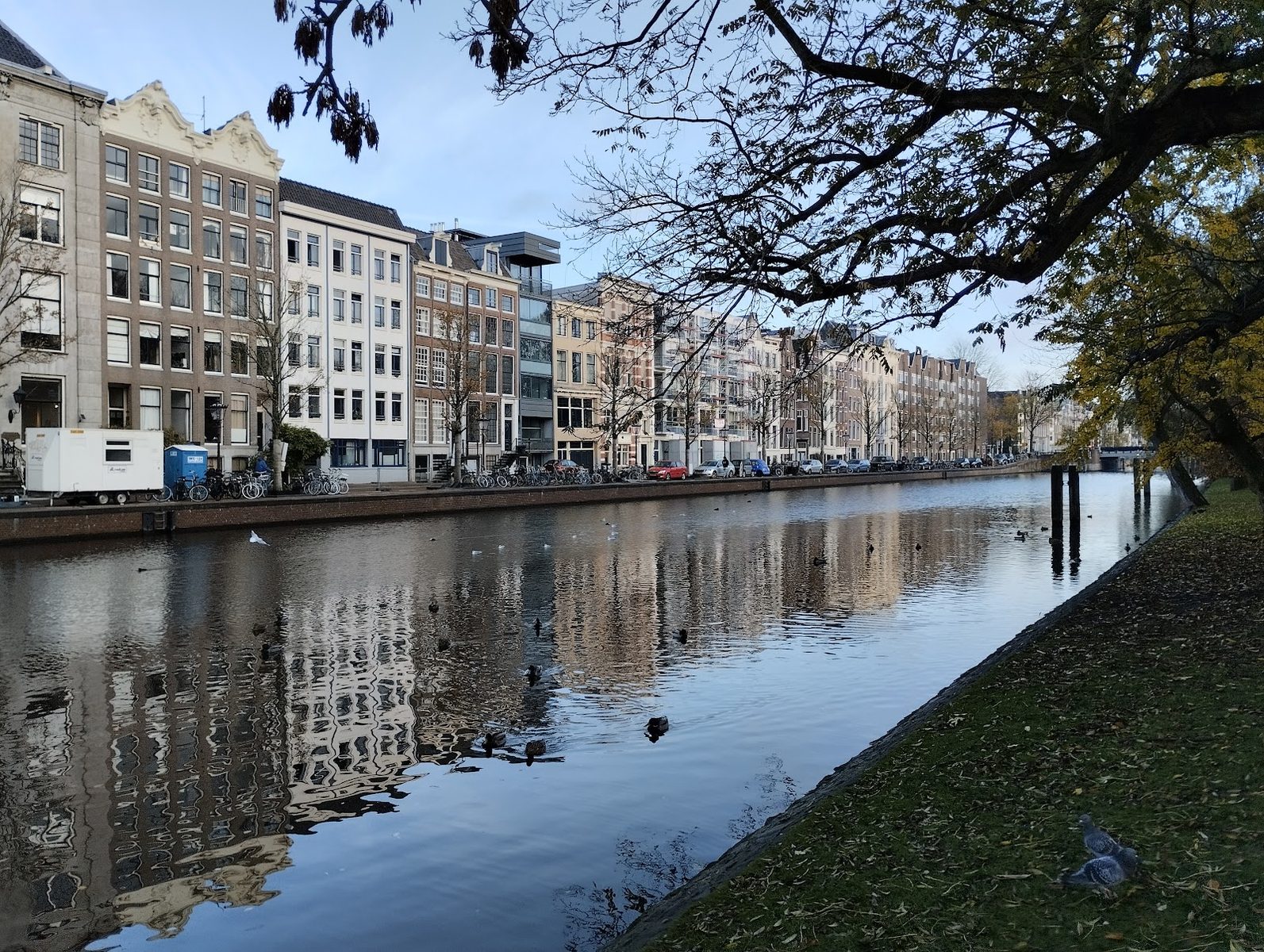
Amsterdam International Community School
Amsterdam · Netherlands
A public alternative to Amsterdam's private international schools, running the full IB continuum from a climate-neutral campus.
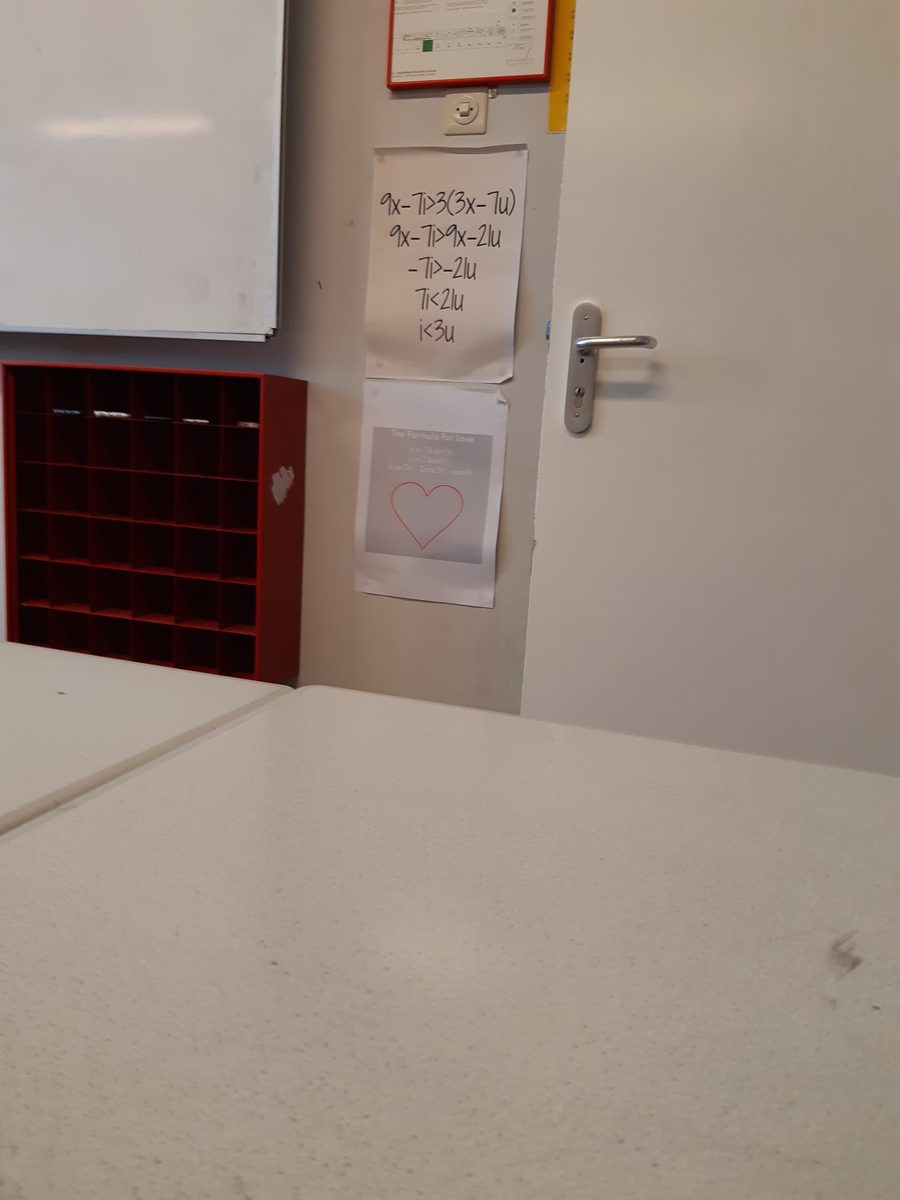
Rijnlands Lyceum Oegstgeest
Oegstgeest · Netherlands
One of five schools worldwide that piloted the IB Middle Years Programme, pairing Dutch rigor with a bilingual, Leiden-rooted campus.
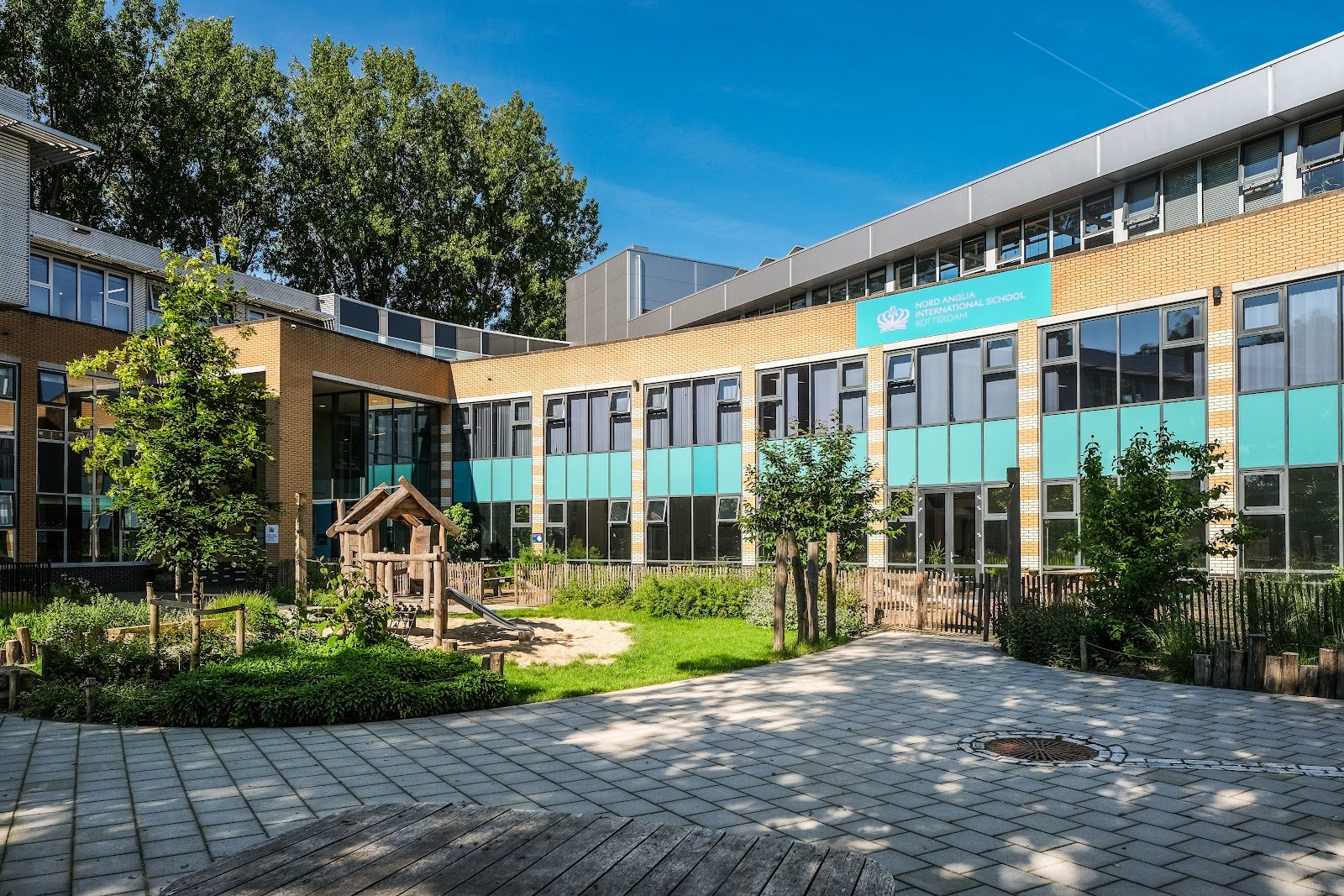
Nord Anglia International School Rotterdam
Rotterdam · Netherlands
Born from a 1959 American community, this Hillegersberg school pairs IB rigor with MIT-designed STEAM and Juilliard arts training.
The International School of The Hague
The Hague · Netherlands
In the Kijkduin dunes, this IB day school runs MUNISH, Europe's second-largest student Model UN conference.
Same country and curriculum — closest matches within ±10 points either way