
South Holland
The International School of The Hague
medium confidence· 4/6 cats · 3.11 avg sourcesIn the Kijkduin dunes, this IB day school runs MUNISH, Europe's second-largest student Model UN conference.
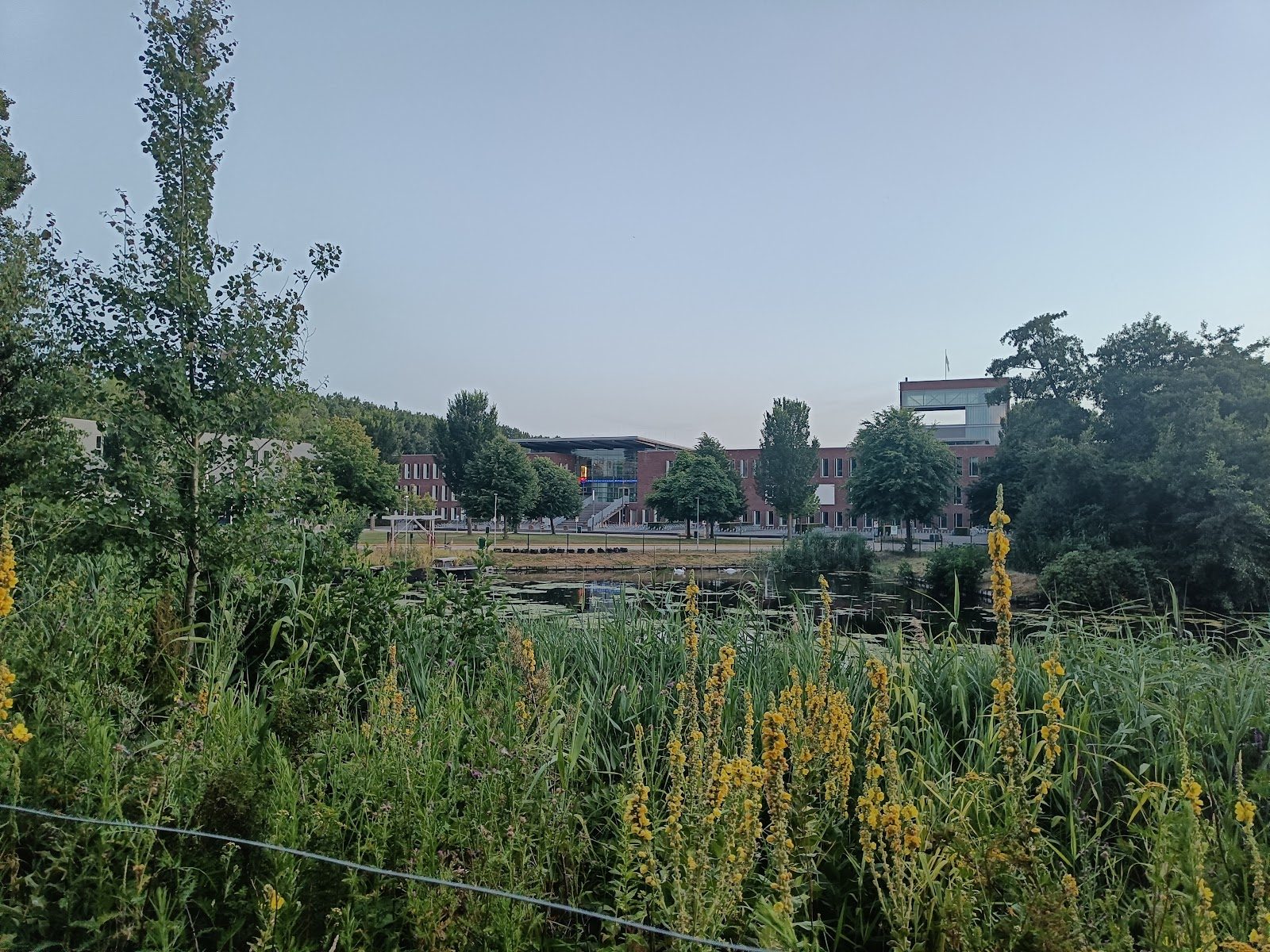
Photo © Robert via Google Maps
Type
Day
Ages
4–18
Curriculum
IB
Qualifications
IB Diploma · IB MYP · IB PYP
Ratio
—
The Verdict
Editor's commitment
Right for
Families in The Hague who want a 1936-founded English-language IB World School with CIS accreditation and a serious MUN culture.
Wrong for
Parents chasing Dutch-language immersion, boarding, or a conveyor belt to elite universities; recent destinations listed are Sydney, KU Leuven and ULB.
Watch out for
At an average €10,463 a year for ages 4–18, value is clear, but the school publishes little hard data beyond accreditations and destinations.
Ranking breakdown
The International School of The Hague · # of 1591
Composite score 67.3. 8 weighted criteria.
By criterion
Academic Outcomes
Weight 20%
#745
of 1529 scored
University Placement
Weight 16%
#736
of 1529 scored
Prestige & Heritage
Weight 12%
#723
of 1571 scored
Alumni Network
Weight 12%
#473
of 1530 scored
Facilities
Weight 12%
#721
of 1534 scored
Transparency & Communications
Weight 8%
#778
of 1532 scored
Peer & Industry Review
Weight 10%
#791
of 1548 scored
Admissions Selectivity & Demand
Weight 8%
#547
of 1529 scored
Score history
The International School of The Hague · 2026
Movement across 2024–2026. Peer average overlaid.
Overall — 2024–2026
67.3/ 100
▲ +19.2 vs 2025
year on year
Peer & Industry Review
How The International School of The Hague is regarded in the sector
65
Respected · low confidence
The International School of The Hague is consistently mentioned in expat parent forums (e.g., ExpatFocus, InterNations, Angloinfo Netherlands) as one of the established international schools in the Hague region, often discussed alongside The American School of The Hague and British School in the Netherlands. It is accredited by NABSS/COBIS-type bodies and referenced in Dutch international education directories, but it lacks the depth of press coverage (Tatler, Good Schools Guide) or globally recognized alumni network that top-tier international schools receive. Reputation appears solid and regionally respected but not widely benchmarked internationally.
Evidence sources
Editors' overview
Set in the Kijkduin dunes rather than the embassy belt, The International School of The Hague has a distinctive sense of place and a clear institutional identity. This is an English-medium IB day school for ages 4 to 18, founded in 1936, and it sits inside the Rijnlands Lyceum Foundation rather than a for-profit international chain. That matters. Parents get a long-established school with the infrastructure of a larger foundation and the coherence of a single-campus day model. The headline attraction is not glossy branding but substance: an IB World School with CIS accreditation, a purpose-built campus, and MUNISH, its student-run Model United Nations conference, which the school identifies as Europe’s second-largest. For the right child, that is not a decorative extra. It signals a culture that prizes articulation, organisation and intellectual confidence in public.
In market terms, ISH occupies a serious, internationally minded niche in The Hague: less grandiose than some capital-city international schools, more grounded than the expat caricature, and better suited to families who want a stable academic framework without boarding or religious overlay. The published average annual day fee is €10,463, which places it in a strikingly accessible bracket for an established international school in Western Europe. That price, paired with IB delivery from the early years through to age 18, gives it unusual value. The school’s own framing leans on students being “curious, connected and compassionate”; the more convincing public facts are the practical ones — a long history, explicit safeguarding structures, a student charter, and facilities built for the needs of both primary and secondary pupils.
Who thrives here? Students who enjoy an outward-facing, discussion-heavy education and families who want internationalism without theatricality. The school will suit articulate, mobile children who are comfortable working in English and who benefit from a broad cohort rather than a narrow local intake. It will also appeal to parents who rate diplomacy, debate and civic engagement as highly as raw exam drill. Recent destinations in the public record — the University of Sydney, KU Leuven and Université Libre de Bruxelles, each with 1 student — point to a university pattern that is international rather than prestige-obsessed. The limitation is transparency on outcomes: the school does not publish fuller destination depth or aggregate exam data here, so parents who want hard academic metrics need to ask for them directly. Even so, ISH merits a shortlist because it offers something genuinely hard to replicate: a long-running IB school in The Hague with credible governance, international breadth and a student culture that extends beyond the classroom.
Academic Performance
Academic transparency is the weak point. ISH does not publish aggregate IB results here: no diploma average, no pass rate, no subject spread, no historical trend, and no destination table with enough depth to benchmark one cohort against another. That matters because in the European international-school market, serious academic operators now put at least the headline numbers into the public domain. Without them, parents cannot place ISH cleanly against the top-flight academic IB schools in the region, nor test whether the school delivers merely solid outcomes or genuinely high-end ones. The few destination names in public view point to an international university pattern, but the sample is 1 student per institution, which is too thin to carry much analytical weight.
So where does that leave the school relative to peers? Not in the results-driven elite on public evidence, and not in the opaque lower tier either. It sits in the broad middle group of established international schools whose reputation rests on stability, student experience and institutional longevity more than on published scorecards. That is not a criticism if your priority is all-round schooling. It is a limitation if you want hard proof of academic edge. Any parent comparing ISH with stronger-disclosing IB competitors should ask for the last 3 years of diploma averages, pass rates, highest scores, subject entries and university destinations before treating academic performance as a reason to choose it.
Facilities
Facilities are one of ISH’s stronger cards. The school states that it operates from a purpose-built campus with facilities adapted to both primary and secondary pupils, and that matters more than brochure language. Too many international schools in established European cities still work around converted office blocks, split sites or constrained urban footprints. ISH has the advantage of a campus planned for schooling rather than retrofitted into it. That gives it a practical edge in day-to-day movement, age-appropriate spaces and the separation schools need between younger children and older teenagers. The dunes setting also carries functional value, not just atmosphere: more breathing room, less city squeeze, and a less transactional feel than schools wedged into dense diplomatic districts.
What the school does not do publicly is break those facilities down in enough detail. There is no clear published inventory here of specialist science provision, performing arts spaces, sports infrastructure or design and technology resources. That weakens comparison with peer schools that publish floorplans, theatre specifications, lab counts and sports lists. So the verdict is positive but incomplete: ISH has the marks of a well-planned campus and a serious physical environment for an all-through day school, but parents who care about hard detail should ask direct questions before treating facilities as a decisive advantage. Against peers, it beats the improvised city-campus model; it does not yet prove top-tier provision in the public domain.
Set in the Kijkduin dunes rather than the embassy belt, The International School of The Hague has a distinctive sense of place and a clear institutional identity
Prestige
ISH carries real local standing and measured international credibility, but not the cachet of a European name-brand school that trades on selective admissions, marquee university pipelines or heavily publicised results. Its prestige rests on something sturdier and less glamorous: longevity, stable governance through the Rijnlands Lyceum Foundation, and a recognisable place in The Hague’s international ecosystem. The student-run MUNISH conference matters here. A school that sustains one of Europe’s biggest student Model UN events earns visibility beyond its own parent body and signals a culture of competence, initiative and public-facing confidence. For families who value diplomacy, debate and institutional seriousness, that carries genuine weight. The average annual fee of €10,463 also shapes the prestige story: this is not a school that equates status with price, and that keeps it clear of the luxury-school pantomime found elsewhere in the market.
That said, prestige at the top end depends on proof, and ISH withholds too much of it. No public aggregate IB outcomes means no hard evidence of academic dominance. The published university destinations are international and respectable, but the public sample is 1 student per listed institution, which does not establish a commanding destination pattern. So the rating lands in the upper-middle tier: respected, established, and well regarded by families who know the city; not a school with automatic continental prestige on name alone. Its reputation is earned through continuity and substance, not aura.
Against peers, it beats the improvised city-campus model; it does not yet prove top-tier provision in the public domain
Communications
Parent communication looks organised and intentional rather than flashy. The school gives this area a dedicated place in its public architecture: contact routes are clearly signposted, leadership and organisation are foregrounded, and there is a visible effort to explain how the school works through items such as the school guide, guiding statements, safeguarding information, student charter and strategic plan. That matters. Schools that communicate well do not just post announcements; they explain rules, responsibilities and decision-making in plain view. ISH does that. Being part of a larger foundation also points to more disciplined systems than the ad hoc style common in stand-alone internationals. For parents, the practical message is that the school treats communication as infrastructure, not decoration.
The limit is depth. Public-facing communication is orderly but restrained, and there is not much texture on day-to-day school life, academic performance or the lived detail of teaching and learning. Parents can find the formal documents; they get less of the granular reassurance that strong communicators provide through published outcomes, richer examples of student work, or a clearer window into how concerns move through the system. So the verdict is solid rather than exceptional: ISH communicates the essentials with institutional clarity and a clear sense of responsibility, but it stops short of the full-spectrum transparency that top schools now provide as standard.
Uniqueness
What sets ISH apart is not a gimmick or a luxury add-on. It is the combination of a settled institutional backbone with a student culture that reaches beyond routine classroom life. The clearest example is MUNISH, which the school identifies as Europe’s second-largest student Model UN conference. That is a serious undertaking, not a token co-curricular badge. A school that can sustain an event at that scale gives students real practice in drafting, negotiation, public speaking, committee discipline and event management. For articulate, internationally minded children, that produces a practical kind of confidence that standard lessons do not. The school also publishes a student charter and explicit safeguarding structures, which points to a community built around responsibility as well as opportunity.
The other distinctive feature is governance. ISH sits within the Rijnlands Lyceum Foundation rather than a branded global chain or a privately owned stand-alone school. That brings a more anchored, less performative character. Parents get a school with its own identity and the support structure of a wider foundation, without the constant corporate churn that can flatten decision-making and culture. Add the purpose-built campus and there is a coherent day-school environment with room for younger and older pupils to occupy the school differently. The result is international education without theatre: less obsession with status display, more emphasis on participation, structure and learning how to operate well with others.
That said, prestige at the top end depends on proof, and ISH withholds too much of it
Student Profile
The best fit here is the internationally mobile child who likes ideas in public: discussion, debate, committee work, collaborative projects, and the social choreography of a large mixed community. MUNISH matters because it rewards a certain kind of student — organised, articulate, willing to prepare, and comfortable speaking up in rooms full of peers. Children who thrive on intellectual exchange, structured participation and outward-facing school life will find a natural home. So will families who want their child educated alongside classmates with cross-border backgrounds rather than in a narrow local bubble. The age span from 4–18 also gives the school a continuous social arc, which suits pupils who value continuity over repeated school changes.
This is a weaker match for children who need a high-pressure academic machine, a heavily branded prestige culture, or constant public celebration of top scorers. The school’s public identity points in another direction: community expectations, safeguarding, student responsibility and broad institutional order. That suits self-managing students who can use freedom well and who do not need every step externally driven. It also suits parents who care as much about judgement, confidence and civic behaviour as they do about league-table theatre. A child who wants flashy status signalling or a narrowly exam-drilled environment will find richer options elsewhere. A child who is curious, socially adaptable and ready to contribute beyond the classroom will do well.
This is a weaker match for children who need a high-pressure academic machine, a heavily branded prestige culture, or constant public celebration of top scorers
Co-curricular strengths
Arts & sport, on a separate axis
Overall 9.16/10
Scored 0-10 from the school's own published evidence. This axis is editorial-only — it does not feed the main WTS ranking.
Sports
9.2/10
Football, Basketball, Volleyball and Swimming as extracurriculars, showing a solid multi-sport offering but with no named facilities, staff or competitive results described.
Drama
9.3/10
Drama Productions, which goes beyond a bare listing of drama by indicating recurring staged activity.
Dance
9/10
Music
9/10
School Orchestra and Choir, indicating more than a bare mention through named ensembles, but provides no dedicated music facility, specialist staff or notable recognition.
Visual Arts
9.3/10
Visual Arts is offered.
Editor first-pass · editor-reviewable · 7/27/2026
Outcomes & destinations
Where students go next
Top destinations
442 placements
- University of Sydney· 1
- KU Leuven· 1
- Université Libre de Bruxelles· 1
- Hogeschool West-Vlaanderen· 1
- Vrije Universiteit Brussel· 1
- Fundação Getulio Vargas· 1
- Bishop’s University· 1
- Laurentian University· 1
- McGill University· 1
- Simon Fraser University· 1
- St. Francis Xavier University· 1
- The University of British Columbia, Vancouver· 1
- The University of British Columbia, Okanagan· 2
- University of Calgary· 1
- University of New Brunswick· 1
- University of Toronto· 3
- University of Waterloo· 1
- Western University· 1
- University of Nicosia· 1
- Charles University· 1
- American University of Paris· 2
- Cours Florent· 1
- Paris College of Art· 1
- BIMM Institute Berlin· 1
- Macromedia University for Media and Communication· 1
- Macromedia University of Applied Sciences, Berlin· 1
- RWTH Aachen University· 1
- Guru Gobind Singh Indraprastha University· 1
- Royal College of Surgeons in Ireland· 1
- Trinity College Dublin· 1
- University of Galway· 1
- American University of Rome· 1
- Bocconi University· 3
- Università Cattolica del Sacro Cuore· 1
- Instituto Italiano di Fotografia· 1
- Politecnico di Milano· 1
- Doshisha University· 1
- United States International University Africa· 1
- Queen Mary University of London, Malta Campus· 1
- Amsterdam University College· 5
- Amsterdam University of Applied Sciences· 3
- ArtEZ University of The Arts· 1
- Delft University of Technology· 14
- Eindhoven University of Technology· 9
- Erasmus University College· 1
- Erasmus University Rotterdam· 17
- Fontys University of Applied Sciences· 1
- Graphic Lyceum Rotterdam· 1
- Hanze University of Applied Sciences Groningen· 1
- Hogeschool voor de Kunsten, Utrecht· 1
- Hotel School The Hague, Hospitality Business School· 1
- Inholland University of Applied Sciences· 1
- Kronenburgh College· 1
- Leiden University· 13
- Leiden University College, The Hague· 5
- Maastricht University· 12
- NHL Stenden University of Applied Sciences· 2
- NHTV Breda University of Applied Sciences· 1
- Nyenrode Business University· 1
- Radboud University· 1
- Royal Academy of Art, The Hague· 1
- Rijksuniversiteit Groningen· 1
- ROC Mondriaan· 1
- ROC van Amsterdam· 1
- Saxion University of Applied Sciences· 1
- SRH Haarlem University of Applied Sciences· 1
- The Hague University of Applied Sciences· 7
- Tilburg University· 1
- Tio University of Applied Sciences· 1
- University College Groningen· 2
- University College Maastricht· 3
- University College Roosevelt· 1
- University College Tilburg· 1
- University College Twente· 1
- University College Utrecht· 1
- University of Amsterdam· 23
- University of Applied Sciences, Leiden· 1
- University of Applied Sciences, Utrecht· 3
- University of Groningen· 9
- University of Twente· 5
- Utrecht University· 5
- Vrije Universiteit Amsterdam· 5
- Wageningen University & Research· 2
- Webster University· 1
- FMUP University of Porto· 1
- Georgetown University, Qatar· 1
- Prince Mohammad Bin Fahd University· 1
- European University Madrid· 1
- IE University· 1
- Saint Louis University, Madrid· 1
- UIC Barcelona· 1
- University of Navarra· 3
- Karolinska Institutet· 1
- Lund University· 1
- Malmö University· 1
- Arts University Bournemouth· 1
- Bangor University· 1
- Bath Spa University· 1
- BIMM Institute - Brighton· 1
- Birkbeck, University of London· 1
- Brunel University· 1
- Central Film School, London· 1
- City University of London· 1
- Durham University· 1
- Imperial College London· 1
- Keele University· 1
- King’s College London· 4
- London Film Academy· 1
- London School of Economics and Political Science· 1
- Loughborough University· 1
- Met Film School· 1
- Middlesex University· 1
- Newcastle University· 1
- Northeastern University, London· 1
- Northumbria University· 1
- Queen Mary University of London· 1
- Royal Academy of Dramatic Art· 1
- Royal Holloway, University of London· 1
- School of Oriental and African Studies (SOAS), University of London· 1
- The University of Liverpool· 2
- University College Birmingham· 1
- University College London· 1
- University of Aberdeen· 1
- University of Glasgow· 1
- University of Kent, Canterbury· 1
- University of Leeds· 1
- University of Liverpool· 1
- University of Manchester· 3
- University of Northampton· 1
- University of Plymouth· 1
- University of Portsmouth· 1
- University of Sheffield· 1
- University of Southampton· 1
- University of Strathclyde· 1
- University of Surrey· 1
- University of St Andrews· 1
- University of Warwick· 1
- American University· 1
- Alfred University· 1
- Appalachian State University· 1
- Arizona State University· 1
- Baylor University· 1
- Beloit College· 1
- Berklee College of Music· 2
- Bradley University· 1
- Brigham Young University, Idaho· 1
- Bryant University· 1
- Bucknell University· 1
- Calvin University· 1
- Carlow University· 1
- Case Western Reserve University· 1
- Champlain College· 1
- Coastal Carolina University· 1
- College of Charleston· 1
- College of the Holy Cross· 1
- College of William and Mary· 1
- Colorado School of Mines· 1
- Colorado State University· 2
- Conneticut College· 1
- Cornish College of the Arts· 1
- Denison College· 1
- DePaul University· 1
- Drexel University· 1
- Duke University· 1
- Duquensne University· 1
- Elon University· 1
- Embry-Riddle Aeronautical University, Daytona Beach· 2
- Emerson College· 1
- Emory University· 1
- Florida Gulf Coast University· 1
- Florida Institute of Technology· 1
- Florida International University· 1
- Fort Lewis College· 1
- George Mason University· 1
- Georgia College· 1
- Georgia Perimeter College· 1
- Georgia Southern University· 1
- Georgia State University· 1
- Gettysburg College· 1
- Grinnell College· 1
- Hobart and William Smith Colleges· 1
- Hofstra University· 1
- Houston Baptist University· 1
- Illinois Institute of Technology· 1
- Indiana University, Purdue University IUPUI· 1
- Indiana University Bloomington· 1
- James Madison University· 3
- Juniata College· 1
- Kansas State University· 1
- Kenyon College· 1
- Lawrence University· 1
- Lesley University· 1
- Lewis & Clark College· 1
- Louisiana State University· 1
- Loyola University Chicago· 1
- Loyola University Maryland· 1
- Macalester College· 1
- Maine Maritime Academy· 1
- Manhattan College· 1
- Marquette University· 1
- Massachusetts College of Art and Design· 1
- Michigan State Universit· 1
- Middle Tennessee State University· 1
- Mississippi State University· 1
- Missouri University of Science and Technology· 1
- Mount Holyoke College· 1
- New Jersey Institute of Technology· 1
- North Central College· 1
- Northeastern University· 2
- Oberlin Conservatory of Music· 1
- Oregon State University· 1
- Pacific Northwest College of Art· 1
- Pennsylvania State University, University Park· 1
- Portland State University· 1
- Pratt Institute· 1
- Purdue University· 1
- Rice University· 1
- Rockhurst University· 1
- Roger Williams University· 1
- Rutgers University, New Brunswick· 1
- Sam Houston State University· 1
- Santa Clara University· 1
- Savannah College of Art and Design· 1
- Scripps College· 1
- Seton Hall University· 1
- Shenandoah University· 1
- Siena College· 1
- Skidmore College· 1
- St. Olaf College· 1
- Suffolk University· 1
- SUNY University at Buffalo· 1
- Syracuse University· 1
- Temple University· 1
- Texas A&M University· 1
- Texas Christian University· 1
- Texas Tech University· 2
- The New School· 1
- The Ohio State University· 1
- The University of Texas at Austin· 3
- Tidewater Community College· 1
- Towson University· 1
- Trinity University· 1
- Tulane University· 1
- Union College - New York· 1
- University of Alabama· 1
- University of Arizona· 1
- University of Arkansas· 1
- University of California, Davis· 1
- University of California, San Diego· 1
- University of Cincinnati· 1
- University of Colorado Boulder· 1
- University of Colorado Denver· 1
- University of Delaware· 1
- University of Denver· 1
- University of Georgia· 1
- University of Houston· 1
- University of Illinois at Chicago· 1
- University of Iowa· 1
- University of Kansas· 1
- University of Maine· 1
- University of Maine at Farmington· 1
- University of Maryland, College Park· 1
- University of Massachusetts, Amherst· 1
- University of Michigan Ann Arbor· 1
- University of Minnesota Twin Cities· 1
- University of Mississippi· 1
- University of Missouri· 1
- University of New Hampshire· 1
- University of North Carolina at Charlotte· 1
- University of North Texas· 1
- University of Oregon· 1
- University of Pittsburgh· 1
- University of Rhode Island· 1
- University of Richmond· 1
- University of Tennessee, Knoxville· 1
- University of Texas, Austin· 1
- University of Utah· 1
- University of Vermont· 1
- University of Washington, Bothell· 1
- University of Washington-Tacoma Campus· 1
- University of Wisconsin, Madison· 1
- Virginia Polytechnic Institute· 1
- Wake Forest University· 3
- Wentworth Institute of Technology· 1
- Washington College· 1
- Washington State University, Pullman· 1
- Wesleyan University· 1
- Western Washington University· 1
- Wheaton College, Massachusetts· 1
- Widener University· 1
- Winona State University· 1
- Worcester Polytechnic Institute· 1
Reported by the school. Confirm with admissions.
Strengths
- +Founded in 1885; unusual institutional longevity.
- +IB curriculum offers continuity from primary to sixth form.
- +English instruction suits internationally mobile families.
- +CIS accreditation adds external quality assurance.
Considerations
- −Day school only; no boarding option.
- −IB-only pathway narrows choice versus mixed-curriculum schools.
- −English-only instruction may not suit all families.
Availability
Primary entry gate & tests
Academic Record
Gallery
Photo © Robert via Google Maps
Photo © Robert via Google Maps
Photo © Robert via Google Maps
Photo © Robert via Google Maps
Photo © S. achternaam verborgen via Google Maps
Parent reviews
Have you sent your child here?
Voice reviews carry the strongest trust badge — we transcribe them for you to tidy up before they go live. Prefer to type? A written review is fine too.
Add your voice
In 60 seconds, tell other parents: what's the best thing about The International School of The Hague, and what surprised you when your child joined?
We ask for a Google sign-in so every review has a real face behind it — no anonymous drive-by attacks on schools, and no faked positive reviews. Your email is never shown publicly.
Send this profile to a friend
International parents rely on word-of-mouth. Share this review with someone weighing the same decision.
Schools with places
Similar schools to The International School of The Hague with places available now.
Availability first, then country, area, curriculum, price, co-curricular
Consider also
Also worth looking at alongside The International School of The Hague.
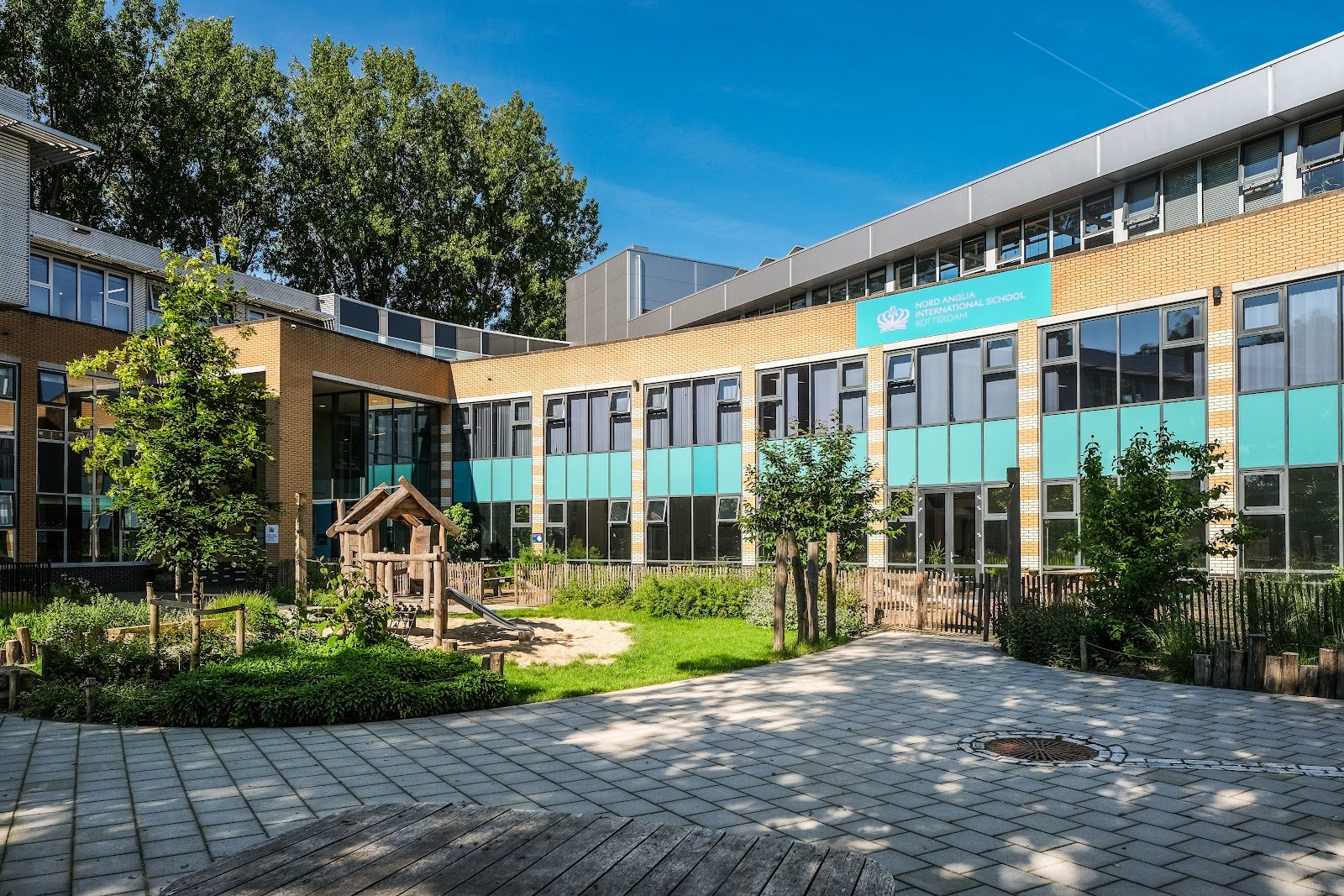
Nord Anglia International School Rotterdam
Rotterdam · Netherlands
Born from a 1959 American community, this Hillegersberg school pairs IB rigor with MIT-designed STEAM and Juilliard arts training.
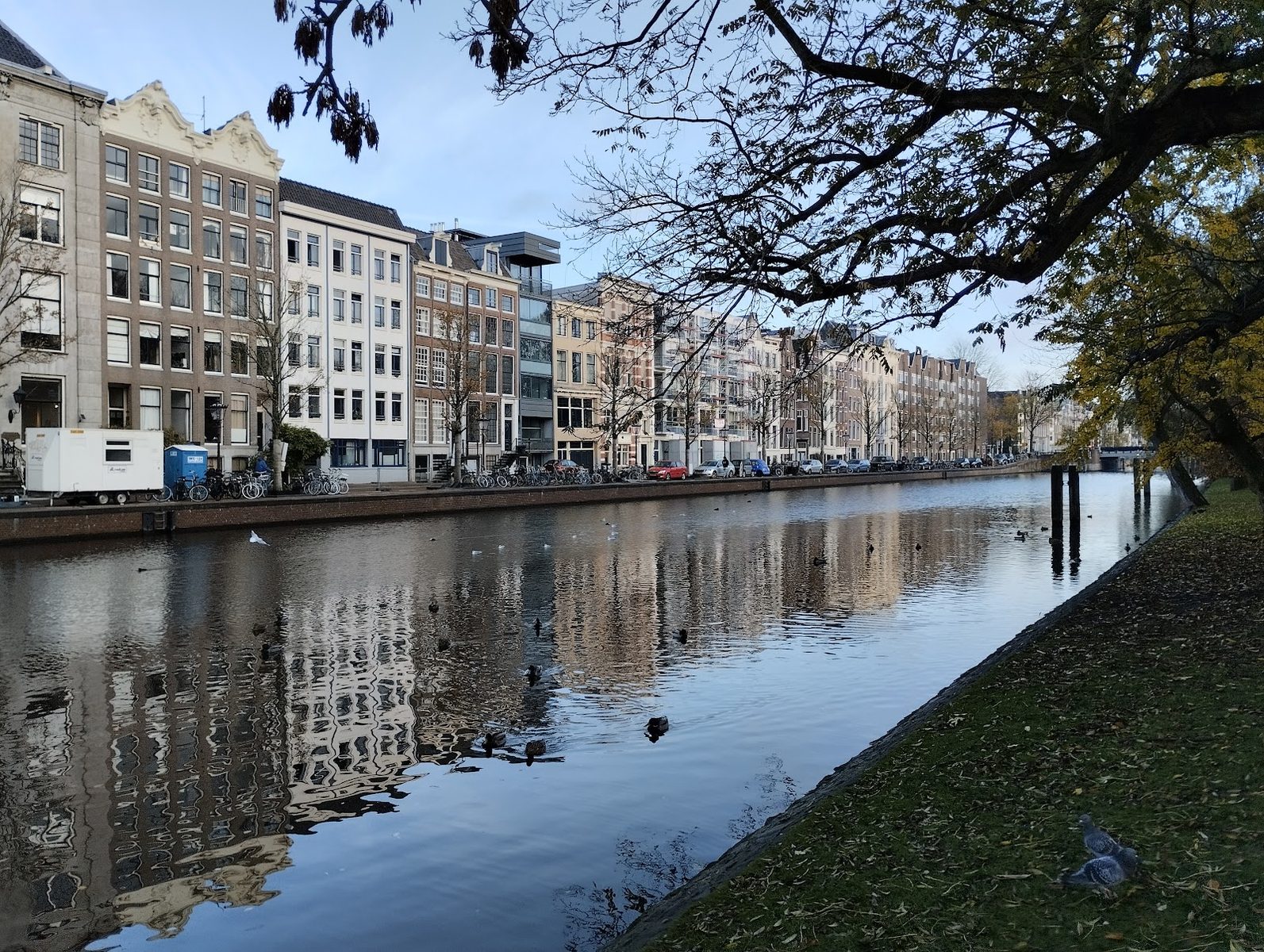
Amsterdam International Community School
Amsterdam · Netherlands
A public alternative to Amsterdam's private international schools, running the full IB continuum from a climate-neutral campus.
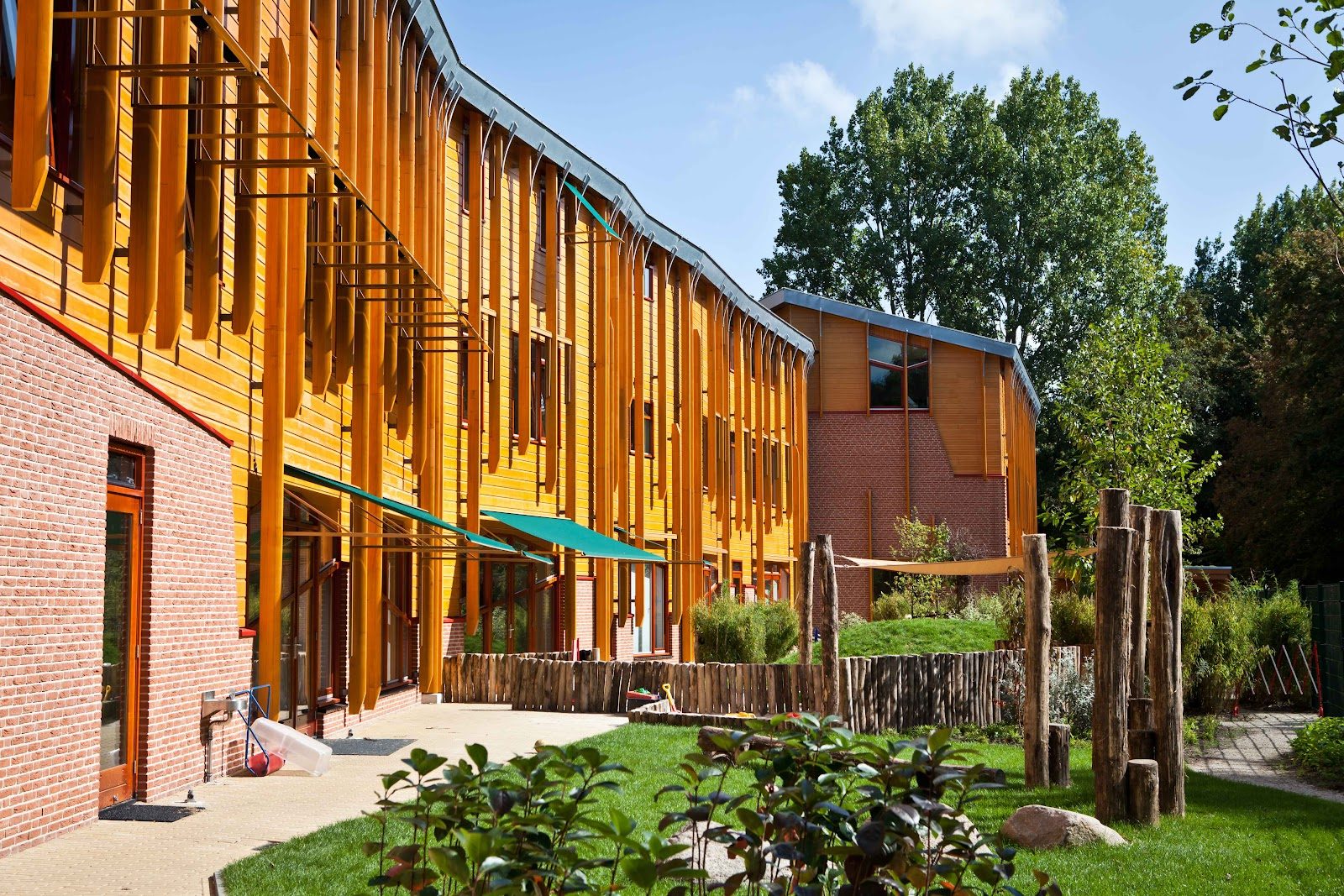
International School of Amsterdam
Amstelveen · Netherlands
Just outside Amsterdam, this 1964 founding became the first school anywhere to run the full IB continuum from age two to eighteen.
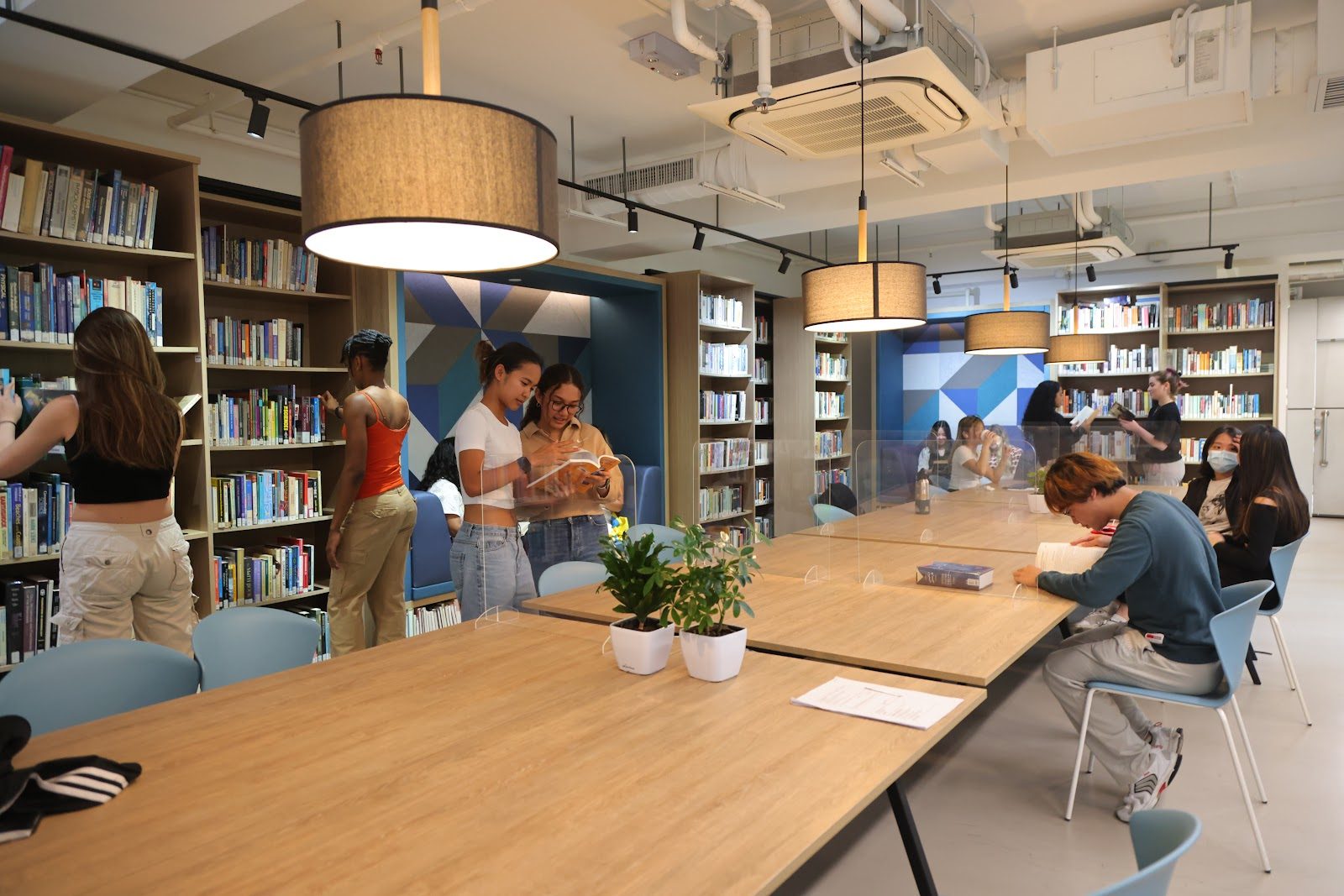
Li Po Chun United World College of Hong Kong
Hong Kong · Hong Kong
Perched above Tolo Harbour, this United World College gathers scholars from 90 nations for a service-driven IB Diploma.
Same country and curriculum — closest matches within ±10 points either way