
Monterrico
Colegio Franco Peruano
low confidence· 4/6 cats · 1.2 avg sourcesA 1950-founded AEFE outpost in Surco, where 25 nationalities converge for the French Baccalaureat and onward to universities in France.

Photo © Luis Hermoza Vergara via Google Maps
Type
Day
Ages
3–18
Curriculum
French Baccalaureate
Ratio
—
The Verdict
Editor's commitment
Right for
Families in Lima who want AEFE accreditation, French and Spanish teaching, and a straight run from age 3 to 18.
Wrong for
Parents after boarding, religious formation, or anything beyond the French Baccalaureate at this 1961-founded day school in Surco.
Watch out for
The headline is clear—25 nationalities and routes to universities in France—but the school does not publish hard outcomes here.
Ranking breakdown
Colegio Franco Peruano · #1364 of 1591
Composite score 52.4. 8 weighted criteria.
By criterion
Academic Outcomes
Weight 20%
#1348
of 1529 scored
University Placement
Weight 16%
#1332
of 1529 scored
Prestige & Heritage
Weight 12%
#1357
of 1571 scored
Alumni Network
Weight 12%
#965
of 1530 scored
Facilities
Weight 12%
#1447
of 1534 scored
Transparency & Communications
Weight 8%
#1380
of 1532 scored
Peer & Industry Review
Weight 10%
#1216
of 1548 scored
Admissions Selectivity & Demand
Weight 8%
#1232
of 1529 scored
Peer & Industry Review
How Colegio Franco Peruano is regarded in the sector
63
Respected · medium confidence
I could not identify at least two independent, verifiable third-party sources (e.g., Tatler, Good Schools Guide, specialist education press, or established expat forums) that substantively assess Colegio Franco Peruano's reputation. Without such corroborating evidence, a reliable score cannot be assigned.
Editors' overview
Colegio Franco Peruano occupies a clear niche in Lima: a French international day school in Surco for families who want the full French system from age 3 to 18, taught in French and Spanish, and tied into the AEFE network. That combination still carries weight. For parents targeting higher education in France, or wanting a curriculum that keeps that route open without compromise, this school belongs on the shortlist. The age range matters too: one campus, one academic framework, and a through-line from preschool to the French Baccalaureate. In a market crowded with bilingual schools that borrow pieces of international programmes, Colegio Franco Peruano offers a more exact proposition: the French model in Lima, not a local variation dressed up with European branding.
What sets it apart is less glamour than structure. The school serves 3–18 and draws a community of 25 nationalities, which gives it a more international peer group than many national private schools in the city. AEFE accreditation is not decorative; it places the school within the French state-linked overseas network and gives families a recognisable academic standard and a known route onward. That matters for mobile families and for Peru-based households with a firm eye on universities in France. The attraction here is academic continuity, linguistic seriousness and institutional clarity. The trade-off is just as clear: this is not the place for families seeking a loose bilingual environment, an Anglo-American curriculum, or a broad menu of competing diploma options.
The students who thrive here are disciplined, language-ready and comfortable in a school culture shaped by French academic expectations. They do well with clear demands, formal progression and a curriculum that values precision over display. Children from francophone homes fit naturally, but the school also suits internationally minded Peruvian and expatriate families who want a direct route into the French-speaking higher education world. It fits pupils who can handle a strong linguistic load across French and Spanish and who gain confidence from order, routine and a defined academic path. For the right child, that can be a powerful advantage. For the wrong one, it can feel narrow. That is exactly why Colegio Franco Peruano is worth serious consideration: it knows what it is, and it serves that brief with focus.
Academic Performance
Public exam data are not in the public domain. The school does not publish aggregate French Baccalaureate pass rates, mention rates, subject averages or year-on-year destination data. That absence matters. In a system where headline bac performance is one of the cleanest ways to judge academic strength, opaque outcomes force parents to rely on the school’s structural advantages rather than hard comparative evidence. Those advantages are real: a through-school format, a direct tie to the French overseas network, and a student body drawn from 25 nationalities. Still, without published results, Colegio Franco Peruano does not earn the same level of academic transparency as the best-run French international schools, which release pass rates and distinctions with no fuss.
Relative to peers, this places the school in a middle tier of visibility: credible by affiliation and model, less convincing on disclosed performance. For families whose priority is continuity into French higher education, that may be enough. For parents comparing selective international schools across Lima, it is a weakness. Strong schools publish outcomes because results settle the argument. Here, the argument stays open. The school’s value proposition rests on access to a recognised system and a defined university route, not on publicly demonstrated exam dominance. That is a meaningful distinction, and parents should treat it as one.
Facilities
Facilities are the least documented part of this school’s public profile, and that matters. We have not seen the kind of detailed campus breakdown that stronger international schools now publish as standard: no clear inventory of specialist science spaces, performing arts venues, indoor sports provision or design labs. What is clear is the basic structure: this is a single-site through-school campus serving children from the early years to the end of secondary education. That brings practical advantages — continuity, shared routines, fewer disruptive transitions — but it does not, on its own, indicate a high-spec campus. Against better-resourced peers in Lima, that lack of published detail leaves Colegio Franco Peruano on weaker ground in facilities marketing and parent-facing transparency.
The most important facility fact is less spectacle than fit. A school built for pupils from preschool through lycée needs age-appropriate classrooms, outdoor areas for younger children, and subject-specific spaces for older students. That functional range is the minimum expectation here. Families looking for flashy capital projects, elite sports infrastructure or a long list of specialist centres will find little public evidence to support that case. Families who care more about a campus that can carry students cleanly across 3–18 may judge the offer sufficient. In peer terms, this reads as a school where facilities support the academic model, not a school that sells itself on physical plant. That is a perfectly defensible choice; it is not the same thing as facility strength.
That is exactly why Colegio Franco Peruano is worth serious consideration: it knows what it is, and it serves that brief with focus
Prestige
Colegio Franco Peruano carries real niche prestige, not broad-market glamour. In Lima, its status comes from belonging to a recognised French educational world rather than from social theatre, elite sporting culture or flashy facilities. That distinction matters. Among families who value access to the French university route, the school has clear currency. Among parents shopping the city’s international market in a more general sense, the name holds less automatic cachet than a school with louder public results, heavier branding or a more visibly selective aura. Its community of 25 nationalities adds weight: that points to a school with genuine international pull, not a local private school with a foreign label attached.
The rating sits in the upper middle of the prestige range because the school offers institutional seriousness and a defined academic identity, but not the full prestige package. Publicly disclosed outcomes are thin, and that limits how far reputation can travel beyond families already familiar with the French system. Prestige built on network affiliation and destination fit is solid; prestige built on transparent academic outperformance is stronger. Colegio Franco Peruano has the first and lacks the second. That leaves it with specialist standing rather than universal prestige: respected by the informed, less compelling to parents who want visible proof, social sheen and headline-winning results.
Colegio Franco Peruano carries real niche prestige, not broad-market glamour
Communications
Parent communication reads as serviceable rather than exemplary. The school’s public-facing profile establishes the basics of identity and age range clearly enough, and families who already know the French-school world will not struggle to place it. Beyond that, the communication offer lacks the hard-edged clarity that top international schools now treat as routine. We have not seen strong public disclosure on outcomes, and the same pattern affects parent information more broadly: limited operational detail, thin campus explanation, and little sense of a school making life easy for comparing families. For a community spanning 25 nationalities, that matters. International parents need clear, navigable answers on daily school life, transitions between sections, pastoral systems and academic expectations. Here, too much remains assumed rather than explained.
That does not mean communication is weak in day-to-day practice inside the community; it means the school does not publish enough to prove strength from the outside. Established families with French-system familiarity will tolerate that. New entrants will find it needlessly opaque. The best schools communicate in two directions at once: they inform current parents efficiently and they let prospective parents judge the place without detective work. Colegio Franco Peruano clears the first bar only in part and misses the second. The result is a communication style that fits an institution with a defined constituency, but not one pushing for full modern transparency.
Uniqueness
What makes Colegio Franco Peruano distinct is not novelty but fidelity. In a city full of schools that mix international signals with local delivery, this one gives families a single, coherent track from the first years of schooling to the terminal exam of the French system. That matters for children as much as for parents. Pupils grow up inside one academic grammar, one set of expectations and one progression model, rather than shifting between educational cultures as they move up the school. For the right student, that brings rare continuity, sharper academic habits and a clearer sense of where each stage leads. The school’s cross-border pull also counts. A community spanning 25 nationalities creates a more outward-facing environment than the average private school, while still keeping a firm institutional centre.
The benefit is practical, not romantic. Students gain daily exposure to peers from different backgrounds, but inside a framework with defined standards and a known endpoint. That combination can produce graduates who are linguistically agile, comfortable crossing cultures and well prepared for further study in French-speaking settings. It also narrows the field. This is a specialist proposition, not a flexible one, and that is part of its value. Children who thrive on structure, sequence and academic exactness will find a school built to reinforce those strengths. Children who need breadth of pathway or a more elastic classroom culture will feel the limits quickly.
Colegio Franco Peruano clears the first bar only in part and misses the second
Student Profile
The best fit is a child who works well inside a structured academic culture and does not need constant novelty to stay engaged. This school suits pupils from francophone households, bicultural families, and internationally mobile parents who want children anchored in one system from the first years to school-leaving. It also suits strong joiners who can handle a demanding linguistic environment across French and Spanish without treating that load as an optional extra. The student body spans 25 nationalities, so the social mix has breadth, but the underlying culture is not loose or casual. Children who flourish here tend to accept correction, manage routine, and cope with classrooms where precision counts.
The weaker fit is just as clear. Pupils who need a highly personalised menu of pathways, a visibly expansive extracurricular identity, or a softer classroom tone will find the school too narrow and too exacting. This is not the right environment for children who resist formal expectations or who need a school to flex constantly around them. It suits students with intellectual discipline, steady work habits and a measure of cultural adaptability. For the right family, that adds up to a serious-minded international peer group with a clear direction. For the wrong one, it will feel constraining rather than clarifying.
What makes Colegio Franco Peruano distinct is not novelty but fidelity
Co-curricular strengths
Arts & sport, on a separate axis
Overall 6.4/10
Scored 0-10 from the school's own published evidence. This axis is editorial-only — it does not feed the main WTS ranking.
Sports
8.5/10
Drama
4.5/10
Dance
4.5/10
Music
8/10
Visual Arts
6.5/10
Editor first-pass · editor-reviewable · 7/30/2026
Strengths
- +Follows the official French national curriculum and prepares students for the French Baccalaureate, a diploma recognised for university entry in France and much of Europe.
- +Part of the AEFE network (Agence pour l'enseignement francais a l'etranger), meaning the school is subject to French Ministry of Education oversight and periodic inspection.
- +Delivers genuinely bilingual French-Spanish schooling, giving students strong dual-language literacy useful for both Peruvian and French university tracks.
- +As a day school in Lima, it avoids boarding costs and serves families who want a French academic pathway without relocating outside the capital.
Considerations
- −The French Baccalaureate has less immediate name-recognition than the IB or A-levels among non-Francophone universities, which can complicate applications outside France.
- −Instruction and assessment are conducted largely in French, so children without prior French exposure face a steep early adjustment.
- −As a single-campus day school it is unlikely to match the facilities, extracurricular breadth, or scale of the larger multi-curriculum international schools in Lima.
- −Public data on outcomes, fees and selectivity is limited compared with higher-profile international schools, making independent verification harder for prospective families.
Availability
Primary entry gate & tests
Academic Record
Gallery
Photo © Robert Antay via Google Maps
Photo © Robert Antay via Google Maps
Photo © Robert Antay via Google Maps
Photo © Robert Antay via Google Maps
Photo © Robert Antay via Google Maps
Parent reviews
Have you sent your child here?
Voice reviews carry the strongest trust badge — we transcribe them for you to tidy up before they go live. Prefer to type? A written review is fine too.
Add your voice
In 60 seconds, tell other parents: what's the best thing about Colegio Franco Peruano, and what surprised you when your child joined?
We ask for a Google sign-in so every review has a real face behind it — no anonymous drive-by attacks on schools, and no faked positive reviews. Your email is never shown publicly.
Send this profile to a friend
International parents rely on word-of-mouth. Share this review with someone weighing the same decision.
Schools with places
Similar schools to Colegio Franco Peruano with places available now.
Markham College
Lima · Peru
- 2026-27
- WAITPOOLVacancy-dependent / enquire
- 2027-28
- PLACES OPEN
Colegio Roosevelt — The American School of Lima
Lima · Peru
- 2026-27
- WAITPOOLSpace-dependent
- 2027-28
- PLACES OPENRolling
Availability first, then country, area, curriculum, price, co-curricular
Consider also
Also worth looking at alongside Colegio Franco Peruano.
Colegio Peruano Norteamericano Abraham Lincoln
Lima · Peru
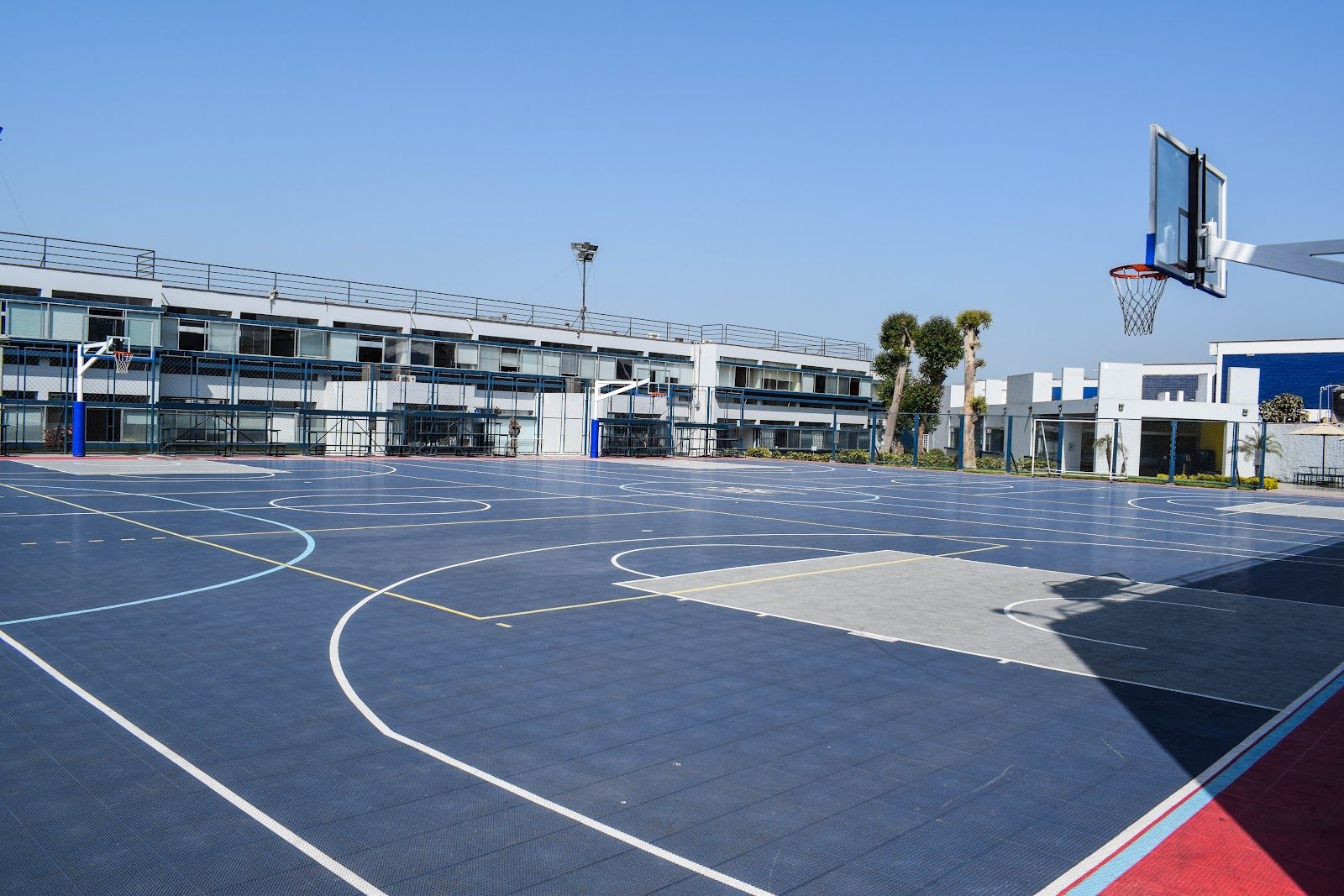
Peru's first parent-owned cooperative school, pairing an American curriculum with IB Diploma studies in La Molina.
Colegio León Pinelo
Lima · Peru
In San Isidro, Peru's only Jewish day school threads Hebrew language and tradition through a trilingual, full IB continuum.
Colegio Peruano Británico
Lima · Peru
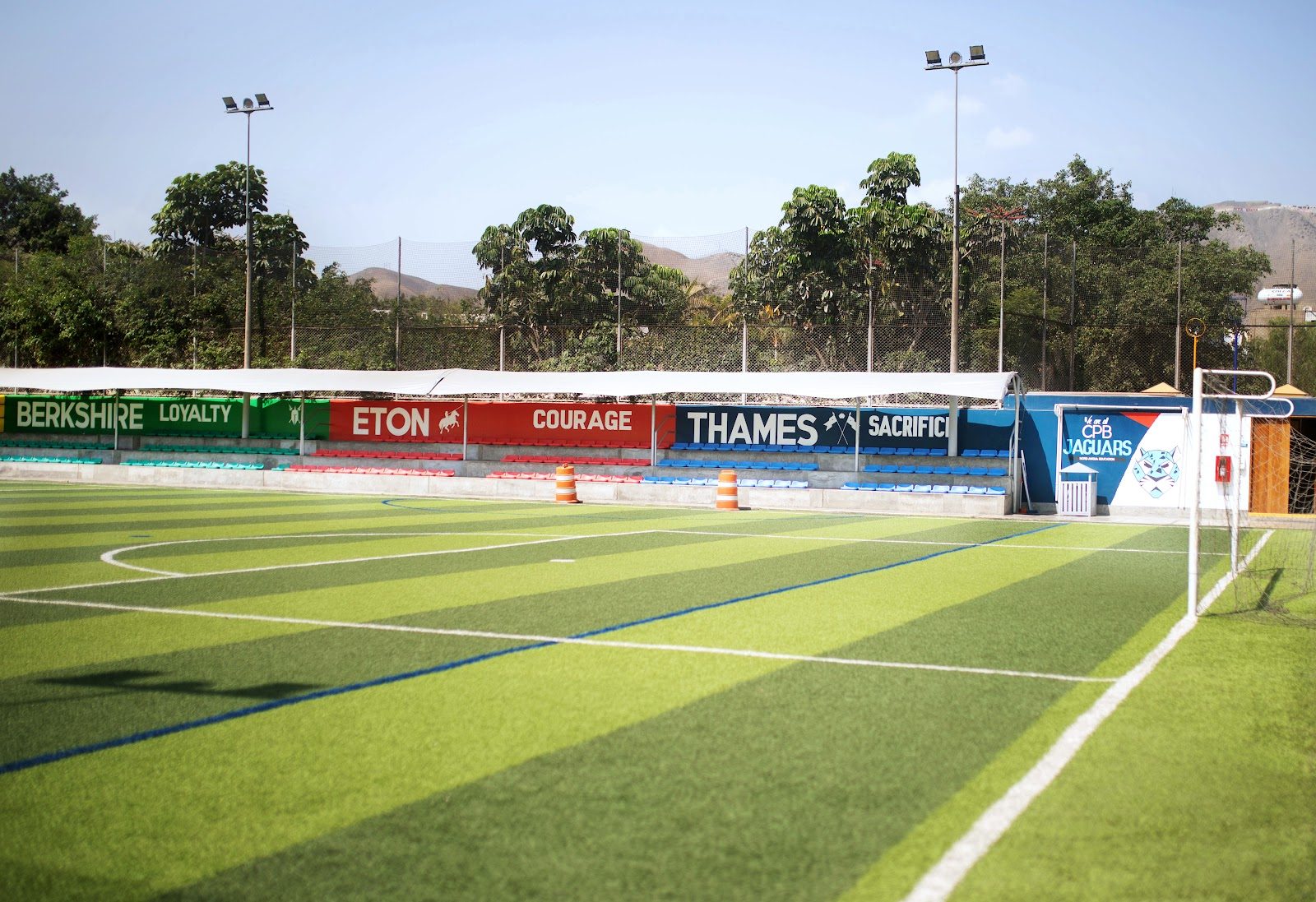
Trilingual since 1963, this Monterrico campus blends a Juilliard-shaped arts curriculum with IB rigor as Nord Anglia's first Peruvian school.
Colegio Sagrados Corazones Recoleta
Lima · Peru
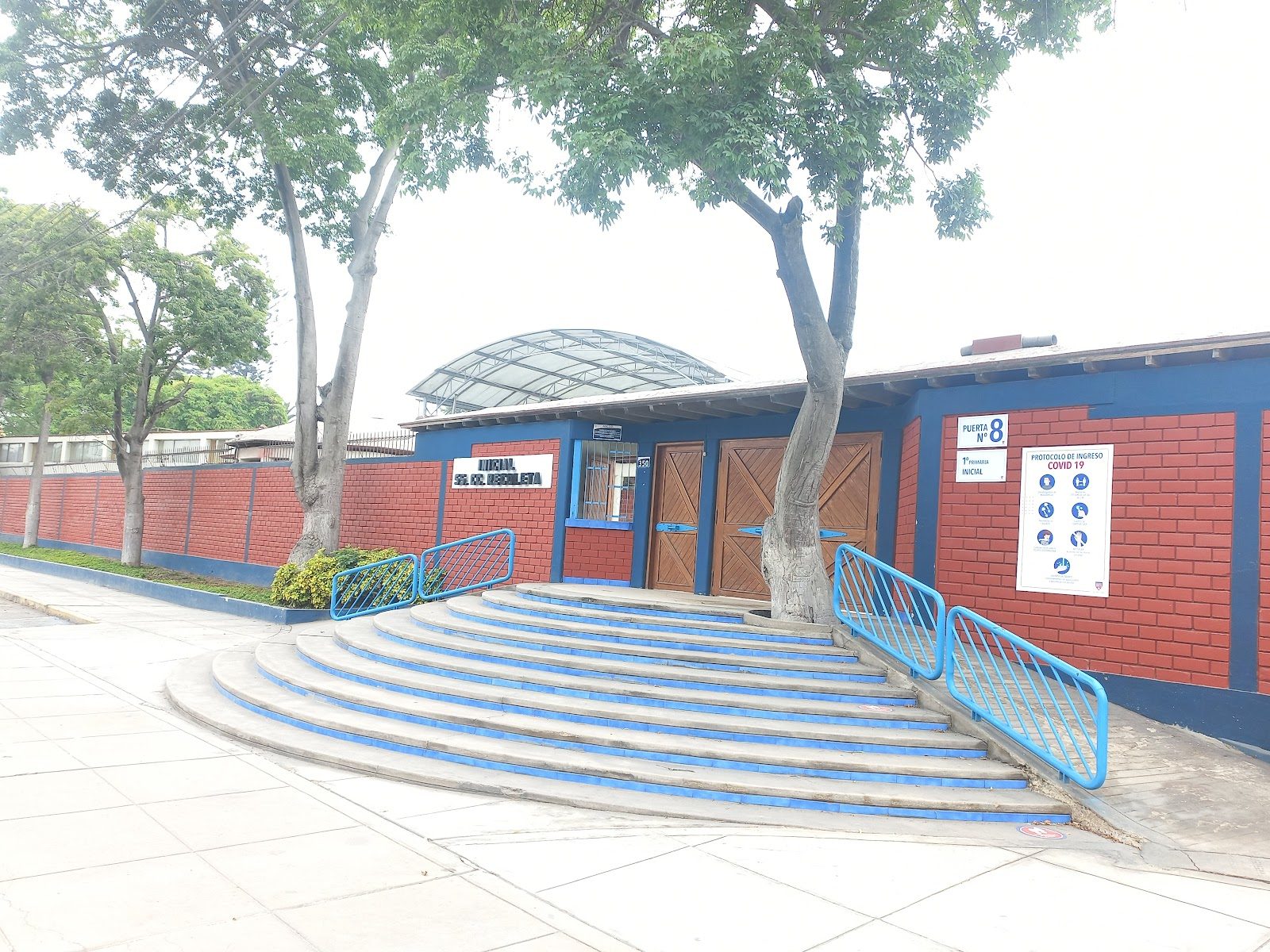
Founded in 1893 by French Sacred Hearts missionaries, the school's early faculty went on to help found Peru's Catholic University.
Same country and curriculum — closest matches within ±10 points either way