
Selangor
Tenby International School Setia Eco Park
low confidence· 4/6 cats · 1.2 avg sourcesOn a 20-acre Setia Eco Park campus, dual British and Malaysian pathways share one site from Early Years through A Level
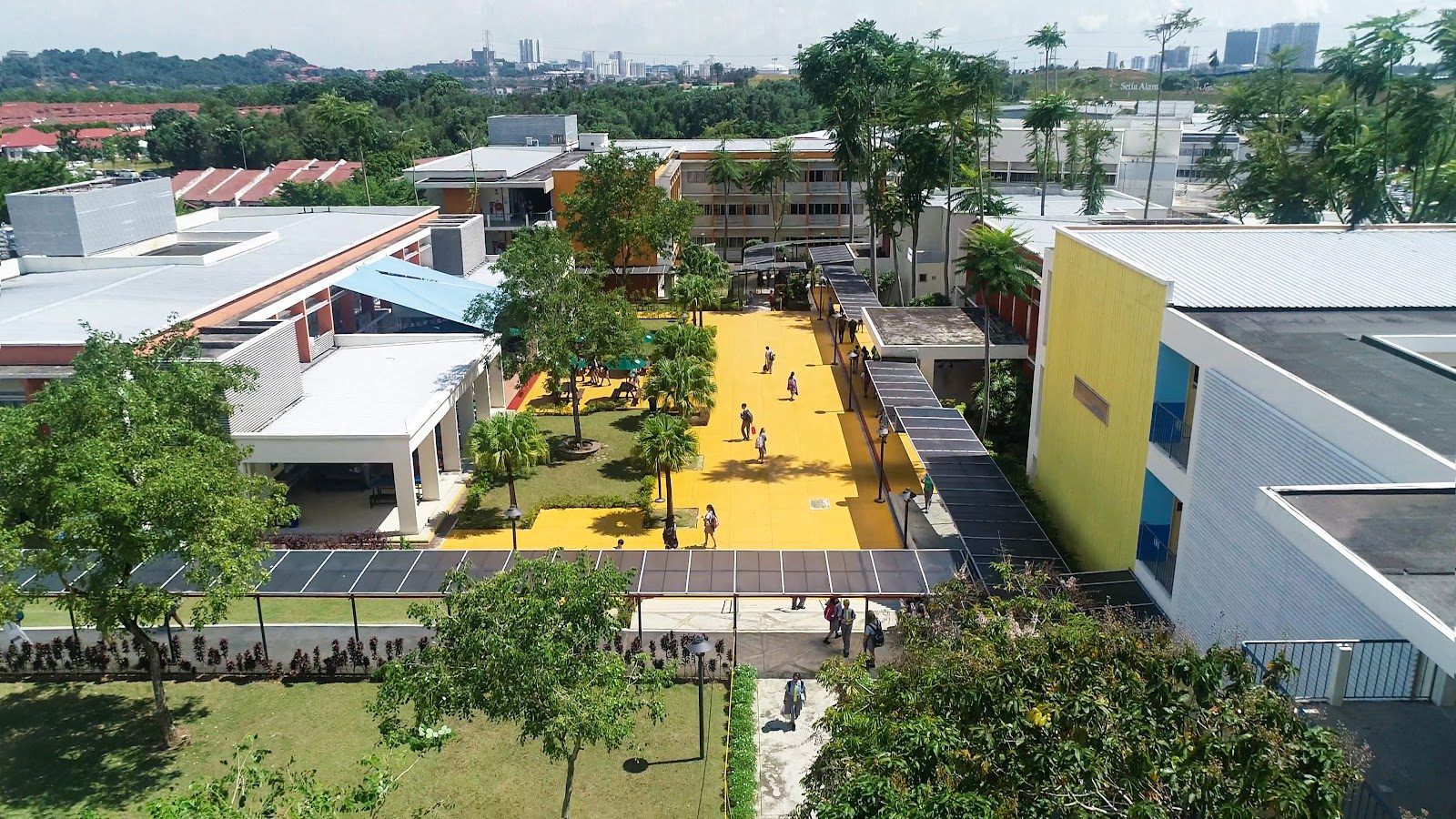
Photo © Tenby Schools Setia Eco Park via Google Maps
Type
Day
Ages
3–18
Curriculum
British
Qualifications
IGCSE · A-Level
Ratio
—
The Verdict
Editor's commitment
Right for
Families wanting one Shah Alam campus from ages 3–18, with a British curriculum and BSO, COBIS accreditation in English.
Wrong for
Parents after boarding, a religious ethos, or a cheap option: this is a day school only, averaging MYR 46,707.
Watch out for
Founded in 2013, Tenby Setia Eco Park lacks long institutional depth; dual British and Malaysian pathways on one site demand scrutiny.
Ranking breakdown
Tenby International School Setia Eco Park · #1488 of 1591
Composite score 49.0. 8 weighted criteria.
By criterion
Academic Outcomes
Weight 20%
#1427
of 1529 scored
University Placement
Weight 16%
#1414
of 1529 scored
Prestige & Heritage
Weight 12%
#1471
of 1571 scored
Alumni Network
Weight 12%
#1161
of 1530 scored
Facilities
Weight 12%
#1465
of 1533 scored
Transparency & Communications
Weight 8%
#1472
of 1532 scored
Peer & Industry Review
Weight 10%
#1216
of 1548 scored
Admissions Selectivity & Demand
Weight 8%
#1394
of 1529 scored
Peer & Industry Review
How Tenby International School Setia Eco Park is regarded in the sector
63
Respected · medium confidence
I could not verify at least two independent, third-party sources (e.g., Tatler, Good Schools Guide, expat forums with substantive discussion, specialist education press) that speak specifically to Tenby International School Setia Eco Park's reputation. Any knowledge I have of this school is limited and I cannot confirm it against credible independent citations without risking reliance on the school's own marketing or unverified assumptions.
Editors' overview
The point of difference here is structural, not cosmetic: Tenby International School Setia Eco Park shares a 20-acre Shah Alam campus with a Malaysian pathway while running a British curriculum from ages 3 to 18 through to A Level. That matters. Families who want an English-medium education without sealing their child inside an expatriate bubble get a school with a broader social mix and a closer connection to the local market than many stand-alone international campuses offer. Founded in 2013, it is not an old institution trading on heritage; it is a newer, purpose-built operation whose appeal rests on scale, convenience and a dual-track model that is still distinctive in Malaysia.
The market position is clear. At an average annual day fee of MYR 46,707 across the full school, Tenby Setia Eco Park sits in the mid-market international bracket rather than the rarefied top tier. That gives it real shortlist value for parents who want a British curriculum, English as the language of instruction, and a full-through school without moving into the fee territory occupied by Kuala Lumpur’s premium names. BSO and COBIS accreditation add useful external validation, though accreditations are not a substitute for hard public outcomes, and the school does not publish enough in the context here to make a data-led academic claim beyond the curriculum itself. Parents who prioritise published destination lists, headline exam statistics or a long institutional track record will find the picture less transparent than at the most scrutinised schools in the region.
The best fit is a student who benefits from breadth, routine and a campus with room to grow, rather than one who needs a tiny, intensely specialised environment. A child who is adaptable, happy in a mixed community, and comfortable in a school that spans Early Years to sixth form will fit well. This is also a sensible option for families who want continuity: one day school, one site, one educational language, and a British pathway carried right through. For the right family that is practical and compelling. For parents chasing maximal prestige, heavy selectivity or a school with decades of public results behind it, it is a different proposition.
Academic Performance
Academic transparency is the issue. Tenby Setia Eco Park does publish student success stories and university offers, but we have not seen a consistent run of school-wide external examination data in the public domain: no multi-year IGCSE overview, no full A Level subject breakdown, and no cohort-wide context that lets parents judge depth as well as top-end wins. That puts it at a disadvantage against peer schools in Malaysia that release cleaner numbers year after year. A family assessing academic seriousness needs more than isolated celebratory headlines. Without aggregate results, the school’s performance sits in the opaque middle ground: not weak by evidence, but not proven in the way the strongest comparators are proven.
Relative to peers, this matters. In the British international segment, the schools that command the most confidence publish hard exam data, trend lines, and destination patterns that stand up to scrutiny. Tenby’s all-through structure and accessible fee point give it a different proposition, but neither substitutes for public outcomes. The question is not whether pupils achieve; many plainly do. The question is how broad that achievement runs across a cohort and across subjects. Until the school discloses that in a disciplined way, parents must treat academic claims with caution, not deference. This is a school with credible potential and an incomplete public record, rather than a campus that has already earned a results-led reputation.
Facilities
Facilities are a real strength here. The shared campus gives the school room that many urban international schools in Malaysia do not have, and that changes daily school life in practical ways: more outdoor space, more separation between age groups, and more scope for sport and whole-school events without every timetable fighting for the same square metres. For parents comparing this with tighter city campuses, that matters. A 20-acre site is not window dressing; it supports a less cramped, more functional school day. The key question is not whether the grounds are impressive on a tour, but whether they are used well across the age range. On that front, the all-through setup works in the school’s favour, because specialist spaces can serve pupils as they move up rather than sitting as underused showpieces for one division.
Against peers, this is stronger on breadth of site than on elite specialist distinction. We have not seen the school publish the kind of granular facilities inventory that top-tier competitors use to prove out every lab, studio and performance venue, so parents should ask direct questions about science provision, indoor sports capacity, music practice space and sixth-form study areas. Even so, the broad picture is clear: this is not a squeezed, high-rise international campus built around compromise. It offers the spatial advantages many mid-market families want, even if it does not carry the arms-race glamour of Malaysia’s most expensive schools.
Prestige here sits in the solid middle, not the aspirational top tier
Prestige
Prestige here sits in the solid middle, not the aspirational top tier. The school benefits from the wider Tenby name, and that matters in a market where parents value a recognisable operator over an unknown start-up. Its all-through structure and average annual fee of MYR 46,707 place it within reach of professional families who want continuity and a credible international-school badge without paying for the city’s most status-driven brands. That creates a form of practical prestige: respectable, established enough to reassure, and easier to access than the schools whose reputations rest on scarcity, selectivity and relentless public proof.
But prestige at the upper end requires more than a known name and a well-priced proposition. It requires public academic results that stand up year after year, a deep destination record, and a level of social cachet that shapes parent behaviour on its own. Tenby Setia Eco Park does not occupy that bracket. The dual-pathway setting gives it a broader social mix than some insulated international campuses, which many families will value, but exclusivity is not the point here. This is not a trophy school. It is a credible, sensible choice with mainstream recognition and weaker elite signalling. For parents who want substance over social theatre, that is enough. For parents buying into a school partly for brand prestige, it is not.
The best fit is a student who benefits from breadth, routine and a campus with room to grow, rather than one who needs a tiny, intensely specialised environment
Communications
Parent communication looks serviceable rather than exemplary. The school’s public-facing channels do the basics: admissions information is easy to find, the age range and pathway structure are clear, and the campus is shown with enough confidence to help a family picture daily life. For a school charging an average of MYR 46,707 a year, that baseline matters. Families shopping in this bracket need clarity and speed more than branding theatre. Tenby delivers that better than schools whose websites bury essentials under slogans. The weakness is depth. We have not seen the kind of disciplined parent-facing disclosure that builds high trust over time: no strong run of published whole-school outcomes, no rich sixth-form outcomes picture, and limited hard detail on how the experience changes from one phase to the next. The message is competent, not forensic.
That distinction matters because communication is not only about friendliness; it is about evidence. Schools that communicate well give parents a reliable picture before questions are asked, not after. Here, the school explains its offer cleanly, but leaves too much to follow-up on academics, specialist provision and comparative performance. For an all-through school on a large site, parents need sharper answers on progression, expectations and how older students are prepared for exit points. In other words, the school communicates the shape of the proposition well, but not enough of the proof. Effective for first impressions, then; less convincing once scrutiny starts.
Uniqueness
What marks Tenby Setia Eco Park out is not a slogan but a school architecture that few rivals match: two educational pathways operating side by side on one campus, with children moving through a shared institutional environment rather than two worlds sealed off from each other. That gives students something more useful than a glossy idea of “international mindedness”. It gives daily contact with a broader social range, more exposure to different family priorities, and a school culture that is less insulated than the expatriate-only model. For children growing up in Malaysia, that matters. They get an education aimed at international progression without losing touch with the country around them. The result is a more grounded experience than at schools that function as enclaves.
The other distinctive point is continuity with scale. This is a full-through day school on a large site, so pupils do not need to change institutions at key transition points or shrink their ambitions to fit a cramped campus. That brings practical gains: younger children grow into specialist spaces, older students stay connected to a settled community, and families avoid the disruption that comes with reapplying elsewhere for the sixth form years. At an average annual fee of MYR 46,707, that package is commercially sharp: broad age coverage, physical room, and a dual-pathway setting without the price tag of the market’s prestige operators. For students, the benefit is clear — stability, breadth and a school life that feels connected to real life, not staged for effect.
A child who is adaptable, happy in a mixed community, and comfortable in a school that spans Early Years to sixth form will fit well
Student Profile
The best fit is a child who likes structure without needing an ultra-pressurised culture. This is a school for families who want continuity, a clear daily framework and a community that is socially broader than the narrow expatriate circuit. Pupils who do well here will cope comfortably with moving through one institution from nursery age to sixth form, sharing space with younger and older students rather than inhabiting a sealed senior enclave. That suits grounded, adaptable children more than those chasing a high-octane, prestige-saturated peer group. At an average annual fee of MYR 46,707, the intake also reads as more economically mixed than the market’s premium end, which shapes the student body in useful ways: less polished social signalling, more ordinary family pragmatism.
This is also a sensible home for students who want a full school life rather than a narrow academic machine. A child who values sport, outdoor room, routine and a campus that can absorb different personalities will find space here. The less obvious fit is the student who wants an intensely rarefied environment with fierce academic pecking order, tiny-cohort specialism or a strong air of exclusivity. Equally, children who need a very intimate setting can get lost in a larger all-through operation unless pastoral systems are tight. The strongest match, then, is a family seeking steady, unshowy value: serious enough about education, realistic about budget, and happy with a school that feels connected to the surrounding society rather than insulated from it.
This is also a sensible option for families who want continuity: one day school, one site, one educational language, and a British pathway carried right through
Co-curricular strengths
Arts & sport, on a separate axis
Overall 7.72/10
Scored 0-10 from the school's own published evidence. This axis is editorial-only — it does not feed the main WTS ranking.
Sports
8.2/10
Drama
7.8/10
Dance
7/10
Music
7.8/10
Visual Arts
7.8/10
Editor first-pass · editor-reviewable · 7/30/2026
Strengths
- +Delivers the English National Curriculum through to Cambridge IGCSE and A-Level, giving a recognised exit qualification for university applications abroad.
- +Sits within Setia Eco Park, a landscaped, low-density gated township in Shah Alam, giving a quieter, greener campus setting than many inner-KL sites.
- +Part of the wider Tenby Schools network (Ipoh, Penang, Setia Eco Gardens, Miri and Setia Eco Park), owned by the EtonHouse International Education Group, giving access to shared curriculum resources and staff training.
- +Offers a single-campus pathway from Early Years through to Sixth Form, useful for expat families wanting continuity without changing schools as children age.
- +Positioned as a mid-tier fee option relative to Kuala Lumpur's premier international schools, widening access for families on a more constrained relocation budget.
Considerations
- −Located in Shah Alam/Setia Eco Park, which adds a meaningful commute for families based in central Kuala Lumpur, Bangsar, Mont Kiara or Petaling Jaya.
- −Editorial rank (1362) places it well outside the small cluster of Malaysia's most internationally recognised schools, reflecting lower visibility and profile.
- −Curriculum is Cambridge/British only at this campus, with no IB Diploma alternative for families wanting that pathway.
- −As one of several campuses in a multi-site group, facility quality, extracurricular range and staff turnover can vary from Tenby's flagship sites, so specifics should be checked directly rather than assumed from the group's reputation.
Availability
Primary entry gate & tests
Academic Record
Gallery
Photo © Traveler Forever via Google Maps
Photo © Traveler Forever via Google Maps
Photo © Traveler Forever via Google Maps
Photo © Traveler Forever via Google Maps
Photo © Tenby Schools Setia Eco Park via Google Maps
Parent reviews
Have you sent your child here?
Voice reviews carry the strongest trust badge — we transcribe them for you to tidy up before they go live. Prefer to type? A written review is fine too.
Add your voice
In 60 seconds, tell other parents: what's the best thing about Tenby International School Setia Eco Park, and what surprised you when your child joined?
We ask for a Google sign-in so every review has a real face behind it — no anonymous drive-by attacks on schools, and no faked positive reviews. Your email is never shown publicly.
Send this profile to a friend
International parents rely on word-of-mouth. Share this review with someone weighing the same decision.
Schools with places
Similar schools to Tenby International School Setia Eco Park with places available now.
Epsom College in Malaysia
Negeri Sembilan · Malaysia
- 2026-27
- WAITPOOLSpace-dependent
- 2027-28
- PLACES OPENRolling
Marlborough College Malaysia
Johor · Malaysia
- 2026-27
- WAITPOOLVacancy-dependent
- 2027-28
- PLACES OPENRolling
Alice Smith School
Kuala Lumpur · Malaysia
- 2026-27
- WAITPOOLSpace-dependent
- 2027-28
- PLACES OPENRolling
International School of Kuala Lumpur
Kuala Lumpur · Malaysia
- 2026-27
- WAITPOOLSpace-dependent
- 2027-28
- PLACES OPENRolling
Availability first, then country, area, curriculum, price, co-curricular
Consider also
Also worth looking at alongside Tenby International School Setia Eco Park.
Sri KDU International School
Kota Damansara · Malaysia
In Kota Damansara, a bilingual English-Chinese co-teaching model runs alongside the British-to-IB pathway through Sixth Form.
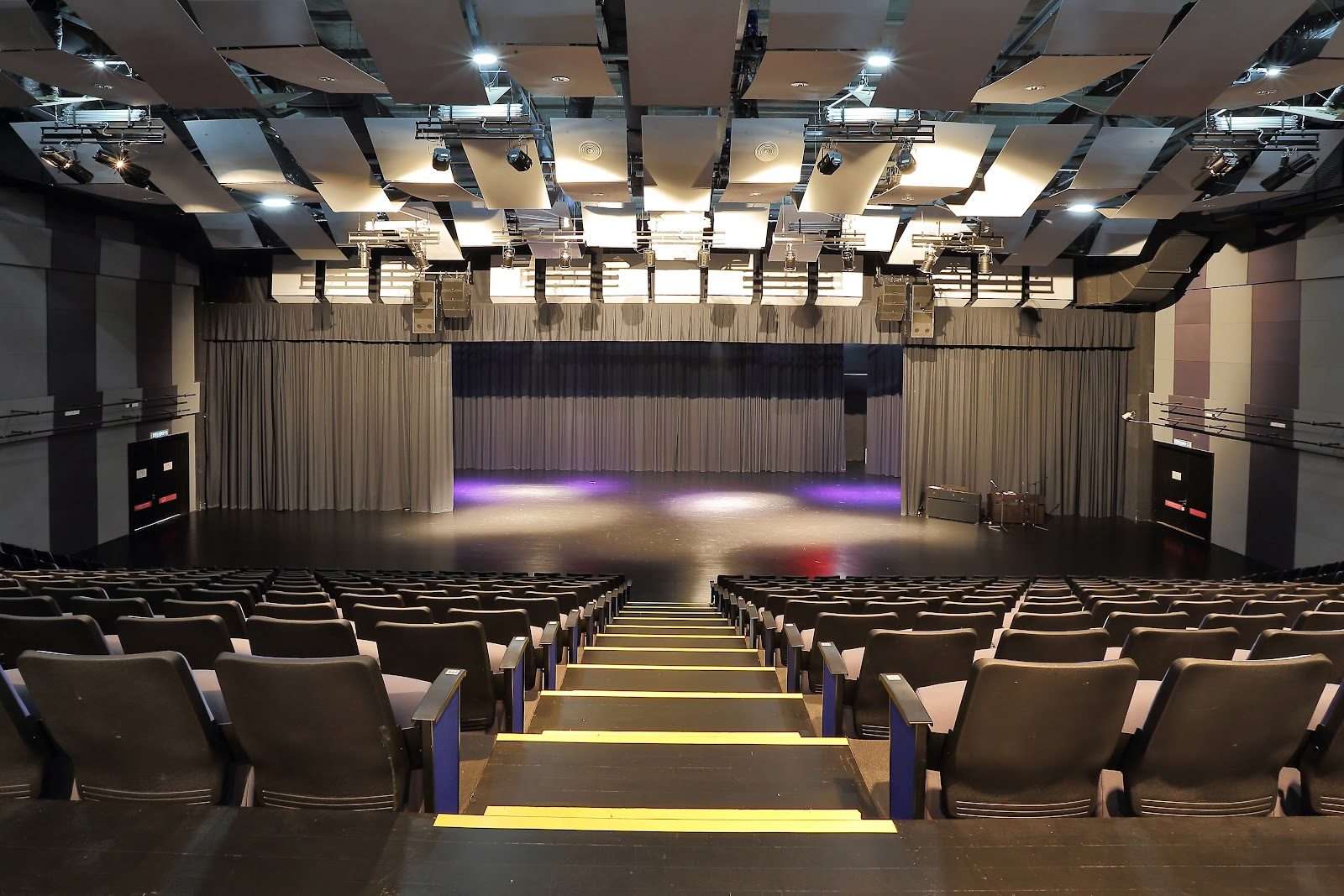
British International School of Kuala Lumpur
Kuala Lumpur · Malaysia
MIT-designed STEAM labs and Juilliard-guided arts anchor a Cambridge curriculum on a leafy Petaling Jaya campus.
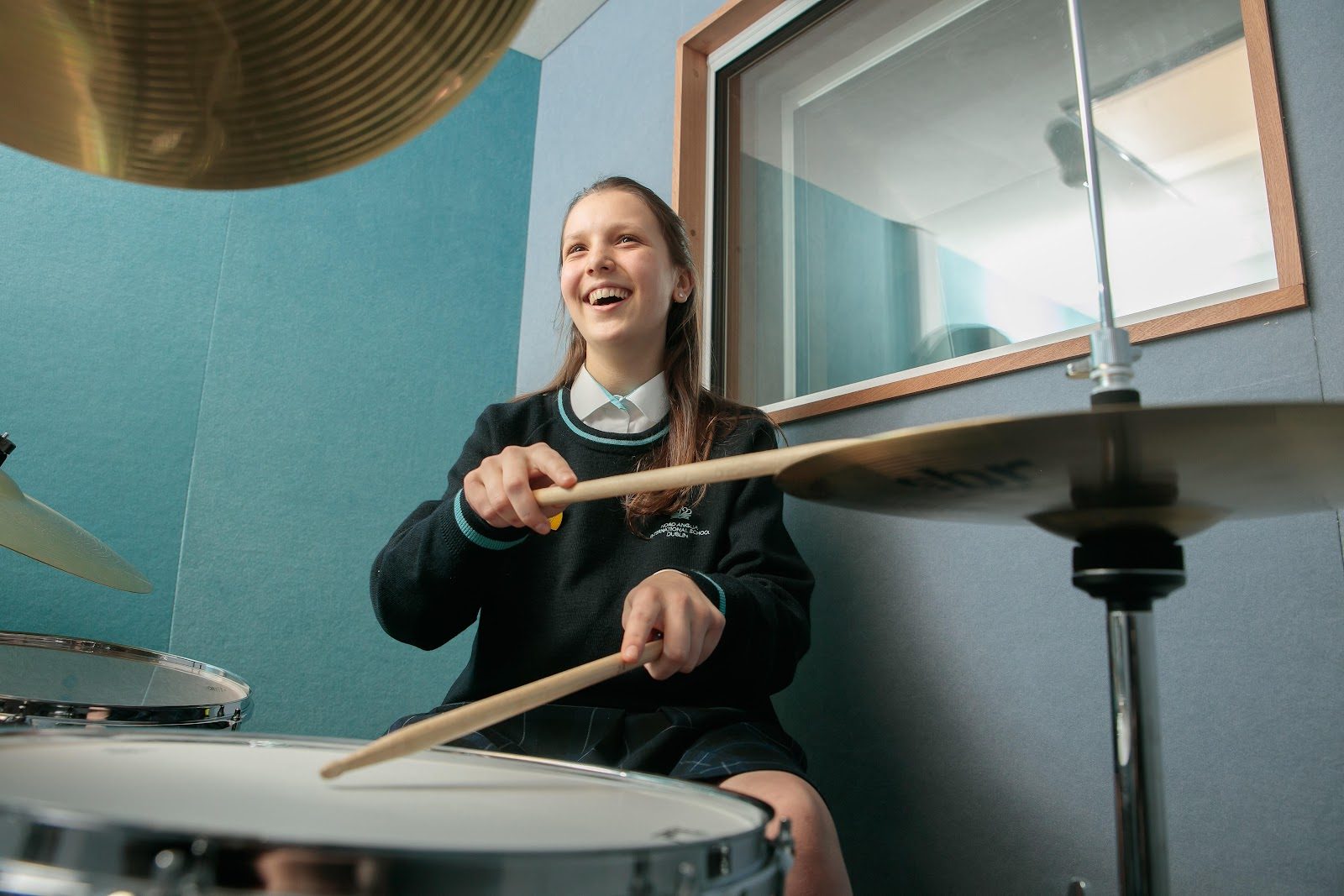
Nord Anglia International School Dublin
Dublin · Ireland
In Leopardstown, Ireland's only full IB continuum school carries students from age three to eighteen without ever changing campus
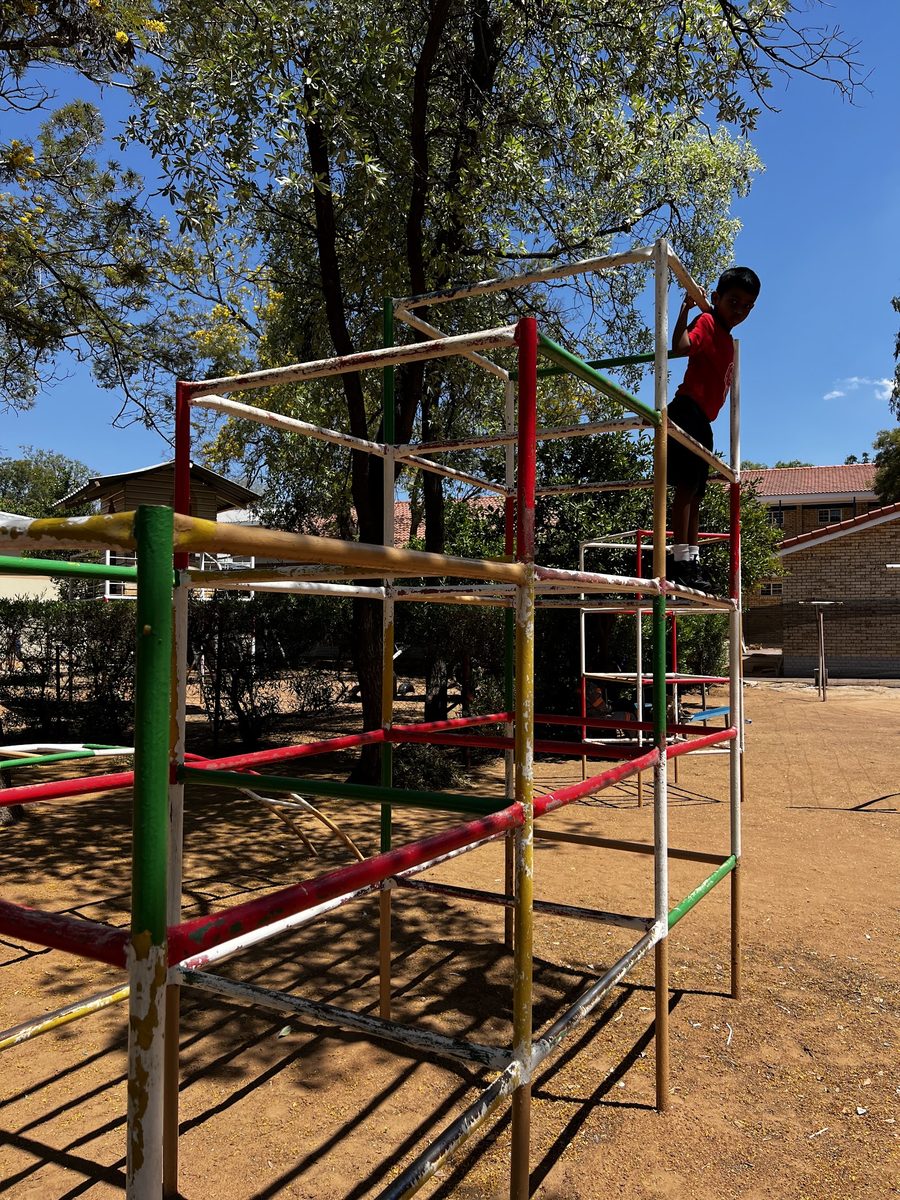
Rainbow School
Gaborone · Botswana
Grown from one classroom in 1997 to near 1,200 pupils, this Gaborone day school channels Cambridge IGCSE talent into STEM and business.
Same country and curriculum — closest matches within ±10 points either way