
Washington
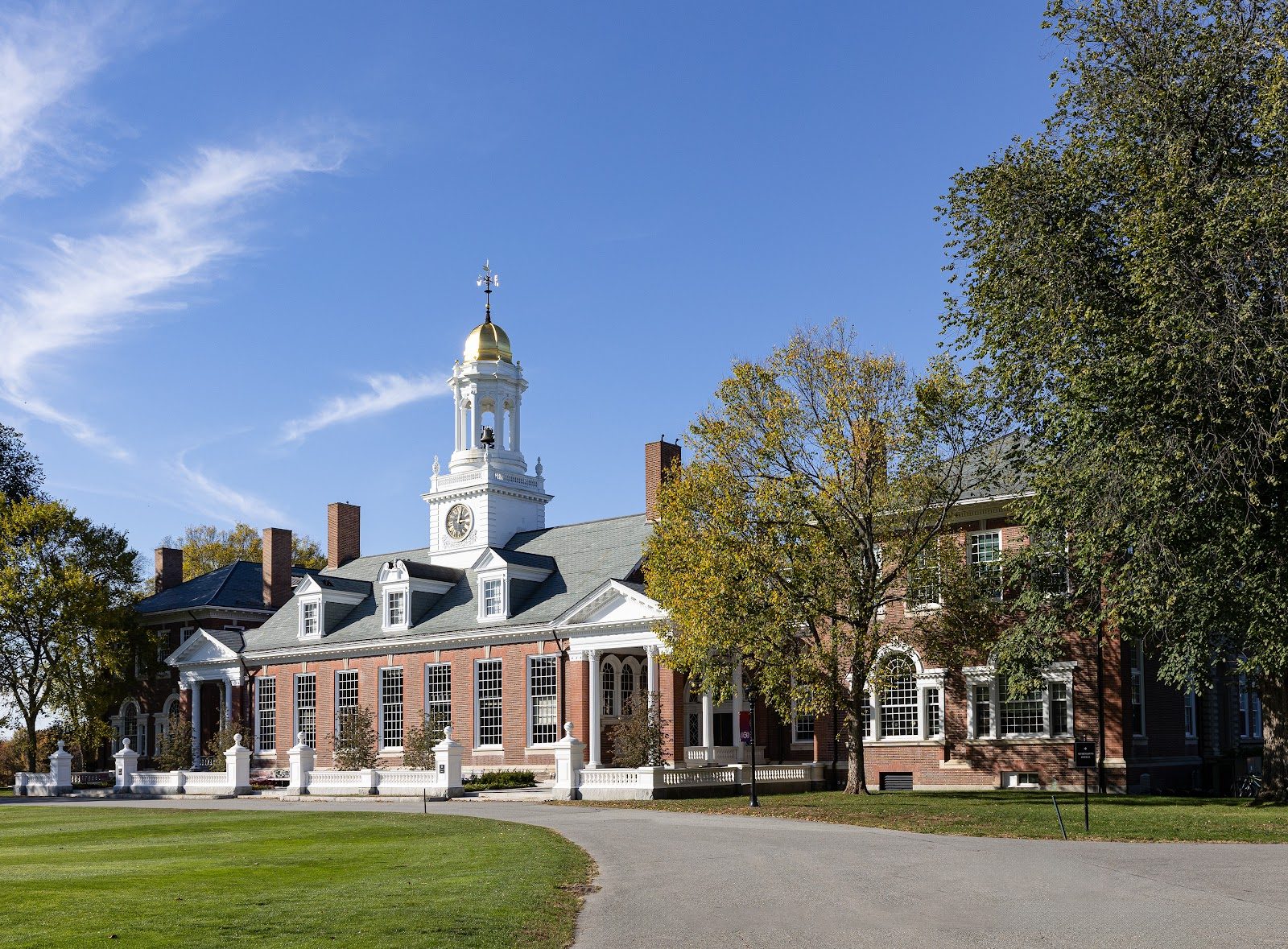
On a wooded 33-acre campus above Lake Washington, a no-AP curriculum sets a rigor bar that exceeds the College Board's own.
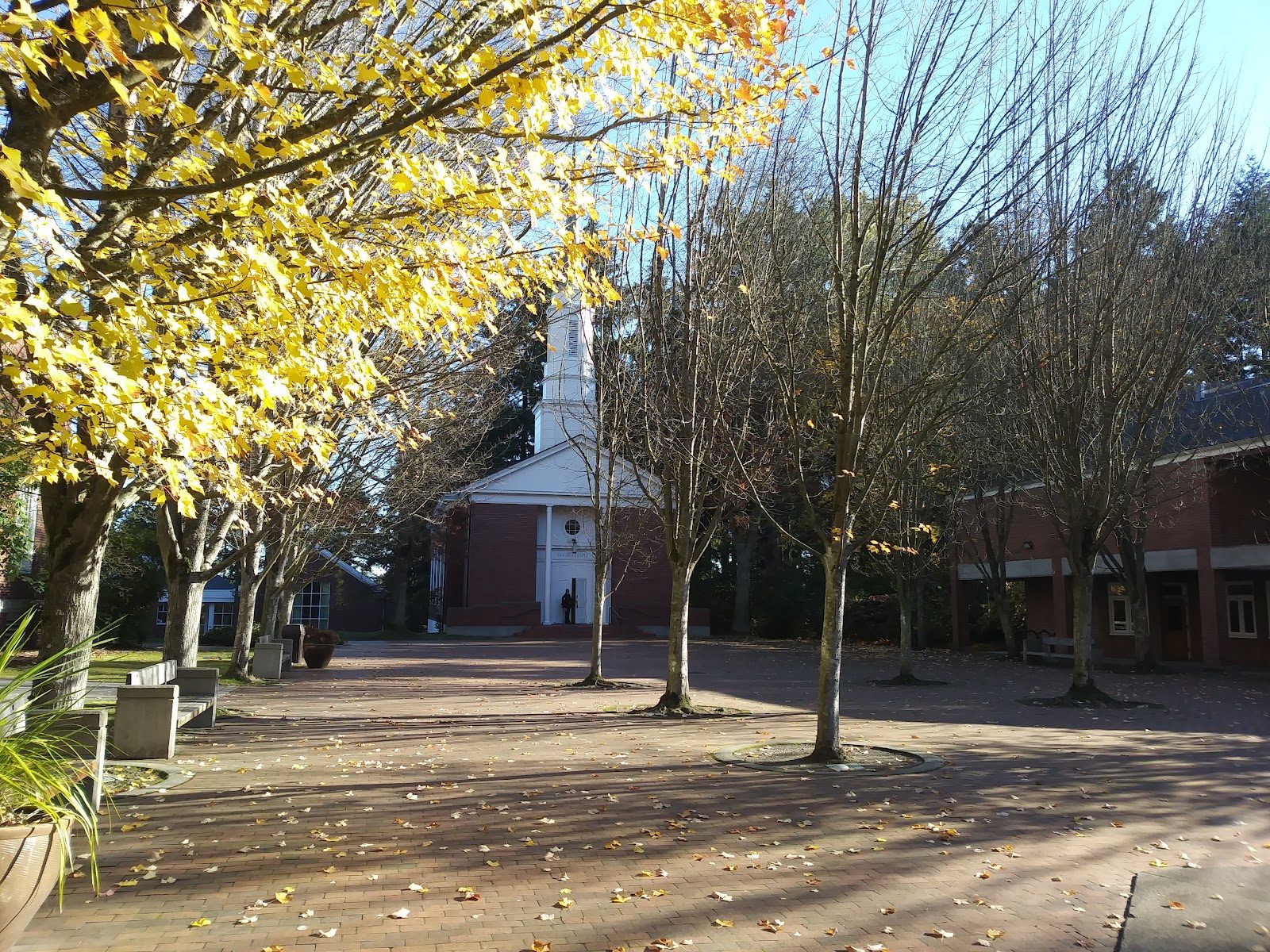
Photo © Kyle Counter via Google Maps
Type
Day
Ages
10–18
Curriculum
American
Qualifications
AP
Ratio
—
The Verdict
Editor's commitment
Right for
Children who want an American Grades 5–12 education without AP, with 140+ upper-school classes, 17-pupil classes and serious arts expectations.
Wrong for
Families chasing a conventional US status race built on AP counts, religion, or boarding; Lakeside is non-religious, day-only and ages 10–18.
Watch out for
At an average $52,000 a year, admission buys access to 2 campuses and a 1-to-37 college counsellor ratio, not hand-holding.
Ranking breakdown
Lakeside School · #24 of 1591
Composite score 81.1. 8 weighted criteria.
By criterion
Academic Outcomes
Weight 20%
#43
of 1529 scored
University Placement
Weight 16%
#9
of 1529 scored
Prestige & Heritage
Weight 12%
#94
of 1571 scored
Alumni Network
Weight 12%
#44
of 1530 scored
Facilities
Weight 12%
#137
of 1533 scored
Transparency & Communications
Weight 8%
#204
of 1532 scored
Peer & Industry Review
Weight 10%
#98
of 1548 scored
Admissions Selectivity & Demand
Weight 8%
#93
of 1529 scored
Score history
Lakeside School · 2026
Movement across 2024–2026. Peer average overlaid.
Overall — 2024–2026
81.1/ 100
▲ +22.9 vs 2025
year on year
Peer & Industry Review
How Lakeside School is regarded in the sector
92
Top-tier · high confidence
Lakeside School is consistently cited as one of the top private schools in the US, most famously as the alma mater of Bill Gates and Paul Allen, a fact widely referenced in business and education press (Forbes, Chronicle of Higher Education coverage of elite feeder schools). It is a perennial benchmark in Seattle-area 'best private schools' rankings (Niche.com, Seattle Met) and is frequently referenced in specialist education press discussing elite independent day schools and Ivy League matriculation rates, with a robust and highly visible alumni network extending into tech and philanthropy sectors.
Evidence sources
Editors' overview
Lakeside’s defining choice is the one many ambitious American schools will not make: it runs an American curriculum for Grades 5–12 and rejects the AP treadmill. That matters because the school’s academic identity rests on depth, not badge-collecting. Upper School pupils choose from more than 140+ classes, class size sits at 17, and the structure points to a place that expects intellectual range as well as stamina. For parents tired of schools that outsource rigour to the College Board, Lakeside has a clearer, harder standard: the school sets its own bar and expects students to meet it.
The setting sharpens the appeal. A serious urban independent on a wooded 33-acre campus above Lake Washington, Lakeside combines scale with selectivity: 296 middle school students, 595 upper school students, and students drawn from 256 previous schools. The intake mix matters. With 55% arriving from public schools, 36% from independent schools and 9% from religious schools, this is not a cloistered pipeline school. It pulls from across Seattle and beyond, and that gives the student body a wider civic texture than many fee-charging peers. The racial and ethnic profile is also more mixed than the standard elite-school template, with 32% Asian / Asian American, 28% European American / White, 19% multiracial and 11% African / African American / Black.
Lakeside also has breadth outside the classroom, though not in the inflated way schools sometimes claim it. More than 80% of students take part in arts each year, more than 80% play at least one sport, there are 25 varsity teams, and middle school students all study visual and performing arts every year. College counselling is resourced at 1-to-37 for seniors, which is strong for a school of this size and market. The average annual day fee across the full ladder is $52,000, placing Lakeside firmly in the top tier of the US day-school market. That price buys substance: NEASC and NAIS accreditation, two campuses, lunch included in tuition, and a school with enough scale to offer choice without turning anonymous.
This is a school for students who want real academic stretch and can handle a culture that does not lower the temperature for comfort. It suits bright, self-directed children who like discussion, can manage a demanding workload, and want strong peers around them. It will also suit artists, athletes and students whose interests cut across disciplines, because the programme has room for all three. It will not suit families hunting for heavy hand-holding, a narrow exam-drill model, or the social theatre that can dominate some elite independents. Lakeside belongs on a shortlist because it offers something genuinely distinctive in the American market: high academic ambition without AP conformity, broad co-curricular participation, and a student body large enough to generate energy but small enough to keep standards personal.
Academic Performance
Lakeside’s exam story starts with an absence: it does not run AP, and it does not publish a headline stack of AP scores because there is no AP stack to publish. That places it outside the standard American independent-school comparison game, where schools use long AP course lists and score distributions as shorthand for rigour. Lakeside takes the harder route. It asks parents to judge academic strength through course breadth, selectivity of culture and university outcomes rather than through College Board packaging. That makes direct benchmarking against AP-heavy peers less convenient but also, in serious schools, more revealing. A school confident enough to reject the dominant credential market is making a high-stakes academic claim.
Relative to peers, Lakeside sits with the top-rank American independents that set their own pace and expect students to handle demanding internal standards without external exam scaffolding. The structure supports that claim: a broad upper-school course menu, small classes, and a college counselling ratio of 1-to-37 for seniors all point to a school geared towards serious intellectual preparation rather than exam accumulation. The weakness is transparency. Families who want clean public score tables will not get them here. Families who value curriculum independence, strong teaching, and a culture that treats university preparation as more than a sequence of standardised tests will read that opacity differently. In that segment of the market, Lakeside fits at the elite, non-AP end of the spectrum.
Facilities
Lakeside’s physical set-up has one clear advantage over many urban day schools: space. A wooded campus above the water gives it room for proper sport, movement and visual breathing room, rather than the compressed, vertical footprint that defines so many city independents. That matters because the school asks students to do a great deal beyond lessons. With 25 varsity teams and sub-varsity and middle school equivalents behind them, the athletic infrastructure has to function at scale; this is not a token gym-and-field arrangement. The arts also read as built into the school’s daily life rather than parked at the margins: every middle school pupil studies visual and performing arts, and the annual calendar runs to 40+ performances, workshops, retreats, shows and festivals. Peer schools at this level often have strong arts and sport on paper; Lakeside’s participation rates and event volume point to facilities that are heavily used, not just expensively maintained.
There is, however, one limit to what the public picture shows. The school publishes a strong operational outline of campuses, arts activity and athletics, but far less detail on specialist interiors than some rivals do. Parents can infer capable teaching spaces from the breadth of the course list and the school’s academic ambition, yet the school does not publicly foreground laboratories, maker facilities, libraries or performing-arts venues in the way facility-forward competitors do. That restraint cuts two ways: it avoids brochure theatre, but it also leaves families with less hard detail than top-tier peers that document every studio, theatre and science suite. The headline remains clear: ample grounds, serious co-curricular infrastructure, and facilities that support a demanding, full-spectrum school life.
The average annual day fee across the full ladder is $52,000, placing Lakeside firmly in the top tier of the US day-school market
Prestige
Lakeside carries serious prestige in the American independent-school market because its reputation rests on selectivity, intellectual culture and long-standing standing among universities, not on mass-market brand recognition. This is not a school trading on glossy theatre or a giant national network. Its status comes from a tougher source: families and counsellors know it as a place where bright children are expected to think hard, write properly and cope without the crutch of AP inflation. The school’s own choices reinforce that standing. An upper school offering of 140+ classes signals depth, and the senior counselling provision points to a school that treats university admissions as a high-skill process rather than administrative throughput. The fee level also places it squarely in rarified company, and parents paying that price will expect access to the top end of US higher education.
I rate its prestige highly because the school combines old-money credibility, academic seriousness and broad extracurricular legitimacy without slipping into caricature. More than 80% of students take part in arts each year, and more than 80% play sport; that matters because prestige at this level depends on producing rounded, high-functioning pupils, not narrow exam machines. The intake from 256 previous schools adds another mark in its favour: Lakeside draws from a wide pool and still holds its shape. The only restraint on its prestige is visibility abroad. In the US, and above all in its own market, it sits in the top drawer. Internationally, its name carries less instant recognition than the most globally exported elite brands.
The fee level also places it squarely in rarified company, and parents paying that price will expect access to the top end of US higher education
Communications
Lakeside communicates with parents in the manner of a confident old independent: concise, orderly and light on salesmanship. The public-facing information does the basics well. Key facts are easy to find, tuition is stated plainly, and the school gives concrete indicators of school life rather than drowning families in slogan-heavy uplift. That matters. A school with two campuses and a large, busy programme needs disciplined communication, not theatrical messaging. The website points to that discipline. It gives parents a usable snapshot of scale, participation and support without clutter. Lunch included in tuition and financial-aid figures published in the open also signal a cleaner standard of disclosure than many expensive American peers manage.
The limit is depth. Lakeside communicates institutional shape better than daily texture. Parents get strong top-line facts, but less detail on how the school handles routine home-school contact, reporting rhythms, pastoral escalation or the mechanics of academic follow-up. For a school charging an average of $52,000 a year and drawing children from 256 previous schools, that gap matters because families need to know not just what the school offers, but how information moves when a pupil is thriving, drifting or in difficulty. My read: communications are competent, sober and intentional at the public level, with none of the brochure gloss weaker schools use to mask disorder. The outstanding question is whether that clarity carries through into the parent experience day to day.
Uniqueness
What marks Lakeside out is not one prestige signal but a deliberate refusal of the standard American independent-school formula. Many ambitious schools pile on branded external courses, publish score grids and let the machinery of credentialling stand in for academic character. Lakeside does the opposite. It builds its identity around its own teaching, its own standards and a course catalogue that gives older pupils real room to range. That creates a more adult intellectual culture: students have to choose well, read deeply, write clearly and cope without the reassurance of a pre-packaged exam ladder. For the right child, that is liberating. It rewards curiosity, judgement and stamina rather than tactical point-scoring.
The other distinctive feature is breadth with conviction. This is not a school where arts and sport sit as decorative extras beside an academic core; they are built into the week and into the school’s sense of what an educated student looks like. More than 80% of pupils engage in arts each year, and more than 80% play at least one sport. That scale of participation matters. It produces a high-functioning, busy student culture in which accomplishment does not belong to one tribe. Add a student body drawn from 256 previous schools and you get a community with more social and educational variety than many elite peers. The gain for students is clear: stronger discussion, wider reference points and a school life that feels less inherited, more earned.
In the US, and above all in its own market, it sits in the top drawer
Student Profile
The best fit here is a student with strong internal drive. Lakeside suits children who do not need constant external reward, grade-chasing rituals or a school culture built around performative busyness. The academic pace, the range of choice in the upper years and the expectation that pupils will use that choice well all favour young people with judgement, stamina and genuine curiosity. This is a good school for readers, thinkers, discussion-heavy learners and students who like stretching across subjects rather than reducing school to one narrow strength. It also suits children who can hold their own among able peers without turning competitive pressure into drama. For families seeking high challenge with little hand-holding, that distinction matters.
Socially, the school fits students who are comfortable in a capable, self-possessed crowd. With pupils drawn from 256 prior schools, Lakeside does not run on one inherited social mould, and that gives newcomers more room than old closed-circle independents do. The participation pattern also tells you something important: more than 80% of students engage in arts each year, and more than 80% play sport, so the culture rewards breadth, commitment and showing up. Children who want to do one thing only, avoid communal life or coast on intelligence alone will find that thin. Children who want serious academics, plenty to do after lessons and peers who are busy for real reasons will fit well.
Lakeside’s defining choice is the one many ambitious American schools will not make: it runs an American curriculum for Grades 5–12 and rejects the AP treadmill
Co-curricular strengths
Arts & sport, on a separate axis
Overall 8.2/10
Scored 0-10 from the school's own published evidence. This axis is editorial-only — it does not feed the main WTS ranking.
Sports
8.7/10
High-performance Pacific Northwest athletic pipeline, fielding highly competitive varsity teams that regularly feed NCAA tracks.
Drama
8.5/10
Highly sophisticated theatrical seasons running demanding classical texts and contemporary plays inside premium theater spaces.
Dance
6.7/10
Strong afternoon performance track providing core choreography assets for major collaborative musical theater shows.
Music
8.5/10
Exceptional chamber orchestras, wind ensembles, and choral troupes that routinely headline major regional youth festivals.
Visual Arts
8.6/10
Sun-drenched studio spaces running advanced design pipelines, ceramics, and photography to build elite portfolios.
Editor-verified · 8/6/2026

WTS 300 badge
2025/26 editionLakeside School is one of the World's Top 300 Schools for 2025/26. Claim your listing to add it to your site →
Strengths
- +Highly selective day school with roughly a 16 percent acceptance rate, reflecting a strong academic peer group and demand from Seattle's professional community.
- +Substantial need-based financial aid program: Lakeside awarded $10 million in tuition assistance to about 30 percent of students in 2025-26.
- +Small-scale teaching environment with a student-teacher ratio near 1:9 and average class sizes around 17 students.
- +Notable alumni network anchored by Microsoft co-founders Bill Gates and Paul Allen, who met and began programming together at the school.
- +Long-established institution (founded 1919, merged with St. Nicholas School in 1971) with a 25-acre north Seattle campus and sizable endowment.
Considerations
- −Day tuition runs approximately $52,000 a year, placing full fees among the highest of Seattle-area independent schools.
- −Admissions are highly competitive, with published acceptance rates around 16 percent and required SSAT/ISEE testing, essays and interviews.
- −Day-only structure means no boarding option, so families must live within reasonable commuting distance of north Seattle.
- −American curriculum only, with no International Baccalaureate track, which may not suit expat families seeking IB continuity.
Availability
Primary entry gate & tests
SSAT/ISEE + Assessment
Gallery
Photo © Kyle Counter via Google Maps
Photo © gue sang Lee via Google Maps
Photo © gue sang Lee via Google Maps
Photo © gue sang Lee via Google Maps
Photo © Ayọ̀ Olúkọ̀yà via Google Maps
Photo © Will D via Google Maps
Photo © Helen Ell Tran via Google Maps
Photo © Helen Ell Tran via Google Maps
Photo © Helen Ell Tran via Google Maps
Parent reviews
Have you sent your child here?
Voice reviews carry the strongest trust badge — we transcribe them for you to tidy up before they go live. Prefer to type? A written review is fine too.
Add your voice
In 60 seconds, tell other parents: what's the best thing about Lakeside School, and what surprised you when your child joined?
We ask for a Google sign-in so every review has a real face behind it — no anonymous drive-by attacks on schools, and no faked positive reviews. Your email is never shown publicly.
Send this profile to a friend
International parents rely on word-of-mouth. Share this review with someone weighing the same decision.
Schools with places
Similar schools to Lakeside School with places available now.
The Hotchkiss School
Lakeville · United States
- 2026-27
- CLOSEDRegular cycle
- 2027-28
- PLACES OPENFall '27 interviews open
Thomas Jefferson High School for Science and Technology
Alexandria · United States
- 2026-27
- CLOSEDStandard route
- 2027-28
- OPENS SOONOpens 5 Oct '26
Choate Rosemary Hall
Wallingford · United States
- 2026-27
- CLOSEDRegular cycle
- 2027-28
- OPENS SOONOpens 1 Sept '26
Groton School
Groton · United States
- 2026-27
- CLOSEDRegular cycle
- 2027-28
- PLACES OPENProfile live
Availability first, then country, area, curriculum, price, co-curricular
Consider also
Also worth looking at alongside Lakeside School.
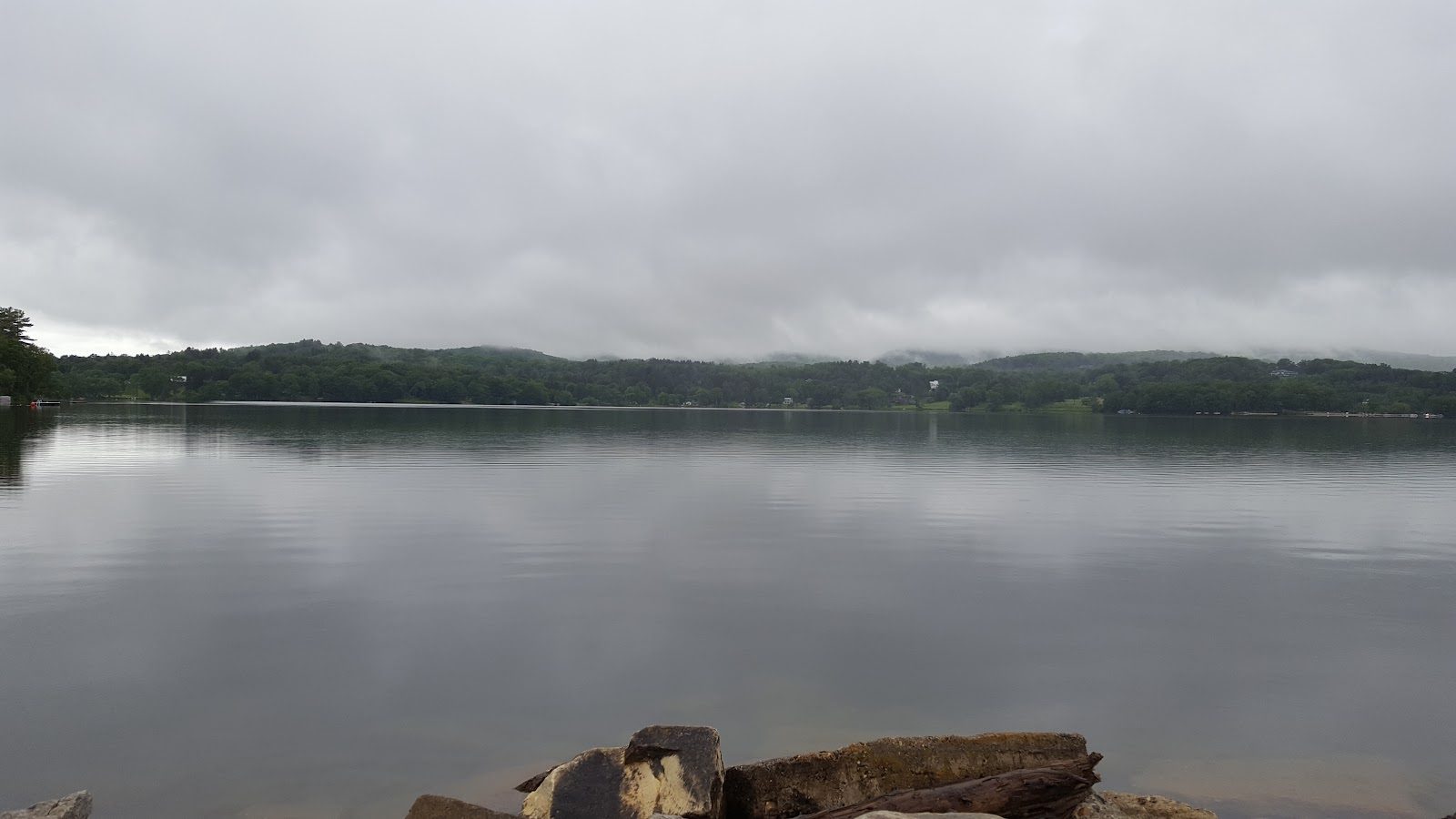
The Hotchkiss School
Lakeville · United States
On its 827-acre Berkshire campus, a 287-acre working farm supplies the dining hall and anchors the science curriculum.
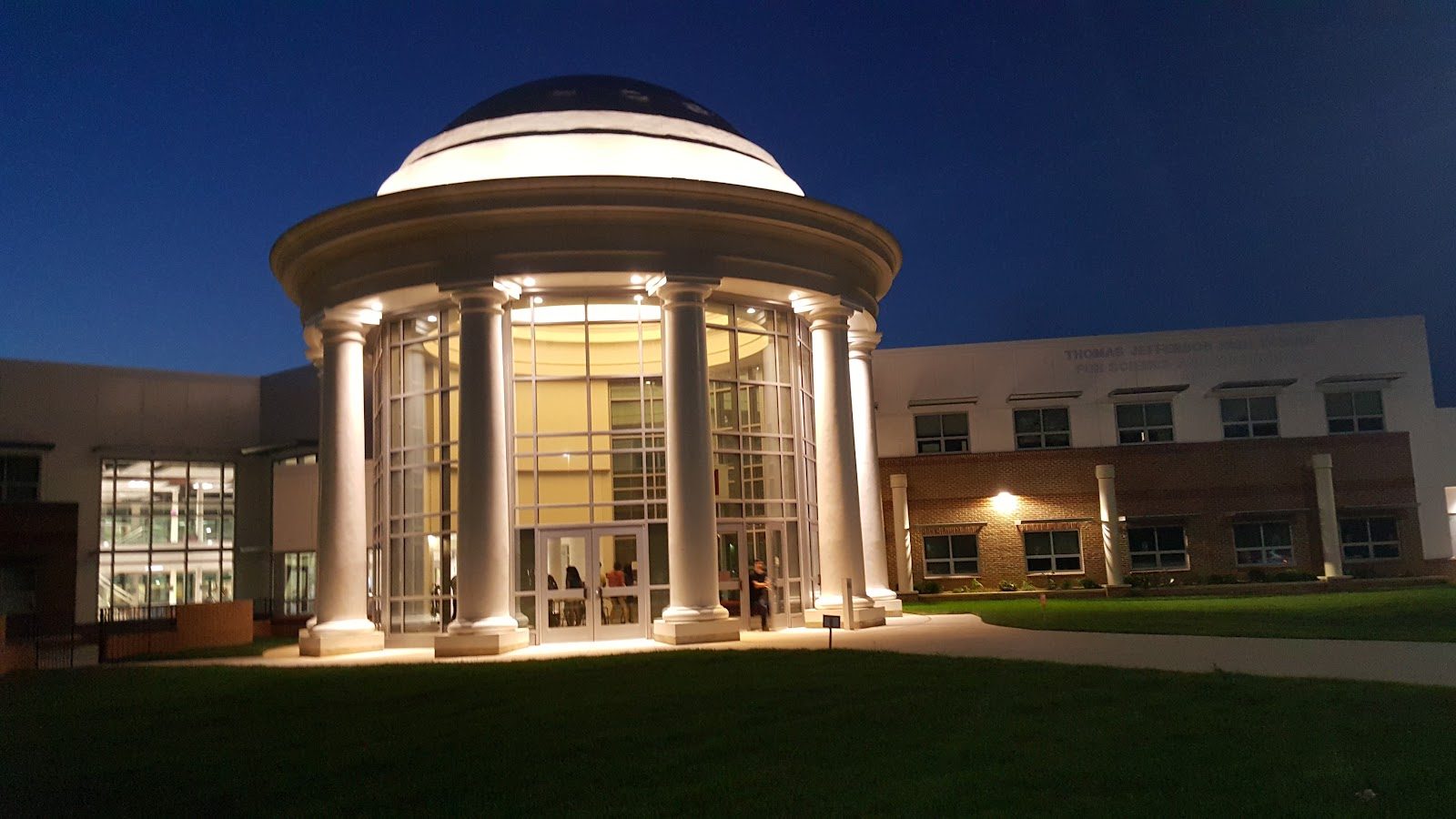
Thomas Jefferson High School for Science and Technology
Alexandria · United States
A Fairfax County magnet where every senior completes original research across fifteen specialized STEM labs.
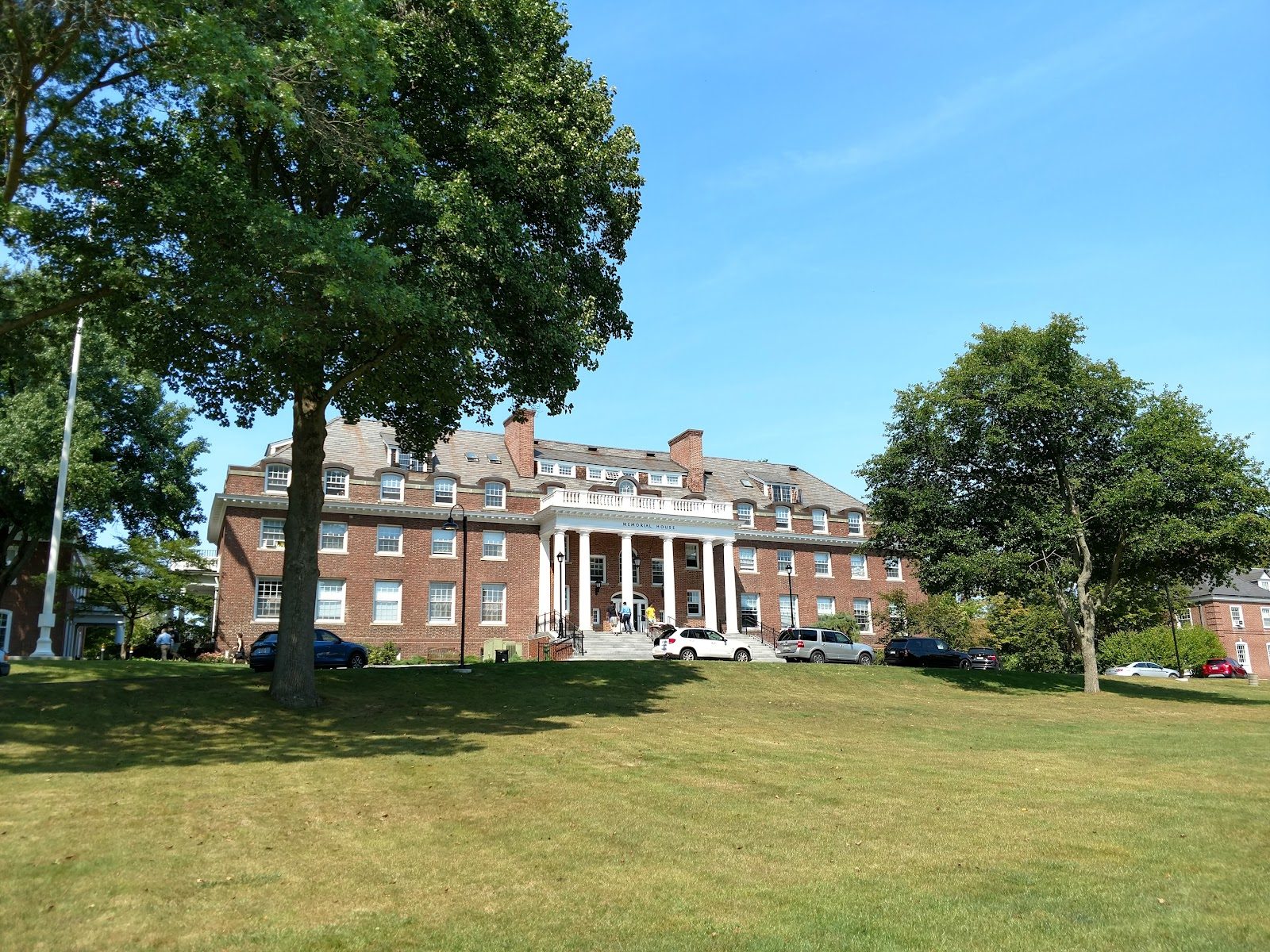
Choate Rosemary Hall
Wallingford · United States
A Wallingford campus where an I.M. Pei arts center anchors a rare, dedicated Arabic and Middle Eastern studies track.
Groton School
Groton · United States
On an Olmsted-designed campus, English-style forms and a nightly handshake anchor this Episcopal school's century-old ethic of service.
Same country and curriculum — closest matches within ±10 points either way