
Mashonaland East
Peterhouse Boys' School
low confidence· 4/6 cats · 1 avg sourcesAn Anglican boarding estate near Marondera where a private game reserve doubles as classroom and Sixth Form turns co-educational.
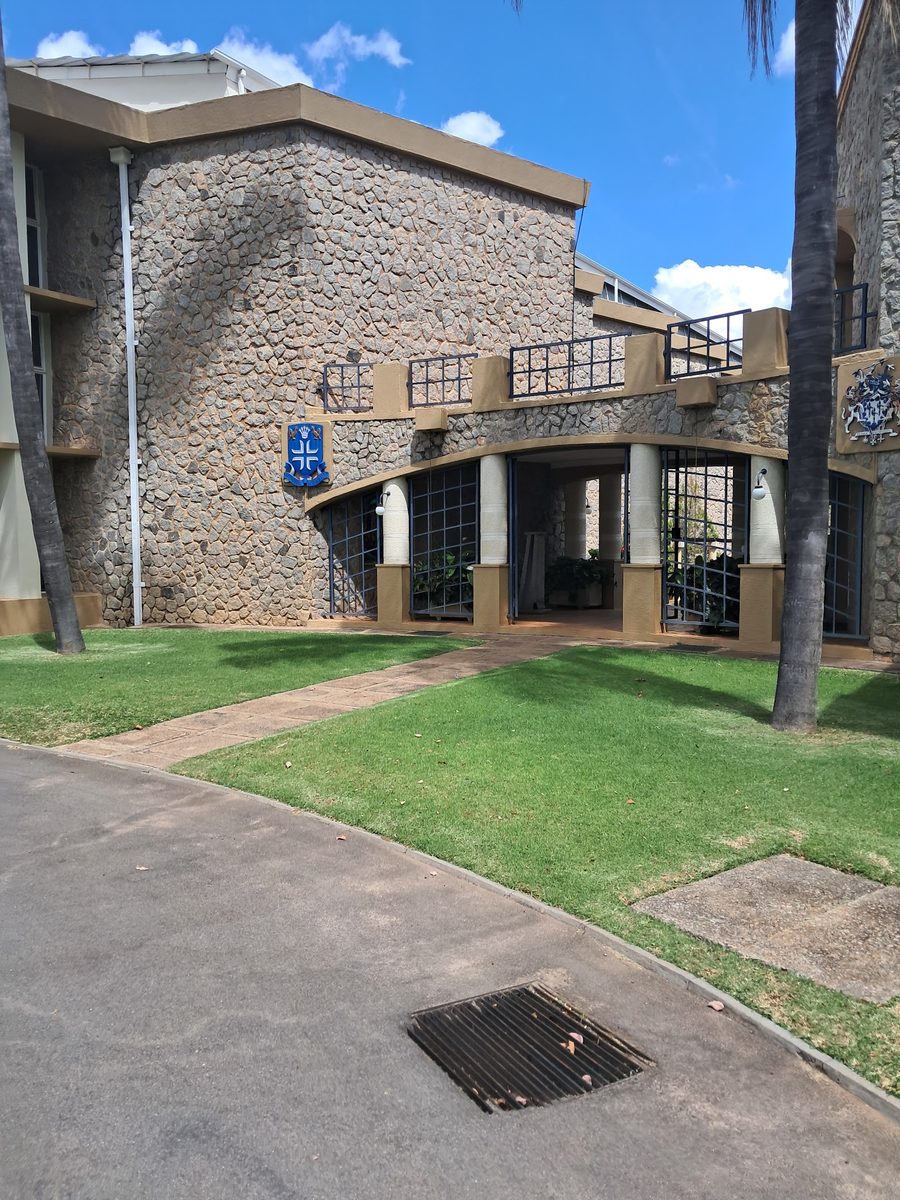
Photo © Michael Chimuka via Google Maps
Type
Boarding
Ages
12–18
Curriculum
British
Qualifications
IGCSE · A-Level
Ratio
—
The Verdict
Editor's commitment
Right for
Families wanting Anglican boarding near Marondera, on a 1955 estate where Calderwood Park turns conservation into daily schooling.
Wrong for
Parents seeking co-education from 12 to 18; Peterhouse Boys' School is boys-only, despite a co-educational Sixth Form in the Peterhouse Group.
Watch out for
British curriculum, HMC Sub-Saharan Africa and Round Square give credibility; none of that softens the full-boarding reality for ages 12–18.
Ranking breakdown
Peterhouse Boys' School · #558 of 1591
Composite score 68.2. 8 weighted criteria.
By criterion
Academic Outcomes
Weight 20%
#746
of 1529 scored
University Placement
Weight 16%
#736
of 1529 scored
Prestige & Heritage
Weight 12%
#537
of 1571 scored
Alumni Network
Weight 12%
#338
of 1530 scored
Facilities
Weight 12%
#666
of 1533 scored
Transparency & Communications
Weight 8%
#821
of 1532 scored
Peer & Industry Review
Weight 10%
#645
of 1548 scored
Admissions Selectivity & Demand
Weight 8%
#547
of 1529 scored
Peer & Industry Review
How Peterhouse Boys' School is regarded in the sector
62
Respected · medium confidence
Peterhouse Boys' School is consistently identified in Zimbabwean media and sports press as one of the country's leading private boys' schools, particularly noted for producing multiple national-level cricketers referenced in ESPNcricinfo player profiles and Zimbabwean cricket history coverage. It appears in local 'top schools' discussions in outlets like The Herald and NewsDay Zimbabwe alongside peers such as St George's College and Falcon College, but lacks the international specialist-press coverage (Tatler, Good Schools Guide) or globally recognized alumni profile that would place it in the top tier.
Evidence sources
Editors' overview
Peterhouse Boys’ School sits on one of the most distinctive school estates in southern Africa: an Anglican boarding school founded in 1955, set outside Marondera on grounds shared with Calderwood Park, a conservation area and game reserve. That combination gives the school a strong sense of place that many polished urban campuses cannot match. This is not a commuter day school with a boarding annex. It is a full boarding institution for boys aged 12 to 18, run in English, with a British curriculum and Sixth Form that turns co-educational. For families who want a school where adolescence is shaped by routine, community, chapel and the discipline of living away from home, Peterhouse has a clear proposition.
What puts it on a shortlist is the estate itself and the breadth that estate permits. A private game reserve doubling as classroom is more than a brochure line; it gives environmental study, outdoor education and service work real texture. The Anglican foundation adds moral seriousness and institutional identity, which suits families who value structure and a school culture with defined expectations. Membership of HMC (Sub-Saharan Africa), ATS Zimbabwe and Round Square strengthens its market position: this is a school with regional standing, international links and a public commitment to character, leadership and outward-looking education. In Zimbabwe’s independent boarding market, Peterhouse occupies the old-guard, high-prestige end of the sector.
The right student for Peterhouse is resilient, sociable and ready for boarding from the start. Boys who thrive here will want organised days, competitive house life, outdoor space and a school community that does not dilute expectations. The move to a co-educational Sixth Form widens the social and academic environment at the top of the school, which matters for families who want boys educated in a single-sex setting through the middle years but not sealed off from girls at 16–18. This is a strong fit for parents seeking contained ambition, proper pastoral structure and an education with more backbone than gloss. It is a weaker fit for children who need a highly flexible, informal culture or the anonymity of a large city school.
Academic Performance
Peterhouse has public prestige and name recognition inside Zimbabwe’s independent-school market, but prestige is not the same thing as transparent academic reporting. The school does not publish aggregate external examination outcomes in the sources we have seen: no cohort pass rates, no A*–A breakdowns, no subject-by-subject tables, no university destination list tied to results. That matters. For an academically ambitious boarding school, exam disclosure is one of the cleanest tests of confidence. Without it, parents are left judging by reputation, selectivity and institutional standing rather than hard comparative data. The old ranking references that circulate online — including a Top 10 mention from a past national list and a Spear’s Top 100 private-schools mention — signal visibility, not classroom performance.
Relative to peers, Peterhouse sits in the high-prestige, old-establishment tier of Zimbabwean private schools, where expectations are serious and families pay for outcomes as much as for culture and setting. The question is not whether standards matter here; they plainly do. The question is how strong the outcomes are against direct competitors that publish more. On academic performance alone, Peterhouse is harder to verify than the best-documented schools in South Africa, Kenya or the Gulf, where exam statistics are routine and granular. That does not make the school weak. It makes it opaque. For parents who prize evidence over reputation, that opacity is a real drawback.
Facilities
The defining facility here is the estate itself. Calderwood Park is not ornamental land at the edge of a brochure campus; it gives Peterhouse access to a conservation area and game park that very few African schools, let alone British-curriculum boarders, can match. That matters because it expands what “facilities” means beyond classrooms, courts and boarding houses. Environmental work, field study, outdoor leadership and service activity gain real operational depth when the school has immediate access to protected land rather than hired venues and occasional trips. Against peer schools in Zimbabwe, that is a genuine point of difference. Against top boarding schools in South Africa, it still stands out, even if those competitors often outgun Peterhouse on specialist indoor provision, polished performing-arts spaces and published capital investment.
The rest of the picture is harder to judge with precision because the school does not publish the kind of detailed facilities inventory serious parents expect. We have not seen a full public breakdown of science labs, theatre provision, sports infrastructure, design workshops or boarding-house specifications. That lack of disclosure matters. Strong schools with nothing to hide tend to show parents exactly what they are buying. Peterhouse still holds an advantage that many rivals cannot imitate: a rare, place-based campus experience with serious outdoor reach and the scale to make boarding life feel self-contained rather than bolted on. For families prioritising polished specialist blocks, visible capital spend and exhaustive public detail, some peers give a clearer account.
The Spear’s Top 100 private-schools mention adds global visibility, even if such lists are a blunt instrument
Prestige
Peterhouse carries real cachet in Zimbabwe and beyond it. The school belongs to the country’s old independent-school establishment, and that matters: families know the name, universities know the name, and rival schools treat it as a serious benchmark. The estate, the Anglican foundation and the place it holds within a wider school group all reinforce that standing. So do the external badges. HMC membership in Sub-Saharan Africa is not handed out as decoration, and Round Square affiliation places Peterhouse inside a network that signals service, leadership and international exchange rather than simple exam drilling. The Spear’s Top 100 private-schools mention adds global visibility, even if such lists are a blunt instrument.
That prestige rests first on history, culture and social standing, then on published academic proof. This is an important distinction. Peterhouse has the old-guard authority and institutional weight that many parents actively seek, especially in southern Africa’s boarding market, where reputation travels through generations and alumni networks. It also benefits from a setting and identity that are hard to replicate. Yet prestige here is not the same as full transparency. The school’s public reputation is stronger than its public data, and that keeps it out of the very top rank internationally, where elite schools pair brand strength with rigorous disclosure of outcomes. Our rating is high because Peterhouse is a genuinely prestigious name; it stops short of the highest category because too much of that prestige still depends on inherited standing rather than published evidence.
That gives boys direct contact with conservation, wildlife management and field-based learning in a setting that is unusually grounded and hard to imitate
Communications
Peterhouse communicates like an established boarding institution that expects parents to buy into the system, not negotiate it line by line. The school’s public-facing channels do the basics: there is a clear web presence, the group structure is easy to identify, and the school’s identity is coherent rather than cluttered. That matters for parents at a distance, because boarding schools live or die on trust. Yet the communication style is institution-first more than parent-first. We have not seen the kind of public detail that answers practical parental questions before they are asked: no granular academic reporting, no deep facilities inventory, no strong public evidence of how day-to-day pastoral communication works, and no clear sense of how frequently families are updated once boys are on site. For a school taking children from 12 upwards and keeping them in residence, that gap is not trivial.
The result is communication that feels confident but controlled. Peterhouse tells you what it is, and it does that well. It tells you less clearly how it operates in the small, everyday ways that matter to parents once the romance of the estate wears off. Some families will read that as old-school assurance: the school sets standards, parents trust the house system, and not every process needs public explanation. Others will read it as unnecessarily opaque. Our view sits in the middle but leans critical: the brand communication is strong; the operational communication visible in public is *thinner than a serious boarding parent deserves*.
Uniqueness
What sets Peterhouse apart is not prestige alone but the way land, faith and boarding culture are fused into one daily system. Very few schools can treat a game reserve as part of the working campus rather than an occasional excursion site. That gives boys direct contact with conservation, wildlife management and field-based learning in a setting that is unusually grounded and hard to imitate. It also changes the emotional texture of school life. The campus does not feel like a compact academic enclosure; it feels expansive, self-contained and tied to the rhythms of the surrounding estate. For the right student, that produces independence, stamina and a stronger sense of responsibility than a conventional suburban campus manages.
The other distinctive feature is structural: Peterhouse keeps boys in a single-sex environment through the main school, then shifts to a mixed Sixth Form at 16–18. That is a specific social model, and it suits families who want a disciplined boys’ school core without extending that separation to the final years before university. Add the Anglican framework and the result is a school that puts character formation, shared routine and communal expectation at the centre of adolescence. This is not a soft-edged school. Students gain from clear boundaries, a strong collective identity and an education shaped as much by community life as by classroom instruction.
That combination gives the school a strong sense of place that many polished urban campuses cannot match
Student Profile
Peterhouse suits boys who can live inside a strong communal structure without fighting it. The best fit is a student who likes routine, responds to clear rules and draws energy from shared endeavour rather than private space. House loyalties, compulsory commitments and the social intensity of full-time residence reward boys who are robust, team-minded and comfortable being known. This is a good environment for students who enjoy sport, outdoor life and organised activity beyond the classroom, and a weaker one for boys who need constant flexibility, soft boundaries or a highly individualised school day. Entry from around 12 means families need a child ready to detach from home early and manage the emotional demands of boarding without drama.
The social character matters as much as academic appetite. Peterhouse will suit boys who can absorb an Anglican ethos without cynicism and who do not bridle at institutional tradition. The move to a mixed Sixth Form at 16–18 broadens the social world at the top of the school, so the strongest fit is a student who wants a boys’ boarding culture in the middle years but not in perpetuity. This is not a refuge for the fragile or the wilfully disengaged. It is strongest for adolescents who can handle scrutiny, carry themselves with self-discipline and find purpose in a school that expects contribution, resilience and a willingness to join in rather than stand apart.
It is a full boarding institution for boys aged 12 to 18, run in English, with a British curriculum and Sixth Form that turns co-educational
Co-curricular strengths
Arts & sport, on a separate axis
Overall 7.8/10
Scored 0-10 from the school's own published evidence. This axis is editorial-only — it does not feed the main WTS ranking.
Sports
9.4/10
Drama
7.8/10
Dance
5.5/10
Music
8.8/10
Visual Arts
7.5/10
Editor first-pass · editor-reviewable · 7/30/2026
Strengths
- +HMC membership signals established boarding-school standards.
- +Round Square membership adds service and international exchanges.
- +Anglican ethos suits families wanting explicit religious grounding.
- +Shared estate includes Calderwood Park conservation area.
Considerations
- −Boys-only school limits co-educational day-to-day experience.
- −Boarding-only model reduces flexibility for local family life.
- −British curriculum may not suit non-British exam pathways.
Availability
Primary entry gate & tests
Internal Assessment (Boys)
Gallery
Photo © Don Yeh via Google Maps
Photo © Don Yeh via Google Maps
Photo © Don Yeh via Google Maps
Photo © Peterhouse Group of Schools via Google Maps
Photo © Peterhouse Group of Schools via Google Maps
Parent reviews
Have you sent your child here?
Voice reviews carry the strongest trust badge — we transcribe them for you to tidy up before they go live. Prefer to type? A written review is fine too.
Add your voice
In 60 seconds, tell other parents: what's the best thing about Peterhouse Boys' School, and what surprised you when your child joined?
We ask for a Google sign-in so every review has a real face behind it — no anonymous drive-by attacks on schools, and no faked positive reviews. Your email is never shown publicly.
Send this profile to a friend
International parents rely on word-of-mouth. Share this review with someone weighing the same decision.
Schools with places
Similar schools to Peterhouse Boys' School with places available now.
Kodaikanal International School
Kodaikanal · India
- 2026-27
- CLOSEDStandard route closed
- 2027-28
- OPENS SOONExpected Autumn '26 Reg
Brighton College Abu Dhabi
Abu Dhabi · United Arab Emirates
- 2026-27
- PLACES OPENApps open / space-dependent
- 2027-28
- PLACES OPENAdmissions active year-round
Royal Grammar School Guildford Dubai
Dubai · United Arab Emirates
- 2026-27
- PLACES OPENApps open / space-dependent
- 2027-28
- PLACES OPENRolling
Sherborne Qatar
Doha · Qatar
- 2026-27
- PLACES OPENApps open / space-dependent
- 2027-28
- WAITPOOL2027/28 timetable TBC
Availability first, then country, area, curriculum, price, co-curricular
Consider also
Also worth looking at alongside Peterhouse Boys' School.

Qatar Academy Doha
Doha · Qatar
Anchored in Education City, this IB continuum school was Qatar's first authorized to run all three Baccalaureate programmes.
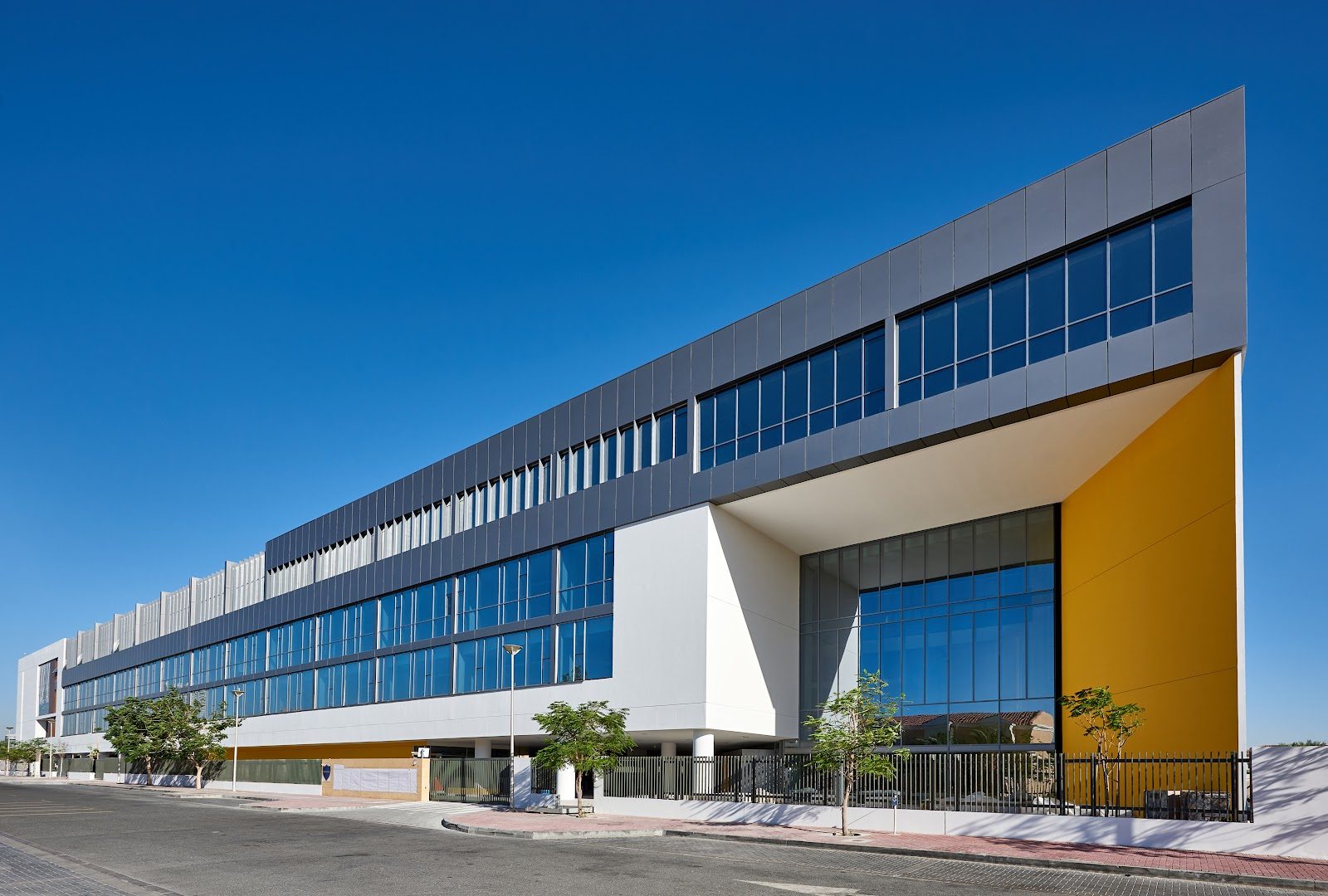
Arcadia British School
Dubai · United Arab Emirates
In Jumeirah Village Triangle, a slipstream primary-to-secondary model pairs LAMDA distinctions with Duke of Edinburgh expeditions.
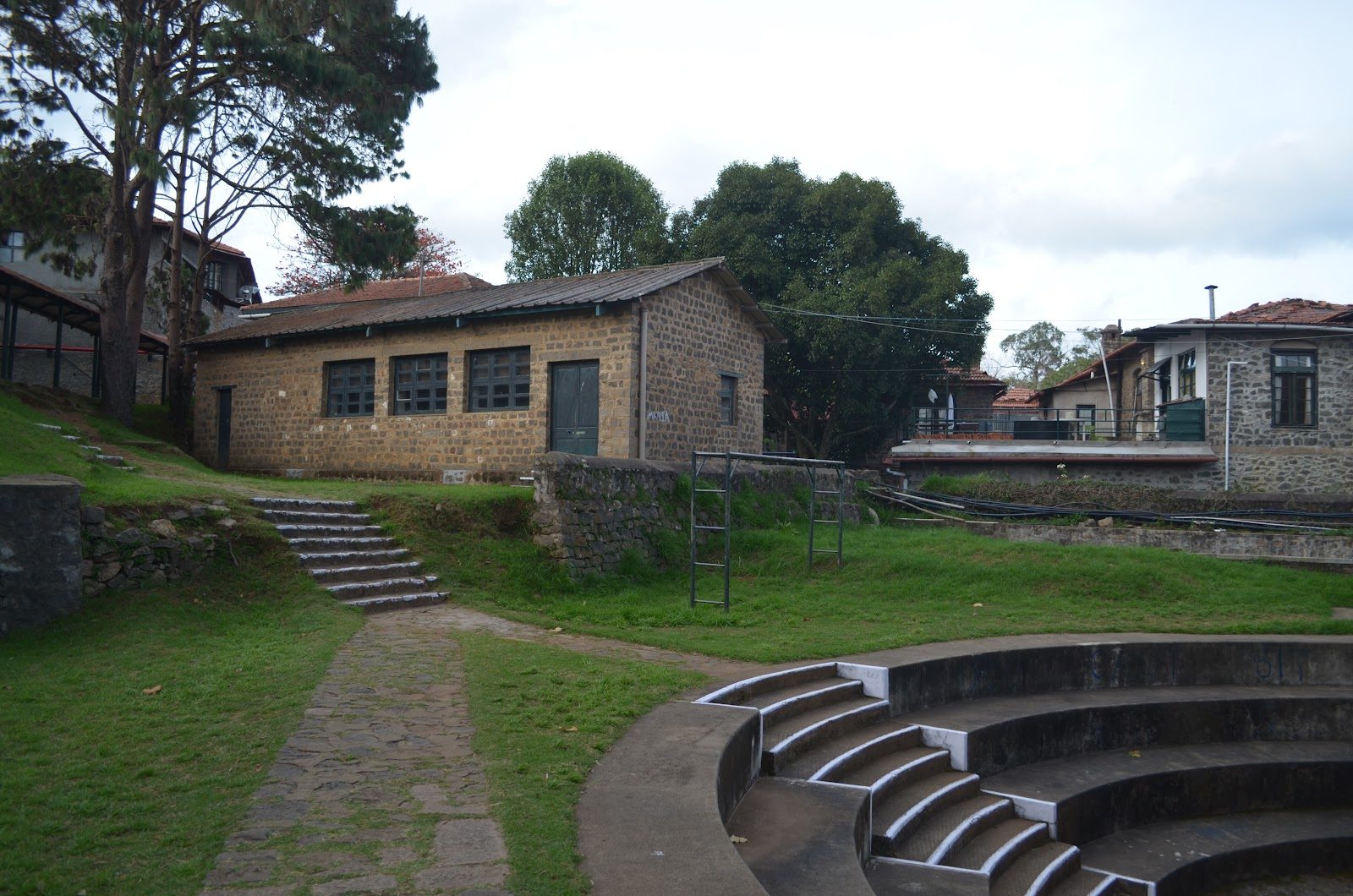
Kodaikanal International School
Kodaikanal · India
Founded in 1901 at 6,998 feet in the Palani Hills, it became India's first IB school and runs its own 135-acre wilderness campus for outdoor learning.
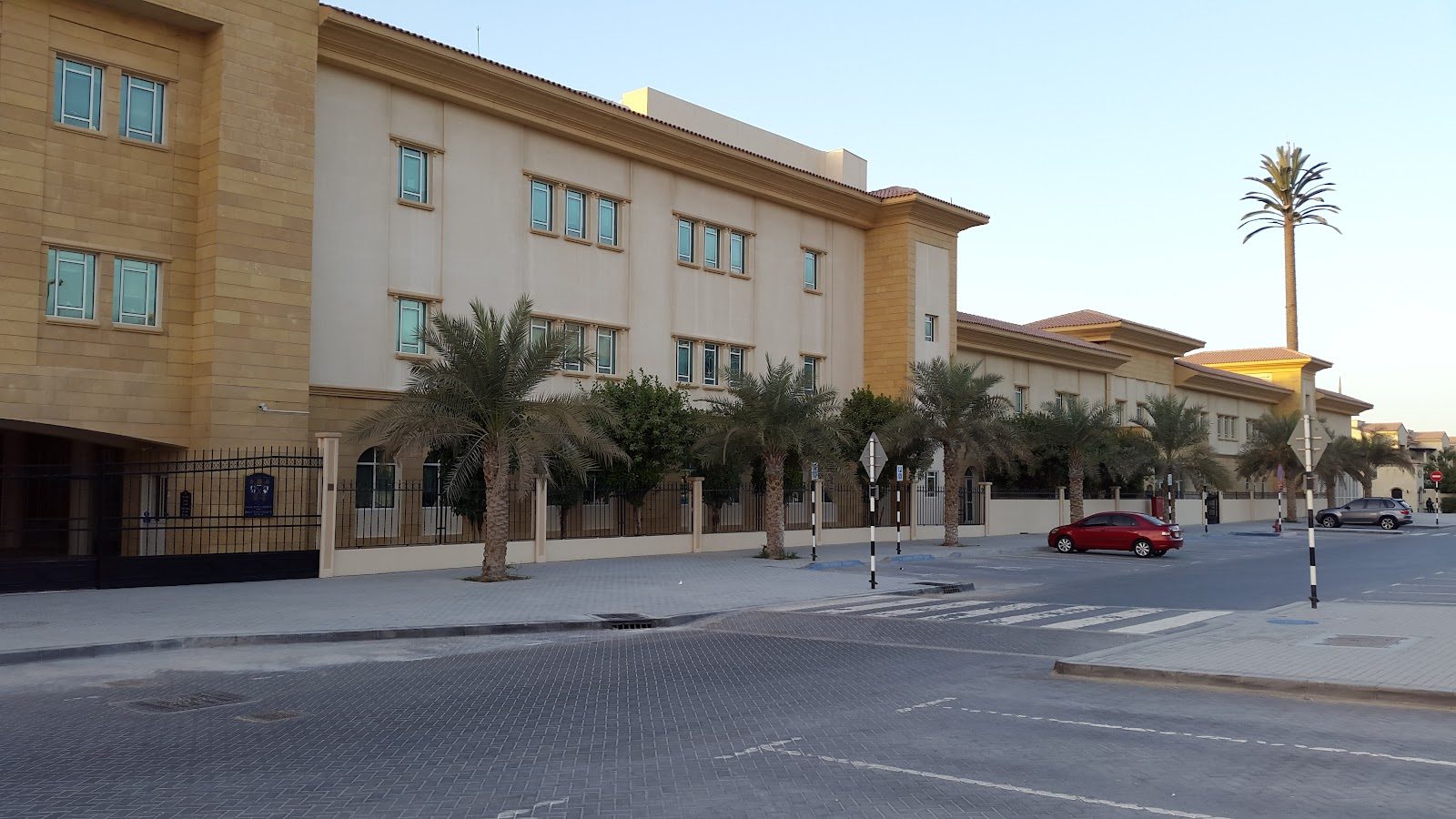
Brighton College Abu Dhabi
Abu Dhabi · United Arab Emirates
Opened as Brighton College's first campus outside Britain, now pioneering a University of Buckingham PGCE in Arabic teaching.
Same country and curriculum — closest matches within ±10 points either way