
Atlántico
Colegio Alemán de Barranquilla
low confidence· 4/6 cats · 1.4 avg sourcesOn Colombia's Caribbean coast, a century-old German school pairs Abitur rigor with the IB diploma in three languages.
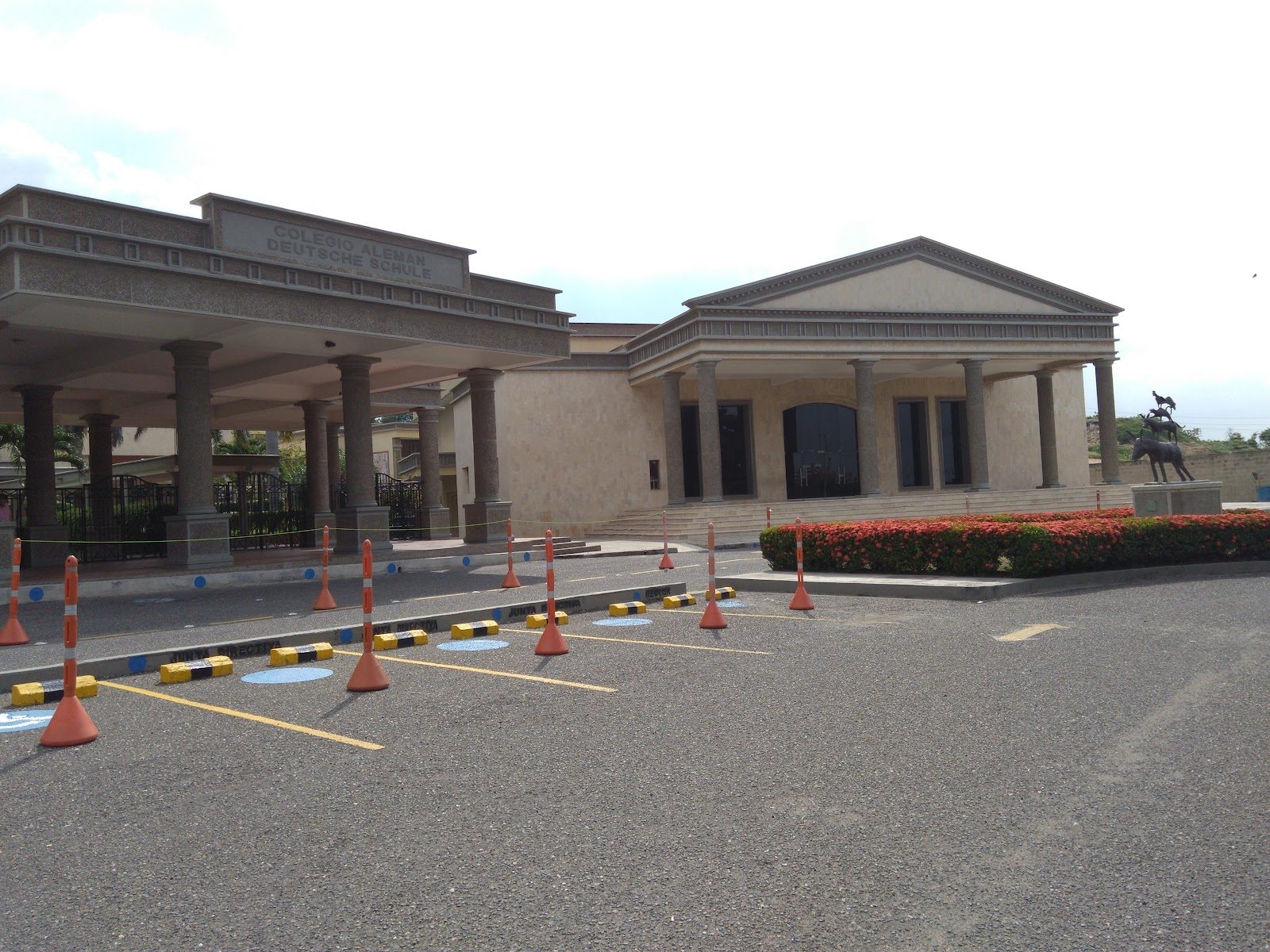
Photo © The Doneca via Google Maps
Type
Day
Ages
3–18
Curriculum
German Abitur · IB
Qualifications
IB Diploma
Ratio
—
The Verdict
Editor's commitment
Right for
Families wanting a day school in Barranquilla with German Abitur and IB, taught across German, Spanish and English from age 3–18.
Wrong for
Parents after boarding, a religious ethos, or a single-system education; this is non-religious, day-only, and runs Abitur plus IB.
Watch out for
Founded in 1912 and accredited as an Excellent German School Abroad and IB World School, it carries serious academic expectations and a German institutional stamp.
Ranking breakdown
Colegio Alemán de Barranquilla · #1222 of 1591
Composite score 57.5. 8 weighted criteria.
By criterion
Academic Outcomes
Weight 20%
#1192
of 1529 scored
University Placement
Weight 16%
#1201
of 1529 scored
Prestige & Heritage
Weight 12%
#1219
of 1571 scored
Alumni Network
Weight 12%
#835
of 1530 scored
Facilities
Weight 12%
#1228
of 1533 scored
Transparency & Communications
Weight 8%
#1197
of 1532 scored
Peer & Industry Review
Weight 10%
#1108
of 1548 scored
Admissions Selectivity & Demand
Weight 8%
#991
of 1529 scored
Peer & Industry Review
How Colegio Alemán de Barranquilla is regarded in the sector
64
Respected · medium confidence
I could not identify at least two independent, third-party sources (specialist education press, Tatler/Good Schools Guide-type guides, inspectorate reports, or alumni-network coverage) discussing Colegio Alemán de Barranquilla's reputation. Available information is largely limited to the school's own communications or general German-school-abroad directories without substantive independent commentary.
Editors' overview
Colegio Alemán de Barranquilla occupies a narrow and valuable niche in northern Colombia: a 1912 German school with both the German Abitur and the IB Diploma, taught across German, Spanish and English. That combination gives it more substance than the standard “international” label. It is the oldest German school in Colombia, officially sponsored by the Federal Republic of Germany, and holds the status of Excellent German School Abroad. For families on the Caribbean coast, that matters. This is not a light-touch bilingual school with imported branding; it is a long-established institution with a clear academic identity, serious intellectual ballast and a direct route into German-speaking higher education as well as the wider international university market.
What sets it apart is the way its offer stacks credentials rather than trading on ambience. The school starts at age 3 and runs through to 18, with a structure that supports long-term language acquisition rather than late cosmetic fluency. Add the IB Diploma and the proposition sharpens: students can develop within a German academic tradition while keeping a globally legible leaving qualification. The exchange programme in Germany, running for 3–6 months, adds practical depth to the language promise. Parents should still ask hard questions about outcomes. The school does not publish aggregate IB or Abitur results in the public domain, and any school charging premium fees for a dual-pathway model needs scrutiny on destination data, language proficiency by phase, and how many pupils pursue each route. Even so, the core proposition remains unusually weighty, hard to replicate and academically credible.
This school belongs on a shortlist for families who want more than English-medium convenience. It suits disciplined, language-minded students who can handle academic structure and who gain energy from operating across three languages. It also fits internationally mobile families, Colombian families with strong ties to Germany, and parents who want European academic culture without leaving Barranquilla. It is less suited to children who need a loose, highly progressive environment or who resist formal expectations. The attraction here is not softness; it is cultural depth, long-range academic utility and a rare three-language education with real institutional history behind it.
Academic Performance
Public exam transparency is the weak point. The school offers two demanding leaving routes, yet it does not publish aggregate IB scores, Abitur averages, pass rates, subject breakdowns or university destination data in the public domain. That absence matters because parents cannot benchmark performance against Colombia’s stronger international schools, the German schools network, or other IB providers on the Caribbean coast. A school with this academic architecture invites hard-nosed scrutiny. Without headline results, the case rests on institutional seriousness, external sponsorship and the internal logic of a dual-track model, not on disclosed outcomes. That is a material gap in accountability.
There are, still, a few solid indicators. The school’s status within the German overseas system carries weight; that framework does not reward academic complacency. The exchange option in Germany, running for 3–6 months, also points to a programme built for real linguistic and academic continuity rather than decorative internationalism. Relative to peers, Colegio Alemán de Barranquilla sits in a rare niche: more academically exacting than many local bilingual schools, and more structurally European than the standard IB-only offer. Whether that translates into top-tier exam results remains unproven in public. Parents should ask for recent IB point distributions, Abitur outcomes over multiple cohorts, the share of pupils taking each pathway, and destination lists. Until then, its academic reputation is credible but opaque.
Facilities
Facilities are the least documented part of this school’s public profile, and that matters. We have not seen a published campus masterplan, specialist-facility inventory, theatre specification, sports complex breakdown or lab list. For parents comparing premium schools, that is a clear information deficit. What the school does disclose points less to spectacle than to function: provision from the early years through senior school, plus a structured exchange link with Germany lasting 3–6 months and summer camps geared to language immersion. That puts the emphasis on facilities that support continuity — classrooms, language learning spaces, age-appropriate early years provision and the organisational capacity to run overseas mobility — rather than on showpiece architecture.
Against peer schools, that places Colegio Alemán de Barranquilla in a narrower band. Families choosing between top private schools on the coast will find rivals that market pools, theatres, maker spaces and tournament-grade sports infrastructure with far more precision. This school does not. The trade-off is familiar: less public emphasis on campus glamour, more on an academically purposeful environment tied to its German system roots. If your benchmark is a resort-style campus, the school gives you little to work with. If your benchmark is whether the physical plant supports a serious, language-driven education, the answer is stronger — but the school still needs to publish far more detail.
Against peer schools, that places Colegio Alemán de Barranquilla in a narrower band
Prestige
Prestige here rests on institutional lineage and external anchoring, not on glossy branding. This is the oldest German school in the country, with official sponsorship from Germany and entry into a small, serious category of overseas German schools. That carries status with families who value European academic culture, and it carries practical weight with universities and employers who recognise structured schooling over vague “international” claims. On Colombia’s Caribbean coast, the school also occupies a narrow market position: one of only 2 schools in the region offering the IB Diploma. That makes it distinctive, hard to substitute and more consequential than the average bilingual private school.
The limit to its prestige is disclosure. Elite schools strengthen their standing by publishing outcomes, destinations and evidence of academic lift across cohorts. This school does not do that in public. So the prestige is real, but it is institutional rather than performance-proven. In plain terms: the badge is strong; the published scorecard is weak. Families with German ties, or those targeting Europe, will read the school as serious, high-status and culturally weighty. Families who define prestige by headline university placements or public exam tables will find the picture less satisfying. The school’s exchange offer of 3–6 months in Germany adds genuine cachet, because it points to lived integration with the German system rather than a nominal association.
What makes Colegio Alemán de Barranquilla unusual is not any single feature but the way its parts lock together
Communications
Parent communication is competent but thinly evidenced in public. The school’s public-facing profile gives parents the core institutional facts, the age range it serves and a clear enough outline of distinctive opportunities such as the 3–6 month exchange in Germany and summer camps for language immersion. That indicates a school that communicates its strategic selling points without confusion. What is missing is the next layer: we have not seen a published calendar rhythm, sample parent updates, leadership letters, policy library, complaints pathway, or the kind of routine academic reporting detail that lets families judge responsiveness rather than simply presentation. For a school with a serious academic model and a high-trust proposition, that gap matters.
The likely day-to-day picture is structured rather than warm. Schools built on German system habits tend to value order, timeliness and formal process, and this one gives every sign of that disciplined institutional culture. That can work well for parents who want clear expectations and low drama. It works less well if you want high-visibility transparency or abundant public disclosure. In effect, communication here looks strongest when conveying identity, academic direction and flagship programmes; it looks weaker on proof of outcomes and operational openness. Parents considering entry should press for concrete examples: reporting schedules, parent portal use, response times, who handles pastoral concerns, and how the school communicates when a child is struggling. Until that is clear, communications rate as *serviceable, orderly, and under-disclosed*.
Uniqueness
What makes Colegio Alemán de Barranquilla unusual is not any single feature but the way its parts lock together. On Colombia’s Caribbean coast, very few schools combine a German school identity, official German state sponsorship and the IB Diploma under one roof; fewer still do it with the depth of a school that has been doing this work for generations. That gives students access to more than an “international” label. They move inside a genuinely cross-border academic culture with standards set beyond the local market, and with a school model that treats language, discipline and intellectual structure as core business rather than decoration. The exchange option in Germany, lasting 3–6 months, reinforces that point. This is not a token overseas trip. It gives students a lived connection to the system the school belongs to.
For students, that uniqueness brings two concrete advantages. First, it builds serious linguistic stamina: not the shallow bilingualism many schools sell, but the habit of studying, writing and thinking across more than one academic tradition. Second, it widens strategic options at school-leaving stage. A child here can keep one foot in the German-speaking world and another in the wider international university market without switching institutions midstream. That matters for families with European ties, mobile careers or ambitions that extend beyond Colombia. The trade-off is clear: this model suits pupils who can handle high structure, cultural complexity and sustained academic demand. It does not cater to children who want an easy ride.
Even so, the core proposition remains unusually weighty, hard to replicate and academically credible
Student Profile
The best fit is a student who thrives on structure, takes language learning seriously and does not need constant hand-holding. This school suits children who can cope with formal expectations from an early stage and who gain confidence from clear rules, academic routine and a culture with strong institutional habits. It will work well for families with German ties, bicultural households, and internationally minded Colombian families who want more than English-medium convenience. The exchange route to Germany, lasting 3–6 months, adds another filter: pupils who fit here need enough independence and adaptability to step into a different setting without drama. This is a school for the disciplined, the linguistically ambitious and the internationally durable.
It is a weaker fit for children who need a highly progressive classroom, loose adult boundaries or heavy pastoral cushioning. The public profile does not point to a soft, therapeutic environment; it points to a demanding, tradition-shaped school where students are expected to meet the standard rather than negotiate it. That does not make it cold. It does make it exacting. The school starts with children from age 3, so families also need patience for a long developmental runway: the payoff comes through sustained commitment, not quick wins. Students who resist formal study habits or recoil from academic pressure will struggle. Students who enjoy operating across cultures and can handle a serious workload will fit.
Whether that translates into top-tier exam results remains unproven in public
Co-curricular strengths
Arts & sport, on a separate axis
Overall 8.5/10
Scored 0-10 from the school's own published evidence. This axis is editorial-only — it does not feed the main WTS ranking.
Sports
8/10
Drama
8/10
Dance
8.5/10
Music
9/10
Visual Arts
9/10
Editor first-pass · editor-reviewable · 7/30/2026
Strengths
- +Recognised member of the German Auslandsschulen network, giving access to the German Sprachdiplom (DSD) and Abitur pathways alongside the IB Diploma.
- +Bilingual German-Spanish instruction from early grades, a genuine advantage for expat families anticipating relocation to Germany or German-speaking Europe.
- +Long-established presence in Barranquilla's German community, giving it institutional continuity and ties to Colombian-German cultural and business networks.
- +Offers two distinct exit qualifications (Abitur and IB), broadening university options in Germany, Colombia and internationally.
- +Day-school format keeps students embedded in family and local community life rather than requiring boarding.
Considerations
- −Barranquilla's expat and international-school market is small, so the school's global brand recognition outside Colombia and Germany is limited.
- −Running both Abitur and IB tracks in parallel likely means smaller cohort sizes per stream compared with single-curriculum schools.
- −German-language instruction from an early age can be demanding for families with no prior German exposure, requiring a real commitment to language catch-up.
- −Editorial rank (1204) indicates it sits well outside the globally best-documented or highest-profile international schools, so independent performance data is scarce.
Availability
Primary entry gate & tests
Academic Record
Gallery
Photo © The Doneca via Google Maps
Photo © Colegio Alemán Barranquilla via Google Maps
Photo © Arte a la escuela via Google Maps
Photo © Arte a la escuela via Google Maps
Photo © Juan Pablo VallSerra via Google Maps
Parent reviews
Have you sent your child here?
Voice reviews carry the strongest trust badge — we transcribe them for you to tidy up before they go live. Prefer to type? A written review is fine too.
Add your voice
In 60 seconds, tell other parents: what's the best thing about Colegio Alemán de Barranquilla, and what surprised you when your child joined?
We ask for a Google sign-in so every review has a real face behind it — no anonymous drive-by attacks on schools, and no faked positive reviews. Your email is never shown publicly.
Send this profile to a friend
International parents rely on word-of-mouth. Share this review with someone weighing the same decision.
Schools with places
Similar schools to Colegio Alemán de Barranquilla with places available now.
Availability first, then country, area, curriculum, price, co-curricular
Consider also
Also worth looking at alongside Colegio Alemán de Barranquilla.
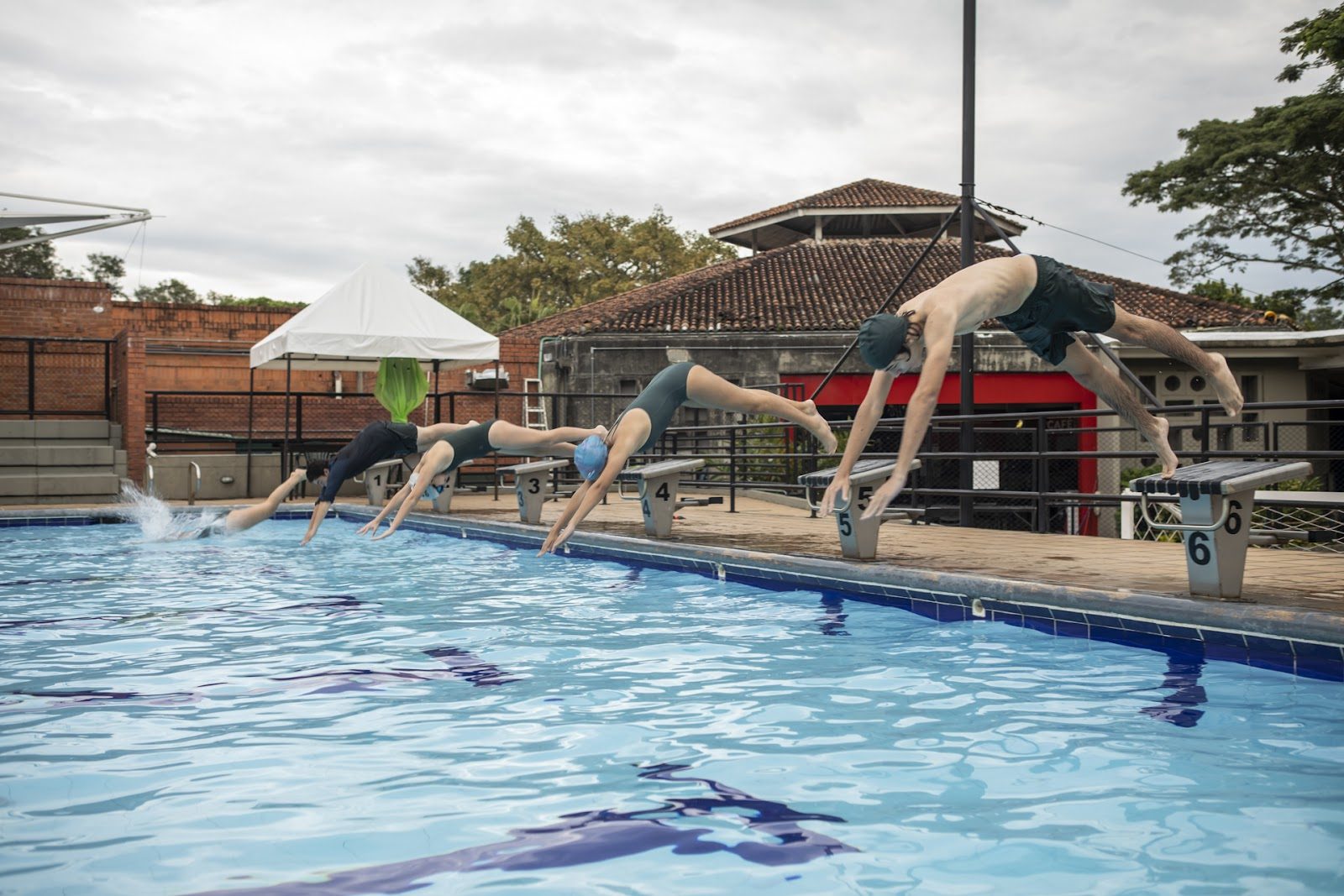
Colegio Colombo Británico Cali
Cali · Colombia
Founded in 1956 on English pedagogy, Cali's only CIS-accredited school runs the full IB continuum with a Round Square ethos of service and exchange.
Daystar Academy
Beijing · China
A Chaoyang campus where bilingual immersion tilts from mostly Mandarin to mostly English by senior year, anchored by China's first K-12 social innovation curriculum.
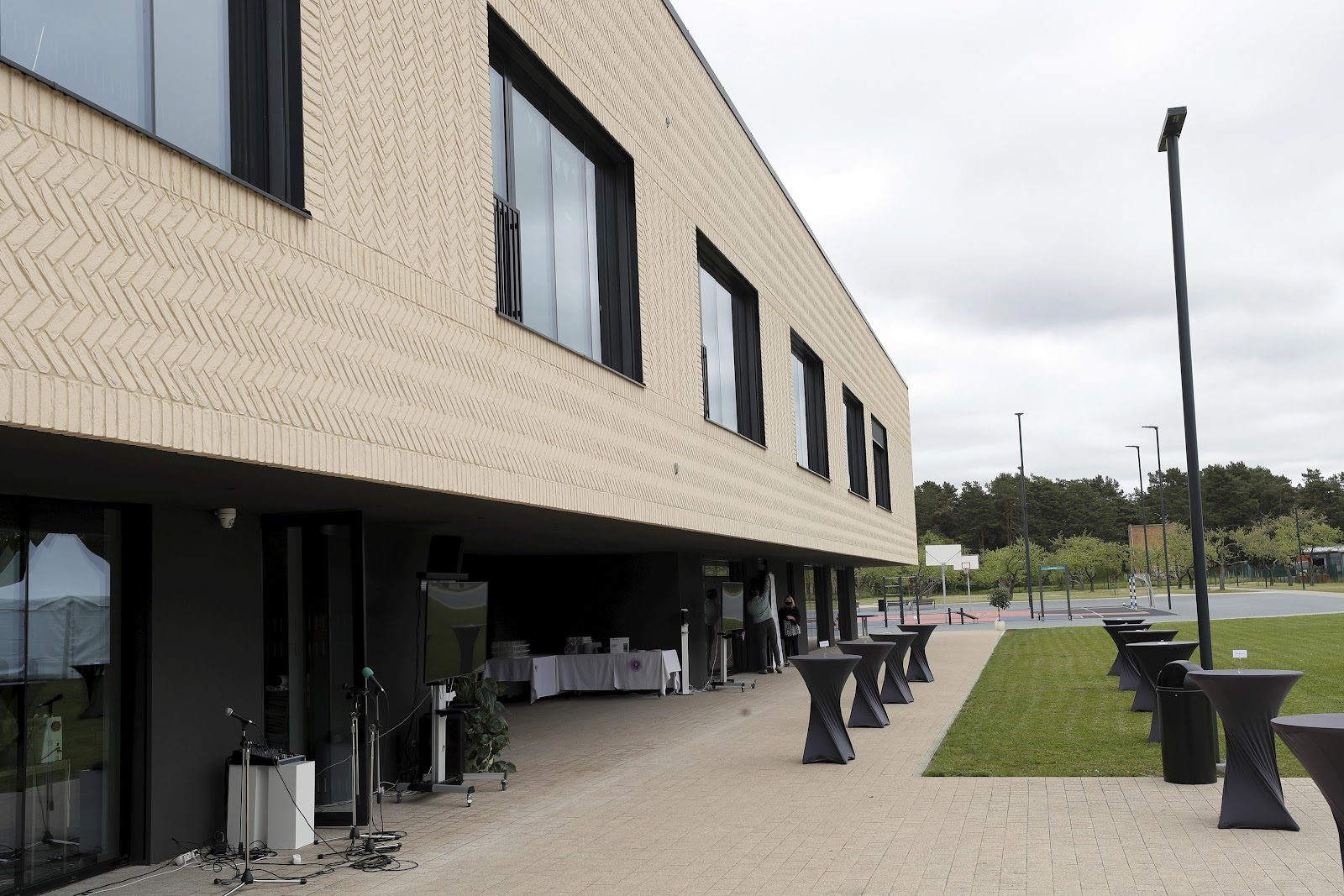
International School of Latvia
Riga · Latvia
Set among green fields between Riga and Jurmala, this IB-American day school pairs a college-prep track with Baltic calm.
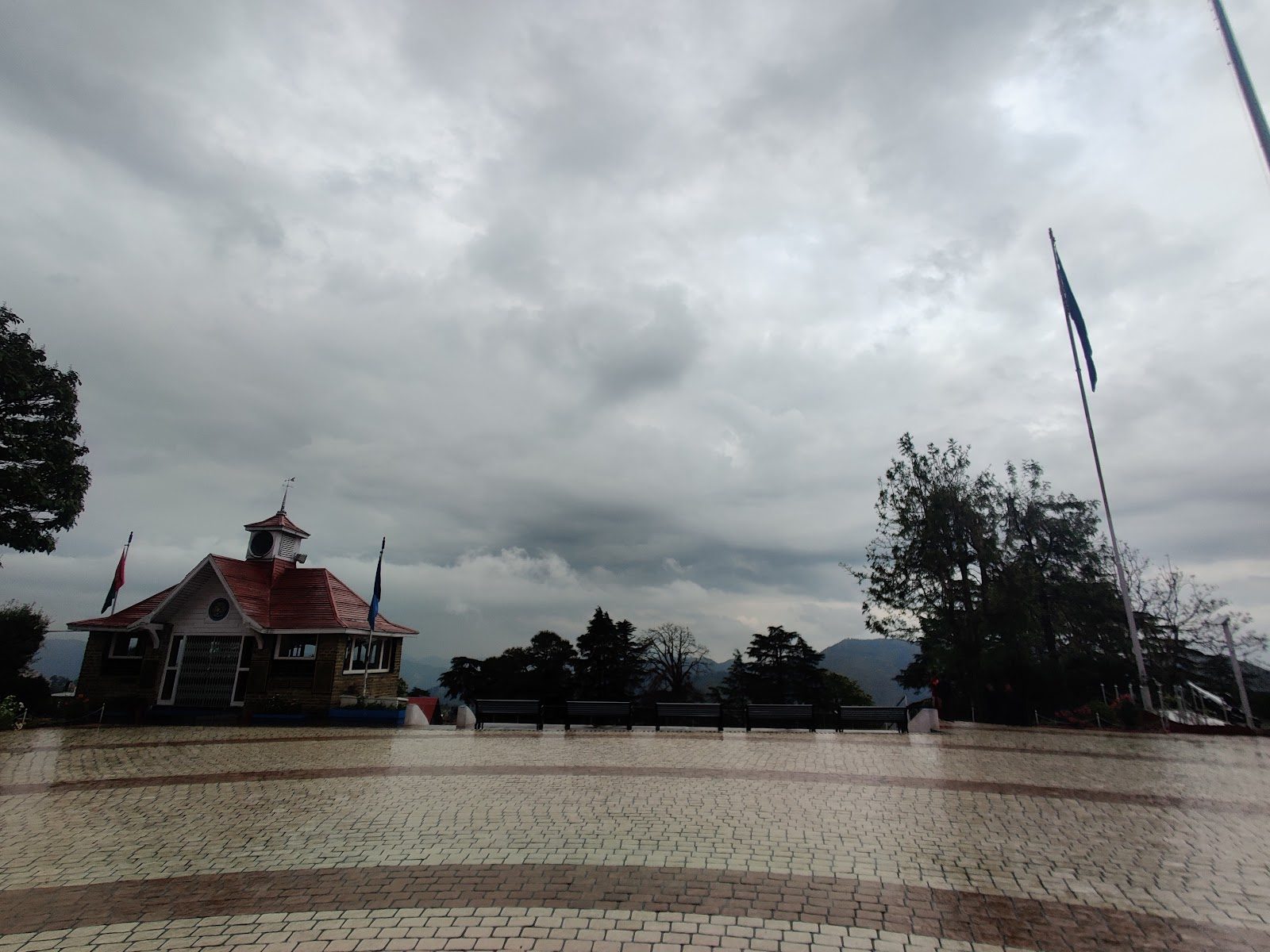
Bishop Cotton School
Shimla · India
Perched on a Himalayan ridge since 1859, this all-boys campus pioneered India's first house system of schooling.
Same country and curriculum — closest matches within ±10 points either way