
Dubai
GEMS Royal Dubai School
low confidence· 4/6 cats · 0 avg sourcesA Very Good-rated British day school in Mirdif, educating pupils from Early Years through an expanding Secondary phase.
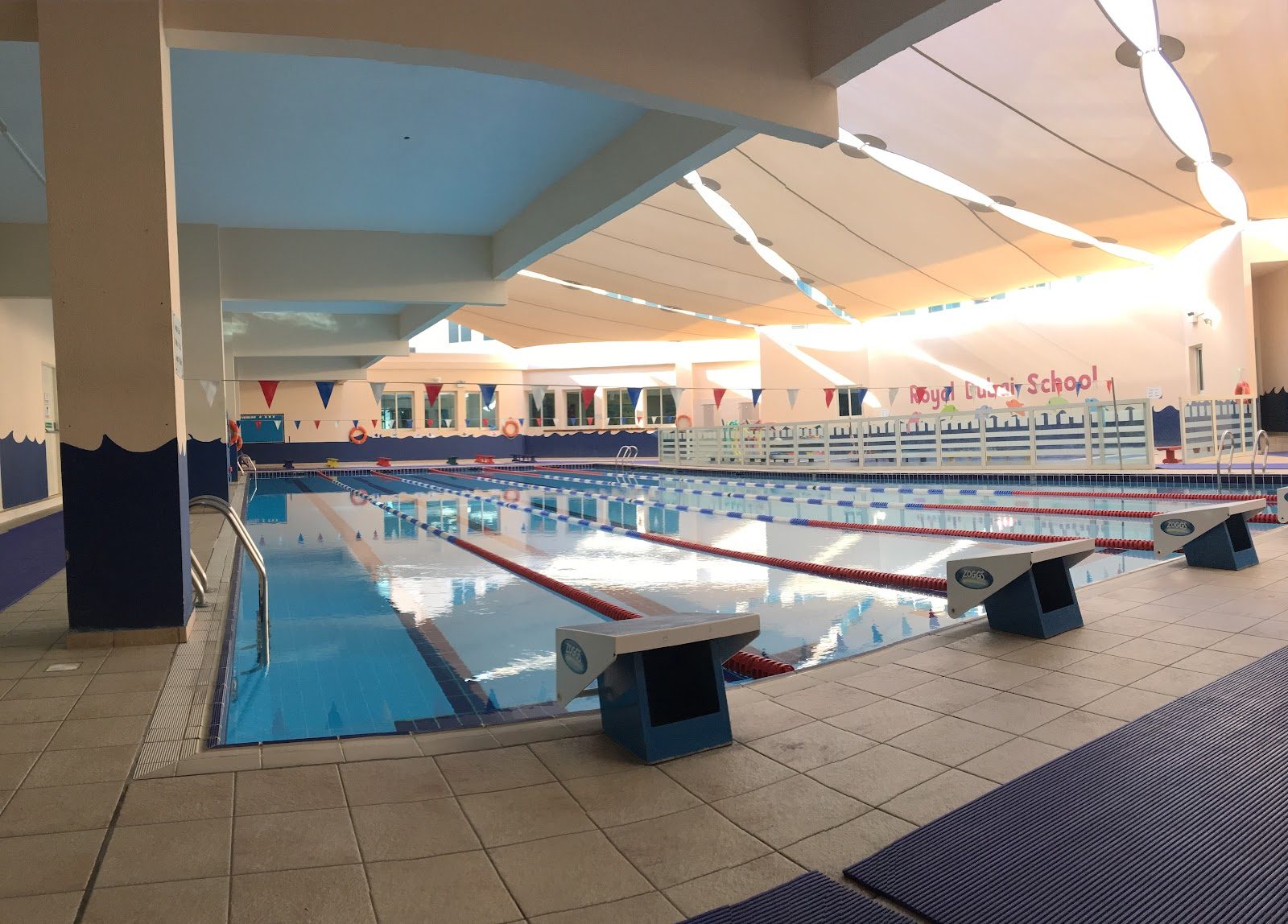
Photo © I Love Numbers via Google Maps
Type
Day
Ages
3–11
Curriculum
British
Ratio
—
The Verdict
Editor's commitment
Right for
Families wanting a KHDA Very Good British day school in Mirdif, with English teaching and BSO accreditation from age 3 to 11.
Wrong for
Anyone needing a finished through-school: despite the secondary talk, the verified age range stops at 11 and there is no boarding.
Watch out for
The average annual fee is AED 49,440 for a school founded in 2005; that buys a solid GEMS primary, not elite-market scarcity.
Ranking breakdown
GEMS Royal Dubai School · #834 of 1591
Composite score 64.7. 8 weighted criteria.
By criterion
Academic Outcomes
Weight 20%
#668
of 1529 scored
University Placement
Weight 16%
#736
of 1529 scored
Prestige & Heritage
Weight 12%
#1115
of 1571 scored
Alumni Network
Weight 12%
#900
of 1530 scored
Facilities
Weight 12%
#279
of 1533 scored
Transparency & Communications
Weight 8%
#436
of 1532 scored
Peer & Industry Review
Weight 10%
#1108
of 1548 scored
Admissions Selectivity & Demand
Weight 8%
#1394
of 1529 scored
Peer & Industry Review
How GEMS Royal Dubai School is regarded in the sector
68
Respected · high confidence
GEMS Royal Dubai School has built a solid reputation as a benchmark British-curriculum primary in the Mirdif area, with SchoolsCompared's verdict calling it "the benchmark for British preparatory education in Dubai" and rating it Highly Recommended. WhichSchoolAdvisor's review confirms a KHDA rating of Very Good alongside an Outstanding verdict from British Schools Overseas, and notes a deliberate refresh of the teaching staff following the 2023 inspection, with a high proportion now drawn from Outstanding-rated schools. Its expansion into secondary provision from 2026, and a new EYFS nursery, signal ambitions to broaden its footprint beyond a well-regarded primary reputation. Peer chatter remains firmly regional rather than pan-Emirates top-tier, with SchoolsCompared flagging reduced SEN places as a caveat worth noting for prospective families.
Editors' overview
GEMS Royal Dubai School sits in a crowded Dubai market with two clear advantages: regulatory solidity and a price point below the city’s premium British heavyweights. It is a British day school in Mirdif, founded in 2005, teaching in English, with a KHDA rating of Very Good for 2023/24 and BSO accreditation. The average annual fee across the school is AED 49,440, which matters: this is not a budget school, but it is also not priced at the top end of Dubai’s British sector. For parents who want a recognised operator, GEMS brings scale and infrastructure; the group runs more than 60 schools across the Middle East and North Africa. That does not guarantee brilliance, but it does signal institutional heft and operational experience.
What marks the school out is its place in the market rather than any grand claim to exclusivity. This is a British curriculum school for ages 3–11, which gives it a clear, focused brief: Early Years and primary, not an all-through campus trying to sell every stage at once. The result is a school that suits families who care most about strong day-to-day schooling in the junior years, with the reassurance of a well-known Dubai operator behind it. The Mirdif location will also matter to parents who want to avoid the long-haul commute that defines too much of school life in the city. In practical terms, this is a sensible middle-ground choice for families who want a credible British education, a recognised KHDA judgement and fees that stay short of the city’s price-inflated elite.
The children who fit best here are those who will benefit from a structured English-medium British curriculum in a day-school setting, without the social theatre and fee burden that attach to Dubai’s most expensive names. It will appeal to parents who value consistency, oversight and the familiarity of a large school group, and less to those chasing a tiny boutique school or a school built around sixth-form outcomes, because this school covers primary years only. Put plainly, GEMS Royal Dubai School belongs on a shortlist for families seeking a dependable, regulator-validated British primary school in Mirdif at an average annual cost of AED 49,440, with the backing of one of the region’s largest operators.
Academic Performance
Academic performance is the point where the picture turns opaque. This school serves primary-age pupils, so there are no GCSE, IGCSE, A level or IB results to interrogate. That removes the standard comparison tools parents use in Dubai’s British sector: no public exam pass rates, no subject-grade distribution, no university destinations, and no sixth-form value-add data. In that sense, the school sits outside the city’s results-driven pecking order. Families comparing it with all-through or senior British schools need to recognise that they are not buying a track record to 16 or 18; they are buying the quality of early schooling and the strength of transition into the next stage.
Relative to peers, that places GEMS Royal Dubai School in a different category, not a stronger or weaker one on published exam data. The meaningful external benchmark here is regulatory scrutiny rather than examination outcomes, and the school benefits from a solid inspection judgement. That matters, but it does not replace hard attainment data. Parents who want a forensic view of academic outcomes need to ask sharper questions: how pupils perform in internal assessments, how reading and maths progress is tracked, how many secure places at selective secondary schools, and where leavers go next. Until the school publishes that kind of evidence, its academic story remains credible but unproven in the terms most performance-conscious parents use.
Facilities
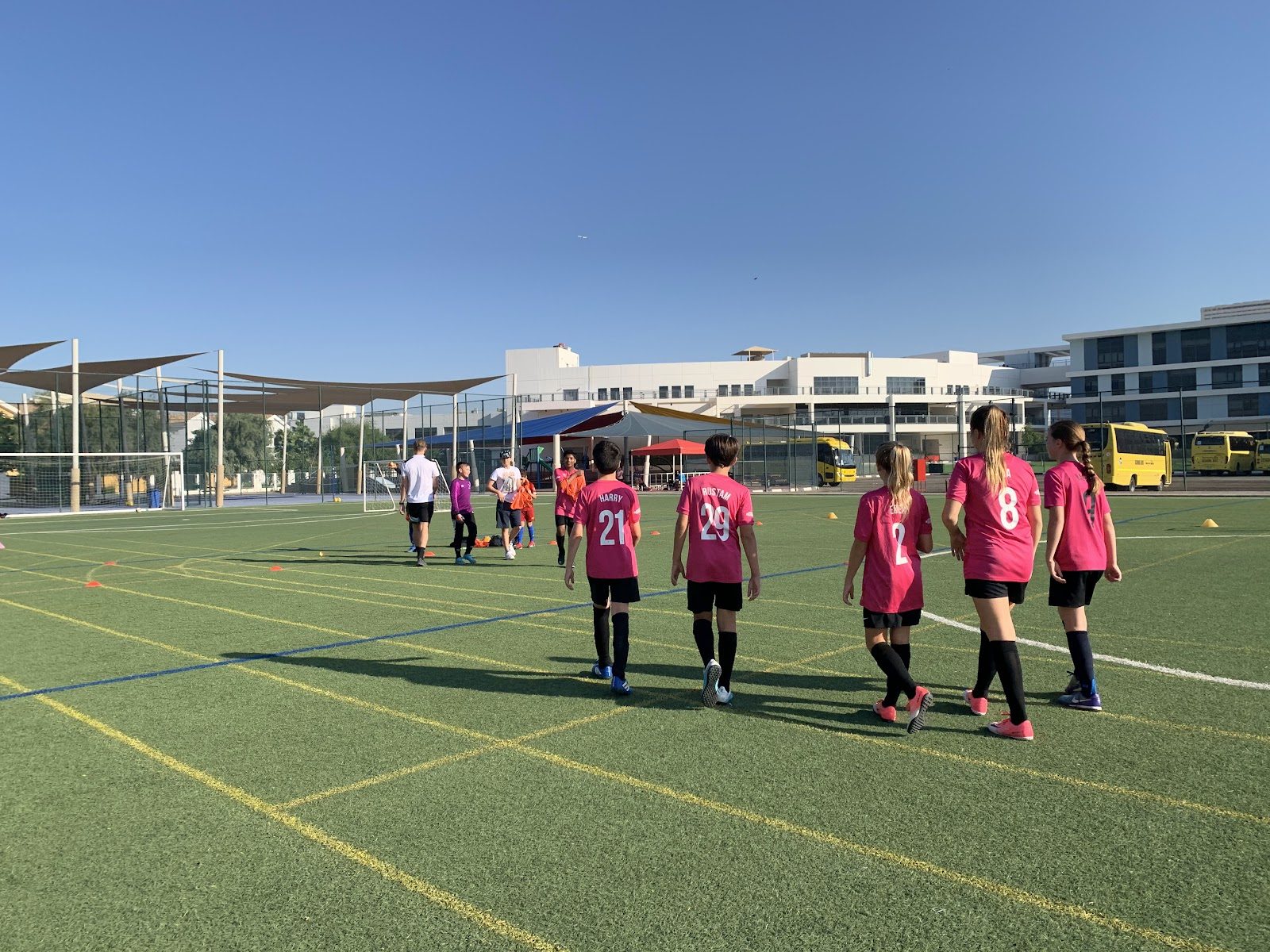
Facilities are not the school’s selling point in the way they are at Dubai’s flagship premium campuses. There is no published case for architectural grandeur, specialist senior-school infrastructure or the kind of arms-race campus that dominates the city’s top fee bracket. That matters less than parents think for a primary-only school. What counts at this stage is whether children have access to safe, usable teaching spaces, outdoor play, sport and the rooms needed for art, music and day-to-day enrichment. On that front, the school benefits from belonging to a large operator with established expectations around campus provision and upkeep. Parents should still ask for a plain tour of classrooms, libraries, shaded play areas, indoor sports provision and drop-off arrangements, because those details decide whether a campus feels well-run or merely serviceable.
Against peers, this places GEMS Royal Dubai School in the competent middle rather than the showpiece tier. Many primary-focused British schools in its price band offer solid core provision without the theatres, elite sports complexes or sixth-form laboratories used to justify higher fees elsewhere. That is not a weakness; it is a market position. Families choosing this school are buying practical facilities for younger children, not a destination campus built to impress teenagers. If the grounds are orderly, the classrooms purposeful and the play spaces well managed, that is the right benchmark for this kind of school. For parents chasing spectacle, there are pricier options. For parents who want function over display, this level of provision fits the brief.
Relative to peers, that places GEMS Royal Dubai School in a different category, not a stronger or weaker one on published exam data
Prestige
Prestige here sits in the solid middle of Dubai’s private-school hierarchy. The school benefits from the GEMS name, and that matters: this is an operator with more than 60 schools across the region, backed by long experience in running large education businesses. For many parents, that brings a degree of confidence in systems, staffing pipelines and operational competence. But group scale is not the same thing as elite status. GEMS Royal Dubai School does not trade on the old-brand cachet, selective scarcity or headline-grabbing senior outcomes that drive top-tier prestige in this market. Its regulatory standing helps, and the fee level keeps it out of the bargain bracket, but neither fact turns it into a status trophy.
Why rate it this way? Because its appeal rests on dependability, not exclusivity. The school’s reputation is grounded in being a credible, established choice for families who want a well-known operator and a respectable inspection record, without paying for the social signalling attached to Dubai’s grander names. In prestige terms, that puts it above unknown mid-market schools with thin oversight and weak brand recognition, but below the city’s upper-echelon British names that command attention through selectivity, legacy and sixth-form results. Put plainly, a GEMS Royal Dubai School education carries reassuring brand weight and respectable standing, not rarefied prestige.
Against peers, this places GEMS Royal Dubai School in the competent middle rather than the showpiece tier
Communications
Parent communication rests on two strengths: the systems of a large operator and the simplicity of a school built around younger children. That combination tends to produce clearer day-to-day messaging than at sprawling all-through campuses, because the school is dealing with one age band, one set of routines and a narrower range of parent concerns. The public picture is still thin where it matters most. There is no published depth on academic outcomes, transition destinations or longitudinal pupil performance, so families get the operational reassurance of an established group without the hard-edged transparency that serious data-minded parents want. In practice, that points to communication that is probably serviceable on logistics, events and pastoral matters, but weaker on evidence.
Effectiveness, then, depends on what a parent needs. For everyday school life, this school has the ingredients for orderly, functional communication: standardised processes, recognisable group expectations and less institutional clutter than a senior school. For strategic questions about progress and future pathways, the picture is less satisfying. A strong communications culture does not just notify parents; it explains pupil progress plainly, shows how attainment is tracked and gives a clean account of where children move on next. We have not seen that level of disclosure here. Parents considering this school should test communication directly: ask how quickly staff reply, how concerns are escalated, how progress data is shared, and how transition guidance is handled before the final primary years.
Uniqueness
What makes this school distinctive is not rarity or glamour, but focus. In a Dubai market crowded with all-through campuses selling a cradle-to-university narrative, this school concentrates on the junior years and benefits from the machinery of a group that runs more than 60 schools across the region. That combination matters. Children get a setting built around younger pupils rather than one where primary life sits in the shadow of examination classes, while parents get the institutional discipline, staffing depth and operational systems of a major operator. For families, that brings a form of reassurance that smaller independents cannot always match: established processes, recognisable expectations and less dependence on one charismatic head or one cohort’s momentum.
That focus also shapes the pupil experience. A primary-only environment keeps the culture age-appropriate, with leadership attention directed at early learning, routines, literacy, numeracy and pastoral order rather than sixth-form branding exercises. In practical terms, children spend their days in a school designed around their stage of development, not as the junior annex of a senior enterprise. The result is less social theatre, fewer distortions caused by public-exam marketing, and a cleaner concentration on what primary education should do well: build confidence, habits, fluency and readiness for the next move. That is this school’s quiet advantage. It does not offer scarcity or cachet; it offers a structured, well-supported primary experience inside a large and proven system.
Put plainly, a GEMS Royal Dubai School education carries reassuring brand weight and respectable standing, not rarefied prestige
Student Profile
The best fit here is a family that wants a settled, orderly primary experience without the status anxieties that distort parts of Dubai’s private-school market. This suits children who thrive with routine, close adult oversight and a school day built around the needs of younger pupils rather than the demands of public-exam years. It will work well for parents who value consistency over drama: clear expectations, a recognisable school structure and the reassurance of a major operator behind daily life. At an average annual fee of AED 49,440, the intake sits in the city’s mid-market professional bracket, not the bargain end and not the ultra-wealth tier either.
The children who fit best are those who do not need a high-pressure, hyper-selective environment to do well. This is not a school for families chasing elite-brand scarcity, sixth-form prestige or a socially performative parent body. It is a better match for parents who want their child known, supported and steadily developed through the junior years, then moved on to the next stage with solid habits in place. For more ambitious families, the key test is tolerance for limited published outcome data: if you need hard evidence on attainment and secondary destinations before committing, ask difficult questions. If you want a grounded, practical school with mainstream appeal and less social theatre, the fit is stronger.
Facilities are not the school’s selling point in the way they are at Dubai’s flagship premium campuses
Co-curricular strengths
Arts & sport, on a separate axis
Overall 7.56/10
Scored 0-10 from the school's own published evidence. This axis is editorial-only — it does not feed the main WTS ranking.
Sports
8/10
Explicitly names multiple sports—Football, Swimming, Basketball, Netball and Gymnastics—showing a solid multi-activity primary sports offering.
Drama
7.5/10
Drama appears explicitly in the extracurricular list.
Dance
7/10
Dance is explicitly listed as an extracurricular.
Music
7.8/10
Choir is named in the extracurriculars, indicating a clear music activity beyond a vague arts reference, but there is no evidence of additional ensembles, specialist rooms, staff or notable performances.
Visual Arts
7.5/10
Art Club is offered, but there is no further evidence of specialist facilities, exhibitions, staff or a broader visual arts programme.
Editor first-pass · editor-reviewable · 7/27/2026
Official inspection · Dubai
KHDA report · 2023/24
Official · KHDAInspectorate
Knowledge & Human Development Authority
Dubai's mandatory education regulator; annual DSIB inspections.
Curriculum
British
Held vs previous cycle
Full report
KHDA report finderRating history
Strengths
- +English National Curriculum taught in English
- +BSO rated Outstanding in its latest inspection
- +KHDA rated Very good
- +Expanding into full secondary provision, with a secondary campus due August 2026
- +Publishes academic results and university destinations
Considerations
- −Secondary phase is still being built out rather than fully established
- −KHDA judgement is Very good, not Outstanding
- −Part of a very large chain, which some families find standardised
- −Premium fee band in a competitive Dubai market
Availability
Primary entry gate & tests
CAT4 / Assessment
Gallery
Photo © Anwar Naser via Google Maps
Photo © Paul Smith via Google Maps
Recommended reading
Independent write-ups of this school from editorial outlets we trust.
- GEMS Royal Dubai School ReviewWhichSchoolAdvisor
- GEMS Royal Dubai School – Dubai, UAE – The ReviewSchoolsCompared
Parent reviews
Have you sent your child here?
Voice reviews carry the strongest trust badge — we transcribe them for you to tidy up before they go live. Prefer to type? A written review is fine too.
Add your voice
In 60 seconds, tell other parents: what's the best thing about GEMS Royal Dubai School, and what surprised you when your child joined?
We ask for a Google sign-in so every review has a real face behind it — no anonymous drive-by attacks on schools, and no faked positive reviews. Your email is never shown publicly.
Send this profile to a friend
International parents rely on word-of-mouth. Share this review with someone weighing the same decision.
Schools with places
Similar schools to GEMS Royal Dubai School with places available now.
Raffles International School
Dubai · United Arab Emirates
- 2026-27
- PLACES OPENApps open / space-dependent
- 2027-28
- WAITPOOL2027/28 timetable TBC
South View School
Dubai · United Arab Emirates
- 2026-27
- PLACES OPENApps open / space-dependent
- 2027-28
- WAITPOOL2027/28 timetable TBC
Sunmarke School
Dubai · United Arab Emirates
- 2026-27
- PLACES OPENApps open / space-dependent
- 2027-28
- WAITPOOL2027/28 timetable TBC
GEMS FirstPoint School
Dubai · United Arab Emirates
- 2026-27
- PLACES OPENApps open / space-dependent
- 2027-28
- WAITPOOL2027/28 timetable TBC
Availability first, then country, area, curriculum, price, co-curricular
Consider also
Also worth looking at alongside GEMS Royal Dubai School.
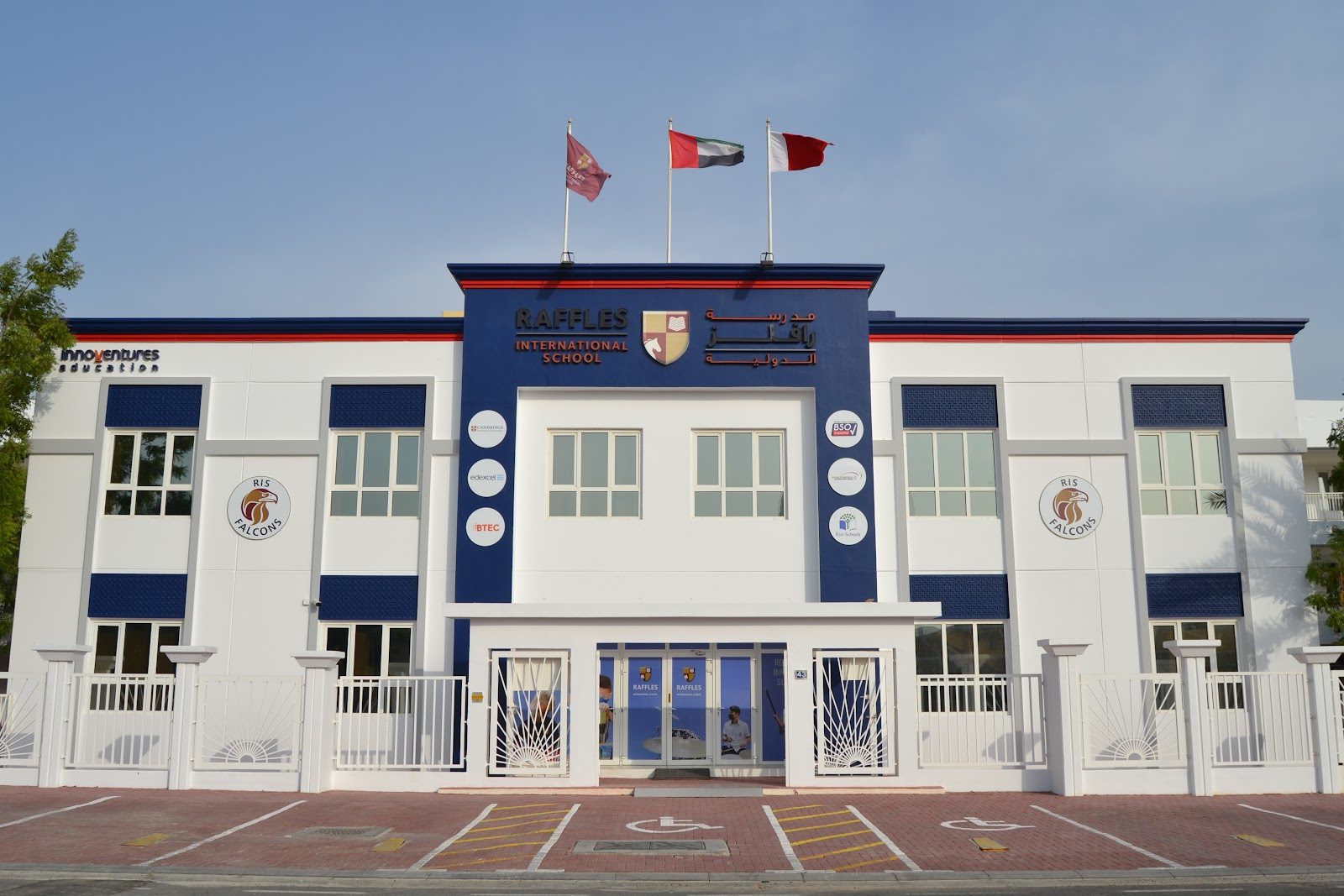
Raffles International School
Dubai · United Arab Emirates
In the shadow of the Burj Al Arab, a British day school posting four straight Very Good ratings and 100% university placement.
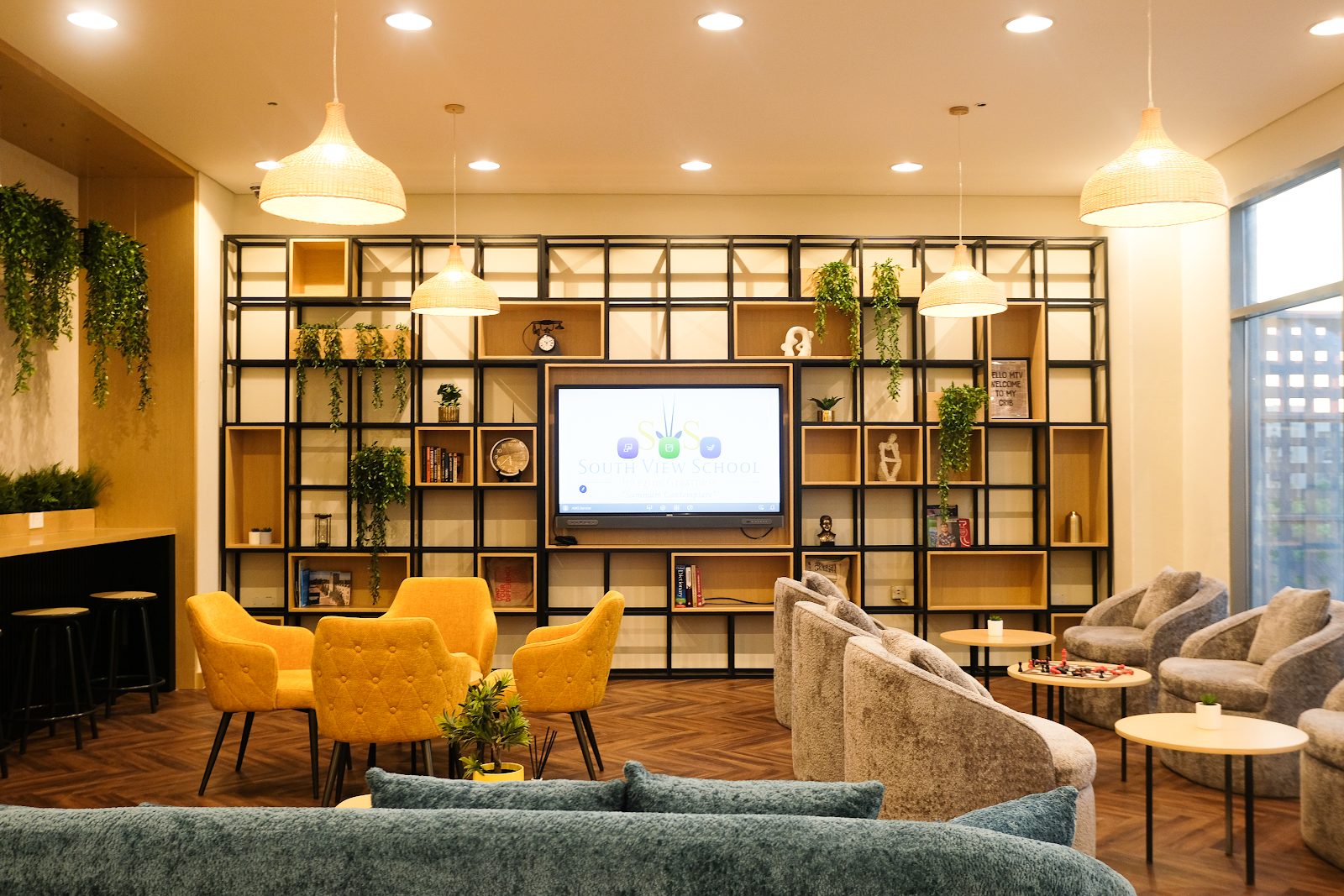
South View School
Dubai · United Arab Emirates
Tucked into Dubailand's Remraam quarter, this compact British day school pairs IGCSE rigor with a genuine BTEC vocational pathway.
Sunmarke School
Dubai · United Arab Emirates
A rare dual-track sixth form pairs A-Levels with the IB Diploma, set within a Positive Education ethos in Jumeirah Village Triangle.
GEMS FirstPoint School
Dubai · United Arab Emirates
In Dubailand, a bespoke Golf Centre of Excellence lets elite junior players train while still sitting GCSEs and A-levels
Same country and curriculum — closest matches within ±10 points either way