
Dubai
The Indian High School
low confidence· 4/6 cats · 0 avg sourcesFounded a decade before the UAE itself, this CBSE pioneer has grown into the Gulf's largest Indian-curriculum community.
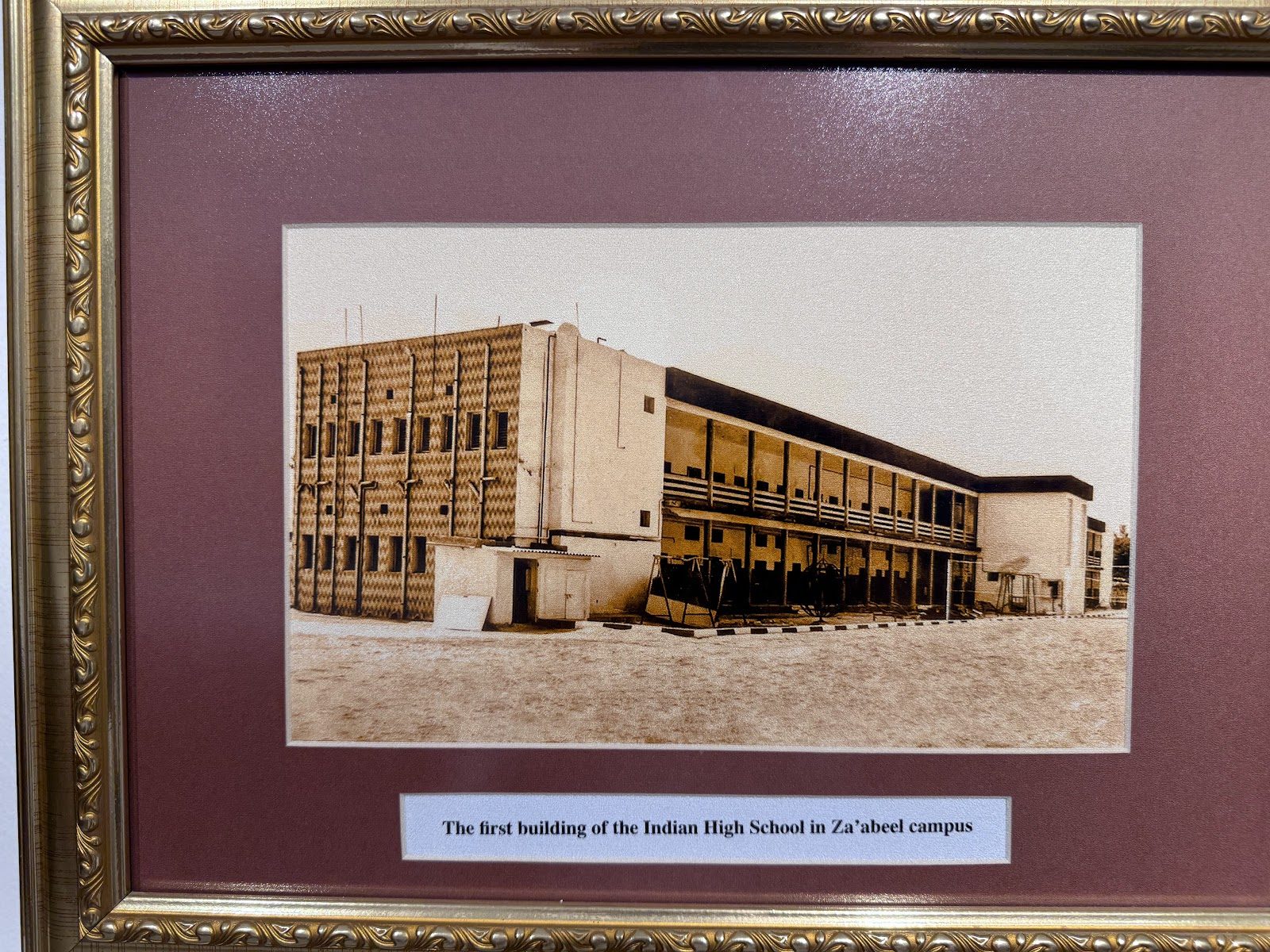
Photo © Roy Mathew via Google Maps
Type
Day
Ages
4–18
Curriculum
Indian National
Qualifications
CBSE
Ratio
10:1
The Verdict
Editor's commitment
Right for
Families who want a long-established Dubai day school: founded in 1961, English-medium, Indian curriculum, with a 10:1 ratio.
Wrong for
Parents chasing premium-brand gloss or boarding. This is a large, hard-working CBSE school with a KHDA Very Good rating, not a boutique campus.
Watch out for
The Gulf's largest Indian-curriculum community brings scale as well as reach; at ages 4–18, check how your child will fare inside a very big system.
Ranking breakdown
The Indian High School · #835 of 1591
Composite score 64.7. 8 weighted criteria.
By criterion
Academic Outcomes
Weight 20%
#450
of 1529 scored
University Placement
Weight 16%
#793
of 1529 scored
Prestige & Heritage
Weight 12%
#912
of 1571 scored
Alumni Network
Weight 12%
#619
of 1530 scored
Facilities
Weight 12%
#1090
of 1533 scored
Transparency & Communications
Weight 8%
#725
of 1532 scored
Peer & Industry Review
Weight 10%
#1108
of 1548 scored
Admissions Selectivity & Demand
Weight 8%
#1232
of 1529 scored
Peer & Industry Review
How The Indian High School is regarded in the sector
72
Respected · high confidence
The Indian High School Dubai is consistently treated as the benchmark CBSE institution in the emirate, having twice won SchoolsCompared's Top School Awards for the Indian Curriculum category, in 2019 and 2021. SchoolsCompared's own rated verdict places it at 69-72% overall ('Very Good'), while its parent-value survey found 77% of families 'totally agree' the fees represent good value, well above the 52% national average. WhichSchoolAdvisor tracks it as a 'Best of' school in its rankings and notes a KHDA history of five consecutive Outstanding inspections before settling at Very Good, evidence of sustained rather than fleeting quality. It also featured in Gulf News's independently compiled Top 25 UAE schools list, though positioned behind the leading British and IB names rather than among the very top tier. Coverage is broad and repeated, marking it as a respected, benchmark regional player rather than a unanimous best-in-class name.
Editors' overview
The Indian High School trades on scale, history and regulatory solidity. Founded in 1961, a full decade before the UAE itself, it holds a rare place in Dubai’s education market: an Indian-curriculum institution that long ago moved from niche expatriate provision to civic fixture. It is a day school for ages 4 to 18, teaches in English, and carries a KHDA rating of Very Good for 2023/24. The published 10:1 student-teacher ratio matters here. In a school of this size and profile, that ratio points to serious operational depth rather than a thinly staffed volume model. Parents looking for a school with a long record, clear academic structure and a community that extends across the full school years will find that combination hard to dismiss.
What sets it apart is not progressive experimentation or boutique intimacy. It is the opposite: continuity, throughput and a curriculum track that many Indian families know exactly how to read. In Dubai’s crowded private-school market, that still counts for a great deal. The school covers the full 4–18 age range under the Indian National curriculum, KHDA-attested as Indian, and that clarity is one of its strengths. There is no ambiguity about what it is offering. For families who want a direct route through school without curriculum switches, translation headaches or imported educational fashion, this is a serious, grown-up option. The scale also brings a wider peer base and the social confidence of an established institution, though parents who want a small campus culture or highly personalised hand-holding will find the model less tender than a boutique international school.
The Indian High School belongs on a shortlist for families who value academic discipline, cultural familiarity and institutional permanence over novelty. It will suit students who are comfortable in a busy, structured environment and who do not need a school to flatter them with endless individual packaging. Self-directed children who can navigate a large community and keep pace with a clear academic routine will do well. Children who need a very soft landing, a highly therapeutic setting or the intimacy of a small school may not. For the right family, though, this is a high-functioning piece of Dubai’s school landscape: old, stable, and still convincingly relevant after 1961 ceased to be a date and became a credential.
Academic Performance
The school’s external-results story is strong in one narrow sense and opaque in the one that matters most. It has long been treated by Indian families in Dubai as a results-driven route through public examinations, and its scale gives it the cohort size to produce a steady stream of high scorers. But the school does not publish a clear, consolidated set of recent board-exam outcomes on the public site: no headline pass rate, no subject-level breakdown, no distribution of top marks across the full senior cohort. That leaves parents without the comparative data that stronger academic operators now disclose as a matter of course. For a school with this profile, that gap is conspicuous.
Relative to peers, then, The Indian High School sits in an unusual position. Its reputation is well-established and its regulatory standing points to academic competence, yet its public results reporting is behind the market. Top Indian schools in Dubai and the wider Gulf now publish enough exam data for parents to judge consistency, stretch at the top end, and performance across the middle of the cohort. Here, parents must rely more heavily on the school’s long-standing standing in the community than on transparent numbers. That is not fatal; many families will still read the school as a serious examination school. It does, however, make rigorous peer comparison harder than it needs to be.
Facilities
The school’s facilities story is harder to pin down than it should be. Publicly, there is no clear, consolidated account of specialist spaces, sports provision, performing-arts infrastructure or the standard of science and technology rooms. For a large, established school, that lack of detail is a real weakness. Parents can infer that a school serving the full age range at this scale must operate substantial teaching space and the core academic plant required for day-to-day delivery, but inference is not disclosure. Against better-run peers in Dubai, which now spell out laboratories, libraries, indoor sports halls, theatres, design suites and outdoor play areas with precision, The Indian High School is behind the curve in showing families what children actually use.
That does not mean the campus is thin; it means the school is surprisingly opaque about one of the most visible parts of the parent proposition. In this market, facilities do two jobs: they support teaching and they signal seriousness. The Indian High School already has the institutional heft to reassure families on the first point. On the second, it leaves ground exposed. Premium international schools in the city treat facilities as a competitive asset and document them exhaustively. Here, the absence of that clarity makes the physical offer harder to benchmark and gives the impression of a school that expects parents to trust the name rather than inspect the infrastructure. That is old-school confidence, but also a missed opportunity.
What makes The Indian High School distinctive is not novelty but institutional mass
Prestige
The Indian High School has real market prestige within its own constituency, but it is not the polished, globally branded kind that travels effortlessly across every expatriate circle. Its standing rests on endurance, scale and community memory. In Dubai’s Indian parent community, that counts for a great deal: families know the name, understand the academic track and treat it as an established route for children who need structure and exam discipline rather than educational theatre. The school’s sheer reach reinforces that status. A published student-teacher ratio of 10:1 signals operational heft, not a marginal player surviving on nostalgia. The KHDA’s Very Good judgement strengthens the case further. In a crowded private market, regulatory credibility matters more than glossy image-making.
That said, prestige here is practical rather than aspirational. This is not the school families choose for cachet in the luxury-international-school sense, and the weak public disclosure of aggregate board outcomes limits its authority at the top end of the conversation. Prestige without transparent academic data has a ceiling. The school still carries serious institutional weight because of its long record and the trust it has built across generations, but the aura is communal, not elite; earned, not curated. For parents who value familiarity, discipline and a proven place in the city’s Indian educational life, that prestige is substantial. For parents chasing exclusivity or globally legible status, it is less potent.
The Indian High School trades on scale, history and regulatory solidity
Communications
Parent communication is the school’s weakest public-facing function. The official website does not do enough of the heavy lifting that busy families now expect. Instead of a clean, school-specific account of leadership, campus life, facilities, calendar rhythm, examination reporting and parent processes, the source block attached to this listing points to content for an unrelated organisation. That is not a minor clerical glitch; it is a basic credibility problem. For a school of this size and standing, parents need a reliable digital front door. They need to find term dates, admissions mechanics, senior contacts, policy documents and everyday practical information without guesswork. Here, the public picture is untidy and needlessly opaque.
That does not mean communication with enrolled families is poor in daily practice. Large Indian schools in Dubai often run on established routines, direct notices and high parent familiarity with the system. But the outward-facing communications offer no strong evidence of disciplined transparency or modern information design. For prospective parents, that matters: if the website confuses the school with something else, confidence takes a hit before a child has even visited. Existing families with institutional memory will tolerate more. New families will expect better. On communications, The Indian High School trades too heavily on its reputation and not enough on clear, usable publishing. In a competitive market, that is an avoidable own goal.
Uniqueness
What makes The Indian High School distinctive is not novelty but institutional mass. In Dubai’s Indian-school sector, very few names operate at this scale across the whole school journey while retaining the social familiarity of a community school. That combination matters. Children move through a system with a deep bench of peers, staff and routines rather than a fragile operation built around a handful of standout personalities. The published 10:1 staffing ratio reinforces that point: this is a school with enough adult capacity to run a large academic machine properly. For students, that brings continuity, a broad social field and the practical confidence of being in a place that has done this work for generations.
Its other point of difference is cultural. This is not an international school that borrows Indian references around the edges; it sits squarely inside that educational tradition and community expectation. For many families, that creates a cleaner fit between home, school and future plans. Students benefit from an environment where the academic code is widely understood, ambition is normalised and the value of disciplined study does not need constant translation. The trade-off is obvious: children who thrive on intimacy, experimentation or highly individualised curation will find the model less forgiving. But for pupils who draw energy from scale, pace and a no-nonsense academic culture, the school offers something hard to replicate: belonging without looseness, and structure without confusion.
The Indian High School belongs on a shortlist for families who value academic discipline, cultural familiarity and institutional permanence over novelty
Student Profile
The pupils who fit best here are the ones who do not need schooling turned into a personalised performance. This is a large, established community with a low published staffing ratio of 10:1, and that mix suits children who can keep their footing in a busy system, follow routines without fuss and cope with a broad peer field. Ambitious, steady students who are comfortable with tests, deadlines and adult expectations will find the culture legible and rewarding. So will families who value educational seriousness over lifestyle branding. Children who like clarity, pace and a school day that gets on with the job will settle more easily than those who need constant reassurance, novelty or elaborate pastoral packaging.
Socially, the school will suit pupils who are happy to make their own place in a crowd. There is strength in that: a big student body offers reach, variety and the confidence of a deep-rooted community. It also demands resilience. Quieter children can thrive here, but they need enough self-command to avoid being lost in the flow. This is not a delicately curated environment for highly fragile temperaments or families seeking boutique levels of individual attention. It suits children who are self-propelled, respectful of structure and ready to work alongside peers whose families take education seriously. For the right student, that creates a high-pressure but productive fit.
Relative to peers, then, The Indian High School sits in an unusual position
Co-curricular strengths
Arts & sport, on a separate axis
Overall 7.7/10
Scored 0-10 from the school's own published evidence. This axis is editorial-only — it does not feed the main WTS ranking.
Sports
8/10
Multiple sports—cricket, football, basketball, volleyball, athletics, swimming, badminton and table tennis—showing a broad, structured sports offering.
Drama
7.5/10
Dance
7/10
Music
8/10
Music appears explicitly as 'Music Club' in the extracurricular list.
Visual Arts
8/10
Visual arts is evidenced by the explicit listing of 'Art Club' only.
Editor-verified · 8/5/2026
Official inspection · Dubai
KHDA report · 2023/24
Official · KHDAInspectorate
Knowledge & Human Development Authority
Dubai's mandatory education regulator; annual DSIB inspections.
Curriculum
Indian
Held vs previous cycle
Full report
KHDA report finderRating history
Strengths
- +All-through provision from ages 4 to 18 on one campus
- +English-medium instruction across the school
- +Indian National curriculum, regulator-attested
- +KHDA rated Very good for 2023/24
- +Long-established, founded in 1961, with settled institutional identity
Considerations
- −Indian curriculum narrows non-Indian and Western examination pathways
- −We could not independently verify recent board-exam results, so families should request Class X and XII data directly
- −We could not independently verify current facilities detail, limiting direct comparison with newer campuses
Availability
Primary entry gate & tests
CAT4 / Assessment
Gallery
Photo © Arun Pa via Google Maps
Photo © Thataliyath Rajesh Bharathan via Google Maps
Parent reviews
Have you sent your child here?
Voice reviews carry the strongest trust badge — we transcribe them for you to tidy up before they go live. Prefer to type? A written review is fine too.
Add your voice
In 60 seconds, tell other parents: what's the best thing about The Indian High School, and what surprised you when your child joined?
We ask for a Google sign-in so every review has a real face behind it — no anonymous drive-by attacks on schools, and no faked positive reviews. Your email is never shown publicly.
Send this profile to a friend
International parents rely on word-of-mouth. Share this review with someone weighing the same decision.
Schools with places
Similar schools to The Indian High School with places available now.
Availability first, then country, area, curriculum, price, co-curricular
Consider also
Also worth looking at alongside The Indian High School.
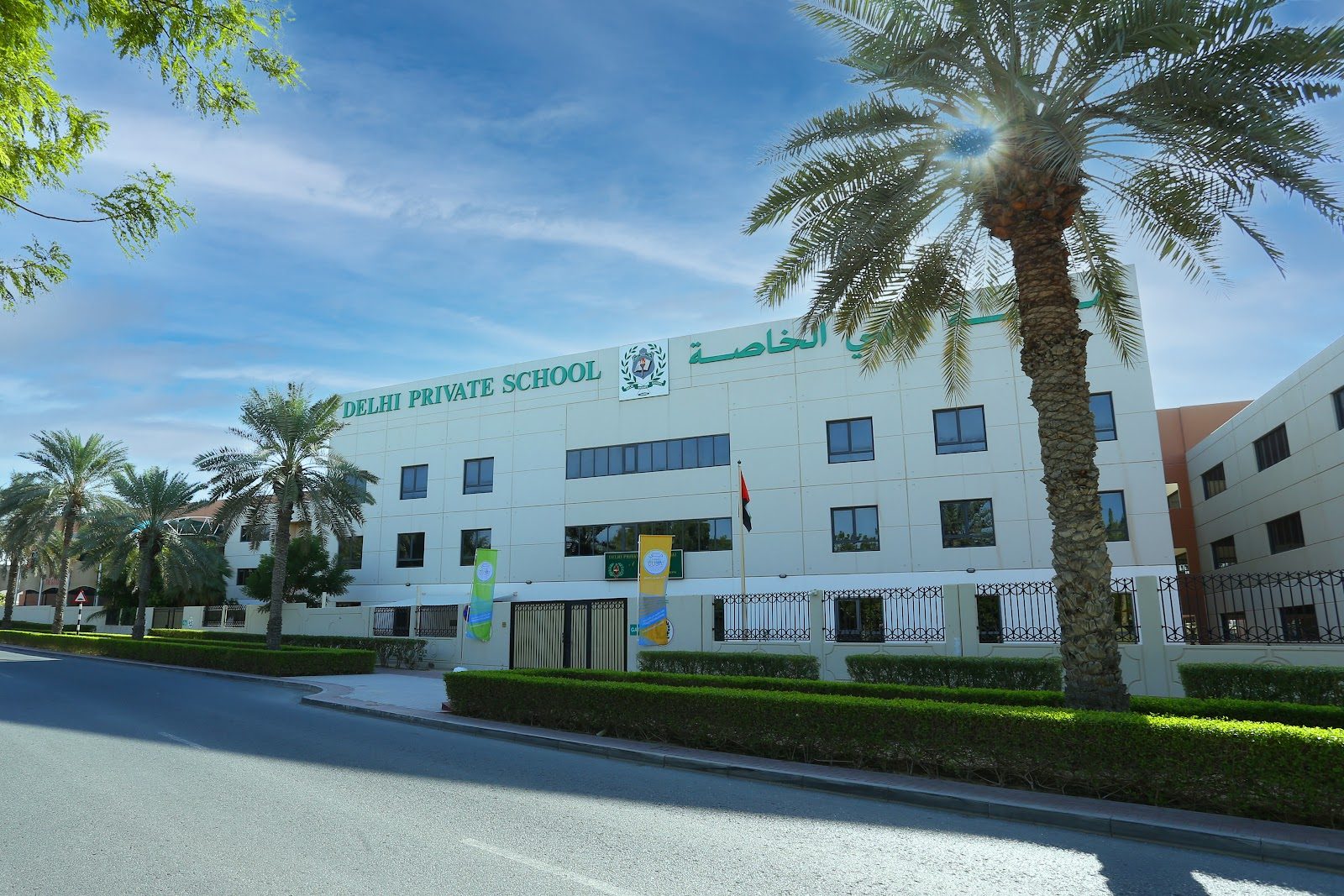
Delhi Private School, Dubai
Dubai · United Arab Emirates
Amid Jebel Ali's Gardens district, a CBSE stalwart pairs board-topping exam results with a house-system creed of service before self.
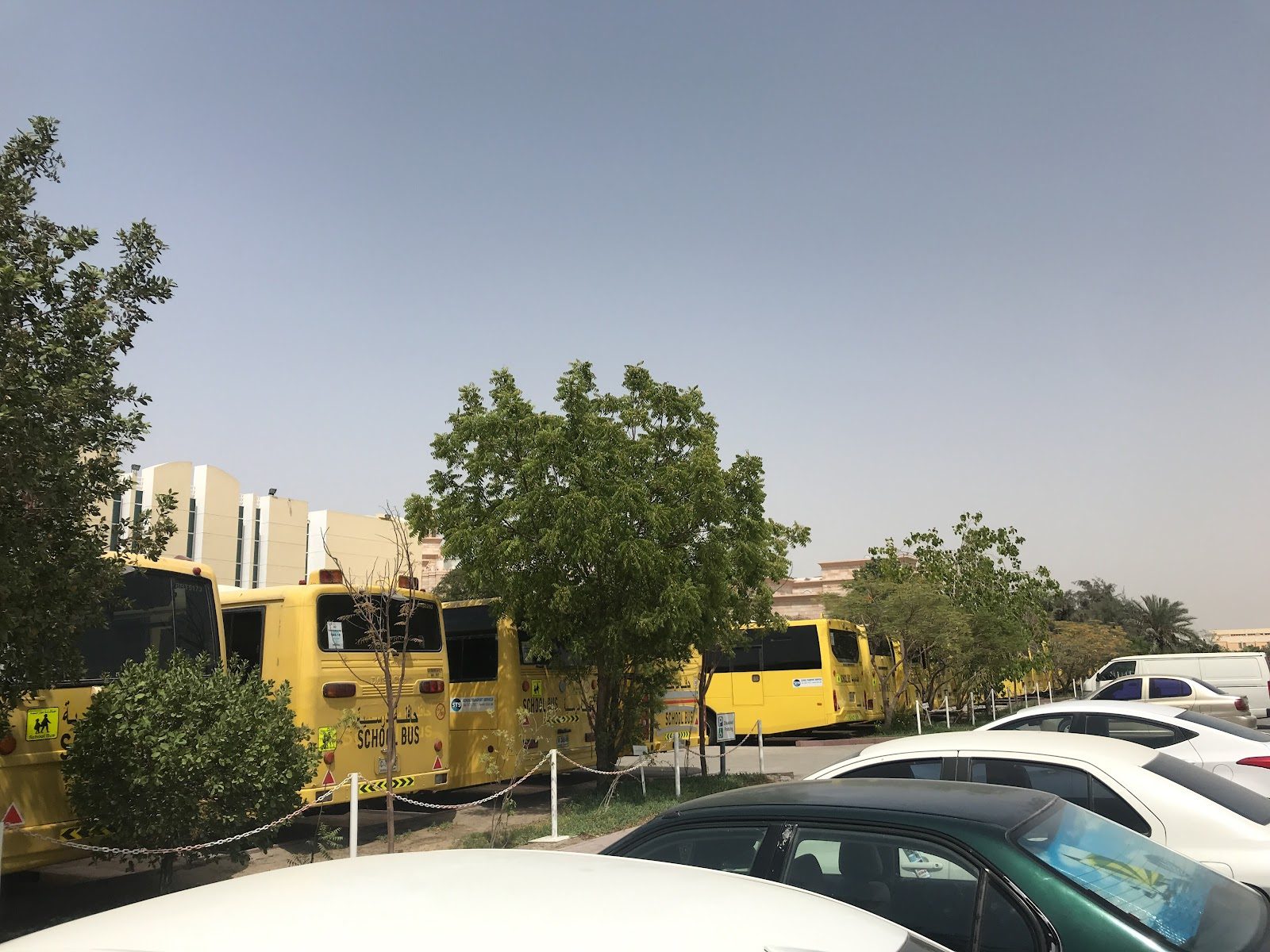
The Millennium School Dubai
Dubai · United Arab Emirates
Dubai's only day-boarding CBSE campus, blending GEMS-backed academics with Round Square's ethos of service and self-reliance.
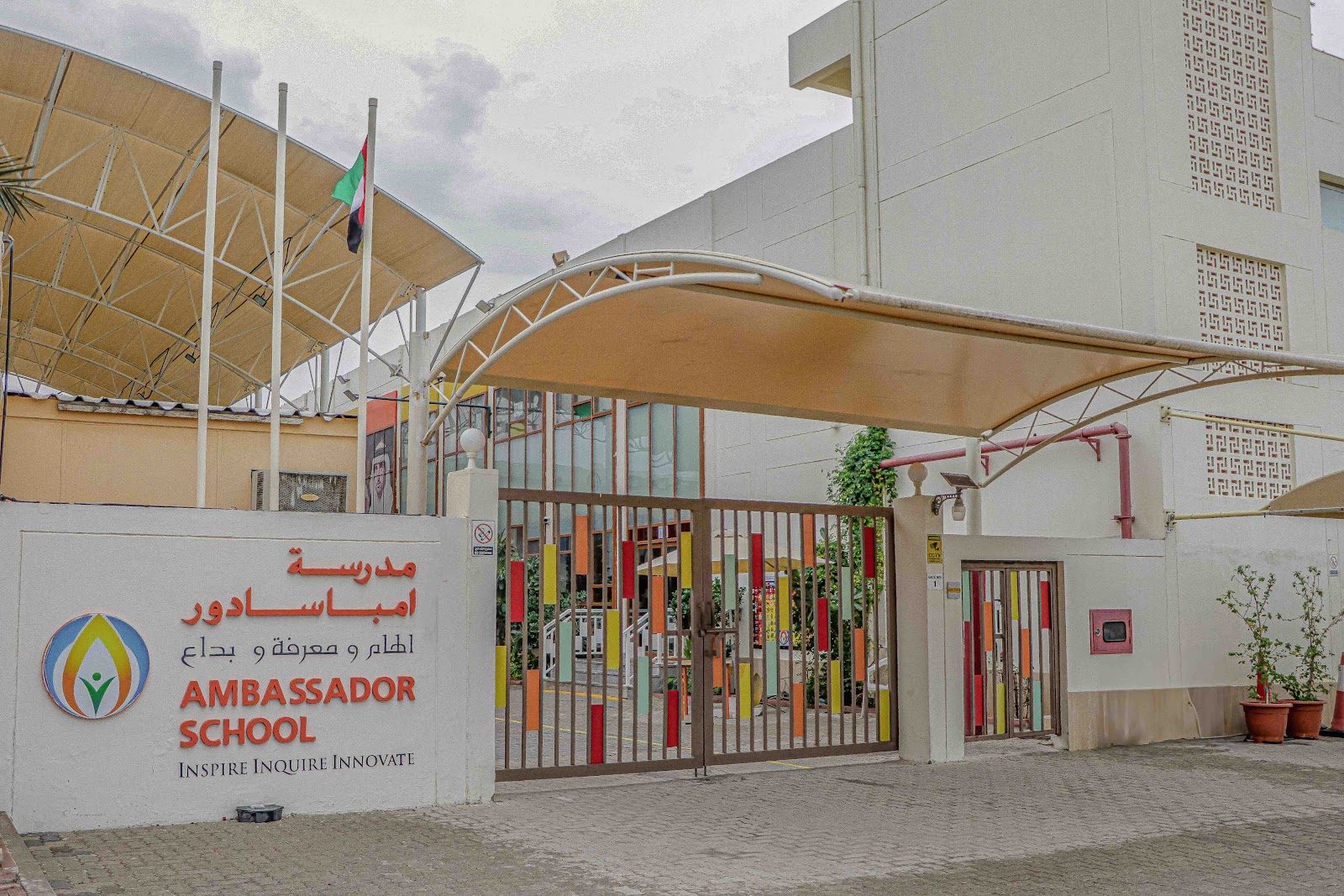
Ambassador School Dubai
Dubai · United Arab Emirates
One of Dubai's rare CISCE schools, offering a Humanities stream alongside Science and Commerce in the heart of Mankhool.
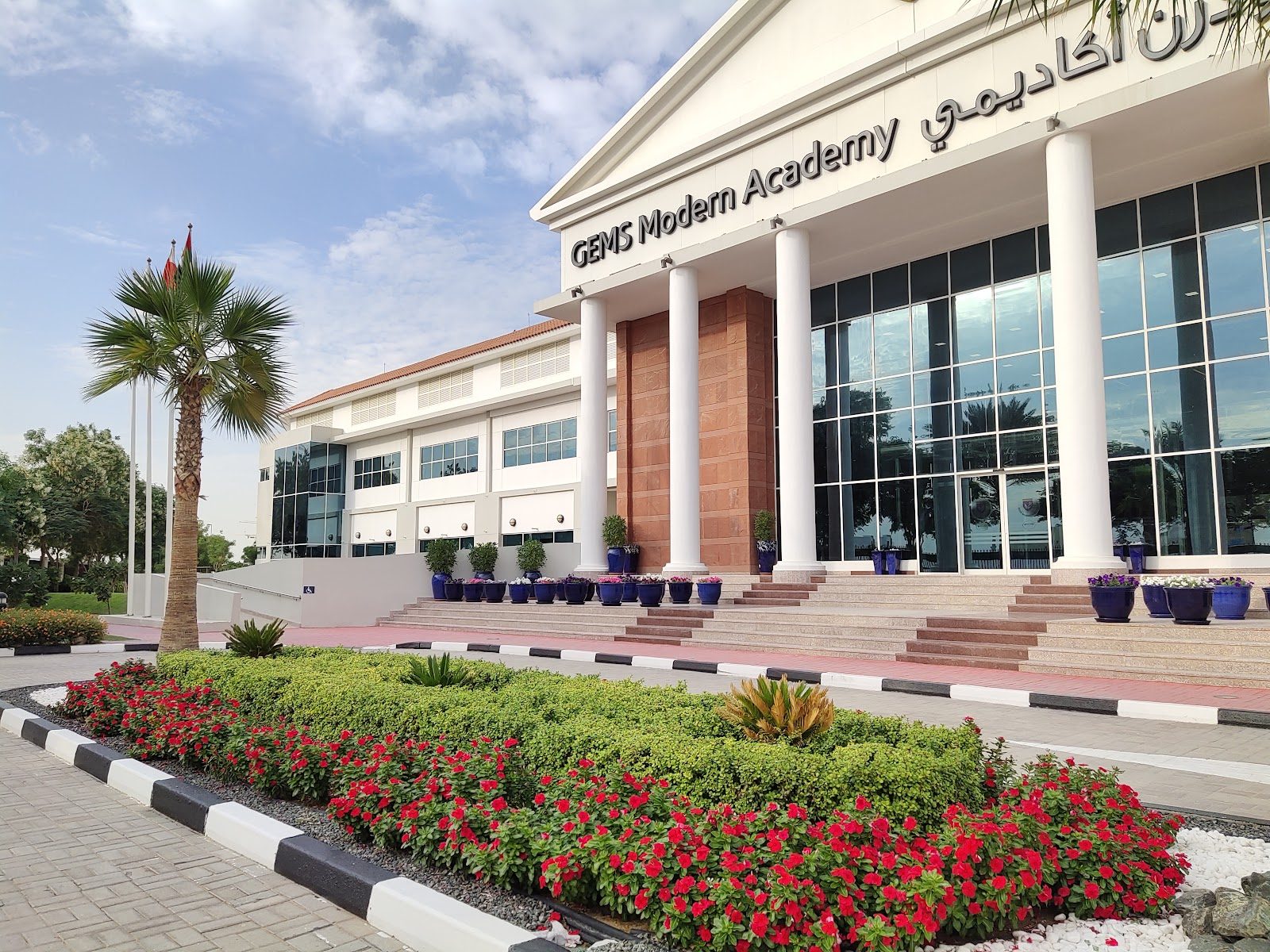
GEMS Modern Academy
Dubai · United Arab Emirates
Where the CISCE curriculum and the IB Diploma share one campus, and the only Indian-curriculum school in Dubai rated Outstanding by KHDA.
Same country and curriculum — closest matches within ±10 points either way