
Massachusetts
Berkshire School
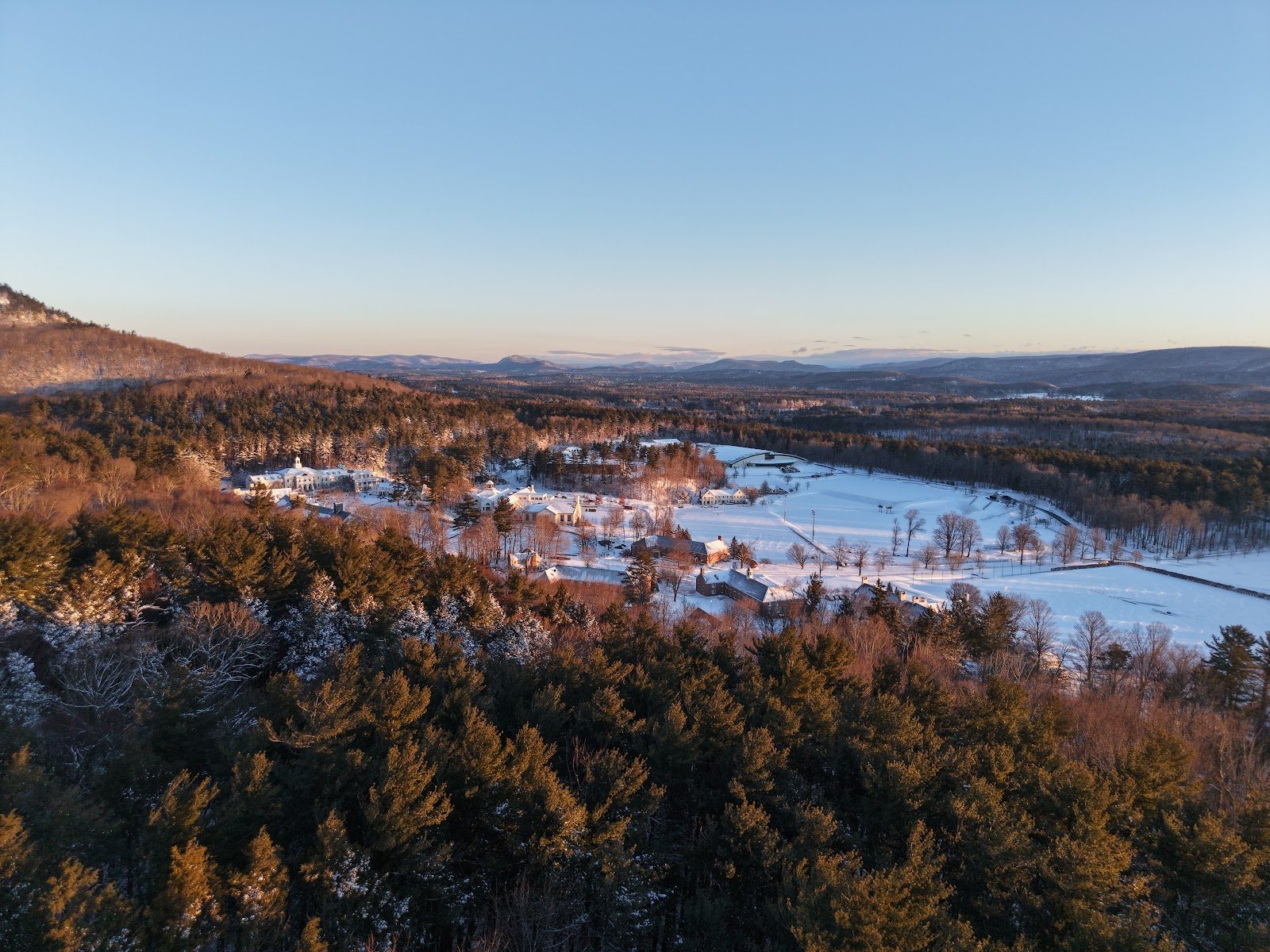
low confidence· 2/6 cats · 2.5 avg sourcesSet at the base of Mount Everett, a Massachusetts boarding school pairs wilderness expeditions with original student research.
Type
Both
Ages
14–18
Curriculum
American
Qualifications
AP
Ratio
4:1
The Verdict
Editor's commitment
Right for
Teenagers who want American grades 9–12 on a 400-acre campus, with 12-person classes and a 4:1 student-teacher ratio.
Wrong for
Families wanting a large senior school, urban access or younger entry; Berkshire has 430 students, serves ages 14–18, and sits in Sheffield.
Watch out for
This is expensive: average annual fees run to $61,650 for day pupils and $82,200 for boarders, with NEASC and NAIS accreditation.
Ranking breakdown
Berkshire School · #682 of 1591
Composite score 66.2. 8 weighted criteria.
By criterion
Academic Outcomes
Weight 20%
#900
of 1529 scored
University Placement
Weight 16%
#848
of 1529 scored
Prestige & Heritage
Weight 12%
#678
of 1571 scored
Alumni Network
Weight 12%
#427
of 1530 scored
Facilities
Weight 12%
#559
of 1534 scored
Transparency & Communications
Weight 8%
#778
of 1532 scored
Peer & Industry Review
Weight 10%
#891
of 1548 scored
Admissions Selectivity & Demand
Weight 8%
#837
of 1529 scored
Peer & Industry Review
How Berkshire School is regarded in the sector
66
Respected · medium confidence
Within New England boarding school circles, Berkshire is respected as a solid second-tier institution: consistently mentioned alongside schools like Kent, Hotchkiss and Salisbury in Founders League and Berkshire League athletic competition, particularly in skiing and hockey, where its facilities are frequently cited by rival coaches as among the best in the region. University admissions officers generally regard its graduates as well-prepared but the school does not feature prominently in Ivy-heavy feeder-school rankings the way Deerfield or Groton do. Independent guides such as the Fiske Guide and boarding-school directories describe it as a strong choice for outdoors-minded students rather than the most academically selective option, a characterization echoed in parent forums and consultant commentary. It rarely appears in national newspaper league tables, which tend to favor larger or more historically dominant schools, but it maintains visibility in prep-school sustainability and outdoor-education conferences, where its environmental curriculum is cited as a model.
Editors' overview
Set at the base of Mount Everett on a 400-acre campus, Berkshire School sells a version of New England boarding life that still has real force: mountains on the doorstep, the Appalachian Trail within reach, and a scale that stays human. With 430 students, an 4:1 student-teacher ratio and 12 pupils in the average class, it has the structural advantages parents pay for in American boarding schools: access to adults, room for students to be known, and fewer opportunities to disappear into the crowd. Berkshire covers grades 9–12 plus postgraduates, teaches an American curriculum in English, and carries NEASC and NAIS accreditation. This is a small, high-touch school in an expensive market, with average annual fees of $61,650 for day students and $82,200 for boarders.
What distinguishes Berkshire is not scale or metropolitan glamour, but setting and use of setting. The school’s own tagline points to wilderness expeditions and original student research, and that combination matters. Plenty of boarding schools have woods nearby; fewer build intellectual and outdoor life into the same identity. Parents looking for a polished urban pipeline school will find Berkshire less compelling. Parents who want a grounded, outward-bound adolescence, with academic expectations held inside a close residential community, will put it on the shortlist. The recently opened Campus Center, with dining hall, café, music centre and social spaces, strengthens that residential core rather than changing the proposition.
The right student for Berkshire wants engagement, not anonymity. This suits teenagers who benefit from adult attention, who can use a close-knit community well, and who will actually step into the opportunities created by a 400-acre campus and a school of 430 students. It also suits families who value boarding-school intimacy over scale and brand theatre. The trade-off is clear: Berkshire does not publish headline academic outcomes in the facts we have seen here, so parents who want hard public data on exam performance or university destinations will need to ask directly. Even so, the school’s shape is clear. Berkshire offers a deliberate, contained boarding experience with serious access to teachers, strong pastoral density and a physical setting that is more than backdrop.
Academic Performance
Berkshire does not publish the headline data that allows a clean academic comparison with strong US boarding-school peers. We have not seen aggregate SAT or ACT averages, AP score distributions, grade profiles, Ivy-plus matriculation tables, or a full university destination list. That matters. In this market, schools competing for globally mobile families know that external results are part of the brief, and the absence of public numbers leaves Berkshire’s academic performance opaque. What is public is scale of provision rather than outcome: 129 courses, small classes, and a staffing model that gives students close access to teachers. That supports serious academic work, but support is not the same thing as published proof.
Where Berkshire fits, then, is in the tier of established New England boarding schools whose academic offer sits inside a high-contact, residentially dense environment rather than a data-heavy public results machine. The school also includes postgraduates, which can strengthen classroom ambition and raise the level of discussion, though Berkshire does not publish separate outcomes for that cohort. Parents comparing Berkshire with academically hard-driving rivals need to ask direct questions: AP participation and mean scores, standardised test medians, subject strengths, university destinations over several years, and how many pupils secure places at the most selective US institutions. Until Berkshire discloses those figures, its academic reputation rests more on structure and ethos than on hard public evidence.
Facilities
Berkshire’s most important facility is the campus itself. The school has 400 acres at the foot of Mount Everett, with the Appalachian Trail close enough to be used rather than merely advertised. That gives it an advantage over peer boarding schools whose “outdoor education” rests on occasional trips off site. Here, landscape can shape ordinary school life. For families drawn to wilderness expeditions and field-based work, that matters more than a glossy theatre or oversized fitness complex. The recently opened Campus Center also matters because it addresses the centre of boarding-school life: dining, informal gathering, music, and day-to-day student traffic. In a school of Berkshire’s scale, a good central hub strengthens community; a weak one leaves students dispersed and detached. This one reads as purposeful, residentially coherent and built for actual use.
Against peers, Berkshire’s facilities look strongest in the areas that support a grounded, outdoors-facing adolescence rather than status display. The school offers 129 courses, so it needs teaching spaces with enough range to support a serious academic programme, and the inclusion of a music centre inside the Campus Center adds useful cultural breadth. What we do not see in public is the full catalogue parents often want at this price point: no clear published rundown of science labs, design and technology provision, athletics infrastructure, visual arts studios, or performance spaces. That omission does not mean the facilities are weak; it does mean the public picture is incomplete. Berkshire has a distinctive physical setting and a strong communal core. It has not published enough detail to claim more than that.
Berkshire has a distinctive physical setting and a strong communal core
Prestige
Berkshire carries real but bounded prestige. In the American boarding-school market, its name has weight because it belongs to the long-established New England ecosystem and offers the classic ingredients families associate with that world: a full residential community, intimate teaching, and a campus life organised around character as much as credentials. The school’s scale helps here. An enrolment of 430 and a course catalogue of 129 signal substance without bloat. This is not a giant brand operating on reputation alone; it is a small, intentional school whose standing rests on the texture of daily life and the confidence that students will be known by adults. For some families, that carries more value than sheer selectivity theatre.
The limit on Berkshire’s prestige is public proof. Top-tier prestige in this sector now depends not just on history or setting, but on visible academic outcomes and a strong record of university placements that families can inspect. Berkshire does not publish that level of evidence. That keeps it out of the rarefied top bracket occupied by schools whose names function almost as shorthand for elite admissions success. Its fees are also serious — $82,200 for boarding on average across the school — so parents are entitled to expect harder data than Berkshire puts into the public domain. The verdict, then, is solidly prestigious, not dominant: respected, established, and attractive to families who prize community and formation over status display.
That keeps it out of the rarefied top bracket occupied by schools whose names function almost as shorthand for elite admissions success
Communications
Berkshire communicates most clearly when it sticks to the essentials of school life and identity. The public-facing site gives parents a clean sense of what matters on campus: community, residential life, the physical setting and the student hub that anchors the day. Core facts are easy to find, and the school does not bury its case under management jargon. That counts in its favour. For busy parents, clarity and hierarchy matter more than volume. The tone is also consistent with the school’s model: close-knit, relationship-driven and centred on daily experience rather than institutional grandstanding. In a school of 430 students, that style fits. Families are buying a contained boarding environment, and Berkshire explains that environment in a way that is coherent and readable.
The limit is depth. Berkshire communicates atmosphere better than evidence. It gives parents a strong feel for community and belonging, but less hard information on the operational and academic questions families at this fee level will ask: outcomes, comparative performance, detailed programme architecture, and the mechanics of how students progress. That leaves the public picture selective rather than complete. For current parents, the school’s scale and pastoral density may support stronger direct communication once enrolled; small schools can do that well. For prospective parents, though, the published message remains warm but controlled: effective at conveying ethos, weaker at answering scrutiny. The result is confident but not fully transparent communication — good at telling Berkshire’s story, less good at proving its claims.
Uniqueness
Berkshire’s distinctiveness sits in the way it binds place to programme. Many boarding schools own handsome land; fewer use it as part of the school’s intellectual and developmental claim. Here, the mountain-foot setting and access to nearby trails feed a model built around expeditions and original research, which gives students a form of education that is more lived than staged. That matters because outdoor activity on its own can slide into branded recreation. Berkshire ties it to enquiry, risk, observation and stamina. In a school with 129 courses and a low staffing ratio already established elsewhere, that creates a rarely generic experience: students are not just supervised closely, they are pushed to engage directly with the world beyond the classroom.
Its other point of difference is cultural rather than scenic. Berkshire operates at a size where community can still govern the day, and the school leans into that with unusual confidence. The new student hub consolidates dining, music and social life instead of fragmenting them across campus, which reinforces a tight residential rhythm. For students, the gain is clear: stronger adult oversight, fewer places to hide, and more pressure to participate. That will suit teenagers who thrive when expectations are personal and visible. It will not suit those who want a looser, more anonymous adolescence. Berkshire’s version of boarding life is contained, demanding and outward-bound — a specific proposition, not a catch-all one.
Berkshire’s distinctiveness sits in the way it binds place to programme
Student Profile
The Berkshire pupil fits a school where adult attention is constant and participation is hard to dodge. This suits teenagers who do better in a high-accountability, close-quarters environment than in a sprawling campus culture. With an average class size of 12 and a student-teacher ratio of 4:1, Berkshire has little room for passengers. Students who ask for help, join in discussion, and accept that teachers will know them well will gain most. So will those who can handle a residential culture built around visibility: your habits, effort and contribution will be noticed. For families, that makes Berkshire a strong match for adolescents who need structure without institutional harshness, and a weak one for those who prize independence in the form of distance.
The other defining fit factor is appetite for the outdoors as part of ordinary school life rather than an occasional add-on. Berkshire will reward students who want a grounded, outward-bound adolescence and who are willing to treat expeditions, fieldwork and original research as serious parts of their education. A campus of 400 acres at the foot of a mountain gives that profile real traction. The ideal student is curious, physically game, and comfortable in a community that asks for engagement across the day. Teenagers hunting for anonymity, urban buzz or a purely transactional route to university admissions will find Berkshire too contained, too watchful and too invested in character formation.
Berkshire covers grades 9–12 plus postgraduates, teaches an American curriculum in English, and carries NEASC and NAIS accreditation
Co-curricular strengths
Arts & sport, on a separate axis
Overall 8.64/10
Scored 0-10 from the school's own published evidence. This axis is editorial-only — it does not feed the main WTS ranking.
Sports
9.2/10
Absolute athletic powerhouse in New England; fields historically dominant varsity ice hockey, soccer, and cross-country teams backed by the state-of-the-art Jackman L. Stewart Athletic Center.
Drama
8.5/10
Exceptional theatrical training centered around world-class campus stages, running a pre-professional training model for acting and tech.
Dance
8/10
Strong afternoon performance track offering technical modern jazz and synchronization choreography modules.
Music
8.5/10
Deeply institutionalized choral and string tracking modules feeding active regional touring groups and seasonal events.
Visual Arts
9/10
Breathtaking visual studios producing top-tier design portfolios, fine art pieces, and digital media projects looking out onto the Berkshire mountains.
Strengths
- +400-acre campus beside Mount Everett and Appalachian Trail
- +425 students offers a mid-sized boarding community
- +Average class size 12 allows direct teacher access
- +NEASC and NAIS accreditation provide external oversight
Considerations
- −American curriculum only; no IB or A-Levels
- −English-only instruction may limit language support
- −Rural Sheffield location may feel isolated
Availability
Primary entry gate & tests
ISEE/SSAT + Interview
Gallery
Parent reviews
Have you sent your child here?
Voice reviews carry the strongest trust badge — we transcribe them for you to tidy up before they go live. Prefer to type? A written review is fine too.
Add your voice
In 60 seconds, tell other parents: what's the best thing about Berkshire School, and what surprised you when your child joined?
We ask for a Google sign-in so every review has a real face behind it — no anonymous drive-by attacks on schools, and no faked positive reviews. Your email is never shown publicly.
Send this profile to a friend
International parents rely on word-of-mouth. Share this review with someone weighing the same decision.
Schools with places
Similar schools to Berkshire School with places available now.
Belmont Hill School
Belmont · United States
- 2026-27
- CLOSEDRegular cycle
- 2027-28
- PLACES OPENApplication route live
Boston University Academy
Boston · United States
- 2026-27
- CLOSEDRegular cycle closed
- 2027-28
- OPENS SOONOpens Sept '26
Noble and Greenough School
Dedham · United States
- 2026-27
- CLOSEDRegular cycle
- 2027-28
- PLACES OPENJan 15 '27 Deadline
Middlesex School
Concord · United States
- 2026-27
- CLOSEDRegular cycle
- 2027-28
- OPENS SOONOpens 1 Sept '26
Availability first, then country, area, curriculum, price, co-curricular
Consider also
Also worth looking at alongside Berkshire School.
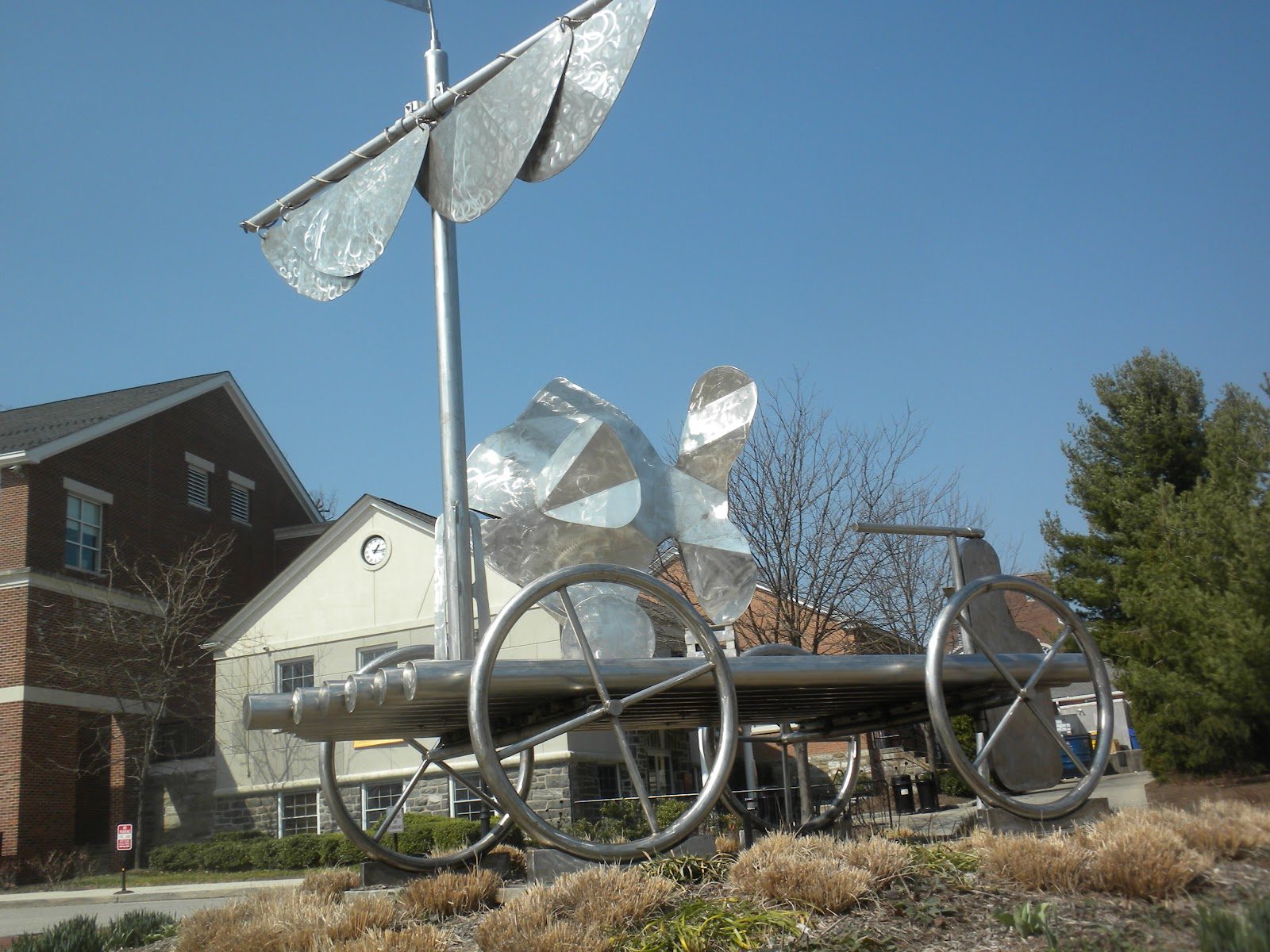
The Haverford School
Haverford · United States
Since 1884 on Philadelphia's storied Main Line, an all-boys campus balances rigorous academics with athletics and the arts.
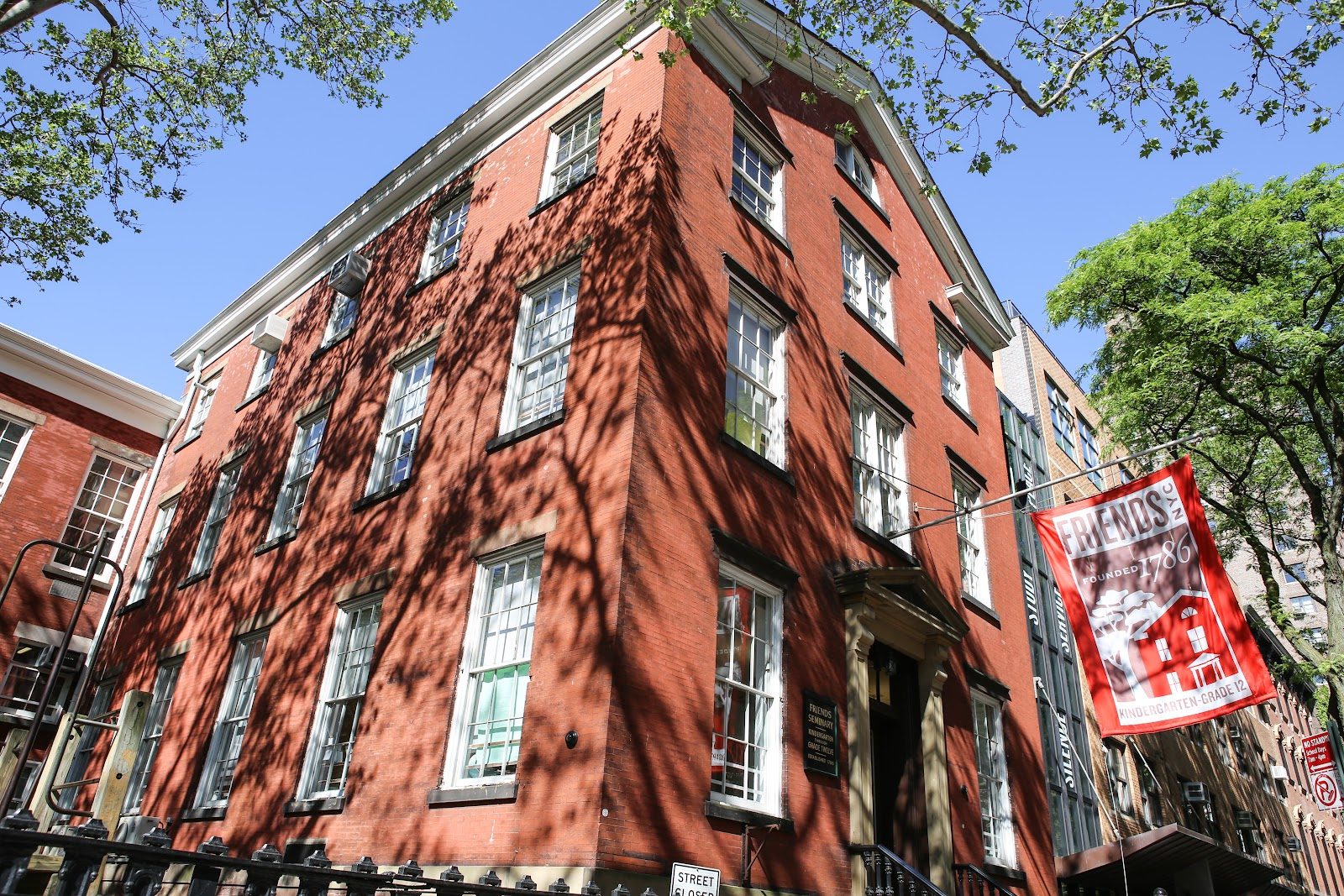
Friends Seminary
New York City · United States
Founded in 1786, the oldest coeducational school in New York City still teaches Quaker simplicity and peace amid Manhattan's bustle
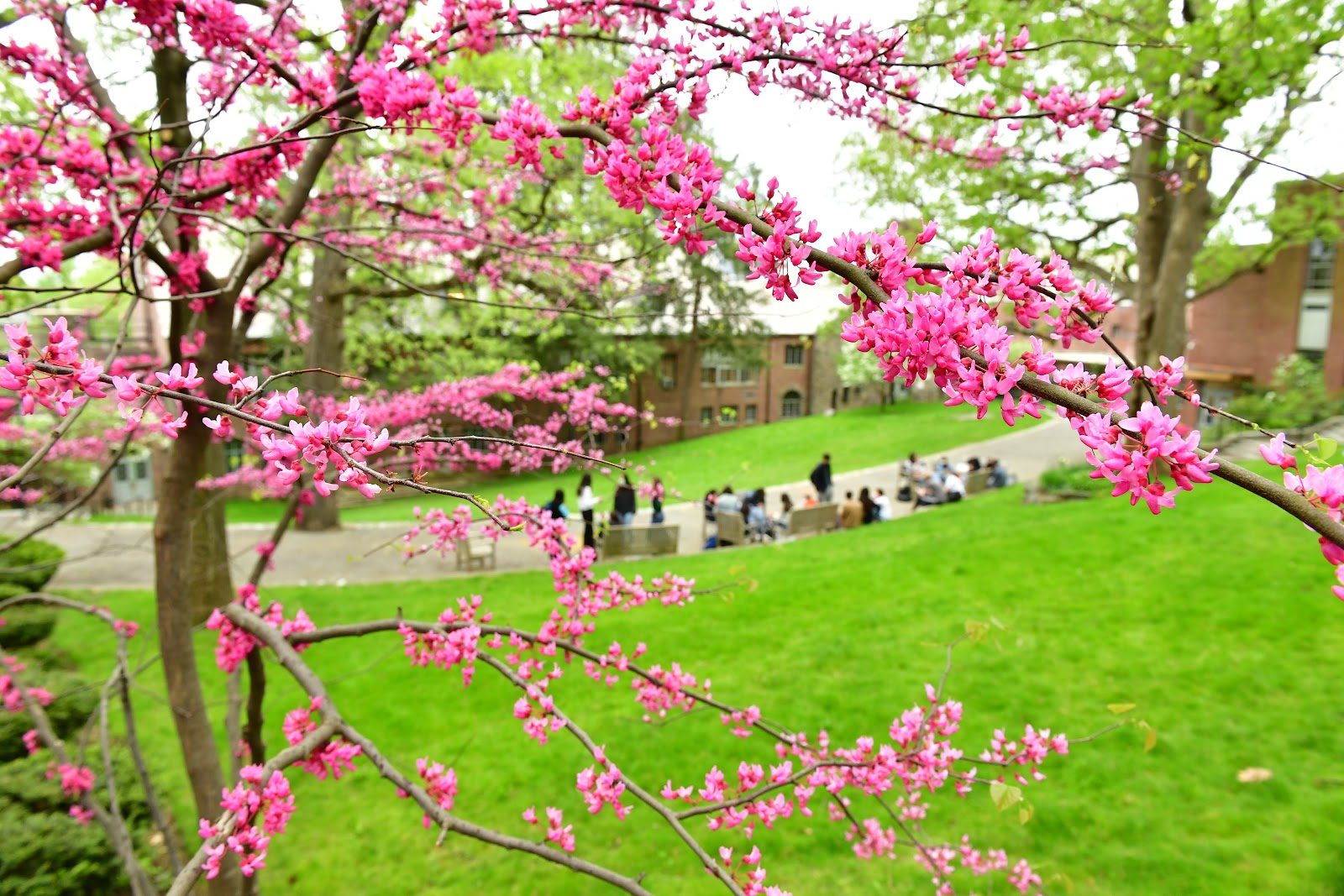
Ethical Culture Fieldston School
New York City · United States
Rooted in Felix Adler's 1878 Ethical Culture movement, its wooded Riverdale hilltop campus still anchors progressive American pedagogy.
The Buckley School
New York City · United States
On Manhattan's Upper East Side since 1913, a K-9 boys' school pairing classical rigor with mandatory public-speaking training for every student.
Same country and curriculum — closest matches within ±10 points either way