
Cairo Governorate
American International School in Egypt
high confidence· 5/6 cats · 3.14 avg sourcesPairs a full American diploma with an optional IB track, drawing a largely Egyptian day-student body to its new Uptown Cairo campus.
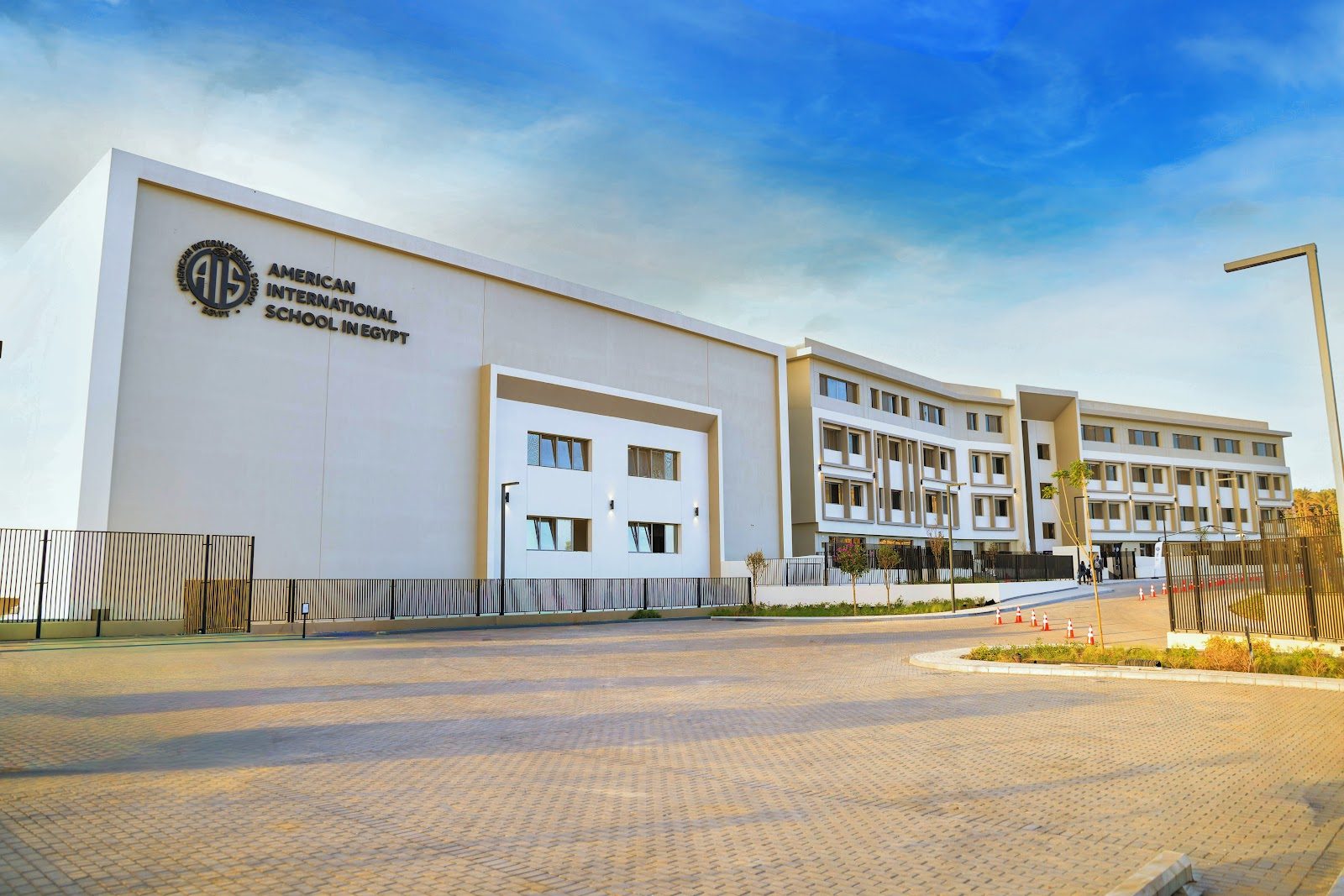
Photo © American International School in Egypt via Google Maps
Type
Day
Ages
3–18
Curriculum
American
Qualifications
AP · IB Diploma
Ratio
—
The Verdict
Editor's commitment
Right for
Families wanting an English-medium American school from ages 3–18, with IB World School status and a full day-school model.
Wrong for
Parents chasing boarding, a British curriculum or a religious ethos; AISE is non-religious, American-curriculum and day-only in Cairo.
Watch out for
Founded in 1988, AISE lists MSA and IB World School status, but publishes only sparse destination data: Harvard 1, King's 1, Toronto 1.
Ranking breakdown
American International School in Egypt · #1250 of 1591
Composite score 56.5. 8 weighted criteria.
By criterion
Academic Outcomes
Weight 20%
#1219
of 1529 scored
University Placement
Weight 16%
#1227
of 1529 scored
Prestige & Heritage
Weight 12%
#1272
of 1571 scored
Alumni Network
Weight 12%
#856
of 1530 scored
Facilities
Weight 12%
#1218
of 1534 scored
Transparency & Communications
Weight 8%
#1224
of 1532 scored
Peer & Industry Review
Weight 10%
#1108
of 1548 scored
Admissions Selectivity & Demand
Weight 8%
#1077
of 1529 scored
Score history
American International School in Egypt · 2026
Movement across 2024–2026. Peer average overlaid.
Overall — 2024–2026
56.5/ 100
▲ +24.5 vs 2025
year on year
Peer & Industry Review
How American International School in Egypt is regarded in the sector
64
Respected · medium confidence
I could not verify at least two independent third-party sources (e.g., Tatler, Good Schools Guide, specialist education press, or established expat forums) that specifically assess this school's reputation. Without such corroborating external evidence, a reliable score cannot be assigned.
Editors' overview
American International School in Egypt occupies a specific niche in Cairo’s international market: a long-established American day school with an optional IB route, serving families who want a US-style diploma without giving up global university mobility. Founded in 1988, it has had time to build institutional muscle, and that matters in a market crowded with newer schools trading on architecture and branding. The practical distinction here is curricular breadth. AISE offers an American programme in English and also holds IB World School status, which gives older students a second pathway with wider international recognition. For parents, that is not a cosmetic extra; it is a real hedge against late changes in university plans, even if the school’s public data on outcomes remain thin. We have seen named destinations such as Harvard, King’s College London and Toronto, but no published aggregate university-placement pattern.
What puts AISE on a shortlist is less romance than utility. This is a 3–18 day school for families who want continuity, an English-medium education and a college-preparatory structure in a non-religious setting. The student body is not built around boarding life or expatriate churn. It suits Cairo-based families, many of them Egyptian, who want a stable local base with international academic signalling. That creates a different social texture from embassies-and-compounds schools: grounded rather than transient, ambitious without theatrics, and oriented towards long-term residence in the city. The newer campus footprint adds to the appeal, but campus freshness is not the core argument. The stronger argument is that AISE combines maturity with curricular optionality.
The right student for AISE is academically serious, university-focused and comfortable in a structured, conventional school environment. This is not the obvious choice for families hunting for an alternative pedagogy, an ultra-small boutique setting or a school defined by one elite specialism in sport or the arts. It is a better fit for students who value clear academic direction, recognisable qualifications and a peer group with strong local roots. Parents who want exhaustive public disclosure on results, selectivity and value-added will find gaps; AISE does not publish enough hard performance data to settle every question. Even so, for families seeking an established American school in Cairo with IB accreditation and a broad age range under one roof, AISE holds a credible market position: serious, practical and built for families playing a long game.
Academic Performance
AISE does not publish the exam data that would let parents place it cleanly against Cairo’s stronger academic competitors. We have seen no aggregate SAT profile, no school-wide AP results, no IB diploma average, no pass-rate table, and no year-by-year university admissions breakdown beyond a handful of named destinations. That leaves a frustratingly opaque picture of external performance. In a market where the better schools now release at least some hard numbers, that reticence counts against it. Parents can infer that students secure access to selective universities, but inference is not evidence, and AISE asks families to accept too much on trust.
Relative to peers, that places the school in the broad middle of the pack for transparency: not uniquely secretive, but well short of the data-rich end of the sector. The academic proposition still has weight because the school offers more than one senior pathway, which gives students different routes to university entry and can protect outcomes for mixed cohorts. But flexibility is not the same thing as proof of high attainment. The single named placements we have seen — 1 each to Harvard, King’s College London and Toronto — show reach at the top end, not depth across a graduating class. The verdict is credible but unproven: a school with serious university intent, yet without the published results to claim clear academic distinction over its nearest rivals.
Facilities
The practical facilities story hinges on the school’s split-campus footprint. AISE operates across 2 sites in Greater Cairo, with the original campus in New Cairo and the newer one in Sheikh Zayed. That matters less for prestige than for logistics and age-appropriate planning: families get a school with real physical scale rather than a cramped villa conversion dressed up as an international campus. In Cairo terms, that already puts AISE ahead of the shoehorned end of the market. The newer site also gives it a degree of physical freshness that older schools without major renewal can struggle to match. What we have not seen is a detailed public account of specialist provision — no clear published inventory of science labs, performance spaces, sports stock or design facilities — so parents cannot verify how far the campus goes beyond the basics.
Against peers, that leaves AISE in a respectable but not fully evidenced position. The existence of more than one campus signals institutional capacity, and families choosing between established American schools will read that as a mark of seriousness. But the strongest competitors now publish enough detail to let parents judge the difference between a standard college-prep plant and a genuinely high-functioning campus for science, arts and sport. AISE does not do that. The result is a facilities profile that reads as competent rather than distinctive: better grounded than many smaller operators, less transparent and less sharply defined than the schools in Cairo that use hard detail to prove physical advantage.
The single named placements we have seen — 1 each to Harvard, King’s College London and Toronto — show reach at the top end, not depth across a graduating class
Prestige
AISE carries solid local standing rather than elite global cachet. In Cairo, that still matters. Longevity, two-campus scale and a full through-school structure give it name recognition that newer entrants have not earned. Families know it, universities know how to read it, and that confers practical status. The school also benefits from the fact that it is not a niche start-up or a single-phase operation: it has the institutional heft of an established college-preparatory school, with 2 campuses serving Greater Cairo. That gives it a serious, workmanlike prestige rooted in continuity and familiarity, not mystique.
The limit is clear. AISE does not sit in the small circle of schools whose prestige rests on published top-tier results, extreme selectivity or an unmistakable social halo. Its public university outcomes show flashes of reach — 1 place each at Harvard, King’s and Toronto — but not the class-wide pattern that turns respect into commanding academic prestige. Nor does the school project the old-money aura, embassy-network exclusivity or hyper-curated brand theatre that drive status in parts of the international market. My rating, then, is credible rather than glittering: a school with a recognised name and useful standing among Cairo families, but without the hard proof or rarefied pull that would place it among the city’s undisputed prestige leaders.
AISE does not sit in the small circle of schools whose prestige rests on published top-tier results, extreme selectivity or an unmistakable social halo
Communications
AISE’s parent communications read as functional rather than polished. The school has the advantage of scale and an established name, so families do not need a glossy performance to find the basics; they need timely notices, calendar clarity, routeing to the right campus and year group, and plain answers when plans shift. That is the standard this school needs to meet. Public-facing communication does enough to confirm the essentials, but not enough to project real transparency. The wider pattern across the school is consistent with what parents see elsewhere in its public disclosure: key operational facts are there, richer detail is thin, and the tone is workmanlike rather than warm. For a family that values orderly administration more than charm, that is acceptable. For parents who expect exhaustive information without having to ask, it falls short.
Effectiveness, then, rests less on style than on reliability. A two-site school serving families across Greater Cairo needs communications that are precise, segmented and frequent; anything vague creates avoidable friction fast. We have not seen enough public evidence of the school’s parent-communication systems — portals, reporting rhythm, leadership updates, response standards — to rate them as a strength. That absence matters. Good schools now publish enough to show how parents are kept informed across daily logistics, academic reporting and pastoral concerns. AISE does not make that case clearly. The verdict is competent but not confidence-building: parents will get the essentials, but the school does not distinguish itself through unusually clear or reassuringly open communication.
Uniqueness
What marks AISE out is not glamour but route design. In Cairo’s international market, many schools ask families to commit early to one academic identity and live with the consequences. AISE gives students a more practical arrangement: a mainstream American diploma structure with an internationally legible alternative available later on. That matters for families whose university plans move between Egypt, North America and the UK, or for students whose strengths sharpen at different speeds across secondary school. The benefit is not abstract. It reduces the risk of a teenager being boxed into a qualification that suits the school better than the student. In a city where parental strategy can turn hyper-competitive and short-term, that kind of optionality is a real operational advantage.
The other distinguishing feature is social, not academic. AISE serves a rooted local day-school constituency rather than a transient expatriate enclave, and that changes the student experience. Friendships, parent networks and expectations of continuity all run on a longer clock. For students, that can produce a peer culture that is less performative, more stable and more closely tied to the realities of living in Cairo rather than passing through it. Add the school’s presence across 2 parts of Greater Cairo and the result is a school with reach inside the city, not just a self-contained campus bubble. That gives students a version of international schooling that is grounded, ambitious and built for permanence.
Founded in 1988, it has had time to build institutional muscle, and that matters in a market crowded with newer schools trading on architecture and branding
Student Profile
AISE suits students who work best in a structured, conventional environment and do not need a school to manufacture novelty around them. The social centre of gravity sits with Cairo families planning for continuity, so the student who fits here tends to be settled, locally rooted and comfortable building relationships that last beyond a single school phase. This is a good match for children who want a peer group with strong local ties rather than the churn and stop-start friendships that define more transient international settings. Ambition matters, but the culture reads as goal-directed rather than performative. Students who thrive on constant reinvention, heavy social theatre or an aggressively boutique identity will find the tone too plain.
The strongest fit is the student who wants clear expectations, recognisable routes to university and enough scale to find an academic lane without the school turning into a pressure-cooker. Because the school spans the full age range from 3 to 18, it also works for families who value long-term consistency in friendships, routines and parental networks. Children who need a highly alternative pedagogy, intense individual curation or a campus culture built around one standout arena — elite sport, high-level performing arts, radical creativity — have stronger options elsewhere. AISE is for students who are steady, unflashy and serious about getting on with school. For the right child, that makes daily life calmer and more productive.
For parents, that is not a cosmetic extra; it is a real hedge against late changes in university plans, even if the school’s public data on outcomes remain thin
Co-curricular strengths
Arts & sport, on a separate axis
Overall 8.32/10
Scored 0-10 from the school's own published evidence. This axis is editorial-only — it does not feed the main WTS ranking.
Sports
8.5/10
Basketball, Football, Volleyball, and Swimming as extracurricular offerings, showing a solid multi-sport programme but with no named facilities, staff, or competitive results described.
Drama
8.3/10
Drama Productions, which goes beyond a bare listing of drama by indicating recurring staged activity, but provides no theatre, department, or production detail.
Dance
8/10
Music
8.3/10
Choir Ensemble, indicating an organised music activity beyond a generic arts mention.
Visual Arts
8.5/10
Art Club, which is clear evidence of visual arts provision.
Editor first-pass · editor-reviewable · 7/27/2026
Outcomes & destinations
Where students go next
Top destinations
42 placements
- Harvard University· 1
- King's College London· 1
- University of Toronto· 1
- McGill University· 1
- University of Manchester· 1
- London School of Economics· 1
- University of California, San Diego· 1
- University of British Columbia· 1
- New York University· 1
- University of Warwick· 1
- Hertfordshire University Cairo· 1
- German International University· 1
- University of Leeds· 1
- Memorial University of Newfoundland· 1
- Concordia University· 1
- Loughborough University· 1
- The American University in Cairo· 1
- London South Bank University· 1
- Long Beach City College· 1
- Ryerson University· 1
- Coventry University Degree in Egypt· 1
- American University in Dubai· 1
- The University of Brighton· 1
- City, University of London· 1
- Hotel Institute Montreux· 1
- IE Business School· 1
- Laurea University of Applied Sciences· 1
- Liverpool John Moores University· 1
- McMaster University· 1
- New Giza University· 1
- University of Nicosia· 1
- Orange Coast College· 1
- University of Canada· 1
- University of California, Davis· 1
- Vancouver Island University· 1
- University of Amsterdam· 1
- Arab Academy for Science Technology & Maritime Transport· 1
- Badr University in Cairo· 1
- University of Birmingham· 1
- Eindhoven University of Technology· 1
- Poznan University of Technology· 1
- Queen Mary University of London· 1
Reported by the school. Confirm with admissions.
Strengths
- +American curriculum from ages 3–18
- +English-medium teaching suits mobile international families
- +MSA accreditation adds external oversight
- +Two Cairo-area campuses widen commuting options
Considerations
- −Day school only; no boarding provision
- −Greater Cairo location means potential long commutes
- −American curriculum may not suit every family's plans
Availability
Primary entry gate & tests
Academic Record
Gallery
Photo © American International School in Egypt via Google Maps
Photo © Otour El Gressi via Google Maps
Photo © Ziveza via Google Maps
Photo © Ziveza via Google Maps
Photo © American International School in Egypt via Google Maps
Parent reviews
Have you sent your child here?
Voice reviews carry the strongest trust badge — we transcribe them for you to tidy up before they go live. Prefer to type? A written review is fine too.
Add your voice
In 60 seconds, tell other parents: what's the best thing about American International School in Egypt, and what surprised you when your child joined?
We ask for a Google sign-in so every review has a real face behind it — no anonymous drive-by attacks on schools, and no faked positive reviews. Your email is never shown publicly.
Send this profile to a friend
International parents rely on word-of-mouth. Share this review with someone weighing the same decision.
Schools with places
Similar schools to American International School in Egypt with places available now.
Availability first, then country, area, curriculum, price, co-curricular
Consider also
Also worth looking at alongside American International School in Egypt.
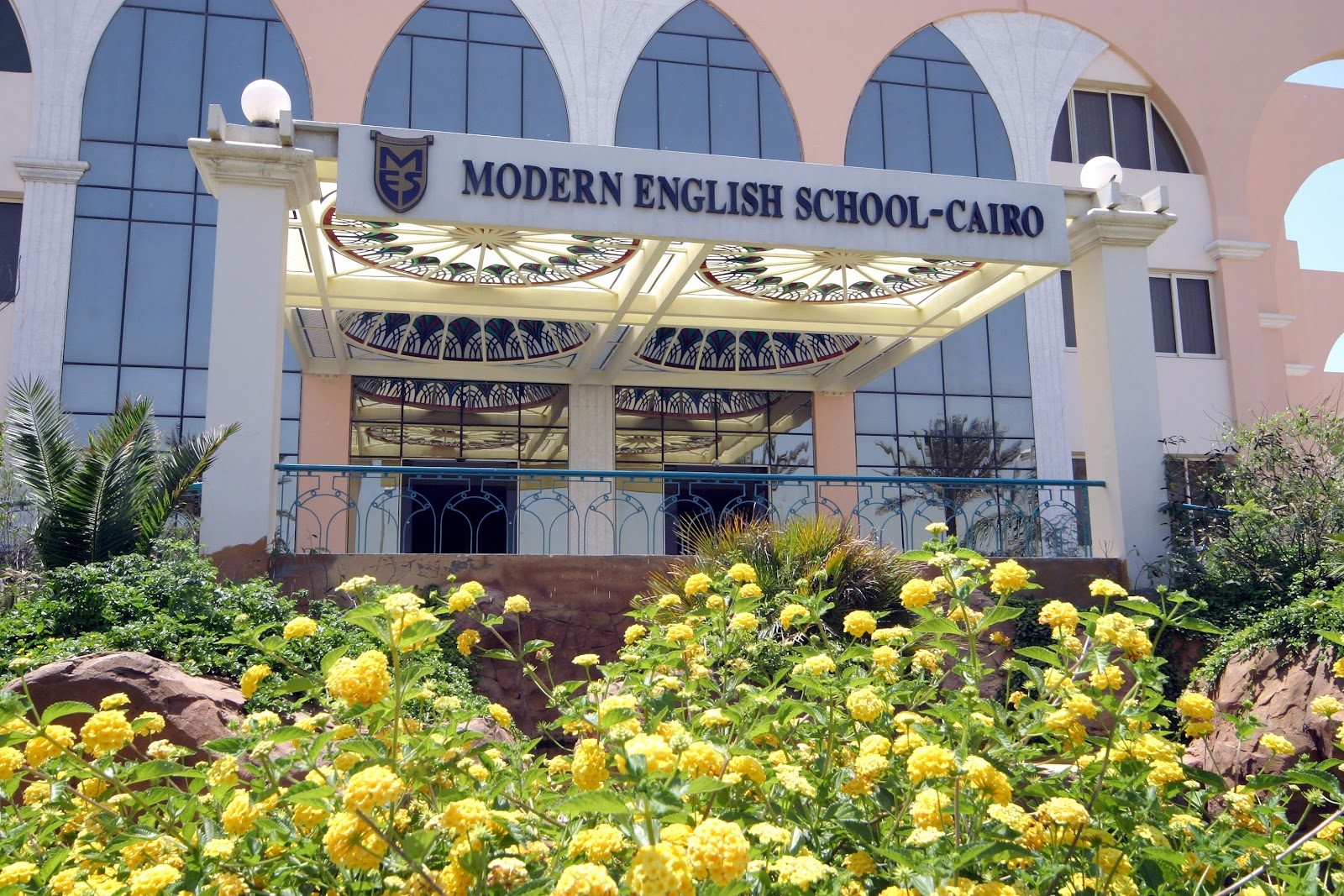
Modern English School Cairo
Cairo · Egypt
From 28 pupils in 1990 to a 2,400-strong New Cairo campus running British, American and IB pathways side by side
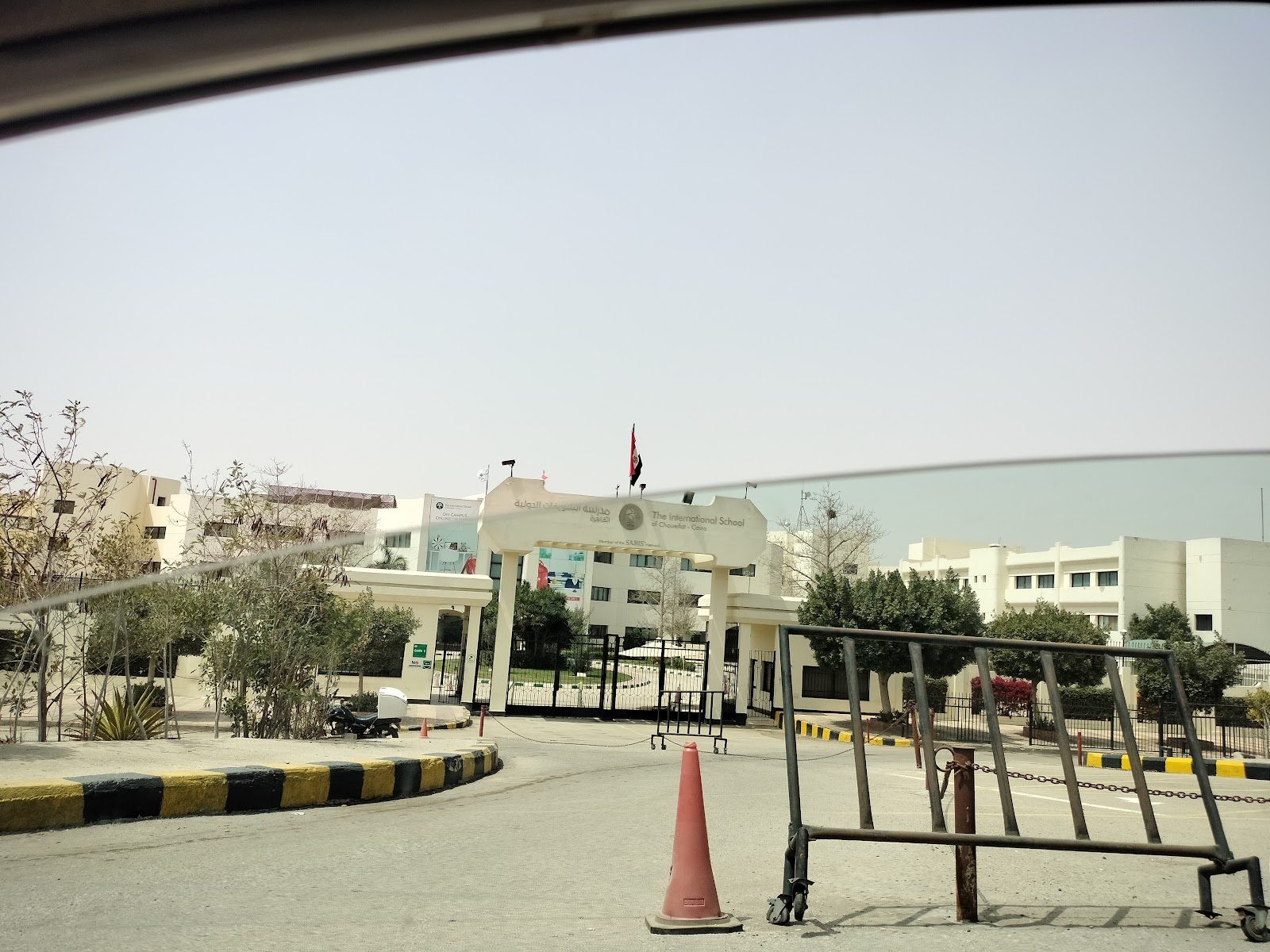
Choueifat International School Cairo
Cairo · Egypt
In New Cairo's Katameya district, a SABIS-network campus pairs American coursework with a century-old, data-driven teaching method.
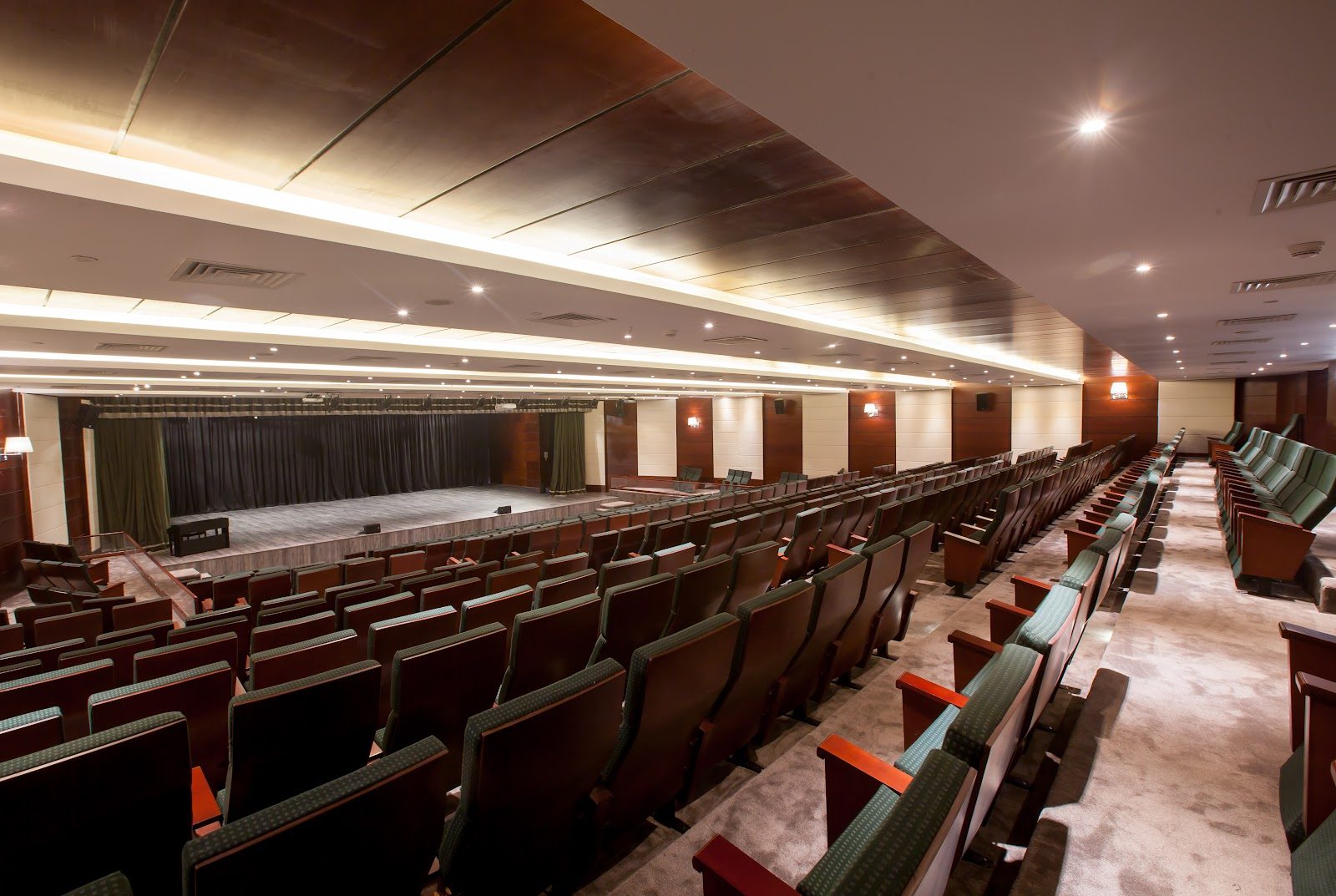
Malvern College Egypt
New Cairo · Egypt
In New Cairo, a house-based day school pairs A-Levels with the IB Diploma, carrying a 150-year Malvern lineage.
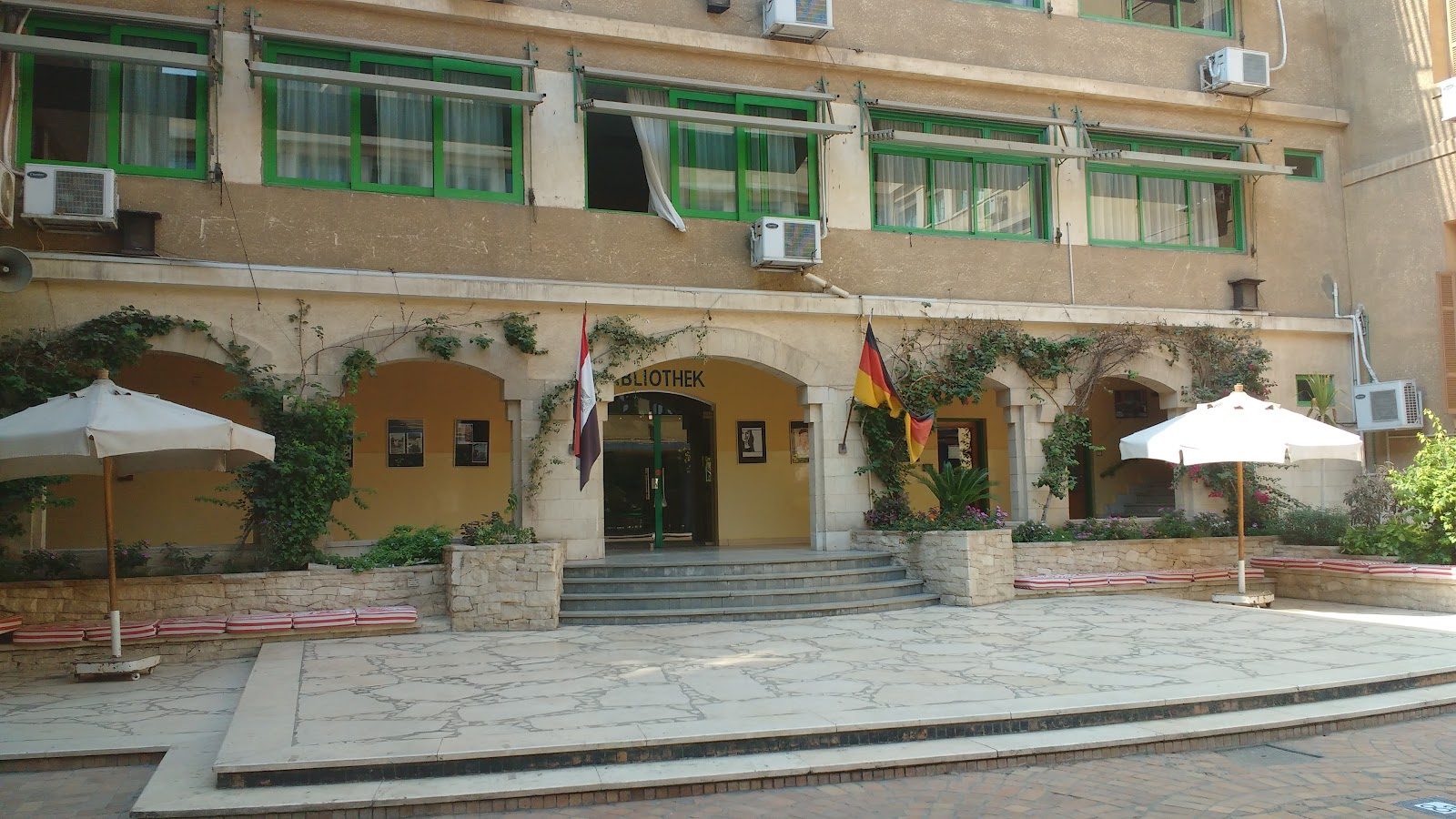
Deutsche Schule der Borromäerinnen
Cairo · Egypt
Steps from Tahrir Square, Catholic sisters have prepared Muslim and Christian girls for the German Abitur since 1904.
Same country and curriculum — closest matches within ±10 points either way